Why Your Insurance Company Might Deny Your DC Water Damage Claim (And How to Prevent It)
Water damage in Washington DC can strike suddenly from a burst pipe in your Capitol Hill rowhouse or a failed sump pump during a summer thunderstorm. When it does, your first call is to your insurance company. But what happens when they say your claim is denied? Understanding the common reasons for denial and how to prevent them can save you thousands of dollars and protect your property. This guide walks you through the seven most frequent reasons DC insurers reject water damage claims and what you can do to ensure your claim gets approved. DC Department of Insurance, Securities and Banking.
Common Reasons DC Insurance Companies Deny Water Damage Claims
Insurance companies in the District have specific criteria for approving water damage claims. Many denials stem from misunderstandings about coverage or preventable mistakes in the claims process. Here are the seven most common reasons your claim might be rejected. Fast Water Extraction for Commercial Offices in Downtown DC.
1. Lack of Maintenance or Wear and Tear
Most standard homeowners policies in DC cover sudden and accidental water damage but exclude damage from gradual deterioration. If your claim involves a slow leak from corroded pipes or a roof that’s been leaking for months, the insurer will likely deny it. They’ll argue you failed to maintain your property properly. Emergency Water Damage Cleanup for Capitol Hill Rowhouses.
2. Excluded Water Sources
Standard policies typically cover water from internal sources like burst pipes but exclude flood damage from external sources. If your basement floods during a Potomac River storm surge, you’ll need separate flood insurance through FEMA’s National Flood Insurance Program. Similarly, sewer backup requires a specific endorsement. FEMA National Flood Insurance Program.
3. Failure to Mitigate Damage
DC insurance policies include a “duty to mitigate” clause. This means you must take reasonable steps to prevent further damage after discovering a problem. If you ignore a leak for days or fail to shut off the main water valve, the insurer may deny coverage for additional damage that could have been prevented. Water Damage Restoration Bethesda.
4. Incorrect Documentation
Claims get denied when documentation is incomplete or inconsistent. Missing receipts, unclear photos, or damage estimates that don’t align with your policy’s requirements can trigger rejection. DC adjusters need clear evidence of the cause, extent, and cost of damage.. Read more about How to Spot a Bad Water Damage Restoration Company Before They Start Tearing Up Your Falls Church Home.
5. Policy Exclusions for Specific Materials
Some policies exclude coverage for certain materials or systems. For example, if your historic Georgetown home has original plaster walls, your policy might not cover specialized restoration of these materials. Always review your policy for material-specific exclusions.
6. Timing Issues
Most DC policies require you to report water damage within a specific timeframe, typically 14-30 days. Missing this deadline gives insurers grounds for denial. Additionally, if damage occurred gradually over time, they may argue it wasn’t “sudden and accidental” as required by your policy.. Read more about Removing Water Stains from High-End Marble and Stone in Your Foxhall Estate.
7. Disputes Over Cause
Insurance companies often send their own experts to investigate the cause of damage. If they determine the water came from a source not covered by your policy or that the damage resulted from your negligence rather than a covered peril, they’ll deny the claim.
How to Prevent Your DC Water Damage Claim from Being Denied
Prevention starts with understanding your policy and taking proactive steps. Here’s how to protect your claim from the moment damage occurs.. Read more about What to Do When the Flat Roof on Your H Street Rowhome Starts Leaking.
Step 1: Document Everything Immediately
When water damage strikes, grab your phone and start documenting. Take clear photos and videos of all affected areas, including water levels, damaged items, and the source of the leak if visible. Note the date and time. This documentation creates a timeline that supports your claim.. Read more about The Step-by-Step Guide to Documenting Flood Damage for Your Kingman Park Insurance Claim.
Step 2: Contact a Professional Water Damage Restoration Company
Professional restoration companies in DC understand insurance requirements. They’ll document damage using moisture meters, thermal imaging, and detailed reports that satisfy insurance adjusters. Their estimates align with industry standards, making it harder for insurers to dispute costs.. Read more about Making Sense of Sewer Line Coverage for Your Deanwood Property.
Step 3: Mitigate Further Damage
Take reasonable steps to prevent additional damage. This might include shutting off the water main, moving undamaged items to dry areas, or placing buckets under active leaks. Keep receipts for any emergency supplies you purchase, as these may be reimbursable under your policy.. Read more about Emergency Kitchen Flood Restoration for Adams Morgan Restaurants.
Step 4: Review Your Policy Before Filing
Before contacting your insurer, review your policy for coverage limits, deductibles, and exclusions. Understanding what’s covered helps you frame your claim appropriately and avoid filing for non-covered damage.
Step 5: File Promptly and Follow Up
Submit your claim as soon as possible after discovering damage. Keep copies of all correspondence with your insurer. Follow up regularly and keep detailed notes of every conversation, including the representative’s name and what was discussed.. Read more about What Every Brookland Homebuyer Needs to Know About Spotting Hidden Water Damage.
Understanding DC-Specific Water Damage Coverage Issues
Washington DC presents unique challenges for water damage claims due to its specific climate, infrastructure, and building codes. Understanding these local factors can help you navigate the claims process more effectively.. Read more about When an Overflowing Washing Machine Floods Your Second Floor Laundry Room in Friendship Heights.
Historic District Considerations
If you own a property in DC’s historic districts like Capitol Hill or Georgetown, restoration work must comply with preservation guidelines. This can affect coverage if your policy doesn’t account for specialized restoration costs. Some insurers offer historic home endorsements that cover these additional expenses.
DC Water Infrastructure Issues
DC’s aging water infrastructure can contribute to property damage. If a city water main breaks and damages your property, you may need to file a claim against DC Water rather than your homeowners insurance. Understanding when to file against the city versus your insurer is crucial.
Combined Sewer System Challenges
Parts of DC still operate combined sewer systems where stormwater and sewage share the same pipes. During heavy rains, these systems can back up into basements. Standard homeowners policies don’t cover this type of damage without a specific sewer backup endorsement. Reliable Sewage Backup Cleaning in Anacostia and Southeast DC.
Federal Property Proximity Issues
Properties near federal buildings or on federal land may have unique insurance considerations. Some federal properties have easements or specific regulations that affect water drainage and liability. Understanding these relationships can prevent claim disputes.. Read more about How Better Yard Drainage Can Stop Your Cathedral Heights Basement From Flooding Every Spring.
The Role of Professional Documentation in Claim Approval
Professional water damage restoration companies provide the documentation insurance companies require. Here’s what they document and why it matters.. Read more about Professional Sewage Remediation for Southwest DC Properties.
Moisture Mapping and Thermal Imaging
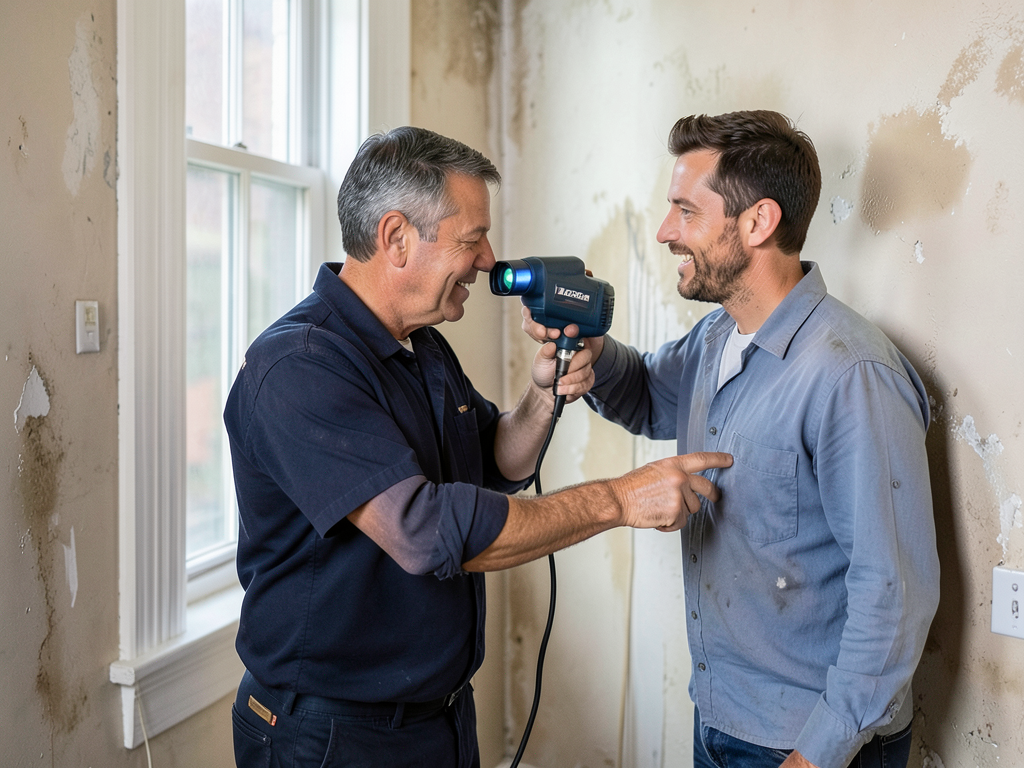
Professionals use moisture meters and thermal imaging cameras to detect water in walls, floors, and ceilings that aren’t visible to the naked eye. This documentation proves the full extent of damage and prevents insurers from arguing that damage was pre-existing or limited to visible areas.. Read more about Handling a Ceiling Leak From Your Upstairs Neighbor in a NoMa High-Rise.
Category Classification
Water damage is classified into three categories based on contamination level. Category 1 is clean water, Category 2 is gray water, and Category 3 is black water. This classification affects coverage and required restoration procedures. Professional documentation of the category helps justify restoration methods and costs.
Structural Assessment
Professionals assess whether water damage has compromised structural integrity. This documentation is crucial for claims involving load-bearing walls, support beams, or foundation damage. Without professional assessment, insurers might argue that cosmetic repairs are sufficient.
DC Building Codes and Insurance Claims
DC’s building codes affect how water damage must be repaired and what documentation is required for insurance claims. Understanding these requirements helps ensure your restoration work meets both code and insurance standards.
Permit Requirements
Major water damage repairs in DC often require permits from the Department of Consumer and Regulatory Affairs. Your insurance company may require proof of permits before approving restoration work. Working with a licensed contractor who handles permits streamlines this process.
Material Standards
DC building codes specify standards for materials used in water damage repair, particularly in flood-prone areas. For example, materials in basements must meet specific moisture resistance standards. Professional documentation showing compliance with these codes strengthens your claim.
Electrical and Plumbing Codes
Water damage often affects electrical and plumbing systems. DC codes require specific procedures for repairing or replacing these systems after water exposure. Insurance companies look for documentation showing that repairs meet current code requirements, not just pre-damage conditions.
When to Consider Professional Help Beyond Restoration
Sometimes, getting your water damage claim approved requires more than professional restoration. Here are situations where additional expertise might be necessary.
Public Adjuster Services
If your claim is complex or the insurance company is disputing coverage, a public adjuster can advocate on your behalf. These professionals work for you, not the insurance company, and can often secure higher settlements by identifying covered damages the insurer might overlook.
Legal Assistance
For large claims or when you believe your insurer is acting in bad faith, consulting with an attorney who specializes in insurance claims might be worthwhile. DC has specific regulations governing insurance practices that could support your case.
Independent Engineering Assessment
For structural damage claims, an independent structural engineer can provide unbiased documentation of damage extent and repair requirements. This can be particularly valuable when the insurance company’s expert disagrees with your assessment.
Preventing Future Water Damage Claims
While this article focuses on handling claims, preventing water damage in the first place is even better. Here are maintenance steps that can prevent many common water damage scenarios.
Regular Plumbing Inspections
Have a licensed plumber inspect your plumbing system annually, paying special attention to areas prone to leaks like under sinks, around water heaters, and in basements. Early detection of corrosion or wear can prevent catastrophic failures.
Sump Pump Maintenance
If your DC home has a sump pump, test it regularly and consider a battery backup system. Power outages during storms are common in the District, and a failed sump pump can lead to significant basement flooding.
Roof and Gutter Maintenance
Clean gutters twice yearly and inspect your roof for damaged shingles or flashing. Water intrusion through the roof is a leading cause of interior water damage, and regular maintenance can prevent many issues.
Appliance Maintenance
Inspect washing machine hoses, dishwasher connections, and refrigerator water lines regularly. Replace rubber hoses with stainless steel braided ones, which are less likely to burst. Consider water leak detection systems that can shut off water automatically if a leak is detected. Immediate Burst Pipe Response for Arlington VA Apartment Managers.
Frequently Asked Questions
How long do I have to file a water damage claim in DC?
Most DC insurance policies require you to report water damage within 14-30 days of discovery. Check your specific policy for exact deadlines, as missing this window can result in automatic denial.
Will my insurance cover mold damage from a water leak?
Coverage for mold depends on your policy and the cause of the water damage. If the leak was sudden and accidental, mold resulting from it is often covered. However, mold from long-term moisture problems or flooding typically isn’t covered without specific endorsements.
What’s the difference between water damage and flood damage?
Water damage typically refers to water from internal sources like burst pipes, while flood damage comes from external sources like rising rivers or storm surges. Standard homeowners policies cover water damage but not flood damage, which requires separate FEMA flood insurance.
Should I make temporary repairs before the adjuster arrives?
Yes, but document everything first. Take photos of the damage before making any changes, then make temporary repairs to prevent further damage. Keep all receipts for materials and labor, as these may be reimbursable.
How can I prove the water damage was sudden and accidental?
Documentation is key. Photos showing the progression of damage, receipts for recent maintenance, and professional assessments can help prove the damage was sudden rather than gradual. Time-stamped photos and videos are particularly valuable.
Conclusion
Understanding why insurance companies deny water damage claims in Washington DC and how to prevent those denials can save you significant time, money, and stress. The key is preparation: know your policy, document everything, mitigate damage promptly, and work with professionals who understand insurance requirements. When water damage strikes, quick action and proper documentation can mean the difference between a smooth claim process and a frustrating denial. Remember, your insurance company’s goal is to pay as little as possible, while your goal is to restore your property properly. By following the steps outlined in this guide, you can ensure your claim is handled fairly and your property is restored to its pre-damage condition.
If you’re dealing with water damage right now, don’t wait. Call (771) 223-8077 today to schedule your inspection. Our team will document the damage professionally and help you navigate the insurance process. Pick up the phone and call (771) 223-8077 before the next storm hits. Your property and peace of mind are worth it. For more information, visit IICRC (Institute of Inspection Cleaning and Restoration Certification).
You may also find this helpful. Smart Leak Detectors That Can Save Your Reston Home From a Massive Water Bill.
You may also find this helpful. Minimizing Business Downtime After a Major Water Leak in Your Union Market Retail Space.