Handling a Ceiling Leak From Your Upstairs Neighbor in a NoMa High-Rise
A ceiling leak from the unit above you in a NoMa high-rise can turn a quiet evening into a crisis within minutes. Water dripping through your ceiling doesn’t just damage drywall—it threatens your electronics, furniture, and health through potential mold growth. The humid summers in Washington DC create perfect conditions for mold to establish within 24-48 hours of a leak, making fast action critical. Fast Water Extraction for Commercial Offices in Downtown DC.
In a NoMa high-rise, the first priority is stopping the water source and protecting your belongings. But equally important is understanding who bears responsibility under DC law and your building’s specific policies. This guide walks you through immediate emergency steps, liability determination, and when to call professional restoration services like Reliance Water Damage Restoration at (771) 223-8077. Immediate Burst Pipe Response for Arlington VA Apartment Managers.
Immediate Steps: What to Do in the First 60 Minutes
Time matters more than anything else when water starts pouring through your ceiling. Every minute of delay multiplies the damage and restoration costs. Emergency Water Damage Cleanup for Capitol Hill Rowhouses.
- Stop the Water Flow
Locate your unit’s main water shut-off valve immediately. In most NoMa high-rises, this is either in a utility closet or near the water heater. Turn it clockwise until fully closed. If you cannot find it, contact building maintenance or the DC Water emergency line at 202-612-3400. Water Damage Restoration Bethesda.
- Protect Your Belongings
Move electronics, documents, and valuables away from the leak. Place buckets or plastic containers under active drips. For ceiling bubbles (water trapped behind drywall), puncture the lowest point with a screwdriver to release water in a controlled manner rather than letting it spread unpredictably.. Read more about Why Your AC Unit is Leaking Through the Ceiling of Your Penn Quarter Condo.
- Document Everything
Take timestamped photos and videos of all damaged areas before any cleanup begins. Document the water source if visible, the extent of damage, and any personal property affected. This documentation proves essential for insurance claims and potential liability disputes.. Read more about How Long You Actually Have Before Mold Starts Growing in Your Glover Park Apartment.
- Notify Building Management
Call your building’s maintenance line immediately. Most NoMa high-rises have 24/7 emergency response. Request that they contact the upstairs unit to address the source. Keep a record of who you spoke with and when.
Warning: Never attempt to enter the upstairs unit yourself, even if you know your neighbor. Building security protocols and liability concerns make this inadvisable. Let building management handle neighbor communication.
Determining Liability in DC: Who is Responsible?
Washington DC follows specific legal principles for multi-unit water damage that differ from single-family home scenarios. Understanding these rules helps you know what to expect from your neighbor, building management, and insurance companies.. Read more about When an Overflowing Washing Machine Floods Your Second Floor Laundry Room in Friendship Heights.
DC law generally places responsibility for water damage on the party whose negligence caused it. If your upstairs neighbor left a faucet running or failed to maintain their plumbing, they typically bear financial responsibility for damages to your unit. However, if the leak stems from a building-wide pipe failure or roof issue, the condominium association or building owner usually covers repairs.
The DC Housing Code requires all rental properties to maintain plumbing systems in good working order. Under DC Municipal Regulations Title 14, Chapter 10, landlords must ensure plumbing fixtures do not leak or cause damage to other units. A failure to address known plumbing issues can constitute a violation of the warranty of habitability.
Most NoMa high-rise leases and condo bylaws contain specific provisions about water damage liability. These documents often require unit owners to carry insurance that covers damage to other units caused by their negligence. Review your lease or HOA documents to understand your rights and obligations.
Renter vs. Owner Responsibilities
Your status as a renter or owner significantly affects how you handle a ceiling leak and who ultimately pays for restoration.
Condo Owners in NoMa: As a unit owner, you’re responsible for everything within your four walls, including interior finishes and personal property. Your HO-6 condo insurance policy should cover damage to your unit’s interior, personal belongings, and liability if you accidentally cause damage to another unit. The building’s master policy typically covers common areas and the building envelope, but not your interior finishes.
Renters in NoMa: Your landlord maintains responsibility for the building’s structure and plumbing systems. However, your personal belongings and any improvements you’ve made are your responsibility. Renters insurance (HO-4 policy) covers your personal property and provides liability protection if you accidentally cause damage to others.
Regardless of ownership status, never assume someone else will handle the damage. Document everything, notify all relevant parties, and consider professional assessment to prevent mold growth and structural issues.
The Restoration Process: Why ‘Air Drying’ Isn’t Enough
Many NoMa residents believe that once the leak stops and surfaces feel dry, the problem is solved. This assumption often leads to costly mold remediation months later. Professional water damage restoration follows the IICRC S500 Standard, which requires systematic moisture removal and verification. Specialist Mold Remediation for Historic Georgetown Properties.
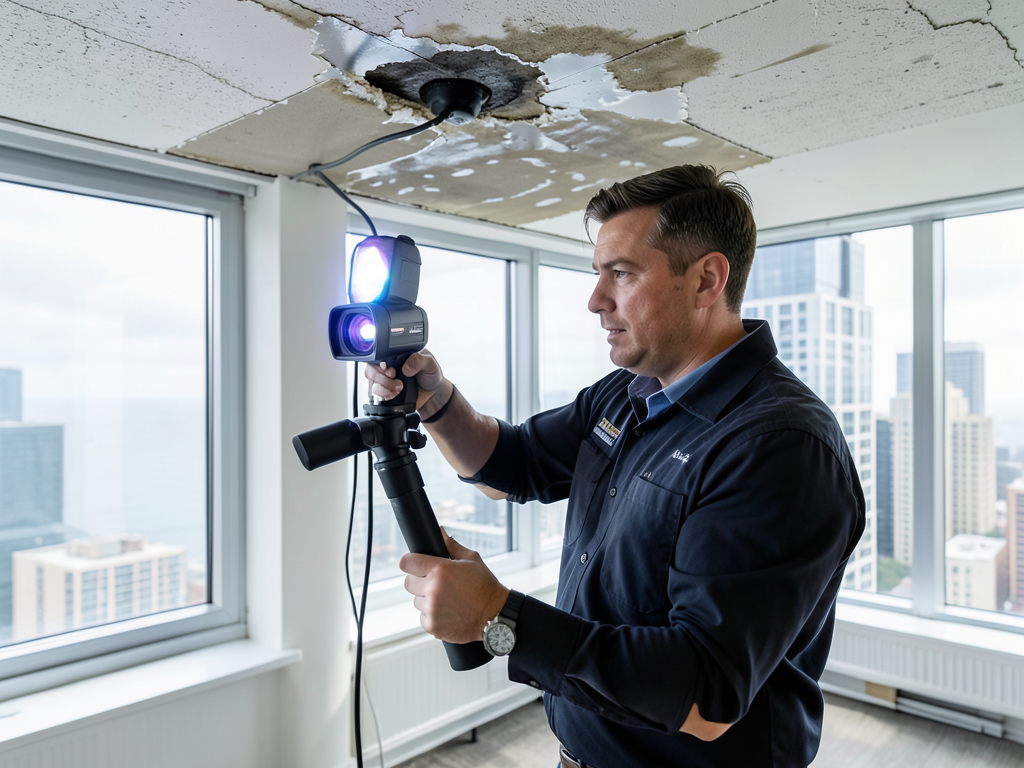
Professional restoration technicians use moisture meters to detect water hidden in wall cavities, under flooring, and within ceiling structures. A surface that feels dry to touch may still contain 15-20% moisture content—enough to support mold growth. Thermal imaging cameras reveal temperature differences that indicate moisture presence behind walls and ceilings.. Read more about The Hidden Cost of Ignoring That Small Yellow Water Spot on Your Adams Morgan Boutique Ceiling.
The structural drying process involves industrial-grade dehumidifiers, air movers, and sometimes specialized drying chambers. For NoMa high-rises with concrete subfloors and steel framing, drying times extend beyond what homeowners expect. Concrete can retain moisture for weeks, requiring continuous monitoring and equipment operation.
Professional restoration also includes antimicrobial treatment of affected areas, even when mold isn’t yet visible. This preventive step inhibits mold spore establishment during the critical 24-48 hour window after water exposure. The cost of professional drying typically ranges from $1,500 to $5,000 depending on damage extent, but prevents exponentially higher mold remediation costs.
Insurance Claims for Water Damage in DC
Navigating insurance after a ceiling leak requires understanding the differences between various policy types and when each applies.
Renters Insurance (HO-4): Covers your personal belongings damaged by the leak but not the building structure. If the upstairs neighbor’s negligence caused the damage, your insurer may pursue subrogation against their liability coverage to recover your deductible and damages.
Condo Insurance (HO-6): Covers interior damage to your unit, personal property, and liability. The building’s master policy covers common elements and original construction, but upgrades and improvements you’ve made require HO-6 coverage.
Building Master Policy: Covers common areas, original construction, and sometimes original fixtures. If a common pipe or roof failure caused the leak, this policy may cover damage to your unit’s original construction but not your personal property or improvements.
Document all communications with neighbors, building management, and insurance companies. Keep receipts for any emergency measures you take, like renting dehumidifiers or hiring emergency cleanup services. These expenses often qualify for reimbursement through insurance claims.
Important: DC law requires landlords to address water penetration issues within a reasonable time frame. If your landlord fails to repair a leak that damages your property, you may have grounds for a housing complaint with the DC Office of the Tenant Advocate.
Preventing Future Ceiling Leaks in NoMa High-Rises
While you cannot control your upstairs neighbor’s plumbing maintenance, you can take steps to minimize your risk and respond more effectively if another leak occurs.
Install water leak detectors near ceiling areas that share walls with upstairs units. Modern smart detectors send instant alerts to your phone when moisture is detected, allowing you to respond before extensive damage occurs. Some NoMa buildings now include these as standard features in newer construction.
Maintain comprehensive renters or condo insurance with adequate coverage limits for water damage. Review your policy annually to ensure coverage limits reflect current replacement costs for your belongings and unit improvements.
Familiarize yourself with your building’s emergency procedures and locate critical shut-off valves before an emergency occurs. Many NoMa high-rises offer resident orientations that cover these systems—attend these sessions to understand your building’s specific protocols.
Consider scheduling annual plumbing inspections if you live in an older NoMa building. While this won’t prevent neighbor-caused leaks, it can identify potential issues in your own plumbing that might contribute to water damage problems.
When to Call Professional Restoration Services
Professional water damage restoration becomes necessary when water affects multiple rooms, saturates building materials, or when you lack the equipment to properly dry affected areas. Signs you need professional help include:
- Water spreading beyond the initial leak area
- Water trapped in ceiling cavities or wall spaces
- Musty odors developing within 48 hours
- Visible mold growth
- Water affecting electrical systems or creating safety hazards
Reliance Water Damage Restoration provides 24/7 emergency response throughout Washington DC, including NoMa. Our certified technicians arrive within 60-90 minutes, equipped with industrial-grade drying equipment and moisture detection technology. We work directly with insurance companies to streamline your claims process and ensure complete restoration to pre-loss condition.
Don’t wait for small leaks to become major problems. Call (771) 223-8077 today to schedule your inspection and protect your NoMa home from water damage.
Frequently Asked Questions
Can I enter my upstairs neighbor’s unit to stop the leak?
No. Building security protocols prohibit unauthorized entry into other units. Contact building management or the DC Housing Authority emergency line at 202-737-4343 to address the source.
How long do I have to report a ceiling leak to my landlord?
DC law requires prompt notification of any maintenance issues. Report ceiling leaks immediately upon discovery to establish your timely communication and protect your rights under the warranty of habitability.
Will my insurance cover damage from my neighbor’s leak?
Your renters or condo insurance typically covers damage to your belongings and unit interior. If your neighbor was negligent, your insurer may pursue subrogation against their liability coverage to recover costs.
How can I prove my neighbor was negligent?
Document everything: photos of the damage, witness statements from building staff, maintenance records showing previous issues, and any communication with your neighbor or building management about the problem.
What if my landlord refuses to repair the leak?
Contact the DC Office of the Tenant Advocate at (202) 719-6560 or file a complaint with the Department of Consumer and Regulatory Affairs. DC law requires landlords to maintain habitable conditions, including functional plumbing.
You may also find this helpful. How to Get Rid of That Lingering Musty Smell in Your Shirlington Apartment After a Water Leak.