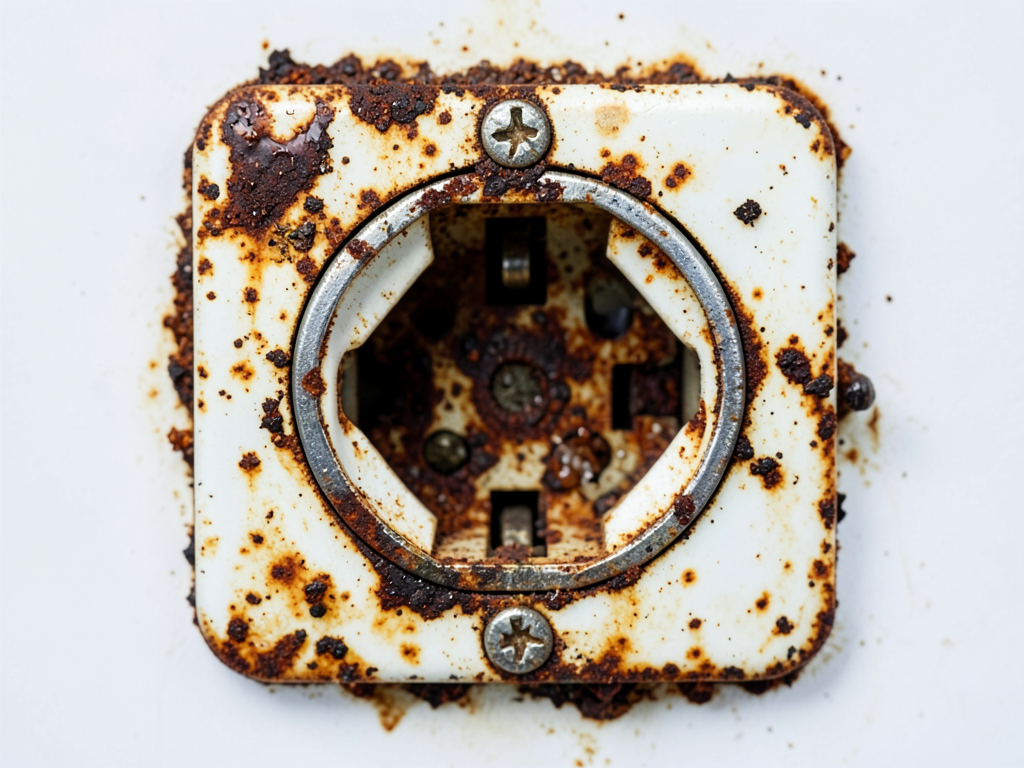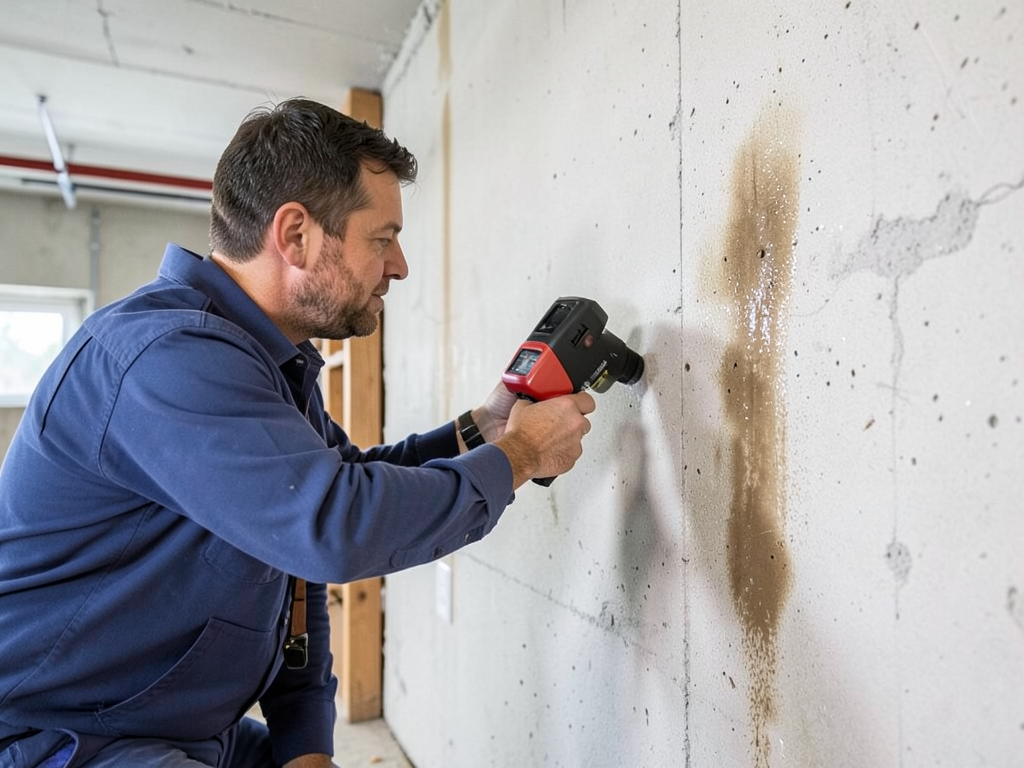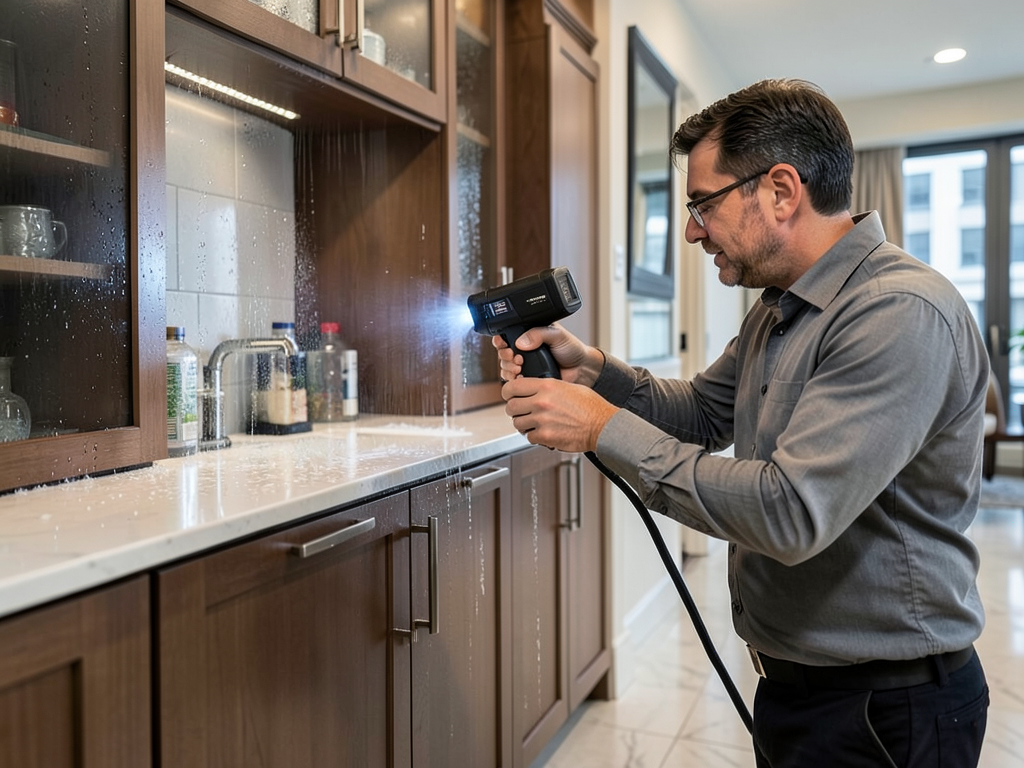







Washington, D.C. experiences dramatic humidity swings between winter heating and summer cooling seasons. Winter indoor air often drops below 30 percent relative humidity when forced air systems run continuously, causing wood trim to shrink and crack. Summer months push outdoor dew points above 70 degrees, and indoor humidity climbs to 60 or 70 percent in homes without proper dehumidification. This expansion and contraction cycle stresses baseboard joints and opens gaps where moisture infiltrates. Older homes near Rock Creek Park or along the Anacostia River floodplain face additional challenges from high water tables that keep basement concrete damp year-round. When that ground moisture migrates through slab edges or foundation walls, your baseboards absorb it through direct contact with flooring materials.
Reliance Water Damage Restoration Washington DC understands the specific moisture challenges facing different building types throughout the District. We know that Victorian rowhouses in Shaw often lack proper vapor barriers, that mid-century homes in Spring Valley struggle with undersized HVAC systems that cannot control humidity, and that newer construction in Navy Yard sometimes suffers from construction defects in below-grade waterproofing. This local experience means faster diagnosis and repairs that address root causes rather than symptoms. When your insurance adjuster needs documentation that meets industry standards for moisture intrusion claims, our detailed reports and IICRC-trained technicians provide the credibility that speeds claim approval and gets your home restored correctly.