




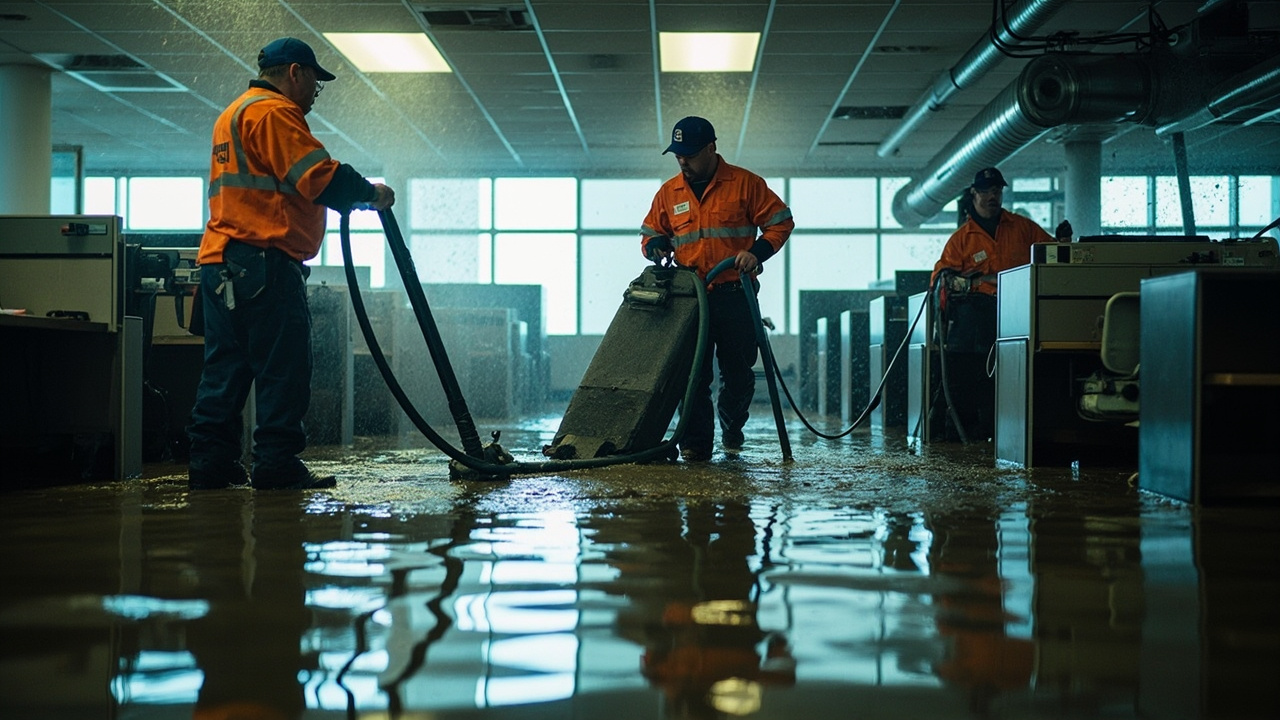
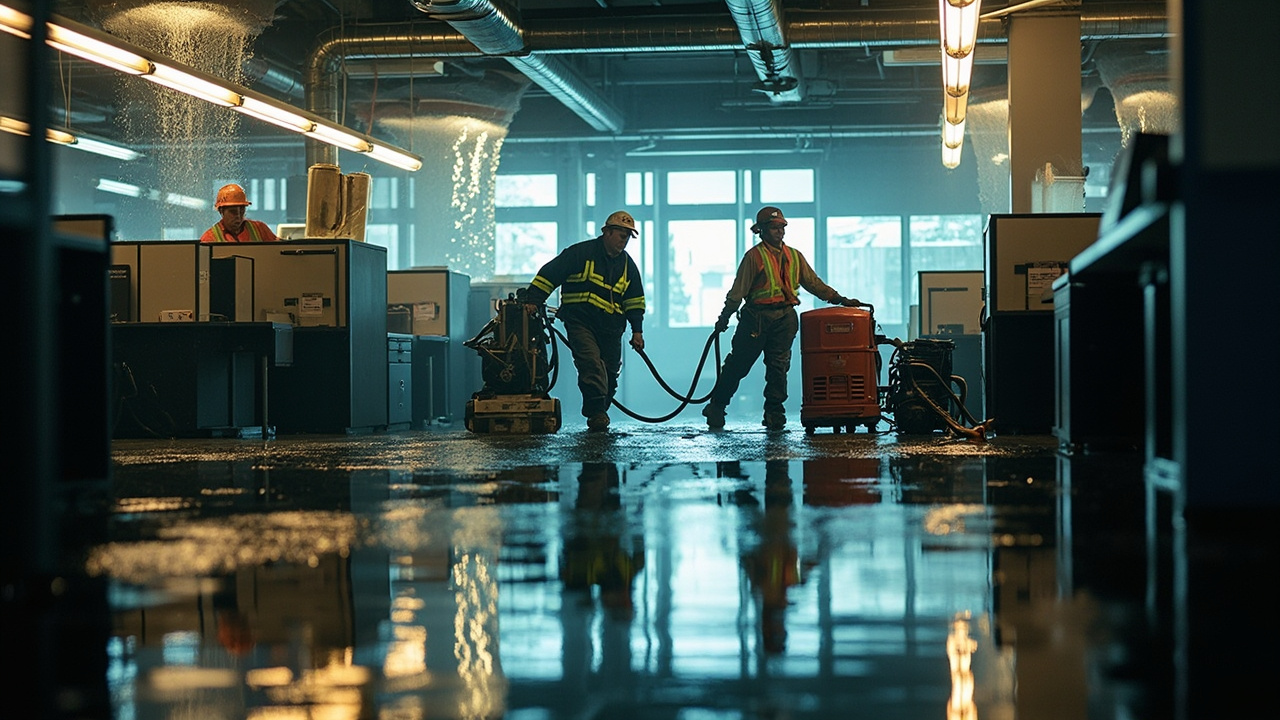
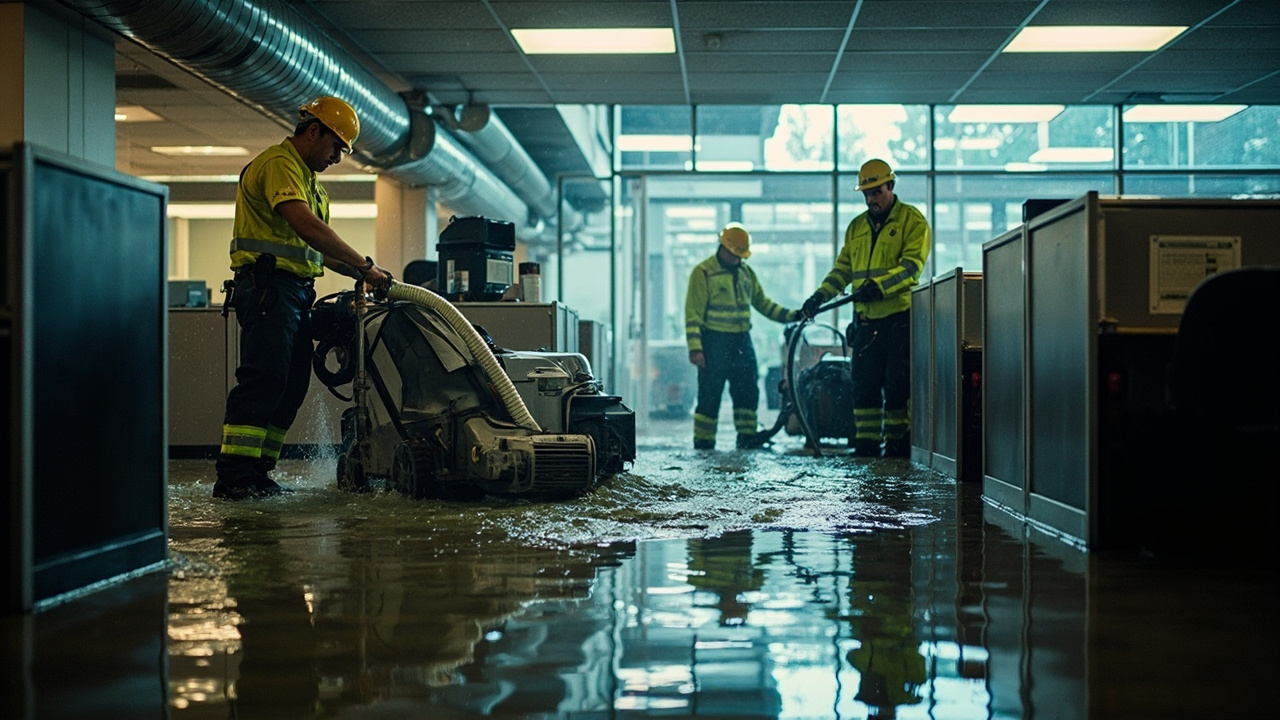
Washington, D.C. has over 30,000 buildings constructed before 1945, many featuring ornamental plaster ceilings, hardwood floors, and horsehair plaster walls. These historic materials absorb water rapidly and release it slowly, extending drying timelines compared to modern construction. Fire suppression systems retrofitted into older buildings often run through uninsulated pipe chases where winter freezing causes expansion cracks that lead to unexpected discharge. The combination of aging infrastructure, dense historic construction materials, and Washington's freeze-thaw winter cycles creates perfect conditions for catastrophic water damage when sprinkler systems fail or activate accidentally during renovations.
The District's unique zoning regulations and historic preservation requirements add complexity to water damage restoration projects. Buildings in historic districts require approval from the Historic Preservation Review Board before you can alter exterior materials or significant interior features. Our crews understand these local regulatory requirements and work within the constraints to dry buildings properly while preserving historic fabric. We have established relationships with local structural engineers, architects, and preservation consultants who can provide the technical documentation needed for permit applications when restoration work affects protected structures.