





Silver Spring sits in a humid subtropical climate where heavy rainfall and severe thunderstorms create constant flood risks. The aging housing stock in neighborhoods like Downtown Silver Spring and Woodside features homes built between the 1920s and 1950s with outdated plumbing and poor drainage systems. Basement flooding happens frequently near Sligo Creek and Long Branch Creek, especially after spring storms dump several inches of rain in hours.
Montgomery County's clay-heavy soil does not absorb water quickly. Rain pools around foundations and seeps through cracks in basement walls. Properties near Rock Creek Park face additional challenges from groundwater pressure pushing moisture through foundation walls. The combination of old infrastructure and extreme weather means Silver Spring homes need fast water removal when pipes burst or storms flood basements.
Winter freeze-thaw cycles crack pipes in unheated spaces. Summer humidity accelerates mold growth after water events. These local conditions make immediate response critical. Waiting even a few hours allows water to saturate drywall, warp hardwood floors, and create conditions for toxic mold. Silver Spring homeowners need a restoration team that understands these specific regional challenges and responds fast.
Reliance Water Damage Restoration Washington DC has served Silver Spring and Montgomery County for years with a simple promise: we answer your call and arrive ready to work. Our dispatch center operates around the clock because water emergencies do not wait for business hours. When your basement floods at 2 AM or a pipe bursts on Sunday morning, our crew is already on the way.
We maintain equipment staging throughout the Silver Spring area so our technicians reach you within 60 minutes. Our trucks carry industrial extraction pumps, commercial dehumidifiers, air movers, and moisture detection tools. We do not need to go back to a warehouse for equipment. We show up prepared to start water removal immediately.
Our team holds IICRC certifications in water damage restoration and applied structural drying. We follow strict protocols for moisture mapping, controlled demolition, and antimicrobial treatment. Every job gets documented with thermal imaging and moisture readings so your insurance claim has the evidence it needs. We communicate directly with adjusters to speed up approval and get you paid faster.
Silver Spring homeowners recommend us because we treat your emergency like our own. We protect your furniture, remove damaged materials safely, and dry your structure completely before declaring the job finished. We do not cut corners or leave early. The job is done when moisture readings confirm your home is safe and dry.

Our trucks stage across Silver Spring so we reach your property within 60 minutes of your call. Fast arrival stops water from spreading to additional rooms and reduces total damage. We start extraction immediately while damage is still containable and fixable.

We document every aspect of your water damage with photos, moisture readings, and detailed reports. Our team communicates directly with your insurance adjuster to provide the evidence needed for fast claim approval. You get the coverage you deserve without fighting the process alone.
Every crew member holds current IICRC certification in water damage restoration and applied structural drying. We follow industry standards for moisture detection, extraction methods, and drying protocols. Your property gets treated with professional techniques that prevent secondary damage and mold growth.
We know Silver Spring's older homes, clay soil drainage problems, and flood-prone areas near Sligo Creek. Our technicians understand how basement construction in Woodside and Downtown differs from newer builds in Four Corners. Local knowledge means faster diagnosis and better solutions for your specific property type.
Reliance Water Damage Restoration Washington DC handles every type of water emergency across Silver Spring. Our services cover immediate extraction, structural drying, mold remediation, and complete restoration. Whether you face a burst pipe, sewage backup, or storm flooding, we have the equipment and training to restore your property safely.
Water damage restoration requires different approaches depending on the water source, amount of saturation, and affected materials. Clean water from supply lines needs fast extraction and drying. Contaminated water from sewage backups requires antimicrobial treatment and safe disposal. Our technicians assess your specific situation and deploy the right equipment and protocols.
We handle jobs ranging from single-room carpet extraction to whole-house flood recovery. Our service categories address the full spectrum of water damage scenarios Silver Spring homeowners face. Each category uses specialized equipment and follows strict safety protocols to protect your health and property value.
When water floods your basement or main level, every minute counts. Our emergency extraction service deploys industrial pumps and truck-mounted vacuums to remove standing water fast. We extract water from carpets, pull up soaked padding, and remove wet contents to stop damage from spreading. Immediate extraction prevents water from wicking up walls, saturating subfloors, and creating mold conditions. Our crews arrive prepared to start pumping within minutes of walking through your door.
Removing visible water is only the first step. Moisture trapped inside walls, under floors, and within building materials causes rot, mold, and structural damage. Our structural drying service uses thermal imaging to find hidden moisture, then deploys commercial dehumidifiers and air movers to dry everything completely. We monitor moisture levels daily with penetrating meters and adjust equipment placement until readings confirm your structure is completely dry and safe.
After your property is dry, we rebuild what water destroyed. Our full restoration service handles everything from drywall replacement and flooring installation to trim work and painting. You work with one team from emergency through completion instead of coordinating multiple contractors. We match existing finishes, restore your home to pre-loss condition, and handle all final inspections. Your insurance claim stays simple because one company manages the entire restoration process.
Silver Spring's combination of aging infrastructure, heavy rainfall, and clay soil creates specific water damage patterns. Homes in established neighborhoods face different challenges than newer construction. Basement flooding concentrates in low-lying areas near Sligo Creek and Long Branch Creek. Older properties in Downtown Silver Spring and Woodside experience plumbing failures in original pipe systems.
Understanding these common problems helps you recognize warning signs before minor leaks become major disasters. Many Silver Spring homeowners notice these issues too late because water hides inside walls or under flooring until damage becomes obvious. Fast recognition and immediate response prevent small problems from destroying entire rooms or requiring major reconstruction.
These four problems account for most water damage calls we receive across Silver Spring. Each one demands fast professional response to limit damage and protect your property value.
Spring and summer storms dump several inches of rain in short periods. Clay soil cannot absorb water fast enough, so it pools around foundations and seeps through basement walls. Sump pumps fail during power outages. Floor drains back up when municipal systems overload. Basement flooding destroys stored belongings, damages HVAC systems, and creates mold conditions within 48 hours.
Freezing temperatures crack pipes in crawl spaces, attics, and exterior walls. A single burst supply line releases hundreds of gallons per hour, flooding multiple rooms before you discover the problem. Burst pipes saturate insulation, drywall, and ceilings. Water travels through wall cavities and appears in rooms far from the actual break, making source location difficult.
Tree roots infiltrate old clay sewer lines common in Silver Spring neighborhoods. Blockages force sewage back through basement floor drains and toilets. Sewage backups contain dangerous bacteria and require specialized cleaning protocols. Contaminated water ruins everything it touches and poses serious health risks. Professional remediation and antimicrobial treatment are required for safe cleanup.
Slow leaks from supply lines, drain pipes, or shower pans hide inside walls for weeks or months. You notice water stains, musty odors, or warped flooring after extensive damage already exists. Hidden moisture feeds mold growth inside wall cavities. Thermal imaging detects moisture you cannot see so we can dry structures before rot spreads.
Water emergencies create panic. Your basement is flooding, your ceiling is dripping, or you smell sewage. You need someone to answer the phone, take control, and fix the problem now. When you call Reliance Water Damage Restoration Washington DC, you get a live person who dispatches a crew immediately.
Our process focuses on stopping damage, communicating clearly, and restoring your property completely. We know you need information about costs, timeline, and what happens next. Our team explains everything in plain language and keeps you updated through every phase. You never wonder what we are doing or when we will finish.
These three commitments define how we work with every Silver Spring customer. We follow this approach on every job from small bedroom floods to whole-house disasters.
You speak with our dispatch team within seconds of calling. We ask three questions: what happened, where is the water, and is anyone in danger. Our crew gets dispatched while you are still on the phone. We call you back with an arrival time, usually within 60 minutes. When our truck pulls up, technicians walk in ready to work. We start extracting water or stopping the source immediately, not hours later.
Our technician explains what needs to happen and why before starting any work. We walk you through the extraction, drying, and restoration process so you understand each phase. You get a written estimate covering emergency services and projected restoration costs. We discuss insurance coverage and help you contact your adjuster. No surprises, no hidden charges, no confusing technical language you cannot understand.
We do not guess when your property is dry. Our technicians use moisture meters to establish baseline readings in affected and unaffected areas. We monitor progress daily and adjust equipment until readings confirm complete drying. You receive documentation showing moisture levels returned to normal, safe ranges. We only remove equipment and close out the job when your structure is verifiably dry and safe from mold.
Water damage restoration follows a proven sequence from emergency response through final reconstruction. We break our process into three clear phases so you understand what happens next and when your home returns to normal.
Our crew arrives within 60 minutes to assess damage and stop water at the source. We extract standing water with industrial pumps and vacuums. Wet contents get moved to dry areas. Soaked carpet padding gets pulled up. We remove baseboards to let wall cavities breathe. Our team sets up air movers and dehumidifiers to begin the drying process immediately. All work happens fast to minimize damage.
Structural drying takes three to five days depending on saturation levels and affected materials. Our technicians visit daily to check moisture readings, adjust equipment, and monitor progress. We use thermal imaging to find hidden moisture. Dehumidifiers run continuously to pull moisture from the air. Air movers direct airflow across wet surfaces. We document everything with photos and meter readings for your insurance claim.
Once moisture readings confirm complete drying, we rebuild damaged areas. Our crew replaces drywall, installs new flooring, paints walls, and restores trim. We match your existing finishes so repairs blend seamlessly. Final walkthrough confirms all work meets your approval. We handle final inspections and closeout paperwork with your insurance company. Your home looks like the damage never happened.
Professional water damage restoration follows strict protocols established by the Institute of Inspection Cleaning and Restoration Certification. IICRC Standard S500 defines proper procedures for water damage remediation, including moisture detection methods, equipment deployment strategies, and documentation requirements. These standards protect your health and ensure complete drying that prevents long-term problems.
Water damage gets classified into three categories based on contamination level. Category 1 involves clean water from supply lines or rain. Category 2 includes gray water from appliance overflows or toilet tanks that may contain bacteria. Category 3 covers black water from sewage backups or flooding that contains dangerous pathogens. Each category requires different handling protocols and safety equipment.
Affected materials get classified as Class 1 through Class 4 based on absorption rates and difficulty of drying. Class 1 affects minimal porous materials with low evaporation rates. Class 4 involves specialty drying situations like hardwood floors, plaster, or stone that require extended drying times and specialized equipment. Proper classification determines equipment selection and expected drying duration.
Professional restoration companies follow psychrometric principles to create optimal drying conditions. We measure temperature, relative humidity, and specific humidity to calculate vapor pressure and determine equipment needs. Dehumidifiers must run continuously to maintain proper grain depression. Air movers create circulation that transfers moisture from materials into the air where dehumidifiers can remove it. This scientific approach ensures complete drying without causing secondary damage from over-drying or insufficient moisture removal.
Montgomery County requires permits for significant reconstruction work following water damage. Electrical systems exposed to water must be inspected before reactivation. We coordinate all inspections and ensure work meets local building codes. Proper restoration protects your property value and ensures safety.
Water restoration technicians must complete IICRC training in water damage restoration and applied structural drying. Certification covers moisture detection, equipment operation, psychrometry, and documentation protocols. Our entire crew maintains current certifications and participates in continuing education to stay updated on new techniques and equipment. Professional certification ensures your property gets treated with proven methods.
Restoration costs depend on water category, saturation extent, affected materials, and required reconstruction. Clean water costs less to remediate than sewage backups requiring antimicrobial treatment. Carpet extraction costs less than hardwood floor drying. Basement floods affecting finished living space require more work than unfinished storage areas. Insurance typically covers sudden water damage from burst pipes but may exclude gradual leaks or flood damage.
Structural drying takes three to five days for typical water damage affecting drywall, carpet, and wood framing. Hardwood floors require seven to ten days. Plaster walls need extended drying times due to density and absorption characteristics. High humidity or cold temperatures slow evaporation and extend drying duration. We monitor progress daily and adjust equipment until moisture readings confirm complete drying.
Mold grows within 24 to 48 hours in wet conditions. Fast extraction and immediate drying prevent mold from establishing. We apply antimicrobial treatments to affected surfaces when appropriate. HEPA air scrubbers capture airborne spores during demolition. Complete structural drying eliminates moisture that feeds mold growth. Proper restoration prevents the mold problems that make water damage more expensive and dangerous.
Complete guide to water damage restoration services in Silver Spring, Maryland. This video explains emergency water extraction, structural drying techniques, and restoration protocols used by professional water damage companies. Learn about Silver Spring's unique flood risks from heavy rainfall, aging infrastructure, and clay soil drainage problems. Covers IICRC restoration standards, moisture detection methods, mold prevention strategies, and what to expect during the water damage cleanup and restoration process.
Reliance Water Damage Restoration Washington DC serves all of Silver Spring and surrounding Montgomery County neighborhoods. Our central location and equipment staging allow fast response across Downtown Silver Spring, Woodside, Four Corners, Takoma Park, and Wheaton. We know the unique characteristics of each area and how local conditions affect water damage risks.
Downtown Silver Spring features high-density housing with older apartment buildings and converted homes where shared plumbing creates cascading flood risks. Water damage in one unit often affects neighbors above and below. Our team coordinates multi-unit restoration and works with property managers to minimize disruption. The commercial corridor along Georgia Avenue and Colesville Road includes businesses that cannot afford extended closures. We prioritize fast restoration so shops and restaurants reopen quickly.
Woodside and North Hills contain established single-family homes built in the 1930s and 1940s with original plumbing and drainage systems. Basement flooding happens frequently during heavy rains because aging sump pumps fail and clay sewer lines crack. We stage equipment near these neighborhoods for rapid deployment during storm season. Properties near Sligo Creek face additional flood risks when water levels rise quickly after severe weather.
Four Corners and East Silver Spring include a mix of housing ages and styles. Newer townhomes have modern plumbing but limited lot drainage. Older detached homes sit on larger lots with mature trees whose roots infiltrate sewer lines. Our technicians know which neighborhoods face specific problems and arrive prepared with appropriate equipment.
Takoma Park borders Washington DC with historic homes requiring careful restoration that preserves original features. We work with homeowners who want period-appropriate repairs that maintain property character and value. The proximity to Sligo Creek Parkway creates flood risks during heavy rainfall when the creek overflows its banks.
Wheaton sits north of Silver Spring with newer suburban development and shopping centers. Commercial properties need fast restoration to minimize business interruption. Residential areas near Kemp Mill face drainage challenges from heavy clay soil that does not absorb water efficiently. Our familiarity with Montgomery County geography, soil conditions, and housing stock means faster diagnosis and better solutions for your specific location and property type.
Water damage restoration removes water from your property and repairs the damage it caused. The process includes water extraction, drying, dehumidification, cleaning, and structural repairs. In Silver Spring, restoration teams respond to floods, burst pipes, appliance leaks, and storm damage. Quick action prevents mold growth, which starts within 24-48 hours. Professionals use moisture meters, infrared cameras, and industrial equipment to find hidden water and dry your property completely. Most restoration projects take 3-7 days, depending on the extent of damage. Your homeowner's insurance often covers sudden water damage events.
Start by stopping the water source if you know where it comes from. Turn off the main water valve for pipe breaks. Move valuables and furniture to dry areas. Take photos of all damage for insurance claims. Remove standing water with towels or a wet vacuum if safe to do so. Open windows for ventilation and turn on fans. Do not enter rooms with electrical hazards or deep water. Call a restoration company within the first few hours. Document everything you do and keep receipts. The faster you act, the less damage your property will sustain.
Response time matters because water spreads quickly through floors, walls, and furniture. Within minutes, water soaks into wood and drywall. After 24 hours, mold spores begin growing in wet materials. Within 48 hours, mold becomes visible and odors develop. After one week, structural damage worsens and health risks increase. Silver Spring's humid climate accelerates these problems. Professional teams arrive within hours to extract water and begin drying. Quick response saves your belongings, reduces repair needs, and lowers total restoration time. Delays turn minor water problems into major reconstruction projects.
Water damage restoration removes water from your property and repairs the damage it caused. The process includes water extraction, drying, dehumidification, cleaning, and structural repairs. In Silver Spring, restoration teams respond to floods, burst pipes, appliance leaks, and storm damage. Quick action prevents mold growth, which starts within 24-48 hours. Professionals use moisture meters, infrared cameras, and industrial equipment to find hidden water and dry your property completely. Most restoration projects take 3-7 days, depending on the extent of damage. Your homeowner's insurance often covers sudden water damage events.
Start by stopping the water source if you know where it comes from. Turn off the main water valve for pipe breaks. Move valuables and furniture to dry areas. Take photos of all damage for insurance claims. Remove standing water with towels or a wet vacuum if safe to do so. Open windows for ventilation and turn on fans. Do not enter rooms with electrical hazards or deep water. Call a restoration company within the first few hours. Document everything you do and keep receipts. The faster you act, the less damage your property will sustain.
Response time matters because water spreads quickly through floors, walls, and furniture. Within minutes, water soaks into wood and drywall. After 24 hours, mold spores begin growing in wet materials. Within 48 hours, mold becomes visible and odors develop. After one week, structural damage worsens and health risks increase. Silver Spring's humid climate accelerates these problems. Professional teams arrive within hours to extract water and begin drying. Quick response saves your belongings, reduces repair needs, and lowers total restoration time. Delays turn minor water problems into major reconstruction projects.
Homeowner's insurance typically covers sudden and accidental water damage. This includes burst pipes, appliance malfunctions, roof leaks from storms, and overflow from plumbing fixtures. Insurance usually excludes flood damage from external sources, which requires separate flood insurance. Gradual damage from poor maintenance gets denied. Document everything with photos and videos before cleanup begins. Contact your insurance company immediately to start a claim. Restoration companies work directly with adjusters and provide detailed estimates. Keep all receipts and communication records. Review your policy to understand your coverage limits and deductibles.
Water damage falls into three categories based on contamination level. Category 1 is clean water from supply lines or rain. Category 2 is gray water from appliances, containing some contaminants. Category 3 is black water from sewage or flooding, which poses serious health risks. Each category requires different safety protocols and equipment. Black water needs complete sanitization and often material removal. Clean water seems harmless but still causes structural damage and mold growth. Professionals test water contamination levels and follow safety standards during cleanup.
Professional equipment includes truck-mounted extractors that remove thousands of gallons per hour. Industrial dehumidifiers pull moisture from air and materials. Air movers create airflow to speed drying. Moisture meters measure water content in walls and floors. Infrared cameras detect hidden water behind surfaces. HEPA air scrubbers remove mold spores and contaminants. Injection drying systems push warm air into wall cavities. Technicians monitor conditions daily and adjust equipment placement. This specialized gear dries your property faster and more thoroughly than household fans and dehumidifiers.
Drying time depends on water amount, affected materials, and humidity levels. Small leaks in one room take 3-5 days to dry completely. Whole-house flooding needs 5-10 days or longer. Hardwood floors require weeks to stabilize. Concrete and masonry hold water for extended periods. Silver Spring's climate affects drying speed, with humid summer months taking longer. Technicians use moisture readings to confirm dryness, not visual inspection alone. Rushing the process leads to hidden moisture and mold growth. Complete drying prevents future problems and ensures successful restoration.
Mold grows when moisture and organic materials combine for 24-48 hours. Water damage creates perfect conditions for mold throughout your property. Visible mold appears as black, green, or white patches on surfaces. You might smell musty odors before seeing growth. Mold spreads through airborne spores and damages building materials. Health effects include respiratory problems, allergies, and infections. Professional restoration includes antimicrobial treatments and air filtration. Complete drying prevents mold establishment. If mold already exists, specialists perform containment and remediation. Address water damage immediately to avoid mold complications.
Look for IICRC certification, which shows proper training in restoration standards. Check online reviews and references from past clients. Verify they offer 24/7 emergency response for urgent situations. Ask about their equipment and drying methods. Request a detailed written estimate before work begins. Ensure they work with insurance companies and understand the claims process. Local Silver Spring companies respond faster than distant services. Choose teams with experience in your specific damage type. Ask about their inspection process and moisture testing procedures. A professional company explains each step clearly.
Regular maintenance prevents most water damage incidents. Inspect plumbing fixtures and hoses for wear or leaks twice yearly. Replace washing machine hoses every five years. Clean gutters and downspouts to direct water away from your foundation. Test your sump pump before rainy seasons. Know where your main water shutoff valve is located. Install water detection alarms near appliances and in basements. Check your roof for damaged shingles after storms. Insulate pipes in unheated areas to prevent freezing. Fix small leaks immediately before they become major problems.
Homeowner's insurance typically covers sudden and accidental water damage. This includes burst pipes, appliance malfunctions, roof leaks from storms, and overflow from plumbing fixtures. Insurance usually excludes flood damage from external sources, which requires separate flood insurance. Gradual damage from poor maintenance gets denied. Document everything with photos and videos before cleanup begins. Contact your insurance company immediately to start a claim. Restoration companies work directly with adjusters and provide detailed estimates. Keep all receipts and communication records. Review your policy to understand your coverage limits and deductibles.
Water damage falls into three categories based on contamination level. Category 1 is clean water from supply lines or rain. Category 2 is gray water from appliances, containing some contaminants. Category 3 is black water from sewage or flooding, which poses serious health risks. Each category requires different safety protocols and equipment. Black water needs complete sanitization and often material removal. Clean water seems harmless but still causes structural damage and mold growth. Professionals test water contamination levels and follow safety standards during cleanup.
Professional equipment includes truck-mounted extractors that remove thousands of gallons per hour. Industrial dehumidifiers pull moisture from air and materials. Air movers create airflow to speed drying. Moisture meters measure water content in walls and floors. Infrared cameras detect hidden water behind surfaces. HEPA air scrubbers remove mold spores and contaminants. Injection drying systems push warm air into wall cavities. Technicians monitor conditions daily and adjust equipment placement. This specialized gear dries your property faster and more thoroughly than household fans and dehumidifiers.
Drying time depends on water amount, affected materials, and humidity levels. Small leaks in one room take 3-5 days to dry completely. Whole-house flooding needs 5-10 days or longer. Hardwood floors require weeks to stabilize. Concrete and masonry hold water for extended periods. Silver Spring's climate affects drying speed, with humid summer months taking longer. Technicians use moisture readings to confirm dryness, not visual inspection alone. Rushing the process leads to hidden moisture and mold growth. Complete drying prevents future problems and ensures successful restoration.
Mold grows when moisture and organic materials combine for 24-48 hours. Water damage creates perfect conditions for mold throughout your property. Visible mold appears as black, green, or white patches on surfaces. You might smell musty odors before seeing growth. Mold spreads through airborne spores and damages building materials. Health effects include respiratory problems, allergies, and infections. Professional restoration includes antimicrobial treatments and air filtration. Complete drying prevents mold establishment. If mold already exists, specialists perform containment and remediation. Address water damage immediately to avoid mold complications.
Look for IICRC certification, which shows proper training in restoration standards. Check online reviews and references from past clients. Verify they offer 24/7 emergency response for urgent situations. Ask about their equipment and drying methods. Request a detailed written estimate before work begins. Ensure they work with insurance companies and understand the claims process. Local Silver Spring companies respond faster than distant services. Choose teams with experience in your specific damage type. Ask about their inspection process and moisture testing procedures. A professional company explains each step clearly.
Regular maintenance prevents most water damage incidents. Inspect plumbing fixtures and hoses for wear or leaks twice yearly. Replace washing machine hoses every five years. Clean gutters and downspouts to direct water away from your foundation. Test your sump pump before rainy seasons. Know where your main water shutoff valve is located. Install water detection alarms near appliances and in basements. Check your roof for damaged shingles after storms. Insulate pipes in unheated areas to prevent freezing. Fix small leaks immediately before they become major problems.
While we primarily offer mobile, on-site water damage restoration services throughout Washington D.C., you can view our main operational hub and service area on the map below. We are strategically located to ensure rapid deployment and efficient response times to all emergencies across the region, bringing our expert services directly to your property wherever you are within our service footprint.
Address:
Silver Spring, DC, 20012
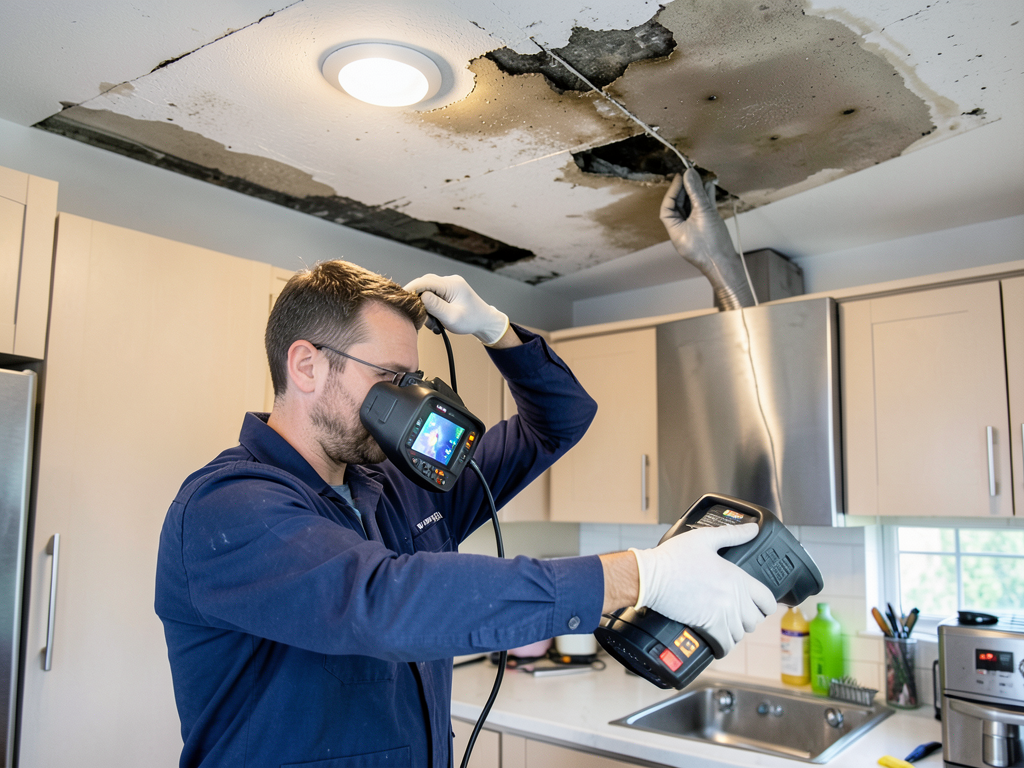
Water Leaking Through Recessed Lights in Burleith Kitchen If you see water dripping from your recessed kitchen lights in Burleith during heavy rain, you are dealing with an active electrical hazard and potential structural damage.…
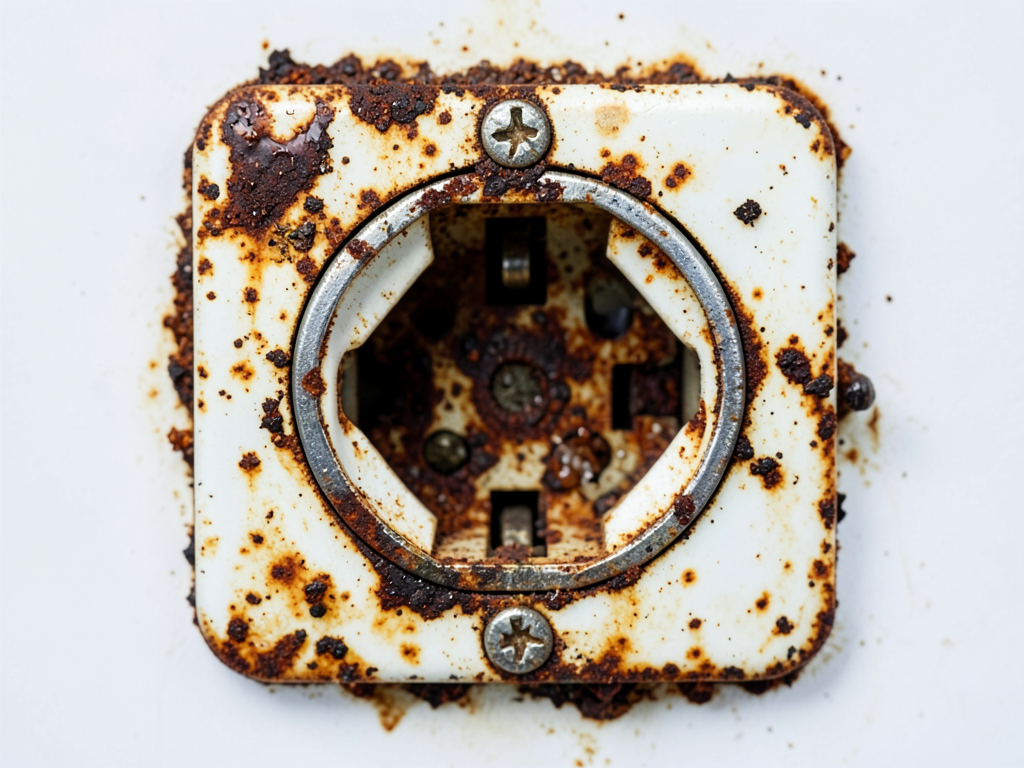
What happens when water gets into the electrical outlets of your Kingman Park rowhome Water…
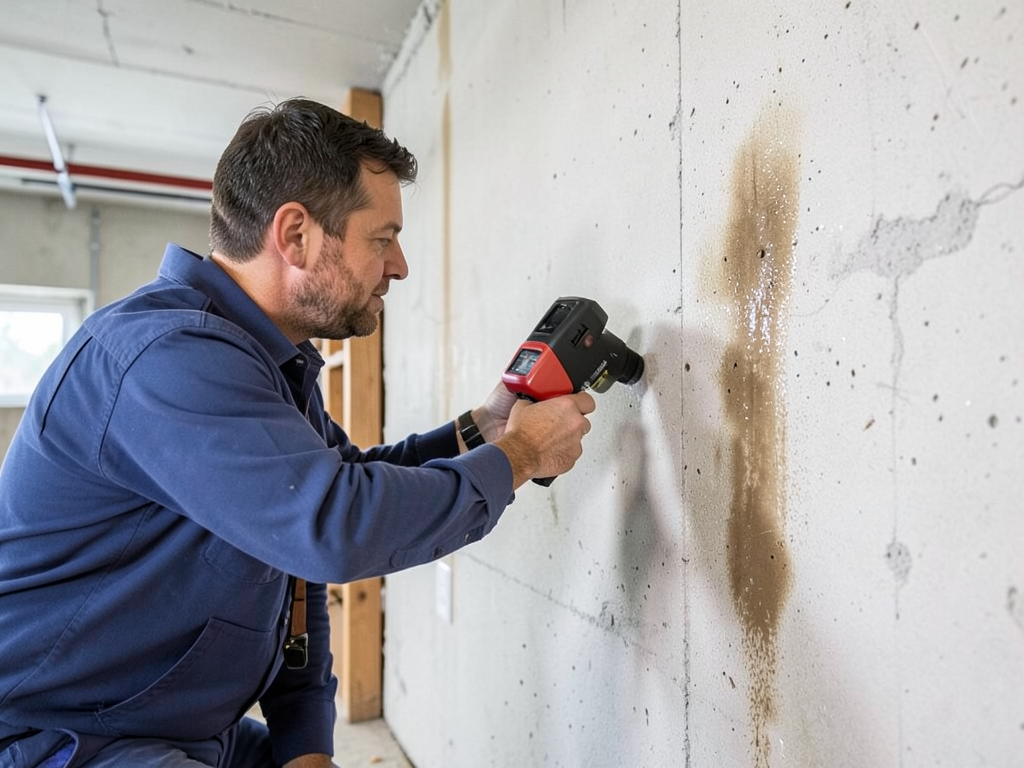
Why your Southwest Waterfront basement is damp even when it hasn’t rained in weeks Your…
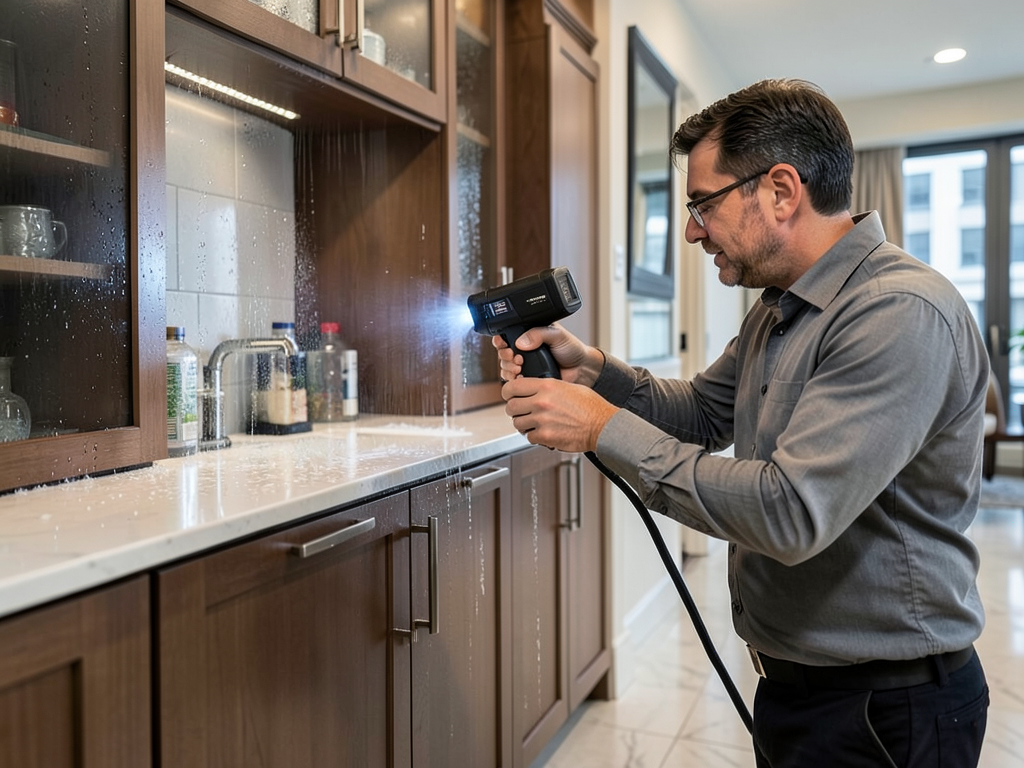
Why the wet bar in your West End condo is the most likely place for…
Water damage gets worse every minute. Call Reliance Water Damage Restoration Washington DC now at (771) 223-8077 for immediate dispatch. Our crew arrives within 60 minutes to stop the damage and start your recovery.