



Menu

Categories of Water in Washington, D.C. – Know What You're Dealing With Before the Damage Spreads

Understanding water contamination levels helps you make informed decisions about safety, cleanup protocols, and when to call professionals for proper remediation in your District home or business.

Slider Image 1
Slider Image 2
Slider Image 3
Slider Image 4
Slider Image 5
Slider Image 7
Slider Image 8
Slider Image 9
Slider Image 10
Slider Image 11

Why Water Classification Matters in the Nation's Capital

Not all water damage is the same. The source determines the contamination level, which drives how you respond to protect your health and property. Washington, D.C.'s aging infrastructure, frequent summer storms, and historic row houses create unique conditions where water intrusion can escalate quickly from a minor inconvenience to a serious health hazard.

The Institute of Inspection, Cleaning and Restoration Certification (IICRC) defines three water damage categories based on contamination risk. Category 1 is clean water from a broken supply line or rainwater that hasn't mixed with contaminants. Category 2 is gray water containing chemical, biological, or physical contaminants that can cause discomfort or sickness. Category 3 is black water, grossly contaminated with pathogens and toxins, often from sewage backups or floodwater.

Georgetown's historic homes and Capitol Hill's older plumbing systems face unique challenges. A supply line break in your basement may start as Category 1, but sitting water absorbs contaminants from building materials, dust, and microbial growth. Within 48 hours, that clean water becomes Category 2. If it contacts sewage lines or sits long enough to breed bacteria, it degrades to Category 3.

The Potomac River sits just feet below grade for many waterfront properties. Summer humidity averages 70 percent, which accelerates microbial growth in damp materials. Water quality classifications determine whether you can dry materials in place or need full removal. Treating Category 3 water like Category 1 exposes your family to E. coli, hepatitis A, and other serious pathogens. Understanding types of water contamination protects your investment and your health.

Why Water Classification Matters in the Nation's Capital
How We Assess and Classify Water Contamination

How We Assess and Classify Water Contamination

Reliance Water Damage Restoration Washington DC follows IICRC S500 standards for water damage restoration. We begin every project by identifying the source and classifying water contamination levels. This drives our remediation protocol, personal protective equipment, and disposal requirements.

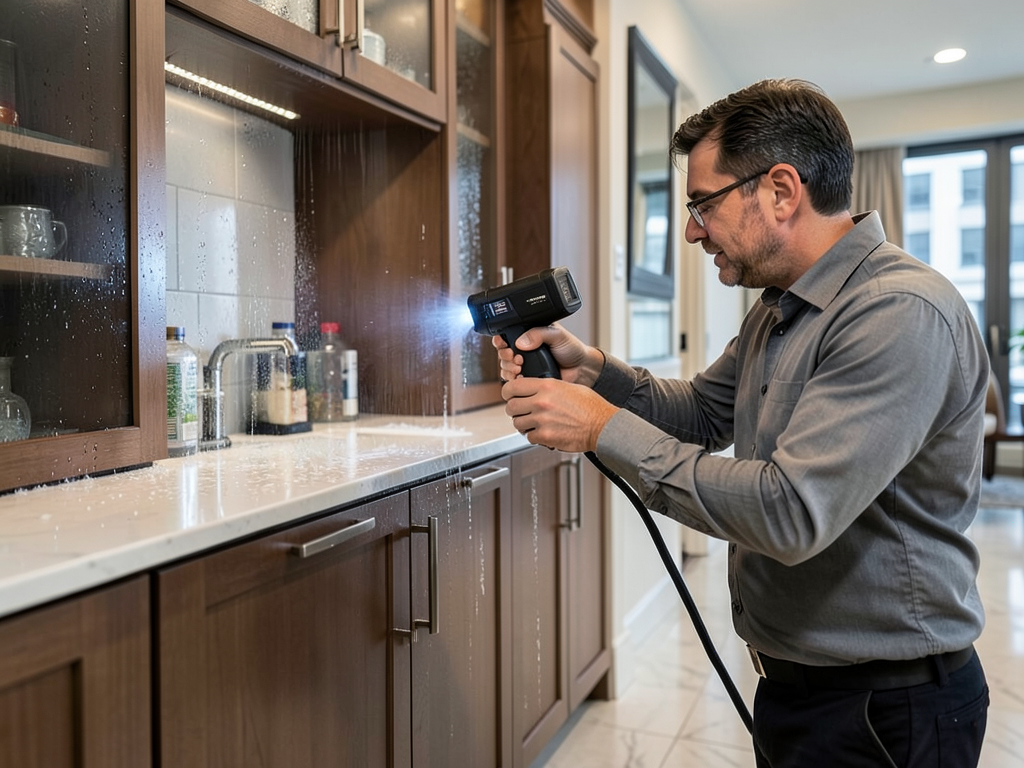
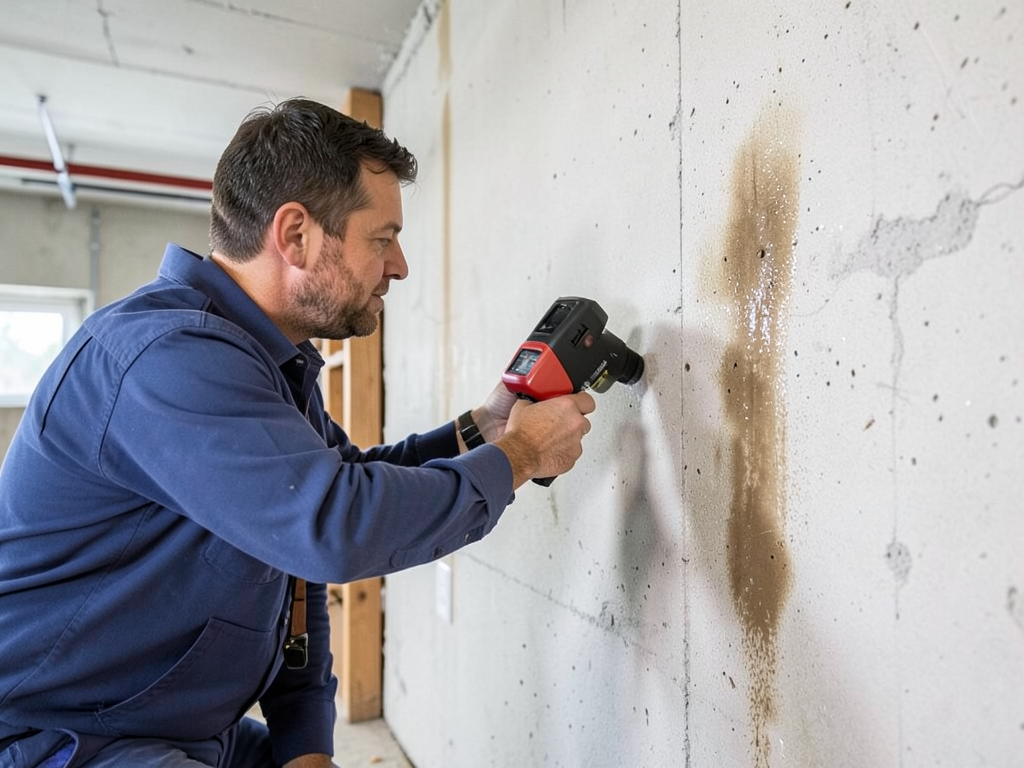
Our technicians inspect the source, test the affected materials, and evaluate how long water has been present. A washing machine overflow that just happened is Category 1, but we treat it as Category 2 once it soaks into drywall or subflooring because building materials contain dust, insulation fibers, and other contaminants. We document findings with moisture meters, thermal imaging, and photographic evidence for your insurance claim.

Category 1 situations allow for aggressive drying and salvage. We extract standing water, set up commercial dehumidifiers, and monitor moisture levels in structural materials. Most contents can be cleaned and returned.

Category 2 requires antimicrobial treatment. We remove porous materials like carpet padding, treat hard surfaces with EPA-registered disinfectants, and use air scrubbers with HEPA filtration to capture airborne contaminants during demolition.

Category 3 demands full containment and removal. We establish negative air pressure to prevent cross-contamination, wear full PPE including respirators, and dispose of all porous materials according to local health department regulations. All surfaces receive antimicrobial treatment before reconstruction begins.

Water categories can escalate during remediation. If we discover hidden sewage contamination during demolition, we upgrade protocols immediately. We never cut corners on safety. The classification system exists because different water quality classifications demand different responses. Using the wrong approach leaves you vulnerable to hidden contamination and future health problems.

What Happens During Water Category Assessment

Categories of Water in Washington, D.C. – Know What You're Dealing With Before the Damage Spreads
01

Source Identification

We trace the water back to its origin. A broken toilet supply line is Category 1. Water seeping up through a basement floor near a septic system is Category 3. We inspect mechanical rooms, crawl spaces, and wall cavities to confirm the source. If the origin is unclear, we treat it as the highest likely category to protect your safety.
02

Material and Duration Evaluation

We assess how long water has been present and what it has contacted. Clean water sitting for 72 hours in a humid D.C. summer becomes Category 2 as bacteria multiply. We test moisture content in drywall, insulation, and subflooring. Materials with high moisture levels and organic content get classified higher because they support microbial growth faster.
03

Protocol Assignment and Documentation

We assign the water damage category and select the appropriate remediation protocol. You receive a written assessment explaining the classification, why it was assigned, and what steps we will take. This documentation supports your insurance claim and provides a clear roadmap for restoration. We update the classification if conditions change during the project.

Why D.C. Property Owners Trust Our Water Damage Expertise

Washington, D.C. presents unique water damage challenges. Historic preservation requirements in neighborhoods like Dupont Circle and Logan Circle mean we cannot simply tear out and replace everything. We must balance contamination control with architectural preservation, working within Department of Consumer and Regulatory Affairs guidelines.

The District's combined sewer system means heavy rain events can cause sewage backups in low-lying areas. Basement apartments in Shaw, Columbia Heights, and neighborhoods near Rock Creek can experience Category 3 contamination during summer storms. We understand the urgency and health risks involved.

Our technicians train specifically on IICRC water categories and contamination protocols. We maintain current certification in water damage restoration, applied microbial remediation, and structural drying. When we classify water damage, we base it on science and industry standards, not guesswork.

We work directly with D.C. insurance carriers who understand that proper classification affects project scope and cost. A Category 1 classification means lower disposal costs and material salvage. Category 3 requires complete removal and specialized disposal. We document everything so your adjuster sees exactly why we recommend specific protocols.

Local restoration companies without proper training often misclassify water damage. They treat sewage-contaminated materials as simple water damage, which leaves pathogens behind. They overdry materials that should be removed, wasting time and money. We follow IICRC S500 standards because they protect your health and property value.

Reliance Water Damage Restoration Washington DC serves the entire District, from waterfront properties in Southwest to historic homes in Georgetown. We respond to Category 3 emergencies 24 hours a day because contaminated water poses immediate health risks. Understanding water contamination levels is not academic. It is the difference between safe restoration and ongoing exposure to dangerous pathogens.

What to Expect During Water Category Assessment and Remediation

Rapid Response for Contaminated Water

Category 2 and Category 3 water damage require immediate action to prevent health risks. We respond within 90 minutes for contaminated water emergencies in Washington, D.C. Our technicians arrive with PPE, containment barriers, and extraction equipment. We establish safety zones, remove standing water, and begin antimicrobial treatment on the first visit. Time is critical because contamination spreads through porous materials and HVAC systems. Every hour of delay increases exposure risk and remediation costs. We work around your schedule but never compromise on safety protocols for contaminated water situations.

Thorough Source and Contamination Assessment

We inspect all affected areas, not just visible damage. Water travels through wall cavities, under flooring, and into HVAC ducts. We use thermal imaging to detect hidden moisture and trace water to its source. If we find sewage contamination, cross-contamination from building materials, or microbial growth, we upgrade the classification immediately. You receive a written assessment explaining the category, affected materials, and recommended remediation. We take photos and moisture readings to document conditions. This assessment drives the scope of work and supports your insurance claim with objective data about water quality classifications.

Safe, Complete Contamination Removal

Category 3 remediation means complete removal of contaminated materials. We do not try to save carpet, padding, drywall, or insulation exposed to sewage or floodwater. We contain the work area with plastic sheeting and negative air pressure to prevent airborne contaminants from spreading. Porous materials go into sealed bags for proper disposal. We treat all hard surfaces with EPA-registered antimicrobials. Air scrubbers with HEPA filters run continuously during demolition. After removal, we test remaining materials for moisture and contamination before beginning reconstruction. The result is a space that meets health department standards for occupancy.

Post-Remediation Verification and Clearance

We do not consider the job complete until affected areas pass final inspection. For Category 2 and Category 3 projects, we document that all contaminated materials have been removed, surfaces have been treated, and moisture levels have returned to normal. You receive a final report with moisture readings, photos of completed work, and confirmation that the space is safe for reoccupancy. We explain what materials were removed, why they could not be salvaged, and what was done to prevent future problems. This documentation protects you if questions arise later and gives you confidence that contamination has been properly addressed.

Frequently Asked Questions

You Have Questions,
We Have Answers

What are the 5 types of water? +

In water damage restoration, professionals classify water by contamination level, not by five types. The industry standard uses three categories: Category 1 is clean water from supply lines or rain. Category 2 is gray water with contaminants from appliances or washing machines. Category 3 is black water containing sewage, bacteria, or floodwater. Washington, D.C. properties often face Category 2 and 3 issues during Potomac River flooding or aging infrastructure failures. Understanding these categories helps you grasp health risks and restoration costs. Some sources discuss different water types for scientific purposes, but restoration work focuses on these three contamination-based categories.

What are the three categories of water? +

Water damage professionals use three contamination categories. Category 1 is clean water from broken pipes, rainwater, or supply lines. It poses minimal health risks if addressed quickly. Category 2 is gray water containing chemical or biological contaminants from dishwashers, washing machines, or toilet overflow without feces. Category 3 is black water, the most dangerous type, carrying sewage, bacteria, pesticides, or floodwater from rivers like the Potomac or Anacostia. Washington, D.C. homes built near these waterways face higher black water risks during storms. Each category requires different safety protocols and equipment for proper restoration.

What is category 1, 2, and 3 water? +

Category 1 water is clean and sanitary, sourced from broken water supply lines, melting ice, or rainwater before it contacts contaminants. Category 2 water contains significant contamination from appliances like washing machines, dishwashers, or sump pumps. It can cause illness if ingested. Category 3 water is grossly unsanitary, containing harmful bacteria, sewage, or rising floodwater. In Washington, D.C., Category 3 events often stem from sewer backups in older neighborhoods or Potomac River flooding during heavy rainfall. Each category escalates in health risk and requires increasingly aggressive decontamination protocols and protective equipment during restoration.

What is category 3 water? +

Category 3 water is grossly contaminated and poses serious health risks. Sources include raw sewage, rising floodwater from rivers like the Potomac or Anacostia, seawater, or groundwater. This water contains harmful bacteria, viruses, fungi, and chemical pollutants. In Washington, D.C., Category 3 situations commonly arise from sewer backups in historic neighborhoods with aging infrastructure or basement flooding during tropical storms. Restoration requires full personal protective equipment, antimicrobial treatments, and often disposal of porous materials like drywall and carpet. Category 1 or 2 water becomes Category 3 if left untreated for 48 hours or longer.

What are the 7 types of water? +

The seven types of water typically refer to scientific or environmental classifications, not water damage restoration categories. These might include freshwater, saltwater, groundwater, surface water, wastewater, distilled water, and purified water. For restoration purposes in Washington, D.C., focus on the three contamination categories that matter for your property. Category 1 is clean, Category 2 is gray water with contaminants, and Category 3 is black water with sewage or floodwater. These restoration categories directly impact health risks, cleanup costs, and insurance claims. The scientific seven types serve different purposes unrelated to damage assessment or mitigation.

What are the 10 forms of water? +

The ten forms of water typically reference physical states or environmental science concepts, including ice, snow, hail, fog, clouds, rain, dew, steam, groundwater, and liquid water. These classifications serve meteorology or hydrology, not water damage restoration. For property damage in Washington, D.C., focus on the three contamination categories used by restoration professionals. Category 1 is clean water from supply lines. Category 2 is gray water from appliances. Category 3 is black water from sewage or flooding. These practical categories determine cleanup protocols, safety requirements, and costs. Understanding contamination levels protects your health and guides proper restoration decisions.

What are the different water categories? +

Water damage professionals use three contamination-based categories. Category 1 originates from sanitary sources like broken water supply lines, melting ice, or fresh rainwater. Category 2 contains contaminants from appliances, sump pumps, or toilet overflow without feces. Category 3 is grossly unsanitary, containing sewage, bacteria, or floodwater from rivers like the Potomac. Washington, D.C. properties face all three types, with Category 3 events increasing during storm surges or sewer backups in older neighborhoods. These categories determine safety protocols, disposal requirements, and restoration costs. Water can escalate from Category 1 to 3 if contamination occurs or time passes without treatment.

What is class 3 water? +

Class 3 refers to the rate of evaporation, not contamination level. Class 3 water damage involves the fastest evaporation rates, affecting ceilings, walls, insulation, carpet, and subfloors. Water may come from overhead sources or saturate materials quickly. Washington, D.C. properties with plaster walls and hardwood floors common in historic rowhouses face Class 3 challenges during roof leaks or pipe bursts. This classification determines drying time and equipment needs. Do not confuse Class with Category. Category measures contamination level while Class measures saturation and evaporation rates. Both systems guide restoration professionals in creating effective drying and remediation plans.

What are the 4 categories of water use? +

The four categories of water use typically refer to consumption patterns, including domestic use for drinking and bathing, agricultural irrigation, industrial manufacturing processes, and thermoelectric power generation. This framework serves water resource management and policy planning. For water damage restoration in Washington, D.C., focus on the three contamination categories instead. Category 1 is clean water, Category 2 is gray water with contaminants, and Category 3 is black water with sewage or floodwater. These restoration categories directly impact your property, health risks, and cleanup costs. Water use categories address conservation and allocation, not damage assessment or mitigation protocols.

Why D.C.'s Aging Infrastructure Makes Water Categories Critical

Washington, D.C. has some of the oldest water and sewer infrastructure in the nation. Combined sewer systems built in the 1800s still serve much of the District. During heavy rain, these systems overflow, pushing sewage into basements through floor drains and sump pits. The Anacostia River and Rock Creek both flood during summer storms, bringing Category 3 water into low-lying neighborhoods. Historic homes in Capitol Hill and Georgetown have cast iron drainpipes that corrode and leak, allowing sewage to seep into walls and subflooring. Understanding water contamination levels is not optional in D.C. It is necessary for protecting your family from pathogens that thrive in the District's humid climate.

The D.C. Department of Energy and Environment requires proper handling and disposal of contaminated materials. We follow these regulations and document compliance for your records. Local insurance adjusters who work in the District understand that combined sewer overflows and aging infrastructure create frequent Category 3 events. They expect proper classification and remediation protocols. Reliance Water Damage Restoration Washington DC knows the local conditions that affect water damage classification. We understand how Potomac River flooding impacts Southwest D.C., how Rock Creek affects neighborhoods along Beach Drive, and how historic preservation requirements in protected districts affect remediation scope. This local knowledge ensures accurate assessment and appropriate response.
Water Damage Restoration Services in The Washington DC Area

While we primarily offer mobile, on-site water damage restoration services throughout Washington D.C., you can view our main operational hub and service area on the map below. We are strategically located to ensure rapid deployment and efficient response times to all emergencies across the region, bringing our expert services directly to your property wherever you are within our service footprint.

Address:
Reliance Water Damage Restoration Washington DC, 200 Massachusetts Ave NW, Washington, DC, 20001

Additional Services We Offer

Our news updates

Latest Articles & News from The Blogs

Why Your New Condo at The Wharf Might Experience Balcony Drainage Flooding Living in a luxury condo at The Wharf…

Why Your New Condo at The Wharf Might Experience Balcony Drainage Flooding

Why Your New Condo at The Wharf Might Experience Balcony Drainage Flooding Living in a luxury condo at The Wharf…

Dealing with Potomac River Seepage in Your Georgetown Waterfront Retail Space

Dealing with Potomac River Seepage in Your Georgetown Waterfront Retail Space Georgetown's waterfront retail spaces face unique water damage risks…

What Every DC Homeowner Needs in a Flood Emergency Kit Before the Next Storm Hits

What Every DC Homeowner Needs in a Flood Emergency Kit Before the Next Storm Hits Washington DC homeowners face unique…

Contact Us

Do not guess about water contamination. Call (771) 223-8077 for immediate assessment. We classify water damage accurately, respond to contaminated water emergencies 24 hours a day, and follow IICRC standards to protect your health and property in Washington, D.C.