




Menu

Emergency Sewage Cleanup in Washington, D.C. – 24/7 Dispatch Within 60 Minutes

When raw sewage floods your property, every minute counts. Our certified emergency sewage removal teams respond immediately across Washington, D.C., equipped to contain biohazards, extract contaminated water, and restore safety before health risks escalate.

Slider Image 1
Slider Image 2
Slider Image 3
Slider Image 4
Slider Image 5
Slider Image 7
Slider Image 8
Slider Image 9
Slider Image 10
Slider Image 11

Why Sewage Backups Hit Washington, D.C. Properties Without Warning

You walked into your basement and smelled it before you saw it. Raw sewage pooling around the floor drain. Your stomach dropped.

Sewage backups do not wait for convenient hours. In Washington, D.C., the combination of aging underground infrastructure and intense summer storms creates perfect conditions for sewer line failures. Many properties in neighborhoods like Capitol Hill and Dupont Circle sit on century-old sewer laterals. When heavy rainfall overwhelms the District's combined sewer system, the pressure reverses flow and pushes raw sewage back into your drains.

The risk is immediate. Category 3 water contains fecal matter, viruses, and bacteria. Exposure leads to gastroenteritis, hepatitis, and respiratory infections. Children and elderly residents face the highest danger. Porous materials like drywall and carpeting absorb contaminated water within minutes. You cannot clean this yourself. The health department classifies raw sewage as a biohazard requiring professional remediation.

Time dictates the outcome. Sewage backup cleanup must begin within hours to prevent permanent structural damage and mold colonization. Washington, D.C.'s humidity accelerates microbial growth. What starts as a sewage extraction job becomes a full-scale restoration project if you delay. Emergency sewage removal requires industrial pumps, antimicrobial treatments, and air scrubbers.

You need a team that understands urgent sewer water cleanup and responds now.

Why Sewage Backups Hit Washington, D.C. Properties Without Warning
How We Execute Raw Sewage Remediation Safely

How We Execute Raw Sewage Remediation Safely

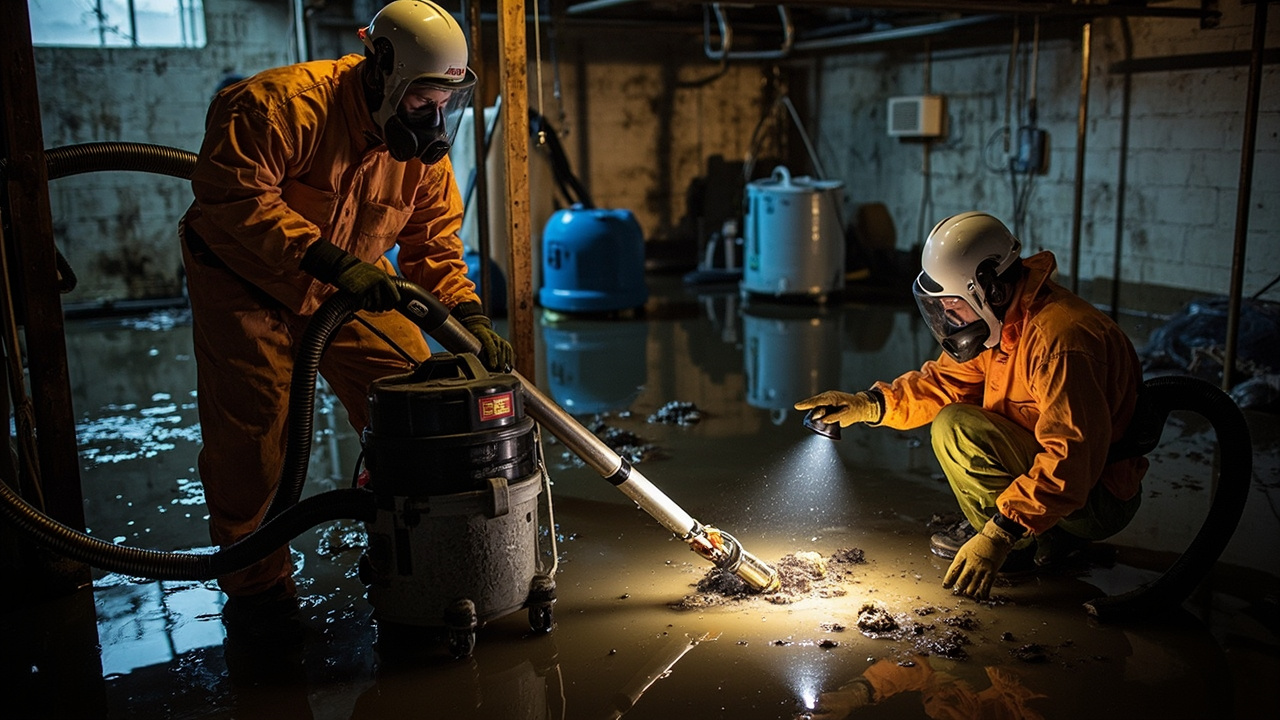
Raw sewage remediation follows strict protocols. We do not just pump water and leave. Our technicians arrive in full PPE, including respirators, gloves, and impermeable suits. The first priority is containment. We isolate the affected area to prevent cross-contamination into unaffected rooms.

We deploy truck-mounted extractors capable of removing thousands of gallons per hour. Sewage contains solids that clog standard wet vacs. Our equipment handles the debris. After extraction, we remove all non-salvageable materials. Drywall, insulation, and carpeting exposed to Category 3 water cannot be saved. We cut contaminated drywall 12 inches above the visible waterline to ensure complete removal.

Next comes antimicrobial application. We spray EPA-registered disinfectants on all affected surfaces, including subfloors, studs, and concrete. This kills pathogens and prevents bacterial regrowth. We then set up negative air machines with HEPA filtration to capture airborne contaminants and create negative pressure. This prevents spores from migrating to clean areas.

Drying follows disinfection. We place commercial dehumidifiers and air movers to reduce humidity below 50 percent. Moisture meters guide our decisions. We monitor daily until readings confirm the structure is dry. This typically requires three to five days depending on materials and saturation level.

Final air quality testing verifies the space is safe for reoccupation. We sample for airborne bacteria and mold spores. Only after clearance do we begin reconstruction. This systematic approach protects your health and your property value.

What Happens When You Call for 24 Hour Sewage Extraction

Emergency Sewage Cleanup in Washington, D.C. – 24/7 Dispatch Within 60 Minutes
01

Immediate Response and Assessment

We answer your call 24/7 and dispatch a crew within 60 minutes. Our technician arrives with containment equipment and performs a Category 3 water assessment. We identify the sewage source, measure the affected square footage, and document contamination levels. You receive a verbal action plan before any work begins. Speed matters because bacterial counts double every 20 minutes in standing sewage.
02

Extraction and Decontamination

We extract all visible sewage using truck-mounted pumps, then remove contaminated materials down to the studs and subfloor. Every surface that contacted sewage receives antimicrobial treatment. We apply hospital-grade disinfectants and set up negative air scrubbers to capture airborne pathogens. This phase eliminates immediate health threats and prevents secondary contamination. Insurance documentation occurs simultaneously to expedite your claim.
03

Structural Drying and Clearance

We monitor moisture levels daily using thermal imaging and pin meters until the structure returns to dry standard. Dehumidifiers run continuously. Once readings stabilize, we perform air quality testing for bacteria and mold spores. You receive a clearance certificate confirming the space is safe. Only then do we begin reconstruction. This final step protects your family's health and satisfies insurance requirements for biohazard remediation.

Why Washington, D.C. Properties Require Local Sewage Cleanup Expertise

Washington, D.C. presents unique sewage remediation challenges. Our crews know them because we work here daily. Many properties in Georgetown, Shaw, and Columbia Heights were built before 1950. These homes have cast iron sewer laterals that corrode over time. Tree roots from the District's mature urban canopy invade cracked pipes and cause blockages. We recognize these patterns immediately.

The District's combined sewer system adds complexity. During heavy rain, stormwater and sewage share the same pipes. When capacity is exceeded, the system backs up into the lowest drains in your building. Properties near Rock Creek and the Anacostia River face higher risk due to elevation and proximity to outfall points. We factor these geographic vulnerabilities into our assessment.

Local health codes govern sewage cleanup. The D.C. Department of Energy and Environment requires specific disposal procedures for Category 3 water. We maintain the permits and certifications to transport biohazardous waste to approved facilities. Unlicensed operators cannot legally handle this material. We also understand D.C. building codes for reconstruction. Basement finishing in flood-prone areas requires cement board instead of standard drywall. We build back correctly the first time.

Insurance companies scrutinize sewage claims. We document every phase with photos, moisture logs, and microbial test results. Our reports satisfy adjusters and expedite payment. We also communicate directly with your carrier to advocate for full coverage. You should not negotiate while dealing with a biohazard emergency.

Trust matters when sewage invades your home. We have cleaned hundreds of Washington, D.C. properties and understand what you are facing.

What You Can Expect During Emergency Sewage Cleanup

60-Minute Response Time

We answer calls 24 hours a day, every day. When you call, you speak to a dispatcher who immediately assigns a crew. Our average arrival time is under 60 minutes across Washington, D.C., including late-night and weekend emergencies. We carry extraction equipment, PPE, and containment supplies on every truck. Work begins the moment we arrive. You do not wait for approvals or estimates. Sewage does not pause, and neither do we. Speed determines whether you face a cleanup or a full gut-out.

Comprehensive Biohazard Assessment

Our technician walks the entire affected area with moisture detection tools and documents everything. We identify the sewage entry point, trace the contamination spread, and classify affected materials as salvageable or non-salvageable. You receive a written scope of work that explains what we will remove, what we will disinfect, and how long drying will take. We also take baseline air samples to establish contamination levels. This assessment protects you legally and provides the documentation your insurance company requires for claim approval.

Certified Safe Environment

We do not consider the job complete until air quality testing confirms the space is safe. After drying and disinfection, we sample for bacterial contamination and mold spores. Results are compared against industry standards for indoor air quality. You receive a clearance certificate that verifies the environment meets health standards. This document protects you if you sell the property or if future health issues arise. We also guarantee our antimicrobial treatments. If contamination reappears due to our error, we remediate again at no charge.

Insurance Navigation and Documentation

Sewage backups fall under different coverage than clean water damage. We help you understand your policy and document everything to maximize your claim. Our reports include photos, moisture readings, and itemized removal lists. We communicate directly with adjusters and provide the technical justification they need for approval. Many policies cover temporary relocation if the contamination makes your home uninhabitable. We help you access those benefits. You should focus on your family's safety, not fighting with your insurance company. We handle the paperwork and follow up until the claim closes.

Frequently Asked Questions

You Have Questions,
We Have Answers

What is considered a sewer emergency? +

A sewer emergency involves raw sewage backing up into your home, posing immediate health risks. Common signs include sewage overflowing from toilets, drains, or basement floor drains, foul odors, and water pooling in your yard near the sewer line. In Washington, D.C., aging infrastructure and tree root intrusion in historic neighborhoods like Capitol Hill often trigger sudden backups. You need immediate professional cleanup to prevent contamination. Sewage contains dangerous bacteria, viruses, and pathogens. Do not attempt DIY cleanup. Call a certified restoration company now to contain the damage and sanitize affected areas.

How much does sewage backup cleanup cost? +

Sewage cleanup costs in Washington, D.C. vary based on contamination level, affected square footage, and structural damage. Expect costs to increase if sewage has soaked into drywall, flooring, or crawl spaces. Emergency callouts for basement backups in row homes common to neighborhoods like Shaw or Dupont Circle require specialized equipment and EPA-compliant disposal. Insurance often covers Category 3 water damage from sudden pipe failures, but not gradual seepage or neglected maintenance. Get a detailed estimate immediately. Delays increase costs as sewage spreads and materials absorb contamination requiring full removal.

Does insurance cover sewage cleanup? +

Most homeowners policies cover sudden and accidental sewage backups if you have sewer backup endorsement coverage. Standard policies exclude sewer backups without this add-on. Washington, D.C. homes in flood-prone areas near the Potomac or Anacostia River may need separate riders. Your policy typically covers cleanup, damaged belongings, and structural repairs. Document everything immediately with photos and videos. Contact your insurer within 24 hours. Do not delay cleanup waiting for adjuster approval. Professionals can work directly with insurance companies to expedite claims and reduce your out-of-pocket costs.

Is sewage backup an emergency? +

Yes. Sewage backup is a Category 3 water emergency requiring immediate response. Raw sewage contains E. coli, hepatitis, salmonella, and other pathogens causing serious illness. Exposure through skin contact, inhalation, or ingestion puts your family at risk. In Washington, D.C., high humidity accelerates bacterial growth and mold colonization within 24 to 48 hours. Basement backups in older homes near Logan Circle or Georgetown spread contamination quickly through porous brick and wood. Turn off electricity to affected areas, evacuate the space, and call emergency sewage cleanup specialists immediately. Every minute counts.

What does it cost to unclog a sewer line? +

Unclogging a sewer line in Washington, D.C. depends on severity and access points. Simple snaking for minor clogs costs less than hydro jetting for tree root removal or camera inspections for collapsed clay pipes common in historic districts. Costs increase if the blockage is deep in the main line or requires excavation under sidewalks governed by DC Water regulations. Emergency after-hours service costs more but prevents sewage backup into your home. Get multiple quotes if time allows, but do not wait if sewage is rising. Prevention through routine maintenance saves money long-term.

What are 5 examples of emergency situations? +

Five common sewer emergencies include raw sewage backing up through toilets or drains, burst sewer pipes flooding basements, septic tank overflows, main line blockages affecting multiple fixtures, and collapsed sewer lines from soil shifting or tree roots. In Washington, D.C., freeze-thaw cycles stress aging terra cotta pipes in older neighborhoods. Summer storms overwhelm combined sewer systems in areas like Navy Yard, causing backflow. Each scenario requires immediate professional intervention to prevent health hazards and structural damage. Do not ignore slow drains or gurgling sounds. These warn of impending failures.

Will insurance pay for sewer line replacement? +

Insurance rarely covers full sewer line replacement unless sudden catastrophic failure caused immediate damage to your home. Most policies exclude wear and tear, gradual deterioration, or root intrusion from deferred maintenance. Washington, D.C. homeowners may qualify for DC Water's sewer lateral replacement assistance programs for income-eligible residents. If a covered peril like earth movement or vehicle impact damages your line, you may get partial coverage. Review your policy carefully. Some insurers offer optional sewer line coverage endorsements. Document the failure cause immediately and consult your agent before starting repairs.

Why is my sewer bill 200 dollars? +

High sewer bills in Washington, D.C. often result from tiered water usage rates, stormwater fees based on impervious surfaces, or leaks you have not detected yet. DC Water charges include water, sewer, and Clean Rivers Impervious Area Charge. Older homes in neighborhoods like Bloomingdale with outdated plumbing may have hidden leaks inflating usage. Running toilets, dripping faucets, or underground pipe breaks waste water continuously. Check your meter for unusual activity. Compare current bills to past usage. Contact DC Water to investigate billing errors or request a meter test if consumption spikes unexpectedly.

Can I clean my sewer line myself? +

No. DIY sewer line cleaning risks serious health exposure and often worsens blockages. Sewage contains dangerous pathogens requiring professional-grade disinfection and disposal following EPA guidelines. Store-bought chemical cleaners damage aging pipes common in Washington, D.C. homes and create toxic fumes. Rented snakes pushed incorrectly can puncture weakened lines or push blockages deeper. Without camera inspection equipment, you cannot identify root intrusion or collapsed sections. Professionals use hydro jetting, video diagnostics, and proper protective equipment. Attempting cleanup yourself exposes you to illness and liability. Call certified technicians immediately.

Is a clogged toilet considered a sewer backup? +

A single clogged toilet is usually not a sewer backup unless multiple fixtures drain slowly or back up simultaneously. If flushing the toilet causes sewage to rise in your shower drain or basement floor drain, you have a main sewer line blockage requiring emergency service. Washington, D.C. row homes share common walls and sometimes aging lateral connections, so backups affect entire units. Test other drains immediately. If only the toilet clogs, try plunging. If sewage appears elsewhere or smells persist, stop using all plumbing and call professionals. Main line failures spread contamination rapidly.

How Washington, D.C.'s Aging Sewer Infrastructure Increases Sewage Backup Risk

Washington, D.C. operates one of the oldest combined sewer systems in the nation. Many pipes date to the 1800s and were designed to handle far smaller populations. When summer thunderstorms drop two inches of rain in an hour, the system cannot process the volume. Sewage mixes with stormwater and backs up through floor drains in basements across Capitol Hill, Navy Yard, and Bloomingdale. Properties built before 1950 face the highest risk because their sewer laterals are cast iron or clay tile, both prone to root intrusion and collapse. Emergency sewage removal becomes urgent during storm season because delays allow contaminated water to saturate floor joists and spread through HVAC ductwork.

The D.C. Department of Energy and Environment enforces strict biohazard disposal regulations. Sewage cleanup companies must hold specific certifications to transport Category 3 water waste. We maintain those credentials and work directly with approved disposal facilities in Maryland and Virginia. This compliance protects you from liability if waste is mishandled. We also understand D.C. building codes for flood-prone areas. Basement reconstruction near the Anacostia or Potomac requires flood-resistant materials and elevated utilities. Choosing a local sewage backup cleanup provider ensures your property is restored to code and remains insurable. We know the inspectors, the requirements, and the shortcuts that fail.
Water Damage Restoration Services in The Washington DC Area

While we primarily offer mobile, on-site water damage restoration services throughout Washington D.C., you can view our main operational hub and service area on the map below. We are strategically located to ensure rapid deployment and efficient response times to all emergencies across the region, bringing our expert services directly to your property wherever you are within our service footprint.

Address:
Reliance Water Damage Restoration Washington DC, 200 Massachusetts Ave NW, Washington, DC, 20001

Additional Services We Offer

Our news updates

Latest Articles & News from The Blogs

Why Your New Condo at The Wharf Might Experience Balcony Drainage Flooding Living in a luxury condo at The Wharf…

Why Your New Condo at The Wharf Might Experience Balcony Drainage Flooding

Why Your New Condo at The Wharf Might Experience Balcony Drainage Flooding Living in a luxury condo at The Wharf…

Dealing with Potomac River Seepage in Your Georgetown Waterfront Retail Space

Dealing with Potomac River Seepage in Your Georgetown Waterfront Retail Space Georgetown's waterfront retail spaces face unique water damage risks…

What Every DC Homeowner Needs in a Flood Emergency Kit Before the Next Storm Hits

What Every DC Homeowner Needs in a Flood Emergency Kit Before the Next Storm Hits Washington DC homeowners face unique…

Contact Us

Sewage backup is a health emergency. Do not wait. Call (771) 223-8077 now for 24 hour sewage extraction. Our crews are standing by across Washington, D.C., ready to dispatch within 60 minutes. We handle the cleanup, the insurance, and the restoration so you can focus on your family.