





Bethesda sits in a transition zone where Piedmont clay meets the coastal plain, creating soil conditions that shift moisture unpredictably. Older homes in Edgemoor and Battery Park were built before modern waterproofing standards, with limestone foundations that wick groundwater during heavy rain. The area receives 43 inches of annual precipitation, with intense summer thunderstorms dumping 2-3 inches in under an hour. Storm drains along Wisconsin Avenue and Old Georgetown Road frequently overwhelm during these events, pushing water back into basements and crawlspaces.
Montgomery County building codes require sump pumps in new construction, but thousands of pre-1980 homes lack them. When Nor'easters stall over the region, sustained rainfall saturates the ground for days, causing hydrostatic pressure that forces water through basement walls and floor joints. Tree-lined streets in neighborhoods like Wyngate and Springfield create beautiful canopy cover but also drop leaves that clog gutters and downspouts. Ice dams form on north-facing rooflines during freeze-thaw cycles, sending meltwater under shingles and into attic spaces. These geographic and structural factors make rapid water removal critical before mold colonizes within 48 hours.
We maintain dispatch capability 24/7/365 because water damage escalates by the hour. While other companies route after-hours calls to answering services, our technicians carry company phones and live within 15 minutes of Bethesda neighborhoods. We own our extraction equipment outright, from truck-mounted pumps that remove 200 gallons per minute to low-grain refrigerant dehumidifiers that pull moisture from hardwood and drywall. This means no waiting for rental equipment or subcontractors when you call at 2 AM with water pouring through your ceiling.
Our crews train on IICRC S500 water damage standards, understanding the difference between clean water from supply lines, gray water from appliances, and black water from sewage backups. We test moisture levels with thermal imaging and pin meters, creating drying maps that track progress daily. Insurance companies know our documentation meets their evidence requirements, which speeds your claim approval and gets checks issued faster.
We've restored water damage in Bethesda since 2015, working in split-level colonials, modern condos along Woodmont Avenue, and historic Victorians near downtown. We know which neighborhoods have combined sewer systems that back up during heavy rain, which streets flood first when Rock Creek overflows, and which insurance adjusters serve the area. This local knowledge lets us anticipate complications before they delay your restoration. When your neighbor's sump pump failed last spring, we had their finished basement dry and reconstructed in eight days. Speed matters because every hour of standing water doubles your restoration cost.

We guarantee arrival within one hour of your call, day or night. Our technicians stage equipment across Montgomery County, ensuring rapid deployment to any Bethesda address. When pipes burst at midnight or storms flood your basement at dawn, we're extracting water while other companies are still returning voicemails. Fast response prevents secondary damage that multiplies repair costs.

We work directly with your insurance carrier, submitting detailed documentation that adjusters need for quick claim approval. Our moisture readings, photo evidence, and scope of loss reports meet industry standards, eliminating back-and-forth delays. You pay only your deductible while we handle the billing process, removing financial stress during an emergency.
Every crew member holds current certification in water damage restoration through the Institute of Inspection Cleaning and Restoration Certification. This training ensures proper handling of category 1, 2, and 3 water contamination, correct equipment selection, and compliance with antimicrobial protocols. Certification matters because improper drying creates hidden mold growth that surfaces months later.
We've dried flooded homes in every Bethesda neighborhood, from Brookdale to Drummond. We know local soil drainage patterns, which streets flood during storms, and how different foundation types react to groundwater pressure. This experience lets us predict complications and deploy the right equipment on first arrival, eliminating trial-and-error delays that extend your displacement time.
Water damage restoration involves more than removing standing water. Complete mitigation requires extraction, structural drying, dehumidification, antimicrobial treatment, and reconstruction. Each step follows protocols established by the IICRC to prevent mold growth and structural deterioration. We categorize water by contamination level, deploy equipment matched to material density, and monitor moisture levels until readings return to normal.
Our services span emergency response through final reconstruction. We handle basement floods caused by sump pump failure, burst supply lines that soak multiple floors, sewage backups requiring biohazard protocols, and roof leaks that saturate insulation and drywall. Different water sources demand different treatment approaches. Clean water from supply lines allows salvage of most building materials, while sewage contamination requires removal and disposal following EPA guidelines. We assess each situation, explain your options clearly, and execute the restoration plan that returns your property to pre-loss condition. Bethesda homeowners need providers who own professional-grade equipment and understand both immediate extraction and long-term drying science.
We deploy truck-mounted pumps and portable extractors that remove thousands of gallons per hour from flooded basements, crawlspaces, and living areas. Speed determines how much flooring, drywall, and personal property you can salvage. Our technicians arrive with moisture detection equipment that identifies hidden water in wall cavities and under subflooring. We extract standing water first, then use weighted extraction tools on carpets and upholstery. This immediate response prevents water from wicking up walls and soaking insulation, which creates concealed damage that appears weeks later as mold or structural rot.
After extraction, moisture remains trapped in wood framing, drywall, concrete, and insulation. We position industrial air movers and dehumidifiers to create controlled drying environments, monitoring temperature and humidity levels around the clock. Our equipment pulls moisture from dense materials like hardwood floors and plaster walls without causing warping or cracking. We take daily moisture readings with thermal cameras and pin meters, adjusting airflow and dehumidification until all materials reach normal moisture content. This prevents the secondary damage that occurs when property owners assume visible water removal equals complete drying.
Sewage backups and toilet overflows contain bacteria, viruses, and parasites that require specialized handling. We wear protective equipment, remove contaminated materials following EPA protocols, and apply antimicrobial treatments to affected surfaces. Category 3 black water demands complete removal of porous materials like carpet, padding, and drywall that absorbed sewage. We seal off contaminated areas with plastic barriers, use HEPA filtration during demolition, and dispose of waste at approved facilities. This protects your family from pathogens that survive in damp environments for months after the visible mess disappears.
Bethesda's housing stock ranges from 1920s bungalows to modern construction, each with distinct vulnerabilities. Older homes in Battery Park and Edgemoor have galvanized supply pipes that corrode from the inside, failing without warning and flooding multiple rooms. Homes built on hillsides in Woodmont and Bradley Hills experience foundation seepage when groundwater tables rise after sustained rainfall. The area's mature trees create beautiful neighborhoods but also drop debris that clogs gutters, causing roof edge overflow that saturates fascia boards and attic insulation.
Many Bethesda properties have finished basements with bedroom additions, home theaters, and recreation rooms. These below-grade living spaces sit in the path of water seeking the lowest level. When sump pumps lose power during storms or fail from age, water rises quickly across basement floors, destroying flooring, drywall, and furnishings. Understanding these patterns helps homeowners recognize early warning signs and respond before minor leaks become major flood events requiring extensive reconstruction.
Supply line failures release 10-15 gallons per minute under normal household pressure, flooding entire floors within 30 minutes. Copper pipes develop pinhole leaks from acidic water, while PEX connections fail at compression fittings. Winter freeze events crack pipes in exterior walls and unheated crawlspaces. The water flows until someone discovers the damage and shuts the main valve, by which time ceilings have collapsed and subfloors are saturated.
Hydrostatic pressure forces groundwater through foundation cracks, cold joints, and floor seams when the water table rises. Bethesda's clay soil doesn't drain quickly, creating sustained pressure against basement walls for days after storms end. Homes without interior drain tile or exterior waterproofing experience repeated seepage that damages finished basements and creates persistent moisture problems that feed mold growth.
Water heaters fail when sediment corrodes tank bottoms, releasing 40-80 gallons across basement floors. Washing machine supply hoses burst from age and pressure fluctuations, flooding laundry rooms and adjacent spaces. Dishwasher leaks seep under cabinets and soak kitchen subflooring before visible signs appear. These slow leaks cause hidden damage that appears months later as warped floors and musty odors.
Power outages during storms disable sump pumps exactly when you need them most. Float switches jam from debris, motors burn out from continuous operation, and discharge lines freeze in winter. Without working pumps, water accumulates in basement sumps and overflows across floors. Battery backup systems prevent most failures, but many Bethesda homes rely on pumps without secondary power sources or alarm systems.
Water damage creates chaos and stress. You need clear information about what happens next, how long restoration takes, and what your property will look like when we finish. Our process follows industry standards while keeping you informed at every decision point. We start with emergency stabilization to stop damage from spreading, then move to complete drying and monitoring, and finish with reconstruction that returns your home to pre-loss condition.
You'll work with the same project manager from first call through final walkthrough. This continuity means you don't repeat your story to different people or wonder who to contact with questions. We explain findings in plain language, showing you moisture readings and thermal images that reveal hidden water. Our goal is to remove uncertainty during a difficult situation by providing accurate timelines, transparent pricing, and daily progress updates. Here's what the experience looks like when you choose Reliance for water damage restoration in Bethesda.
Your call connects directly to our dispatch center, which deploys the nearest crew to your Bethesda address within 60 minutes. Technicians arrive with extraction equipment, moisture meters, and thermal cameras. We assess water category (clean, gray, or black), identify the source, and stop active flooding if possible. You receive a detailed explanation of damage extent, salvageable materials, and required services. We photograph everything for insurance documentation and begin emergency water extraction immediately. This first visit takes 2-4 hours depending on flood severity and building size.
Structural drying takes 3-7 days depending on material density and saturation levels. We visit daily to take moisture readings, adjust air mover positions, and empty dehumidifiers. You receive text updates with current moisture levels and projected completion dates. We don't remove equipment until readings confirm all building materials have returned to normal moisture content. Rushing this process causes hidden moisture problems that surface later as mold or wood rot. Our monitoring ensures complete drying verified by scientific measurement, not guesswork.
After complete drying, our reconstruction crew replaces removed drywall, flooring, trim, and damaged materials. We match existing finishes and textures so repairs blend invisibly with surrounding areas. You approve all material selections and color matches before installation begins. Final walkthrough happens only after you confirm satisfaction with completed work. We provide documentation showing moisture readings returned to normal levels, protecting you if questions arise during insurance claim settlement or future property sales.
We follow IICRC S500 standards that define proper water damage restoration procedures. This systematic approach ensures complete mitigation without hidden moisture that causes future problems.
Call (771) 223-8077 any time, day or night. Our dispatcher answers immediately, gathering information about your situation and address. We deploy the nearest crew with appropriate equipment for your damage type. Technicians contact you enroute with arrival time and instructions for shutting off water sources if possible. This first response happens within 60 minutes of your call, preventing additional damage while you wait for help.
Crews extract standing water with truck-mounted pumps and portable units, removing thousands of gallons quickly. We position air movers to create airflow across wet surfaces and place dehumidifiers to pull moisture from the air. Thermal imaging identifies water in wall cavities and under flooring. We remove unsalvageable materials like saturated drywall and padding to expose wet framing for proper drying. Equipment runs continuously, monitored daily.
Daily moisture readings track drying progress until all materials reach normal levels. We document the process with photos and data logs for insurance claims. Once drying completes, reconstruction begins with drywall installation, flooring replacement, painting, and trim work. We match existing finishes so repairs disappear into surrounding areas. Final walkthrough confirms you're satisfied before we consider the job complete.
Professional water damage restoration follows principles established by the Institute of Inspection Cleaning and Restoration Certification. The IICRC S500 standard defines three categories of water based on contamination level and three classes based on evaporation rate. Category 1 water comes from sanitary sources like supply lines and poses no health risk. Category 2 gray water contains contaminants from appliances, washing machines, or toilet bowls (urine only). Category 3 black water includes sewage, flooding from rivers or streams, and any water that contacted soil or waste materials.
Class determines drying complexity. Class 1 affects only part of a room with minimal absorption into materials. Class 2 saturates an entire room including walls up to 24 inches. Class 3 means water came from above, saturating walls, ceilings, insulation, and subflooring. Class 4 involves specialty drying for hardwood, plaster, stone, or concrete that absorbed water deeply. These classifications guide equipment selection and drying time estimates.
Bethesda falls under Montgomery County jurisdiction, which requires permits for reconstruction work exceeding $2,500 in value. Our crews pull permits for drywall replacement, electrical work, and plumbing repairs as needed. We follow Maryland building codes for water-damaged structure repairs, ensuring work meets inspection standards. Proper restoration includes antimicrobial treatment of affected surfaces to prevent mold colonization, which begins within 48-72 hours of water exposure. We use EPA-registered disinfectants appropriate for the contamination category, applying them at manufacturer-specified concentrations and contact times.
Moisture measurement uses non-invasive thermal cameras to detect temperature differentials indicating hidden water, plus invasive pin meters that measure moisture content in wood and drywall. Normal moisture content for kiln-dried lumber ranges from 6-12 percent. Readings above 16 percent indicate active moisture problems requiring continued drying. We don't rely on surface dryness or time estimates. Equipment stays in place until scientific measurement confirms complete moisture removal from all building materials.
The source determines required safety protocols and which materials need removal versus cleaning. Clean water from supply lines allows salvage of most building materials with proper drying. Gray water requires antimicrobial treatment of affected surfaces. Black water mandates removal and disposal of all porous materials that contacted contaminated water, including drywall, insulation, and carpeting. Misidentifying water category leads to health risks and incomplete restoration.
Pricing depends on water volume, contamination category, affected square footage, and material types. Extracting clean water from concrete basements costs less than drying category 3 sewage from finished living spaces with hardwood floors. Multi-story saturation requires more equipment and labor than single-room events. Insurance coverage varies by policy, but most homeowner policies cover sudden water damage from burst pipes while excluding flooding from outside sources and gradual leaks.
Complete structural drying takes 3-7 days for typical residential water damage. Dense materials like hardwood flooring, plaster walls, and concrete require longer drying than drywall and carpet. High humidity during summer months extends drying time because dehumidifiers work harder to remove moisture when ambient air is already saturated. We measure progress daily and adjust equipment placement to optimize airflow and moisture removal efficiency.
Mold spores exist everywhere but need moisture to colonize and grow. Water damage creates ideal conditions if not dried within 48-72 hours. We apply antimicrobial treatments to affected surfaces, remove porous materials that absorbed contaminated water, and verify complete drying before reconstruction begins. This prevents the mold growth that occurs when water remains trapped in wall cavities or under flooring after visible cleanup finishes.
This video explains the complete water damage restoration process for Bethesda homeowners, covering emergency water extraction, structural drying procedures, moisture detection methods, and reconstruction protocols. Learn about IICRC water damage categories, why rapid response prevents secondary damage, and how certified technicians use thermal imaging and dehumidification equipment to restore flooded properties. Includes information about common water damage causes in Bethesda neighborhoods, insurance coordination, and what to expect during professional restoration from initial call through final walkthrough.
Reliance Water Damage Restoration Washington DC maintains rapid response capability throughout Bethesda and the greater Montgomery County region. We've restored water damage in historic neighborhoods like Battery Park and Edgemoor, where homes built in the 1920s and 1930s feature stone foundations and plaster walls that require specialized drying techniques. These older properties often lack modern waterproofing, making them vulnerable to basement seepage during the heavy spring rains that saturate the Piedmont clay soil underlying much of eastern Bethesda.
Downtown Bethesda along Wisconsin Avenue and Woodmont Avenue features modern condos and townhomes with finished basements and underground parking that flood when storm drains overwhelm during intense summer thunderstorms. We've pumped thousands of gallons from below-grade parking structures and deployed air movers in multi-unit buildings where water migrated between units through shared walls and floor assemblies. These urban properties require coordination with building management and fast response to prevent damage from spreading to adjacent units.
West of downtown, neighborhoods like Bradley Hills, Burning Tree, and Kenwood feature large homes on hillside lots with walkout basements and multi-level construction. Water flows downhill during storms, concentrating at foundation walls and creating hydrostatic pressure that forces groundwater through cracks and joints. We've dried finished lower levels in these communities after sump pump failures allowed water to rise across basement floors, saturating carpeting, drywall, and custom built-ins.
North Bethesda communities including Montrose, Garrett Park, and areas near Rockville Pike experience flooding from overwhelmed tributary streams that feed into Rock Creek. When sustained rainfall saturates the watershed, water backs up through storm drains and seeps into basements from rising groundwater tables. We've responded to multiple properties in these neighborhoods during single storm events, deploying crews and equipment across the region to handle simultaneous damage calls.
The Drummond and Springfield neighborhoods east of Connecticut Avenue include split-level homes from the 1960s and 1970s built on sloped lots. These properties frequently experience crawlspace flooding when groundwater rises or when exterior drainage systems fail to move water away from foundations. We've installed temporary pumping systems and dried crawlspaces in these communities, preventing moisture from wicking into floor joists and subflooring above.
Our service area extends beyond Bethesda proper to include Cabin John, Glen Echo, Somerset, and Chevy Chase neighborhoods where water damage patterns reflect each community's unique topography and housing stock. Whether you're dealing with burst pipes in a Brookdale colonial, sewage backup in a Westmoreland condo, or storm flooding in a Wyngate rambler, our crews understand local conditions and arrive prepared with equipment matched to your property type and damage severity.
Water damage restoration in Bethesda homes takes 3 to 7 days for most projects. Simple water extraction and drying take 3 to 5 days. Extensive damage involving structural repairs, mold remediation, or multiple floors takes 1 to 2 weeks. Factors affecting timeline include water volume, affected materials, humidity levels, and property size. Restoration teams use industrial equipment to speed drying. Your technician will provide a specific timeline after inspection. Quick response reduces restoration time significantly.
Water damage restoration expenses in Bethesda vary widely based on damage extent and affected area size. Minor water extraction from a small area runs less than major structural repairs involving multiple rooms. Factors affecting price include water category, affected square footage, necessary repairs, and equipment needed. Your restoration company provides a detailed estimate after inspecting your property. Many Bethesda homeowners find their insurance covers most restoration expenses. Get multiple estimates and ask about payment plans if needed.
Most Bethesda homeowners insurance policies cover sudden and accidental water damage. Burst pipes, appliance malfunctions, and roof leaks typically qualify for coverage. Flood damage requires separate flood insurance. Gradual damage from neglected maintenance usually gets denied. Review your policy carefully and document all damage with photos. Contact your insurance company immediately after water damage occurs. Your adjuster will review your claim and determine coverage. Keep all receipts and restoration company invoices for reimbursement.
Water damage restoration in Bethesda homes takes 3 to 7 days for most projects. Simple water extraction and drying take 3 to 5 days. Extensive damage involving structural repairs, mold remediation, or multiple floors takes 1 to 2 weeks. Factors affecting timeline include water volume, affected materials, humidity levels, and property size. Restoration teams use industrial equipment to speed drying. Your technician will provide a specific timeline after inspection. Quick response reduces restoration time significantly.
Water damage restoration expenses in Bethesda vary widely based on damage extent and affected area size. Minor water extraction from a small area runs less than major structural repairs involving multiple rooms. Factors affecting price include water category, affected square footage, necessary repairs, and equipment needed. Your restoration company provides a detailed estimate after inspecting your property. Many Bethesda homeowners find their insurance covers most restoration expenses. Get multiple estimates and ask about payment plans if needed.
Most Bethesda homeowners insurance policies cover sudden and accidental water damage. Burst pipes, appliance malfunctions, and roof leaks typically qualify for coverage. Flood damage requires separate flood insurance. Gradual damage from neglected maintenance usually gets denied. Review your policy carefully and document all damage with photos. Contact your insurance company immediately after water damage occurs. Your adjuster will review your claim and determine coverage. Keep all receipts and restoration company invoices for reimbursement.
Most Bethesda water damage restoration companies offer 24-hour emergency response and arrive within 60 to 90 minutes of your call. Many local companies maintain on-call teams ready to respond nights, weekends, and holidays. Response speed matters because water damage worsens rapidly. Mold growth starts within 24 to 48 hours. The faster professionals begin extraction and drying, the less damage your home sustains. Call immediately when you discover water damage to minimize repair needs.
Bethesda water damage restoration follows a systematic process. First, technicians inspect your property and assess damage severity. Next, they extract standing water using pumps and vacuums. Then, they place industrial dehumidifiers and air movers to dry affected areas completely. Technicians monitor moisture levels daily until readings return to normal. After drying, they remove damaged materials and clean salvageable items. Finally, they complete repairs and reconstruction. The entire process includes documentation for your insurance claim.
Staying in your Bethesda home during water damage restoration depends on damage extent and location. Minor damage confined to one room allows you to stay comfortably. Extensive damage affecting multiple rooms, especially bedrooms or kitchens, makes staying difficult. Safety concerns like electrical hazards, structural instability, or mold contamination require temporary relocation. Loud equipment running 24 hours disrupts sleep and daily activities. Your restoration company will advise if staying is safe and practical for your situation.
Choose a Bethesda water damage restoration company by verifying credentials and experience first. Check online reviews on multiple platforms. Ask about response time and availability for emergencies. Request references from recent Bethesda customers. Confirm they use professional-grade equipment and follow industry standards. Ask about their inspection process and timeline estimates. Verify they provide detailed written estimates. Choose companies with local knowledge of Bethesda homes and weather patterns. Trust your instincts about professionalism and communication quality.
Bethesda homes experience water damage from several common sources. Burst pipes during winter freezes rank as the top cause. Aging plumbing systems and corroded pipes leak frequently. Basement flooding from heavy rainfall affects many properties. Roof leaks from storm damage or missing shingles allow water intrusion. Appliance failures from washing machines, dishwashers, and water heaters create sudden floods. Clogged gutters overflow and damage foundations. HVAC condensation issues and sewer backups also contribute to water damage in Bethesda properties.
Most Bethesda water damage restoration companies work directly with insurance companies to streamline your claim process. They document damage thoroughly with photos and detailed reports. Many provide direct billing services where they communicate with your adjuster and submit invoices directly. This service reduces your paperwork burden and speeds reimbursement. Ask your restoration company about their insurance experience before hiring. They should understand claim requirements and documentation standards. Some companies even help if your claim gets denied initially.
Prevent mold after water damage by acting within 24 to 48 hours. Remove standing water immediately and increase air circulation by opening windows. Run dehumidifiers and fans continuously to reduce humidity below 50 percent. Remove wet materials like carpet padding, drywall, and insulation that stay saturated. Clean all surfaces with antimicrobial solutions. Monitor moisture levels with meters to confirm complete drying. Professional restoration companies have equipment to dry hidden moisture in walls and floors where mold grows undetected.
Most Bethesda water damage restoration companies offer 24-hour emergency response and arrive within 60 to 90 minutes of your call. Many local companies maintain on-call teams ready to respond nights, weekends, and holidays. Response speed matters because water damage worsens rapidly. Mold growth starts within 24 to 48 hours. The faster professionals begin extraction and drying, the less damage your home sustains. Call immediately when you discover water damage to minimize repair needs.
Bethesda water damage restoration follows a systematic process. First, technicians inspect your property and assess damage severity. Next, they extract standing water using pumps and vacuums. Then, they place industrial dehumidifiers and air movers to dry affected areas completely. Technicians monitor moisture levels daily until readings return to normal. After drying, they remove damaged materials and clean salvageable items. Finally, they complete repairs and reconstruction. The entire process includes documentation for your insurance claim.
Staying in your Bethesda home during water damage restoration depends on damage extent and location. Minor damage confined to one room allows you to stay comfortably. Extensive damage affecting multiple rooms, especially bedrooms or kitchens, makes staying difficult. Safety concerns like electrical hazards, structural instability, or mold contamination require temporary relocation. Loud equipment running 24 hours disrupts sleep and daily activities. Your restoration company will advise if staying is safe and practical for your situation.
Choose a Bethesda water damage restoration company by verifying credentials and experience first. Check online reviews on multiple platforms. Ask about response time and availability for emergencies. Request references from recent Bethesda customers. Confirm they use professional-grade equipment and follow industry standards. Ask about their inspection process and timeline estimates. Verify they provide detailed written estimates. Choose companies with local knowledge of Bethesda homes and weather patterns. Trust your instincts about professionalism and communication quality.
Bethesda homes experience water damage from several common sources. Burst pipes during winter freezes rank as the top cause. Aging plumbing systems and corroded pipes leak frequently. Basement flooding from heavy rainfall affects many properties. Roof leaks from storm damage or missing shingles allow water intrusion. Appliance failures from washing machines, dishwashers, and water heaters create sudden floods. Clogged gutters overflow and damage foundations. HVAC condensation issues and sewer backups also contribute to water damage in Bethesda properties.
Most Bethesda water damage restoration companies work directly with insurance companies to streamline your claim process. They document damage thoroughly with photos and detailed reports. Many provide direct billing services where they communicate with your adjuster and submit invoices directly. This service reduces your paperwork burden and speeds reimbursement. Ask your restoration company about their insurance experience before hiring. They should understand claim requirements and documentation standards. Some companies even help if your claim gets denied initially.
Prevent mold after water damage by acting within 24 to 48 hours. Remove standing water immediately and increase air circulation by opening windows. Run dehumidifiers and fans continuously to reduce humidity below 50 percent. Remove wet materials like carpet padding, drywall, and insulation that stay saturated. Clean all surfaces with antimicrobial solutions. Monitor moisture levels with meters to confirm complete drying. Professional restoration companies have equipment to dry hidden moisture in walls and floors where mold grows undetected.
While we primarily offer mobile, on-site water damage restoration services throughout Washington D.C., you can view our main operational hub and service area on the map below. We are strategically located to ensure rapid deployment and efficient response times to all emergencies across the region, bringing our expert services directly to your property wherever you are within our service footprint.
Address:
Bethesda, DC, 20814
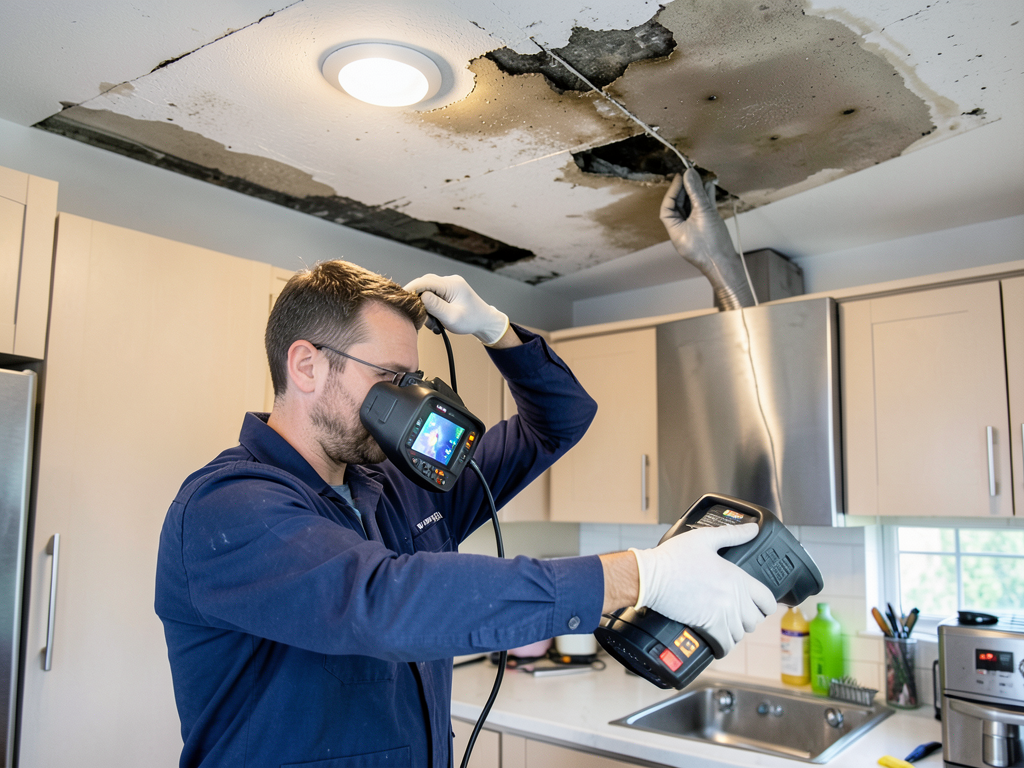
Water Leaking Through Recessed Lights in Burleith Kitchen If you see water dripping from your recessed kitchen lights in Burleith during heavy rain, you are dealing with an active electrical hazard and potential structural damage.…
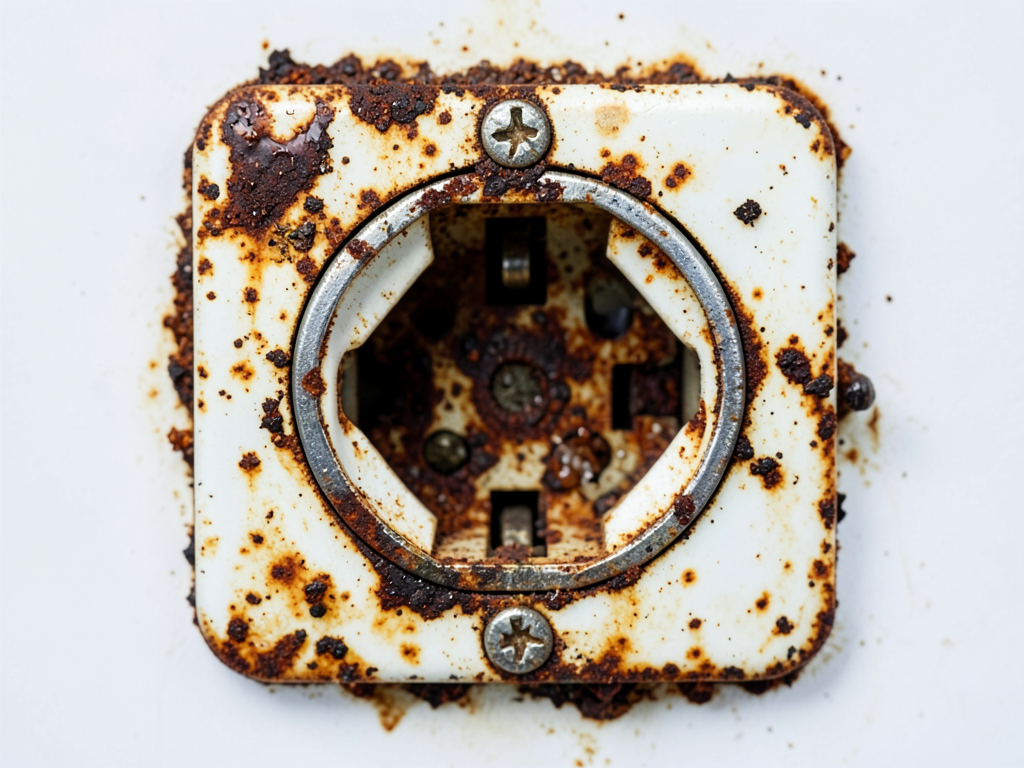
What happens when water gets into the electrical outlets of your Kingman Park rowhome Water…
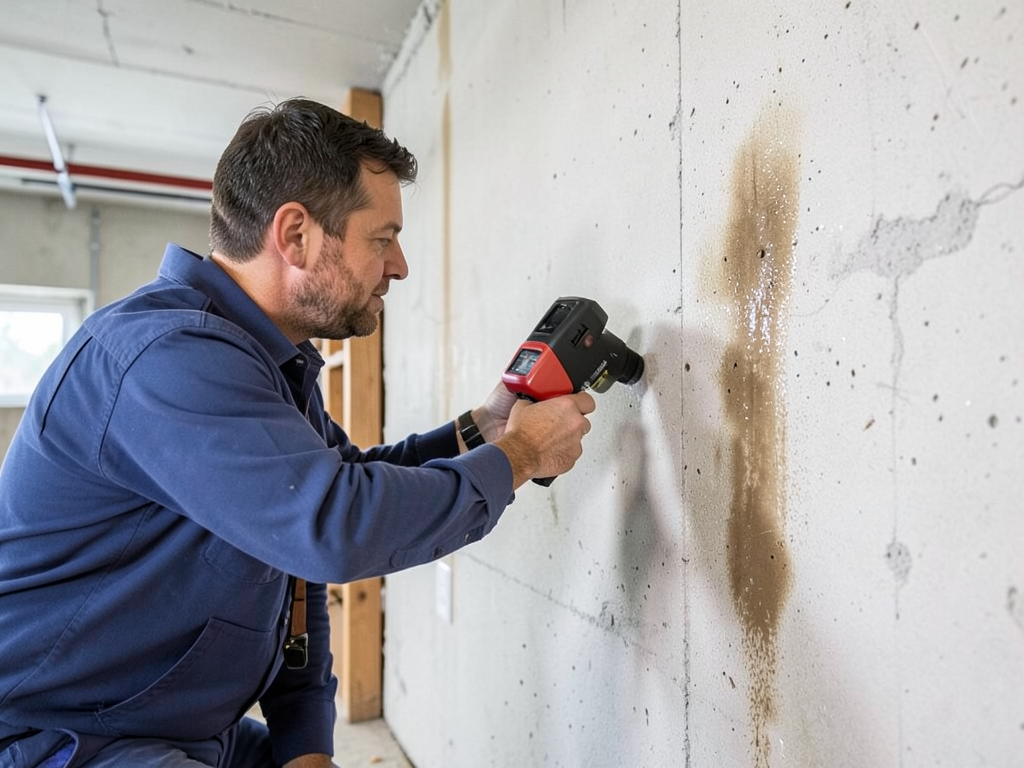
Why your Southwest Waterfront basement is damp even when it hasn’t rained in weeks Your…
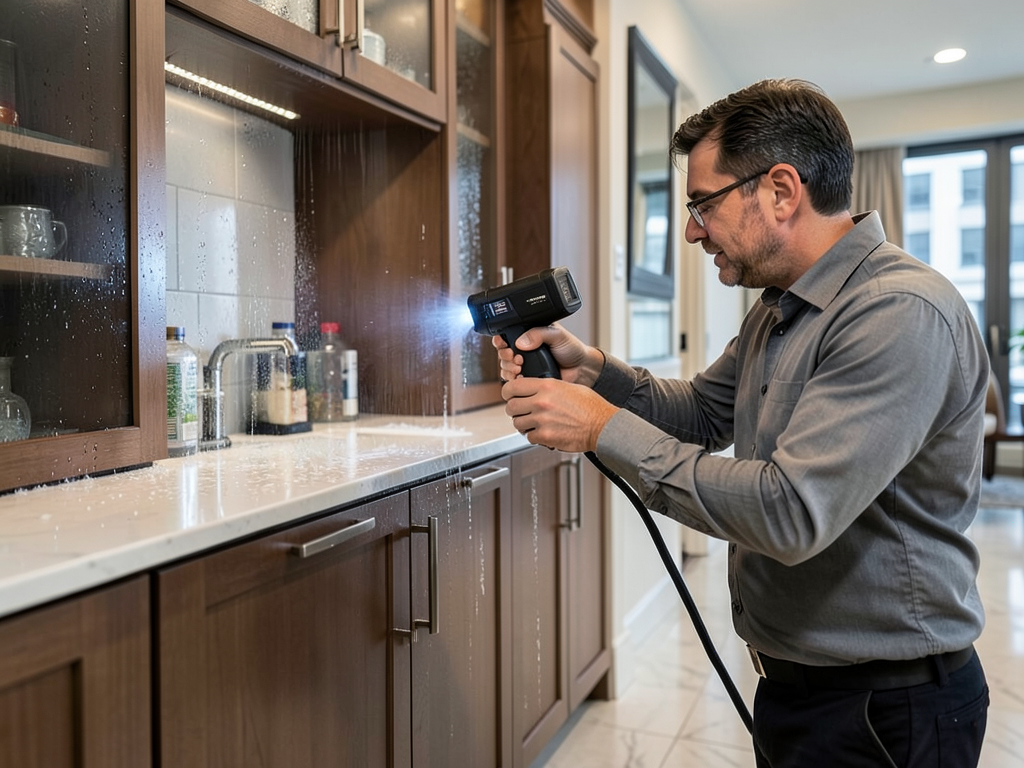
Why the wet bar in your West End condo is the most likely place for…
Every hour of delay allows water to spread and damage to multiply. Our crews are standing by right now, ready to deploy to your Bethesda property within 60 minutes. Call (771) 223-8077 immediately for emergency water extraction and professional restoration that stops damage and starts recovery.