




Menu

Emergency Dehumidifier Rental in Washington, D.C. – Industrial Equipment Deployed in Under 90 Minutes

When flooding hits your D.C. property, every minute counts. We dispatch commercial-grade dehumidifiers and commercial drying equipment rental to your location fast, stopping mold growth and structural damage before they start.

Slider Image 1
Slider Image 2
Slider Image 3
Slider Image 4
Slider Image 5
Slider Image 7
Slider Image 8
Slider Image 9
Slider Image 10
Slider Image 11

Why Washington, D.C. Properties Face Severe Moisture Threats After Water Events

Washington, D.C.'s humid subtropical climate creates the perfect breeding ground for secondary water damage. When your basement floods or a pipe bursts, you face two enemies: the visible water and the invisible humidity trapped in your walls, crawlspace, and subfloor.

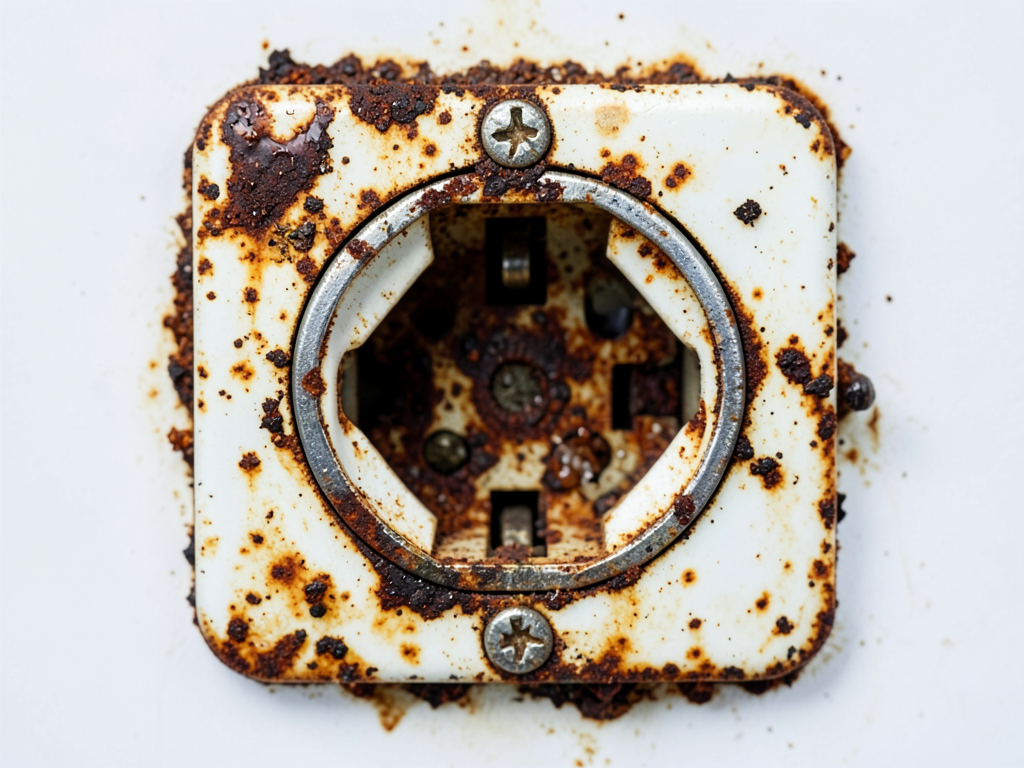
The district's average humidity hovers around 70 percent year-round. Add standing water from a flood or leak, and relative humidity spikes to 90 percent or higher within hours. At these levels, mold spores colonize damp drywall in 24 to 48 hours. Wood framing begins to warp. Metal fixtures corrode. Your property becomes uninhabitable fast.

Georgetown rowhomes built in the 1800s, Capitol Hill brownstones with brick foundations, and modern condos along the Anacostia waterfront all share one vulnerability: limited airflow in enclosed spaces. When water invades, it saturates porous materials and refuses to evaporate without mechanical intervention.

Standard box fans and open windows cannot extract moisture fast enough in D.C.'s thick summer air. You need industrial dehumidifier for rent, not consumer-grade units. A commercial dehumidifier rental pulls 100 to 300 pints of water per day from the air, depending on unit size and affected square footage. That extraction rate prevents mold, saves your belongings, and protects structural integrity.

Waiting 12 hours for a rental company to open puts your property at risk. You need 24 hour dehumidifier rental service that deploys immediately, before humidity does irreversible harm.

Why Washington, D.C. Properties Face Severe Moisture Threats After Water Events
How Professional Flood Dehumidifier Rental Stops Damage Progression

How Professional Flood Dehumidifier Rental Stops Damage Progression

Emergency dehumidifier rental is not about dropping off a machine and leaving. We deploy a calculated drying system based on moisture mapping, material science, and airflow dynamics.

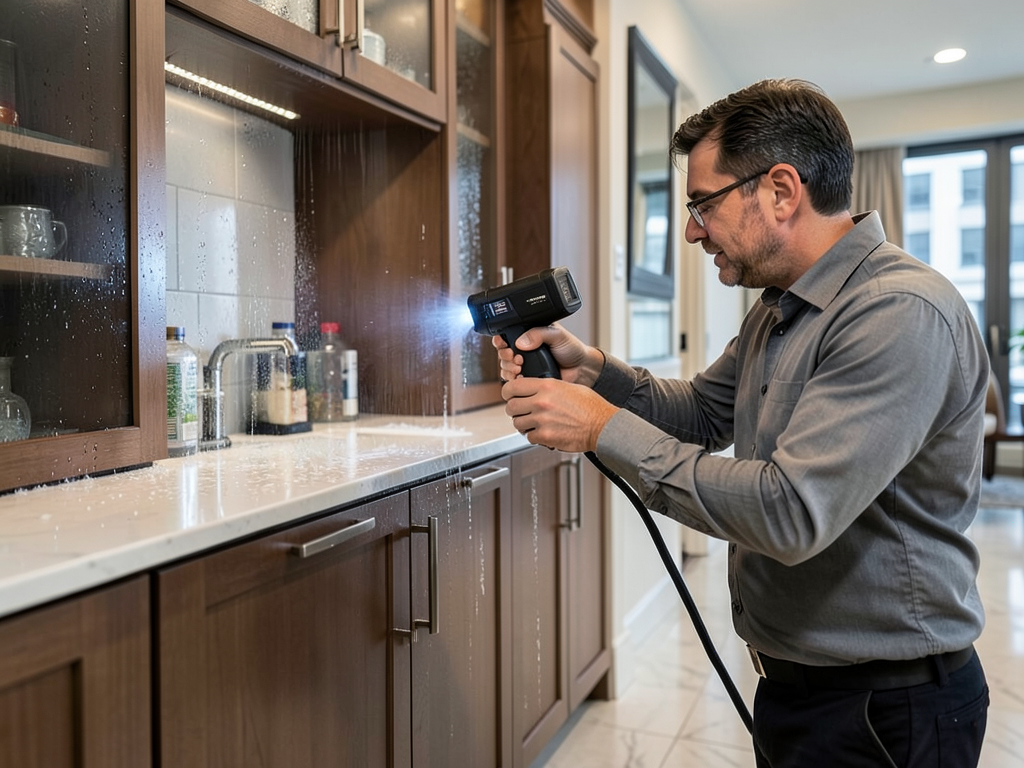
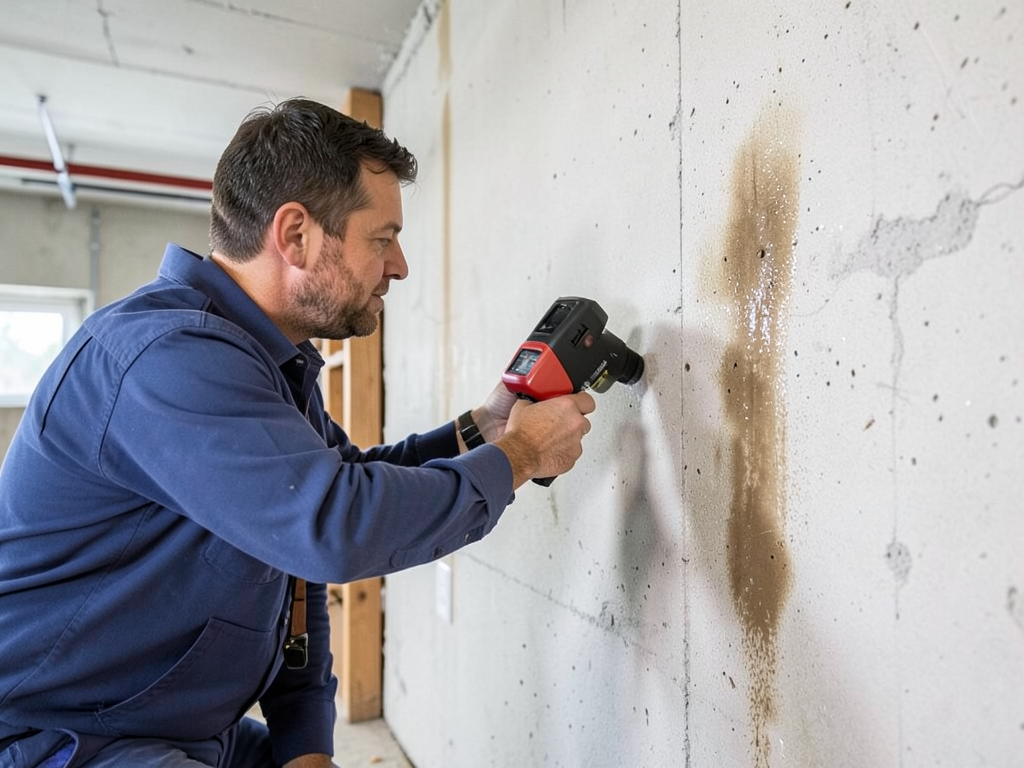
First, we measure relative humidity and moisture content using thermo-hygrometers and penetrating moisture meters. We test walls, floors, and ceilings to identify saturation levels in wood, drywall, concrete, and insulation. This data tells us which dehumidifier capacity you need and where to position units for maximum extraction.

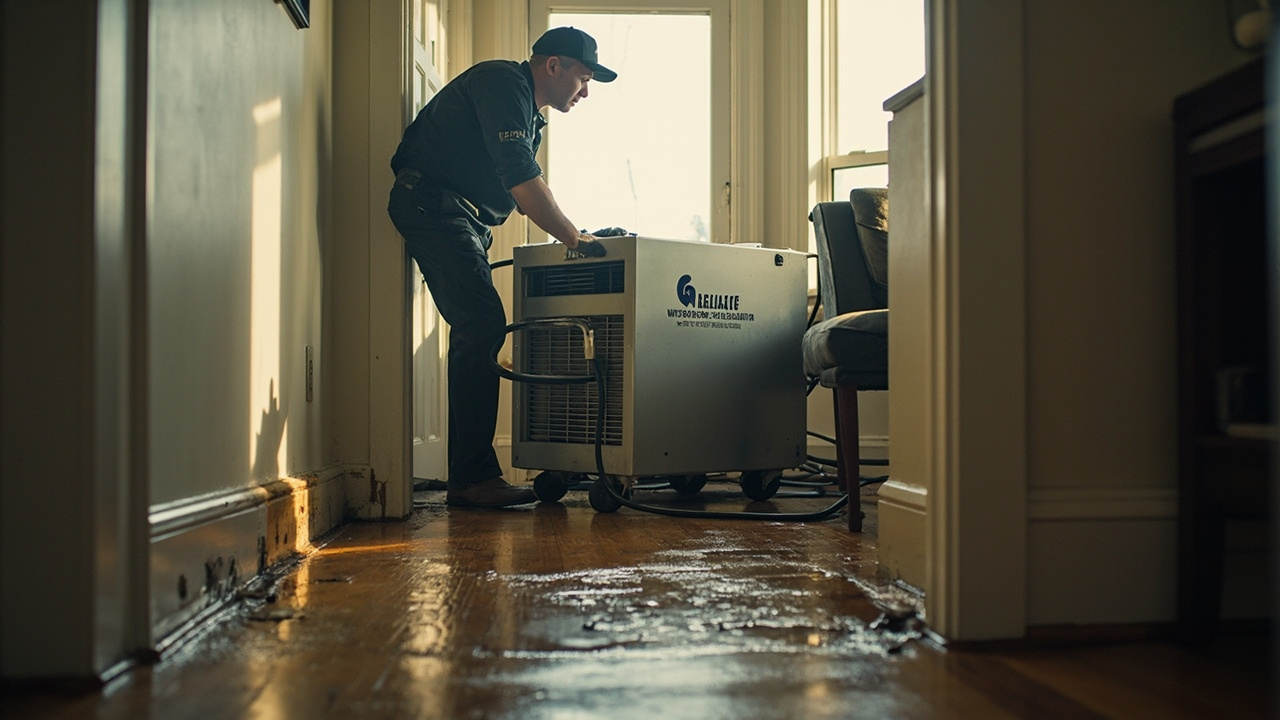
Second, we stage commercial drying equipment rental to create negative air pressure and controlled evaporation. Low-grain refrigerant (LGR) dehumidifiers work best in enclosed spaces like basements and bathrooms. Desiccant dehumidifiers handle larger open areas or cold environments where refrigerant units lose efficiency. We pair dehumidifiers with air movers to accelerate evaporation at the surface level, then pull that moisture-laden air through the dehumidifier for processing.

Third, we monitor drying progress with daily moisture readings. Drying is not complete when surfaces feel dry to the touch. We dry to IICRC S500 standards, which means achieving equilibrium moisture content (EMC) between structural materials and ambient air. For wood framing, that means 15 percent moisture content or lower. For drywall, 12 percent or less.

We adjust equipment placement, add supplemental units, or modify airflow patterns based on real-time data. This is precision drying, not guesswork. The result: your property returns to pre-loss condition without hidden moisture pockets that cause problems later.

What Happens When You Call for Emergency Equipment Delivery

Emergency Dehumidifier Rental in Washington, D.C. – Industrial Equipment Deployed in Under 90 Minutes
01

Immediate Dispatch and Assessment

You call our emergency line at (771) 223-8077, and we dispatch a technician to your Washington, D.C. location within 90 minutes. Upon arrival, we assess the extent of water intrusion, measure humidity levels, and determine the number and type of dehumidifiers required. We identify whether you need refrigerant or desiccant units based on temperature, space configuration, and material saturation.
02

Equipment Deployment and Configuration

We position commercial dehumidifiers in strategic zones to maximize moisture extraction. Air movers are angled to push humid air toward dehumidifier intakes. We create containment barriers if needed to prevent cross-contamination in multi-room scenarios. All units are calibrated to ambient conditions and connected to drainage systems or condensate pumps to ensure continuous operation without manual emptying.
03

Monitoring and Equipment Retrieval

We return daily to document moisture levels and verify drying progress. Once materials reach target moisture content, we remove equipment and perform a final verification scan. You receive a moisture log showing before-and-after readings for insurance documentation. The drying process typically takes three to seven days, depending on saturation depth and environmental conditions. We do not pull equipment early.

Why Local Water Damage Professionals Outperform National Rental Chains

Big-box rental companies hand you a dehumidifier and a user manual. You guess where to place it, when to empty the tank, and whether it is working effectively. That approach fails in water damage scenarios where precision matters.

Reliance Water Damage Restoration Washington DC operates exclusively in the D.C. metro area. We understand how water behaves in basement slab foundations common to Dupont Circle apartments, how brick absorbs moisture in Shaw Victorian homes, and how HVAC systems in modern Wharf condos circulate humid air into unaffected rooms.

We stock industrial-grade equipment calibrated for flood conditions, not light basement dampness. Our LGR dehumidifiers remove up to 18 gallons of water per day at AHAM (Association of Home Appliance Manufacturers) saturation conditions. Desiccant units can dry spaces down to 20 percent relative humidity, which is critical for preventing microbial growth on organic materials.

We also navigate D.C. building codes and insurance requirements. The district enforces strict lead paint and asbestos regulations in older properties. If drying work disturbs painted surfaces or insulation in pre-1978 structures, we follow EPA RRP (Renovation, Repair, and Painting) protocols. We document all work for insurance adjusters who require proof of professional mitigation to approve claims.

National chains do not provide this level of service. They rent equipment, not expertise. When your home or business is at risk, you need technicians who understand moisture science, material composition, and local environmental factors. That is what separates emergency restoration from equipment rental.

What You Get With Professional Emergency Dehumidifier Service

90-Minute Response Time

We deploy equipment to your Washington, D.C. property within 90 minutes of your call, 24 hours a day, seven days a week. Water damage does not wait for business hours. Neither do we. Our technicians carry moisture meters, thermal cameras, and assessment tools on every truck. We arrive ready to evaluate, strategize, and begin drying immediately. Speed is not a marketing claim. It is our operational standard because delayed drying leads to exponential damage growth.

Professional Moisture Assessment

Before we place a single dehumidifier, we map your property's moisture profile. We use pin-type and non-invasive meters to measure water content in framing, flooring, drywall, and insulation. We check hidden areas: behind baseboards, inside wall cavities, under flooring. Infrared cameras reveal thermal differences caused by evaporative cooling, showing us where water hides. This data determines equipment type, placement, and rental duration. We do not guess. We measure.

Documented Drying Results

You receive daily moisture logs showing humidity levels, material moisture content, and drying progress. These documents satisfy insurance requirements and prove mitigation was performed to industry standards. When materials reach the target dryness threshold, we perform a final verification scan and provide a completion certificate. You have proof that drying was thorough, professional, and compliant with IICRC S500 standards. That documentation protects you from claim disputes and future liability.

No Equipment Babysitting Required

We monitor equipment performance, adjust settings, empty condensate tanks, and troubleshoot mechanical issues. You do not manage the drying process. We do. Our technicians return daily to verify units are operating at peak efficiency and materials are drying as expected. If conditions change or equipment underperforms, we add supplemental units or reconfigure airflow patterns. You focus on getting your life or business back to normal. We handle the technical work.

Frequently Asked Questions

You Have Questions,
We Have Answers

Is it possible to rent a dehumidifier? +

Yes. You can rent commercial-grade dehumidifiers from water damage restoration companies, equipment rental centers, and some hardware stores in Washington, D.C. Emergency rental dehumidifiers are industrial-strength units designed to remove moisture fast after flooding, pipe bursts, or storm damage. These units pull significantly more moisture per day than consumer models you buy at a store. Most restoration companies deliver and set up equipment within hours of your call, which matters when you are racing to prevent mold growth. Rental agreements typically run daily or weekly, giving you flexibility based on damage severity.

Is it worth renting a dehumidifier? +

Yes, renting is worth it after water damage. Buying a commercial dehumidifier costs thousands, and you need it immediately, not in two days after shipping. Washington, D.C.'s humid climate accelerates mold growth, which begins within 24 to 48 hours of water exposure. Rental units extract 10 to 20 times more moisture than residential models, drying your space in days instead of weeks. This speed prevents structural damage to wood framing, prevents mold remediation costs, and often satisfies insurance requirements for proper mitigation. The rental cost is minor compared to mold cleanup or replacing damaged materials.

Can I rent a dehumidifier at Home Depot? +

Home Depot does offer dehumidifier rentals at some locations, but availability varies by store and these units are typically smaller consumer-grade models. After a water emergency in Washington, D.C., you need commercial dehumidifiers that remove 150 to 200 pints per day, not 50-pint residential units. Restoration companies stock professional equipment and deliver it to your property immediately, often within an hour. They also position units correctly, monitor progress with moisture meters, and adjust equipment as conditions change. For emergency water damage, contact a restoration specialist rather than waiting for store hours.

How much to hire a dehumidifier for a week? +

Weekly dehumidifier rental rates vary based on unit size and capacity. Small commercial units typically cost less per week, while large low-grain refrigerant or desiccant dehumidifiers cost more due to their higher extraction rates. Most Washington, D.C. restoration companies bundle equipment rental into their water damage mitigation services, which insurance often covers. This includes delivery, setup, daily monitoring, and removal when drying is complete. Renting directly from equipment suppliers may seem cheaper, but you lose the expertise needed to prevent secondary damage. Always ask if monitoring and moisture readings are included in the rental price.

Will mold grow in 60% humidity? +

Mold can grow at 60% humidity, though growth accelerates above 65%. Washington, D.C.'s naturally humid climate makes indoor moisture control critical after water damage. Different mold species have different thresholds, but most common household molds thrive between 55% and 80% relative humidity. After a flood or leak, humidity levels spike much higher, creating ideal conditions for rapid colonization. You must reduce indoor humidity below 50% and dry wet materials within 24 to 48 hours to prevent growth. Commercial dehumidifiers paired with air movers achieve this target quickly, protecting your property and health.

What can I use instead of a dehumidifier? +

Nothing replaces a dehumidifier after water damage. Opening windows works only if outside humidity is lower than inside, which rarely happens in Washington, D.C. during summer months. Fans move air but do not remove moisture from it. Desiccants like silica gel or calcium chloride work for small enclosed spaces but cannot handle room-scale flooding. After a pipe burst or storm intrusion, you need equipment that extracts gallons of water from the air daily. Attempting DIY moisture removal with household methods delays proper drying, allows mold to establish, and turns a manageable problem into a costly disaster.

Is 70% humidity too high for a house? +

Yes, 70% humidity is too high indoors. The EPA recommends keeping indoor relative humidity between 30% and 50% to prevent mold growth and structural damage. At 70%, you create conditions where mold spores colonize within 24 hours on damp surfaces. Washington, D.C.'s humid summers already stress HVAC systems, and water damage pushes humidity even higher. High moisture also damages wood flooring, warps drywall, and promotes dust mite populations. After flooding or leaks, humidity often exceeds 80% or 90%. You must deploy commercial dehumidifiers immediately to pull levels down and prevent irreversible damage to your property.

Does a dehumidifier help with mold? +

Dehumidifiers prevent mold by removing the moisture mold needs to grow, but they do not kill existing mold. If water damage already allowed mold to colonize, you need professional remediation to remove it safely. Dehumidifiers are critical in the first 24 to 48 hours after water intrusion, when you can still prevent growth by drying materials quickly. In Washington, D.C.'s humid environment, pairing dehumidifiers with air movers creates optimal drying conditions. This combination pulls moisture from building materials and keeps humidity below 50%, stopping mold before it starts. Speed is everything in water damage response.

How long does it take for a dehumidifier to dry out a room? +

Drying time depends on water volume, affected materials, and equipment capacity. A small room with surface water may dry in 24 to 48 hours with proper dehumidification and air movement. Saturated drywall, carpet padding, or hardwood floors take three to five days or longer. Washington, D.C.'s older homes with plaster walls and dense hardwood retain moisture longer than modern construction. Restoration professionals use moisture meters to track progress in walls, floors, and ceilings, adjusting equipment until readings reach safe levels. Never remove dehumidifiers based on how the room looks or feels. Trust moisture data, not guesswork.

How much does it cost to run a dehumidifier for 1 hour? +

Operating costs depend on dehumidifier size and local electricity rates. Commercial dehumidifiers draw between 5 and 15 amps, consuming roughly 600 to 1,800 watts per hour. In Washington, D.C., where electricity averages around regional rates, running a large unit costs approximately 15 to 25 cents per hour. Over 24 hours, this adds up, but the cost is minimal compared to mold remediation or replacing water-damaged materials. Insurance typically covers equipment and operating costs when part of a documented water damage claim. Focus on drying your property completely, not on hourly electric costs during an emergency.

How D.C.'s Tidal Basin Proximity and Stormwater Systems Impact Flood Recovery

Washington, D.C. sits at the confluence of the Potomac and Anacostia rivers, with neighborhoods like Navy Yard, Southwest Waterfront, and Georgetown experiencing periodic flooding from tidal surges and overwhelmed stormwater systems. When heavy rain coincides with high tide, combined sewer overflows (CSOs) back up into basements and ground-level commercial spaces. These flood events introduce contaminated water carrying sewage, chemicals, and organic debris. Standard dehumidification is not enough. You need commercial drying equipment rental paired with antimicrobial treatment to prevent bacterial growth and odor. D.C.'s low elevation and aging infrastructure make professional flood response critical, not optional.

We work directly with D.C. Water and Sewer Authority (DC Water) protocols and understand how the district's Clean Rivers Project affects flood risk in transitional neighborhoods. Our technicians are trained in IICRC Water Damage Restoration standards and follow EPA guidelines for Category 2 and Category 3 water contamination. When you hire local professionals, you get teams who understand Flood Insurance Rate Maps (FIRMs) for Capitol Hill, know which basements flood during Nor'easters, and coordinate with insurance adjusters familiar with D.C. property risks. That local knowledge accelerates claims, prevents mold litigation, and protects property value in a competitive real estate market.
Water Damage Restoration Services in The Washington DC Area

While we primarily offer mobile, on-site water damage restoration services throughout Washington D.C., you can view our main operational hub and service area on the map below. We are strategically located to ensure rapid deployment and efficient response times to all emergencies across the region, bringing our expert services directly to your property wherever you are within our service footprint.

Address:
Reliance Water Damage Restoration Washington DC, 200 Massachusetts Ave NW, Washington, DC, 20001

Additional Services We Offer

Our news updates

Latest Articles & News from The Blogs

Why Your New Condo at The Wharf Might Experience Balcony Drainage Flooding Living in a luxury condo at The Wharf…

Why Your New Condo at The Wharf Might Experience Balcony Drainage Flooding

Why Your New Condo at The Wharf Might Experience Balcony Drainage Flooding Living in a luxury condo at The Wharf…

Dealing with Potomac River Seepage in Your Georgetown Waterfront Retail Space

Dealing with Potomac River Seepage in Your Georgetown Waterfront Retail Space Georgetown's waterfront retail spaces face unique water damage risks…

What Every DC Homeowner Needs in a Flood Emergency Kit Before the Next Storm Hits

What Every DC Homeowner Needs in a Flood Emergency Kit Before the Next Storm Hits Washington DC homeowners face unique…

Contact Us

Call (771) 223-8077 now for emergency dehumidifier deployment in Washington, D.C. We answer 24/7 and arrive in under 90 minutes with industrial drying equipment. Do not let humidity destroy your property while you wait for help.