




Menu

Attic Water Damage Cleanup in Washington, D.C. – Expert Leak Detection and Full Structural Drying to Stop Hidden Mold Growth

Advanced Thermal Imaging and Moisture Mapping for Attic Water Damage Cleanup Protects Your Home from Costly Structural Decay and Health Hazards Before They Spread

Slider Image 1
Slider Image 2
Slider Image 3
Slider Image 4
Slider Image 5
Slider Image 7
Slider Image 8
Slider Image 9
Slider Image 10
Slider Image 11

Why Attic Water Damage in Washington, D.C. Escalates Fast Without Immediate Intervention

Your attic sits at the intersection of two forces working against you. Washington, D.C.'s humid subtropical climate creates average summer humidity levels near 70 percent. When a roof leak, ice dam, or condensation breach introduces water into your attic space, that moisture does not evaporate. It spreads through insulation, soaks into ceiling joists, and migrates down interior wall cavities.

Historic rowhomes in Capitol Hill and Dupont Circle often feature slate or clay tile roofing over original timber framing. These configurations trap moisture in confined spaces with minimal ventilation. A small leak from failed flashing around a dormer window can saturate blown-in cellulose insulation in hours. You will not see ceiling stains until the damage has already compromised structural members.

Attic water damage restoration requires more than vacuuming up standing water. The insulation acts as a sponge, holding moisture against wood framing for days. Mold colonization begins within 24 to 48 hours in dark, damp conditions. Attic water removal services must address hidden moisture pockets behind HVAC ductwork, around chimney chases, and within soffit cavities where air cannot circulate.

Residents near the Potomac River face additional risks during spring thaw cycles. Ice dams form when heat escapes through inadequate attic insulation, melting snow on the roof surface. Water backs up under shingles and penetrates the roof deck. Attic leak cleanup in these scenarios demands immediate extraction, controlled drying, and insulation replacement to prevent secondary damage. Delaying professional attic flood restoration allows water to wick through drywall and stain finished ceilings below, turning a contained problem into a whole-house crisis.

Why Attic Water Damage in Washington, D.C. Escalates Fast Without Immediate Intervention
How Professional Attic Water Damage Cleanup Stops Structural Decay Before It Spreads

How Professional Attic Water Damage Cleanup Stops Structural Decay Before It Spreads

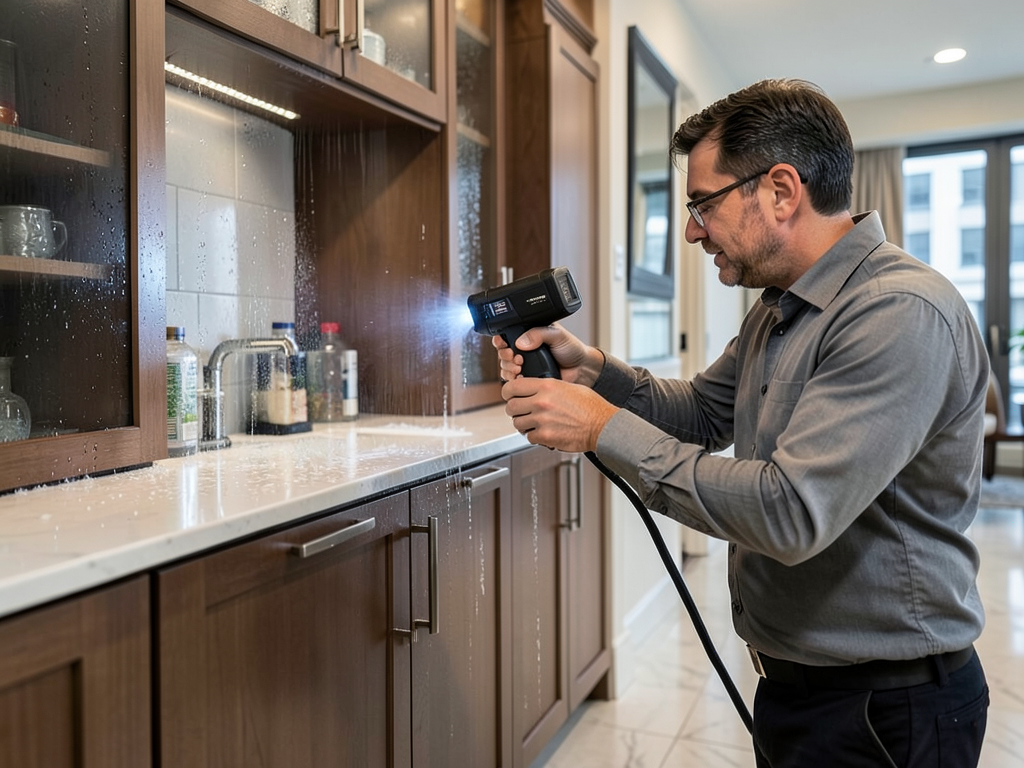
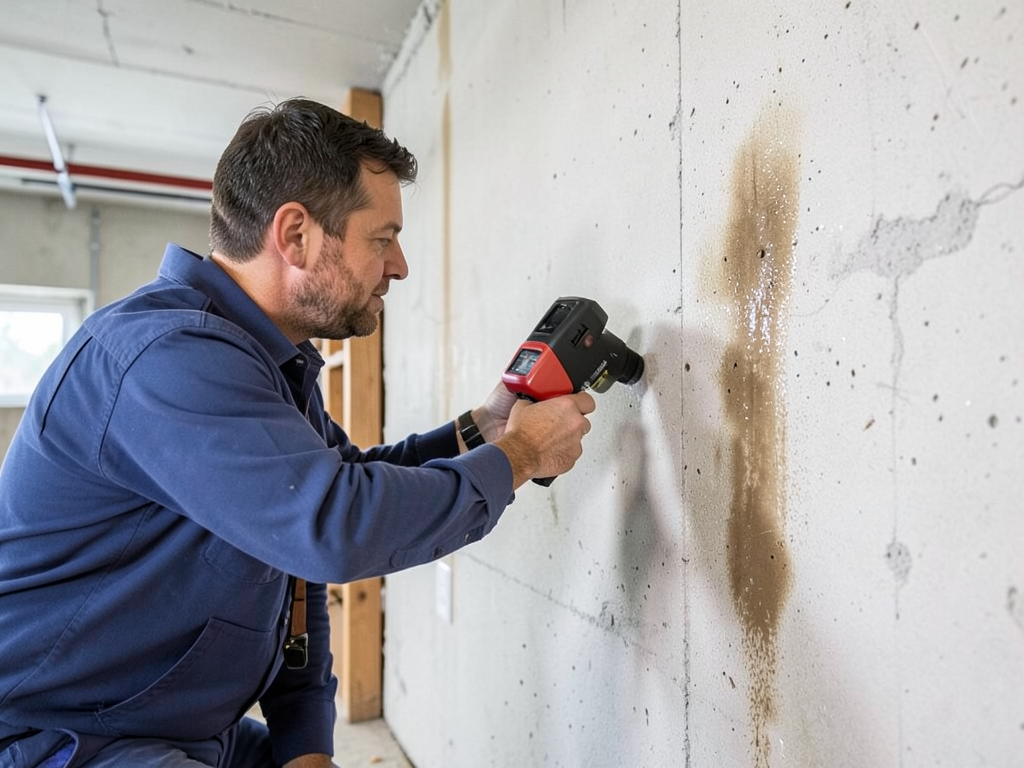
Effective attic water damage repair starts with precise moisture detection, not guesswork. Thermal imaging cameras identify temperature differentials caused by wet insulation and saturated framing. Infrared scans reveal moisture migration pathways invisible to the naked eye. We map moisture content in ceiling joists, rafters, and sheathing using pin-type and non-invasive meters calibrated to wood species common in D.C. construction.

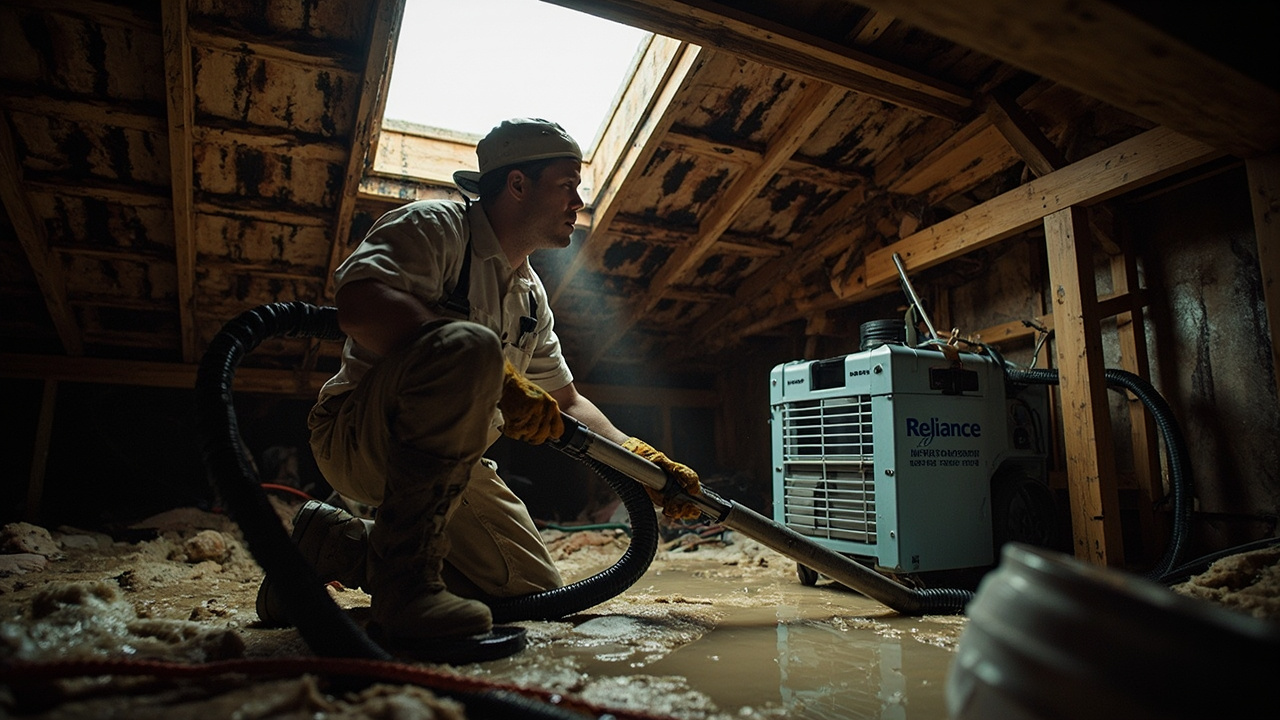
Extraction alone does not solve the problem. Wet fiberglass batts lose R-value permanently and must be removed to access underlying framing. Blown-in cellulose holds water like a sponge, requiring complete removal and disposal. We create negative air pressure chambers using air movers and HEPA-filtered negative air machines to pull moisture-laden air out of the attic space while introducing dry air from conditioned areas below. This controlled drying process prevents cross-contamination of living spaces with mold spores or insulation particulates.

Structural drying targets specific moisture thresholds measured in wood moisture content percentage. We monitor daily readings until framing members return to 12 to 15 percent moisture content, the acceptable range for dimensional lumber in this climate zone. Dehumidification units sized to attic cubic footage run continuously, removing gallons of water vapor per day. This process prevents warping, splitting, and fungal growth in structural components.

Attic water damage restoration includes antimicrobial treatment of affected framing after drying. We apply EPA-registered fungicides to inhibit mold growth on wood surfaces previously exposed to water. This step protects your investment during the period between water extraction and final insulation replacement. Comprehensive attic flood restoration also addresses the source, whether that means coordinating temporary roof tarping, flashing repairs, or HVAC condensate line corrections. Cleaning up visible water without fixing the entry point guarantees recurrence.

What Happens During Your Attic Water Damage Cleanup Service Call

Attic Water Damage Cleanup in Washington, D.C. – Expert Leak Detection and Full Structural Drying to Stop Hidden Mold Growth
01

Emergency Assessment and Containment

We arrive within two hours of your call to assess attic conditions and stop ongoing water intrusion. Thermal imaging identifies wet zones hidden beneath insulation. We document moisture levels in structural members and photograph damage for insurance documentation. Temporary containment measures protect your home from further exposure while we develop the full scope of attic water removal services required for complete restoration.
02

Water Extraction and Material Removal

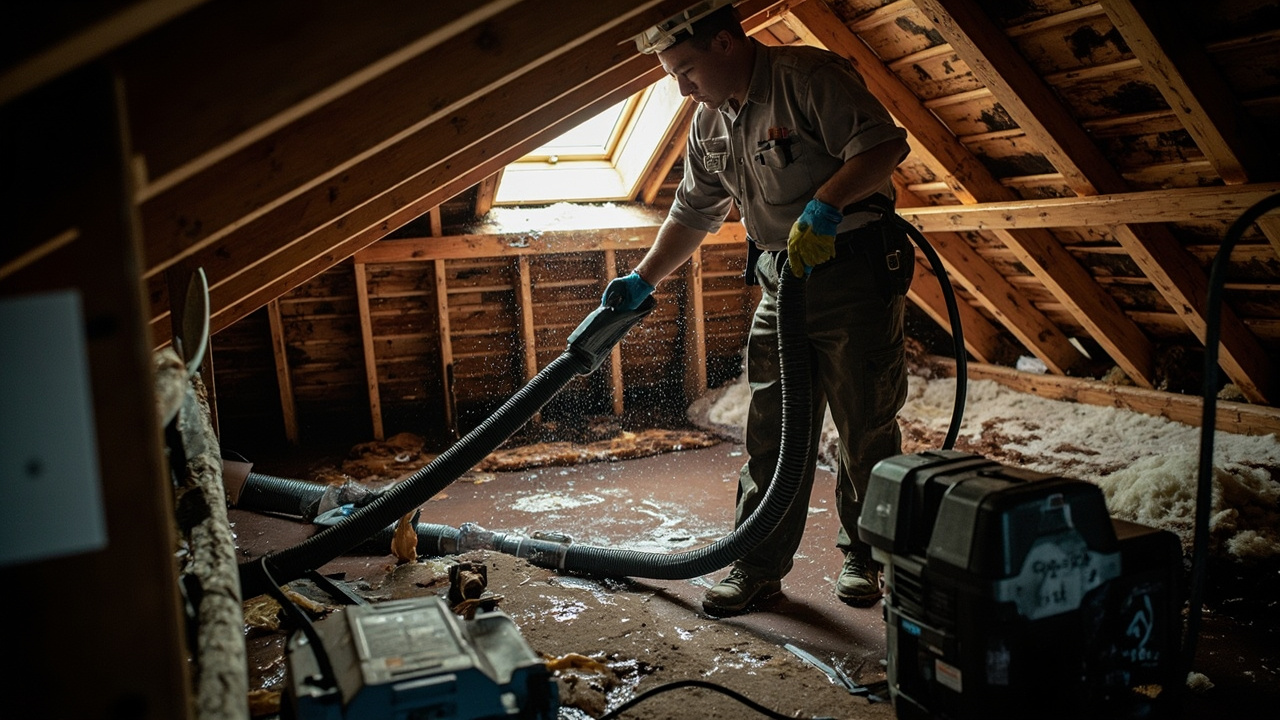
Truck-mounted extraction units remove standing water from attic floors and between ceiling joists. Wet insulation gets bagged and removed to prevent mold amplification. We create airflow pathways using air movers positioned to maximize evaporation from structural surfaces. Dehumidifiers calibrated to attic volume begin reducing ambient humidity immediately. This phase of attic leak cleanup prevents secondary damage to finished spaces below your attic.
03

Controlled Drying and Verification

We monitor wood moisture content daily until structural members reach safe levels below 15 percent. Antimicrobial treatment protects dried framing from mold colonization during the reconstruction phase. Final thermal imaging confirms complete moisture removal before we sign off on the project. You receive detailed documentation showing before-and-after moisture readings, proving your attic is dry and safe for insulation replacement and any necessary structural repairs.

Why Washington, D.C. Homeowners Trust Reliance Water Damage Restoration Washington DC for Attic Water Damage Cleanup

You need a team that understands how water behaves in D.C.'s building stock. Rowhomes in Shaw and Logan Circle feature shared party walls and interconnected attic spaces. Water from a neighbor's roof leak can migrate through common framing into your property. We assess lateral moisture movement and coordinate with adjacent property owners when necessary to solve complex multi-unit water intrusion problems.

Our technicians know the difference between balloon framing in pre-1940s construction and platform framing in newer builds. This knowledge determines extraction strategy and drying equipment placement. Historic properties near Eastern Market often require gentler drying methods to prevent cracking plaster ceilings. Modern construction in Navy Yard tolerates aggressive air movement and dehumidification without finish damage.

We maintain relationships with licensed roofers, structural engineers, and mold remediation specialists who understand D.C. building codes. When attic water damage exposes deficiencies in roof ventilation or insulation performance, we provide referrals to contractors experienced in code-compliant upgrades. This coordination streamlines your recovery process and ensures repairs meet current energy efficiency standards required for occupied structures in the District.

Insurance documentation is built into every service call. We photograph moisture meter readings, document material removal quantities, and provide detailed estimates that align with Xactimate pricing databases used by major carriers. Our familiarity with local adjusters and claims processes helps you navigate coverage questions specific to water damage versus long-term maintenance neglect. You get the documentation needed to support your claim without delays or disputes over scope.

Reliance Water Damage Restoration Washington DC operates 24 hours a day because attic water damage does not wait for business hours. A midnight roof leak during a summer thunderstorm requires immediate response to prevent ceiling collapse. We dispatch crews from staging locations throughout the metro area, ensuring rapid arrival regardless of your neighborhood.

What You Can Expect When You Call for Attic Water Damage Cleanup

Immediate Response and Arrival Time

Emergency calls receive dispatch within 30 minutes. Crews typically arrive on-site within 90 to 120 minutes, depending on your location in the D.C. metro area. We bring truck-mounted extraction equipment, portable generators for power outages, and temporary lighting systems for overnight work. Initial assessment begins immediately upon arrival, with moisture mapping and damage documentation completed before any equipment deployment. You receive a verbal scope of work and timeline estimate within the first hour. Non-emergency scheduling is available for slower-developing issues like condensation damage or minor roof leaks discovered during routine inspections.

Comprehensive Moisture Assessment Process

Every attic water damage cleanup begins with thermal imaging to identify moisture pathways invisible to visual inspection. We measure moisture content in ceiling joists, rafters, roof sheathing, and wall top plates using calibrated pin-type meters. Readings are documented on floor plan diagrams showing wet zones and migration patterns. This data determines equipment placement and drying duration. We test insulation moisture content to determine salvageability versus replacement requirements. Air quality sampling identifies airborne mold spore levels if musty odors are present. You receive a written assessment detailing affected materials, recommended remediation steps, and estimated drying time based on current moisture levels.

Verified Dry Standards and Final Documentation

We do not consider attic water damage repair complete until wood moisture content drops below 15 percent across all affected structural members. Daily monitoring tracks drying progress with documented meter readings. Final thermal imaging scans confirm no hidden moisture pockets remain in wall cavities or behind remaining materials. You receive a completion certificate with before-and-after moisture readings, photographs showing equipment placement and material removal, and recommendations for insulation replacement. This documentation supports insurance claims and provides future buyers with proof of professional remediation if you sell your property.

Post-Restoration Monitoring and Prevention Guidance

We provide a 30-day follow-up inspection to verify moisture levels remain stable after equipment removal. This courtesy check catches any rebound moisture issues before they escalate. You receive written guidance on attic ventilation improvements, insulation upgrades, and roof maintenance schedules to prevent future water intrusion. We explain how to monitor attic conditions seasonally and identify early warning signs of leaks or condensation problems. If additional water damage occurs within 90 days from the same source, we prioritize your service call and reassess the remediation scope at no additional diagnostic charge.

Frequently Asked Questions

You Have Questions,
We Have Answers

How to fix water damage in an attic? +

Start by identifying the source. Check roof penetrations, flashing, and damaged shingles common in Washington, D.C.'s freeze-thaw cycles. Stop the leak immediately. Remove standing water with wet vacs or pumps. Pull out wet insulation, as it cannot be salvaged. Set up industrial dehumidifiers and air movers to dry structural wood within 48 hours to prevent mold. Inspect rafters and decking for rot or sagging. Treat affected wood with antimicrobial solutions. Replace insulation after complete drying. Document everything with photos for insurance. Professional restoration prevents hidden moisture pockets that cause long-term structural damage in humid D.C. summers.

Does homeowners insurance cover attic remediation? +

Coverage depends on the cause. Most homeowner policies in Washington, D.C. cover sudden, accidental events like burst pipes or storm damage. Gradual leaks from deferred roof maintenance typically are excluded. Review your policy's water damage exclusions carefully. Flood damage requires separate flood insurance, critical near the Potomac River and Anacostia River zones. If a covered peril caused the attic damage, remediation costs including water extraction, drying, and mold prevention usually apply. Document the timeline and cause immediately. Contact your insurer within 24 hours and avoid admitting fault or speculating about maintenance lapses during initial reporting.

Will water in the attic dry out? +

Water rarely dries properly without intervention. Washington, D.C.'s high humidity, especially June through September, slows evaporation and creates ideal mold conditions within 24 to 48 hours. Stagnant attic air traps moisture in insulation, wood framing, and drywall. Even if surface water disappears, structural materials retain moisture that causes rot, mold colonization, and compromised load-bearing capacity. Professional drying uses moisture meters to track wood moisture content, targeting levels below 15 percent. Passive air circulation through vents is insufficient. You need controlled dehumidification and air movement to prevent secondary damage that costs more than immediate professional intervention.

How much does it cost to repair water damage in the attic? +

Costs vary by damage extent and structural impact. Minor leaks affecting insulation and drywall range from 800 to 2,500 dollars. Moderate damage requiring rafter repair, mold remediation, and full insulation replacement typically runs 3,000 to 8,000 dollars. Severe structural damage with compromised decking or widespread mold can exceed 15,000 dollars. Washington, D.C.'s older housing stock, particularly in Capitol Hill and Georgetown, often requires additional asbestos testing or lead-safe work practices that increase costs. Factors include attic accessibility, material costs, labor rates, and restoration complexity. Get multiple written estimates and verify contractors carry proper licensing and insurance before starting work.

What is the 7 and 7 rule for attics? +

The 7 and 7 rule is an insulation ventilation guideline. It requires attics to have at least 1 square foot of ventilation for every 150 square feet of attic space, split evenly between intake and exhaust vents. Additionally, insulation should maintain at least 7 inches of clearance from the roof deck to allow airflow. This prevents moisture buildup and ice damming, both relevant in Washington, D.C.'s winter conditions. Proper ventilation reduces condensation that mimics leak damage. After water damage cleanup, verify your attic meets this standard. Balanced airflow extends roof lifespan and prevents humidity-related issues in D.C.'s variable climate.

Will homeowners insurance cover water damage from a roof leak? +

Usually, yes, if the roof leak resulted from a covered peril like wind damage, hail, or fallen trees. Standard homeowner policies in Washington, D.C. cover sudden roof failures but exclude gradual deterioration from poor maintenance. If a storm damaged shingles and rain entered, your policy should cover water damage to ceilings, walls, and contents. Document the storm date and roof damage with photos. Insurers may deny claims if they find deferred maintenance like missing shingles that existed before the storm. Regular roof inspections create documentation that separates storm damage from neglect, strengthening your claim position.

How much does it cost to remediate an attic? +

Attic remediation costs depend on contamination type and severity. Basic water damage cleanup without mold ranges from 1,200 to 4,000 dollars. Mold remediation adds 2,000 to 6,000 dollars based on affected square footage. Asbestos or rodent contamination in Washington, D.C.'s older homes increases costs significantly due to specialized disposal requirements. Full insulation removal, antimicrobial treatment, structural drying, and reinstallation typically cost 3,500 to 10,000 dollars. Limited attic access in row houses common to D.C. neighborhoods can increase labor time. Professional remediation includes air quality testing, containment barriers, HEPA filtration, and post-remediation verification that DIY methods cannot replicate.

What not to say during a home insurance claim? +

Never speculate about causes or admit possible negligence. Avoid saying you delayed reporting the damage, ignored maintenance, or were unsure when the problem started. Do not exaggerate losses or mention pre-existing damage unrelated to the current claim. Never say the adjuster does not need to inspect or offer to accept a quick lowball settlement. Avoid discussing prior claims or coverage lapses. Stick to facts and timelines. Let evidence speak. In Washington, D.C., where properties are high-value, insurers scrutinize claims closely. Provide requested documentation promptly but do not volunteer information that could trigger exclusions or reduce your settlement.

Does insurance cover black mold in the attic? +

Coverage depends on the mold's cause. If black mold resulted from a covered peril like a sudden pipe burst or storm damage, most Washington, D.C. policies cover remediation costs. However, mold from long-term leaks, condensation, or maintenance neglect is typically excluded. Many policies cap mold coverage at 5,000 to 10,000 dollars regardless of cause. Review your policy's mold endorsement carefully. Document the timeline linking mold to a covered event. Immediate water damage response prevents mold growth, strengthening insurance arguments. Insurers often deny mold claims if more than 72 hours passed between the water event and professional mitigation.

Is insulation ruined if it gets wet? +

Yes, wet insulation loses effectiveness permanently and requires replacement. Fiberglass and cellulose insulation absorb water like a sponge, compressing and losing R-value even after drying. Wet insulation becomes a mold growth medium within 24 to 48 hours in Washington, D.C.'s humid climate. It adds weight to ceiling joists, risking structural sagging. Contaminated insulation can harbor bacteria and odors. Remove all wet insulation immediately during water damage cleanup. Attempting to dry and reuse it leaves hidden moisture pockets and compromised thermal performance. Replacement costs are minor compared to mold remediation or structural repairs from leaving saturated insulation in place.

How Washington, D.C.'s Freeze-Thaw Cycles and Aging Infrastructure Increase Attic Water Damage Risk

Washington, D.C. experiences an average of 35 freeze-thaw cycles each winter, creating conditions perfect for ice dam formation on older roofs. When daytime temperatures climb into the 40s and nighttime lows drop below freezing, melted snow refreezes at roof edges where eaves extend beyond heated spaces. This ice forces meltwater under shingles and through roof deck seams. Historic neighborhoods feature roofs installed decades ago with minimal ice-and-water shield protection. The result is attic water intrusion concentrated along eave lines and valley channels, often unnoticed until ceiling stains appear in second-floor bedrooms or insulation loses effectiveness.

Effective attic water damage cleanup in the District requires familiarity with construction methods spanning three centuries. Georgetown rowhomes may feature hand-hewn timber framing requiring specialized drying techniques. Mid-century ramblers in Chevy Chase often have minimal attic access, demanding creative equipment placement. We train crews on local architectural details and coordinate with D.C.'s Historic Preservation Office when working on protected properties. Our technicians understand ventilation requirements in the International Residential Code as adopted by D.C., ensuring your attic restoration meets current standards without compromising historic character.
Water Damage Restoration Services in The Washington DC Area

While we primarily offer mobile, on-site water damage restoration services throughout Washington D.C., you can view our main operational hub and service area on the map below. We are strategically located to ensure rapid deployment and efficient response times to all emergencies across the region, bringing our expert services directly to your property wherever you are within our service footprint.

Address:
Reliance Water Damage Restoration Washington DC, 200 Massachusetts Ave NW, Washington, DC, 20001

Additional Services We Offer

Our news updates

Latest Articles & News from The Blogs

Why Your New Condo at The Wharf Might Experience Balcony Drainage Flooding Living in a luxury condo at The Wharf…

Why Your New Condo at The Wharf Might Experience Balcony Drainage Flooding

Why Your New Condo at The Wharf Might Experience Balcony Drainage Flooding Living in a luxury condo at The Wharf…

Dealing with Potomac River Seepage in Your Georgetown Waterfront Retail Space

Dealing with Potomac River Seepage in Your Georgetown Waterfront Retail Space Georgetown's waterfront retail spaces face unique water damage risks…

What Every DC Homeowner Needs in a Flood Emergency Kit Before the Next Storm Hits

What Every DC Homeowner Needs in a Flood Emergency Kit Before the Next Storm Hits Washington DC homeowners face unique…

Contact Us

Water in your attic spreads to structural framing and finished spaces below with every passing hour. Call Reliance Water Damage Restoration Washington DC now at (771) 223-8077 for immediate dispatch and expert moisture removal that protects your home's integrity.