




Menu

School & University Restoration in Washington, D.C. – Minimize Downtime and Protect Your Institution's Operations

Educational facility water damage restoration designed to keep students safe, protect critical infrastructure, and resume academic operations fast across the District's schools, colleges, and universities.

Slider Image 1
Slider Image 2
Slider Image 3
Slider Image 4
Slider Image 5
Slider Image 7
Slider Image 8
Slider Image 9
Slider Image 10
Slider Image 11

Water Damage Threatens Academic Continuity Across Washington, D.C. Campuses

Educational institutions in Washington, D.C. face unique water damage risks. The District's aging infrastructure, combined with seasonal freeze-thaw cycles and intense summer humidity, creates conditions where pipe failures, roof leaks, and HVAC malfunctions can shut down entire wings of academic buildings. A single sprinkler malfunction in a residence hall or library can displace hundreds of students and destroy irreplaceable research materials.

Georgetown University, American University, and the University of the District of Columbia operate facilities built across multiple decades. Older buildings near Rock Creek Park or along the Potomac waterfront face groundwater intrusion during heavy rain events. Newer construction on Capitol Hill must contend with high water tables and clay soils that shift with seasonal moisture changes.

When water infiltrates classroom buildings, laboratories, or dormitories, you face immediate liability concerns, potential mold growth within 48 hours, and regulatory scrutiny from the D.C. Department of Buildings. Academic building water damage repair cannot wait for scheduled maintenance windows. Every hour of delay increases restoration costs and extends the period students lose access to critical learning environments.

University flood cleanup services must address complex building systems, protect sensitive equipment, and coordinate with campus security and facilities management. School disaster recovery services require an industrial-grade response that balances speed with minimal disruption to ongoing educational activities. The financial and reputational cost of mishandled college campus water remediation can affect enrollment, donor relations, and accreditation status.

You need a restoration partner who understands the operational pressure educational institutions face when water damage strikes.

Water Damage Threatens Academic Continuity Across Washington, D.C. Campuses
Industrial-Scale Response Protocols for Educational Facilities

Industrial-Scale Response Protocols for Educational Facilities

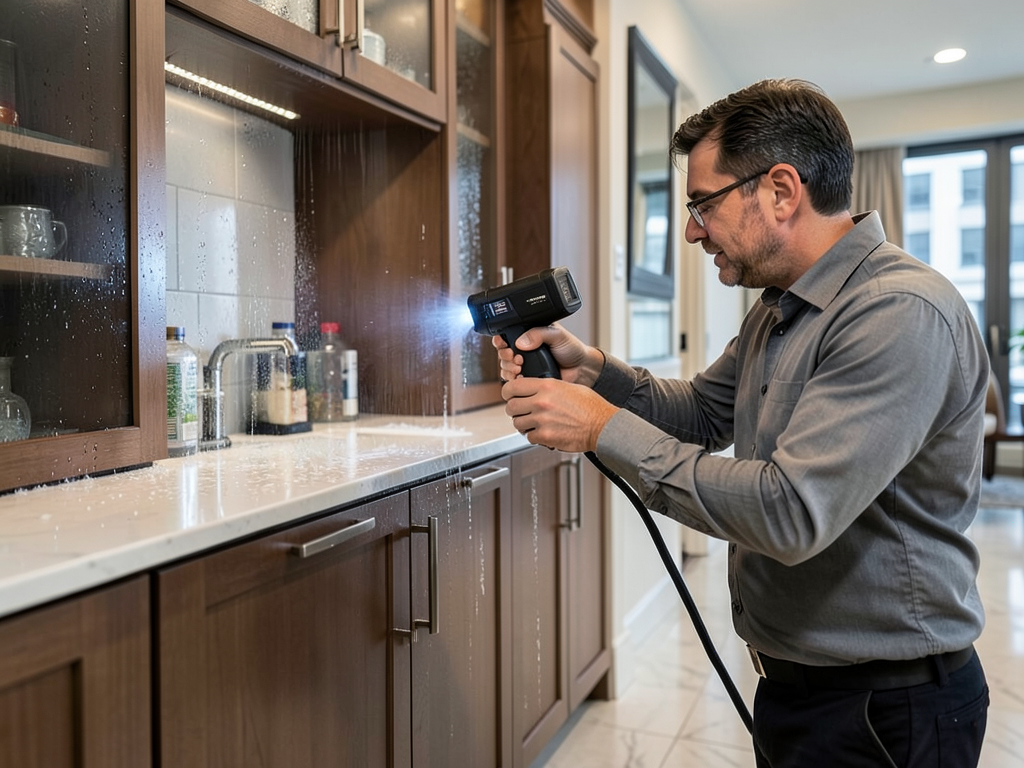
Educational facility water damage restoration demands capacity and coordination that residential-focused contractors cannot provide. We deploy truck-mounted extraction units capable of removing thousands of gallons per hour from flooded basements, auditoriums, and multi-story academic buildings. Our thermal imaging systems identify hidden moisture in wall cavities, below raised floors in computer labs, and within HVAC plenums that serve entire campus quadrants.

Water damage in educational settings requires strategic zoning. We establish containment barriers using negative air machines and physical partitions to isolate affected areas while adjacent classrooms, offices, or residence halls remain operational. This approach protects unaffected spaces from cross-contamination and allows you to maintain partial building functionality during restoration.

Our technicians are trained in chain-of-custody protocols for damaged property and documentation standards required by insurance carriers and risk management offices. We photograph and catalog affected materials, create detailed moisture mapping reports, and provide daily progress updates to facilities directors and emergency management coordinators.

Structural drying in institutional buildings differs from residential work. We calculate air changes per hour based on room volume, occupancy schedules, and ASHRAE ventilation standards. Our commercial dehumidification equipment includes desiccant systems that maintain precise humidity levels in archival storage areas, equipment rooms housing network infrastructure, and specialized laboratory spaces where environmental controls are critical.

We coordinate with campus trades to address underlying failures. If a chilled water line caused the flooding, we work alongside your mechanical contractors to verify repairs before beginning finish work. If roof penetrations allowed water entry, we document the source and provide detailed reports your roofing vendor needs to prevent recurrence.

Speed and systematic execution minimize your total loss and liability exposure.

How We Execute Campus Water Damage Recovery

School & University Restoration in Washington, D.C. – Minimize Downtime and Protect Your Institution's Operations
01

Immediate Site Assessment

Our project manager meets with your facilities director within two hours of notification to assess damage scope, identify safety hazards, and establish communication protocols. We evaluate structural systems, document affected square footage, and create a restoration timeline that accounts for academic schedules and building occupancy requirements. You receive a detailed scope of work and resource deployment plan before equipment arrives on site.
02

Extraction and Stabilization

We extract standing water using truck-mounted pumps and portable extraction units positioned to minimize disruption to campus traffic patterns. Our crews remove saturated materials, set up air movers in strategic configurations, and establish 24-hour monitoring stations with data loggers that track drying progress across multiple zones. Containment barriers protect unaffected areas and maintain building security. Daily moisture readings ensure we meet target drying benchmarks.
03

Restoration and Handover

After achieving structural dryness verified by moisture meter readings, we coordinate finish work with your preferred vendors or provide turnkey restoration services. Our final documentation package includes moisture logs, photographic evidence of completion, and certificates of satisfactory drying suitable for insurance claims and institutional records. We conduct a walk-through inspection with facilities management to confirm the space meets your operational standards before returning it to service.

Why Washington, D.C. Institutions Trust Our Campus Restoration Team

Reliance Water Damage Restoration Washington DC operates with an understanding of the regulatory environment governing institutional buildings in the District. We know D.C. construction codes, understand coordination requirements with the Department of Buildings for occupied educational facilities, and maintain documentation standards that satisfy institutional risk management protocols.

Our crews hold background clearances necessary for work on campuses with restricted access. We understand the importance of student safety, visitor management procedures, and the need to maintain secure perimeters during restoration operations. Our project managers communicate through your preferred channels, whether that means coordination through a central facilities dispatch system or direct contact with building administrators.

We have restored water damage in academic buildings across the District, from historic structures near Dupont Circle to modern LEED-certified facilities in NoMa. We understand the architectural diversity of Washington's educational landscape and adapt our methods to protect historic plaster, modern curtain wall systems, and everything between.

Our equipment inventory includes specialized tools for institutional-scale projects. We maintain an inventory of commercial dehumidifiers, axial air movers, and negative air machines sufficient to address simultaneous incidents across multiple campus buildings. Our response capacity means you receive dedicated equipment and personnel, not shared resources stretched across competing projects.

When water damage threatens your institution's operations, you need a contractor who can scale response to match the problem, coordinate with campus stakeholders, and execute restoration work without compromising student safety or academic continuity. We provide that capability with transparent communication and accountability at every phase.

What Your Institution Can Expect During Campus Restoration

Response Time and Mobilization

We maintain 24-hour dispatch for educational facilities experiencing water damage emergencies. Our initial response team arrives within two hours to assess damage and begin water extraction. Full equipment deployment, including commercial dehumidification systems and air movement equipment, typically occurs within four to six hours of your initial call. For large-scale incidents affecting multiple buildings, we coordinate additional crews and equipment to maintain aggressive drying timelines. You receive hourly updates during the first 24 hours and daily status reports throughout the restoration process.

Comprehensive Damage Assessment

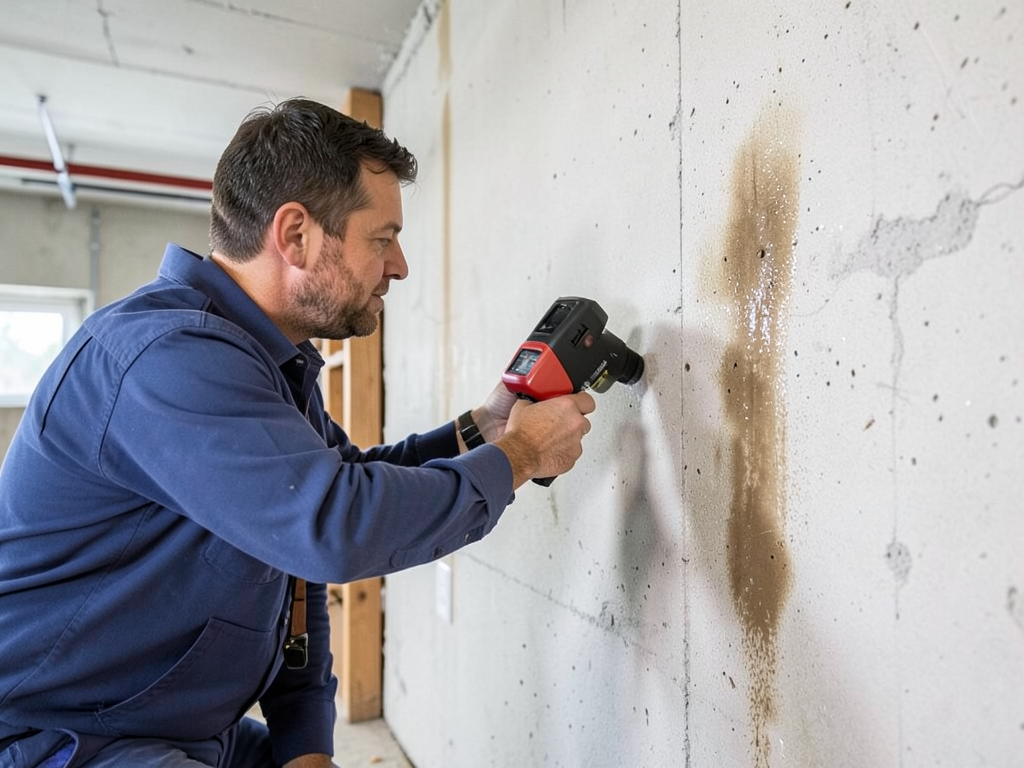
Our project manager conducts a room-by-room inspection using thermal imaging cameras and moisture meters to identify all affected areas, including hidden moisture in wall cavities and ceiling plenums. We document pre-existing conditions, photograph damage, and create detailed floor plans showing moisture distribution across affected spaces. You receive a written assessment that includes estimated drying time, equipment requirements, and potential secondary damage risks. This documentation supports your insurance claim and provides the information your administration needs to make informed decisions about temporary relocations or schedule adjustments.

Restoration Quality and Building Standards

We restore your facility to pre-loss condition using materials and methods that meet or exceed D.C. building codes and institutional standards. Our work includes verification testing to confirm structural dryness, air quality testing if mold remediation was necessary, and final inspections with your facilities management team. We provide certificates of completion, moisture log documentation, and photographic evidence showing restored conditions. All work is performed in compliance with IICRC S500 standards for water damage restoration. We coordinate with your architects, engineers, or specialty consultants as needed to address unique building systems or historic preservation requirements.

Post-Restoration Support and Documentation

After completing restoration work, we provide a comprehensive documentation package that includes daily moisture logs, equipment placement diagrams, before-and-after photographs, and a detailed narrative of all work performed. This package supports your insurance claim and provides records for your facilities management database. We remain available for follow-up inspections and answer questions from your risk management or legal teams. If your institution needs additional environmental testing or third-party verification, we coordinate with independent hygienists and provide access for their inspections. Our goal is complete transparency and documentation that protects your institution from future liability.

Frequently Asked Questions

You Have Questions,
We Have Answers

How Washington, D.C.'s Climate and Infrastructure Age Increase Campus Water Damage Risk

Washington, D.C. experiences temperature swings that stress aging plumbing systems in older academic buildings. Winter freeze-thaw cycles cause pipe failures in unheated spaces like attics and crawlspaces common in historic structures near Embassy Row and Capitol Hill. Summer humidity above 70% creates condensation on chilled water lines and HVAC equipment, leading to chronic moisture problems in mechanical rooms and below-grade spaces. The District's clay soils expand and contract with seasonal moisture changes, stressing foundation drainage systems and causing groundwater intrusion in basements and sub-basements where universities often house mechanical equipment, archives, and storage facilities.

Educational institutions in Washington operate under heightened scrutiny from accreditation bodies, insurance carriers, and regulatory agencies. School disaster recovery services must meet documentation standards that satisfy institutional risk management requirements and provide audit trails for insurance claims. Our familiarity with D.C. building codes, coordination protocols with the Department of Buildings, and understanding of institutional procurement processes makes us a reliable partner when your campus faces water damage. We provide the industrial capacity and regulatory compliance knowledge that protects your institution's reputation and minimizes operational disruption.
Water Damage Restoration Services in The Washington DC Area

While we primarily offer mobile, on-site water damage restoration services throughout Washington D.C., you can view our main operational hub and service area on the map below. We are strategically located to ensure rapid deployment and efficient response times to all emergencies across the region, bringing our expert services directly to your property wherever you are within our service footprint.

Address:
Reliance Water Damage Restoration Washington DC, 200 Massachusetts Ave NW, Washington, DC, 20001

Additional Services We Offer

Our news updates

Latest Articles & News from The Blogs

Why Your New Condo at The Wharf Might Experience Balcony Drainage Flooding Living in a luxury condo at The Wharf…

Why Your New Condo at The Wharf Might Experience Balcony Drainage Flooding

Why Your New Condo at The Wharf Might Experience Balcony Drainage Flooding Living in a luxury condo at The Wharf…

Dealing with Potomac River Seepage in Your Georgetown Waterfront Retail Space

Dealing with Potomac River Seepage in Your Georgetown Waterfront Retail Space Georgetown's waterfront retail spaces face unique water damage risks…

What Every DC Homeowner Needs in a Flood Emergency Kit Before the Next Storm Hits

What Every DC Homeowner Needs in a Flood Emergency Kit Before the Next Storm Hits Washington DC homeowners face unique…

Contact Us

Contact Reliance Water Damage Restoration Washington DC at (771) 223-8077 for immediate campus water damage response. Our teams are standing by 24 hours a day to protect your institution's operations and minimize liability exposure.