




Menu

Crawl Space Cleanup & Encapsulation in Washington, D.C. – Protect Your Foundation From Humidity Damage

Stop moisture intrusion, mold growth, and structural decay with professional crawl space waterproofing and vapor barrier installation designed for D.C.'s high humidity and seasonal flooding risks.

Slider Image 1
Slider Image 2
Slider Image 3
Slider Image 4
Slider Image 5
Slider Image 7
Slider Image 8
Slider Image 9
Slider Image 10
Slider Image 11

Why Washington, D.C. Crawl Spaces Fail Without Proper Encapsulation

Washington, D.C. sits in a humid subtropical zone where summer dew points regularly exceed 70 degrees and annual rainfall averages 40 inches. Your crawl space becomes a condensation chamber. Moisture creeps through vented foundations, saturates floor joists, and feeds mold colonies that spread into your living space.

The clay-heavy soils common in neighborhoods like Capitol Hill and Georgetown expand during wet seasons and contract during dry spells. This movement cracks foundation walls and creates entry points for groundwater. Older row houses built on rubble foundations lack proper moisture barriers. Water migrates upward through capillary action, saturating wood sills and subflooring.

Without crawl space encapsulation, you face escalating damage. Wood rot weakens floor framing. Mold spores trigger respiratory issues. Humidity warps hardwood floors and peels interior paint. Energy bills climb as HVAC systems fight against damp air infiltration.

Crawl space remediation addresses the root cause. You need a sealed system that blocks ground moisture, controls humidity, and protects structural components. Crawl space vapor barrier installation creates an impermeable membrane between soil and your home's envelope. Crawl space waterproofing eliminates standing water through drainage correction and sump pump integration. Crawl space sealing services close foundation vents and air leaks that invite humid outdoor air.

The problem compounds when you ignore it. What starts as musty odors becomes a structural liability. Crawl space restoration requires removing contaminated insulation, treating mold, and repairing damaged framing before encapsulation can begin.

Why Washington, D.C. Crawl Spaces Fail Without Proper Encapsulation
How Professional Crawl Space Encapsulation Stops Moisture at the Source

How Professional Crawl Space Encapsulation Stops Moisture at the Source

Effective crawl space cleanup begins with controlled demolition. We remove wet fiberglass insulation that acts like a sponge, holding moisture against floor joists. Moldy debris gets bagged and removed following EPA protocols. We treat affected wood framing with antimicrobial solutions that kill active mold and prevent regrowth.

Next comes water management. We grade soil to slope away from foundation walls and install perimeter drainage systems that intercept groundwater before it pools. Sump basins with backup pumps evacuate water during heavy rain events. This foundation work prevents hydrostatic pressure from forcing moisture through concrete.

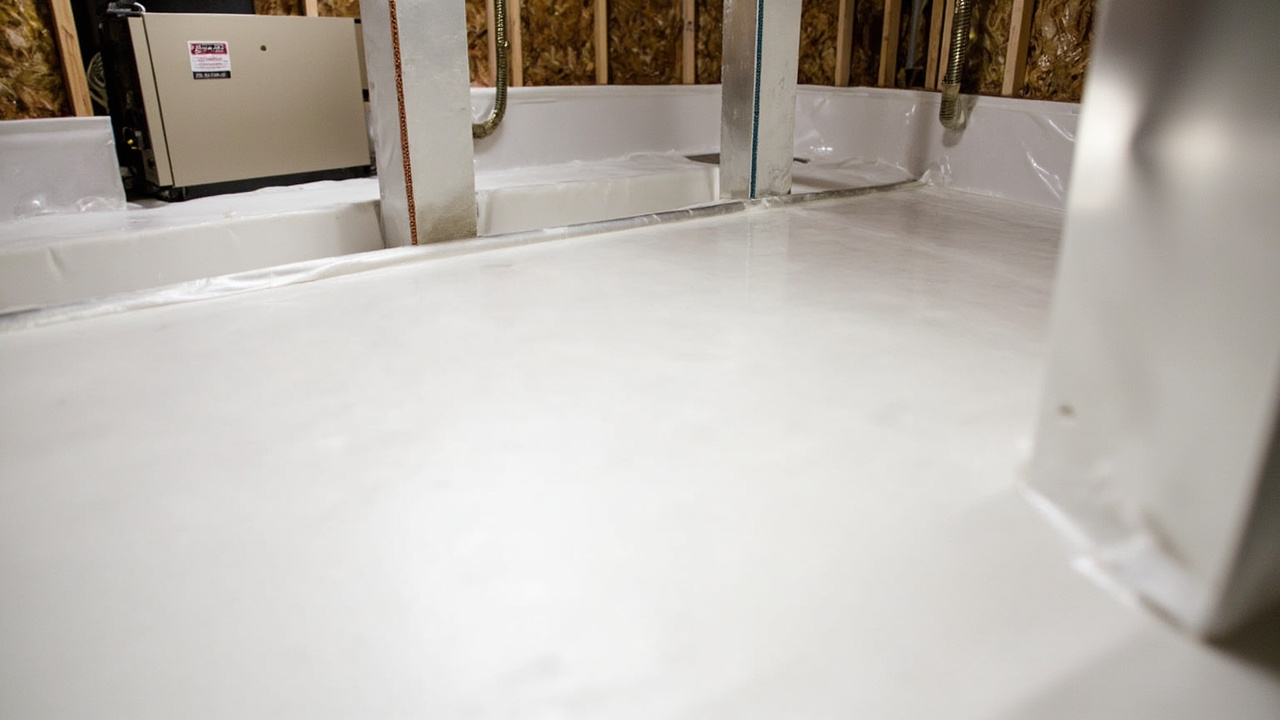
Vapor barrier installation creates your primary moisture defense. We use reinforced polyethylene sheeting rated at 20 mils or thicker. The material extends across the entire floor surface and runs 12 inches up foundation walls. Seams overlap by six inches and get sealed with mechanical fasteners and waterproof tape. This continuous membrane blocks soil moisture from evaporating into your crawl space.

Foundation vents get permanently sealed with insulated foam blocks. Open vents introduce humid summer air that condenses on cool surfaces. Closing these openings transforms your crawl space into a conditioned zone that stays dry year-round.

We install dedicated dehumidification systems sized for your square footage. These units maintain relative humidity below 55 percent, the threshold where mold growth stops. Condensate lines drain to your sump pit.

Final encapsulation includes closed-cell spray foam insulation on foundation walls. This creates a thermal barrier and additional moisture protection. The result is a completely isolated environment where wood stays dry, air quality improves, and your foundation remains structurally sound for decades.

What Happens During Your Crawl Space Transformation

Crawl Space Cleanup & Encapsulation in Washington, D.C. – Protect Your Foundation From Humidity Damage
01

Site Assessment and Moisture Testing

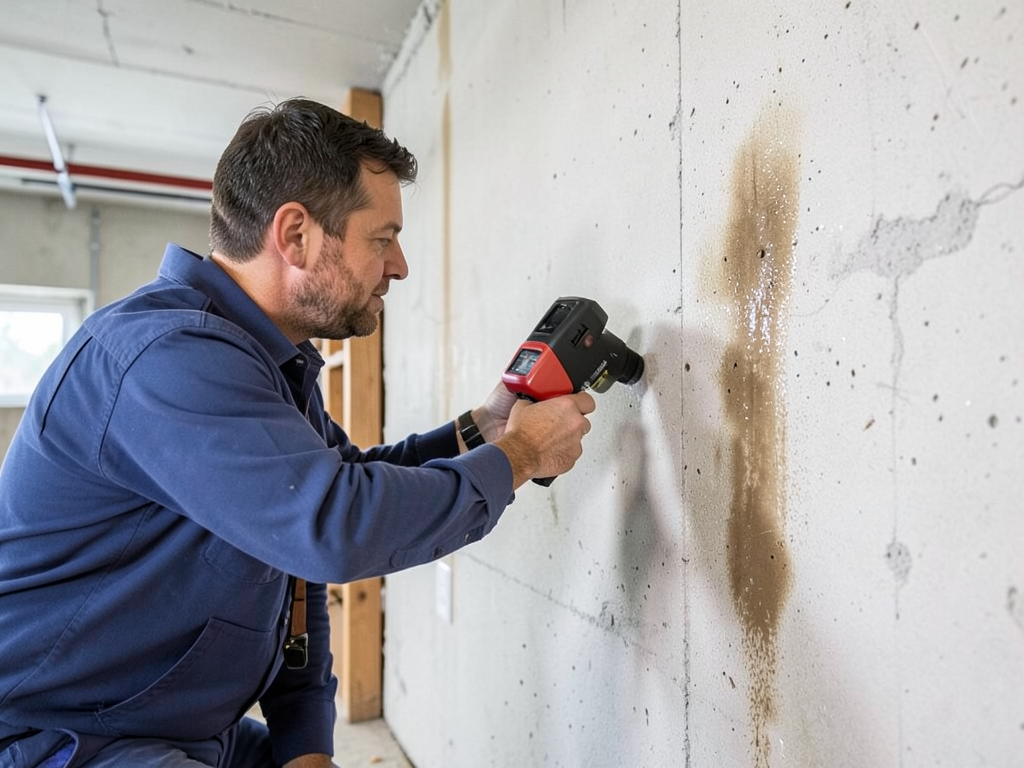
We crawl your entire foundation space with moisture meters and thermal imaging cameras. Wood moisture content gets documented at floor joists, sill plates, and subflooring. We identify active water intrusion points, measure relative humidity levels, and photograph mold growth. Soil grading and drainage patterns get evaluated. You receive a detailed report explaining moisture sources and the scope of remediation required before encapsulation.
02

Cleanup and Waterproofing Prep

Our crew removes all compromised materials including saturated insulation, debris, and standing water. HEPA vacuums capture mold spores during demolition. We treat wood framing with EPA-registered antimicrobials. Drainage improvements get installed including French drains, sump basins, and pump systems. Foundation cracks receive polyurethane or epoxy injection. Soil gets leveled to create a smooth surface for vapor barrier installation. The space is completely dried before sealing begins.
03

Encapsulation and Climate Control

Heavy-duty vapor barrier sheeting gets rolled across the entire floor and secured to foundation walls with mechanical fasteners. All seams receive double-sided waterproof tape. Foundation vents get foam-sealed. We install your dehumidification system with digital controls and condensate drainage. Spray foam insulation gets applied to foundation walls for thermal protection. Final air quality testing confirms humidity levels and verifies mold spore counts meet safe thresholds. Your crawl space becomes a clean, dry, protected zone.

Why D.C. Homeowners Trust Local Crawl Space Experts

Washington, D.C. building codes have evolved through generations of construction practices. Row houses in Shaw and Logan Circle feature shared foundation walls and limited access points that require specialized remediation techniques. Victorian homes in Dupont Circle have stone foundations that demand different waterproofing approaches than poured concrete. We understand these architectural differences because we work in them daily.

Our familiarity with D.C.'s regulatory environment matters when you need permits for structural work or water discharge modifications. We know which improvements require approval from the Historic Preservation Review Board. We understand stormwater management requirements enforced by D.C. Water and how they affect your drainage system design.

The climate challenges you face are unique to this region. Summer humidity peaks between June and August when outdoor dew points hit 75 degrees. Your crawl space reaches saturation without proper dehumidification. Winter freeze-thaw cycles affect foundation drainage in ways they do not in milder climates. We size equipment and design systems based on local weather patterns, not generic national standards.

Material selection reflects regional conditions. We use vapor barriers rated for high-moisture environments. Dehumidifiers get selected for capacity to handle D.C.'s humidity loads. Sump pumps account for the clay soil drainage rates common throughout the city.

You need a team that recognizes warning signs before they become emergencies. We identify foundation settlement patterns typical of local soil conditions. We spot ventilation issues common in older construction. We provide solutions tested in thousands of D.C. crawl spaces, not theoretical approaches from out-of-state contractors.

Local expertise means faster response, better outcomes, and accountability to your community.

What to Expect From Professional Crawl Space Services

Project Timeline and Availability

Most crawl space encapsulation projects take three to five days depending on square footage and remediation scope. We schedule site assessments within 48 hours of your call. Emergency water extraction happens same-day when active flooding threatens your foundation. Mold remediation adds two days for proper treatment and drying time. Vapor barrier installation and dehumidifier setup typically complete in two days once prep work finishes. We provide detailed timelines during your initial consultation and communicate daily progress updates. Projects never drag on without explanation.

Comprehensive Moisture Evaluation

Your assessment includes invasive moisture testing of structural wood members using pin-type meters that measure water content below the surface. We document readings at multiple locations to map moisture distribution patterns. Thermal imaging reveals hidden water intrusion behind foundation walls and under insulation. Relative humidity gets measured with calibrated hygrometers at floor level and near ceiling joists. Soil moisture testing identifies groundwater issues. You receive a written report with photographs, moisture readings, and recommended solutions ranked by priority. No guesswork, just data-driven analysis.

Long-Term Performance Standards

Properly installed encapsulation systems maintain crawl space humidity below 55 percent year-round. Your vapor barrier creates a permanent moisture block that lasts 20-plus years when protected from physical damage. Dehumidifiers run automatically, adjusting output based on seasonal conditions. You can expect elimination of musty odors within days of project completion. Floor temperatures stabilize as conditioned air stops escaping through crawl space vents. Energy costs typically drop 10 to 15 percent once your HVAC system stops fighting moisture infiltration. Annual inspections keep your system operating at peak efficiency.

Ongoing Protection Plans

We offer annual maintenance agreements that include dehumidifier filter replacement, sump pump testing, and moisture monitoring. Technicians inspect vapor barrier integrity and check foundation drainage systems for clogs or settlement issues. You receive priority scheduling if problems develop between visits. Maintenance visits document crawl space conditions with updated moisture readings and photographs. This ongoing relationship protects your investment and catches small issues before they require expensive repairs. Optional remote monitoring systems alert you to humidity spikes or sump pump failures through smartphone notifications.

Frequently Asked Questions

You Have Questions,
We Have Answers

How much does it typically cost to encapsulate a crawl space? +

Encapsulation costs depend on crawl space size, existing damage, and scope of work. Expect variations based on whether you need moisture barriers, vapor seals, insulation, or structural repairs. In Washington, D.C., older homes often require mold remediation and foundation work before encapsulation starts, which adds to total expense. Clay soil common throughout the District shifts and creates drainage problems, sometimes requiring French drains or sump pumps. Access difficulty in Georgetown row houses or Capitol Hill townhomes also affects pricing. Get a detailed inspection to identify hidden moisture sources or wood rot before committing to any project.

What does crawl space encapsulation include? +

Complete encapsulation includes moisture barrier installation, vapor seal application, dehumidification, structural repair, and insulation. A heavy-duty polyethylene liner covers the floor and seals to foundation walls. All vents get closed and sealed. Many Washington, D.C. projects include mold treatment, wood stabilization, and pest exclusion due to high humidity from the Potomac and Anacostia Rivers. A properly encapsulated crawl space becomes a conditioned part of your home's thermal envelope. Quality systems include drainage improvements, sump pump installation if groundwater is present, and ongoing moisture control to prevent future problems.

Does crawl space encapsulation really work? +

Yes. Encapsulation effectively controls moisture, prevents mold growth, improves indoor air quality, and reduces energy costs. In Washington, D.C., where summer humidity regularly exceeds 70 percent, crawl spaces without moisture barriers create breeding grounds for mold and wood rot. The District's clay soil holds water against foundations, wicking moisture into untreated spaces. Encapsulation stops this cycle by creating a complete moisture barrier and controlling humidity through dehumidification. Homes near Rock Creek or the Tidal Basin see dramatic improvements. Properly installed systems last decades and protect your foundation, floor joists, and HVAC efficiency.

When should you not encapsulate a crawl space? +

Skip encapsulation if you have active plumbing leaks, unresolved foundation cracks, or ongoing bulk water intrusion. Fix these problems first. In Washington, D.C., homes with serious drainage issues or failing French drains need exterior waterproofing before encapsulation makes sense. If your foundation shows structural movement common in District clay soils, address that first. Encapsulation traps moisture from unresolved sources and makes problems worse. Get a professional inspection to identify hidden leaks, failing sewer lines, or groundwater seepage. Temporary fixes waste money. Solve the root cause, then encapsulate.

Will insurance cover crawl space encapsulation? +

Standard homeowners policies rarely cover encapsulation as a preventive upgrade. Insurance may cover cleanup and encapsulation if water damage resulted from a covered peril like burst pipes or sudden appliance failure. In Washington, D.C., flood damage from the Potomac or Anacostia Rivers requires separate flood insurance through NFIP, and encapsulation typically does not qualify. If mold growth or structural damage stems from a covered event, your adjuster might approve related work. Document everything, get written estimates, and review your policy language carefully before assuming coverage.

What is the price for a 1000 square-foot encapsulation? +

Pricing for 1000 square feet varies based on existing conditions, access difficulty, and required prep work. Washington, D.C. homes built before 1950 often need extensive mold remediation, structural repairs, and drainage improvements before encapsulation begins. Older Capitol Hill and Dupont Circle properties with limited crawl space access cost more due to labor intensity. Clay soil creates drainage challenges requiring sump pumps or exterior grading work. A proper system includes vapor barriers, dehumidification, insulation, and sealed vents. Always get a detailed inspection to identify hidden moisture sources, wood rot, or foundation issues affecting final costs.

Is there a tax credit for crawl space encapsulation? +

Federal tax credits occasionally include crawl space work as part of energy efficiency upgrades under specific programs. Check current IRS Energy Efficiency Home Improvement Credit guidelines. In Washington, D.C., the DC Sustainable Energy Utility offers rebates for home weatherization and insulation projects that may include crawl space work if it improves whole-home energy performance. Requirements change yearly. Insulation, air sealing, and moisture control tied to HVAC efficiency sometimes qualify. Consult a tax professional familiar with District programs and keep detailed receipts. Standalone encapsulation typically does not qualify without broader energy improvements.

How long does a crawl space encapsulation last? +

Quality encapsulation lasts 15 to 25 years with proper maintenance and dehumidification. The vapor barrier itself degrades slowly, but system longevity depends on ongoing moisture control. In Washington, D.C., high humidity from the Potomac River and seasonal rainfall test systems year-round. Dehumidifiers require regular filter changes and inspection. Sump pumps need annual testing. Foundation shifts in District clay soils can tear liners or create gaps where moisture enters. Inspect your crawl space yearly for standing water, condensation, or liner damage. Homes near waterways or low-lying areas need more frequent checks to maintain effectiveness.

What is the alternative to crawl space encapsulation? +

Vented crawl spaces with traditional fiberglass insulation represent the old standard, but they fail in humid climates. In Washington, D.C., where summer dew points stay high, vented crawl spaces pull humid air inside, condensing on cool surfaces and creating mold. Some homeowners install dehumidifiers without full encapsulation, but this treats symptoms without solving the problem. Exterior waterproofing, French drains, and improved grading help, but they do not control interior humidity. Partial vapor barriers fail because moisture migrates through gaps. Complete encapsulation with dehumidification remains the most effective long-term solution for District homes.

How much does it cost to insulate a 1000 sq ft crawl space? +

Insulation costs for 1000 square feet depend on insulation type, existing conditions, and labor access. Spray foam costs more than rigid foam boards or batt insulation but provides superior air sealing. In Washington, D.C., many crawl spaces need mold removal and wood treatment before insulation installation, adding expense. Older homes in Foggy Bottom or Georgetown with limited access increase labor time. If you combine insulation with full encapsulation, the vapor barrier, dehumidifier, and sealed vents add to total investment. Get multiple detailed quotes specifying insulation R-value, moisture control methods, and warranty coverage before starting work.

How D.C.'s Potomac Proximity Amplifies Crawl Space Moisture Problems

Washington, D.C.'s position along the Potomac River creates elevated groundwater tables throughout the city. Neighborhoods in Southwest and Near Southeast sit barely 10 feet above sea level. High tides and seasonal flooding raise water tables that saturate soil beneath your foundation. Clay soils common from Columbia Heights to Anacostia hold water like a sponge, maintaining crawl space moisture long after rain stops. Combined with urban heat island effects that increase summer humidity, your crawl space faces moisture pressure from below and above. Crawl space waterproofing becomes essential infrastructure, not optional protection.

D.C.'s mix of historic and modern construction standards demands contractors who understand both eras. We work with the Department of Consumer and Regulatory Affairs on permit requirements and know which foundation modifications trigger historic review. Our familiarity with local building inspectors streamlines approval processes. We source materials from regional suppliers who stock products rated for Mid-Atlantic humidity levels. This local knowledge prevents delays, ensures code compliance, and delivers crawl space remediation solutions that work specifically in Washington, D.C. conditions.
Water Damage Restoration Services in The Washington DC Area

While we primarily offer mobile, on-site water damage restoration services throughout Washington D.C., you can view our main operational hub and service area on the map below. We are strategically located to ensure rapid deployment and efficient response times to all emergencies across the region, bringing our expert services directly to your property wherever you are within our service footprint.

Address:
Reliance Water Damage Restoration Washington DC, 200 Massachusetts Ave NW, Washington, DC, 20001

Additional Services We Offer

Our news updates

Latest Articles & News from The Blogs

Why Your New Condo at The Wharf Might Experience Balcony Drainage Flooding Living in a luxury condo at The Wharf…

Why Your New Condo at The Wharf Might Experience Balcony Drainage Flooding

Why Your New Condo at The Wharf Might Experience Balcony Drainage Flooding Living in a luxury condo at The Wharf…

Dealing with Potomac River Seepage in Your Georgetown Waterfront Retail Space

Dealing with Potomac River Seepage in Your Georgetown Waterfront Retail Space Georgetown's waterfront retail spaces face unique water damage risks…

What Every DC Homeowner Needs in a Flood Emergency Kit Before the Next Storm Hits

What Every DC Homeowner Needs in a Flood Emergency Kit Before the Next Storm Hits Washington DC homeowners face unique…

Contact Us

Stop foundation damage before it spreads. Call (771) 223-8077 now for a complete moisture evaluation and detailed encapsulation proposal. We respond within 48 hours and provide transparent pricing with no hidden fees.