




Menu

Storm Flooding Emergency Service in Washington, D.C. – Crews Deployed in Under 60 Minutes

When storm flooding hits your property in Washington, D.C., every minute counts. Our emergency storm damage restoration teams operate 24/7 with rapid storm water extraction equipment staged locally to stop catastrophic damage before it spreads.

Slider Image 1
Slider Image 2
Slider Image 3
Slider Image 4
Slider Image 5
Slider Image 7
Slider Image 8
Slider Image 9
Slider Image 10
Slider Image 11

Why Storm Flooding Hits Washington, D.C. Properties Harder Than You Think

Washington, D.C.'s low-lying terrain along the Potomac and Anacostia rivers turns minor storms into major flooding events. When the Tidal Basin overflows or Rock Creek swells, water rushes into basements and first floors faster than most property owners expect. The District's aging combined sewer system regularly backs up during heavy rain, pushing contaminated floodwater into homes and businesses across Capitol Hill, Georgetown, and Foggy Bottom.

You are dealing with more than just water. Storm flooding carries sediment, bacteria, and sewage that makes every surface it touches a contamination risk. The longer floodwater sits, the deeper it seeps into structural materials. Within 24 hours, drywall wicks moisture vertically, subflooring swells and buckles, and microbial growth begins in wall cavities you cannot see.

Emergency storm damage restoration is not something you schedule for next week. Urgent flood cleanup services must start immediately to prevent secondary damage that multiplies repair costs. Our 24/7 flood water removal teams understand that Washington, D.C. properties face specific risks from the District's unique topography and infrastructure. When you call for rapid storm water extraction, we dispatch crews with truck-mounted pumps and commercial dehumidifiers designed to handle Category 3 contaminated water.

The question is not whether you need help. The question is whether you get that help while you can still save your property.

Why Storm Flooding Hits Washington, D.C. Properties Harder Than You Think
How Our Emergency Flood Repair Company Stops the Damage Cascade

How Our Emergency Flood Repair Company Stops the Damage Cascade

Most property owners focus on removing visible water. We focus on what happens next. Storm flooding triggers a damage cascade where water migrates into hidden spaces, humidity levels spike, and structural materials begin to fail. Our emergency storm damage restoration protocol interrupts this cascade at every stage.

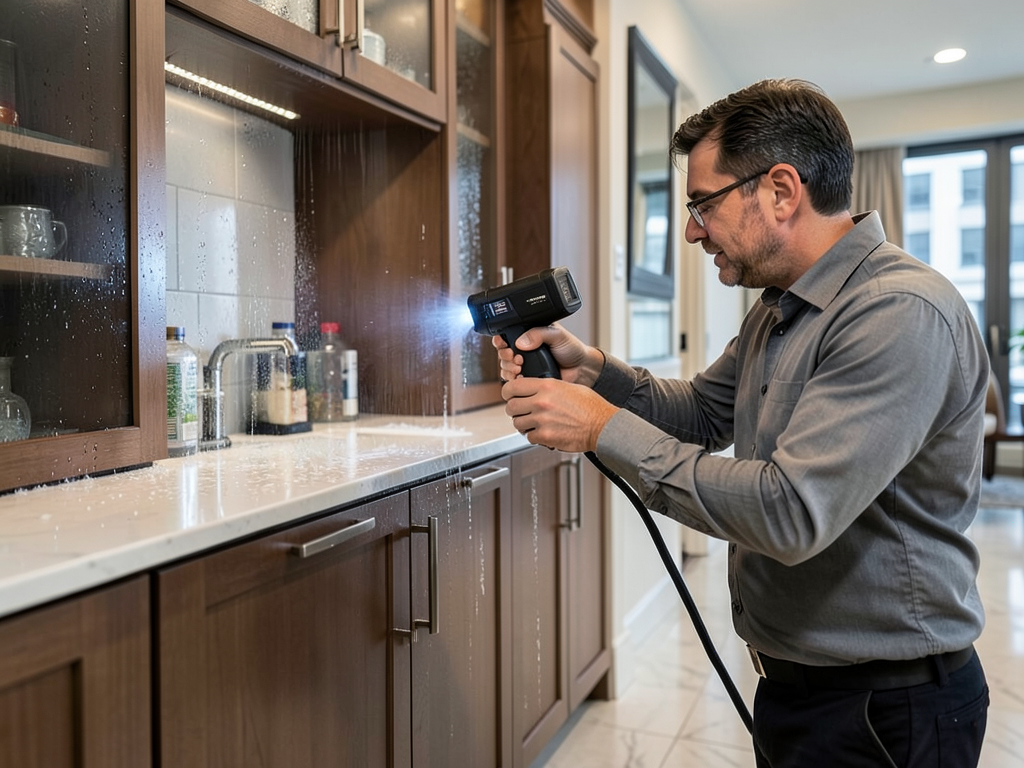
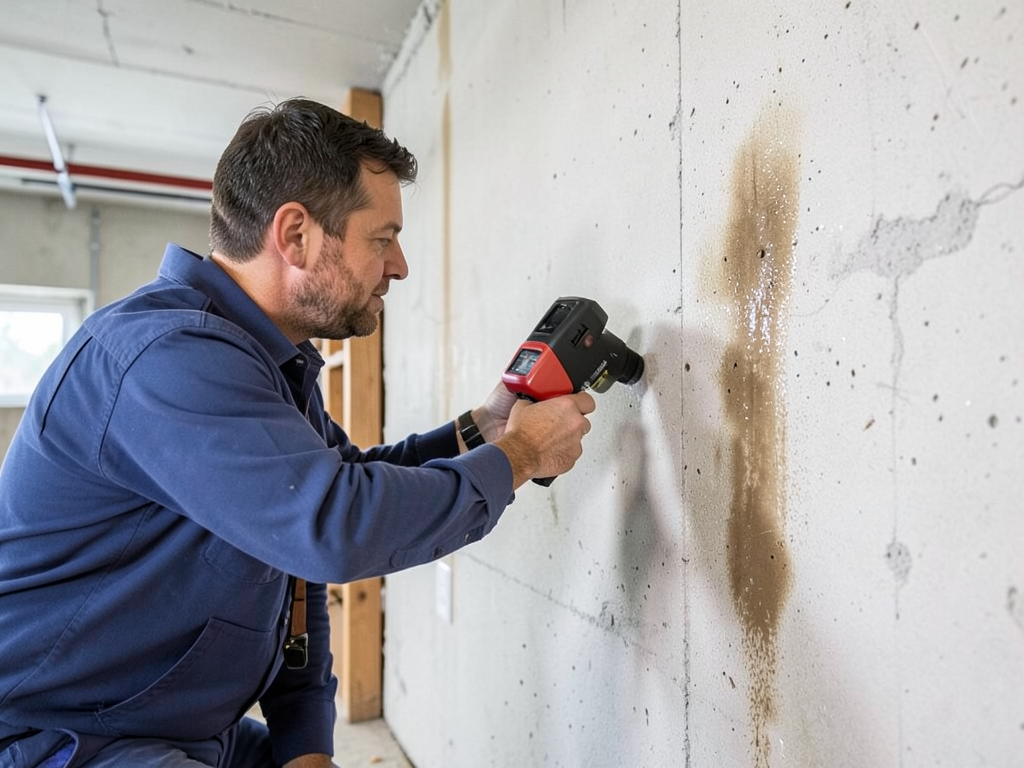
We deploy truck-mounted extraction units that pull standing water at 200 gallons per minute. These are not shop vacuums. These are industrial pumps designed for rapid storm water extraction in commercial and residential settings. Once standing water is gone, we measure moisture content in walls, floors, and ceilings using penetrating moisture meters and thermal imaging cameras. You cannot dry what you have not identified.

Next comes controlled drying. We place commercial-grade dehumidifiers that pull 150 pints per day and position air movers to create directional airflow across wet surfaces. This is not about running fans and hoping. We calculate grain depression and vapor pressure differentials to engineer a drying environment that removes moisture from structural cavities without causing warping or cracking.

For contaminated floodwater common in Washington, D.C. storm events, we remove affected materials that cannot be safely restored. Category 3 water requires removing drywall at least 12 inches above the waterline, pulling carpet and pad, and treating framing with antimicrobial agents. We document every step with moisture readings and photos for your insurance claim.

Our 24/7 flood water removal service includes direct insurance billing coordination. We speak the adjuster's language because we document to IICRC S500 standards from the first call.

What Happens When You Call for Storm Flooding Emergency Service

Storm Flooding Emergency Service in Washington, D.C. – Crews Deployed in Under 60 Minutes
01

Immediate Crew Dispatch

You call (771) 223-8077 and speak with a live dispatcher, not a voicemail system. We gather critical information about water source, contamination level, and affected areas. A crew with extraction equipment leaves our staging location within 60 minutes. For after-hours emergencies, we have technicians on call who respond from home with company vehicles already loaded with pumps, air movers, and moisture detection tools.
02

Water Extraction and Assessment

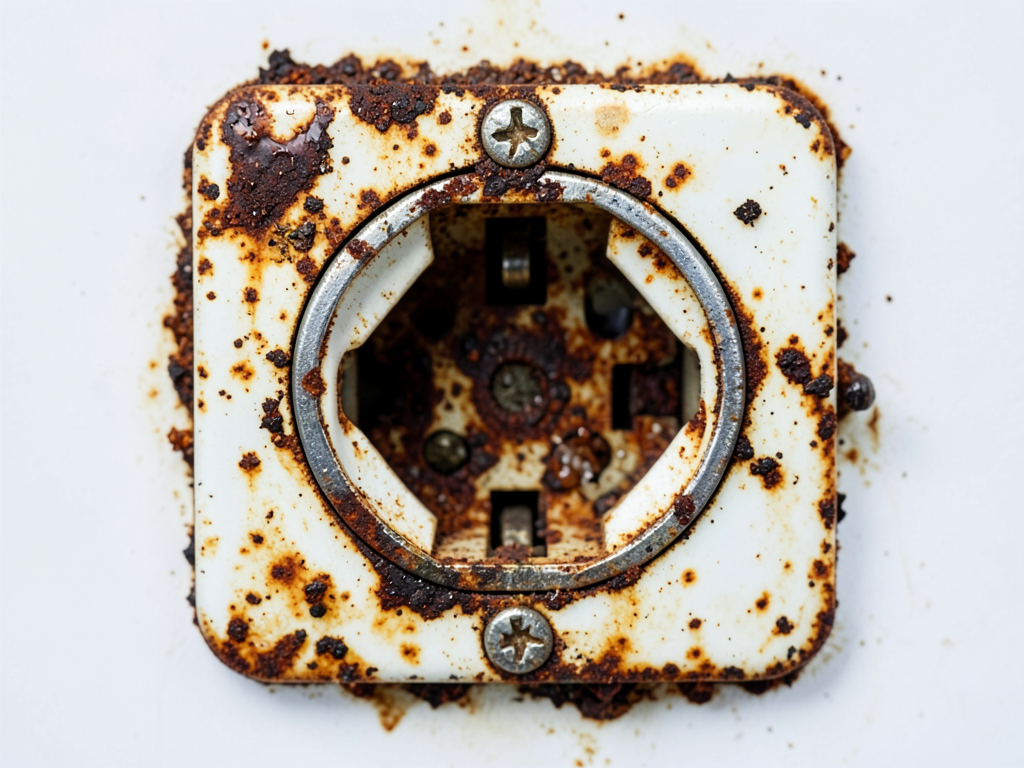
Our team arrives and immediately begins removing standing water while the lead technician conducts a damage assessment. We document moisture readings, photograph affected areas, and identify safety hazards like compromised electrical systems or structural instability. You receive a verbal overview of damage extent and initial mitigation steps before we leave the property. This assessment becomes the foundation of your insurance documentation.
03

Drying and Monitoring

We install a drying system calibrated to your property's specific conditions and return daily to take moisture readings. Drying typically takes three to five days depending on materials affected and humidity levels. When moisture readings reach industry-accepted dry standards, we remove equipment and provide final documentation showing your property is ready for reconstruction. You get a complete moisture map and timeline for insurance purposes.

Why Washington, D.C. Property Owners Choose Reliance Water Damage Restoration Washington DC

When storm flooding threatens your property, you need a company that understands how water moves through Washington, D.C. buildings. We know that row homes in Dupont Circle have shared party walls where water migrates between units. We know that historic properties in Alexandria have plaster walls that collapse when saturated. We know that commercial buildings downtown have complex HVAC systems where water spreads through ductwork to floors above the flood zone.

Our technicians train on the specific challenges of District properties. We work with buildings that have historical preservation requirements where material removal must be documented and approved. We understand D.C. Department of Consumer and Regulatory Affairs permit requirements for structural repairs that follow emergency mitigation. We coordinate with insurance adjusters who cover properties throughout the DMV region and know what documentation they require.

Emergency flood repair companies that operate nationally often send crews unfamiliar with local conditions. They do not recognize that Washington, D.C.'s clay soil causes foundation settling that creates water entry points. They do not account for the District's humidity levels that slow drying times compared to drier climates.

Reliance Water Damage Restoration Washington DC operates exclusively in this market. We maintain relationships with local plumbers, electricians, and remediation specialists who respond to properties we are drying. When your storm damage requires a structural engineer report for insurance purposes, we know which local PE firms adjusters trust.

You are not hiring a franchise following a corporate playbook. You are hiring technicians who have dried hundreds of flooded properties within five miles of yours and know exactly what your insurance company expects to see in the claim file.

What to Expect When You Need Urgent Flood Cleanup Services

Response Time and Availability

We dispatch emergency crews 24 hours a day, seven days a week, including holidays. Call (771) 223-8077 at 2 a.m. on Sunday and a live person answers. Our average response time to Washington, D.C. properties is under 60 minutes because we stage equipment locally and maintain on-call crews throughout the District. For commercial properties with occupied tenants or business operations at risk, we can deploy multiple crews simultaneously to minimize downtime. You will receive a callback within five minutes of your initial contact with a confirmed arrival time.

Damage Assessment Process

Our lead technician walks your property with moisture detection equipment and documents every affected area. You receive a verbal explanation of what we find, what must be removed, and what can be saved. We identify hidden moisture in wall cavities, under flooring, and in ceiling assemblies using thermal imaging and penetrating moisture meters. This assessment becomes your insurance documentation, so we photograph damage conditions before we begin mitigation. You get a written scope of work that explains our mitigation plan in clear language, not industry jargon.

Final Results You Can Verify

We do not call a job complete until moisture readings meet IICRC S500 dry standards. You receive a final moisture map showing readings in all affected materials compared to readings in unaffected reference areas. This documentation proves to your insurance company that drying is complete and your property is ready for reconstruction. If elevated readings persist, we extend the drying period at no additional charge until standards are met. You get copies of all daily moisture logs, equipment placement diagrams, and photos for your records.

Insurance Coordination and Documentation

We document every step of emergency mitigation to insurance industry standards because we work directly with adjusters on hundreds of claims annually. You receive detailed line-item estimates using Xactimate pricing that matches what your adjuster uses. We can bill your insurance company directly and coordinate payment so you are not fronting thousands in emergency service costs. Our documentation includes moisture readings, equipment logs, photos, and scope notes that support your claim. If your adjuster has questions, we handle those calls and provide additional documentation as requested.

Frequently Asked Questions

You Have Questions,
We Have Answers

Do you call 911 if your house is flooding? +

Call 911 only if someone is injured, trapped, or you face immediate danger like structural collapse or electrocution risk. For non-life-threatening flooding, contact a certified water damage restoration company immediately. In Washington, D.C., storm flooding often overwhelms city drains and basements fast. Turn off electricity at the breaker if water is rising, evacuate if instructed, and document damage with photos for insurance. Emergency restoration teams arrive faster than municipal services and can start extraction within hours, preventing mold growth and structural damage common in D.C.'s humid climate.

How to apply for FEMA $750? +

FEMA's Serious Needs Assistance provides up to $750 for immediate expenses after a federally declared disaster. Register at DisasterAssistance.gov or call 1-800-621-3362 within 60 days of the disaster declaration. You need proof of residency, insurance information, and direct deposit details. The $750 is a one-time advance for essentials like food, water, or temporary shelter while your full claim is processed. Washington, D.C. residents should register quickly during storm events, as funding is limited. Keep all receipts from emergency expenses. The $750 does not need repayment and does not reduce your final assistance amount.

What are the emergency procedures for a flood? +

Immediately shut off electricity at the main breaker if you can do so safely. Move to higher ground and avoid walking through standing water, which may hide hazards or carry sewage from D.C.'s aging infrastructure. Do not use electrical devices. If you smell gas, evacuate and call the utility company. Document damage with photos and video for insurance. Remove valuables to dry areas. Contact your insurance company and a certified restoration team within hours. In Washington, D.C., Potomac River flooding and flash storms require rapid response to prevent mold, which thrives in our humid summers.

Who to call if you have a flood? +

Call a certified water damage restoration company first if you face active flooding. They deploy extraction equipment and begin drying within hours. Contact your insurance company immediately to start a claim. For Washington, D.C. residents, notify DC Water if you suspect sewer backup or storm drain overflow, common during heavy rain events. If flooding threatens life safety, call 911. Do not wait for water to recede on its own. The faster you act, the less damage you face. Professional teams handle emergency extraction, structural drying, and mold prevention better than DIY methods.

Who to contact when there is a flood? +

Contact a 24/7 emergency water restoration company immediately for active flooding. They arrive with pumps, extractors, and industrial dehumidifiers. Call your homeowner's insurance provider next to file a claim and ask about coverage limits. If you suspect contaminated water from the Potomac, Anacostia River, or sewer backup, notify DC Water at 202-612-3400. For basement flooding in Capitol Hill or Georgetown row homes, fast response prevents foundation damage and mold. Document everything with photos. Do not attempt cleanup until professionals assess structural safety and electrical hazards. Speed determines whether you face minor repairs or total loss.

What to do immediately after a flood? +

Document all damage with photos and video before touching anything. Contact your insurance company to start a claim. Remove standing water quickly using professional extraction equipment to prevent mold, which appears within 24-48 hours in Washington, D.C.'s humid climate. Do not use electrical devices until inspected. Discard porous materials like drywall, insulation, and carpeting exposed to contaminated water. Ventilate the space and run dehumidifiers. Contact a certified restoration company to handle structural drying and antimicrobial treatment. Save receipts for emergency expenses. Do not delay. Every hour increases secondary damage and restoration costs.

What is the average FEMA flood payout? +

FEMA assistance varies widely based on damage severity, insurance coverage, and disaster declaration scope. Grants average $5,000 to $10,000 but can reach $37,000 for serious home repairs. FEMA does not replace flood insurance and only covers uninsured or underinsured losses. Washington, D.C. residents often receive less because FEMA expects homeowners to carry flood insurance in Special Flood Hazard Areas near the Potomac and Anacostia rivers. Payouts cover temporary housing, essential repairs, and personal property. Apply within 60 days of the disaster declaration. Expect processing to take weeks or months.

Does FEMA give money for flood damage? +

Yes, but only for uninsured losses after a federally declared disaster. FEMA provides grants for temporary housing, home repairs, and personal property replacement. However, FEMA is not a substitute for flood insurance and typically pays less than actual damages. Washington, D.C. homeowners in flood zones must carry National Flood Insurance Program policies, which pay separately. FEMA deducts any flood insurance payout from your grant. Assistance is need-based and capped at $37,000. Register at DisasterAssistance.gov immediately after a declaration. FEMA does not cover business losses or secondary homes.

Who can help me with money urgently? +

For flood-related emergencies, contact your insurance company first for advance payments on your claim. FEMA provides disaster assistance if you qualify after a federal declaration. Apply for Red Cross emergency aid at redcross.org or call 1-800-733-2767. Washington, D.C. residents can access emergency funds through the DC Department of Human Services Emergency Rental Assistance Program. Local nonprofits like Bread for the City offer limited financial aid. For immediate restoration costs, some water damage companies work directly with insurance adjusters to expedite payment. Document all damage and keep receipts. Avoid high-interest loans or unlicensed contractors offering cash deals.

What to do if your house is flooding? +

Turn off electricity at the main breaker immediately. Do not enter standing water if electrical outlets are submerged. Evacuate if water is rising fast or you smell gas. Call a 24/7 emergency water restoration company to deploy extraction equipment within hours. Contact your insurance company and document damage with photos. In Washington, D.C., basement flooding from storm surges and overwhelmed sewer systems requires professional-grade pumps and dehumidifiers. Do not use shop vacuums for deep water. Remove valuables to higher floors. Speed is critical. Mold starts growing in 24 hours in our humid climate, turning a water emergency into a health hazard.

How Washington, D.C.'s Tidal Influence and Combined Sewers Create Storm Flooding Risks

Washington, D.C. sits at the fall line where the Potomac River transitions from piedmont to coastal plain. This geography makes the District vulnerable to tidal flooding that pushes water upstream during storm events. When heavy rain coincides with high tide, the combined sewer system that serves much of the District backs up and forces contaminated water into basements through floor drains and toilet connections. Properties in Navy Yard, Southwest Waterfront, and areas near the Anacostia regularly experience this type of flooding. Emergency storm damage restoration in these areas always involves Category 3 contaminated water that requires aggressive material removal and antimicrobial treatment.

Choosing a local emergency flood repair company means working with technicians who understand these specific risks. We know which neighborhoods flood first when Rock Creek overflows. We know that properties near the C&O Canal face different challenges than properties on Capitol Hill. We maintain relationships with D.C. Water and the Army Corps of Engineers so we understand current flood mitigation projects that affect insurance claims. When your adjuster questions whether flooding was from storm surge or plumbing failure, we provide the technical documentation that supports your claim based on local conditions.
Water Damage Restoration Services in The Washington DC Area

While we primarily offer mobile, on-site water damage restoration services throughout Washington D.C., you can view our main operational hub and service area on the map below. We are strategically located to ensure rapid deployment and efficient response times to all emergencies across the region, bringing our expert services directly to your property wherever you are within our service footprint.

Address:
Reliance Water Damage Restoration Washington DC, 200 Massachusetts Ave NW, Washington, DC, 20001

Additional Services We Offer

Our news updates

Latest Articles & News from The Blogs

Why Your New Condo at The Wharf Might Experience Balcony Drainage Flooding Living in a luxury condo at The Wharf…

Why Your New Condo at The Wharf Might Experience Balcony Drainage Flooding

Why Your New Condo at The Wharf Might Experience Balcony Drainage Flooding Living in a luxury condo at The Wharf…

Dealing with Potomac River Seepage in Your Georgetown Waterfront Retail Space

Dealing with Potomac River Seepage in Your Georgetown Waterfront Retail Space Georgetown's waterfront retail spaces face unique water damage risks…

What Every DC Homeowner Needs in a Flood Emergency Kit Before the Next Storm Hits

What Every DC Homeowner Needs in a Flood Emergency Kit Before the Next Storm Hits Washington DC homeowners face unique…

Contact Us

Storm flooding damage multiplies every hour you wait. Call Reliance Water Damage Restoration Washington DC at (771) 223-8077 now for immediate crew dispatch. We answer 24/7 and arrive at Washington, D.C. properties in under 60 minutes with industrial extraction equipment ready to stop the damage.