


Menu

Retail Store Water Cleanup in Washington, D.C. – Minimize Downtime and Protect Your Bottom Line

Commercial retail water extraction and shop water damage mitigation designed for business continuity. We respond immediately to contain losses, restore operations, and keep your Washington, D.C. retail space revenue-ready.

Slider Image 1
Slider Image 2
Slider Image 3
Slider Image 4
Slider Image 5
Slider Image 7
Slider Image 8
Slider Image 9
Slider Image 10
Slider Image 11

When Retail Operations Stop, Revenue Disappears

Water intrusion in a retail environment creates a cascading liability. Every hour your Georgetown boutique or Capitol Hill storefront remains closed, you lose sales, damage inventory, and risk lease default. In Washington, D.C., aging municipal water infrastructure and frequent storm surge events from the Potomac and Anacostia Rivers make retail water damage restoration a matter of when, not if.

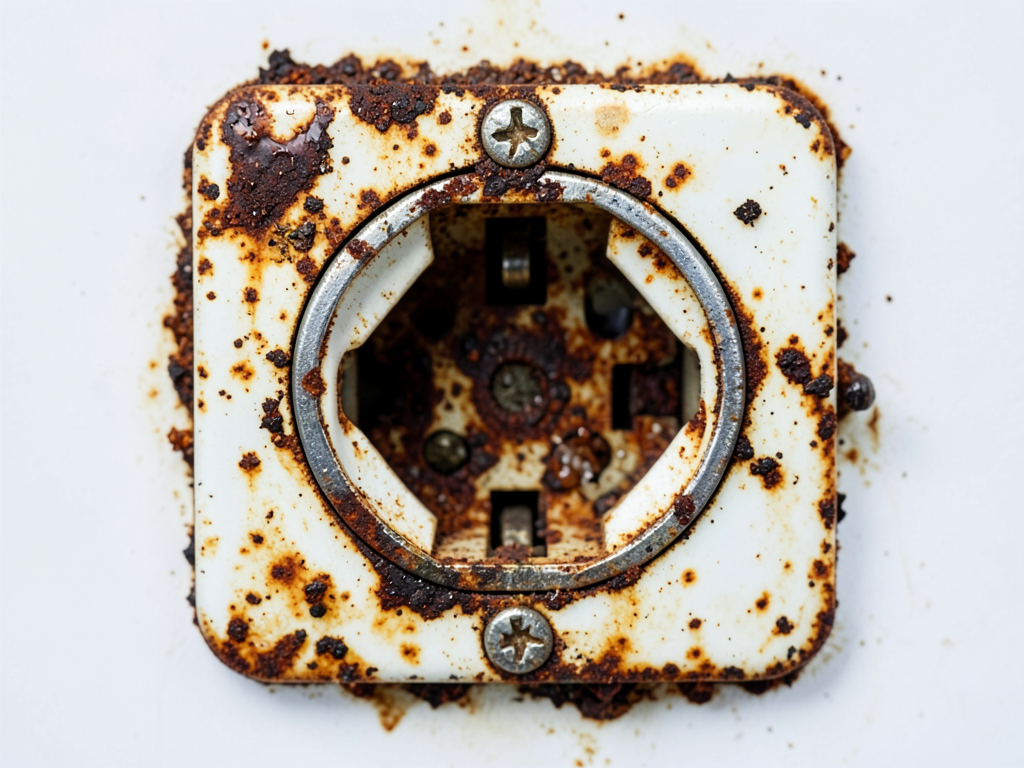
The city's dense commercial corridors mean water damage often affects multiple tenants simultaneously. A burst pipe in the unit above your store can flood display areas, compromise electrical systems, and saturate drywall within minutes. High humidity levels in D.C.'s subtropical climate accelerate mold colonization on textiles, paper goods, and fixtures. Without immediate commercial retail water extraction, secondary damage compounds exponentially.

Retail insurance policies impose strict notification and mitigation timelines. Failing to act within 24 to 48 hours can void coverage or trigger substantial co-insurance penalties. Store flood cleanup services require specialized equipment that exceeds residential capacity. Industrial air movers, desiccant dehumidifiers, and truck-mounted extractors are necessary to process the cubic footage and material density found in retail environments.

Your lease likely mandates specific restoration protocols and certificate of occupancy compliance before reopening. Shop water damage mitigation must address structural drying, antimicrobial treatment, and documentation to satisfy landlords, insurers, and D.C.'s Department of Consumer and Regulatory Affairs. Delays in retail water remediation translate directly into lost revenue, employee displacement, and reputational damage in competitive markets like Penn Quarter or Union Market.

When Retail Operations Stop, Revenue Disappears
Commercial-Grade Extraction and Structural Drying Protocols

Commercial-Grade Extraction and Structural Drying Protocols

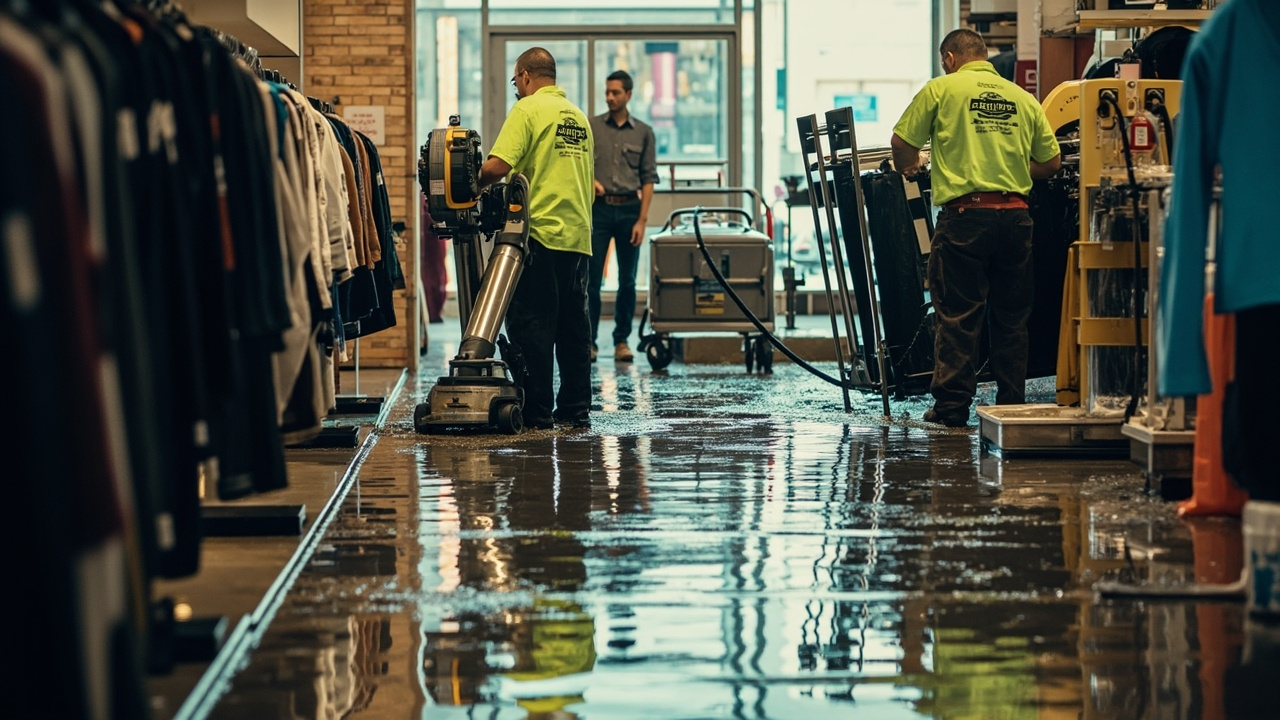
Retail water damage restoration requires a fundamentally different approach than residential mitigation. We deploy truck-mounted extraction units capable of removing thousands of gallons per hour, paired with low-grain refrigerant dehumidifiers that maintain precise vapor pressure differentials. This equipment prevents warping in hardwood fixtures, delamination in laminate displays, and corrosion in metal shelving systems.

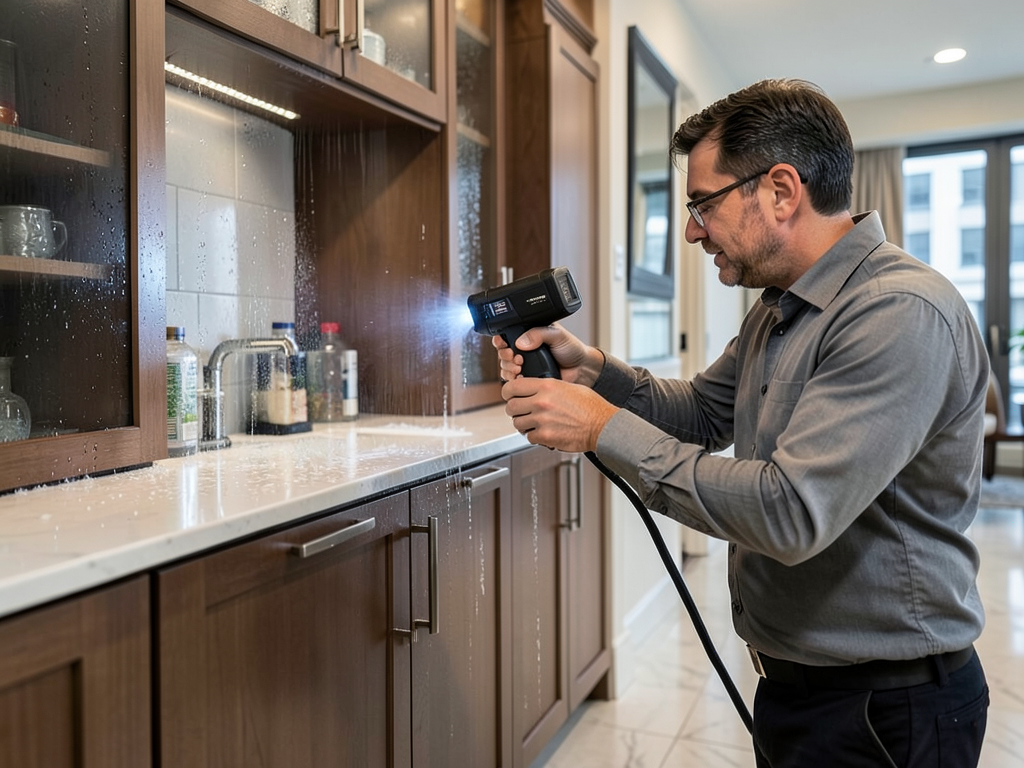
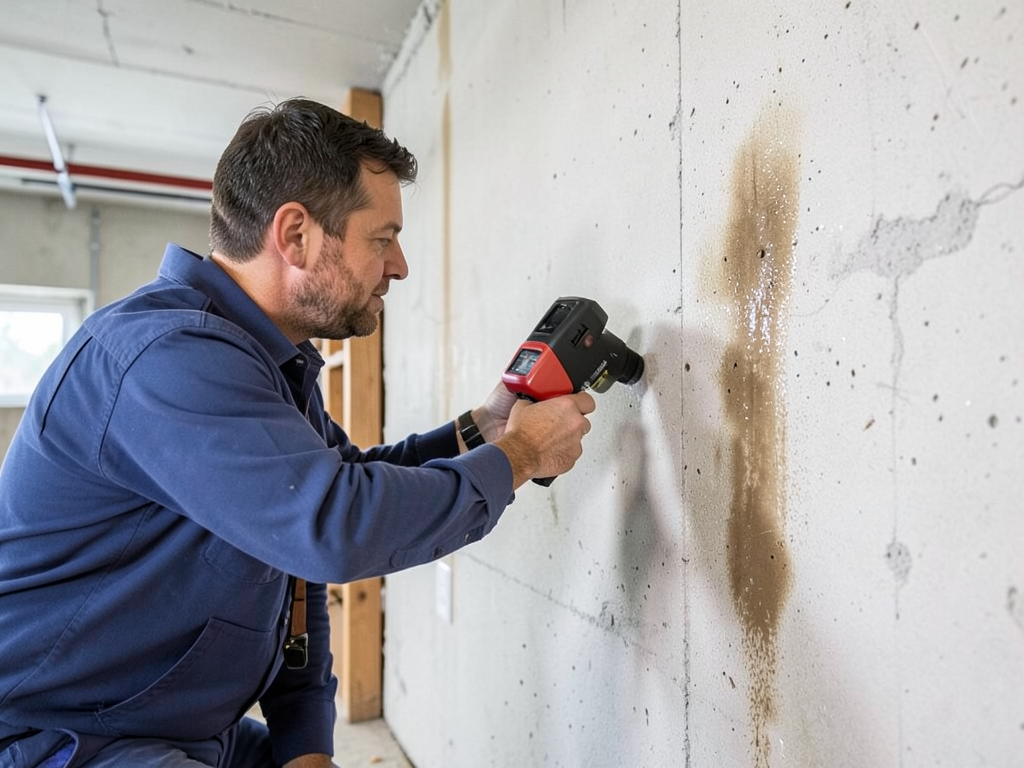
Our methodology follows IICRC S500 standards for commercial drying. We establish containment zones to isolate affected areas, allowing undamaged sections of your store to remain operational. Negative air pressure prevents cross-contamination into clean inventory zones. Thermal imaging identifies hidden moisture pockets behind millwork, under flooring transitions, and within HVAC chases that standard moisture meters miss.

We document moisture readings at six-inch intervals across all affected materials, creating a drying map that satisfies insurance adjusters and engineering consultants. Our extraction process removes standing water first, then addresses absorbed water in porous materials using weighted extraction wands that apply 500 PSI of downward force. This prevents compression set in carpet padding and ensures subflooring reaches equilibrium moisture content.

For D.C. retail spaces built before 1980, we test for asbestos in flooring mastic and lead paint in baseboards before initiating demolition. Our crews hold OSHA certifications for confined space entry and hazardous material handling. We coordinate with building engineers to shut down affected HVAC zones, preventing mold spore distribution through ductwork. All equipment operates on isolated circuits to avoid tripping breakers that serve point-of-sale systems or refrigeration units critical to your operation.

How We Execute Retail Water Cleanup Without Halting Sales

Retail Store Water Cleanup in Washington, D.C. – Minimize Downtime and Protect Your Bottom Line
01

Emergency Containment and Assessment

We arrive within 90 minutes to stop the source, whether it's a supply line failure, roof leak, or sewer backup. Our team establishes physical barriers using poly sheeting and zippered access panels, isolating wet zones from active sales floor. We map the extent of water migration using thermal cameras and capacitance meters, then provide you with a scope document detailing affected square footage, material categories, and estimated drying time before your insurance adjuster arrives.
02

High-Volume Water Extraction

Truck-mounted extractors pull standing water at rates exceeding 200 gallons per minute. We position extraction wands to avoid damaging merchandise while removing water trapped under fixtures and inside wall cavities. Air movers operating at 3,000 CFM create accelerated evaporation across saturated surfaces. Desiccant dehumidifiers process the moisture-laden air, maintaining relative humidity below 40 percent to prevent secondary mold growth. This phase typically runs 72 to 96 hours under continuous monitoring.
03

Verification and Reopening Documentation

We measure moisture levels in structural materials until they return to baseline dry standards, typically 12 to 15 percent for wood and under 1 percent for concrete. You receive a certified drying log with timestamped readings, photographic documentation, and airflow charts. This package satisfies your insurance carrier, landlord, and D.C. building inspectors. We coordinate final clearance testing for air quality if mold remediation was required, ensuring your retail space meets occupancy standards before you resume operations.

Why Washington, D.C. Retailers Choose Local Mitigation Experts

Retail water damage in Washington, D.C. involves navigating zoning overlays, historic district restrictions, and commercial tenant improvement regulations that out-of-market contractors do not understand. We maintain relationships with building inspectors at the Department of Consumer and Regulatory Affairs and understand the permitting timelines for structural repairs in mixed-use buildings common to neighborhoods like Dupont Circle and Adams Morgan.

Our equipment staging does not disrupt foot traffic or violate loading zone restrictions enforced by the District Department of Transportation. We schedule work around your peak sales hours and coordinate with adjacent tenants to minimize noise complaints. For retail spaces in landmarked buildings, we follow preservation guidelines from the Historic Preservation Review Board, ensuring drying methods do not damage original plaster, crown molding, or terrazzo flooring.

We carry commercial general liability coverage at limits that satisfy the stringent insurance requirements in D.C.'s Class A retail properties. Our technicians undergo background checks required for access to multi-tenant buildings managed by institutional landlords like Brookfield Properties and Tishman Speyer. This vetting process eliminates delays in obtaining building access, particularly in secure environments like CityCenter DC or The Wharf.

Local knowledge extends to understanding the seasonal water table fluctuations caused by the Potomac River basin and how underground Metro construction affects subsurface drainage in commercial districts. We account for hydrostatic pressure variables that impact below-grade retail spaces along M Street NW and Pennsylvania Avenue SE. This expertise prevents recurrence and informs recommendations for vapor barriers, sump pump upgrades, and backwater valve installations that protect your investment long-term.

What Your Business Can Expect During Commercial Water Mitigation

Immediate Mobilization and Arrival Time

We maintain equipment caches positioned strategically across Washington, D.C. to guarantee arrival within 90 minutes of your call. Our dispatch operates 24 hours daily, including federal holidays when many commercial services shut down. We understand that water damage does not wait for business hours. You receive direct contact numbers for project managers, not call centers. Our crews carry master keys for common building systems and maintain relationships with after-hours building engineers, ensuring we access your retail space immediately even when property management is unavailable.

Detailed Loss Documentation and Insurance Coordination

Before we move a single fixture, we photograph and inventory all affected merchandise, fixtures, and finishes. You receive a preliminary loss estimate within four hours, formatted to match your insurance carrier's preferred documentation standards. We communicate directly with adjusters, providing them with moisture maps, equipment logs, and progress photos that streamline claims processing. Our estimates separate emergency mitigation costs from reconstruction, giving you clarity on immediate out-of-pocket expenses versus items covered under your business interruption policy. This transparency prevents disputes and accelerates reimbursement.

Certified Dry Standards and Regulatory Compliance

Your retail space returns to documented dry standards, not subjective assessments. We provide certified moisture readings that meet IICRC S500 thresholds, typically achieving structural drying within five to seven days for Category 1 and 2 water losses. If your incident involved sewage or chemical contamination, we follow EPA and OSHA protocols for Category 3 remediation, including proper disposal manifests and air quality clearance testing. You receive a certificate of completion that satisfies landlord requirements and protects you from future liability if mold issues surface post-mitigation.

Post-Mitigation Monitoring and Preventive Recommendations

We return seven to ten days after equipment removal to verify moisture levels remain stable and no latent issues have developed. You receive a written report identifying the root cause of the water intrusion, whether it was a plumbing failure, HVAC condensate leak, or building envelope breach. Our recommendations include engineered solutions like backflow preventers, leak detection systems, and moisture monitoring devices that integrate with your building management system. For properties with recurring issues, we provide hydraulic modeling to identify drainage inadequacies and recommend capital improvements that eliminate future risk.

Frequently Asked Questions

You Have Questions,
We Have Answers

How much does water damage cleanup cost? +

Commercial water damage cleanup costs vary based on water category, affected square footage, and business downtime. A small retail space with clean water may run $2,000-$4,000, while sewage contamination or structural damage escalates costs. Washington, D.C. retailers face higher labor rates and strict code compliance requirements, which affect pricing. Extraction, drying, antimicrobial treatment, and content restoration all factor in. Insurance typically covers sudden incidents like burst pipes. Request itemized estimates from certified restorers who document losses for your insurer. Prioritize minimizing closure time over lowest bid to protect revenue and customer trust.

How does Serpro work? +

SERVPRO operates through a franchise network offering water damage restoration and mold remediation. Technicians assess damage, extract standing water, deploy commercial dehumidifiers and air movers, then monitor moisture levels. They document the process for insurance claims. Response times and service quality vary by franchise location. Washington, D.C. retailers should verify the specific franchise holds IICRC certification and carries adequate liability coverage. Compare multiple certified providers before committing. Focus on verifiable credentials, equipment capacity, and documented experience with retail environments rather than brand name alone.

How to clean up a bunch of water? +

Large-scale water cleanup requires commercial extraction equipment, not mops or shop vacs. Start by stopping the source and securing electrical safety. Deploy truck-mounted extractors to remove standing water quickly. Position industrial air movers and refrigerant dehumidifiers to dry structural cavities and merchandise. Monitor humidity levels with hygrometers daily. Washington, D.C. retailers must address humidity control year-round due to Potomac River valley moisture. Move salvageable inventory to dry storage immediately. Document everything with photos and moisture readings for insurance. Hire certified restorers for Category 2 or 3 water to avoid liability issues.

How quickly can mold grow from water damage? +

Mold spores germinate within 24 to 48 hours in wet environments. Washington, D.C. retailers face accelerated growth due to high regional humidity, especially during summer months. Porous materials like drywall, ceiling tiles, and fabric absorb moisture rapidly. Once visible colonies form, you face health code violations and potential closure orders from DC Health. Retail spaces with HVAC systems can spread spores throughout the building within hours. Immediate water extraction and dehumidification within the first 24 hours prevent colonization. Delayed response increases remediation costs exponentially and jeopardizes your business license.

Does insurance pay for water restoration? +

Commercial property insurance covers sudden and accidental water damage, such as burst pipes or roof leaks. Policies exclude gradual damage from deferred maintenance or flooding without separate flood coverage. Washington, D.C. retailers near the Potomac or Anacostia rivers need dedicated flood policies through NFIP or private carriers. Review your policy's water damage exclusions and business interruption limits before loss occurs. Document the incident immediately with photos, moisture readings, and professional assessments. Insurers require mitigation efforts within 24-48 hours. Hire certified restorers who provide detailed documentation your adjuster needs for claim approval.

How long does it take to clean up water damage? +

Water extraction takes 1-3 days depending on volume and affected materials. Structural drying requires 3-7 days with commercial dehumidifiers running continuously. Washington, D.C. retailers in older buildings with brick and plaster need extended drying times compared to modern construction. Category 3 water adds antimicrobial treatment and disposal time. Business interruption extends costs, so prioritize rapid drying over piecemeal approaches. Moisture meters confirm dryness before reconstruction begins. Attempting to reopen before complete drying invites mold growth and code violations. Plan for minimum one-week closure for significant incidents.

Will insurance pay out for water damage? +

Insurance pays for covered perils listed in your commercial property policy. Sudden pipe bursts, sprinkler malfunctions, and storm-related roof leaks qualify. Gradual seepage, groundwater intrusion, and maintenance-related failures do not. Washington, D.C. retailers must carry separate flood insurance for Potomac or Anacostia river flooding. File claims immediately with thorough documentation: photos, repair estimates, and moisture logs. Insurers deny claims for delayed mitigation or inadequate documentation. Business interruption coverage offsets lost revenue during closure. Review your policy annually with your agent to eliminate coverage gaps before loss occurs.

How much does SERVPRO cost to remove mold? +

SERVPRO mold remediation costs depend on affected square footage, contamination severity, and access difficulty. Small areas may cost $500-$1,500, while whole-building remediation exceeds $10,000. Pricing varies by franchise. Washington, D.C. retailers should obtain competing bids from IICRC-certified mold remediators. Verify the estimate includes containment, HEPA filtration, disposal, and post-remediation testing. Insurance may cover mold if it resulted from a covered peril like a burst pipe. Focus on certifications and protocols, not brand recognition. Compare scope of work details, not just bottom-line pricing, to avoid inadequate remediation.

Does SERVPRO really work? +

SERVPRO franchises deliver inconsistent results because each operates independently. Some locations employ certified technicians with proper equipment, others cut corners. Washington, D.C. retailers need restorers who understand local building codes and work with DC Health inspectors. Verify the specific franchise holds IICRC certification, carries adequate liability insurance, and provides verifiable references from similar commercial projects. Brand recognition does not guarantee quality workmanship. Evaluate response time, equipment capacity, and documented processes. Compare multiple certified providers before selecting based solely on name recognition. Credentials matter more than marketing.

What is the cheapest way to clean water? +

The cheapest approach costs you exponentially more through delayed mold growth, inventory loss, and extended closure. Retail water cleanup requires commercial extraction and drying equipment, not consumer-grade shop vacs. Washington, D.C. retailers face strict health code enforcement. Attempting DIY cleanup invites liability when customers slip or develop respiratory issues from hidden mold. Insurance requires professional mitigation within 24-48 hours or denies claims. Hire certified restorers immediately. The lowest bid often means inadequate drying, leading to mold remediation costs that dwarf initial savings. Protect your business license and revenue stream over short-term savings.

How D.C.'s Historic Building Stock Complicates Retail Water Cleanup

Washington, D.C. contains over 800 buildings listed on the National Register of Historic Places, many housing ground-floor retail operations in Capitol Hill, Georgetown, and Downtown. These structures feature brick masonry, horsehair plaster, and wood lath that absorb water differently than modern drywall. Commercial retail water extraction in these buildings requires specialized drying protocols that prevent efflorescence in brick, cracking in historic plaster, and warping in original hardwood flooring. Standard drying equipment can cause irreversible damage to irreplaceable architectural elements, triggering preservation violations and substantial fines from the Historic Preservation Office.

Our technicians train specifically on moisture management in historic construction assemblies common to D.C.'s commercial districts. We understand the vapor permeability of lime mortar versus Portland cement and adjust drying strategies accordingly. For retail spaces in landmarked buildings, we coordinate with preservation architects to ensure our methods comply with the Secretary of the Interior's Standards for Rehabilitation. This local expertise prevents costly do-overs and keeps your restoration on schedule, minimizing the business interruption that destroys retail viability in competitive markets.
Water Damage Restoration Services in The Washington DC Area

While we primarily offer mobile, on-site water damage restoration services throughout Washington D.C., you can view our main operational hub and service area on the map below. We are strategically located to ensure rapid deployment and efficient response times to all emergencies across the region, bringing our expert services directly to your property wherever you are within our service footprint.

Address:
Reliance Water Damage Restoration Washington DC, 200 Massachusetts Ave NW, Washington, DC, 20001

Additional Services We Offer

Our news updates

Latest Articles & News from The Blogs

Why Your New Condo at The Wharf Might Experience Balcony Drainage Flooding Living in a luxury condo at The Wharf…

Why Your New Condo at The Wharf Might Experience Balcony Drainage Flooding

Why Your New Condo at The Wharf Might Experience Balcony Drainage Flooding Living in a luxury condo at The Wharf…

Dealing with Potomac River Seepage in Your Georgetown Waterfront Retail Space

Dealing with Potomac River Seepage in Your Georgetown Waterfront Retail Space Georgetown's waterfront retail spaces face unique water damage risks…

What Every DC Homeowner Needs in a Flood Emergency Kit Before the Next Storm Hits

What Every DC Homeowner Needs in a Flood Emergency Kit Before the Next Storm Hits Washington DC homeowners face unique…

Contact Us

Every hour of delay compounds your loss. Contact Cornerstone Water Damage Restoration Charlotte at (771) 223-8077 for immediate dispatch. We answer 24 hours daily and arrive equipped to contain damage, protect inventory, and restore operations fast.