




Menu

Basement Waterproofing Guide – Protect Your D.C. Home From Potomac Basin Flooding and Seasonal Water Intrusion

Learn proven basement sealing techniques and foundation waterproofing methods designed specifically for Washington, D.C.'s unique clay soil, high water table, and flood zone challenges.

Slider Image 1
Slider Image 2
Slider Image 3
Slider Image 4
Slider Image 5
Slider Image 7
Slider Image 8
Slider Image 9
Slider Image 10
Slider Image 11

Why Washington, D.C. Basements Fail Without Proper Waterproofing

Your basement is under constant attack. Washington, D.C. sits in the Mid-Atlantic Coastal Plain where Piedmont clay soil meets a rising water table. When spring rains saturate the ground, hydrostatic pressure pushes water through foundation walls. When summer humidity spikes above 70%, condensation forms on cold concrete surfaces. When winter freeze-thaw cycles crack mortar joints, water follows.

Most D.C. homes built before 1980 lack exterior waterproofing membranes. The clay soil common in neighborhoods like Capitol Hill, Georgetown, and Shaw expands when wet and contracts when dry. This constant movement creates hairline cracks in poured concrete and block foundations. Over time, those cracks widen. Water finds the path of least resistance.

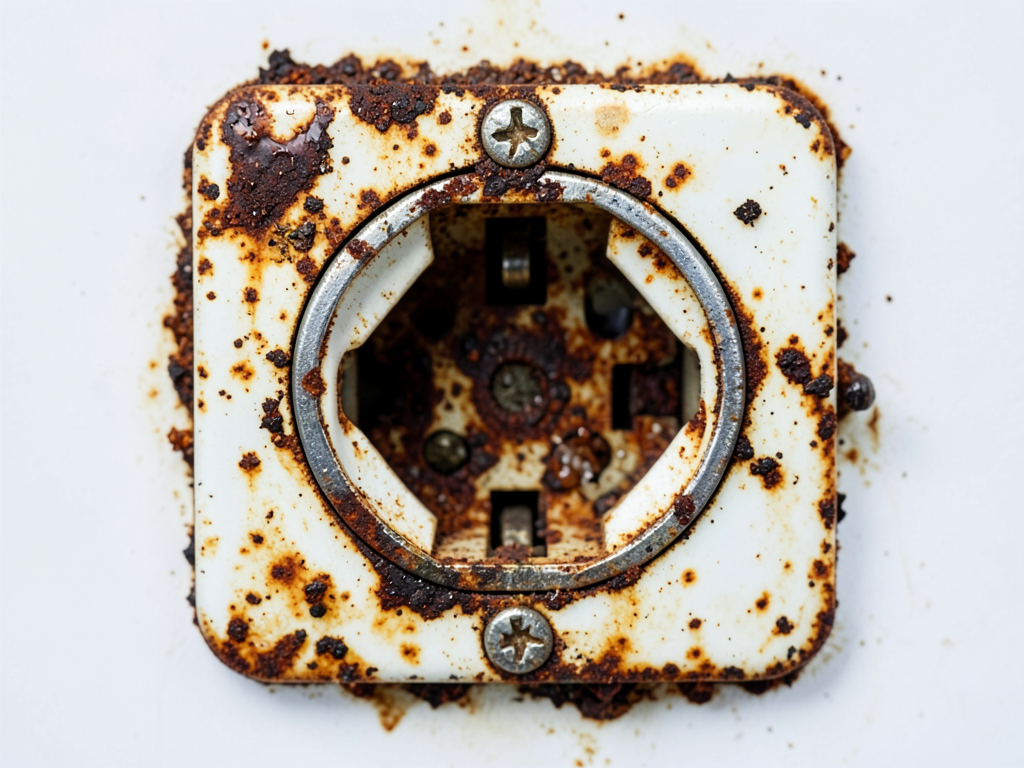
You see the evidence. Efflorescence on basement walls. Musty odors near floor drains. Damp carpet padding. Rust stains under window wells. These are not cosmetic issues. They signal active water intrusion that will worsen.

The Potomac and Anacostia River basins influence groundwater behavior across the District. Homes in low-lying areas near Rock Creek or Kingman Park face higher flood risk during storm events. Even elevated properties in upper Northwest experience basement moisture from poor grading and clogged perimeter drains.

Understanding how to waterproof a basement starts with recognizing the specific threats in your location. Foundation waterproofing methods that work in Arizona fail in D.C. because the climate, soil composition, and building codes differ. Wet basement solutions must address both external water sources and internal vapor transmission. Generic leaky basement repair guides ignore local geology. You need targeted information.

Why Washington, D.C. Basements Fail Without Proper Waterproofing
How Professional Basement Waterproofing Actually Works

How Professional Basement Waterproofing Actually Works

Effective basement sealing techniques require a multi-layer defense system. You cannot paint over the problem. You cannot install a dehumidifier and call it fixed. Professional foundation waterproofing methods address water at three critical control points: outside the foundation, inside the wall assembly, and below the floor slab.

Exterior waterproofing begins with excavation to expose the foundation wall. We apply a rubberized asphalt membrane or spray-applied polymer coating directly to the concrete. This creates an impermeable barrier that stops water before it contacts the foundation. We install a perforated drainage pipe at the footing level, sloped to daylight or a sump discharge point. Clean gravel backfill allows water to flow freely to the drain instead of pooling against the wall.

Interior waterproofing manages water that penetrates the foundation. We install a perimeter drainage channel along the basement floor, connected to a sump basin. When groundwater seeps through the wall-floor joint, the channel intercepts it and directs flow to the sump pump. The pump discharges water away from the foundation, preventing re-circulation.

Vapor barriers control humidity. We install dimpled plastic drainage board against foundation walls before framing. This creates an air gap that allows trapped moisture to drain downward instead of migrating into living space. Closed-cell spray foam insulation seals rim joists where the foundation meets the wood framing, eliminating condensation points.

Crack injection uses polyurethane or epoxy resins to fill active cracks from the inside. The material expands on contact with water, creating a flexible seal that accommodates minor foundation movement. This works for stable cracks but does not replace drainage systems.

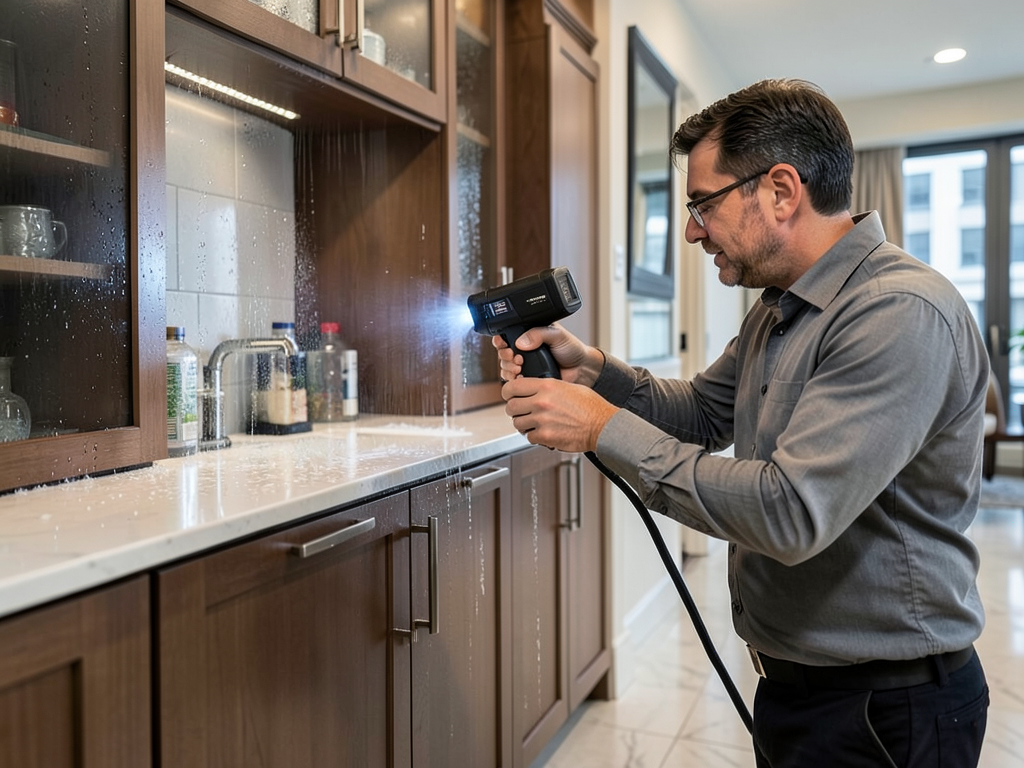
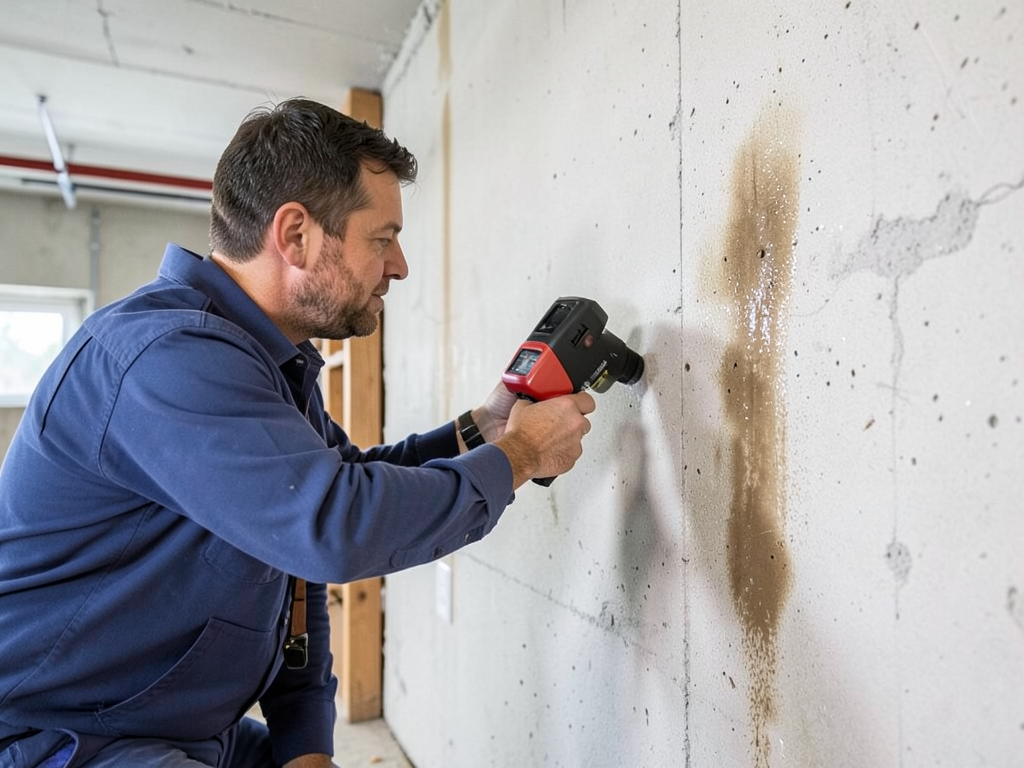
Reliance Water Damage Restoration Washington DC uses moisture meters and infrared cameras to identify hidden water sources before recommending solutions. We test soil permeability and measure hydrostatic load to engineer drainage capacity. Our approach combines proven basement waterproofing methods with site-specific analysis.

Your Basement Waterproofing Project Timeline

Basement Waterproofing Guide – Protect Your D.C. Home From Potomac Basin Flooding and Seasonal Water Intrusion
01

Site Assessment and Drainage Analysis

We inspect your foundation for active leaks, measure moisture levels in walls and floors, and trace water entry points. Using soil percolation tests and grading analysis, we identify whether water comes from surface runoff, groundwater, or plumbing failures. You receive a written assessment with thermal images showing moisture patterns invisible to the eye. This diagnostic phase determines which waterproofing methods your specific foundation requires.
02

System Installation and Testing

Our crew excavates exterior walls if needed, applies waterproofing membranes, and installs drainage systems according to the engineered plan. Interior work includes sump pump installation, perimeter channel placement, and crack injection. We test sump pump capacity under simulated load conditions and verify drainage flow rates. All penetrations receive proper sealing. Backfill is compacted in lifts to prevent settlement. The work follows D.C. building codes for foundation drainage and flood prevention.
03

Final Inspection and Documentation

We conduct a post-installation moisture test to confirm the basement is dry. You receive documentation of all work performed, material specifications, and maintenance guidelines for your drainage system. We explain how to inspect sump pumps, clean window well drains, and monitor foundation cracks. Our team provides a written care plan showing when to schedule pump testing and drain flushing. This ensures your waterproofing system performs for decades.

Why D.C. Homeowners Trust Local Waterproofing Expertise

Washington, D.C. enforces strict building codes through the Department of Consumer and Regulatory Affairs. Any structural work affecting foundations requires permits and inspections. Contractors unfamiliar with D.C. code Section 1805 (foundation drainage) or Section 1807 (dampproofing and waterproofing) create liability for homeowners when systems fail inspection.

Historic district properties in Georgetown, Capitol Hill, and Dupont Circle face additional restrictions. The Historic Preservation Review Board regulates exterior changes, including excavation near historic foundations. You cannot simply dig up a Victorian rowhouse basement without approved plans. Experienced local contractors navigate these requirements while protecting your home's architectural integrity.

Reliance Water Damage Restoration Washington DC understands the construction patterns common in D.C. housing stock. We know that rowhouses built between 1900 and 1940 typically have rubble stone foundations that require different sealing approaches than poured concrete. We recognize that homes in flood zones AE and A (near the Potomac and Anacostia) need FEMA-compliant waterproofing to maintain flood insurance eligibility.

Our technicians work in D.C. basements daily. We see how tree roots from the District's urban canopy infiltrate drainage lines. We know which neighborhoods experience combined sewer backups during heavy rain. We understand that properties near the National Mall face unique groundwater pressures from underground Metro tunnels and federal utility corridors.

You gain access to local supplier networks for specialty materials. When a project requires custom-fabricated window well covers or historic brick matching for foundation repairs, we source from vendors who understand D.C. architecture. National chains cannot provide this granular local knowledge.

Choosing a D.C.-based waterproofing company means faster emergency response when your sump pump fails during a thunderstorm. We reach Georgetown, Shaw, and Anacostia addresses within the same service zone. Our crews carry backup pumps and emergency sealing materials on every truck.

What Your Basement Waterproofing Project Includes

Response Time and Project Duration

Initial assessments happen within 48 hours of your call. We schedule inspections around your availability, including evenings and weekends. Small projects like crack injection or interior drainage installation take one to three days. Full exterior waterproofing with excavation requires five to ten days depending on foundation size and soil conditions. We provide daily progress updates and adjust schedules when weather affects outdoor work. Emergency sump pump replacement happens the same day you call. All timelines account for permit approval and inspection scheduling through D.C. DCRA.

Inspection and Diagnostic Process

You receive a comprehensive foundation evaluation using thermal imaging, moisture meters, and visual inspection. We test soil drainage capacity and measure hydrostatic pressure at your property. Our assessment identifies all water sources including surface runoff, groundwater seepage, condensation, and plumbing leaks. You get a written report with photos documenting every issue. We explain which problems require immediate attention and which can wait. The diagnostic phase includes code compliance review to ensure any proposed work meets D.C. building standards. No guessing. No upselling unnecessary services.

Quality of Installed Systems

We install commercial-grade sump pumps with battery backup systems that run during power outages. Drainage channels use corrosion-resistant materials rated for continuous water exposure. Waterproofing membranes meet ASTM D449 standards for crack-bridging and flexibility. All work passes D.C. building inspections on first submission. We use closed-cell spray foam that doubles as insulation and vapor barrier. Perimeter drains slope at minimum 1% grade to ensure gravity flow. Every component is sized for your specific water load, not generic recommendations. The result is a basement that stays dry through spring floods and summer humidity.

Maintenance and System Monitoring

Your waterproofing system includes a maintenance guide showing how to test sump pumps quarterly and inspect drainage channels annually. We recommend professional system checks every two years to clear debris from perimeter drains and verify pump operation. You learn how to monitor foundation cracks for expansion and when to call for repairs. Our team provides contact information for emergency service if your pump fails or a new leak develops. We keep records of your installation on file so future service calls reference your specific system configuration. Proper maintenance extends system life beyond 20 years.

Frequently Asked Questions

You Have Questions,
We Have Answers

What is the best waterproofing method for basements? +

The best waterproofing method combines interior and exterior solutions. For Washington, D.C. homes, exterior waterproofing with a membrane and proper grading prevents water from reaching foundation walls. Interior systems include a perimeter drain tile connected to a sump pump, which addresses hydrostatic pressure from the clay-heavy soils common in the metro area. Vapor barriers and dehumidification control humidity from the Potomac and Anacostia rivers. No single method works for every basement. The best approach depends on your foundation type, soil conditions, and whether you experience seepage or flooding during heavy rains.

How much does it cost to waterproof a 1000 sq ft basement? +

Basement waterproofing costs vary widely based on your specific problem and solution. For a 1000 square foot basement in Washington, D.C., expect costs to range significantly depending on whether you need interior drainage, exterior excavation, sump pump installation, or foundation crack repair. Interior systems tend to cost less than exterior excavation. Clay soil and older row home foundations in neighborhoods like Capitol Hill or Shaw can increase complexity. Multiple factors affect pricing, including basement height, access difficulty, existing damage severity, and whether mold remediation is needed. Get multiple quotes from local contractors familiar with D.C. building codes.

What are common waterproofing mistakes? +

Common waterproofing mistakes include relying solely on interior paint sealers, ignoring exterior grading, and installing gutters without proper downspout extensions. Many Washington, D.C. homeowners paint over moisture problems instead of addressing the source. Directing downspouts too close to foundations is a major error in areas with clay soil. Another mistake is waterproofing before fixing foundation cracks or installing a sump pump without a battery backup, which fails during storm-related power outages. Poor drainage tile installation or skipping vapor barriers also leads to recurring moisture. Address the root cause, not just symptoms.

Why not use Drylok on basement walls? +

Drylok and similar masonry paints trap moisture inside concrete walls rather than stopping water entry. In Washington, D.C. basements with hydrostatic pressure from groundwater or clay soil expansion, this creates a vapor barrier on the wrong side. Water pushes through the concrete, gets trapped behind the coating, and causes the paint to peel or blister. It also hides ongoing water damage and mold growth you cannot see. Drylok works only for minor dampness, not active seepage. It is a cosmetic fix that masks bigger problems and complicates proper waterproofing later.

Does Drylok ruin concrete? +

Drylok does not chemically ruin concrete, but it creates problems. When applied over damp concrete or when water pressure pushes moisture through the wall, the coating traps water inside the concrete. This trapped moisture accelerates freeze-thaw damage during D.C. winters, causing spalling and surface deterioration. The coating also prevents proper moisture vapor transmission, which concrete needs. If you apply Drylok over existing water problems, it peels off and brings concrete particles with it. The bigger issue is that it hides structural problems like cracks and efflorescence, delaying necessary repairs until damage worsens.

What are the three types of basement waterproofing? +

The three main types are interior waterproofing, exterior waterproofing, and drainage systems. Interior waterproofing includes sealants, vapor barriers, and interior drain tile with sump pumps that collect water after it enters. Exterior waterproofing involves excavating around the foundation, applying waterproof membranes, and installing drainage boards. Drainage solutions manage water before it reaches your foundation through proper grading, French drains, and gutter systems. Most effective waterproofing in Washington, D.C. combines all three approaches. Clay soil and older foundations in neighborhoods like Georgetown require comprehensive systems, not single solutions.

Will insurance pay for basement waterproofing? +

Standard homeowners insurance rarely covers basement waterproofing because insurers consider it preventive maintenance, not sudden damage. Insurance may cover water damage from a covered peril like a burst pipe, but not damage from groundwater seepage, poor drainage, or foundation issues. If flooding occurs from a named storm, you need separate flood insurance through FEMA, which many Washington, D.C. homeowners near the Potomac or Anacostia carry. Some policies exclude below-grade water damage entirely. Review your policy carefully. Waterproofing is your responsibility as a homeowner to prevent future claims.

What is the cheapest way to waterproof a basement? +

The cheapest effective method is improving exterior drainage. Extend downspouts at least six feet from your foundation, regrade soil to slope away from walls, and keep gutters clean. For Washington, D.C. row homes with limited yard access, consider installing window well covers and sealing obvious cracks with hydraulic cement. Add a dehumidifier to control humidity. These steps cost little but prevent many basement water problems. Avoid cheap paint sealers, which fail under pressure. If you have active seepage, you need professional drainage solutions. Cheap fixes that ignore the water source waste money and allow damage to worsen.

How much is it to finish a 2000 sq ft basement? +

Finishing a 2000 square foot basement involves more than waterproofing, including framing, electrical, plumbing, flooring, and drywall. Costs vary based on finishes and whether you add bathrooms or kitchens. In Washington, D.C., building permits and code compliance add to expenses. You must waterproof before finishing to avoid ruined materials. Clay soil and moisture issues in the metro area require proper vapor barriers and drainage before any finish work. This question extends beyond waterproofing scope. Focus on creating a dry, stable environment first. A finished basement built over moisture problems fails quickly and costs more to fix later.

What is the negative side of waterproofing? +

The main downside is cost. Comprehensive waterproofing requires significant investment, particularly exterior excavation around Washington, D.C. row homes with limited access. Exterior work disrupts landscaping and requires restoration. Interior systems reduce usable basement space slightly. Some methods need ongoing maintenance like sump pump testing and battery replacement. Waterproofing also does not fix structural foundation problems, which require separate repair. If done incorrectly, waterproofing can trap moisture and worsen damage. Despite these negatives, the cost of not waterproofing is higher. Water damage, mold growth, and foundation deterioration cost more to repair than prevention.

How D.C.'s Clay Soil and Flood Plains Make Basement Waterproofing Essential

Washington, D.C. sits on Piedmont clay soil that expands up to 10% when saturated. This expansion exerts thousands of pounds of lateral pressure against foundation walls. During dry periods, the clay contracts and pulls away, creating gaps where water accumulates. The cycle repeats with every rain event. Properties in ANC 6B (Capitol Hill) and ANC 2E (Georgetown) experience this soil movement severely due to elevation changes and proximity to the Anacostia and Potomac rivers. The 100-year floodplain covers neighborhoods along both waterfronts, making proper foundation drainage a requirement for flood insurance compliance. Basement waterproofing in D.C. must account for both seasonal soil movement and periodic flood risk. Systems designed for stable soils fail here within five years.

D.C. building code Section 1807.1 requires foundation walls in contact with earth to be waterproofed when habitable space exists below grade. Compliance means more than passing inspection. It protects your investment and maintains property value in a competitive real estate market where basement finish quality affects sale prices. Reliance Water Damage Restoration Washington DC holds all required D.C. contractor licenses and maintains relationships with DCRA inspectors who review our work. We understand local enforcement priorities and design systems that exceed minimum code requirements. When you choose a contractor with deep D.C. experience, you avoid the costly mistakes that come from applying generic solutions to this city's unique foundation challenges.
Water Damage Restoration Services in The Washington DC Area

While we primarily offer mobile, on-site water damage restoration services throughout Washington D.C., you can view our main operational hub and service area on the map below. We are strategically located to ensure rapid deployment and efficient response times to all emergencies across the region, bringing our expert services directly to your property wherever you are within our service footprint.

Address:
Reliance Water Damage Restoration Washington DC, 200 Massachusetts Ave NW, Washington, DC, 20001

Additional Services We Offer

Our news updates

Latest Articles & News from The Blogs

Why Your New Condo at The Wharf Might Experience Balcony Drainage Flooding Living in a luxury condo at The Wharf…

Why Your New Condo at The Wharf Might Experience Balcony Drainage Flooding

Why Your New Condo at The Wharf Might Experience Balcony Drainage Flooding Living in a luxury condo at The Wharf…

Dealing with Potomac River Seepage in Your Georgetown Waterfront Retail Space

Dealing with Potomac River Seepage in Your Georgetown Waterfront Retail Space Georgetown's waterfront retail spaces face unique water damage risks…

What Every DC Homeowner Needs in a Flood Emergency Kit Before the Next Storm Hits

What Every DC Homeowner Needs in a Flood Emergency Kit Before the Next Storm Hits Washington DC homeowners face unique…

Contact Us

Stop watching water damage your most valuable asset. Call (771) 223-8077 now for a no-obligation foundation inspection. Our D.C. team will assess your basement, explain your options, and provide a written estimate within 48 hours. Protect your home before the next storm.