



Menu

Carpet Water Extraction in Washington, D.C. – Expert Recovery for District Flooding and Humidity-Damaged Floors

Professional carpet water removal and flooded carpet extraction services built for Washington's unique weather patterns, historic building structures, and District code requirements across all quadrants.

Slider Image 1
Slider Image 2
Slider Image 3
Slider Image 4
Slider Image 5
Slider Image 7
Slider Image 8
Slider Image 9
Slider Image 10
Slider Image 11

Why District Carpets Fail After Water Events

Washington, D.C. sits at the confluence of the Potomac and Anacostia Rivers, creating a microclimate where summer humidity regularly exceeds 70 percent and flash flooding overwhelms aging stormwater systems across neighborhoods from Capitol Hill to Georgetown. When water saturates carpet, you have a 24 to 48 hour window before mold colonization begins. The District's dense mix of century-old rowhomes, modern condos, and commercial buildings means carpets often sit on wooden subfloors, concrete slabs, or even original plaster underlayment. Each substrate reacts differently to water intrusion.

Wet carpet extraction becomes urgent when you consider that District basements flood from three primary sources. Overland flow from street-level storms pushes water through foundation cracks in Shaw and Columbia Heights. Sewer backups contaminate carpets with Category 3 water in lower-lying areas near the Anacostia. Burst supply lines or failed water heaters dump clean water that turns Category 2 within hours as bacteria multiply in the humid environment. Your carpet pad acts like a sponge, holding water against subfloors and wicking moisture into drywall.

Emergency carpet water removal is not just about visible standing water. The real damage occurs in the pad and the subfloor beneath. Washington's clay-heavy soil shifts with moisture changes, creating foundation movement that can trap water in low spots under carpet. If you smell mildew or notice discoloration spreading from baseboards, water damage carpet extraction must happen immediately. Reliance Water Damage Restoration Washington DC responds across all four quadrants because we understand how the District's unique building stock and weather patterns create carpet flooding emergencies that generic cleaning services cannot properly address.

Why District Carpets Fail After Water Events
How Professional Flooded Carpet Extraction Actually Works

How Professional Flooded Carpet Extraction Actually Works

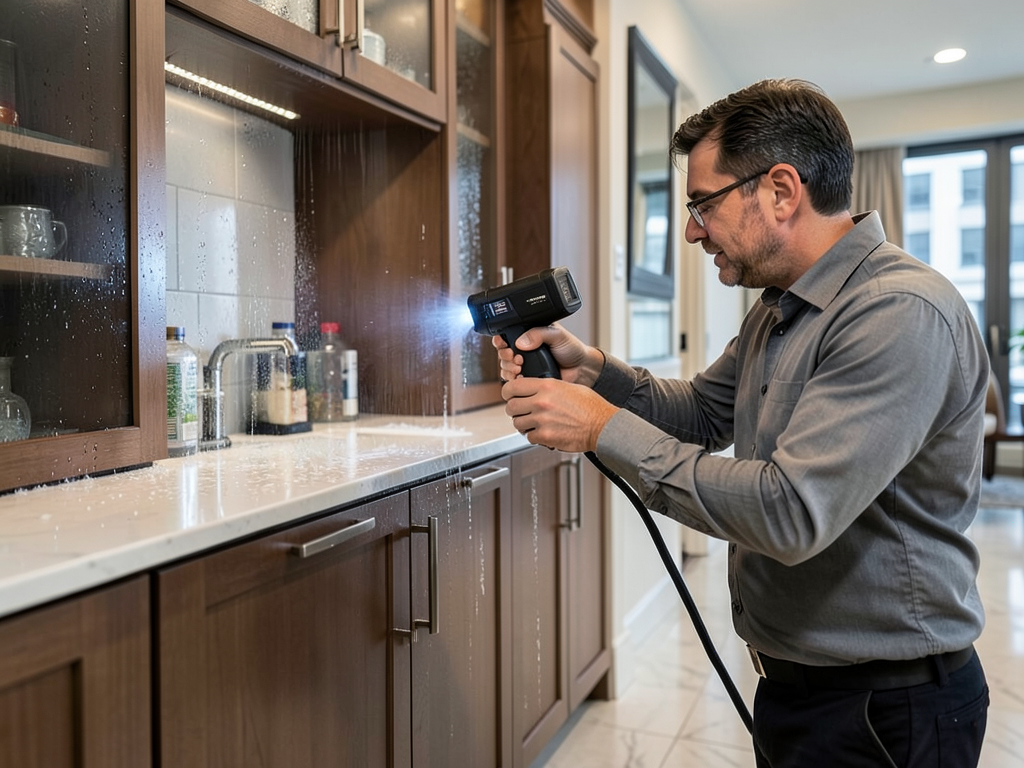
Carpet water removal starts with moisture mapping using thermal imaging and penetrating moisture meters. We measure grain depression at the pad level and subfloor moisture content to determine salvageability. In many District rowhomes, original hardwood sits beneath carpet. We check for cupping, crowning, and fastener pop before making extraction decisions. If subfloor moisture exceeds 19 percent, we recommend pad replacement and focused drying. If it exceeds 25 percent, the carpet itself may be unsalvageable depending on contamination category.

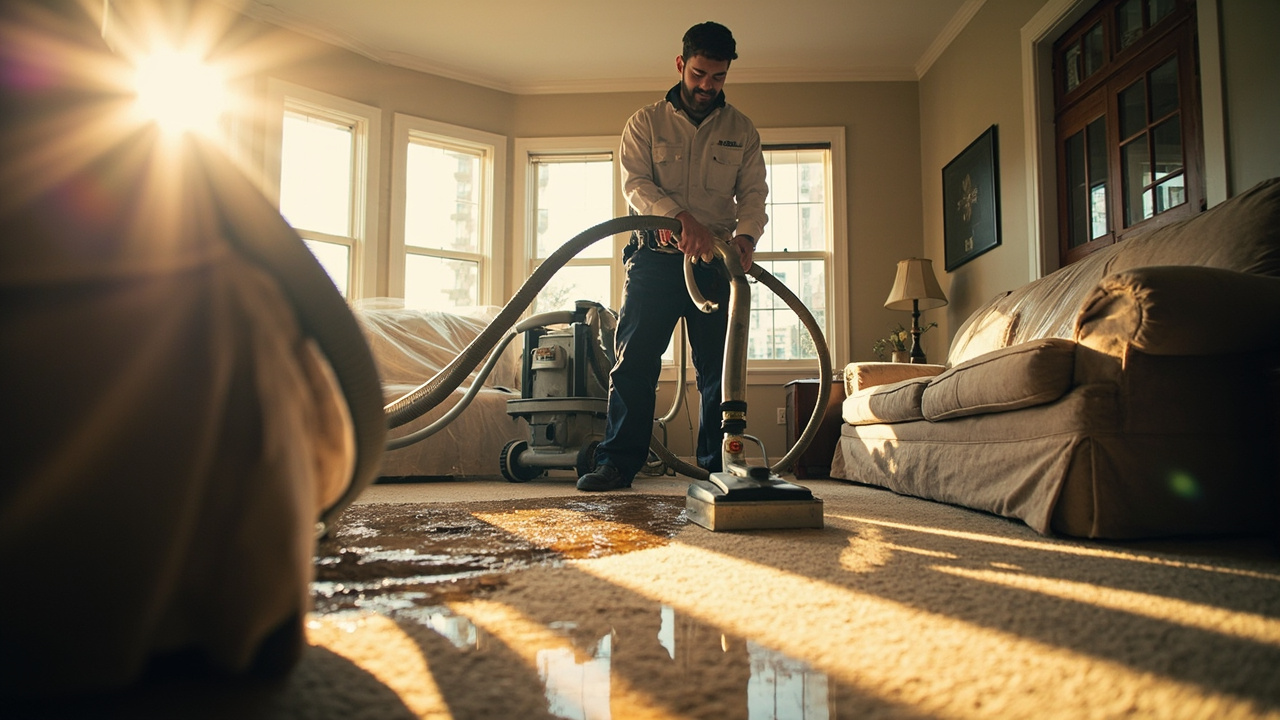
Our truck-mount extraction units generate 500 PSI of water lift pressure, pulling moisture from deep within carpet fibers and backing. We use weighted extraction tools that compress the carpet during suction, forcing water from the pad into our recovery tanks. For frieze or shag carpets common in District condos, we adjust vacuum pressure to prevent fiber distortion. After initial extraction, we pull back carpets from tack strips to remove saturated padding. This exposes the subfloor for direct air movement and allows us to treat wooden subfloors with antimicrobial solutions before mold takes hold.

Air movement strategy depends on building type. In historic rowhomes with plaster walls, we position axial fans to create controlled evaporation without driving moisture into wall cavities. In newer construction with vapor barriers, we use desiccant dehumidifiers to pull moisture from the air while low-grain refrigerant units handle bulk humidity. We monitor daily using psychrometric calculations to track vapor pressure and ensure progressive drying. When subfloor moisture drops below 12 percent and carpet backing reads dry to touch, we reinstall over new pad. This process takes three to seven days depending on water category, affected square footage, and ambient conditions. Wet carpet extraction is methodical because rushing the process guarantees mold growth and odor problems within weeks.

What Happens During Your Carpet Water Extraction Service

Carpet Water Extraction in Washington, D.C. – Expert Recovery for District Flooding and Humidity-Damaged Floors
01

Emergency Assessment and Containment

We arrive within 90 minutes of your call and immediately locate the water source to stop ongoing damage. Our technicians map affected areas using moisture meters and thermal cameras, checking adjacent rooms for hidden wicking. We document damage with photos for insurance claims and identify Category 1, 2, or 3 water to determine safety protocols. Electrical outlets near wet carpet are checked for hazards before equipment deployment begins.
02

Extraction and Material Removal

Truck-mount extractors remove standing water and deep moisture from carpet fibers and padding. We pull furniture to protected areas and lift carpets from tack strips to access saturated padding underneath. Contaminated or non-salvageable padding gets removed and disposed of according to District waste regulations. Subfloors are treated with antimicrobial agents to prevent mold colonization. High-velocity air movers and commercial dehumidifiers are positioned based on room geometry and airflow patterns.
03

Drying and Restoration

We monitor moisture levels daily using calibrated meters until all materials reach dry standard. Carpet and subfloor must hit specific moisture content thresholds before reinstallation begins. New padding is cut and installed, then carpets are re-stretched and secured to tack strips. Final moisture verification ensures no hidden dampness remains. You receive documentation showing before and after readings, plus recommendations for preventing future water intrusion based on what caused this event.

Why District Residents Choose Reliance for Carpet Water Damage

Water damage in Washington, D.C. requires understanding building types that span three centuries. We work in Federal-style rowhomes where carpet sits on tongue-and-groove pine installed in the 1890s. We extract water from carpets in mid-century garden apartments where concrete slab floors trap moisture differently than wooden subfloors. We handle flooded carpet extraction in modern condos along the Anacostia waterfront where vapor barriers and HVAC systems create unique drying challenges. Generic restoration companies use the same approach everywhere. We adjust technique based on your building's construction, the water category, and the specific failure point.

Insurance coordination matters when you are filing claims with providers familiar with District property values. We document moisture readings, photograph damage progression, and provide detailed estimates that align with Xactimate pricing databases used by adjusters. Our technicians are IICRC-certified in water damage restoration and applied structural drying, which means we follow protocols that insurance companies recognize as industry standard. You get documentation that supports your claim rather than vague invoices that create disputes.

Response time prevents secondary damage. We dispatch from our Washington, D.C. location to neighborhoods across all quadrants, from Friendship Heights to Anacostia, from Chevy Chase to Navy Yard. When you call at 2 a.m. because a supply line burst, we arrive with truck-mount extraction equipment ready to deploy, not a van full of shop-vacs. Emergency carpet water removal requires industrial capacity, not residential tools.

Reliance Water Damage Restoration Washington DC employs technicians who live and work in the District. We understand that rowhouse basements flood differently than high-rise apartments. We know which neighborhoods have combined sewer systems that backflow during heavy rain. We recognize the difference between water damage in a rent-controlled building versus a recently renovated condo. Local expertise translates to faster diagnosis, appropriate equipment deployment, and realistic timelines based on actual District conditions rather than national averages that do not account for our unique building stock and climate.

What to Expect During Emergency Carpet Water Extraction

Immediate Response and Timeline

We answer emergency calls 24 hours a day and dispatch technicians within 90 minutes across the District. Initial water extraction happens on day one, typically taking two to four hours depending on affected square footage. Equipment remains onsite for three to seven days while moisture levels drop to safe thresholds. We check moisture readings daily and adjust air mover positioning based on drying progress. You can remain in your home during most extraction projects unless Category 3 contamination requires temporary relocation for safety. We provide clear timelines after initial assessment so you know exactly when carpets will be reinstalled and normal use can resume.

Detailed Damage Assessment Process

Our assessment includes moisture mapping with thermal imaging to locate hidden saturation behind baseboards and under adjacent flooring. We use penetrating moisture meters to check subfloor moisture content at multiple depths. Water category gets classified as Category 1 (clean), Category 2 (gray), or Category 3 (black) based on source and contamination level. This determines whether carpet can be salvaged or requires disposal. We inspect HVAC systems and wall cavities for secondary moisture migration. You receive a written assessment with moisture readings, photos, and a scope of work before any extraction begins. Insurance documentation is prepared simultaneously so claims can be filed immediately.

Final Results and Quality Standards

Successful carpet water extraction means subfloor moisture content below 12 percent and carpet backing dry to touch with no musty odor. We verify final readings with calibrated meters and document results for your records. Carpets are re-stretched to eliminate ripples or buckling caused by water exposure. Baseboards are reinstalled if removed during extraction. You receive a completion certificate showing before and after moisture readings, which insurance companies require for claim closure. If odor persists after drying, we apply enzyme treatments or recommend replacement based on contamination severity. The goal is complete restoration to pre-loss condition, not just surface drying that leaves hidden problems.

Post-Extraction Monitoring and Prevention

We provide follow-up moisture checks at 48 hours and seven days after equipment removal to confirm no rebound moisture appears. You receive a written report identifying the failure point that caused flooding, whether it was a burst supply line, foundation crack, or appliance failure. We recommend specific repairs to prevent recurrence, such as sump pump installation for chronic basement seepage or backflow preventer installation for sewer backup protection. If mold appears within 30 days due to incomplete drying, we re-inspect at no charge to determine if additional remediation is needed. Proper documentation and post-service support ensure you have proof of professional restoration if future issues arise or if you sell the property.

Frequently Asked Questions

You Have Questions,
We Have Answers

How to extract water from carpet? +

Start by removing standing water with a wet vacuum. Work in slow, overlapping passes to pull moisture from deep carpet fibers. Lift furniture and pull back carpet edges to extract water trapped underneath the padding. In Washington, D.C., high humidity slows drying, so run dehumidifiers and fans immediately. For significant water damage from burst pipes or flooding, professional truck-mounted extraction equipment removes far more water than household vacuums. Speed matters. The longer water sits in carpet, especially in D.C.'s humid climate, the higher your mold risk.

How much does it cost to get water out of carpet? +

Professional carpet water extraction in Washington, D.C. varies based on water source, affected square footage, and contamination level. Clean water extraction costs less than sewage-contaminated water removal, which requires sanitization. Most companies charge per room or square foot. Factor in padding replacement if water has soaked through. Emergency extraction after hours typically costs more. Most homeowners insurance policies cover sudden water damage, so document everything before extraction begins. Get a detailed estimate that includes moisture mapping, extraction, drying equipment, and antimicrobial treatment if needed.

What draws urine out of carpet? +

Enzymatic cleaners break down uric acid crystals that cause persistent urine odor. These biological formulas digest the organic compounds rather than just masking smell. Apply the enzyme cleaner generously to saturate carpet fibers and padding where urine has penetrated. Vinegar and baking soda can neutralize surface odor but do not eliminate crystals embedded deep in padding. For severe pet urine damage common in D.C. rowhouses with basement carpet, professionals use sub-surface extraction and oxidizing agents. If padding is saturated, replacement prevents recurring odor during humid D.C. summers.

How much is carpet extraction? +

Carpet extraction pricing depends on the job scope. Standard cleaning extraction for maintenance runs differently than emergency water removal. Water extraction after flooding involves moisture detection, high-powered extraction equipment, pad removal, antimicrobial treatment, and commercial air movers. Contamination level affects price. Clean water from supply line breaks costs less to remediate than Category 3 water from sewage backups. In Washington, D.C., older buildings in historic neighborhoods often require additional structural drying. Always request an itemized estimate that separates extraction, drying, disposal, and restoration costs before work begins.

How long can carpet be wet before mold? +

Mold spores begin colonizing wet carpet within 24 to 48 hours. Washington, D.C.'s humidity accelerates growth, especially in poorly ventilated basements common in Capitol Hill and Georgetown rowhouses. Temperature and existing spore presence affect timeline. Once mold takes hold in carpet padding, surface cleaning fails. You need immediate extraction and thorough drying with dehumidifiers to drop moisture levels below 60 percent. If carpet stays wet beyond 48 hours, padding replacement becomes necessary. Musty odors indicate mold has already started growing. Act fast after water damage.

Does Stanley Steemer do water extraction? +

Stanley Steemer primarily offers carpet cleaning services, not emergency water damage extraction. Water damage restoration requires specialized equipment like truck-mounted extractors, industrial dehumidifiers, air movers, and moisture meters. Companies focused on water damage restoration provide 24/7 emergency response, insurance documentation, and structural drying. If you need water extracted from carpet after a pipe burst or basement flood in Washington, D.C., contact a certified water damage restoration company. They handle extraction, antimicrobial treatment, controlled drying, and coordination with your insurance adjuster for claims documentation.

Will wet carpet smell go away? +

Wet carpet smell disappears only if you remove the moisture source completely and dry everything thoroughly. Surface drying is not enough. If water has soaked into padding or subfloors, odor returns when humidity rises. Washington, D.C.'s summer humidity reactivates mildew smells in improperly dried carpet. The smell indicates bacterial growth or mold colonization. Professional extraction removes deep moisture and treats affected areas with antimicrobials. If odor persists after professional drying, padding or carpet replacement may be necessary. Do not mask smell with air fresheners. Address the moisture problem.

Can Stanley Steemer remove water from carpet? +

Stanley Steemer focuses on routine carpet cleaning, not emergency water damage restoration. Water extraction after flooding requires different equipment and expertise than standard steam cleaning. Restoration companies use truck-mounted extractors that pull significantly more water volume, plus moisture meters to track drying progress and thermal imaging to find hidden saturation. For water damage in Washington, D.C., especially basement flooding common near the Anacostia or Potomac rivers, you need a company with IICRC water damage certification. They coordinate insurance claims and provide documentation your adjuster requires.

Is it worth cleaning 20 year old carpet? +

Twenty-year-old carpet rarely justifies professional cleaning unless it holds sentimental value. Carpet lifespan averages 10 to 15 years with proper maintenance. After two decades, fiber deterioration, embedded dirt, worn padding, and allergen accumulation make replacement more cost-effective. If the old carpet has suffered water damage, do not clean it. Aged backing and padding disintegrate when saturated, and mold risk increases. For Washington, D.C. homes with original carpet in historic properties, assess condition honestly. Invest cleaning money in new carpet with modern moisture barriers instead.

What do professional carpet cleaners use for urine? +

Professional carpet cleaners use enzymatic treatments specifically formulated to break down uric acid crystals that cause urine odor. These biological agents digest organic compounds at the molecular level. Technicians apply enzyme solutions, allow dwell time for chemical reaction, then extract with hot water and suction. For severe contamination, professionals inject treatment below carpet into padding. Some use oxidizing agents or encapsulation technology. In Washington, D.C., where pet ownership is high and older buildings have concrete subfloors that trap odor, professionals may apply sub-surface treatments and seal concrete before reinstalling carpet.

How District Infrastructure and Climate Create Unique Carpet Flooding Challenges

Washington, D.C. operates combined sewer systems in older neighborhoods where stormwater and sanitary sewage share the same pipes. During heavy rainfall, these systems exceed capacity and push contaminated water back through basement floor drains, flooding carpets with Category 3 water that requires immediate disposal rather than extraction. The Potomac and Anacostia River floodplains create high water tables in neighborhoods like Navy Yard and Georgetown, where groundwater seeps through foundation cracks during prolonged rain. Summer humidity averages above 70 percent from June through September, which means wet carpet extraction must include aggressive dehumidification or mold colonization begins within 48 hours. District building codes require specific moisture barriers in new construction, but thousands of historic properties lack these protections, making subfloor drying more complex.

Professional water damage restoration in the District requires familiarity with D.C. Department of Consumer and Regulatory Affairs protocols for work in historic properties and租 rent-controlled buildings. We maintain relationships with local plumbers, electricians, and general contractors who respond quickly when water extraction reveals secondary damage requiring immediate repair. Our technicians understand that many District residents are federal employees, diplomats, or professionals who need detailed documentation for insurance claims and security clearances. We provide itemized invoices, moisture logs, and completion certificates that meet federal housing authority standards. Choosing a local water damage restoration company means working with technicians who understand District-specific building challenges rather than applying generic approaches that fail in our unique climate and infrastructure conditions.
Water Damage Restoration Services in The Washington DC Area

While we primarily offer mobile, on-site water damage restoration services throughout Washington D.C., you can view our main operational hub and service area on the map below. We are strategically located to ensure rapid deployment and efficient response times to all emergencies across the region, bringing our expert services directly to your property wherever you are within our service footprint.

Address:
Reliance Water Damage Restoration Washington DC, 200 Massachusetts Ave NW, Washington, DC, 20001

Additional Services We Offer

Our news updates

Latest Articles & News from The Blogs

Why Your New Condo at The Wharf Might Experience Balcony Drainage Flooding Living in a luxury condo at The Wharf…

Why Your New Condo at The Wharf Might Experience Balcony Drainage Flooding

Why Your New Condo at The Wharf Might Experience Balcony Drainage Flooding Living in a luxury condo at The Wharf…

Dealing with Potomac River Seepage in Your Georgetown Waterfront Retail Space

Dealing with Potomac River Seepage in Your Georgetown Waterfront Retail Space Georgetown's waterfront retail spaces face unique water damage risks…

What Every DC Homeowner Needs in a Flood Emergency Kit Before the Next Storm Hits

What Every DC Homeowner Needs in a Flood Emergency Kit Before the Next Storm Hits Washington DC homeowners face unique…

Contact Us

Water-damaged carpet requires professional extraction within 48 hours to prevent permanent damage and mold growth. Call Reliance Water Damage Restoration Washington DC at (771) 223-8077 now for immediate dispatch across all District quadrants. We answer 24/7 and arrive ready to extract, dry, and restore your property.