




Menu

Peeling Paint & Wallpaper in Washington, D.C. – Expert Water Damage Diagnosis Before Cosmetic Fixes Fail Again

We find the hidden moisture problems causing your bubbling paint, blistering wall paint, and lifting wallpaper so you stop wasting money on repainting surfaces that will fail in six months.

Slider Image 1
Slider Image 2
Slider Image 3
Slider Image 4
Slider Image 5
Slider Image 7
Slider Image 8
Slider Image 9
Slider Image 10
Slider Image 11

Why Your Walls Keep Failing in Washington, D.C.

You repaint. Six months later, the bubbling paint returns. You replace the wallpaper. A year passes and you see lifting wallpaper again. This cycle wastes your money and signals a deeper problem.

Washington, D.C.'s climate creates the perfect storm for wall covering failure. Humid summers push moisture into exterior walls. Winter freeze-thaw cycles crack masonry and mortar joints in the historic rowhouses common throughout Capitol Hill, Dupont Circle, and Shaw. When water penetrates brick facades or limestone foundations, it migrates through plaster and drywall. The result is blistering wall paint, flaking paint, and loose wallpaper that no amount of surface prep will fix permanently.

The Potomac River and Rock Creek tributaries raise groundwater levels across Northwest and Southeast quadrants. Basements in Georgetown and Adams Morgan deal with hydrostatic pressure that forces moisture through foundation walls. This creates the damp conditions behind finished walls that make paint adhesion impossible.

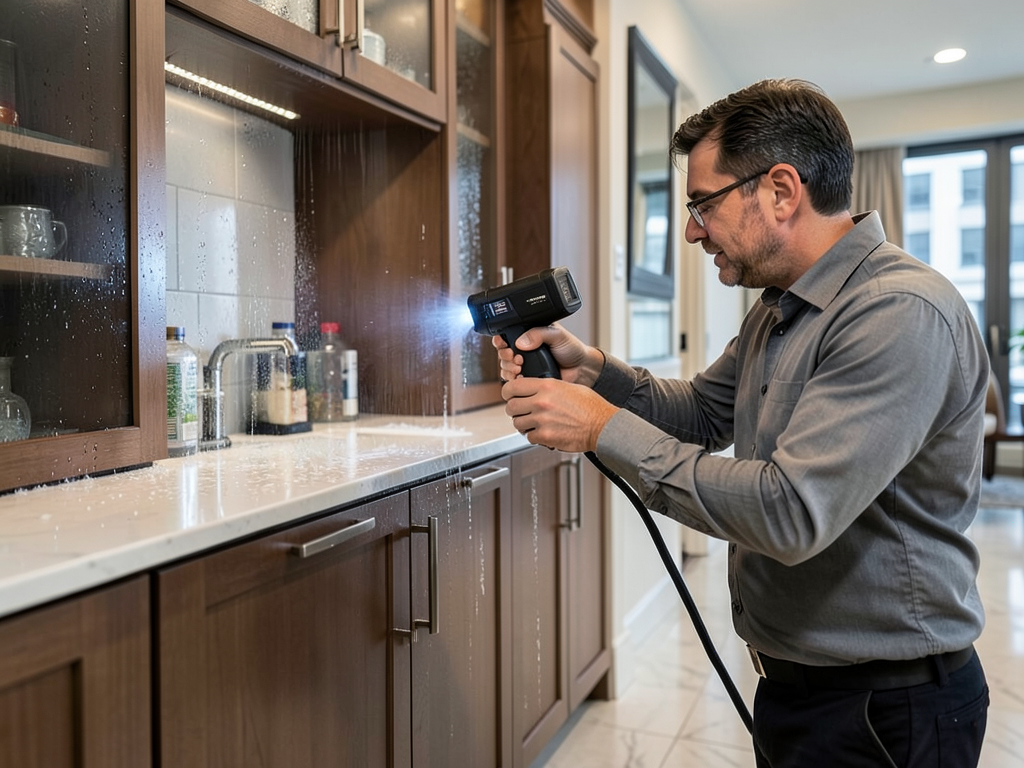
Your walls are not the problem. The moisture source is the problem. You need a water damage restoration specialist who understands building science, not just a painter who will sand and recoat the same failing substrate. We use thermal imaging and moisture meters to find where water enters your building envelope. Then we fix the source before any cosmetic work begins.

If you keep treating symptoms instead of causes, you will keep watching your walls peel.

Why Your Walls Keep Failing in Washington, D.C.
How We Stop the Moisture Intrusion Destroying Your Finishes

How We Stop the Moisture Intrusion Destroying Your Finishes

Most contractors guess. We measure. Our process starts with a forensic moisture assessment using calibrated hygrometers and infrared cameras. We map moisture content in your wall cavities to trace the exact entry point. This might be failed flashing around a dormer, compromised weep holes in brick veneer, or condensation from an improperly vented bathroom.

Washington, D.C. building stock includes everything from 1880s Victorian townhomes to mid-century concrete high-rises. Each construction type requires different diagnostic approaches. Solid masonry walls in older Foggy Bottom properties absorb rain differently than cavity walls in newer Columbia Heights condos. We adjust our assessment protocol based on your specific building assembly.

Once we locate the moisture source, we document it with photos and moisture readings. This documentation helps with insurance claims and gives you leverage if the root cause traces back to a neighbor's plumbing or shared building systems common in D.C. row configurations.

We coordinate water intrusion repairs before any cosmetic restoration. If your issue stems from a leaking supply line, we bring in licensed plumbers. If failed exterior sealant is the culprit, we handle recaulking and waterproofing. For condensation issues, we evaluate your HVAC system and recommend ventilation improvements.

After we eliminate the moisture source, we dry the wall assembly to baseline levels. We use desiccant dehumidifiers and air movers to pull trapped moisture from plaster and framing. Only when moisture content drops below 12 percent do we allow refinishing. This is the difference between a repair that lasts two years and one that lasts twenty.

What Happens When You Call Us About Failing Wall Finishes

Peeling Paint & Wallpaper in Washington, D.C. – Expert Water Damage Diagnosis Before Cosmetic Fixes Fail Again
01

Moisture Mapping Assessment

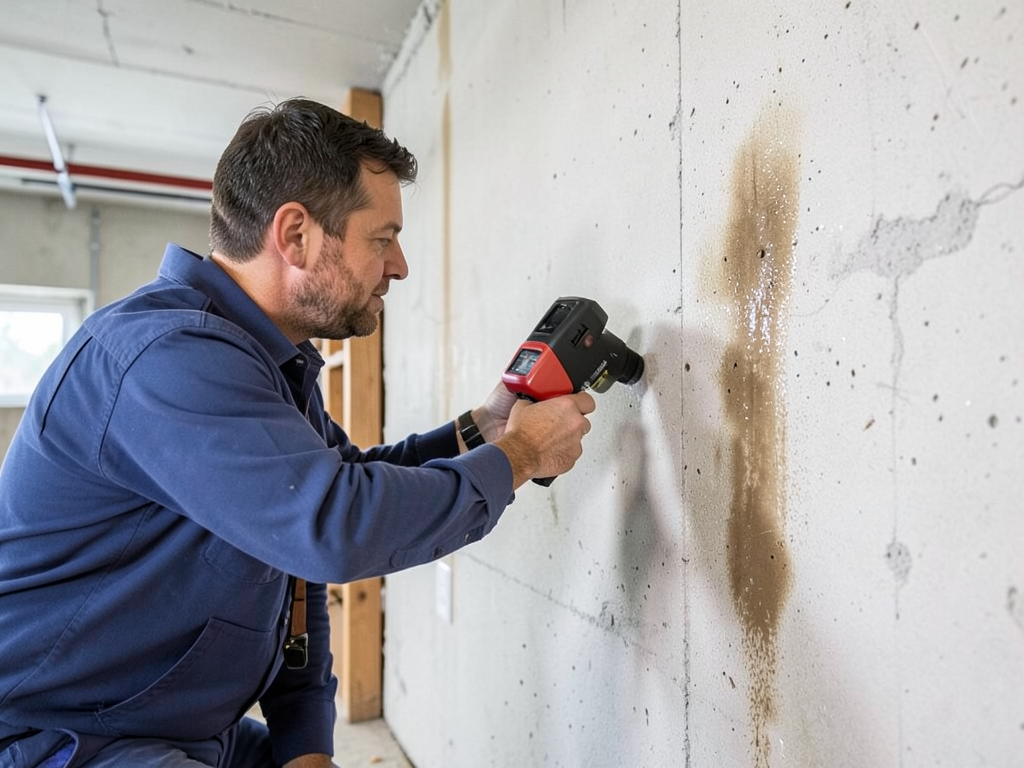
We arrive with thermal imaging equipment and pin-type moisture meters to scan your affected walls. You show us where paint is bubbling or wallpaper is loose, and we map moisture patterns in the substrate. Most homeowners are surprised to learn the visible damage is only part of the problem. We often find elevated moisture readings extending three to six feet beyond what you can see, revealing the true scope before any demolition begins.
02

Source Identification and Documentation

After mapping moisture distribution, we trace it back to the entry point. This requires understanding how water moves through building assemblies. We inspect exterior walls, check roof penetrations, examine plumbing fixtures, and evaluate HVAC condensate drainage. We document our findings with annotated photos and written reports that specify the exact repair needed. If we discover active leaks, we coordinate emergency containment while permanent repairs are scheduled. You get clarity instead of guesswork.
03

Controlled Drying and Verification

Once the water intrusion point is repaired, we implement structural drying protocols. We position commercial dehumidifiers and air movers to create controlled airflow across wet surfaces. We monitor daily moisture levels and adjust equipment placement as readings change. Drying is complete only when two consecutive readings show moisture content at or below acceptable thresholds for your wall type. We provide a completion certificate with final moisture readings that your painter or contractor needs before refinishing begins.

Why D.C. Homeowners Choose Water Damage Specialists Over Painters

Painters fix surfaces. We fix buildings. This distinction matters in a city where 65 percent of housing stock predates 1970 and where historic preservation rules in neighborhoods like Capitol Hill require careful moisture management to protect irreplaceable plaster and trim work.

Reliance Water Damage Restoration Washington DC has worked in every quadrant of the District. We understand the unique challenges of Washington's building types. We have dried out flood-damaged basements in Navy Yard rowhouses after Potomac backflow events. We have traced condensation problems in Petworth bungalows where outdated HVAC systems create dewpoint issues. We have remediated water intrusion in glass-facade condos along the Southwest Waterfront where curtain wall failures let driving rain penetrate occupied units.

Our team includes IICRC-certified water restoration technicians who understand the relationship between moisture, substrate materials, and adhesion failure. We do not guess about dry times or rely on visual inspection alone. We use science and data to determine when a wall assembly is ready for refinishing.

We also understand D.C. insurance requirements. Many policies cover water damage restoration but exclude cosmetic repairs unless you can prove the underlying cause. Our detailed documentation helps you maximize coverage and avoid out-of-pocket costs for repairs that should be covered.

You deserve someone who can explain why your walls keep failing and who has the equipment to prove the moisture is gone before you spend another dollar on paint or wallpaper. We provide that certainty. We have restored buildings across District neighborhoods for property owners who were tired of throwing money at symptoms while the real problem festered behind their walls.

What You Can Expect From Our Water Damage Assessment

Response Time and Availability

We schedule most assessments within 48 hours of your call. If you are dealing with active water intrusion alongside the peeling paint or lifting wallpaper, we can dispatch emergency crews same-day to contain the damage and prevent further migration into adjacent rooms. Our assessment appointments typically last 60 to 90 minutes depending on the size of the affected area and the complexity of your building's construction. You receive a written report within 24 hours that outlines findings, moisture readings, probable cause, and recommended remediation steps with associated timelines.

How the Initial Inspection Works

Our technician will ask about the history of the problem. When did you first notice bubbling paint or flaking paint? Has the issue worsened after specific weather events or seasonal changes? We then conduct a room-by-room visual inspection before deploying diagnostic tools. Thermal imaging reveals temperature differentials that indicate moisture or missing insulation. Pin meters give us quantitative moisture content readings in wood, drywall, and plaster. We may need to remove small sections of baseboard or create test holes to access wall cavities. Any invasive testing is discussed and approved before we proceed.

The Quality of Restoration You Receive

We do not cut corners on drying protocols. If your wall assembly needs seven days to reach safe moisture levels, we run equipment for seven days. We return for daily monitoring visits and provide you with updated readings so you can see measurable progress. Once drying is verified complete, we coordinate with your chosen contractors or provide referrals to finishing professionals who understand moisture-sensitive substrates. The result is a wall that accepts paint and wallpaper adhesives properly because the substrate is chemically and physically ready for bonding, not just visually dry.

Follow-Up and Preventive Guidance

After completing structural drying, we provide a written summary that includes final moisture readings, photos of affected areas post-drying, and recommendations for preventing recurrence. This might include gutter maintenance schedules, seasonal caulking inspections, or humidity control strategies for bathrooms and kitchens. We do not offer formal warranties on cosmetic finishes applied by other contractors, but we do guarantee our moisture remediation work. If moisture returns from the same source within the documented treatment area, we will re-assess and re-dry at no additional charge provided the original entry point repair was completed as specified.

Frequently Asked Questions

You Have Questions,
We Have Answers

Why is my paint peeling like wallpaper? +

Paint peels in sheets when moisture gets trapped between the substrate and paint film. This happens often in Washington, D.C. homes due to high humidity, hidden leaks, or poor surface prep during the original application. If the wall was damp or dirty when painted, the bond fails. Older rowhouses and brick structures are vulnerable because moisture migrates through masonry. Check for active leaks, condensation issues, or failed vapor barriers. You need to address the moisture source before repainting, or the problem will repeat within months.

What to do if paint is peeling off the wall? +

Stop further damage by identifying the moisture source. Check for roof leaks, plumbing failures, or condensation from poor ventilation. Scrape off all loose paint down to a stable edge using a putty knife. Sand the edges smooth to blend the transition. Let the wall dry completely, which can take days in D.C.'s humid climate. Prime bare areas with a stain-blocking primer before repainting. If peeling is widespread or you find water damage, contact a professional to assess structural issues before cosmetic fixes.

Is it cheaper to paint or peel and stick wallpaper? +

Peel and stick wallpaper costs more per square foot than paint but requires less prep and labor. You can apply it yourself without professional help in most cases. Paint is cheaper upfront, especially for large areas, but requires surface prep, priming, multiple coats, and drying time. For rental units or temporary updates, peel and stick offers flexibility. For permanent solutions in D.C.'s older homes with plaster walls, quality paint provides better durability and moisture resistance. Your choice depends on timeline, skill level, and how long you plan to stay.

Can I wallpaper over peeling paint? +

No. Wallpaper applied over peeling paint will fail quickly. The wallpaper adhesive cannot bond to an unstable surface. Peeling paint indicates an underlying moisture problem or poor adhesion, which will worsen under wallpaper. You must scrape off all loose paint, repair the wall surface, and address any moisture issues first. In D.C.'s humid climate, trapped moisture between wallpaper and a compromised wall creates mold and further adhesion failure. Proper prep means removing failing paint, priming bare spots, and ensuring the surface is smooth and completely dry.

Will Kilz stop peeling paint? +

Kilz primer will not stop paint from peeling if the underlying cause remains. It seals stains and provides a fresh bonding surface, but only after you remove all loose, peeling paint. You must scrape away unstable areas first. Kilz works well on properly prepped surfaces to block stains and improve adhesion for your topcoat. If moisture is causing the peeling, Kilz alone will not solve it. Fix leaks, improve ventilation, and let walls dry completely. Then apply Kilz to bare or sanded areas before painting.

Can I paint over paint that's peeling? +

No. Painting over peeling paint traps the problem and guarantees early failure. The new paint cannot bond to loose, unstable areas. Within weeks or months, the fresh coat will peel along with the old layer. You must scrape off all loose paint down to a firm edge, sand the transitions smooth, and prime bare spots. This creates a stable base for new paint. Skipping this step wastes time and money. In D.C.'s older housing stock, proper surface prep is not optional if you want results that last.

What is the difference between flaking and peeling paint? +

Flaking refers to small chips or fragments of paint breaking off, usually from surface brittleness or minor adhesion loss. Peeling involves larger sections lifting away from the substrate in sheets or curls, indicating deeper bond failure. Flaking happens when paint ages and loses flexibility. Peeling signals moisture intrusion, contamination during application, or incompatible paint layers. Both require removal and repair, but peeling often points to a bigger problem like water damage or vapor issues common in D.C.'s brick and masonry structures. Address the root cause before refinishing.

Should I scrape off all the peeling paint? +

Yes. Remove all loose and peeling paint before repainting. Scrape until you reach stable, well-bonded paint or bare substrate. Feather the edges with sandpaper to create a smooth transition. Leaving loose paint guarantees the new coat will fail. In D.C.'s older homes, peeling often reveals multiple paint layers or damaged plaster underneath. This prep work takes time but prevents recurring problems. After scraping, prime bare areas with a quality stain-blocking primer. Skipping this step is the most common mistake homeowners make when addressing peeling paint.

Can you put primer over peeling paint? +

No. Primer cannot stabilize peeling paint. You must scrape off all loose material first. Primer bonds to stable surfaces, not failing ones. Applying primer over peeling paint locks in the instability and wastes product. Once you remove loose paint and sand the edges smooth, then prime the bare or sanded areas. Use a stain-blocking primer on areas exposed to moisture or stains. In D.C.'s climate, proper prep and priming prevent recurring failures. Shortcuts here lead to repeated peeling within months, not years.

What is the cost of painting a 1000 sq ft house? +

Painting costs vary widely based on surface condition, ceiling height, trim work, and how many coats you need. For a 1000 square foot house in Washington, D.C., expect prep work to drive the price if walls have peeling paint, water damage, or old plaster repairs. Labor, materials, and primer all factor in. Older rowhouses often require more prep than newer construction. Get multiple quotes from local contractors familiar with D.C.'s housing stock. Prices fluctuate by neighborhood and project complexity, so specific estimates require an on-site evaluation.

How D.C.'s Brick Construction and Wet Winters Make Paint Failure Inevitable Without Proper Remediation

Washington sits at the confluence of humid subtropical and humid continental climate zones. This means wet winters with freeze-thaw cycling and humid summers with dewpoint temperatures that promote condensation inside wall cavities. The District's historic building stock relies heavily on solid masonry and brick veneer construction. These assemblies absorb water during rain events and release it slowly through evaporation. When interior finishes trap moisture, blistering wall paint and loose wallpaper become inevitable. Rowhouse construction common in Shaw, Columbia Heights, and Capitol Hill compounds the issue because shared walls limit airflow and create moisture traps between units.

Reliance Water Damage Restoration Washington DC operates in all eight wards and understands how building age, construction type, and microclimates affect moisture intrusion patterns. We work with historic preservation guidelines when required and coordinate with D.C. Department of Buildings when structural concerns arise during remediation. Our local expertise means we recognize the difference between moisture from rising damp in a 1920s basement and condensation from an undersized HVAC system in a 1980s condo conversion. That knowledge allows us to recommend solutions that address root causes instead of applying generic fixes that fail within months.
Water Damage Restoration Services in The Washington DC Area

While we primarily offer mobile, on-site water damage restoration services throughout Washington D.C., you can view our main operational hub and service area on the map below. We are strategically located to ensure rapid deployment and efficient response times to all emergencies across the region, bringing our expert services directly to your property wherever you are within our service footprint.

Address:
Reliance Water Damage Restoration Washington DC, 200 Massachusetts Ave NW, Washington, DC, 20001

Additional Services We Offer

Our news updates

Latest Articles & News from The Blogs

Why Your New Condo at The Wharf Might Experience Balcony Drainage Flooding Living in a luxury condo at The Wharf…

Why Your New Condo at The Wharf Might Experience Balcony Drainage Flooding

Why Your New Condo at The Wharf Might Experience Balcony Drainage Flooding Living in a luxury condo at The Wharf…

Dealing with Potomac River Seepage in Your Georgetown Waterfront Retail Space

Dealing with Potomac River Seepage in Your Georgetown Waterfront Retail Space Georgetown's waterfront retail spaces face unique water damage risks…

What Every DC Homeowner Needs in a Flood Emergency Kit Before the Next Storm Hits

What Every DC Homeowner Needs in a Flood Emergency Kit Before the Next Storm Hits Washington DC homeowners face unique…

Contact Us

If your walls keep peeling no matter how many times you repaint, you have a moisture problem that needs professional water damage assessment. Call Reliance Water Damage Restoration Washington DC at (771) 223-8077 and schedule a diagnostic inspection that identifies the real cause.