




Menu

Basement Flood Cleanup in Washington, D.C. | 24/7 Emergency Water Extraction and Full Remediation

When your basement floods, you need immediate flooded basement water removal before mold takes hold in 24 hours. Our certified technicians respond to Washington, D.C. homes and businesses around the clock with industrial-grade pumps, moisture mapping, and complete basement flood restoration.

Slider Image 1
Slider Image 2
Slider Image 3
Slider Image 4
Slider Image 5
Slider Image 7
Slider Image 8
Slider Image 9
Slider Image 10
Slider Image 11

Why Washington, D.C. Basements Flood and Why Speed Matters

Washington, D.C. sits in a humid subtropical climate zone where heavy thunderstorms dump inches of rain in minutes. Add aging combined sewer systems in neighborhoods like Capitol Hill and Shaw, and you have a recipe for basement flooding. Clay-heavy soil throughout the District expands when saturated, pushing hydrostatic pressure against foundation walls. When sump pumps fail or sewer lines back up during peak storms, your basement can fill with several inches of water before you realize what happened.

The real danger starts after the visible water recedes. Porous concrete, drywall, and wooden floor joists absorb moisture rapidly. In Washington's humidity, mold spores colonize wet surfaces within 24 to 48 hours. Contaminated floodwater from sewer backups introduces bacteria and pathogens that require professional disinfection. Standing water also weakens structural supports and damages HVAC systems, water heaters, and electrical panels typically housed in basements.

Flooded basement water removal must happen immediately. Every hour of delay increases restoration complexity and long-term damage. Basement water extraction is not just pumping out standing water. You need moisture detection in wall cavities, subfloor drying, antimicrobial treatment, and proper ventilation to prevent secondary damage. Flooded basement remediation addresses the visible destruction and the hidden moisture that turns a cleanup into a mold crisis. Washington homeowners who wait even one day often face basement flood restoration bills that triple because mold remediation and structural repairs get added to the scope.

You cannot fix this with a wet vacuum and fans. Professional flooded basement pumping uses truck-mounted extractors and commercial dehumidifiers calibrated to your basement's specific conditions.

Why Washington, D.C. Basements Flood and Why Speed Matters
How Professional Basement Flood Cleanup Works

How Professional Basement Flood Cleanup Works

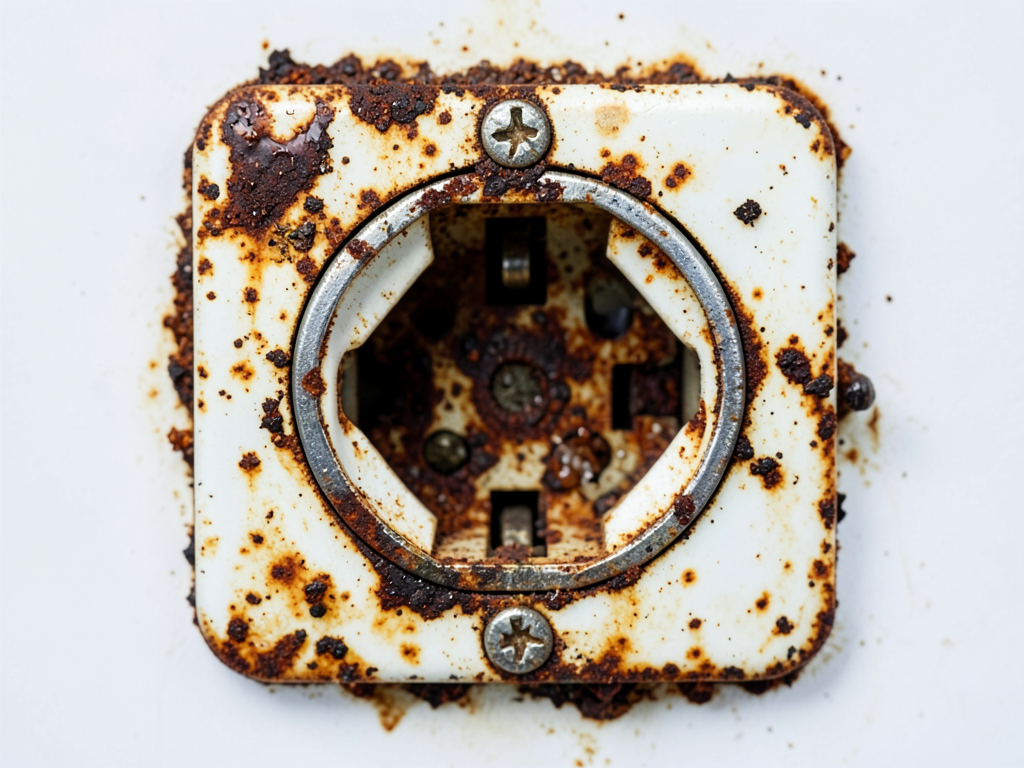
Basement flood cleanup starts with safety assessment. Before entering, we test for electrical hazards and structural compromise. Floodwater often contacts electrical outlets and appliances, creating electrocution risks. We shut down power to affected circuits and verify the space is safe for entry.

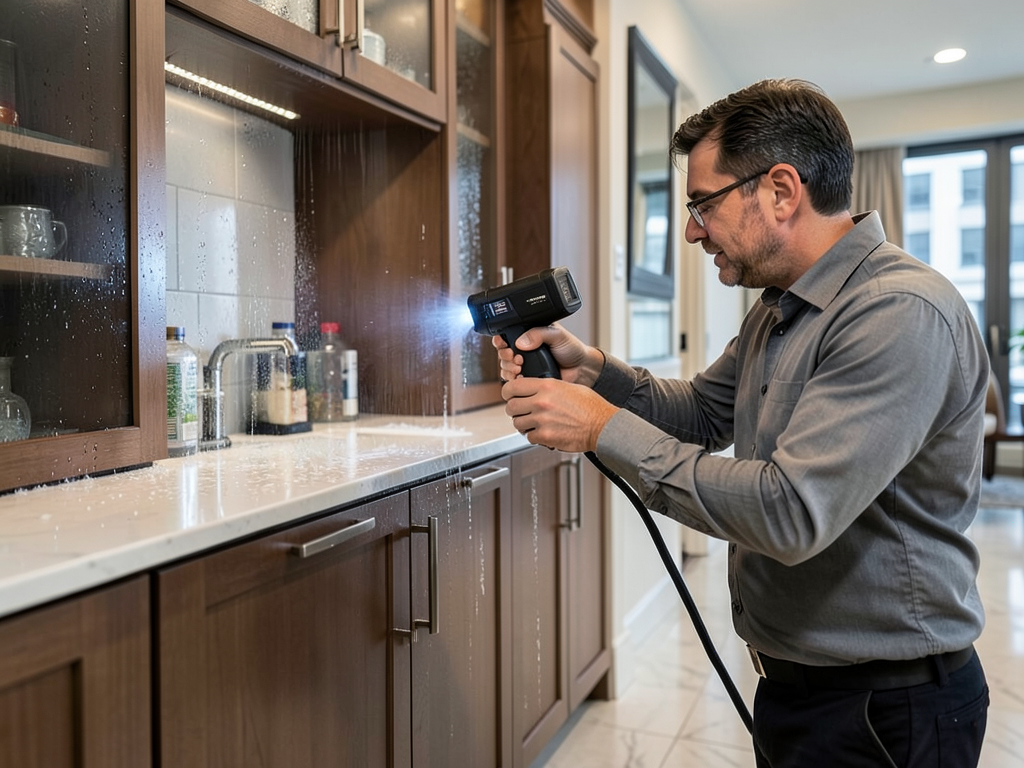
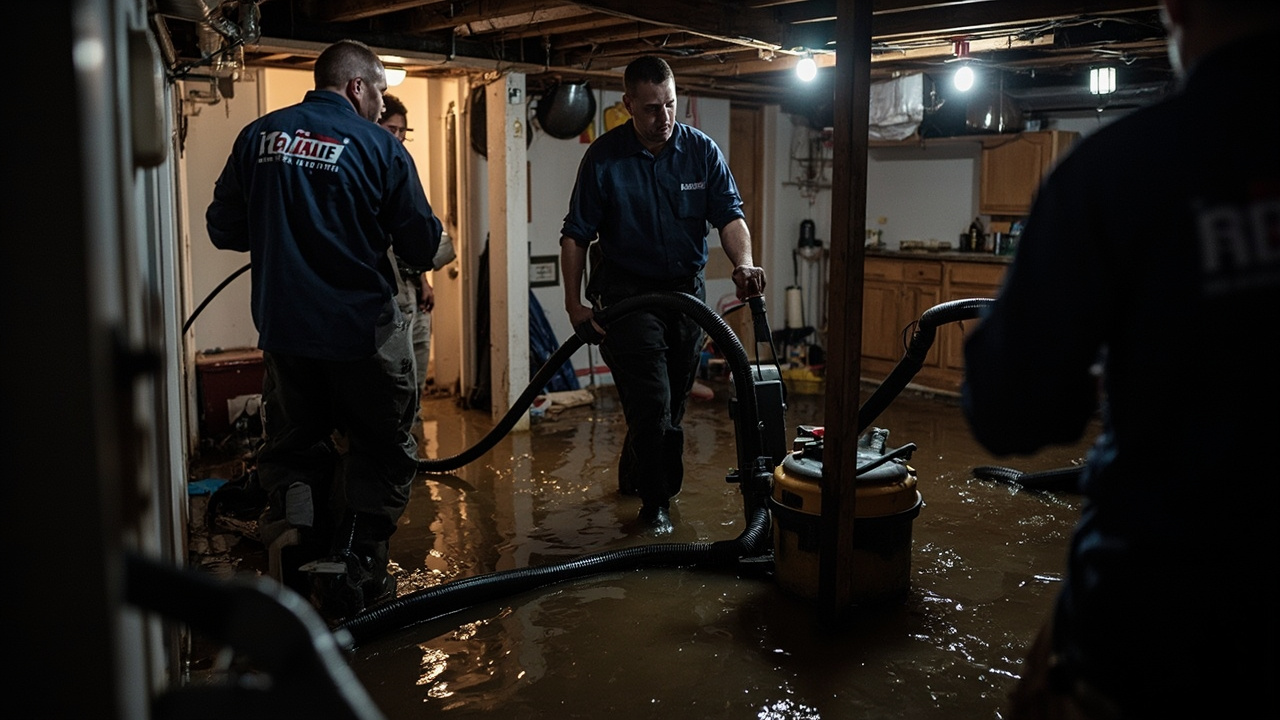
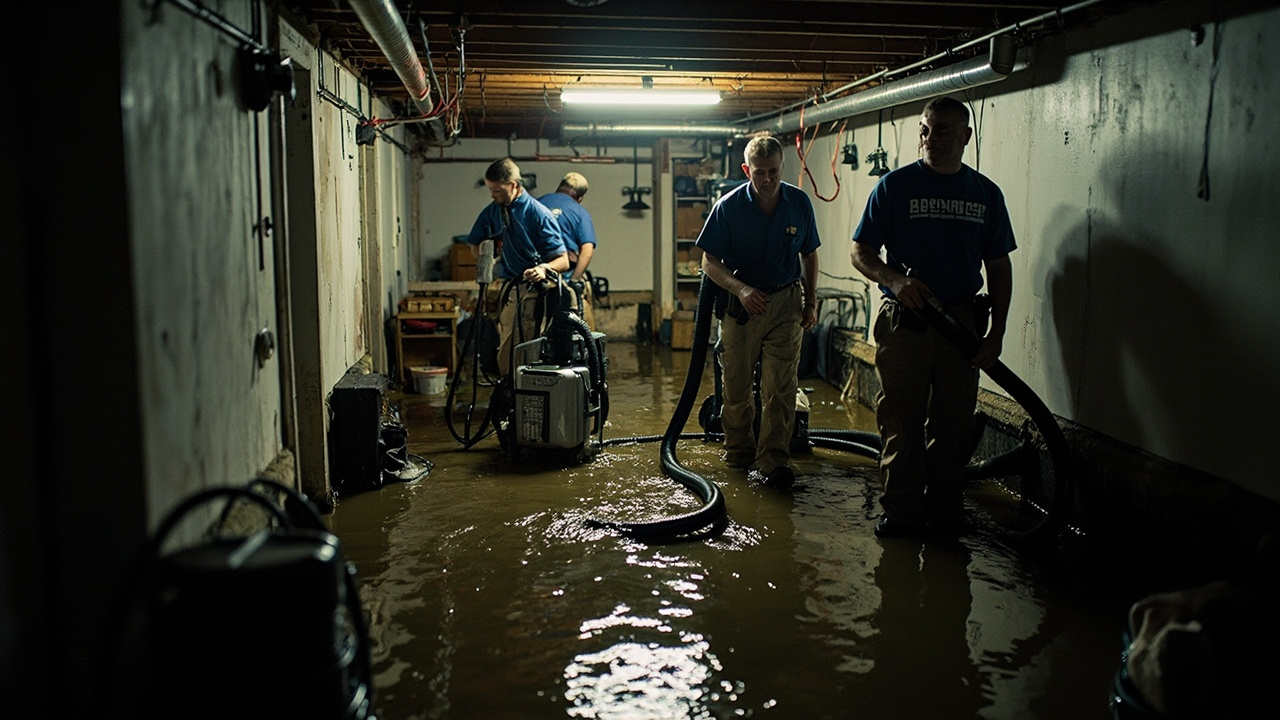
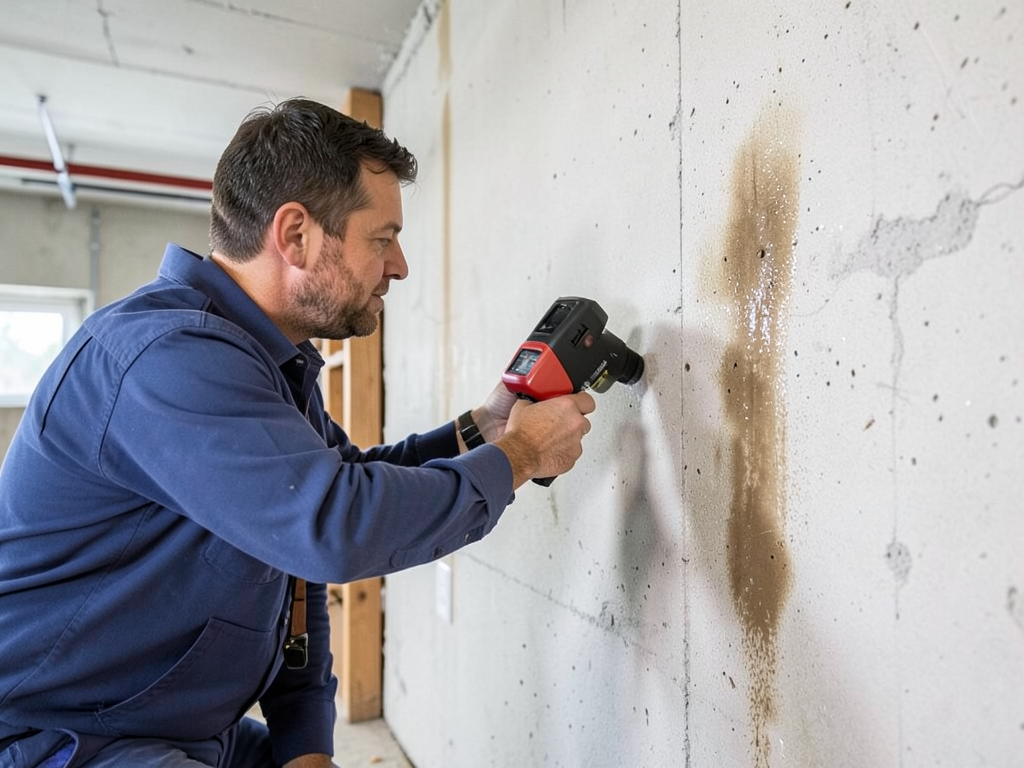
Next comes rapid water extraction using submersible pumps and truck-mounted vacuums. Standing water removal happens first, but surface extraction is only step one. We use thermal imaging cameras to map moisture inside walls, under flooring, and in insulation. These moisture signatures guide placement of air movers and commercial dehumidifiers. You cannot see saturation in concrete or behind drywall, but our hygrometers measure it precisely.

After extraction, we categorize the water source. Clean water from a broken supply line requires different treatment than gray water from a washing machine discharge or black water from a sewer backup. Category 3 water (sewage) demands antimicrobial application and disposal of porous materials like drywall and insulation that cannot be salvaged. We follow IICRC S500 standards for water damage restoration, which specify drying goals, antimicrobial protocols, and material removal thresholds.

Structural drying takes three to five days on average. We monitor moisture levels daily using moisture meters, adjusting equipment placement as readings drop. Air movers create airflow across wet surfaces, while dehumidifiers pull moisture from the air. This controlled drying prevents warping, swelling, and mold growth. Washington's high ambient humidity means we often run dehumidifiers longer than in arid climates.

Once moisture readings reach acceptable levels, we document the dry-down with photo evidence and moisture logs. This documentation is critical for insurance claims. Many homeowners try to save money with DIY cleanup, only to discover their insurance denies the claim because proper drying protocols were not followed.

What Happens During Your Basement Flood Emergency

Basement Flood Cleanup in Washington, D.C. | 24/7 Emergency Water Extraction and Full Remediation
01

Emergency Contact and Dispatch

When you call our emergency line, a live technician answers immediately. We ask about water depth, source if known, and whether you have active flooding or electrical concerns. Our dispatch sends a crew to your Washington, D.C. location within 60 to 90 minutes. We arrive with extraction equipment, moisture detection tools, and personal protective equipment ready to start flooded basement pumping immediately upon arrival.
02

Water Removal and Damage Assessment

Our crew begins submersible pumping while simultaneously documenting damage with photos and moisture readings. We map the affected area, identify the water category, and locate hidden moisture pockets using thermal imaging. This assessment determines the scope of basement flood restoration needed. We extract standing water first, then use weighted extraction tools on carpets and padding to remove water trapped in fibers and subfloors.
03

Drying and Monitoring

After extraction, we position commercial air movers and dehumidifiers based on moisture map data. Drying equipment runs continuously for three to five days while we monitor progress daily. We adjust airflow direction and dehumidifier settings as readings change. Once all materials reach dry standard, we remove equipment and provide you with a completion report documenting moisture levels, antimicrobial treatment, and materials removed or salvaged.

Why Washington, D.C. Homeowners Choose Local Basement Flood Restoration

Washington, D.C. has specific building code requirements that affect basement flood cleanup. Homes built before 1980 often have different foundation waterproofing standards than newer construction. Row houses in neighborhoods like Dupont Circle and Logan Circle share party walls, meaning water damage in one basement can migrate to adjacent properties. A restoration crew unfamiliar with D.C.'s unique architecture might miss these lateral moisture paths.

We understand the District's combined sewer system challenges. During heavy rain events, the system can overwhelm and cause backflow into basement drains. This creates Category 3 contamination requiring aggressive antimicrobial treatment and material removal. Generic water damage companies often underestimate the health risks of sewer backups, leaving homeowners with lingering odors and bacterial contamination.

Our technicians know which D.C. neighborhoods flood predictably. Areas near Rock Creek, the Anacostia River, and low-lying sections of Georgetown experience regular flooding during storms. We have worked in historic homes where preservation requirements limit demolition options. We know how to dry century-old brick foundations without causing efflorescence or masonry damage.

Insurance claims in Washington, D.C. require detailed documentation. We photograph every phase of basement water extraction and maintain moisture logs that satisfy adjuster requirements. We communicate directly with your insurance company, provide estimates that align with Xactimate pricing, and explain why certain procedures are necessary. Many national franchise operations submit inadequate documentation, leading to claim denials or underpayments.

Local expertise also means faster response. We stage equipment in the District, so we reach flooded basements in Georgetown, Capitol Hill, or Anacostia faster than companies dispatching from Maryland or Virginia. When mold growth starts in 24 hours, a 30-minute response difference matters.

What to Expect During Basement Flood Cleanup

Response Time and Availability

We answer emergency calls 24 hours a day, 365 days a year. When you call, a technician picks up, not an answering service. We dispatch a crew to your Washington, D.C. address within 60 to 90 minutes. Our trucks carry truck-mounted extraction equipment, submersible pumps, and commercial dehumidifiers, so we start flooded basement water removal immediately. We do not schedule appointments for next-day service when you have standing water. Crews work through the night if necessary to complete initial extraction and equipment setup before leaving your property.

Initial Assessment and Scope

Upon arrival, we conduct a safety assessment for electrical hazards and structural risks. We then map moisture using thermal imaging and moisture meters to identify all affected areas, including hidden water in walls and subfloors. We categorize the water source as clean, gray, or black to determine antimicrobial protocols. You receive a verbal scope outline within the first hour, followed by a written estimate once extraction is complete. We photograph everything for insurance documentation and explain which materials can be saved versus what requires removal.

Drying Results and Completion

Structural drying typically takes three to five days, depending on materials and saturation levels. We monitor daily and adjust equipment as needed. You receive moisture readings at each check to track progress. Once all materials reach industry-standard dryness, we remove equipment and provide a completion report with before-and-after moisture data. If reconstruction is needed, we can coordinate directly with your contractor or builder. Your basement will be dry, sanitized, and ready for rebuilding without hidden moisture that causes future problems.

Follow-Up and Prevention

After drying is complete, we provide recommendations for preventing future basement floods. This may include sump pump upgrades, backwater valve installation, or foundation waterproofing referrals. We do not perform these preventive services ourselves, but we can connect you with qualified contractors who specialize in D.C. foundations. If you experience any moisture reoccurrence within 30 days, we return to re-evaluate at no charge. Our goal is permanent resolution, not temporary fixes that fail after the next storm.

Frequently Asked Questions

You Have Questions,
We Have Answers

How do you clean up a flooded basement? +

First, stop the water source if possible and shut off electricity to the basement. Remove standing water using a submersible pump or wet vacuum. Extract moisture from walls, floors, and belongings with industrial dehumidifiers and air movers. Remove damaged materials like soaked drywall, insulation, and carpeting. Clean all surfaces with antimicrobial solutions to prevent mold growth. In Washington, D.C., high humidity makes rapid drying critical. Document everything with photos for insurance. Professional restoration teams use moisture meters to verify complete drying, which you cannot see with the naked eye.

How much does it cost to clean a flooded basement? +

Cleanup costs vary based on flood severity, affected square footage, and contamination level. Minor basement floods may run a few thousand dollars. Extensive flooding with sewage backup or structural damage can reach tens of thousands. Washington, D.C. basements often face groundwater infiltration due to clay soil and aging infrastructure, which impacts pricing. Water category matters. Clean water costs less than contaminated floodwater. Most companies charge for water extraction, drying equipment, antimicrobial treatment, debris removal, and labor. Always get written estimates from licensed contractors before starting work.

How much does it cost to remove water from a flooded basement? +

Water removal costs depend on volume, contamination type, and accessibility. Removing several inches of clean water from a standard basement typically costs less than pumping feet of contaminated floodwater. Equipment requirements drive pricing. Submersible pumps handle high volumes fast, but some D.C. rowhouse basements have tight access that complicates extraction. Companies charge for equipment rental, labor hours, and disposal fees if the water contains sewage or chemicals. Emergency service during nights or weekends increases rates. Get detailed quotes that break down extraction versus drying and restoration phases.

What to use to clean a flooded basement? +

Use submersible pumps or wet vacuums for water removal. Deploy industrial dehumidifiers and air movers to dry structural materials. Clean hard surfaces with antimicrobial solutions designed for flood restoration. Avoid bleach alone, which does not penetrate porous materials. You need HEPA vacuums for debris removal and moisture meters to verify dryness. Washington, D.C.'s humid summers slow natural evaporation, so mechanical drying equipment is essential. For contaminated floodwater, professionals use EPA-registered disinfectants. Do not use household fans, which spread mold spores and provide insufficient airflow for structural drying.

How do I prevent mold after a basement flood? +

Start drying within 24 to 48 hours. Mold spores germinate quickly in D.C.'s humid climate. Remove standing water immediately, then run commercial dehumidifiers and air movers continuously. Remove wet drywall, insulation, and carpeting that cannot dry properly. Treat all surfaces with antimicrobial solutions. Monitor moisture levels in wood framing, concrete, and subflooring with moisture meters. Open areas below 15 percent moisture content to prevent mold. Increase ventilation, but do not rely on open windows in summer humidity. Professional remediation includes containment barriers and HEPA filtration to prevent cross-contamination during cleanup.

What will insurance cover if basement floods? +

Standard homeowners insurance typically excludes groundwater flooding and sewer backups unless you purchased specific endorsements. Sudden internal pipe bursts are usually covered. Flood insurance through NFEMA covers structural damage and some contents, but read your policy carefully. Many D.C. homeowners near Rock Creek or the Anacostia River carry flood policies. Insurance may cover water extraction, drying, and mold remediation if the cause is covered. Document all damage with photos and keep detailed receipts. File claims immediately. Coverage varies widely, so review your declarations page and speak with your agent.

How long does it take to dry out a basement after a flood? +

Drying takes three to seven days with professional equipment running continuously. Basements with concrete block walls and limited ventilation take longer. Washington, D.C.'s high humidity extends drying times compared to arid climates. Water category affects duration. Clean water dries faster than contaminated floodwater requiring extensive antimicrobial treatment. Porous materials like drywall and insulation may need removal if saturation is severe. Professionals use thermal imaging and moisture meters to track progress. Rushing the process causes hidden moisture pockets that trigger mold growth weeks later. Complete structural drying is not negotiable.

How much does Servpro cost to clean a basement? +

Servpro pricing varies by location, job scope, and damage severity. They typically provide free inspections and written estimates before starting work. National franchise pricing does not always reflect local D.C. market rates or specific neighborhood challenges like aging infrastructure in Capitol Hill or Dupont Circle. Compare multiple licensed restoration companies. Ask for itemized quotes covering water extraction, drying equipment, antimicrobial treatment, and debris removal. Verify insurance claim experience and response times. Emergency service fees and after-hours rates apply. Get everything in writing before authorizing work.

Does flood insurance pay for clean up? +

Flood insurance covers cleanup costs related to covered flood damage, including water extraction, drying, and debris removal. Policies typically separate building coverage from contents coverage. Read your NFEMA policy declarations page carefully. Cleanup must relate directly to flood damage, not pre-existing conditions or maintenance failures. Washington, D.C. properties in Special Flood Hazard Areas often carry policies, but coverage limits vary. Standard policies cap building coverage and have separate deductibles. Document all damage immediately with photos and detailed inventories. File claims promptly. Cleanup costs count toward your total coverage limit.

Do plumbers fix flooded basements? +

Plumbers fix the plumbing failures that cause floods, like burst pipes or sewer backups. They do not perform flood cleanup, structural drying, or mold remediation. You need certified water damage restoration specialists for that work. Plumbers stop active leaks and repair broken systems. Restoration teams extract water, dry structures, and prevent mold. Many D.C. basements flood from combinations of plumbing failure and groundwater infiltration through aging foundations. You may need both trades. Plumbers address the source. Restoration contractors handle the aftermath. Always hire licensed professionals for each specialized scope of work.

How Washington, D.C.'s Aging Infrastructure and Clay Soil Increase Basement Flood Risk

Washington, D.C. has over 1,500 miles of combined sewers that handle both stormwater and sanitary waste. During heavy rainfall, these systems exceed capacity and cause backflow into basement drains, particularly in older neighborhoods. Clay soil throughout the District compounds the problem. When saturated, clay expands and exerts hydrostatic pressure against foundation walls, forcing water through cracks and joints. Homes built before modern waterproofing standards lack adequate drainage systems, making basement flood cleanup a recurring need after every major storm. Understanding these local conditions is essential for effective flooded basement remediation.

Reliance Water Damage Restoration Washington DC works extensively with homes across Capitol Hill, Shaw, and Georgetown where foundation age and soil conditions create unique challenges. We understand D.C. building codes, historic preservation requirements, and how shared walls in row houses affect moisture migration. Our technicians train specifically on Category 3 water contamination from sewer backups, which requires different protocols than clean water extraction. Choosing a local provider means you get a team that knows Washington's infrastructure vulnerabilities and has relationships with insurance adjusters who handle D.C. claims daily.
Water Damage Restoration Services in The Washington DC Area

While we primarily offer mobile, on-site water damage restoration services throughout Washington D.C., you can view our main operational hub and service area on the map below. We are strategically located to ensure rapid deployment and efficient response times to all emergencies across the region, bringing our expert services directly to your property wherever you are within our service footprint.

Address:
Reliance Water Damage Restoration Washington DC, 200 Massachusetts Ave NW, Washington, DC, 20001

Additional Services We Offer

Our news updates

Latest Articles & News from The Blogs

Why Your New Condo at The Wharf Might Experience Balcony Drainage Flooding Living in a luxury condo at The Wharf…

Why Your New Condo at The Wharf Might Experience Balcony Drainage Flooding

Why Your New Condo at The Wharf Might Experience Balcony Drainage Flooding Living in a luxury condo at The Wharf…

Dealing with Potomac River Seepage in Your Georgetown Waterfront Retail Space

Dealing with Potomac River Seepage in Your Georgetown Waterfront Retail Space Georgetown's waterfront retail spaces face unique water damage risks…

What Every DC Homeowner Needs in a Flood Emergency Kit Before the Next Storm Hits

What Every DC Homeowner Needs in a Flood Emergency Kit Before the Next Storm Hits Washington DC homeowners face unique…

Contact Us

Flooded basements worsen by the hour. Call (771) 223-8077 now for immediate dispatch to your Washington, D.C. property. Our crews are standing by 24/7 with industrial extraction equipment and moisture detection tools. We handle insurance documentation and start basement water extraction within 90 minutes of your call.