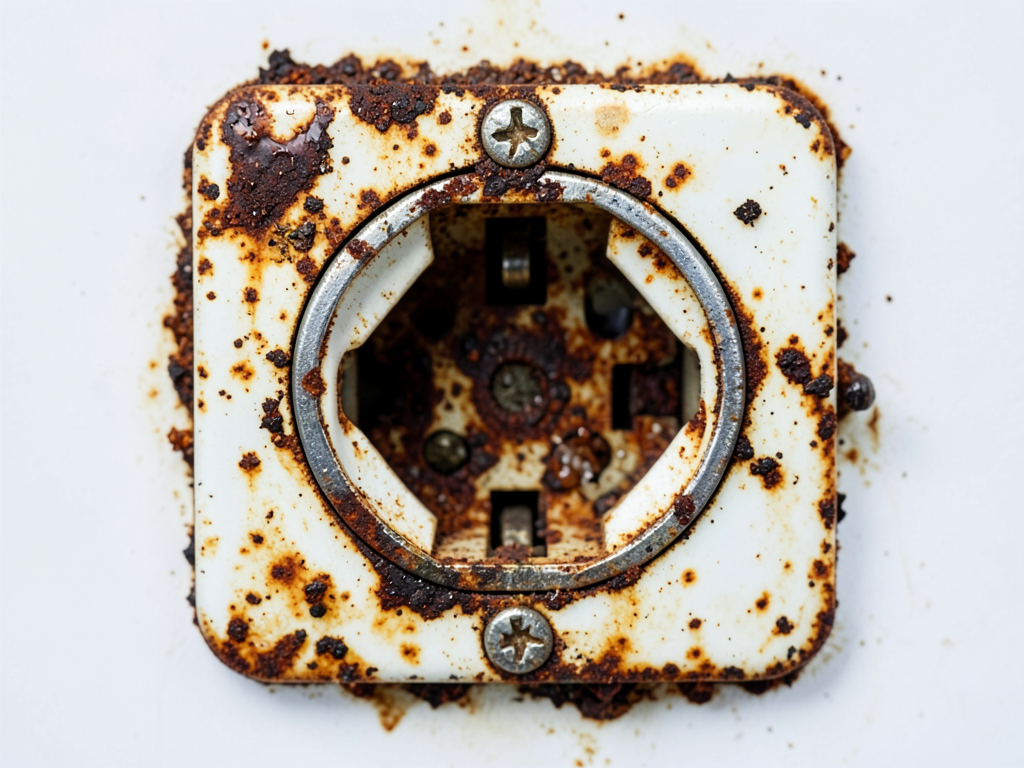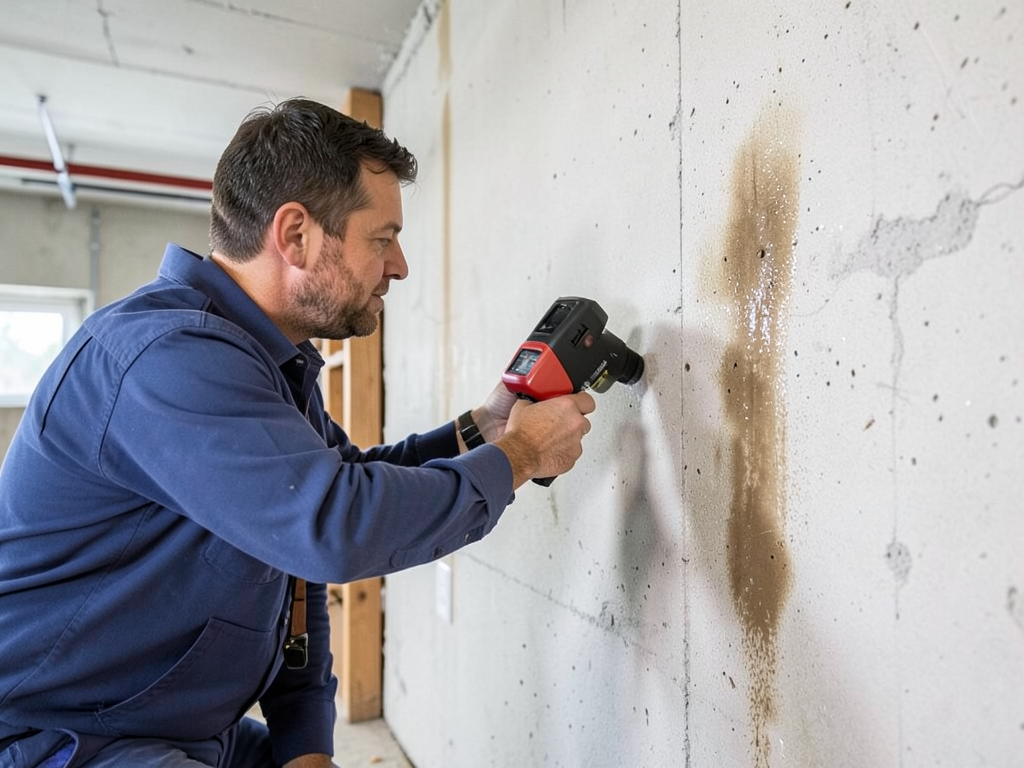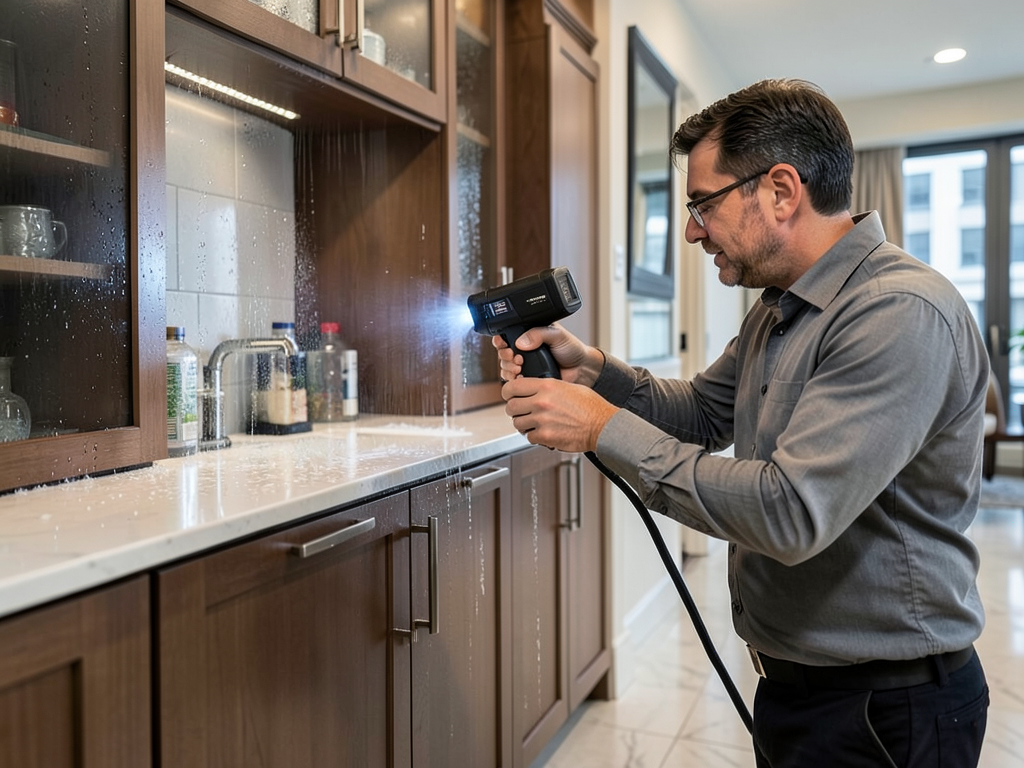








Nearly 30 percent of Washington, D.C. properties sit within historic districts, and many were built before 1940 using materials that behave unpredictably after fire exposure. Plaster walls absorb smoke and water differently than drywall. Balloon framing in older row homes creates vertical channels that spread fire and trap water. Knob-and-tube wiring becomes a shock hazard when insulation burns away. Lead paint and asbestos in older buildings become airborne during fire cleanup. A post-fire safety checklist for a 1920s Capitol Hill row home differs dramatically from a checklist for a 2015 high-rise in Navy Yard because the materials, construction methods, and regulatory requirements are completely different.
Washington, D.C. building inspectors enforce strict codes for post-fire restoration, particularly in historic districts. The D.C. Department of Buildings requires structural engineering reports before issuing building permits for fire-damaged properties. The Historic Preservation Office reviews all exterior work on contributing structures. Insurance companies require documentation meeting IICRC S500 and S520 standards for water and mold remediation. We maintain relationships with local structural engineers, preservation consultants, and code officials who understand these requirements. Choosing a restoration company without D.C. experience delays your project while they learn these processes. Local expertise means faster permits, fewer delays, and restoration work that passes inspection the first time.