




Menu

Allergic Reactions in Home in Washington, D.C. – Stop Hidden Mold and Water Damage Before They Trigger Symptoms

If you're sneezing, coughing, or experiencing unexplained respiratory issues at home, hidden water damage and mold may be triggering your allergic reactions in home. We identify and eliminate the source fast.

Slider Image 1
Slider Image 2
Slider Image 3
Slider Image 4
Slider Image 5
Slider Image 7
Slider Image 8
Slider Image 9
Slider Image 10
Slider Image 11

Why Washington, D.C. Homes Trigger Allergic Reactions You Can't Ignore

You wake up congested. Your eyes itch. You cough more at home than anywhere else. You've tried allergy medication, but nothing changes. The problem is not you. It's your home.

Washington, D.C.'s climate creates the perfect storm for household mold allergies. The city sits in a humid subtropical zone where summers dump moisture into crawl spaces, attics, and wall cavities. Winters bring freeze-thaw cycles that crack foundations and let groundwater seep into basements. Historic row houses in neighborhoods like Capitol Hill and Dupont Circle have aging plumbing and poor ventilation. Modern condos near the Potomac and Anacostia Rivers trap humidity inside sealed building envelopes.

When water gets in, mold follows. Within 24 to 48 hours, hidden moisture from roof leaks, plumbing failures, or foundation seepage creates colonies of Aspergillus, Penicillium, and Stachybotrys. These fungi release spores and mycotoxins into your air. You breathe them in. Your immune system reacts.

Indoor mold symptoms mimic seasonal allergies: sneezing, runny nose, throat irritation, skin rashes, and asthma flare-ups. Water damage allergy triggers are not always visible. Mold grows behind drywall, under flooring, and inside HVAC ducts. You smell mustiness but see nothing. Mildew allergic reactions worsen at night because spore concentrations peak when HVAC systems shut down.

If your symptoms improve when you leave the house, you have a moisture problem. Mold exposure symptoms escalate over time. Ignoring them leads to chronic respiratory conditions, sinus infections, and structural damage that costs thousands to repair.

Why Washington, D.C. Homes Trigger Allergic Reactions You Can't Ignore
How We Eliminate Water Damage and Mold at the Source

How We Eliminate Water Damage and Mold at the Source

Most companies treat symptoms. We eliminate the cause.

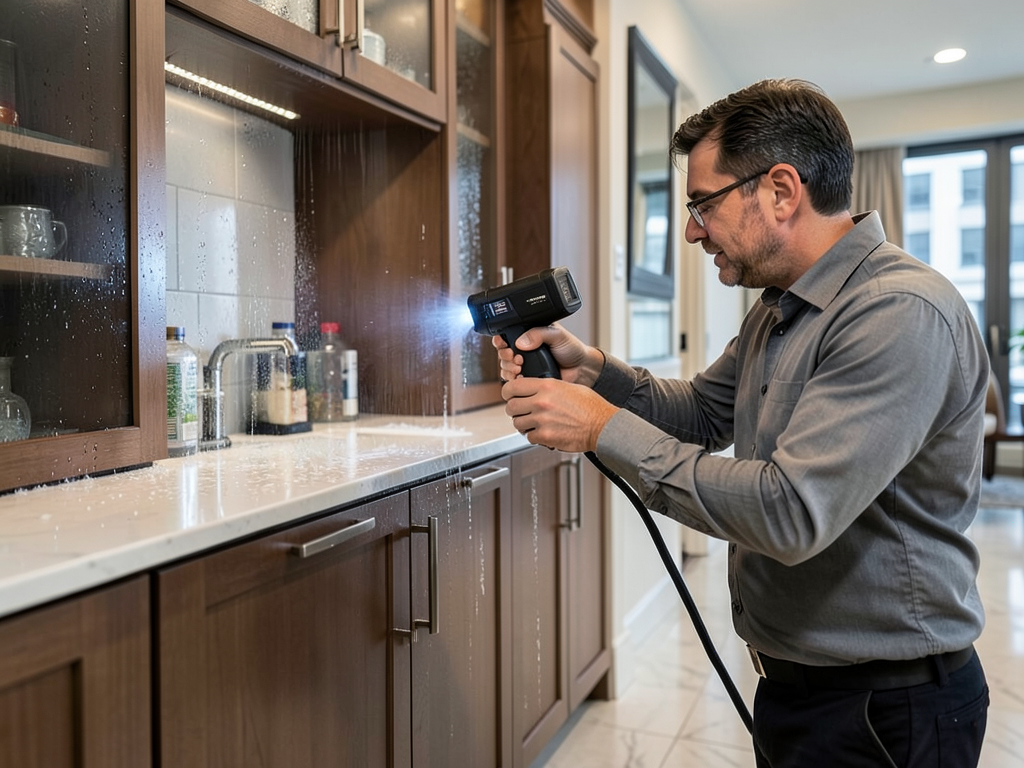
Allergic reactions in home stem from water intrusion, not just mold presence. Killing surface mold with bleach is useless if the moisture source remains. We start with forensic moisture mapping. Using thermal imaging cameras and pin-type moisture meters, we scan wall cavities, subfloors, and ceiling plenums to pinpoint hidden saturation. We measure relative humidity and temperature differentials to identify microclimates where mold thrives.

Next, we trace the water to its origin. Is it a leaking supply line? A failed flashing seal around a chimney? Capillary action pulling groundwater through a cracked slab? We document the failure point and explain why it happened.

Then we extract the water. Industrial-grade dehumidifiers and air movers pull moisture from structural materials faster than ambient evaporation. We monitor drying progress with hygrometers and adjust equipment placement to target stubborn pockets. Materials must reach equilibrium moisture content before we proceed.

Mold remediation follows IICRC S520 standards. We establish containment barriers with polyethylene sheeting and negative air pressure to prevent cross-contamination. HEPA air scrubbers capture airborne spores. We remove porous materials like drywall, insulation, and carpet padding that cannot be salvaged. Non-porous surfaces get scrubbed with antimicrobial agents, not hardware store bleach.

We do not hide mold behind paint or encapsulants. We remove it. We verify clearance with post-remediation air quality testing. If spore counts remain elevated, we re-treat until you pass.

Finally, we repair the structural damage and address the root cause. If your downspouts dump water against your foundation, we fix the grading. If your crawl space lacks a vapor barrier, we install one. Prevention is part of the solution.

What Happens When You Call Us About Allergic Reactions in Home

Allergic Reactions in Home in Washington, D.C. – Stop Hidden Mold and Water Damage Before They Trigger Symptoms
01

Emergency Moisture Assessment

We arrive within hours to assess the scope of water damage. Our technicians use thermal imaging and moisture meters to map hidden saturation behind walls, under floors, and above ceilings. We identify every wet zone and the moisture source. You get a written scope of work before we start extraction. No surprises.
02

Controlled Mold Remediation

We isolate contaminated areas with containment barriers and negative air machines to prevent spore migration. HEPA filtration scrubs the air while we remove affected materials. Antimicrobial treatments eliminate colonies on non-porous surfaces. We document every step with photos and moisture readings. Your home stays safe during the process.
03

Clearance Testing and Prevention

After remediation, we conduct air quality testing to verify spore counts meet EPA and IICRC clearance standards. We repair structural damage and address the water intrusion point to prevent recurrence. You receive a detailed report showing before and after conditions. Your allergic reactions in home stop because the source is gone.

Why Washington, D.C. Residents Trust Us With Their Indoor Air Quality

Washington, D.C. is not like other cities. The building stock here ranges from 19th-century row houses with lime mortar and horsehair plaster to modern LEED-certified condos with closed-loop HVAC systems. Each structure type has unique vulnerabilities. Historic homes in Georgetown lack vapor barriers and have rubble foundations that wick moisture. Newer buildings in Navy Yard have vapor-impermeable exteriors that trap condensation inside wall assemblies.

We understand these distinctions. We know that D.C.'s clay soil expands and contracts with moisture changes, creating hydrostatic pressure that cracks basement walls. We know that the city's summer dew points regularly exceed 70 degrees, creating condensation on cold surfaces. We know that many homes in Foggy Bottom and Southwest D.C. sit in flood zones near the Potomac and Anacostia Rivers.

Reliance Water Damage Restoration Washington DC has worked in every ward of this city. We've dried out basements in Capitol Hill, remediated attics in Brookland, and repaired crawl spaces in Chevy Chase. We know which neighborhoods have combined sewer systems that back up during heavy rain. We know which HVAC configurations in mid-rise condos create negative pressure that pulls humid outdoor air through building envelopes.

We are not a national franchise following a script. We are local technicians who understand how D.C.'s climate, soil, and building types create moisture problems. We work with local plumbers, electricians, and general contractors who know the city's building codes. We coordinate with D.C. Department of Energy and Environment requirements for lead paint and asbestos abatement in older homes.

When you call us, you get someone who has solved your exact problem in your exact neighborhood. That experience matters when your health is on the line.

What to Expect When You Work With Us

Rapid Response Time

Mold growth accelerates every hour after water intrusion. We dispatch a technician within two hours of your call, even on weekends and holidays. Our trucks carry industrial dehumidifiers, air movers, and moisture detection equipment. We start extraction immediately to stop mold before it colonizes. You do not wait days for an estimate while spores multiply in your walls. We understand that allergic reactions in home worsen with exposure time, so we act fast.

Thorough Diagnostic Inspection

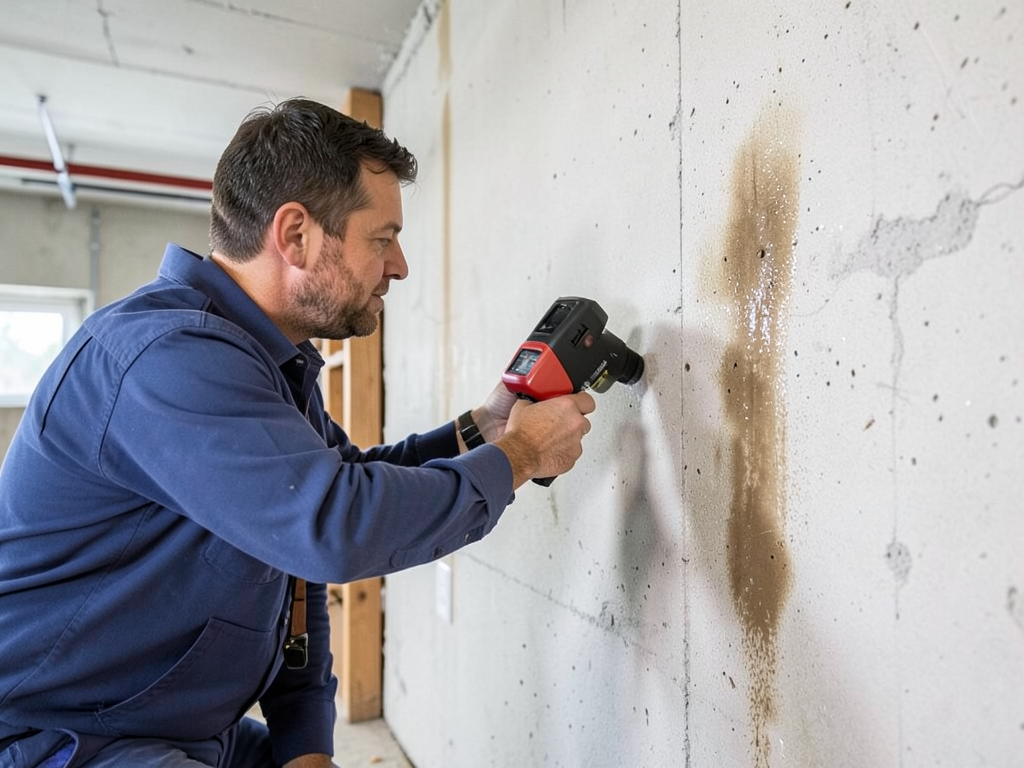
We do not guess where mold hides. Our initial assessment includes thermal imaging to detect temperature differentials caused by evaporative cooling from wet materials. We use penetrating moisture meters to measure water content in wood framing, drywall, and concrete. We inspect attics, crawl spaces, and mechanical rooms. We check HVAC ducts for condensation and biological growth. You receive a written report with moisture maps, photos, and a detailed scope of work before we start remediation.

Complete Allergen Elimination

We do not mask the problem. We remove contaminated materials that cannot be cleaned: drywall, insulation, carpeting, and ceiling tiles. Non-porous surfaces get scrubbed with EPA-registered antimicrobials. HEPA air scrubbers capture airborne spores during demolition. We verify success with post-remediation air sampling. Spore counts must meet clearance standards before we call the job complete. Your indoor air quality improves because the mold is gone, not hidden.

Long-Term Prevention Strategy

Remediation is only half the solution. We fix the water problem that caused the mold. If your foundation leaks, we recommend exterior waterproofing or interior drainage systems. If your crawl space lacks ventilation, we install encapsulation barriers. If your HVAC system creates condensation, we recommend duct insulation or dehumidification upgrades. We provide maintenance recommendations to keep moisture levels low. You get a plan to prevent recurrence, not just a one-time cleanup.

Frequently Asked Questions

You Have Questions,
We Have Answers

What in my house is giving me allergies? +

Common culprits include dust mites thriving in bedding and upholstery, mold spores from Washington's humid summers, pet dander, cockroach droppings, and pollen tracked indoors. Older homes in Capitol Hill or Georgetown may harbor hidden mold in crawl spaces or behind walls. Check HVAC filters, bathroom grout, basement corners, and carpets. Washington's clay soil also contributes to moisture intrusion in foundations, which fuels mold growth. If symptoms persist in specific rooms, you've likely found the source. Professional air quality testing can pinpoint hidden allergens.

How do I find out what I'm allergic to in my house? +

Start with an elimination process. Remove area rugs, vacuum with HEPA filters, and wash bedding in hot water weekly. If symptoms improve, dust mites are the issue. Check for visible mold in bathrooms, basements, or around windows where condensation builds up during Washington's humid months. An allergist can perform skin prick tests or blood tests to identify specific triggers. You can also hire an indoor air quality specialist to test for mold spores, dust mite allergens, and volatile organic compounds. Focus on rooms where you spend the most time.

How to treat allergy cough? +

Treat the source first. Remove the allergen if possible. Over-the-counter antihistamines like cetirizine or loratadine reduce histamine response. Nasal corticosteroid sprays help with postnasal drip, which triggers coughing. Use a humidifier during dry winter months, but keep levels below 50 percent to prevent mold growth. Washington's seasonal shifts between humid summers and dry winters complicate symptoms. If cough persists beyond two weeks or worsens at night, see a doctor to rule out asthma or mold exposure. Avoid decongestants that dry mucous membranes excessively.

Why do I suddenly have allergies in my home? +

Sudden allergies often result from environmental changes. Washington homes experience moisture fluctuations between seasons, creating ideal conditions for mold and dust mites. Recent water damage from roof leaks, burst pipes, or foundation cracks can trigger mold growth within 24 to 48 hours. New furniture, carpets, or renovations release volatile organic compounds and harbor dust. HVAC systems circulating contaminated air spread allergens throughout your home. Aging buildings in neighborhoods like Dupont Circle may have deteriorating insulation or hidden water damage. If symptoms appeared after a specific event, investigate that area first.

What is the most common indoor allergy? +

Dust mites cause the most widespread indoor allergies. These microscopic creatures feed on dead skin cells and thrive in bedding, upholstered furniture, and carpets. Washington's humidity, especially from May through September, creates perfect breeding conditions. Dust mite waste becomes airborne and triggers sneezing, congestion, and itchy eyes. Bedrooms with poor ventilation suffer the worst infestations. Mold ranks second, particularly in basements and bathrooms. Controlling humidity below 50 percent and washing bedding weekly in 130-degree water kills mites and reduces allergen levels significantly.

What are the symptoms of being allergic to mold? +

Mold allergy symptoms include persistent sneezing, runny or stuffy nose, itchy eyes, throat irritation, and coughing. Some people develop skin rashes or hives after contact. Asthma sufferers may experience wheezing, chest tightness, and shortness of breath. Symptoms worsen in damp areas like basements or after rain, common during Washington's humid summers. Black mold exposure can cause severe respiratory distress and requires immediate remediation. If symptoms improve when you leave home and return upon re-entry, mold is likely present. Chronic fatigue and headaches also indicate prolonged exposure.

Can I test my house for allergies? +

Yes. DIY mold test kits from hardware stores provide basic detection but lack precision. Professional air quality testing delivers accurate allergen identification through air sampling and surface swabs. Certified inspectors measure mold spore counts, dust mite allergen levels, and volatile organic compounds. This proves valuable for older Washington homes where hidden mold grows behind walls or under flooring. Testing costs vary based on home size and number of samples. Insurance may cover testing if you've experienced water damage. Results guide targeted remediation rather than guessing at allergen sources.

What are the symptoms of house dust mite allergy? +

Dust mite allergy symptoms include sneezing, runny nose, itchy or watery eyes, nasal congestion, postnasal drip, cough, and facial pressure. Symptoms worsen at night or upon waking because mites concentrate in bedding. You may experience scratchy throat, itchy skin, or eczema flare-ups. Asthma sufferers develop wheezing, chest tightness, and difficulty breathing. Washington's humidity spikes in summer intensify symptoms. If vacuuming or making beds triggers immediate sneezing fits, dust mites are present. Unlike seasonal allergies, dust mite symptoms persist year-round and worsen in poorly ventilated bedrooms.

Do air purifiers help with allergies? +

Air purifiers with true HEPA filters capture 99.97 percent of airborne particles including pollen, dust mites, mold spores, and pet dander. They reduce allergen concentrations but cannot eliminate sources. Place units in bedrooms and living areas where you spend the most time. Choose models rated for your square footage. Washington's pollen seasons and humid summers make purifiers helpful supplements to source control. Change filters as recommended to maintain effectiveness. Purifiers work best alongside regular cleaning, humidity control, and allergen removal. They cannot fix mold problems or water damage requiring professional remediation.

How to tell if it's an allergy cough? +

Allergy cough is typically dry, persistent, and triggered by postnasal drip or throat irritation. It worsens at night when lying down or in specific locations like bedrooms. You'll notice clear mucus, itchy throat, and sneezing alongside the cough. Symptoms improve with antihistamines. Infection-related coughs produce colored mucus, come with fever, and worsen over days. Allergy coughs remain consistent or improve when you leave the allergen source. If your cough started after cleaning, entering basements, or during Washington's high pollen months, allergies are likely. Persistent coughs beyond three weeks require medical evaluation.

How Washington, D.C.'s Humidity and Historic Housing Stock Amplify Mold Allergies

Washington, D.C. averages 43 inches of precipitation annually and summer relative humidity regularly exceeds 70 percent. This moisture load stresses older homes built before modern vapor barriers and mechanical ventilation became standard. Row houses in Shaw and Columbia Heights have shared party walls that trap condensation. Basements in Petworth and Takoma sit below grade in clay soil that holds water like a sponge. When groundwater seeps through foundation walls, it saturates organic materials where mold colonies establish within 48 hours. Hidden water damage in these structures triggers household mold allergies that medication cannot fix because the exposure is constant and unventilated.

Reliance Water Damage Restoration Washington DC understands the building science challenges unique to the District. We work with the D.C. Historic Preservation Office on remediation projects in designated historic districts where demolition requires special approval. We know how to dry century-old wood joists without causing further damage. We coordinate with D.C. Department of Buildings inspectors on code compliance for moisture barriers and ventilation upgrades. Our experience with both historic and modern construction means we diagnose problems faster and execute solutions that meet local regulations while protecting your health.
Water Damage Restoration Services in The Washington DC Area

While we primarily offer mobile, on-site water damage restoration services throughout Washington D.C., you can view our main operational hub and service area on the map below. We are strategically located to ensure rapid deployment and efficient response times to all emergencies across the region, bringing our expert services directly to your property wherever you are within our service footprint.

Address:
Reliance Water Damage Restoration Washington DC, 200 Massachusetts Ave NW, Washington, DC, 20001

Additional Services We Offer

Our news updates

Latest Articles & News from The Blogs

Why Your New Condo at The Wharf Might Experience Balcony Drainage Flooding Living in a luxury condo at The Wharf…

Why Your New Condo at The Wharf Might Experience Balcony Drainage Flooding

Why Your New Condo at The Wharf Might Experience Balcony Drainage Flooding Living in a luxury condo at The Wharf…

Dealing with Potomac River Seepage in Your Georgetown Waterfront Retail Space

Dealing with Potomac River Seepage in Your Georgetown Waterfront Retail Space Georgetown's waterfront retail spaces face unique water damage risks…

What Every DC Homeowner Needs in a Flood Emergency Kit Before the Next Storm Hits

What Every DC Homeowner Needs in a Flood Emergency Kit Before the Next Storm Hits Washington DC homeowners face unique…

Contact Us

Call Reliance Water Damage Restoration Washington DC now at (771) 223-8077. We respond in hours, not days. Our team will identify hidden moisture, eliminate mold at the source, and restore healthy air quality to your home. Do not wait for symptoms to worsen.