


Menu

Sanitization & Odor Removal in Washington, D.C. | Complete Disinfection for Homes and Businesses After Water Damage

Professional antimicrobial treatment and odor abatement services protect your property from lingering contamination, mold spores, and health hazards after flooding, sewage backups, or fire suppression in the D.C. metro area.

Slider Image 1
Slider Image 2
Slider Image 3
Slider Image 4
Slider Image 5
Slider Image 7
Slider Image 8
Slider Image 9
Slider Image 10
Slider Image 11

Why Water Damage in Washington, D.C. Creates Persistent Odor and Contamination Problems

Washington, D.C.'s humid subtropical climate creates the perfect breeding ground for bacteria, mold, and mildew after water intrusion. Summer humidity regularly pushes above 70 percent, and the Potomac and Anacostia rivers amplify moisture levels in low-lying neighborhoods like Navy Yard, Georgetown, and parts of Capitol Hill. When water damage occurs, whether from burst pipes, storm flooding, or sewage backups, contaminants do not just dry up and disappear.

Floodwater carries sewage, chemicals, and organic matter. Even clean water from supply line breaks becomes contaminated within hours as it absorbs bacteria from drywall, insulation, and subflooring. The result is persistent odors that worsen over time and invisible pathogens that threaten respiratory health, especially in older row houses and historic buildings with poor ventilation.

Standard drying equipment removes moisture, but it does not eliminate the microbial contamination left behind. Without proper disinfection and deodorization, you are left with musty smells, airborne mold spores, and surfaces that remain biologically active. Sanitizing and deodorizing requires targeted antimicrobial treatment, not surface-level cleaning. You need odor control services that address the source, not just mask the smell with fragrance.

Children, elderly residents, and anyone with asthma or immune compromises face heightened risk from inadequate sanitation. The challenge is not just removing water. The challenge is making your space safe to occupy again. Odor abatement is a medical necessity, not a cosmetic upgrade.

Why Water Damage in Washington, D.C. Creates Persistent Odor and Contamination Problems
How Professional Sanitization and Odor Removal Works After Water Damage

How Professional Sanitization and Odor Removal Works After Water Damage

Effective sanitization starts with identifying the contamination category. Category 1 water comes from clean sources like supply lines. Category 2 involves gray water from appliances or washing machines. Category 3 is black water, which includes sewage, river flooding, or any water that has sat stagnant for more than 48 hours. Each category requires a different disinfection protocol.

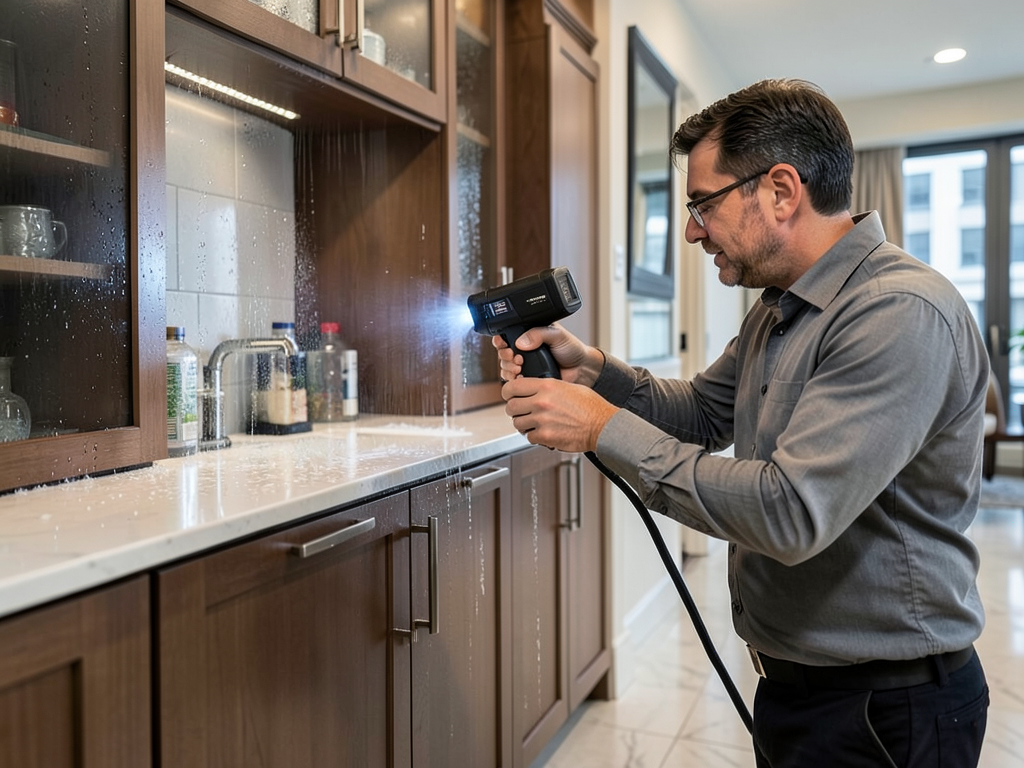
After structural drying is complete, we apply EPA-registered antimicrobial agents to all affected surfaces. These are not household cleaners. These are hospital-grade biocides formulated to kill bacteria, viruses, and mold spores on contact. We use electrostatic sprayers to coat porous materials like drywall and insulation, ensuring coverage in areas you cannot see or reach.

Odor removal requires more than ventilation. We deploy hydroxyl generators or ozone machines depending on the contamination type and occupancy status. Hydroxyl technology is safe for occupied spaces and breaks down odor molecules at the molecular level. Ozone treatment is more aggressive and requires the building to be vacant, but it penetrates deep into materials to neutralize organic compounds that cause persistent smells.

We also apply encapsulants to subflooring and framing lumber. These sealants trap residual odors and prevent them from migrating into living spaces. For severe contamination, we remove and dispose of materials that cannot be adequately sanitized, like carpet padding, insulation, and particleboard.

Every job ends with third-party air quality testing to verify that microbial counts and volatile organic compounds are within safe thresholds. You do not guess. You verify.

What Happens During Our Sanitization and Odor Removal Service

Sanitization & Odor Removal in Washington, D.C. | Complete Disinfection for Homes and Businesses After Water Damage
01

Contamination Assessment and Testing

We begin with visual inspection and moisture readings to identify hidden contamination in wall cavities, beneath flooring, and inside HVAC ducts. We use thermal imaging to detect temperature variations that indicate trapped moisture and microbial growth. Air samples and surface swabs are collected for lab analysis to determine bacterial load and mold species. This data drives our disinfection strategy and helps document contamination levels for insurance claims.
02

Antimicrobial Application and Odor Neutralization

Once drying is verified with moisture meters, we apply broad-spectrum antimicrobials to all exposed surfaces. Electrostatic foggers ensure even distribution across ceilings, walls, and subflooring. We then deploy odor abatement equipment, selecting hydroxyl generators for occupied homes or ozone for vacant properties. Treatment duration depends on contamination severity, typically running 24 to 72 hours. We seal crawl spaces and attics to prevent recontamination during the process.
03

Verification and Clearance Testing

After treatment, we conduct post-remediation air quality testing to confirm microbial levels meet IICRC S500 and EPA standards. Surface samples verify that bacterial contamination has been eliminated. We provide a written clearance report with lab results, moisture readings, and photographic documentation. This report is essential for insurance claims and proves your property is safe for reoccupancy. You receive a detailed summary of all treatments applied and materials removed.

Why Washington, D.C. Property Owners Trust Reliance Water Damage Restoration for Sanitization Services

Washington, D.C. has unique challenges that generic restoration companies often miss. Historic districts like Dupont Circle and Capitol Hill have strict preservation requirements. You cannot just rip out original plaster and hardwood without navigating review boards and permits. We understand how to sanitize historic materials without compromising architectural integrity.

Our team is familiar with the Potomac watershed flood patterns and knows which neighborhoods face recurring groundwater issues. Homes near Rock Creek or along the Anacostia waterfront require specialized drainage solutions and vapor barriers to prevent recontamination. We do not just treat the symptom. We address the underlying vulnerability.

We also work directly with D.C. property management companies and commercial landlords who need fast turnaround times to minimize tenant displacement. When a sewage backup hits a multi-unit building in Columbia Heights or Shaw, you need a team that can stage equipment, coordinate access, and complete odor abatement without displacing an entire floor for weeks.

Reliance Water Damage Restoration Washington DC carries the certifications that matter: IICRC-certified technicians, EPA Lead-Safe certification for pre-1978 buildings, and compliance with D.C. Department of Energy and Environment regulations for biohazard disposal. We use third-party labs for all microbial testing, so results are defensible if questioned by insurers or health inspectors.

You are not hiring a franchise. You are hiring a local team that knows the difference between a Category 2 backup in a Victorian row house and a Category 3 flood in a basement apartment near the Tidal Basin. That knowledge protects your health and your investment.

What You Can Expect From Our Sanitization and Odor Removal Process

Rapid Response and Scheduling

We dispatch teams within two hours of your call, 24 hours a day, seven days a week. Emergency sanitization cannot wait. Bacterial growth accelerates exponentially after 48 hours, and odors become chemically bonded to porous materials. We arrive with containment barriers, personal protective equipment, and antimicrobial agents ready to deploy. Most residential jobs are completed within three to five days from initial contact to clearance testing. Commercial projects depend on square footage and contamination severity, but we provide a detailed timeline during the assessment phase. You know exactly when your property will be safe again.

Comprehensive Contamination Assessment

Our assessment includes moisture mapping with infrared cameras, air quality sampling, and surface swab testing. We document contamination with photos and lab reports that satisfy insurance adjusters and health officials. You receive a written protocol outlining which materials will be treated, which will be removed, and which antimicrobial agents will be used. We explain the difference between fungicidal and bactericidal treatments so you understand what is happening in your property. There are no surprises. If we discover hidden contamination during the process, we notify you immediately and adjust the scope transparently.

Guaranteed Odor Elimination and Air Quality

We do not leave your property until air quality testing confirms microbial levels are within safe limits and odors are eliminated. If smells return within 30 days, we re-treat at no charge. Our hydroxyl and ozone treatments break down odor molecules permanently, not temporarily. You will not smell mildew, sewage, or mustiness after we finish. We provide lab reports showing before and after microbial counts, so you have documented proof that sanitization was successful. This documentation is critical if you plan to sell the property or need to prove habitability to tenants or family members.

Ongoing Monitoring and Prevention Plans

After sanitization is complete, we offer optional follow-up inspections at 30, 60, and 90 days to monitor for mold regrowth or moisture intrusion. For properties with chronic flooding or humidity issues, we provide recommendations for dehumidification systems, sump pump upgrades, or drainage improvements. We also offer annual maintenance contracts for commercial properties, which include quarterly air quality testing and HVAC duct sanitization. Preventing contamination is cheaper than treating it. We help you stay ahead of the problem instead of reacting to it after damage occurs.

Frequently Asked Questions

You Have Questions,
We Have Answers

What is the most powerful odor eliminator? +

Hydroxyl generators and ozone machines are the most powerful odor eliminators for severe contamination. Hydroxyl technology works safely while occupants remain in the building, breaking down odor molecules at the source. Ozone treatment requires evacuation but destroys stubborn smells from fire, mold, or decomposition. For Washington, D.C. properties dealing with flood damage or sewage backups after Potomac River flooding, professional-grade enzymatic cleaners combined with thermal fogging provide targeted odor elimination. Over-the-counter sprays only mask smells. True odor removal requires identifying the contamination source, removing affected materials, treating surfaces with antimicrobial agents, and using commercial equipment to neutralize airborne particles.

What do nursing homes use to get rid of pee smell? +

Nursing homes use enzyme-based cleaners that break down uric acid crystals causing persistent urine odors. These bio-enzymatic products contain bacteria that digest organic waste at the molecular level. Facilities also apply odor-neutralizing agents containing zinc ricinoleate and use HEPA air scrubbers for continuous air filtration. For Washington, D.C. care facilities in older buildings near Capitol Hill or Georgetown, addressing subflooring contamination is critical. Urine can penetrate porous surfaces like concrete or wood. Professional sanitization often requires removing contaminated materials, treating subfloors with antimicrobial sealants, and installing moisture barriers to prevent recurring odor issues in humid Mid-Atlantic climates.

How do I permanently get rid of a bad smell in my house? +

Permanently removing household odors requires locating and eliminating the source, not masking it. For Washington, D.C. homes, common culprits include hidden mold from basement moisture, dead rodents in crawl spaces, or HVAC contamination. Start by inspecting areas prone to water intrusion given our region's heavy summer storms. Remove contaminated materials like water-damaged drywall or insulation. Clean all affected surfaces with antimicrobial solutions. Address ventilation issues, especially in row houses with limited airflow. Professional duct cleaning removes accumulated debris spreading odors. For persistent smells after water damage, thermal fogging or hydroxyl treatment reaches porous materials traditional cleaning misses.

What do nurses use to block smells? +

Nurses use mentholated ointments applied under the nose to block unpleasant smells during patient care. Vaporub or similar products create a physical barrier that overwhelms olfactory receptors. Some facilities provide aromatic inhalers or essential oil blends. This technique only masks perception, it does not eliminate odor sources. For Washington, D.C. healthcare workers dealing with odor contamination in medical offices or residential care settings, proper ventilation and source removal remain essential. Professional sanitization addresses the biological hazards causing odors. Personal masking products help staff comfort but do not replace proper decontamination protocols required after sewage backups, decomposition events, or infectious disease outbreaks.

What kills all smells? +

No single product kills all smells because odors come from different sources requiring specific treatments. Biological odors from urine, feces, or decomposition need enzymatic cleaners that digest organic compounds. Smoke odors require thermal fogging or ozone treatment. Mold smells need antimicrobial agents and moisture control. Chemical odors may need activated charcoal filtration. For Washington, D.C. properties, humidity accelerates odor problems in basements and crawl spaces. Professional water damage restoration combines multiple technologies: HEPA air scrubbers, hydroxyl generators, antimicrobial treatments, and complete material removal when needed. Effective odor elimination addresses the contamination source, treats affected surfaces, and controls environmental factors allowing odor-causing bacteria or mold to thrive.

What do hotels use to make the room smell good? +

Hotels use commercial HVAC scenting systems that diffuse fragrance oils through air handlers, creating consistent aroma throughout properties. Many chains use signature scents for brand recognition. Individual rooms receive pre-arrival treatments with industrial air purifiers, ozone shock treatments between guests when needed, and fabric refreshers on linens and upholstery. For Washington, D.C. hospitality properties near the National Mall or Dupont Circle, managing odors in older buildings requires aggressive source control. Professional housekeeping combines enzymatic cleaners for biological contamination, antimicrobial treatments for soft surfaces, and regular duct cleaning. The goal is odor elimination first, then strategic scenting. Masking underlying problems leads to guest complaints and reputation damage.

How Washington, D.C.'s Aging Infrastructure and Flood Risk Increase Sanitization Needs

Washington, D.C. sits at the confluence of the Potomac and Anacostia rivers, with elevation ranging from sea level to 410 feet at Fort Reno. Neighborhoods like Navy Yard, Buzzard Point, and parts of Georgetown are in FEMA flood zones and experience regular flooding during heavy rain events. The city's combined sewer system, which dates back over a century, frequently overflows during storms, sending raw sewage into basements and lower-level units. When sewage backup occurs, sanitizing and deodorizing are not optional. The water contains E. coli, hepatitis A, and other pathogens that require aggressive antimicrobial treatment and odor control services to make the space habitable again.

D.C. also has one of the oldest housing stocks on the East Coast, with thousands of row houses built before 1920. These structures lack vapor barriers, have unfinished crawl spaces, and use horsehair plaster that absorbs moisture like a sponge. After water damage, disinfection and deodorization must account for these materials and the limited ventilation typical of historic construction. Local restoration companies that understand D.C. building codes, historic preservation requirements, and flood risk zones deliver better outcomes than national franchises unfamiliar with the area. Reliance Water Damage Restoration Washington DC has worked with D.C. property owners for years and knows how to navigate these challenges.
Water Damage Restoration Services in The Washington DC Area

While we primarily offer mobile, on-site water damage restoration services throughout Washington D.C., you can view our main operational hub and service area on the map below. We are strategically located to ensure rapid deployment and efficient response times to all emergencies across the region, bringing our expert services directly to your property wherever you are within our service footprint.

Address:
Reliance Water Damage Restoration Washington DC, 200 Massachusetts Ave NW, Washington, DC, 20001

Additional Services We Offer

Our news updates

Latest Articles & News from The Blogs

Why Your New Condo at The Wharf Might Experience Balcony Drainage Flooding Living in a luxury condo at The Wharf…

Why Your New Condo at The Wharf Might Experience Balcony Drainage Flooding

Why Your New Condo at The Wharf Might Experience Balcony Drainage Flooding Living in a luxury condo at The Wharf…

Dealing with Potomac River Seepage in Your Georgetown Waterfront Retail Space

Dealing with Potomac River Seepage in Your Georgetown Waterfront Retail Space Georgetown's waterfront retail spaces face unique water damage risks…

What Every DC Homeowner Needs in a Flood Emergency Kit Before the Next Storm Hits

What Every DC Homeowner Needs in a Flood Emergency Kit Before the Next Storm Hits Washington DC homeowners face unique…

Contact Us

Do not let contamination linger in your property. Call Reliance Water Damage Restoration Washington DC at (771) 223-8077 for immediate sanitization and odor abatement services. We respond 24/7 and provide lab-verified results you can trust.