




Menu

How to Handle Insurance Claims in Washington, D.C. – Expert Guidance That Gets Your Water Damage Covered Fast

Navigate the water damage insurance claim process with confidence using proven strategies that maximize your settlement and speed up approval, even when dealing with D.C.'s complex federal and local jurisdiction requirements for How to Handle Insurance Claims.

Slider Image 1
Slider Image 2
Slider Image 3
Slider Image 4
Slider Image 5
Slider Image 7
Slider Image 8
Slider Image 9
Slider Image 10
Slider Image 11

Why Water Damage Insurance Claims Are Harder in Washington, D.C.

Filing a water damage claim in the nation's capital comes with unique challenges most homeowners do not anticipate. The District's aging infrastructure, combined with extreme weather swings from humid summers to freezing winters, creates constant stress on plumbing systems in Georgetown rowhouses, Capitol Hill brownstones, and mid-rise condos throughout Dupont Circle and Logan Circle.

When a pipe bursts or your basement floods after a Potomac River overflow, you face two problems. The first is the water itself. The second is navigating water restoration claims through insurance companies that often dispute coverage scope, depreciation schedules, and emergency mitigation costs.

D.C. properties carry additional complexity. Many buildings fall under historic preservation guidelines that limit repair methods. Co-op boards and condo associations add approval layers that slow the water damage insurance claim process. Federal employees relocating frequently may not understand their policy exclusions until it's too late.

Insurance adjusters know these complications. They use them to reduce payouts. They question whether the damage resulted from a sudden event or gradual neglect. They undervalue structural drying costs. They delay inspections, hoping you will accept a low settlement just to move forward.

Managing water mitigation claims requires documentation rigor most people lack. You need photos, moisture readings, repair estimates, and communication logs. You need to understand the difference between actual cash value and replacement cost coverage. You need leverage when the adjuster says your policy does not cover mold remediation after a sewage backup in your Shaw neighborhood apartment.

The outcome of your claim depends on how you handle the first 72 hours after discovery.

Why Water Damage Insurance Claims Are Harder in Washington, D.C.
The Right Way to Document and File Your Water Damage Claim

The Right Way to Document and File Your Water Damage Claim

Filing a water damage claim successfully starts before you even call your insurance company. The sequence matters.

First, stop additional damage. This is not just smart practice. It is a policy requirement. Your insurance contract includes a duty to mitigate. If you let water sit for days without extraction, the carrier can deny secondary damage like subfloor rot or microbial growth. Shut off the water source if possible. Move furniture away from wet areas. Document everything with time-stamped photos and video.

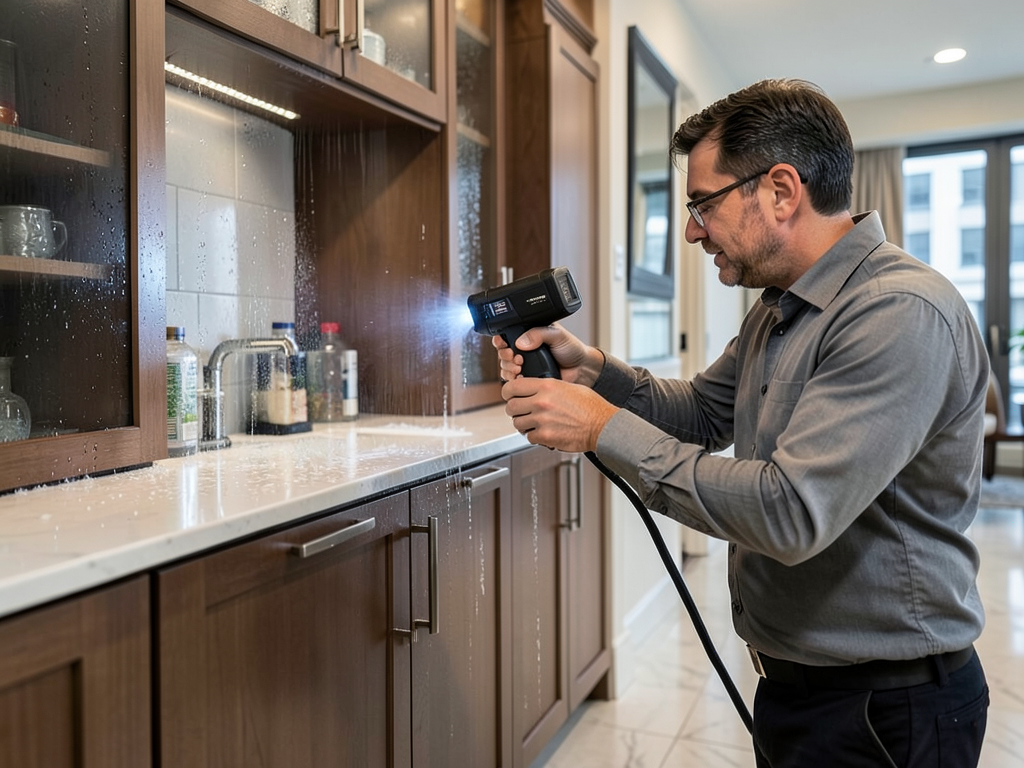
Next, call a restoration company before you call your insurer. This sounds backward, but it protects you. A qualified water damage professional can provide an independent moisture assessment using thermal imaging and hygrometers. This baseline reading prevents disputes later when the adjuster claims the damage was pre-existing or exaggerated. The restoration team also establishes the scope of drying required, which becomes your leverage point during negotiations.

When you contact your insurance company, provide facts without speculation. State what happened, when it happened, and what rooms are affected. Do not guess at causes. Do not admit fault. If a supply line failed, say the supply line failed. Let the adjuster determine coverage. Anything you say gets recorded and can be used to limit your settlement.

Request your policy declarations page immediately. Read your coverage limits, deductibles, and exclusions. Many D.C. policies exclude sewer backups unless you purchased separate endorsements. Flood coverage requires a separate NFIP policy. Know what you bought before you start navigating water restoration claims.

Keep a claim journal. Log every phone call, email, and visit. Note names, dates, and what was discussed. Insurance companies count on disorganization to reduce payouts.

What Happens During a Successful Water Damage Insurance Claim

How to Handle Insurance Claims in Washington, D.C. – Expert Guidance That Gets Your Water Damage Covered Fast
01

Immediate Loss Notification

You contact your insurance carrier within 24 hours of discovering the water intrusion, providing the date, time, location, and suspected cause without speculating on coverage. You request a claim number and the assigned adjuster's direct contact information. You confirm the company's preferred documentation method and ask for a copy of your full policy with endorsements and exclusions to review while waiting for the inspection.
02

Professional Damage Assessment

A certified water damage technician conducts moisture mapping using infrared cameras and pin-type meters to identify all affected materials, including hidden saturation in wall cavities and under flooring. This assessment generates a detailed scope of work with drying equipment placement, estimated runtime, and projected costs. The restoration company provides this documentation to both you and the adjuster, establishing the baseline for claim evaluation and preventing coverage disputes over necessary mitigation steps.
03

Settlement and Restoration

After the adjuster completes their inspection, you receive a settlement offer based on your policy terms and the documented scope. You review this estimate against the restoration company's assessment, challenging any discrepancies in material costs, labor rates, or excluded items. Once you reach an agreed settlement, the restoration team completes structural drying, removes damaged materials, applies antimicrobial treatments, and rebuilds affected areas to pre-loss condition using your insurance proceeds.

Why D.C. Homeowners Trust Reliance Water Damage Restoration for Insurance Claims

Managing water mitigation claims in Washington, D.C. requires someone who speaks both languages: restoration science and insurance procedure. Most contractors know how to dry a basement. Few understand how to document that work in a way that survives adjuster scrutiny.

Reliance Water Damage Restoration Washington DC has handled hundreds of insurance claims across every D.C. ward, from flood damage in Anacostia to burst pipes in Cleveland Park. We know what local adjusters question. We know which carriers honor estimates and which ones lowball every line item. We know how to justify emergency board-up costs, antimicrobial applications, and content pack-outs in a language insurance companies cannot dismiss.

We also understand D.C.'s building stock. A water loss in a 1920s Wardman rowhouse requires different treatment than a modern Navy Yard condo. Historic plaster and lathe dry differently than drywall. Adjusters often do not account for these material differences when calculating settlements. We do, and we document why it matters.

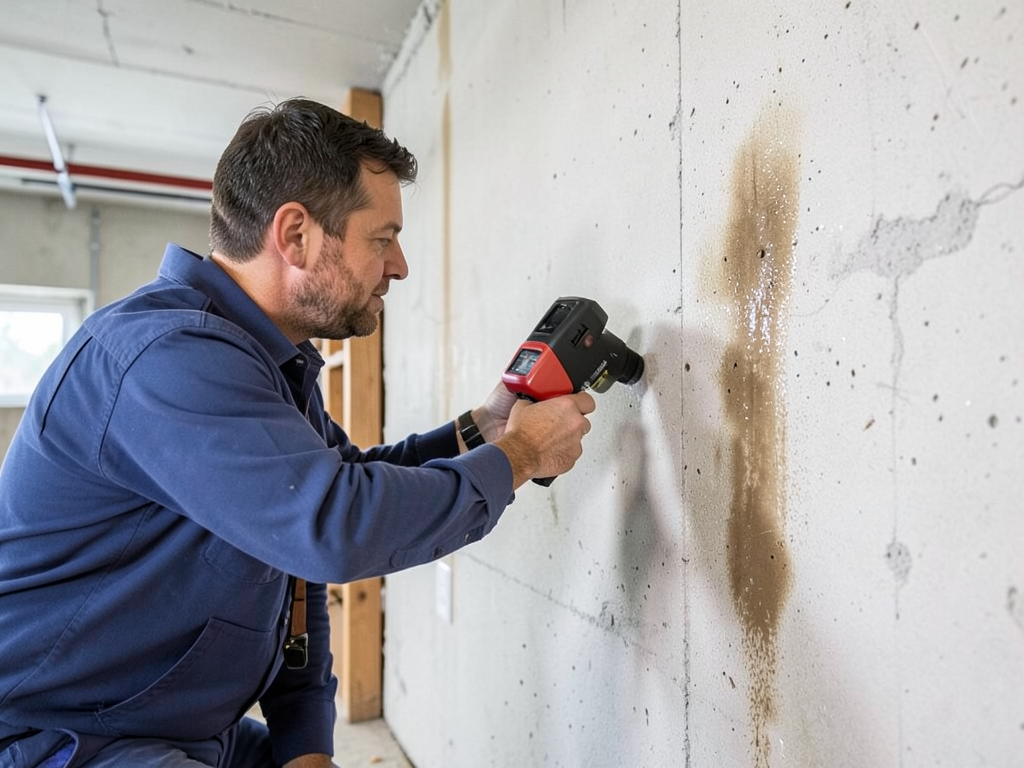
Our moisture detection goes beyond surface readings. We use FLIR thermal imaging to identify trapped water in masonry walls common throughout Capitol Hill and Georgetown. We test for asbestos in pre-1980 homes before any demolition. We coordinate with condo associations and co-op boards to secure entry for emergency mitigation, preventing claim denials due to delayed response.

You get a detailed estimate before work begins, broken down by category to match insurance company line items: water extraction, structural drying, demolition, antimicrobial treatment, and reconstruction. This format speeds approval and reduces back-and-forth negotiations.

We also handle direct billing with most major carriers, so you pay only your deductible upfront. No out-of-pocket expenses while waiting for reimbursement checks that take weeks to arrive.

What to Expect When You File a Water Damage Insurance Claim

Response Time and Availability

Water damage requires immediate action to prevent mold colonization, which begins within 48 to 72 hours. Reliance Water Damage Restoration Washington DC operates 24/7 emergency response, arriving on-site within 90 minutes of your call anywhere in the District. We begin water extraction and moisture documentation immediately, even if your adjuster has not yet scheduled their inspection. This rapid response fulfills your policy's mitigation duty and creates the documentation trail that protects your claim. We photograph all affected areas, log equipment placement, and start daily moisture readings that prove drying progress to skeptical adjusters.

Initial Assessment and Documentation

Your first visit includes a comprehensive moisture survey using calibrated hygrometers and infrared cameras that detect hidden saturation behind walls, under flooring, and in ceiling cavities. We classify the water category (clean, gray, or black) and document the extent of migration from the source. You receive a preliminary scope of work within 24 hours, outlining extraction requirements, drying equipment needed, materials requiring removal, and estimated timelines. This assessment becomes your negotiating tool when the insurance adjuster provides their estimate. We also identify potential coverage issues early, such as pre-existing conditions or excluded perils, so you can address them before your claim gets denied.

Quality of Restoration Work

Proper water damage restoration follows IICRC S500 standards for structural drying, which most contractors ignore. We establish drying goals based on moisture content readings, not arbitrary timelines. Air movers and dehumidifiers run continuously, with daily monitoring until all materials reach equilibrium moisture levels. Antimicrobial applications prevent microbial amplification on organic materials. Once drying is verified, reconstruction matches existing finishes. If your Georgetown rowhouse has horsehair plaster, we do not replace it with drywall. If your Dupont Circle condo has specific flooring, we source matching materials. The goal is pre-loss condition, which is what your policy promises to deliver.

Post-Claim Support and Follow-Up

Your claim does not end when the work finishes. Insurance companies sometimes issue partial payments, withholding depreciation until you prove completion. We provide final invoices, completion certificates, and moisture verification reports that trigger these holdback releases. If your carrier disputes any charges, we provide supplemental documentation and participate in re-inspections. We also conduct a 30-day follow-up moisture check to confirm no hidden saturation remains. This post-restoration verification protects you from future problems and demonstrates due diligence if secondary issues emerge months later. You receive copies of all moisture logs, equipment manifests, and photographic evidence for your permanent records.

Frequently Asked Questions

You Have Questions,
We Have Answers

How are insurance claims handled? +

Insurance claims follow a structured process. You file a claim with your carrier immediately after water damage occurs. An adjuster inspects the property, documents the damage, and reviews your policy coverage. They estimate repair costs and determine payout eligibility. In Washington, D.C., adjusters must navigate older building construction and historic district regulations that affect repair scope. Your insurer reviews the adjuster's report and approves or denies the claim. Payment follows approval. Keep detailed records of all damage, communication, and repair estimates. Delays happen when documentation is incomplete or disputes arise over coverage limits or depreciation calculations.

What should you not say to a claims adjuster? +

Never admit fault or guess about damage causes. Do not exaggerate losses or provide estimates without documentation. Avoid saying "I think" or speculating about timelines. Do not accept the first settlement offer without review. Do not say the damage is minor if you are uncertain about hidden issues. In Washington, D.C., where older plumbing and HVAC systems are common, hidden water damage often appears days later. Stick to factual statements. Provide only requested documentation. Never sign documents you do not fully understand. Do not discuss prior claims unless directly asked and verified through records.

How to respond to insurance claims? +

Respond promptly and professionally to all insurer requests. Provide thorough documentation including photos, videos, repair estimates, and receipts. Answer questions factually without speculation. In Washington, D.C., where properties often include basement units and historic features, document all affected areas comprehensively. Submit written responses to disputed claims. Request clarification on denials or reduced payouts. Work with a public adjuster if the settlement seems unfair. Track all communication dates and reference numbers. Follow up on pending requests weekly. Keep copies of every document submitted. Professional, organized responses speed up the process and strengthen your position.

What is the claims handling process in insurance? +

The claims handling process begins when you report damage to your insurer. An adjuster schedules an inspection to assess the loss. They document damage, review your policy, and calculate coverage amounts. The adjuster submits findings to the insurance company for approval. Your insurer issues a settlement offer or denial based on the report. You can accept, negotiate, or dispute the decision. In Washington, D.C., adjusters must account for local building codes and potential historic preservation requirements that affect repair costs. Final payment releases after you accept the settlement. The timeline ranges from days to months depending on claim complexity.

What are the 7 rules of insurance? +

The seven core insurance principles guide claims handling. Utmost good faith requires honesty from both parties. Insurable interest means you must own or have financial stake in the property. Indemnity prevents profit from losses by covering actual damages only. Contribution applies when multiple policies cover the same loss. Subrogation lets insurers recover costs from responsible third parties. Proximate cause links covered perils to actual damage. Loss minimization requires you to prevent further damage after initial loss. In Washington, D.C., where water damage can escalate quickly in row homes, loss minimization is critical for claim approval.

What are the 3 D's of insurance claims? +

The three D's are deny, delay, and defend. Some insurers deny valid claims hoping you will not appeal. They delay processing through excessive documentation requests or slow adjuster assignments. They defend lowball settlements by citing policy exclusions or depreciation. In Washington, D.C., where properties vary from Capitol Hill row homes to Georgetown estates, insurers sometimes undervalue repairs by ignoring local construction costs. Combat this by documenting everything, responding quickly, and challenging unfair denials. Request written explanations for delays. Escalate unresolved disputes to the District of Columbia Department of Insurance, Securities and Banking.

What insurance adjusters won't tell you? +

Adjusters rarely disclose that initial offers are negotiable. They will not volunteer information about policy benefits you did not specifically ask about. Many do not explain depreciation calculations or how replacement cost coverage differs from actual cash value. Adjusters typically undervalue contents and structural repairs to minimize payouts. They will not tell you that hiring a public adjuster or attorney often increases settlements. In Washington, D.C., adjusters may overlook secondary damage common in older properties like mold growth or foundation issues from water intrusion. You must ask direct questions and push back on inadequate settlements with supporting documentation.

What insurance denies most claims? +

Insurers with high denial rates vary by year, but several major carriers consistently rank among the worst. Companies with low approval ratings often deny claims for water damage, mold, and foundation issues. They cite policy exclusions for gradual damage or maintenance-related failures. In Washington, D.C., where aging infrastructure causes frequent water intrusions, carriers sometimes argue damage stems from deferred maintenance rather than covered events. Research carrier complaint ratios through the District of Columbia Department of Insurance before purchasing policies. Review denial rates and customer satisfaction scores. Choose insurers with transparent claims processes and strong local adjuster networks.

What is the 80% rule in homeowners insurance? +

The 80% rule requires you to insure your home for at least 80% of its replacement cost to receive full claim payouts. If you underinsure, the carrier reduces your settlement proportionally. For example, insuring a $500,000 replacement cost home for only $300,000 means you receive 75% of approved claims ($300,000 divided by $400,000). In Washington, D.C., where property values and construction costs have increased significantly, many homeowners unknowingly carry insufficient coverage. Review your policy annually. Adjust coverage limits to reflect current replacement costs, especially after renovations or market appreciation.

What are the three most common mistakes on a claim that will cause denials? +

The three most common claim mistakes are incomplete documentation, missed deadlines, and inaccurate damage descriptions. Failing to photograph all damage or provide detailed repair estimates gives insurers grounds for denial. Missing filing deadlines or failing to respond to adjuster requests voids coverage. Describing damage incorrectly, such as calling sudden pipe bursts gradual leaks, triggers exclusions. In Washington, D.C., where properties often include finished basements and multiple units, overlooking affected areas reduces payouts. Document everything immediately after damage. Meet all deadlines. Describe events factually. Submit thorough repair estimates from licensed contractors familiar with local building codes.

How D.C.'s Mixed Jurisdiction and Federal Presence Complicate Water Damage Claims

Washington, D.C. operates under a unique legal framework that affects insurance claims differently than any state. The District's building codes reference federal standards in some areas and local regulations in others, creating confusion over coverage requirements. Properties near federal land, including those in Foggy Bottom or near the National Mall, may face additional restrictions on emergency access and repair methods. Many D.C. residents work for the federal government and carry GEICO, USAA, or other carriers with specific claims procedures that differ from standard homeowner policies. Understanding these jurisdictional nuances prevents claim denials based on procedural technicalities most people never anticipate.

Reliance Water Damage Restoration Washington DC has worked with every major insurance carrier operating in the District, from State Farm and Allstate to smaller regional providers and federal employee programs. We understand how D.C.'s high cost of living affects replacement cost calculations and how historic preservation requirements impact repair estimates. Our technicians are IICRC-certified and trained in documentation standards that satisfy even the most demanding adjusters. When you choose local expertise for navigating water restoration claims, you get someone who knows the difference between a Capitol Hill basement flood and a Palisades crawl space leak, and how to present each one to maximize your insurance settlement.
Water Damage Restoration Services in The Washington DC Area

While we primarily offer mobile, on-site water damage restoration services throughout Washington D.C., you can view our main operational hub and service area on the map below. We are strategically located to ensure rapid deployment and efficient response times to all emergencies across the region, bringing our expert services directly to your property wherever you are within our service footprint.

Address:
Reliance Water Damage Restoration Washington DC, 200 Massachusetts Ave NW, Washington, DC, 20001

Additional Services We Offer

Our news updates

Latest Articles & News from The Blogs

Why Your New Condo at The Wharf Might Experience Balcony Drainage Flooding Living in a luxury condo at The Wharf…

Why Your New Condo at The Wharf Might Experience Balcony Drainage Flooding

Why Your New Condo at The Wharf Might Experience Balcony Drainage Flooding Living in a luxury condo at The Wharf…

Dealing with Potomac River Seepage in Your Georgetown Waterfront Retail Space

Dealing with Potomac River Seepage in Your Georgetown Waterfront Retail Space Georgetown's waterfront retail spaces face unique water damage risks…

What Every DC Homeowner Needs in a Flood Emergency Kit Before the Next Storm Hits

What Every DC Homeowner Needs in a Flood Emergency Kit Before the Next Storm Hits Washington DC homeowners face unique…

Contact Us

Do not let your insurance company reduce your settlement because of poor documentation or delayed response. Call Reliance Water Damage Restoration Washington DC at (771) 223-8077 right now for immediate assistance with your water damage claim. We provide 24/7 emergency service and help you protect your coverage from the first phone call.