



Menu

Water Damage Restoration in Washington, D.C. | Complete Repair, Mitigation, and Cleanup for Homes and Businesses

Expert water damage remediation across the District, from Georgetown row houses to Capitol Hill commercial spaces. We handle everything from burst pipe cleanup to flood mitigation with certified technicians and advanced moisture detection equipment.

Slider Image 1
Slider Image 2
Slider Image 3
Slider Image 4
Slider Image 5
Slider Image 7
Slider Image 8
Slider Image 9
Slider Image 10
Slider Image 11

Why Water Damage Hits Washington, D.C. Harder Than You Think

The District sits in a humid subtropical zone where moisture never takes a day off. Your building absorbs humidity year-round, and when a pipe bursts or a storm floods your basement, you are fighting two enemies: the visible water and the invisible vapor seeping into brick, plaster, and wooden floor joists.

Washington, D.C. homes built before 1950 feature solid masonry walls and lime-based plaster. These materials hold moisture longer than modern drywall. A slow leak in Shaw or Dupont Circle can hide for months inside these thick walls, feeding mold colonies and rotting structural timbers you cannot see until the damage spreads.

The Potomac and Anacostia rivers frame the city, and spring rains push groundwater up through basement slabs in low-lying areas like Navy Yard and Southwest Waterfront. Combined sewer systems in older neighborhoods can backflow during heavy storms, sending contaminated water into your lowest level. This is not just a mess. It is a health hazard requiring immediate water damage cleanup and proper sanitization.

Clay soil under much of the District expands when wet and shrinks when dry. This movement cracks foundation walls and creates pathways for water intrusion. What starts as a damp corner in your basement can escalate to structural compromise if you ignore early warning signs.

Water damage repair in this city means understanding how Federal-era construction, modern renovations, and local hydrology interact. Generic drying does not cut it. You need technicians who know the difference between treating a Victorian rowhouse and a mid-century garden apartment.

Why Water Damage Hits Washington, D.C. Harder Than You Think
Our Water Damage Restoration Process

Our Water Damage Restoration Process

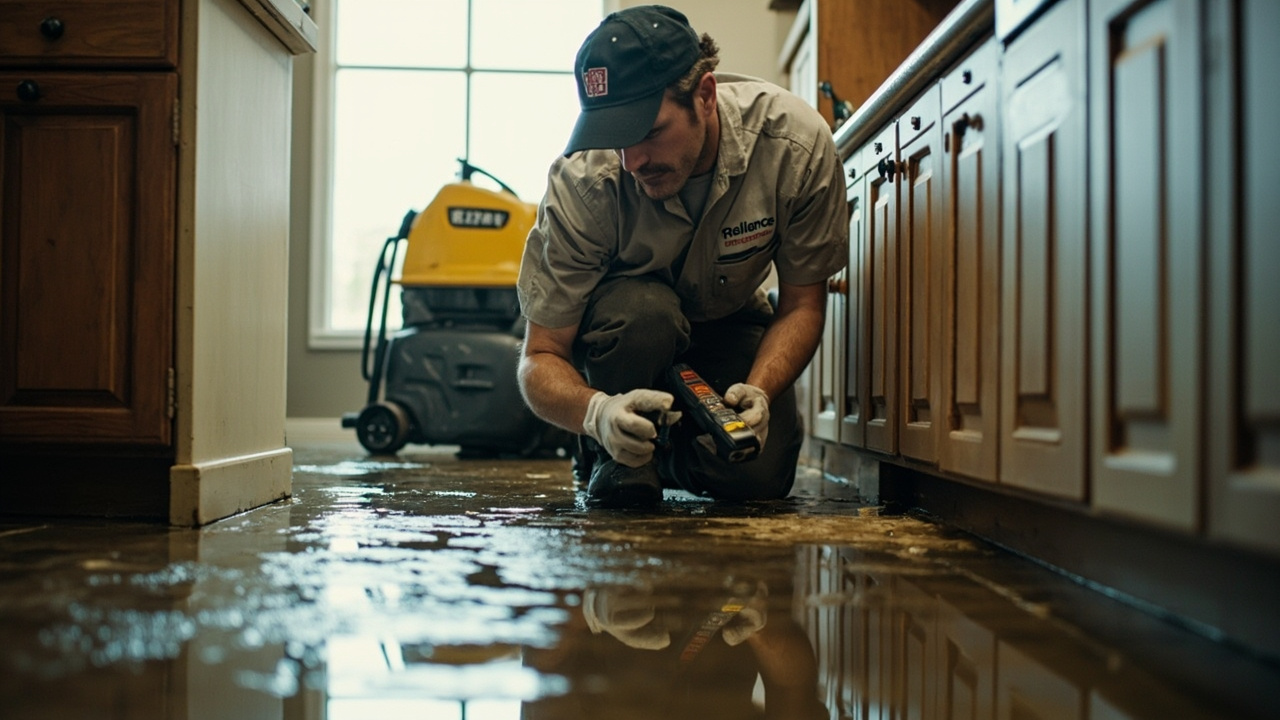
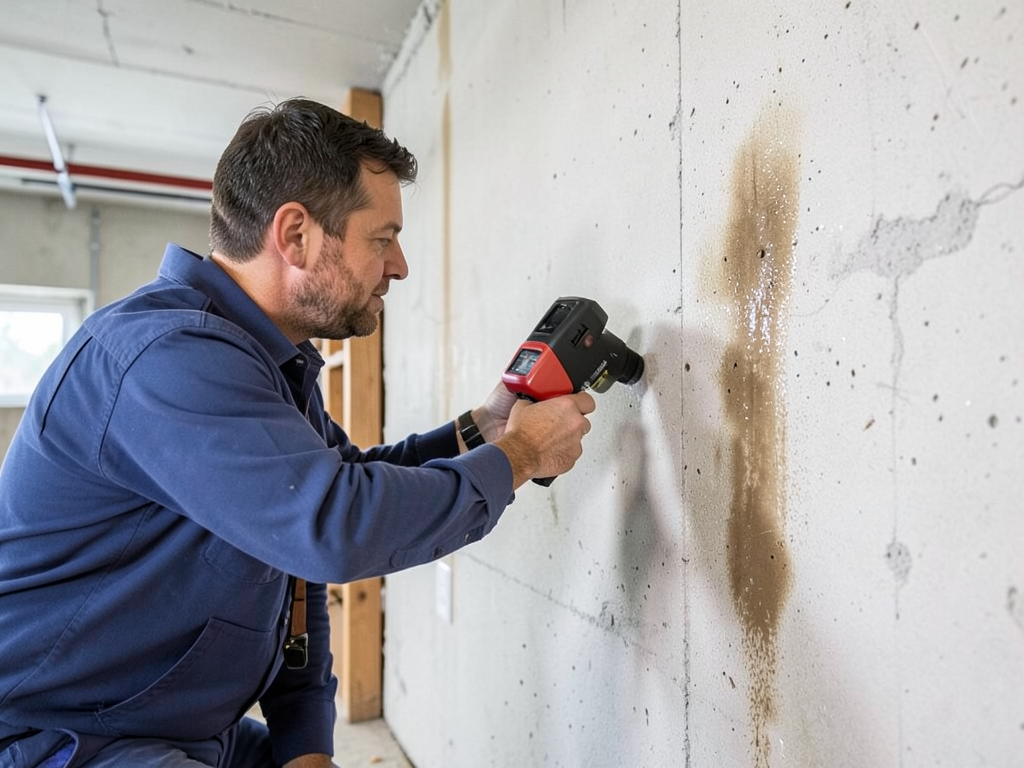
We start with psychrometric measurement, not guesswork. Our technicians use thermal imaging cameras to map temperature differentials in walls and ceilings. Cold spots indicate wet insulation or trapped moisture. We measure relative humidity and dew point at multiple room heights because moisture stratifies in air, and surface-level readings miss the full picture.

Extraction happens in stages. Standing water gets removed first with truck-mounted pumps that pull 200 gallons per minute. Then we use weighted extractors on carpets and upholstery to pull water from padding and cushioning. You cannot dry what you have not extracted, and leaving saturated materials in place guarantees secondary damage.

Our air movement strategy follows the science of vapor pressure differential. We position axial fans to create directional airflow across wet surfaces, moving moisture-saturated air toward dehumidifiers. Low-grain refrigerant dehumidifiers condense water vapor out of the air, dropping humidity levels to accelerate evaporation from building materials. We adjust equipment placement daily as moisture levels change.

Antimicrobial treatment comes next for any Category 2 or Category 3 water intrusion. Washing machine overflows, toilet backups, and sewage contamination require EPA-registered disinfectants applied to all affected surfaces. We do not skip this step. Bacteria and pathogens survive in damp materials long after visible water disappears.

We document everything with moisture meters and photo logs. Insurance adjusters want proof of pre-loss condition, extent of damage, and mitigation progress. Our reports include moisture readings at grid points across affected areas, tracked over days until materials return to dry standard. This data protects you during claims negotiations and proves we performed water damage mitigation correctly.

How We Handle Your Washington, D.C. Water Damage Emergency

Water Damage Restoration in Washington, D.C. | Complete Repair, Mitigation, and Cleanup for Homes and Businesses
01

Emergency Contact and Assessment

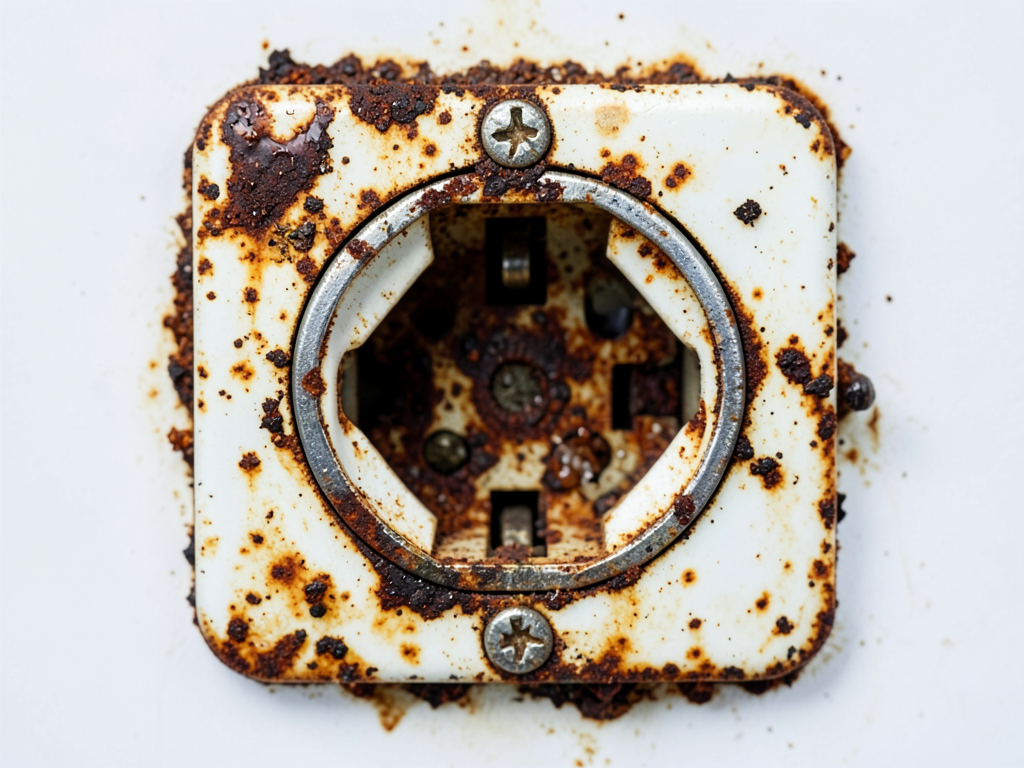
You call (771) 223-8077, and we dispatch a crew within 90 minutes, 24 hours a day. Our technician inspects the source of water intrusion, categorizes the contamination level, and measures affected square footage. We photograph damage for your insurance claim and identify immediate safety hazards like electrical risks or structural instability. You get a verbal scope of work before we start any water removal services.
02

Water Extraction and Drying

We extract standing water, remove unsalvageable materials like soaked drywall or insulation, and set up industrial drying equipment. Air movers and dehumidifiers run continuously, with our team checking moisture levels twice daily. We adjust equipment placement as materials dry to maintain optimal vapor pressure gradients. Drying typically takes three to five days depending on building materials and extent of saturation. You receive daily progress updates.
03

Sanitization and Restoration

Once materials reach dry standard, we apply antimicrobial treatments to all affected surfaces. Our restoration team rebuilds removed drywall, replaces damaged flooring, and repaints to match existing finishes. We perform final air quality testing if mold was present. You get a certificate of completion documenting that water damage remediation met industry standards. Your space returns to pre-loss condition, and we coordinate directly with your insurance adjuster throughout.

Why Washington, D.C. Property Owners Choose Reliance Water Damage Restoration Washington DC

We know District construction inside and out. Rowhouses in Columbia Heights have shared party walls where water travels horizontally between units. Condos along the H Street Corridor have concrete podium construction that traps moisture in occupied spaces above street-level retail. Each building type requires different extraction and drying strategies, and our crews train specifically on the architectural styles common to D.C. neighborhoods.

Our technicians hold IICRC certifications in water damage restoration and applied structural drying. These are not participation certificates. IICRC training teaches the physics of moisture movement, psychrometry, and material science. Our team knows how to calculate grain depression and adjust dehumidification capacity based on actual vapor pressure readings, not rough estimates.

We work directly with every major insurance carrier operating in the District. You do not navigate claims paperwork alone. We provide detailed estimates using Xactimate software, the industry standard for insurance restoration pricing. Our documentation includes moisture mapping, thermal images, and daily logs that adjusters require to approve your claim. We handle the back-and-forth so you can focus on getting your life or business back to normal.

Speed matters in water damage cleanup. Mold begins colonizing damp materials within 48 hours. Wooden floor joists and wall studs lose structural integrity as they absorb moisture and begin to rot. The longer water sits, the more you pay in repairs. We arrive fast, extract thoroughly, and dry scientifically because every hour counts.

Local means responsive. Our equipment warehouse sits inside the Beltway. We stock replacement dehumidifiers, air movers, and extraction units so equipment failure never delays your job. National franchise operations ship backup equipment from regional hubs. We grab it from our own inventory and keep your project on schedule.

What to Expect When You Call Reliance Water Damage Restoration Washington DC

Response Time and Availability

We answer emergency calls 24/7, including holidays. A live person picks up, not an answering service. Our dispatcher collects information about your situation and sends a crew immediately. You get a call-back with an estimated arrival time within 15 minutes. Most Washington, D.C. addresses see our trucks within 90 minutes of your call. For active flooding or sewage backups, we sometimes arrive faster. Our trucks carry extraction equipment, moisture meters, and containment supplies so we begin mitigation the moment we walk through your door.

Initial Inspection and Damage Assessment

Our lead technician performs a room-by-room inspection, identifies the water source, and shuts it off if you have not already. We classify the water category based on contamination level and measure moisture content in floors, walls, and ceilings using pin-type and non-invasive meters. You receive an explanation of what we found, what needs to happen next, and a written scope of work. We take photos and measurements for insurance documentation before touching anything. This assessment typically takes 30 to 45 minutes depending on property size.

Final Dry-Down and Restoration Quality

We do not pull equipment until moisture readings match IICRC dry standards for your specific building materials. Wood framing must measure below 15% moisture content. Concrete slabs must read below four on a concrete moisture scale. Our project manager performs a final walkthrough with you before restoration begins. Rebuilt walls get primed and painted with low-VOC products. Replaced flooring matches your existing materials as closely as possible. We clean up construction debris daily and leave your property ready to occupy, not half-finished.

Ongoing Support and Documentation

You receive a complete project file including all moisture readings, equipment logs, photos, and a certificate of completion. If mold remediation was necessary, we include air quality test results showing spore counts returned to normal levels. We stay available after job completion to answer insurance questions or provide additional documentation your adjuster requests. If you discover new damage related to the original water intrusion within 30 days, we return to assess it at no charge. Our goal is complete resolution, not just equipment removal.

Frequently Asked Questions

You Have Questions,
We Have Answers

How much will it cost to repair water damage? +

Cost depends on the extent of damage, water type, and affected materials. Minor leaks affecting a single room might run a few hundred dollars, while severe flooding requiring structural drying, mold remediation, and reconstruction can reach thousands. In Washington, D.C., older row homes and basements below the Potomac River floodplain often face higher costs due to foundation vulnerabilities. Insurance typically covers sudden damage like burst pipes but excludes neglect or gradual leaks. Get a detailed inspection first. Pricing factors include square footage affected, equipment needed, and demolition requirements. Always request itemized estimates before work begins.

What does water damage restoration include? +

Water damage restoration involves inspection, water extraction, structural drying, dehumidification, sanitization, and repair. Technicians first assess the damage category and moisture levels using thermal imaging and moisture meters. Extraction removes standing water, followed by industrial air movers and dehumidifiers to dry walls, floors, and subflooring. Antimicrobial treatments prevent mold growth, which is critical in Washington, D.C.'s humid summers. Restoration includes replacing drywall, flooring, and insulation as needed. The process also documents damage for insurance claims. Complete restoration returns your property to pre-loss condition while addressing hidden moisture in crawl spaces or behind historic plaster walls common in D.C. neighborhoods.

Can water damage be repaired? +

Yes, water damage can be repaired if addressed quickly. The first 24 to 48 hours are critical to prevent permanent damage and mold colonization. Surface water can be extracted, and structural materials can be dried and salvaged with professional equipment. Washington, D.C.'s humid climate accelerates deterioration, so immediate response matters. Hardwood floors, drywall, and insulation may need replacement if saturated too long. Porous materials like carpet padding rarely survive. Professional technicians assess what can be saved versus what requires removal. Delays allow water to migrate into wall cavities and subflooring, turning a manageable repair into a full reconstruction project.

Is water damage restoration worth it? +

Absolutely. Water damage restoration prevents exponential problems like structural decay, mold growth, and plummeting property values. Unaddressed moisture weakens floor joists, studs, and foundations, especially in Washington, D.C.'s older brick row homes where mortar can deteriorate rapidly. Mold can develop within 48 hours, creating health risks and costly remediation. Insurance claims require prompt mitigation to limit liability. Professional restoration also documents losses, expedites claims, and restores livability fast. Ignoring water damage never saves money. It compounds into foundation failures, electrical hazards, and uninsurable conditions. Fast, professional intervention protects your investment and keeps repair costs manageable.

How District Humidity and Historic Construction Complicate Water Damage Restoration

Washington, D.C. averages 66% relative humidity year-round, and summer months regularly hit 80%. This ambient moisture slows evaporation during water damage mitigation. Materials dry slower here than in arid climates, and our dehumidifiers work harder to maintain the vapor pressure differential needed for effective drying. Historic rowhouses in neighborhoods like Capitol Hill and Georgetown feature thick brick walls and horsehair plaster that act like sponges. These materials absorb water deeply and release it slowly, requiring extended drying times and careful monitoring to prevent trapped moisture from fueling mold growth inside wall cavities.

The District requires permits for structural work in historic districts, and restoration projects often need approval from preservation review boards. We navigate these requirements regularly. Our crews understand how to dry and restore historic plaster without damaging decorative elements or original woodwork. We coordinate with local inspectors and preservation officers to ensure water damage repair meets both safety codes and historic standards. This local expertise prevents delays and ensures your project complies with regulations specific to Washington, D.C. properties.
Water Damage Restoration Services in The Washington DC Area

While we primarily offer mobile, on-site water damage restoration services throughout Washington D.C., you can view our main operational hub and service area on the map below. We are strategically located to ensure rapid deployment and efficient response times to all emergencies across the region, bringing our expert services directly to your property wherever you are within our service footprint.

Address:
Reliance Water Damage Restoration Washington DC, 200 Massachusetts Ave NW, Washington, DC, 20001

Additional Services We Offer

Our news updates

Latest Articles & News from The Blogs

Why Your New Condo at The Wharf Might Experience Balcony Drainage Flooding Living in a luxury condo at The Wharf…

Why Your New Condo at The Wharf Might Experience Balcony Drainage Flooding

Why Your New Condo at The Wharf Might Experience Balcony Drainage Flooding Living in a luxury condo at The Wharf…

Dealing with Potomac River Seepage in Your Georgetown Waterfront Retail Space

Dealing with Potomac River Seepage in Your Georgetown Waterfront Retail Space Georgetown's waterfront retail spaces face unique water damage risks…

What Every DC Homeowner Needs in a Flood Emergency Kit Before the Next Storm Hits

What Every DC Homeowner Needs in a Flood Emergency Kit Before the Next Storm Hits Washington DC homeowners face unique…

Contact Us

Water does not wait, and neither should you. Call (771) 223-8077 right now for emergency water extraction, drying, and restoration. Our crews are standing by 24/7 to stop the damage and start the recovery.