




Menu

Frozen Pipe Burst Cleanup in Washington, D.C. – 24/7 Emergency Response Stops Water Damage in Under 60 Minutes

When a frozen pipe bursts in your Georgetown rowhouse or Capitol Hill basement, every minute counts. Our certified technicians arrive fast, extract standing water immediately, and prevent secondary damage before mold takes hold.

Slider Image 1
Slider Image 2
Slider Image 3
Slider Image 4
Slider Image 5
Slider Image 7
Slider Image 8
Slider Image 9
Slider Image 10
Slider Image 11

Why Frozen Pipes Burst Across Washington, D.C. Every Winter

Washington, D.C. sits in a freeze-thaw zone that tortures your plumbing. Temperatures hover just above freezing during the day, then plunge at night. Water in your pipes expands, contracts, and expands again. Eventually, the weakest joint fails. The pipe ruptures. Water floods your basement, crawl space, or finished living area.

Historic homes in neighborhoods like Dupont Circle and Shaw face higher risk. Many still have galvanized steel pipes installed decades ago. These corrode from the inside, thinning the walls. When ice forms, the brittle metal cracks. You wake up to two inches of water covering your hardwood floors.

Newer construction is not immune. Pipes in exterior walls, unheated garages, and attics freeze when Arctic air masses push through the Chesapeake region. Even a small crack releases hundreds of gallons before you discover it. That is when emergency burst pipe water removal becomes critical.

Frozen pipe burst remediation is not just about mopping up. Water seeps into drywall, insulation, and subflooring within minutes. It wicks up baseboards and saturates carpet padding. If you wait, mold colonies establish in 24 to 48 hours. The EPA considers anything over 10 square feet of mold growth a health hazard requiring professional remediation.

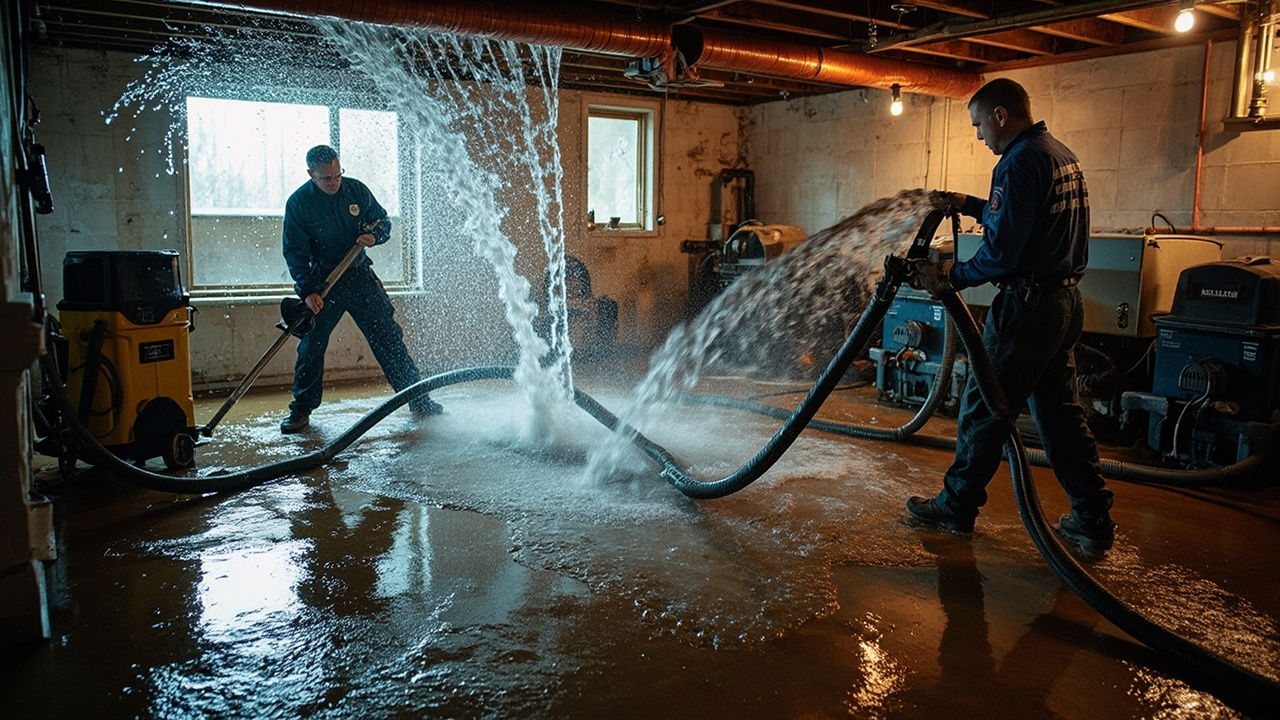
Frozen pipe flood cleanup requires extraction equipment that pulls moisture from materials, not just surfaces. Our truck-mounted pumps remove standing water fast. Then we deploy industrial dehumidifiers and air movers to dry structural cavities you cannot see. This prevents the secondary damage that doubles your claim.

Why Frozen Pipes Burst Across Washington, D.C. Every Winter
How Professional Burst Pipe Water Damage Restoration Protects Your Property

How Professional Burst Pipe Water Damage Restoration Protects Your Property

You cannot fix frozen pipe damage with a wet vac and box fans. Professional water extraction for frozen pipes uses measured force to pull moisture from porous materials without damaging them. Our technicians calculate grain depression based on material type, saturation level, and ambient conditions. This determines equipment placement and runtime.

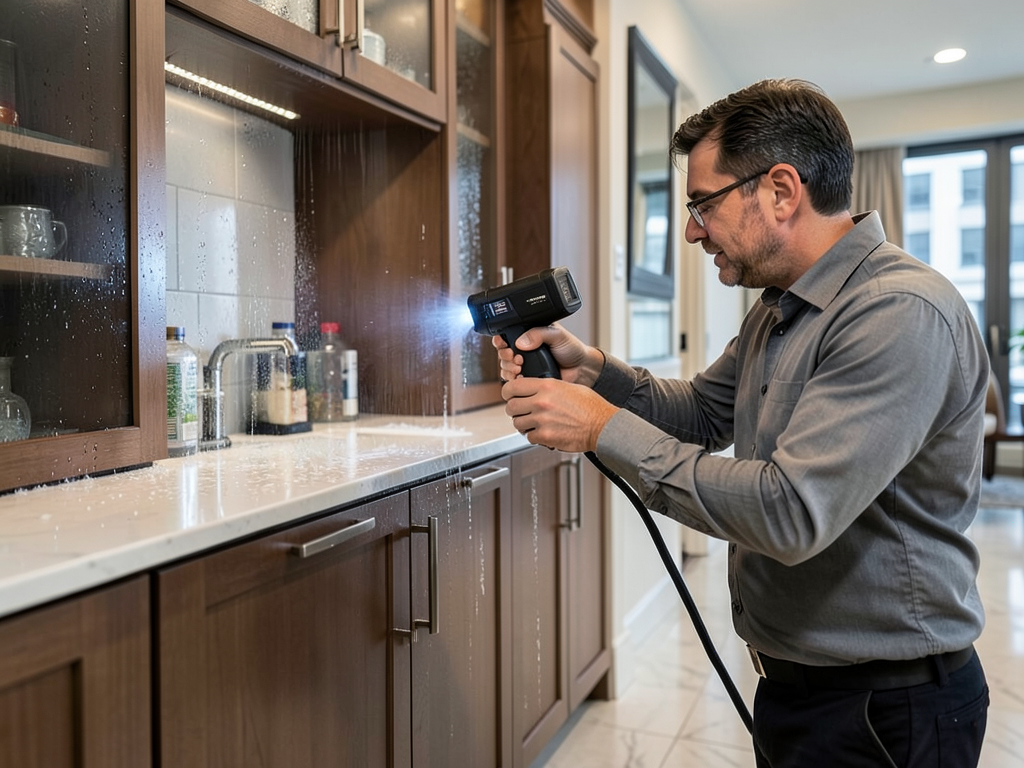
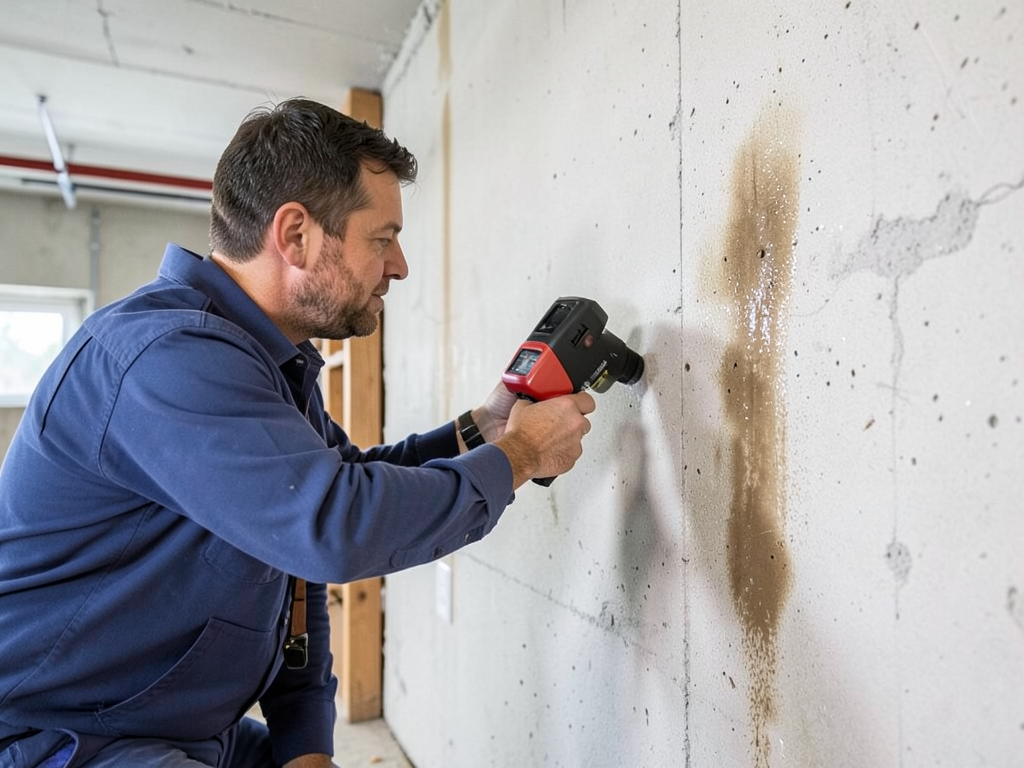
We start with thermal imaging to map the affected area. Wet drywall shows up as cold spots on the camera. This reveals hidden saturation behind walls and under flooring. We document everything for your insurance adjuster with before and after moisture meter readings.

Next comes water extraction. Submersible pumps handle standing water. Weighted extractors pull moisture from carpets and padding. For hardwood floors, we use low-grain refrigerant dehumidifiers that remove moisture without over-drying the wood. Oak and maple floors in D.C. rowhouses cup and crack if you dry them too fast.

We inject heated air into wall cavities through small access holes. This accelerates evaporation in spaces you cannot reach. Negative air machines create controlled airflow that prevents contaminated air from spreading to unaffected rooms. If the pipe burst in your basement, we isolate the lower level to protect your main floor.

Our emergency burst pipe water removal service includes antimicrobial treatment. We apply EPA-registered solutions to all affected surfaces. This kills bacteria and prevents mold spores from germinating. The treatment is odorless and safe for occupied homes.

Finally, we monitor drying with daily moisture readings. Materials must reach their dry standard before we close the project. Drywall should read below 1% moisture content. Wood framing below 15%. Concrete below 4%. We do not guess. We measure.

What Happens When You Call for Emergency Frozen Pipe Cleanup

Frozen Pipe Burst Cleanup in Washington, D.C. – 24/7 Emergency Response Stops Water Damage in Under 60 Minutes
01

Immediate Dispatch and Assessment

We answer your call within two rings, confirm your address, and dispatch the nearest crew. Our technicians arrive with truck-mounted extraction equipment, moisture meters, and thermal cameras. They locate the burst pipe, shut off water if needed, and assess the full scope of damage. You receive a verbal action plan within 15 minutes of our arrival.
02

Water Removal and Containment

Submersible pumps remove standing water first. Weighted extractors pull moisture from carpets, padding, and upholstery. We remove unsalvageable materials like soaked insulation and damaged drywall. Negative air machines isolate the affected area to prevent cross-contamination. Air movers and dehumidifiers start the drying process immediately. We photograph and document everything for your insurance claim.
03

Drying, Monitoring, and Restoration

Industrial dehumidifiers run continuously, monitored by daily moisture readings. We adjust equipment placement based on drying progress. Antimicrobial treatment prevents mold growth. Once all materials reach dry standard, we remove equipment and prepare the space for reconstruction. You receive a final moisture map and completion certificate. If you need rebuild services, we coordinate directly with your contractor.

Why Washington, D.C. Homeowners Trust Us for Frozen Pipe Emergencies

Reliance Water Damage Restoration Washington DC has cleaned up burst pipe flooding in every quadrant of the District. We know which neighborhoods have aging infrastructure. We understand how Capitol Hill rowhouses are framed differently than Chevy Chase colonials. That knowledge matters when water spreads through your home.

Our technicians train on IICRC standards for water damage restoration. We hold certifications in applied structural drying and contamination control. This is not a side business for us. Water damage restoration is all we do.

We work directly with your insurance company. Most D.C. homeowners carry policies through State Farm, Allstate, or USAA. We have claim experience with all of them. We document damage thoroughly, provide detailed estimates, and communicate directly with adjusters. This speeds up approval and gets you paid faster.

Equipment matters in frozen pipe burst remediation. We own our extraction and drying equipment outright. No rentals. No delays waiting for gear to arrive. Our trucks carry enough dehumidifiers and air movers to handle 5,000 square feet of water damage. If your entire basement floods, we have the capacity to dry it properly.

We also understand D.C. building codes. Historic district properties in Georgetown and Foggy Bottom require special handling. You cannot just rip out original plaster and lath without considering preservation guidelines. We coordinate with the Historic Preservation Office when needed to ensure compliance.

Speed defines emergency response. We arrive in under 60 minutes for most D.C. locations. Our crews stage equipment in Northeast, Northwest, and Southwest quadrants. This cuts travel time. When a pipe bursts at 2 a.m., you need help now, not in four hours.

What to Expect During Emergency Frozen Pipe Cleanup

Arrival Time and Availability

We answer emergency calls 24 hours a day, every day of the year. That includes Christmas, New Year's, and federal holidays. Once you call, we dispatch the nearest crew immediately. Most Washington, D.C. locations receive service within 60 minutes. We confirm arrival time during your initial call. Our technicians text you when they are 10 minutes out. No waiting. No wondering when help will show up. You get a human on the phone, not a voicemail system.

Damage Assessment and Documentation

Our technicians arrive with professional moisture detection equipment. Thermal cameras map wet areas behind walls and under floors. Penetrating moisture meters measure saturation levels in drywall, framing, and concrete. We photograph all damage and create a detailed loss inventory. You receive a written scope of work before extraction begins. This documentation goes directly to your insurance company. We include moisture readings, affected materials, and recommended remediation steps. Clear documentation prevents claim disputes later.

Complete Drying and Restoration

Professional drying takes three to five days for most frozen pipe bursts. We do not remove equipment until moisture readings confirm all materials are dry. Rushing the process causes mold, warped floors, and lingering odors. Our technicians visit daily to check progress and adjust equipment. You receive text updates with current moisture levels. Once drying is complete, we treat all surfaces with antimicrobial solution. The space is clean, dry, and safe. If you need reconstruction, we provide contractor referrals.

Insurance Coordination and Follow-Up

We handle insurance paperwork from start to finish. Our team contacts your carrier, provides documentation, and answers adjuster questions. You do not chase approvals or argue over line items. We know what D.C. insurance companies require for frozen pipe claims. Most carriers prefer direct billing, which we offer. This means you do not pay upfront and wait for reimbursement. After the project closes, we follow up to confirm satisfaction. If any issues arise within 30 days, we return at no charge.

Frequently Asked Questions

You Have Questions,
We Have Answers

What to do when a pipe freezes and bursts? +

Shut off your main water supply immediately to stop flooding. Turn off electricity to affected areas if water contacts outlets or appliances. Do not touch the burst pipe. Open cabinet doors under sinks to allow warm air circulation. Document the damage with photos for insurance. Call a 24/7 emergency water damage restoration team right away. Washington, D.C.'s freeze-thaw cycles cause rapid ice expansion that splits pipes, and every minute counts. Professionals will extract standing water, assess structural damage, and begin drying to prevent mold growth within 24 to 48 hours.

How to clean up after a pipe burst? +

Remove standing water using pumps or wet vacuums. Pull up soaked carpets, padding, and damaged drywall to prevent mold. Use industrial fans and dehumidifiers to dry structural elements like subfloors and wall cavities. Disinfect all affected surfaces. Monitor moisture levels with meters to confirm complete drying. In Washington, D.C.'s humid climate, hidden moisture trapped in older masonry or wood-frame construction leads to secondary damage if not properly addressed. Professional restoration teams use thermal imaging to find hidden water pockets and ensure thorough drying before reconstruction begins.

How much do plumbers charge to unfreeze pipes? +

Plumbers typically charge between service call fees and hourly rates for pipe thawing, with costs varying based on pipe location and accessibility. Emergency calls outside business hours cost more. The price depends on whether pipes are in crawl spaces, behind walls, or in basements. Washington, D.C. row homes and older buildings often have tight access points that increase labor time. Some plumbers use heat tape or infrared lamps. Remember, thawing costs are separate from burst pipe repair or water damage restoration expenses, which require specialized cleanup contractors.

Does homeowners insurance cover water damage from frozen pipes? +

Most homeowners policies cover sudden and accidental water damage from burst frozen pipes if you maintained reasonable heat in your home. Insurance may deny claims if the property was vacant and heat was turned off without proper winterization. Washington, D.C. winters see periodic deep freezes that test vulnerable pipes in unheated crawl spaces and exterior walls. Document everything immediately. Take photos before cleanup begins. Keep receipts for emergency repairs. Contact your insurer within 24 hours. Professional restoration companies often work directly with insurance adjusters to streamline claims and ensure proper documentation.

How D.C.'s Freeze-Thaw Cycles Make Frozen Pipe Bursts More Common

Washington, D.C. experiences an average of 20 freeze-thaw cycles each winter. Temperatures drop below 32 degrees overnight, then climb into the 40s by afternoon. This repeated expansion and contraction stresses pipe joints and weakens soldered connections. Homes near Rock Creek Park and the Anacostia River face higher humidity, which accelerates freeze rates in uninsulated pipes. The Potomac River valley funnels cold air into Northwest neighborhoods, creating microclimates where pipes freeze even when official temperatures stay above freezing. This makes burst pipe water damage restoration a recurring winter emergency across the District.

D.C. building codes require specific insulation standards for new construction, but thousands of historic homes predate modern plumbing protection. Rowhouses built before 1950 often have supply lines running through exterior walls with minimal insulation. The District's Department of Consumer and Regulatory Affairs recommends pipe insulation for all exposed plumbing, but enforcement is complaint-driven. Local water damage restoration companies understand these construction patterns. We know which neighborhoods have the highest burst pipe frequency and which pipe materials fail first. This local knowledge speeds diagnosis and ensures proper frozen pipe burst remediation.
Water Damage Restoration Services in The Washington DC Area

While we primarily offer mobile, on-site water damage restoration services throughout Washington D.C., you can view our main operational hub and service area on the map below. We are strategically located to ensure rapid deployment and efficient response times to all emergencies across the region, bringing our expert services directly to your property wherever you are within our service footprint.

Address:
Reliance Water Damage Restoration Washington DC, 200 Massachusetts Ave NW, Washington, DC, 20001

Additional Services We Offer

Our news updates

Latest Articles & News from The Blogs

Why Your New Condo at The Wharf Might Experience Balcony Drainage Flooding Living in a luxury condo at The Wharf…

Why Your New Condo at The Wharf Might Experience Balcony Drainage Flooding

Why Your New Condo at The Wharf Might Experience Balcony Drainage Flooding Living in a luxury condo at The Wharf…

Dealing with Potomac River Seepage in Your Georgetown Waterfront Retail Space

Dealing with Potomac River Seepage in Your Georgetown Waterfront Retail Space Georgetown's waterfront retail spaces face unique water damage risks…

What Every DC Homeowner Needs in a Flood Emergency Kit Before the Next Storm Hits

What Every DC Homeowner Needs in a Flood Emergency Kit Before the Next Storm Hits Washington DC homeowners face unique…

Contact Us

Water spreads fast. Mold grows faster. Call Reliance Water Damage Restoration Washington DC at (771) 223-8077 right now. Our crews are standing by with extraction equipment and dehumidifiers. We will stop the damage, dry your property, and work directly with your insurance company.