




Menu

24/7 Emergency Water Removal in Washington, D.C. | Crews Dispatched in Under 60 Minutes

When water invades your property, every minute counts. Our rapid-response teams arrive within the hour across the District, Georgetown, and Capitol Hill to stop structural damage, prevent mold growth, and protect your insurance claim before it's too late.

Slider Image 1
Slider Image 2
Slider Image 3
Slider Image 4
Slider Image 5
Slider Image 7
Slider Image 8
Slider Image 9
Slider Image 10
Slider Image 11

Why Water Damage Becomes a Crisis in Minutes Across Washington, D.C.

Water does not wait. In the District's humid subtropical climate, standing water accelerates mold colonization within 24 to 48 hours. The result is structural rot, compromised air quality, and insurance adjusters who ask why you waited.

Washington, D.C. sits at the confluence of the Potomac and Anacostia Rivers. The water table sits high, particularly in low-lying neighborhoods like Navy Yard and Southwest Waterfront. Summer storms drop inches of rain in hours. Winter freeze-thaw cycles crack supply lines in row homes built before 1950. Aging cast iron plumbing in historic districts like Dupont Circle and Shaw fails without warning. When your basement floods at 2 a.m., you need immediate water removal, not a callback at 9 a.m.

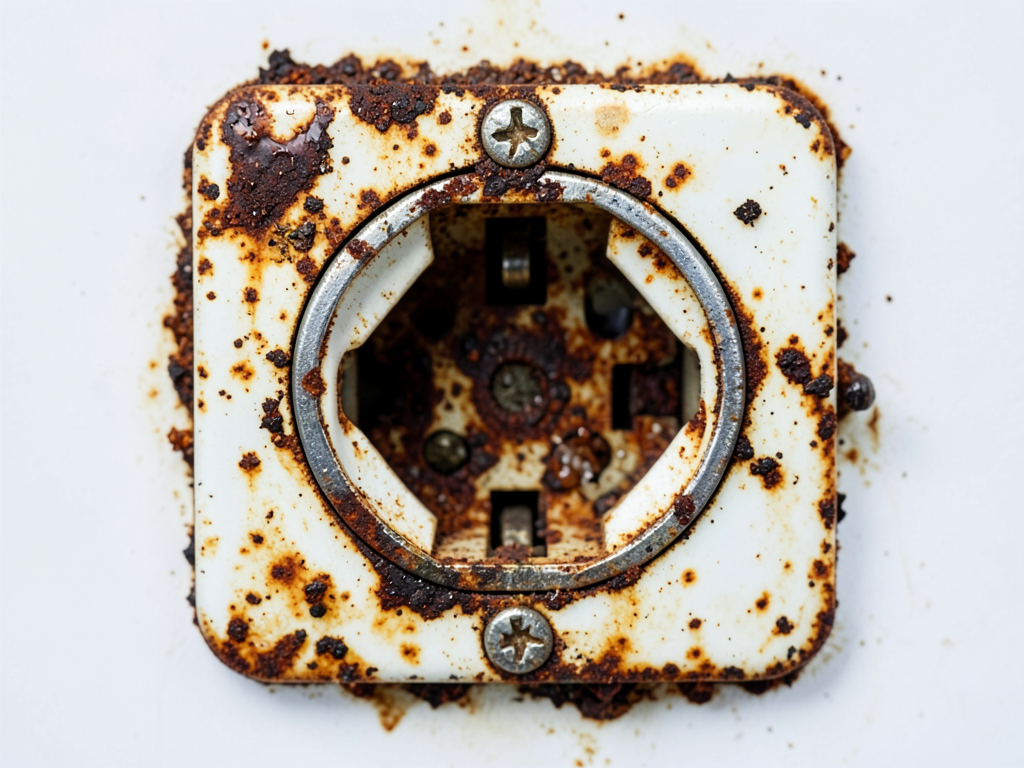
Delays compound the damage. Hardwood floors cup and warp. Drywall wicks moisture two feet above the waterline. Electrical systems short. Sub-slab moisture migrates through concrete foundations common to the District's row house architecture. What starts as a burst supply line becomes a six-figure restoration if you wait until morning.

Emergency water extraction services exist for one reason: to stop the destruction before it becomes irreversible. You need 24 hour water damage cleanup that understands the urgency, the District's building stock, and the insurance documentation required to avoid a denied claim. Urgent water mitigation is not about convenience. It is about preserving your property value and your family's health.

Why Water Damage Becomes a Crisis in Minutes Across Washington, D.C.
How Professional 24/7 Flood Extraction Stops Damage Progression

How Professional 24/7 Flood Extraction Stops Damage Progression

Speed matters, but methodology determines whether your property is salvageable or condemned. Our emergency water extraction services follow a precise protocol designed to arrest damage, not just remove standing water.

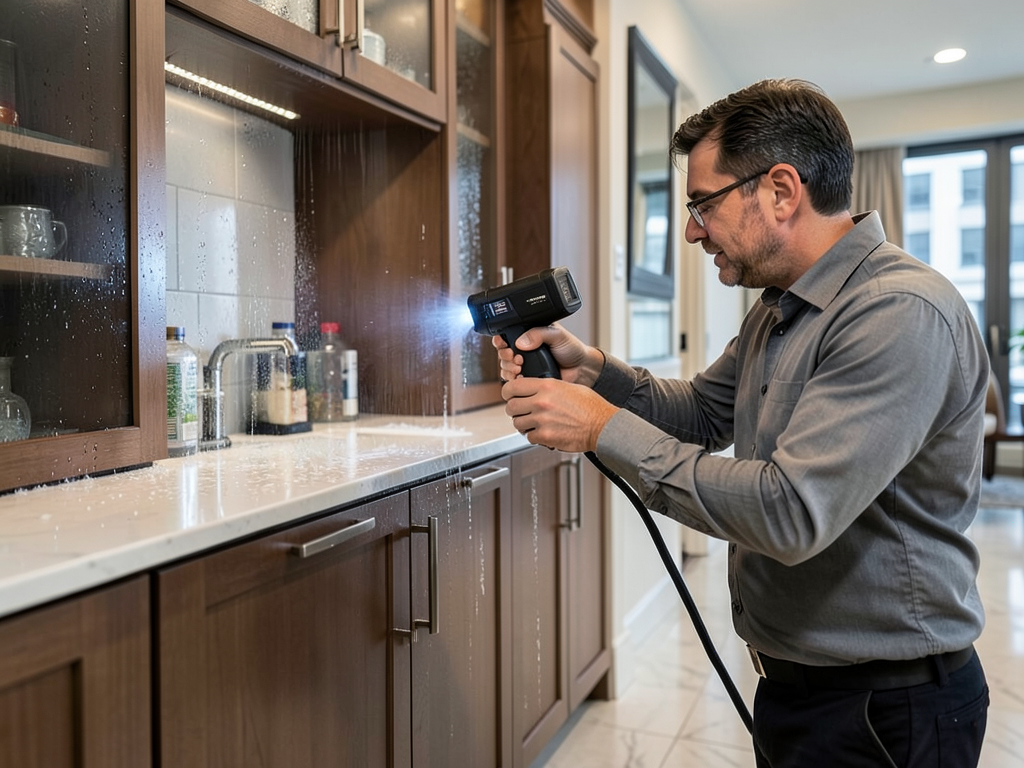
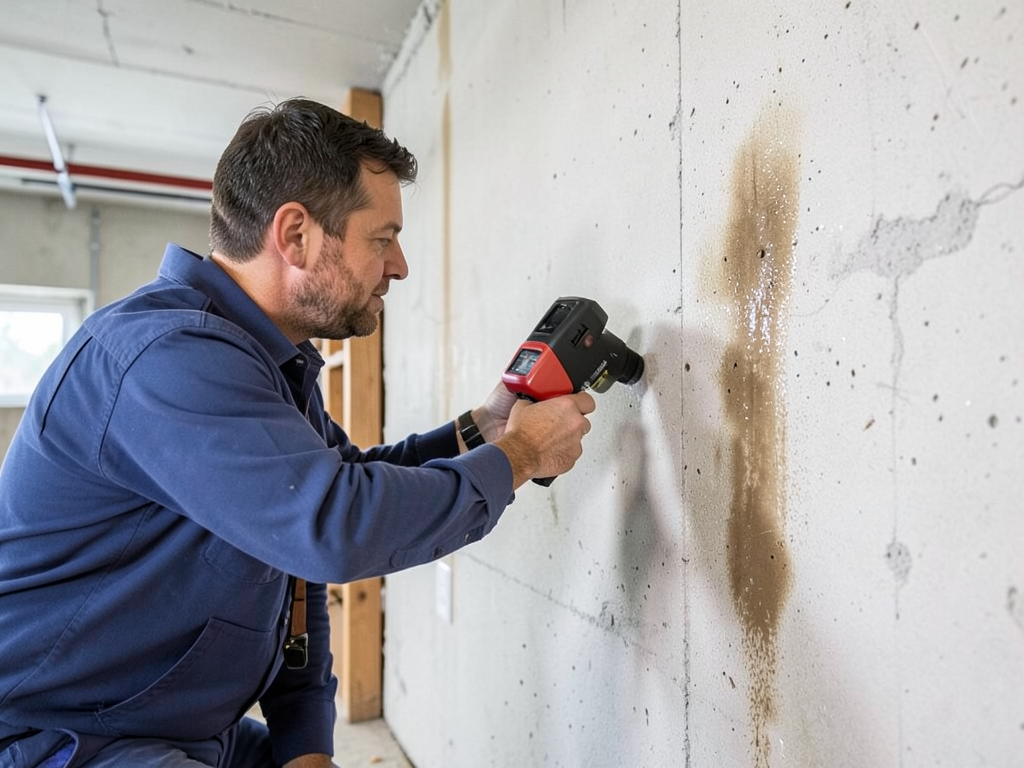
We deploy truck-mounted extractors capable of removing thousands of gallons per hour. Portable submersible pumps handle flooded basements and crawl spaces where truck mounts cannot reach. We do not stop at surface extraction. Moisture meters measure saturation levels in subflooring, wall cavities, and ceiling joists. Thermal imaging cameras identify hidden water migration behind plaster walls and under tile floors common in the District's older housing stock.

After extraction, we establish negative air pressure using industrial dehumidifiers and high-velocity air movers. This is not the same as running box fans. Dehumidification targets specific vapor pressure deficits to pull moisture from porous materials like brick, plaster lath, and oak flooring. Air movers create laminar airflow across wet surfaces to accelerate evaporation without damaging finishes.

We document everything. Insurance carriers require moisture readings, equipment logs, and photographic evidence of mitigation efforts. We provide real-time updates to your adjuster because we know what triggers coverage disputes. Antimicrobial treatments are applied to affected areas within the first 12 hours to inhibit microbial amplification.

This is not cleanup. This is emergency mitigation. The difference is whether you need cosmetic repairs or a full gut renovation. When you call for urgent water mitigation in the middle of the night, you are calling to protect your largest financial asset from progressive destruction.

What Happens When You Call for Immediate Water Removal

24/7 Emergency Water Removal in Washington, D.C. | Crews Dispatched in Under 60 Minutes
01

Dispatch and Arrival

Your call triggers immediate dispatch. We ask three questions: What failed, how much water, and is it still flowing. Our crews stage from multiple locations across the District to guarantee arrival within 60 minutes. We bring extraction equipment, moisture detection tools, and containment barriers on the first truck. You do not wait for a second trip or a morning appointment.
02

Assessment and Extraction

We identify the source, stop the intrusion, and begin extraction. Thermal imaging maps the affected area. Moisture meters measure saturation depth in floors, walls, and ceilings. We categorize the water by contamination level, which determines disposal protocols and PPE requirements. Category 3 water from sewage backups requires biohazard handling. Extraction begins immediately while assessment continues. Every minute of delay increases secondary damage.
03

Drying and Documentation

Once standing water is removed, we establish controlled drying conditions. Dehumidifiers and air movers run continuously, monitored by daily moisture readings. We document baseline readings, daily progress logs, and final clearance readings for your insurance carrier. Antimicrobial treatments are applied. You receive a full mitigation report with photographic evidence, equipment logs, and moisture tracking data. This documentation protects your claim and proves professional mitigation.

Why Local Knowledge Matters for Emergency Water Damage in the District

Washington, D.C. is not a generic metro area. The building codes, architectural styles, and infrastructure challenges are specific to the District, and emergency response must account for these realities.

Most residential structures in neighborhoods like Capitol Hill, Foggy Bottom, and Columbia Heights are row homes built between 1880 and 1940. These properties feature shared party walls, balloon framing, and plaster-on-lath interiors. Water migrates differently through these assemblies than through modern drywall and platform framing. We understand how to contain water damage in row homes without affecting adjacent units.

The District enforces strict historic preservation codes in designated areas. We work within these constraints daily. Restoration in historic districts requires careful documentation and adherence to preservation standards that out-of-town contractors ignore.

We also know the District's plumbing infrastructure. Aging water mains fail regularly, particularly in winter. The Washington Aqueduct supplies treated water, but the distribution system includes clay pipes installed before 1920. When a main breaks, basements flood. We respond to these events multiple times per month and know how to handle municipal water intrusion claims.

Insurance adjusters in the D.C. metro expect specific documentation. We provide it because we process these claims weekly. We know which carriers require third-party certification, which accept in-house moisture logs, and how to avoid the documentation gaps that delay reimbursement.

You need a restoration contractor who knows the District's building stock, preservation codes, and insurance landscape. Emergency response is local, not national. When the call comes at 3 a.m., you need a crew that knows how to navigate one-way streets in Georgetown and where to stage equipment in row house neighborhoods with no driveways.

What to Expect During Emergency Water Extraction

Response Time and Availability

We dispatch within minutes of your call, 24 hours a day, 365 days a year. Crews arrive within 60 minutes across the District, Arlington, and Alexandria. We do not schedule appointments or ask you to wait until morning. Emergency water removal means immediate response, regardless of the hour. Our trucks carry full extraction and drying equipment on every dispatch, so mitigation begins the moment we arrive. You are not waiting for a second crew or additional equipment.

Initial Assessment and Scope

The first 30 minutes determine the mitigation strategy. We locate the water source, measure the affected area, and categorize the contamination level. Thermal imaging identifies hidden moisture in wall cavities and subfloors. Moisture meters provide baseline readings for ongoing monitoring. We explain what happened, what needs to happen next, and what your insurance will require. You receive a written scope and equipment deployment plan before work begins, so there are no surprises.

Extraction and Drying Results

Professional extraction removes 95% of standing water within the first few hours. Drying equipment runs for three to five days, depending on material saturation and ambient humidity. We monitor moisture levels daily and adjust equipment as needed. Final clearance readings confirm the structure has returned to a dry standard, typically 12% moisture content or lower for wood materials. You receive documentation showing the property is ready for reconstruction. This is the difference between proper mitigation and surface-level cleanup.

Insurance Documentation and Follow-Up

We provide complete documentation for your insurance claim, including moisture logs, equipment deployment records, and photographic evidence of the damage and mitigation process. Most carriers require third-party certification of drying, which we provide. We communicate directly with adjusters to expedite claims processing. After mitigation is complete, we offer reconstruction services to return your property to pre-loss condition. You do not need to hire a separate contractor. One call, one company, full restoration.

Frequently Asked Questions

You Have Questions,
We Have Answers

How to get water out of your house quickly? +

Stop the water source first. Turn off your main water valve if a pipe burst. For flooding, get vulnerable items off the floor immediately. Call a professional water removal team right now. They will deploy truck-mounted extractors and industrial air movers within hours. While you wait, use a wet-dry vacuum if you own one. Remove small rugs and furniture legs. Open windows if humidity allows. Do not use a standard household vacuum. In Washington, D.C., basements flood fast due to clay soil and aging infrastructure. Speed is everything. Every hour delays drying and increases mold risk.

How long does SERVPRO take for water damage? +

SERVPRO typically responds within one to four hours in most markets. Their initial water extraction and equipment setup usually happens the same day. Total drying time depends on the damage extent, ranging from three to seven days for most residential jobs. However, response times vary by franchise availability and demand. In Washington, D.C., during peak storm seasons or freeze events affecting Capitol Hill and Dupont Circle, you may experience delays. If you need immediate guaranteed response, contact multiple certified water removal providers. Do not wait if your situation is urgent. Call now and get a firm arrival time.

How long does water removal usually take? +

Water extraction itself takes two to six hours depending on volume and square footage. A flooded basement in a typical D.C. rowhouse may take four hours to pump and extract. However, total water removal includes drying, which takes three to five days on average. Humidity levels in Washington, D.C., especially during summer, slow evaporation. Professionals use moisture meters to confirm materials are dry, not just visually dry. Hidden moisture in walls or subfloors extends timelines. Hardwood floors common in historic D.C. homes require careful monitoring. Fast extraction does not mean fast drying. Both stages matter equally.

Can I DIY water removal, or do I need a pro? +

Small spills under one gallon you can handle yourself. Anything larger requires professional equipment. You cannot rent extraction tools powerful enough for serious flooding. DIY attempts miss hidden moisture in subfloors, wall cavities, and insulation. In Washington, D.C., older homes have plaster walls and hardwood floors that trap water invisibly. Professionals use thermal imaging and moisture meters. Insurance companies often require professional documentation for claims. If your basement flooded or a pipe burst, call a certified water removal company immediately. DIY drying leads to mold growth within 48 hours. Do not risk your health or property value.

How to get rid of standing water in a house? +

Remove standing water with a submersible pump for deep flooding or a wet-dry vacuum for shallow water. Start in the lowest point and work outward. Squeegee water toward drains if you have floor drains common in D.C. basements. After removing visible water, professionals extract moisture from carpets, pads, and subflooring with truck-mounted equipment. You cannot adequately dry materials without industrial air movers and dehumidifiers. Standing water damages flooring and drywall within hours. In Georgetown and Shaw, historic wood floors warp quickly. Call for emergency extraction now. Do not wait for water to evaporate naturally.

Is it okay to pour boiling water down PVC pipes? +

Boiling water will not damage PVC pipes rated for hot water use, but it provides zero benefit for water damage restoration. This question confuses drain clearing with flood water removal. If you are dealing with standing water from a flood or leak, boiling water is irrelevant and wastes critical time. Focus on extraction and drying instead. PVC supply lines in D.C. homes handle water up to 140 degrees routinely. However, pouring boiling water down drains during a backup can crack older cast iron pipes common in pre-1950s D.C. buildings. For emergencies, call a water removal team, not a plumber, first.

How likely is mold after water damage? +

Mold becomes highly likely after 48 hours of moisture exposure. In Washington, D.C., with humidity often above 60 percent from May through September, mold spores germinate faster. If water damage is not dried within 24 to 48 hours, expect mold growth behind walls and under flooring. Basements in Capitol Hill and Columbia Heights are especially vulnerable due to poor ventilation. Professional water removal includes antimicrobial treatment and complete structural drying to prevent mold. Visible mold means you already have a larger hidden problem. Do not wait. Call emergency water removal now to stop mold before it starts.

Does homeowners insurance cover water restoration? +

Most homeowners policies cover sudden and accidental water damage, like burst pipes or appliance failures. Flood damage from storms or rising water requires separate flood insurance. Many D.C. residents near the Potomac or Anacostia rivers need flood coverage. Gradual leaks or maintenance issues get denied. Your insurer will require professional documentation and moisture readings. Certified water removal companies work directly with adjusters and provide the required paperwork. Do not start DIY cleanup before documenting damage with photos. Call your insurance company and a water removal team simultaneously. Fast professional response protects your claim and your home.

When should you call SERVPRO? +

Call SERVPRO or any certified water removal company immediately after discovering water damage. Do not wait to see if it dries on its own. You should call within the first hour of finding flooding, leaks, or burst pipes. The longer water sits, the worse the damage and the higher the restoration cost. In Washington, D.C., where many homes have finished basements and hardwood floors, delays cause irreversible harm. If you smell musty odors, see discoloration, or notice soft drywall, you already have hidden moisture. Do not delay. Every hour increases mold risk and structural damage. Call a professional water removal service now.

How long can drywall be wet before mold? +

Drywall can stay wet for 24 to 48 hours before mold begins growing. In Washington, D.C., high summer humidity shortens that window to 24 hours or less. Drywall is porous and absorbs water quickly. Once wet, it wicks moisture vertically, spreading damage above the visible water line. Professional water removal teams cut out wet drywall below the saturation point and dry the wall cavity completely. If drywall feels soft or shows discoloration, it needs removal. Do not paint over stains or hope it dries. Call emergency water removal now. Mold grows invisibly inside walls before you see surface growth.

How Washington, D.C.'s High Water Table and Aging Infrastructure Demand Immediate Water Removal

The District sits on low-lying terrain adjacent to two major rivers, and much of the city's residential core is built on reclaimed wetlands. Neighborhoods like Navy Yard, Anacostia, and Southwest Waterfront experience high groundwater levels year-round. When combined with aging sewer laterals and pre-1950 cast iron plumbing, the result is frequent basement flooding and supply line failures. Immediate water removal is not optional in these conditions. Delayed response allows hydrostatic pressure to wick moisture through foundation walls, creating chronic dampness that fuels mold amplification and structural decay.

Reliance Water Damage Restoration Washington DC operates exclusively in the District and surrounding metro. We know the difference between a sump pump failure in a Petworth basement and a sewage backup in a Capitol Hill row home. We understand the Historic Preservation Review Board's requirements for properties in designated districts. We work with local adjusters daily and know what documentation they expect. National franchises subcontract to local crews who may or may not understand the District's building codes and insurance landscape. You need a local operator who responds immediately and knows how to navigate the city's unique restoration challenges.
Water Damage Restoration Services in The Washington DC Area

While we primarily offer mobile, on-site water damage restoration services throughout Washington D.C., you can view our main operational hub and service area on the map below. We are strategically located to ensure rapid deployment and efficient response times to all emergencies across the region, bringing our expert services directly to your property wherever you are within our service footprint.

Address:
Reliance Water Damage Restoration Washington DC, 200 Massachusetts Ave NW, Washington, DC, 20001

Additional Services We Offer

Our news updates

Latest Articles & News from The Blogs

Why Your New Condo at The Wharf Might Experience Balcony Drainage Flooding Living in a luxury condo at The Wharf…

Why Your New Condo at The Wharf Might Experience Balcony Drainage Flooding

Why Your New Condo at The Wharf Might Experience Balcony Drainage Flooding Living in a luxury condo at The Wharf…

Dealing with Potomac River Seepage in Your Georgetown Waterfront Retail Space

Dealing with Potomac River Seepage in Your Georgetown Waterfront Retail Space Georgetown's waterfront retail spaces face unique water damage risks…

What Every DC Homeowner Needs in a Flood Emergency Kit Before the Next Storm Hits

What Every DC Homeowner Needs in a Flood Emergency Kit Before the Next Storm Hits Washington DC homeowners face unique…

Contact Us

Every minute of delay increases structural damage and mold risk. Our crews are standing by 24/7 to respond across Washington, D.C. Call (771) 223-8077 now for immediate emergency water extraction. We dispatch within minutes and arrive within the hour.