


Menu

Commercial Mold Remediation in Washington, D.C. – Minimize Downtime and Protect Your Operations

Industrial-grade commercial mold removal and business mold remediation engineered to keep your D.C. facility operational, compliant with federal building codes, and safe for employees and customers.

Slider Image 1
Slider Image 2
Slider Image 3
Slider Image 4
Slider Image 5
Slider Image 7
Slider Image 8
Slider Image 9
Slider Image 10
Slider Image 11

Why Mold Growth Threatens D.C. Commercial Properties

Washington, D.C.'s proximity to the Potomac and Anacostia Rivers creates year-round humidity that accelerates mold colonization in commercial structures. Federal buildings, office towers, and retail spaces in Foggy Bottom, Capitol Hill, and Georgetown face unique risks due to aging HVAC systems and high occupancy loads.

Mold amplifies rapidly in hidden spaces like suspended ceilings, mechanical rooms, and elevator shafts. When left unaddressed, spore concentrations compromise indoor air quality and violate OSHA ventilation standards. Litigation risk increases when employees or tenants develop respiratory symptoms. Liability exposure extends to commercial landlords under D.C. Municipal Regulations Title 14 when habitability standards are breached.

Business interruption costs mount quickly. A Georgetown restaurant forced to close for DIY cleanup loses revenue, reputation, and customer trust. Law firms in K Street corridors cannot afford document contamination or client health claims. Commercial mold mitigation requires containment protocols that prevent cross-contamination between tenant spaces while maintaining building operations.

The longer mold persists, the deeper it penetrates porous materials like drywall, insulation, and acoustic tiles. Surface cleaning fails because hyphae root into substrates. Professional commercial mold abatement addresses the moisture source, removes colonized materials, and applies antimicrobial treatments to prevent recurrence. Speed and precision determine whether you lose days or weeks of productivity.

Why Mold Growth Threatens D.C. Commercial Properties
How We Execute Commercial Mold Cleanup Without Halting Operations

How We Execute Commercial Mold Cleanup Without Halting Operations

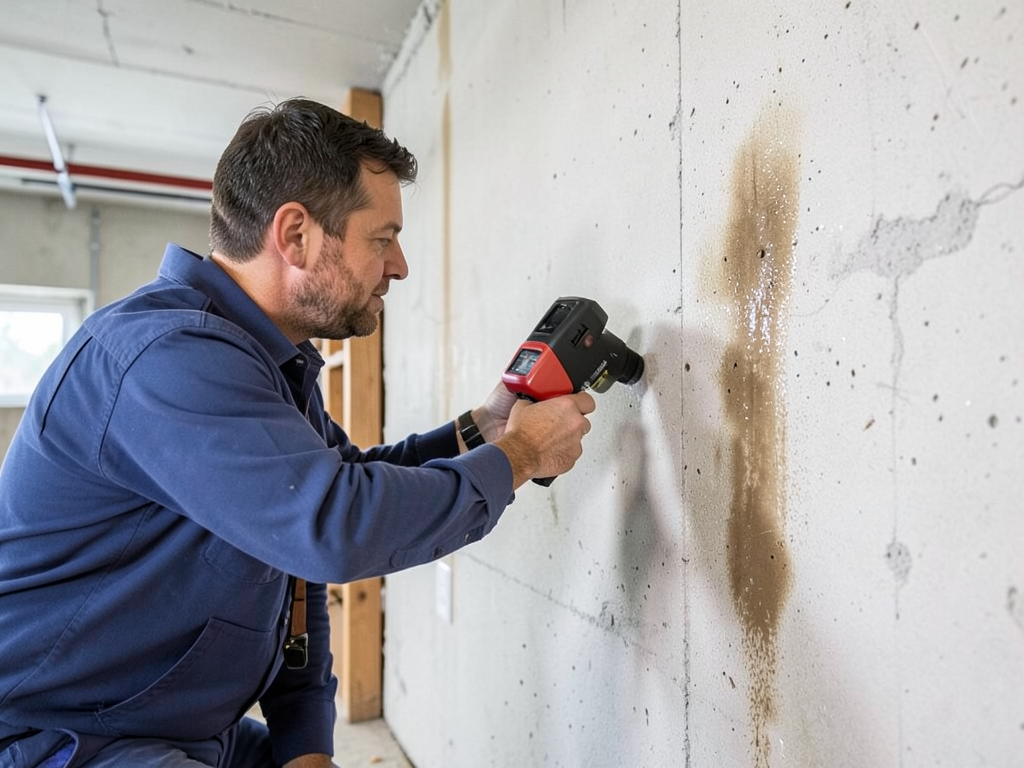
Our commercial mold remediation protocol begins with moisture mapping using thermal imaging and hygrometers. We identify the water intrusion point, whether it is a roof leak, plumbing failure, or condensation from oversized HVAC units common in older D.C. commercial buildings.

We establish negative air pressure containment using HEPA-filtered air scrubbers rated for commercial square footage. Polyethylene barriers with airlock entries isolate affected zones while adjacent offices or retail spaces remain accessible. This staged approach minimizes tenant displacement and maintains cash flow during remediation.

Our technicians remove contaminated materials following EPA guidelines for commercial mold removal. We do not mask problems with encapsulants. Load-bearing structures and mechanical systems are cleaned with HEPA vacuums and antimicrobial solutions, then verified with post-remediation air sampling. Chain of custody documentation supports insurance claims and regulatory compliance.

We coordinate with your property manager to schedule work during off-peak hours for high-traffic facilities like hotels or medical offices. For 24-hour operations like data centers or hospitals, we deploy multiple crews to compress timelines without sacrificing containment integrity.

Final verification includes third-party clearance testing and moisture level confirmation below 15 percent relative humidity. You receive a detailed remediation report with photographic documentation, air quality data, and moisture readings that satisfy lender requirements and tenant concerns. Our work aligns with IICRC S520 standards and D.C. Department of Energy and Environment protocols for commercial properties.

Our Commercial Mold Abatement Workflow

Commercial Mold Remediation in Washington, D.C. – Minimize Downtime and Protect Your Operations
01

Facility Assessment and Containment

We conduct a building-wide moisture assessment using infrared cameras and moisture meters to map water intrusion patterns. Containment barriers with negative air machines prevent spore migration to unaffected floors or tenant spaces. Critical systems like fire suppression and HVAC remain operational throughout the process, maintaining building code compliance.
02

Material Removal and Decontamination

Contaminated porous materials are bagged, sealed, and removed following OSHA hazardous waste protocols. Non-porous surfaces like steel framing and concrete are HEPA-vacuumed and treated with EPA-registered antimicrobials. We document disposal with manifests required for commercial liability protection and insurance substantiation. Air scrubbers run continuously to maintain negative pressure differentials.
03

Verification and Clearance Testing

Independent industrial hygienists perform post-remediation air sampling to confirm spore counts below baseline levels. Moisture readings are verified across all affected building assemblies. You receive a comprehensive report with lab results, photographic evidence, and certificate of completion that satisfies tenant agreements, lender requirements, and regulatory agencies. The space is cleared for reconstruction or immediate reoccupancy.

Why D.C. Commercial Property Managers Choose Our Team

Washington, D.C. commercial properties operate under stricter scrutiny than residential structures. Federal agencies lease space with non-negotiable air quality standards. Historic district buildings in areas like Dupont Circle require remediation methods that preserve architectural elements while meeting modern safety codes. You need a contractor who understands these competing demands.

We maintain relationships with D.C. Department of Buildings inspectors and understand the permitting requirements for commercial mold abatement in structures over three stories. Our crews carry the certifications required to work in government-leased facilities and medical buildings subject to Joint Commission standards.

Our business mold remediation capacity scales to your needs. A 2,000-square-foot law office receives the same protocol rigor as a 50,000-square-foot distribution center in the Navy Yard district. We deploy multiple crews and industrial dehumidification equipment to compress timelines without cutting corners on containment or air quality verification.

Insurance coordination is built into our process. We provide detailed estimates with line-item breakdowns that satisfy commercial policy requirements. Our documentation supports business interruption claims by clearly establishing causation timelines and necessary scope of work.

Local suppliers in the D.C. metro area provide same-day delivery of antimicrobial treatments, containment materials, and replacement building products. This supply chain proximity reduces delays that extend your facility downtime. We do not wait three days for specialty equipment to arrive from regional warehouses.

You receive transparent communication throughout the project. Daily progress reports include photographic updates, air quality readings, and schedule adjustments. Your tenants, employees, and stakeholders stay informed without requiring your constant oversight.

What Your Commercial Mold Remediation Project Includes

Rapid Response and Scheduling Flexibility

We dispatch assessment teams within four hours of your call. For facilities operating 24/7, we schedule work during low-occupancy periods to minimize disruption. Weekend and overnight shifts are standard for retail spaces, restaurants, and medical facilities where daytime closure is not feasible. Our project managers coordinate with your operations team to sequence work around peak business hours, vendor deliveries, and tenant access requirements.

Comprehensive Moisture and Mold Assessment

Our initial assessment includes thermal imaging of walls, ceilings, and mechanical spaces to identify hidden moisture sources. We inspect HVAC plenums, roof drain systems, and below-grade waterproofing common failure points in D.C. commercial construction. You receive a written scope of work with moisture mapping, contamination extent, and recommended remediation protocol before any demolition begins. This eliminates surprise costs and supports accurate insurance claims.

Certified Remediation and Air Quality Verification

All work follows IICRC S520 standards for commercial mold remediation. Containment barriers, negative air pressure, and HEPA filtration prevent cross-contamination during material removal. Post-remediation clearance testing by independent hygienists confirms safe reoccupancy. You receive lab reports, moisture documentation, and compliance certificates that satisfy tenant agreements, lender requirements, and regulatory agencies. The space is ready for reconstruction or immediate use.

Ongoing Moisture Management Recommendations

Remediation solves the immediate problem. Preventing recurrence requires addressing the underlying moisture source. We provide facility managers with humidity control recommendations, HVAC maintenance protocols, and building envelope repairs specific to your D.C. property. Quarterly moisture inspections identify problems before mold recolonizes. Our maintenance agreements include priority scheduling and discounted rates for ongoing monitoring, protecting your investment and maintaining tenant satisfaction.

Frequently Asked Questions

You Have Questions,
We Have Answers

What do professionals use for mold remediation? +

Professionals use HEPA-filtered air scrubbers to capture airborne spores, antimicrobial treatments to kill mold at the source, and containment barriers to prevent cross-contamination during removal. Commercial jobs require negative air pressure systems to isolate affected zones. Technicians remove contaminated materials like drywall, insulation, and ceiling tiles, then apply encapsulants to seal porous surfaces. Moisture meters and thermal imaging cameras locate hidden water intrusion. In Washington, D.C., high humidity and aging building infrastructure increase moisture risks. Professionals address both visible growth and underlying moisture problems to prevent recurrence and maintain indoor air quality for employees and customers.

How much does it cost to professionally get rid of mold? +

Commercial mold remediation costs depend on contaminated square footage, material removal extent, and building accessibility. Small office mold issues may cost less than large-scale institutional buildings. Factors include containment setup, HVAC decontamination, and post-remediation testing. Washington, D.C. properties face higher costs when mold spreads through interconnected HVAC systems or historic buildings with moisture-damaged masonry. Delaying remediation increases expenses as mold spreads and structural damage worsens. Most commercial projects require air quality testing and clearance reports for liability protection. Request detailed scope-of-work documentation before approving work. Quick response minimizes downtime and tenant disruption, protecting your revenue stream.

How much does professional mold removal cost? +

Professional mold removal pricing varies based on contamination severity, affected materials, and business continuity requirements. Projects requiring after-hours work to avoid operational disruption cost more. Extensive HVAC cleaning, structural drying, and reconstruction drive up expenses. Washington, D.C. commercial properties often require specialized asbestos testing in older buildings before mold removal begins, adding regulatory compliance costs. Large outbreaks in multi-tenant buildings involve higher containment and coordination expenses. Most commercial jobs include documentation for insurance claims and regulatory reporting. Invest in proper remediation to avoid liability, health complaints, and repeat contamination. Cutting corners leads to recurring mold and greater long-term costs.

What is commercial mold remediation? +

Commercial mold remediation removes fungal contamination from business properties while minimizing operational downtime and liability exposure. The process includes containment, air filtration, contaminated material removal, antimicrobial treatment, and moisture correction. Unlike residential work, commercial projects require coordination with tenants, compliance with OSHA regulations, and documentation for insurance and legal protection. Washington, D.C. commercial buildings face mold risks from condensation in older HVAC systems, roof leaks, and basement moisture intrusion. Remediation protects indoor air quality, prevents structural damage, and maintains code compliance. Proper execution includes identifying the moisture source, eliminating growth, and implementing preventive measures to avoid recurrence.

What kills mold permanently? +

Nothing kills mold permanently without eliminating the underlying moisture problem. Professional remediation uses antimicrobial agents, HEPA filtration, and material removal to eliminate existing growth. Encapsulants seal porous surfaces to prevent spore release. However, mold returns if humidity exceeds 60 percent or water intrusion continues. Washington, D.C. experiences high seasonal humidity and frequent storms, creating constant moisture challenges. Commercial properties need dehumidification systems, proper ventilation, and regular HVAC maintenance. Address roof leaks, plumbing failures, and condensation sources immediately. Permanent mold control requires ongoing moisture management, not just one-time treatment. Focus on building envelope integrity and mechanical system performance to keep mold from returning.

How do Japanese bathrooms not get mold? +

Japanese bathrooms resist mold through superior ventilation design, rapid-drying materials, and daily maintenance practices. They use exhaust fans that run continuously, waterproof wall panels instead of porous tile grout, and sloped floors for complete water drainage. Daily squeegee use removes standing water before mold establishes. Washington, D.C. commercial properties can adopt similar strategies by upgrading bathroom ventilation, using mold-resistant materials during renovations, and training custodial staff on moisture management. Install timer-controlled exhaust fans, specify non-porous surfaces, and ensure proper grout sealing. Proactive moisture removal and airflow prevent mold better than reactive cleaning. Design and behavior matter more than harsh chemicals.

Can black mold be fully remediated? +

Black mold (Stachybotrys chartarum) can be fully remediated when professionals remove contaminated materials, treat affected surfaces, and correct moisture sources. The fungus grows on cellulose-based materials like drywall and ceiling tiles, which must be discarded. HEPA filtration captures airborne spores during removal. Antimicrobial treatments kill remaining growth on structural elements. However, remediation fails if water intrusion continues. Washington, D.C. commercial buildings with chronic roof leaks or HVAC condensation issues see black mold return unless underlying problems are fixed. Complete remediation requires both mold removal and permanent moisture control. Post-remediation air quality testing confirms successful elimination and protects against liability claims.

Is professional mold removal worth it? +

Professional mold removal is worth it for commercial properties facing liability exposure, tenant complaints, or structural damage. DIY methods fail to address hidden growth in HVAC systems, wall cavities, and subfloors. Improper removal spreads spores and worsens contamination. Washington, D.C. businesses risk health violations, insurance claim denials, and lawsuits without proper documentation and containment. Professional remediation includes moisture source correction, preventing recurrence and protecting your investment. The cost of proper remediation is lower than tenant turnover, structural repairs, and legal fees from negligence claims. Professionals provide clearance testing and documentation that protects you from future liability. Speed and thoroughness minimize business interruption.

Is mold remediation tax deductible? +

Mold remediation may be tax deductible as a business expense if it maintains your property's current condition rather than improving it. IRS guidelines allow deductions for repairs that restore property to its original state. If remediation is part of a larger renovation or improvement, you may need to capitalize and depreciate the cost. Washington, D.C. commercial property owners should document remediation as damage restoration, not enhancement. Consult a tax professional familiar with commercial property regulations and local code requirements. Keep detailed invoices, scope-of-work documents, and before-and-after reports. Emergency remediation following water damage typically qualifies as a deductible repair expense.

Can you permanently get rid of black mold? +

You can permanently eliminate black mold by removing contaminated materials, treating surfaces with antimicrobials, and fixing moisture problems. Black mold requires sustained moisture above 60 percent humidity to grow. Remove water-damaged drywall, insulation, and ceiling tiles. Treat structural elements with encapsulants. Install dehumidification systems and repair leaks immediately. Washington, D.C. commercial properties need regular HVAC maintenance and roof inspections to prevent moisture accumulation. Black mold returns if humidity control fails or new water intrusion occurs. Permanent elimination requires vigilant moisture management, not just surface treatment. Monitor indoor humidity levels and address condensation sources before mold establishes. Prevention is more cost-effective than repeated remediation.

How D.C.'s Federal Building Codes Impact Commercial Mold Cleanup

Washington, D.C. commercial properties face dual regulatory oversight from both municipal building codes and federal workplace safety standards. Buildings leased to government agencies must meet General Services Administration air quality benchmarks that exceed typical commercial requirements. Historic structures in Georgetown and Capitol Hill require remediation methods that preserve original plaster, brick, and millwork while eliminating contamination. HVAC systems designed for modern cooling loads often create condensation issues in buildings constructed before central air conditioning became standard.

Our team works regularly with D.C. Department of Buildings inspectors and understands permit requirements for commercial mold abatement projects. We maintain the certifications required to work in federal facilities, medical buildings, and food service establishments. Local expertise matters when remediation work intersects with landmark preservation rules or tenant improvement requirements in Class A office buildings. Property managers throughout the D.C. metro area rely on our ability to navigate these overlapping jurisdictions without delaying project timelines.
Water Damage Restoration Services in The Washington DC Area

While we primarily offer mobile, on-site water damage restoration services throughout Washington D.C., you can view our main operational hub and service area on the map below. We are strategically located to ensure rapid deployment and efficient response times to all emergencies across the region, bringing our expert services directly to your property wherever you are within our service footprint.

Address:
Reliance Water Damage Restoration Washington DC, 200 Massachusetts Ave NW, Washington, DC, 20001

Additional Services We Offer

Our news updates

Latest Articles & News from The Blogs

Why Your New Condo at The Wharf Might Experience Balcony Drainage Flooding Living in a luxury condo at The Wharf…

Why Your New Condo at The Wharf Might Experience Balcony Drainage Flooding

Why Your New Condo at The Wharf Might Experience Balcony Drainage Flooding Living in a luxury condo at The Wharf…

Dealing with Potomac River Seepage in Your Georgetown Waterfront Retail Space

Dealing with Potomac River Seepage in Your Georgetown Waterfront Retail Space Georgetown's waterfront retail spaces face unique water damage risks…

What Every DC Homeowner Needs in a Flood Emergency Kit Before the Next Storm Hits

What Every DC Homeowner Needs in a Flood Emergency Kit Before the Next Storm Hits Washington DC homeowners face unique…

Contact Us

Every day mold persists increases liability exposure and operational disruption. Call (771) 223-8077 now for a facility assessment. Our team will evaluate your contamination extent, provide a detailed remediation plan, and begin work on your schedule to minimize downtime and protect your D.C. commercial investment.