




Menu

Hidden Moisture Detection in Washington, D.C. – Stop Mold and Structural Damage Before They Start

Professional thermal imaging and moisture mapping uncover water intrusion invisible to the naked eye, protecting your home from costly mold growth and structural decay common in D.C.'s humid climate.

Slider Image 1
Slider Image 2
Slider Image 3
Slider Image 4
Slider Image 5
Slider Image 7
Slider Image 8
Slider Image 9
Slider Image 10
Slider Image 11

Why Hidden Water Threatens D.C. Homes Year-Round

You smell something musty in your basement. Your utility bills jumped without explanation. You see discoloration on a ceiling, but the surface feels dry to the touch. These are warning signs of concealed dampness, and in Washington, D.C., they are more common than most homeowners realize.

The District's position along the Potomac River creates persistent humidity levels that rarely drop below 60 percent, even in winter. This constant moisture creates ideal conditions for water to migrate behind walls, under flooring, and into crawl spaces without obvious surface evidence. Older rowhouses in neighborhoods like Capitol Hill and Georgetown feature brick facades and plaster walls that absorb moisture like a sponge, trapping water deep within the structure.

Spotting hidden water damage early prevents catastrophic problems. Water that sits undetected for weeks becomes a breeding ground for toxic mold species like Stachybotrys. It also accelerates wood rot in floor joists and wall studs, compromising your home's structural integrity. Detecting invisible leaks before they spread saves you from five-figure remediation bills and protects your family's health.

Many D.C. properties were built before modern waterproofing standards existed. Historic districts prohibit exterior modifications that would improve drainage, forcing water to find paths through aging mortar joints and foundation cracks. Without professional moisture detection equipment, you cannot see the water moving through your walls until the damage becomes severe. Locating concealed dampness requires technology that measures moisture content below surface level, and that is where thermal imaging and hygrometers become essential tools.

Why Hidden Water Threatens D.C. Homes Year-Round
How Professional Moisture Detection Works

How Professional Moisture Detection Works

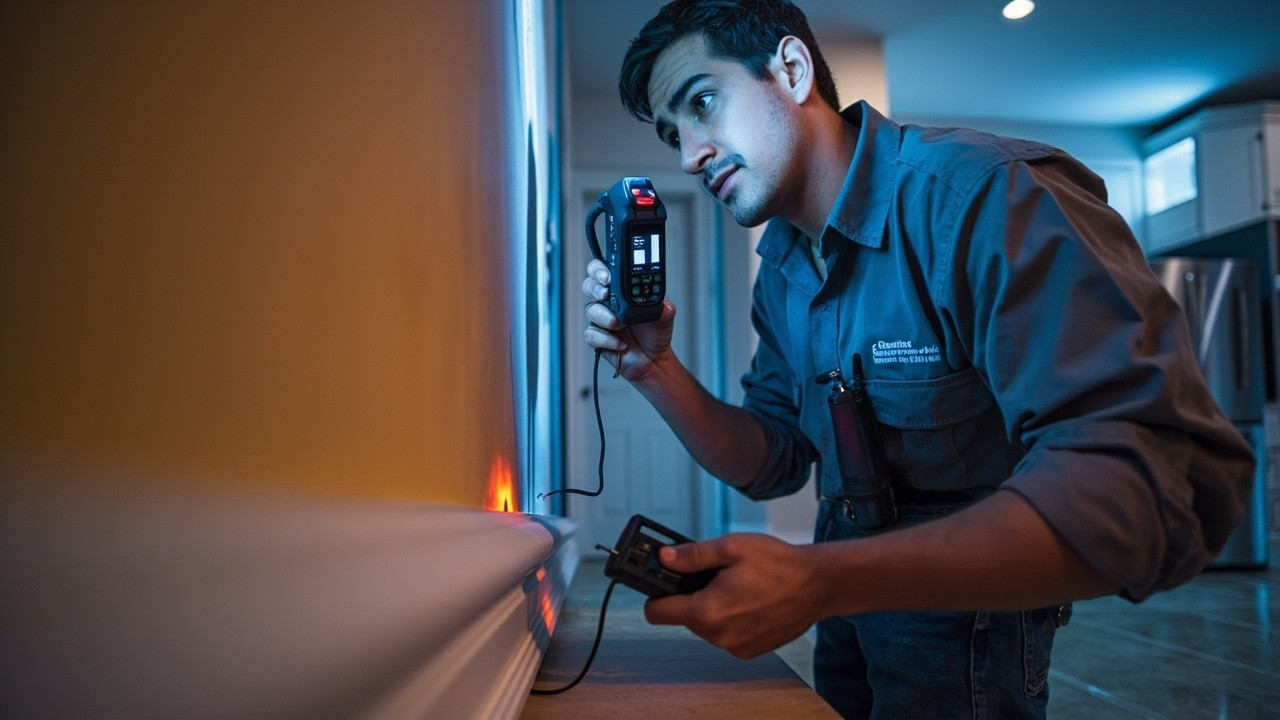
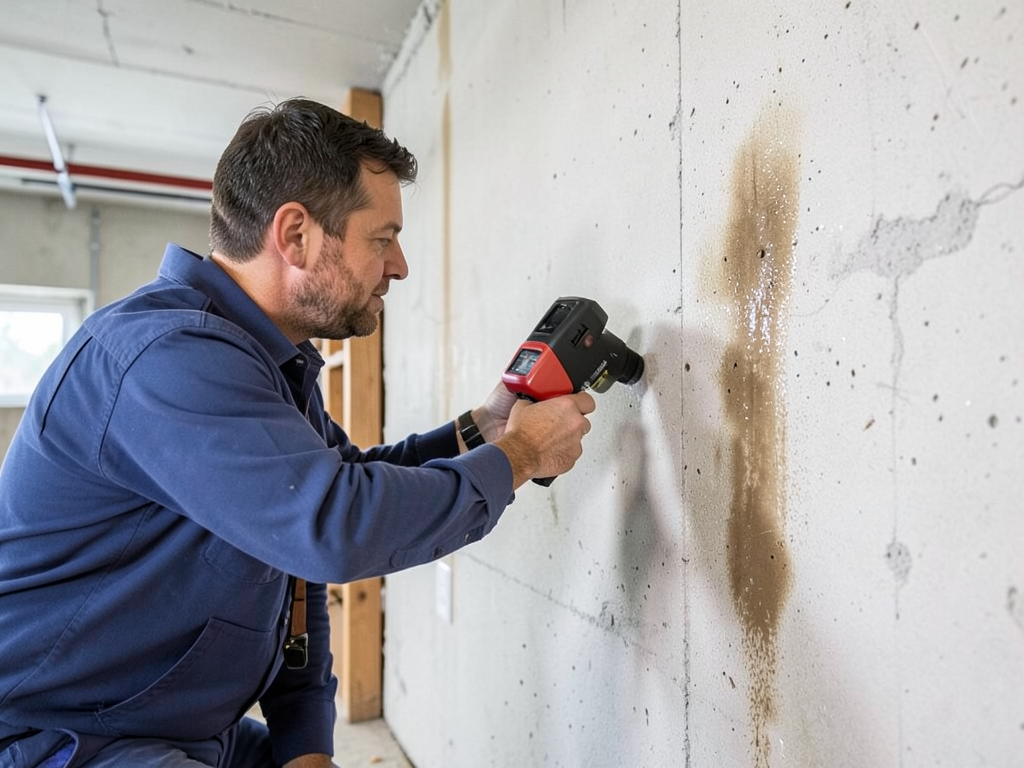
Finding trapped water requires more than walking through your home with a flashlight. We use calibrated thermal imaging cameras that detect temperature differentials as small as 0.1 degrees Fahrenheit. Wet building materials cool differently than dry materials, creating thermal signatures invisible to your eyes but clear on an infrared display.

Our technicians start with a moisture meter survey, pressing pin-type and non-invasive sensors against walls, ceilings, and floors to establish baseline readings. Normal wood moisture content sits between 6 and 12 percent. Readings above 16 percent indicate active water intrusion. Readings above 20 percent confirm conditions favorable for mold colonization.

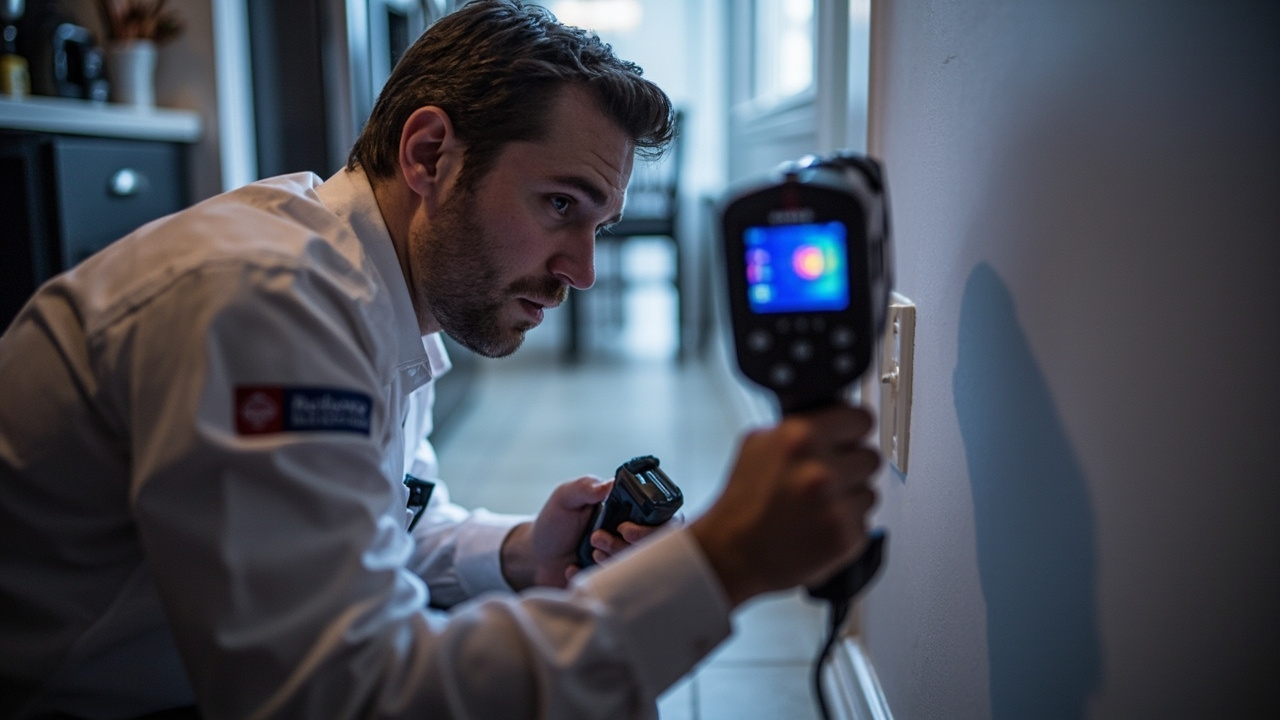
Thermal imaging fills in the gaps. We scan entire rooms, looking for cold spots that indicate wet insulation, drywall, or framing. Water trapped inside exterior walls shows up as dark blue zones on the thermal display, while dry areas register orange or red. This technology lets us trace the path of water from its entry point to where it has migrated, identifying unseen water intrusion without cutting into your walls.

We also use thermo-hygrometers to measure relative humidity and dew point at different elevations in each room. Rising damp from foundation issues creates humidity gradients, with moisture levels increasing closer to the floor. FLIR moisture detection cameras with MSX image enhancement overlay thermal data onto visible light photos, giving you a clear before-and-after record of exactly where water hides.

Every finding gets documented with photos, moisture readings, and a written report. You receive a moisture map showing affected areas and severity levels, giving you the information needed to make informed decisions about repairs and insurance claims.

What Happens During Your Moisture Detection Inspection

Hidden Moisture Detection in Washington, D.C. – Stop Mold and Structural Damage Before They Start
01

Initial Site Assessment

We begin by interviewing you about symptoms you have noticed, such as odors, stains, or unexplained temperature changes. This conversation helps us prioritize areas for intensive scanning. We then perform a visual inspection of vulnerable zones like basements, crawl spaces, attic penetrations, and areas near plumbing fixtures. This step takes 15 to 20 minutes and establishes a logical scanning route through your property.
02

Thermal and Moisture Scanning

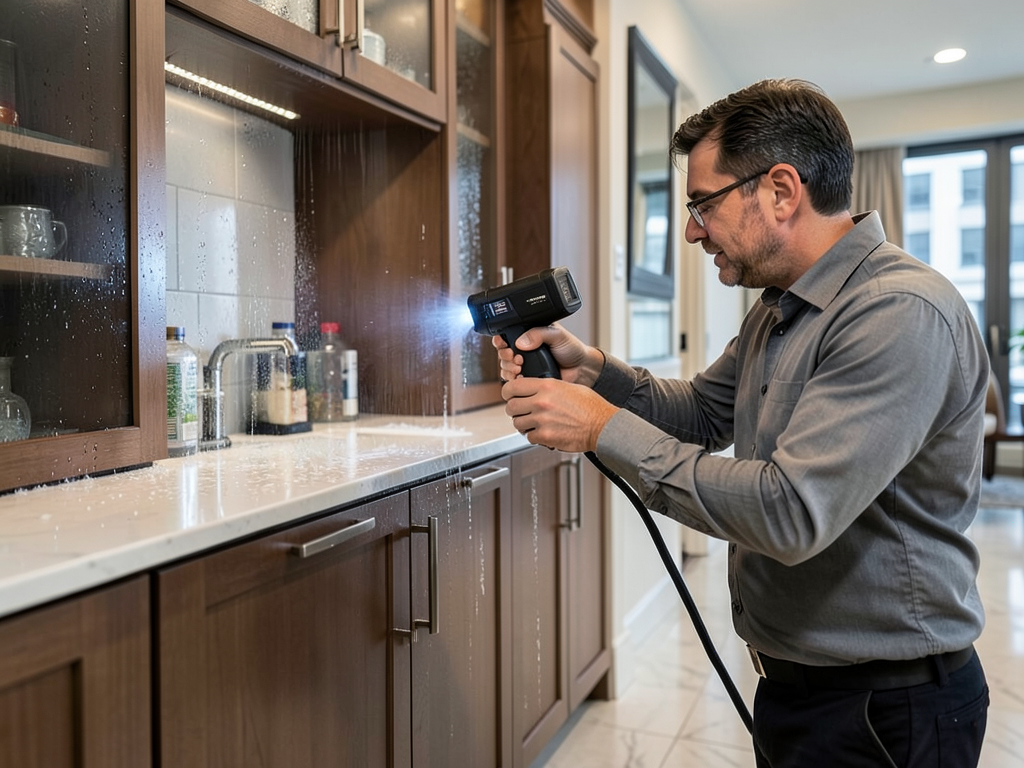
Using infrared cameras and pin-based moisture meters, we systematically scan walls, floors, and ceilings in every affected room. The thermal camera detects temperature anomalies that indicate wet materials, while moisture meters provide quantitative readings in percent moisture content. We mark affected areas with tape for clear reference during remediation. This phase typically requires 30 to 60 minutes depending on your home's square footage.
03

Documentation and Action Plan

You receive a detailed moisture report with thermal images, moisture readings, and affected area measurements. We explain which areas require immediate drying, which need monitoring, and what repairs will prevent recurrence. If you plan to file an insurance claim, this documentation provides the evidence adjusters need. We also outline next steps, whether that means emergency water extraction, structural drying, or mold remediation.

Why D.C. Homeowners Trust Our Detection Process

Cornerstone Water Damage Restoration Charlotte understands how Washington, D.C.'s unique building stock and climate create hidden moisture challenges. We have inspected hundreds of rowhouses, condos, and single-family homes across all eight wards, from the historic properties in Georgetown to the newer construction in Navy Yard. This experience teaches us where water hides and how it moves through different building types.

D.C.'s building codes have evolved significantly over the past century. Homes built before 1950 often lack vapor barriers, waterproof membranes, and proper flashing around windows and doors. Row construction creates shared party walls that can wick moisture between units. We know how to trace water migration patterns in these older structures without causing unnecessary damage during the investigation.

Our equipment exceeds industry standards. We use FLIR E8-XT thermal cameras with 76,800 pixel resolution and temperature sensitivity accurate to 0.1 degrees. Our Tramex moisture meters are calibrated monthly to ensure accurate readings across different materials, from hardwood flooring to concrete block. This precision matters when you need to know whether a wall requires drying or demolition.

We also understand D.C.'s insurance landscape. Many policies require professional documentation before authorizing water damage claims. Our moisture reports meet adjuster requirements for evidence quality, helping you avoid claim denials based on insufficient proof. We have worked with every major carrier operating in the District, and we know what documentation they need.

Speed matters when identifying unseen water intrusion. We offer same-day inspection scheduling for properties showing active leak symptoms. The sooner we locate the water, the less damage it causes and the lower your remediation costs become.

What to Expect from Our Moisture Detection Service

Rapid Response Scheduling

We schedule inspections within 24 hours of your call, and same-day service is available for urgent situations. Most residential inspections take 60 to 90 minutes from arrival to completion. You receive preliminary findings on-site, so you understand the scope of the problem before we leave. Full written reports with thermal images and moisture maps are delivered within 24 hours. If we discover conditions requiring immediate water extraction or drying, we can deploy equipment the same day to prevent further damage.

Non-Invasive Assessment Methods

Our detection process does not require cutting holes in your walls or removing finishes. Thermal imaging and non-invasive moisture meters gather data through surfaces without causing damage. If pinpoint confirmation is needed, we use pin-type meters that leave holes smaller than finishing nails, easily concealed with spackle. You get definitive answers about where water is hiding without the cost and disruption of exploratory demolition. This approach is especially important in D.C.'s historic districts, where preservation guidelines limit invasive investigation methods.

Actionable Results You Can Use

Your moisture report includes more than data. We explain what the readings mean, which areas pose immediate health or structural risks, and what repairs will fix the root cause. You receive clear recommendations ranked by priority, giving you a roadmap for remediation. If your situation requires contractors beyond our scope, such as foundation repair or roof replacement, we can refer you to trusted local specialists. The goal is not just finding the water but giving you a plan to eliminate it permanently.

Follow-Up Verification Scans

After drying or remediation, we return to verify that moisture levels have returned to normal ranges. Post-remediation verification scanning confirms that affected materials have dried to below 12 percent moisture content, preventing mold growth and ensuring structural stability. This follow-up scan is included with our full-service restoration packages. For detection-only clients, verification scanning is available at a reduced rate. You receive updated thermal images and moisture readings proving your home is dry and safe.

Frequently Asked Questions

You Have Questions,
We Have Answers

How to find where moisture is coming from in a house? +

Start by checking obvious sources like roofs, windows, and basement walls. In Washington, D.C., where humid summers and aging brick facades are common, moisture often enters through failed mortar joints or cracks in foundation walls. Look for water stains, peeling paint, or efflorescence (white chalky residue). Use a moisture meter to scan walls near plumbing fixtures, exterior walls, and around HVAC units. Check attic spaces after heavy rain and inspect crawl spaces for standing water. If you cannot locate the source, professionals use thermal imaging cameras and hygrometers to trace hidden leaks behind finished surfaces.

Can my phone detect moisture? +

Your phone cannot reliably detect moisture in building materials. While some apps claim to use sensors for humidity readings, smartphones lack the calibrated equipment needed for accurate moisture detection in walls or floors. These apps measure ambient air humidity at best, which tells you nothing about water trapped inside drywall or subflooring. Professional moisture detection requires pin-type or pinless moisture meters that measure electrical resistance or capacitance within materials. For Washington, D.C. homes with plaster walls and older construction, you need actual detection equipment, not a smartphone app, to identify hidden water damage accurately.

How do you detect moisture behind walls? +

Professionals use non-invasive moisture meters that scan through drywall, plaster, and wood without drilling holes. Pinless meters detect moisture up to one inch deep using electromagnetic signals. For deeper investigation, thermal imaging cameras reveal temperature differences caused by wet insulation or studs. In Washington, D.C. rowhouses with shared walls, technicians also use pin-type meters that penetrate the surface to measure exact moisture content percentages. Hygrometers measure relative humidity in wall cavities when small access holes are needed. These tools locate water damage from slow leaks, condensation, or exterior infiltration before mold develops or structural damage worsens.

What is the app that detects moisture in walls? +

No smartphone app can accurately detect moisture inside walls. Apps claiming this function use your phone's existing sensors, which were never designed for building diagnostics. They might measure surface temperature or ambient humidity, but they cannot penetrate drywall to find trapped water. You need a dedicated moisture meter, either pin-type or pinless, calibrated for building materials like wood, drywall, and plaster. In Washington, D.C., where brick veneer and older plaster construction are common, relying on an app wastes time while water damage spreads. Professional moisture detection equipment costs between fifty and several hundred dollars for consumer-grade units.

What do home inspectors use to detect moisture? +

Home inspectors use moisture meters, both pin-type and pinless models, to check walls, floors, and ceilings during property evaluations. Pinless meters scan large areas quickly without damaging surfaces. Pin-type meters provide precise readings by penetrating materials. Many inspectors also carry thermal imaging cameras to detect temperature anomalies that suggest moisture intrusion or missing insulation. In Washington, D.C., where basements and crawl spaces face groundwater pressure and humidity, inspectors focus on foundation walls, window sills, and areas around plumbing penetrations. Hygrometers measure indoor humidity levels, which should stay below sixty percent to prevent condensation and mold growth.

How to tell if water is leaking behind a wall? +

Watch for water stains, discoloration, or bubbling paint on walls and ceilings. Baseboards may warp or pull away from walls. You might notice a musty odor or feel dampness when touching the wall surface. In Washington, D.C. homes, listen for dripping sounds inside walls, especially after using plumbing fixtures. Wallpaper may peel or show dark spots. Check for increased water bills, which signal continuous leaks. Use a moisture meter to scan suspect areas. Wet drywall feels cooler than surrounding dry areas. Mold growth near baseboards or ceiling corners often indicates ongoing moisture problems behind finished surfaces.

Can an iPhone detect moisture? +

No. iPhones have moisture sensors inside the device to detect water damage to internal components, but they cannot detect moisture in walls, floors, or building materials. The internal sensors trigger warnings if the phone itself gets wet. Some apps claim to use iPhone sensors for moisture detection, but they lack the calibrated hardware needed for accurate readings in construction materials. In Washington, D.C., where humidity and water intrusion are common issues, you need a real moisture meter with pins or electromagnetic scanning capability. Do not rely on smartphone gimmicks when actual water damage threatens your property.

Will moisture detected go away on its own? +

No. Moisture detected in walls, floors, or ceilings will not disappear without intervention. Water trapped in building materials causes ongoing damage, promotes mold growth, and weakens structural components. In Washington, D.C., where humidity stays high during summer months, wet materials rarely dry completely on their own. You must identify and stop the water source, then actively dry affected areas using dehumidifiers, fans, and sometimes professional drying equipment. Ignoring detected moisture leads to rot, mold contamination, and expensive repairs. The longer water sits, the worse the damage becomes. Address moisture problems immediately when discovered.

Can I use a hair dryer to dry my charging port? +

No. Hair dryers push moisture deeper into the charging port and can damage internal components with heat. The safest method is letting your phone air dry in a room with good airflow for at least twenty-four hours. Place it near a fan, not a heater. Rice does not work and leaves dust inside ports. If your phone shows a moisture warning, stop trying to charge it. Forced air from compressed air cans (held upright, not inverted) can help, but patience works best. This question relates to phone moisture sensors, not building moisture detection used in Washington, D.C. homes.

Do surveyors check every wall for damp? +

No. Surveyors and home inspectors check high-risk areas and visible problem zones, not every square foot of wall surface. They focus on exterior walls, basement walls, areas around windows and doors, and locations with visible stains or damage. In Washington, D.C., where brick facades and basement moisture are common, inspectors concentrate on foundation walls, crawl spaces, and areas near plumbing fixtures. A full moisture survey of every wall would take days and cost thousands. Inspectors use visual assessment combined with moisture meters in suspect areas. If you need comprehensive moisture mapping, hire a water damage specialist.

How D.C.'s Potomac River Proximity Creates Persistent Moisture Challenges

Washington, D.C. sits at the confluence of the Potomac and Anacostia rivers, creating year-round humidity levels that accelerate hidden water problems. Summer dew points frequently reach 70 degrees, causing condensation inside air-conditioned homes when warm exterior air meets cold interior surfaces. This condensation accumulates inside wall cavities and attics, creating concealed dampness that never dries completely. Homes in low-lying areas near Rock Creek Park and the C&O Canal experience seasonal water table fluctuations that push moisture through foundation walls via capillary action, requiring regular moisture monitoring to catch problems early.

D.C.'s building code enforcement and historic preservation requirements make professional moisture detection essential before starting any repair work. Properties in historic districts like Capitol Hill require HPRB approval for exterior modifications, and you cannot obtain permits without documentation proving the extent of water damage. Our moisture reports satisfy both DCRA permit requirements and historic preservation board documentation standards. We understand local contractors, know which remediation approaches meet code, and can guide you through the approval process for properties subject to preservation oversight.
Water Damage Restoration Services in The Washington DC Area

While we primarily offer mobile, on-site water damage restoration services throughout Washington D.C., you can view our main operational hub and service area on the map below. We are strategically located to ensure rapid deployment and efficient response times to all emergencies across the region, bringing our expert services directly to your property wherever you are within our service footprint.

Address:
Reliance Water Damage Restoration Washington DC, 200 Massachusetts Ave NW, Washington, DC, 20001

Additional Services We Offer

Our news updates

Latest Articles & News from The Blogs

Why Your New Condo at The Wharf Might Experience Balcony Drainage Flooding Living in a luxury condo at The Wharf…

Why Your New Condo at The Wharf Might Experience Balcony Drainage Flooding

Why Your New Condo at The Wharf Might Experience Balcony Drainage Flooding Living in a luxury condo at The Wharf…

Dealing with Potomac River Seepage in Your Georgetown Waterfront Retail Space

Dealing with Potomac River Seepage in Your Georgetown Waterfront Retail Space Georgetown's waterfront retail spaces face unique water damage risks…

What Every DC Homeowner Needs in a Flood Emergency Kit Before the Next Storm Hits

What Every DC Homeowner Needs in a Flood Emergency Kit Before the Next Storm Hits Washington DC homeowners face unique…

Contact Us

Do not wait for visible damage to confirm what you already suspect. Call (771) 223-8077 now to schedule your thermal imaging moisture inspection. We will locate every drop of hidden water and give you a clear plan to protect your home.