




Menu

Rapid Response Flood Extraction in Washington, D.C. – Trucks Dispatched in Under 60 Minutes

When floodwater threatens your property near the Potomac or Anacostia, every minute counts. Our rapid response flood extraction teams mobilize immediately with industrial-grade pumps and submersible equipment to halt the damage before it compounds.

Slider Image 1
Slider Image 2
Slider Image 3
Slider Image 4
Slider Image 5
Slider Image 7
Slider Image 8
Slider Image 9
Slider Image 10
Slider Image 11

Why Washington, D.C. Floods Demand Immediate Extraction

Washington, D.C. sits at the confluence of the Potomac and Anacostia Rivers, making flood events a recurring threat during hurricane season and spring snowmelt. The District's aging storm sewer infrastructure, built over a century ago in neighborhoods like Georgetown and Capitol Hill, struggles to handle sudden cloudbursts. When these systems fail, basements fill fast.

You face two simultaneous problems. Floodwater itself destroys everything it touches. But the clock is also ticking on mold colonization, which begins within 24 to 48 hours in D.C.'s humid summers. Standing water also destabilizes foundations in the clay-rich soil common throughout Ward 3 and Ward 4, causing structural settling that worsens by the hour.

Emergency water removal services cannot wait until morning. You need 24/7 flood extraction the moment you discover the problem. Immediate flood pumping stops the spread. Urgent water cleanup prevents secondary damage. Emergency water damage extraction protects your investment.

The longer water sits, the more it migrates through drywall, insulation, and subflooring. In rowhouses common to Shaw and Logan Circle, shared walls mean your neighbor's flood can become yours. Speed is not a luxury. It is the difference between a recoverable event and a total loss.

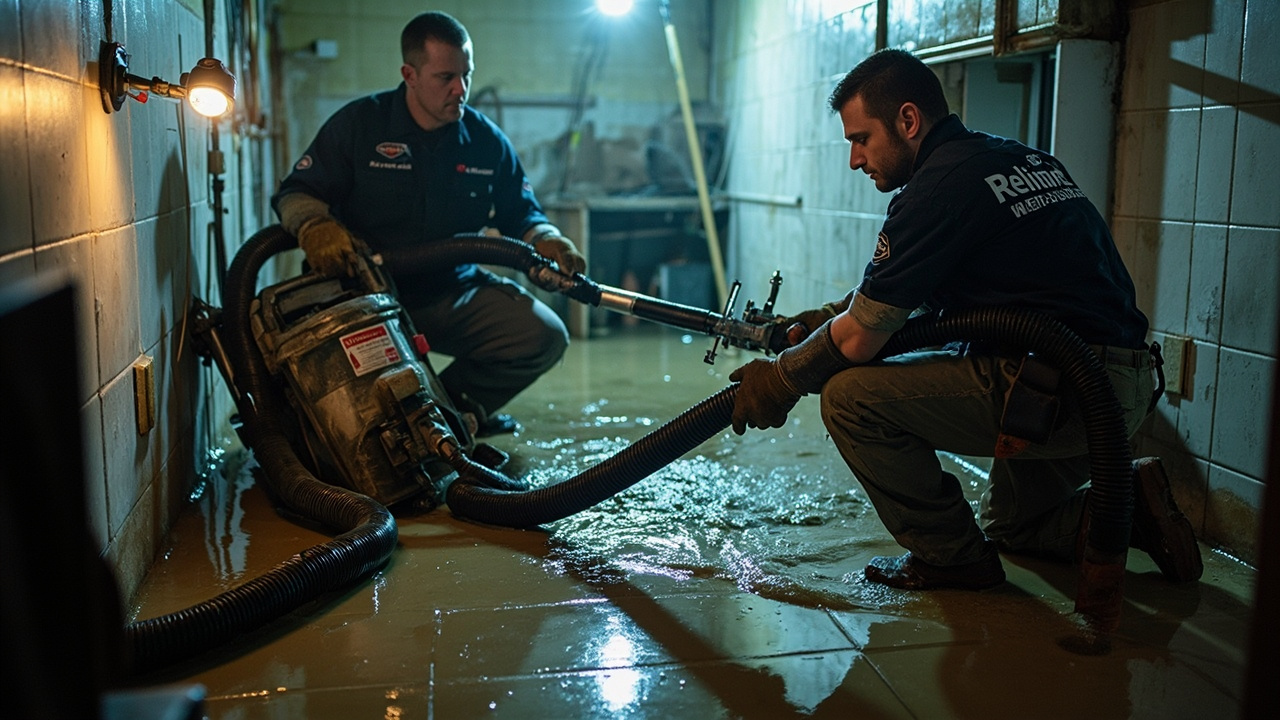
Our trucks carry truck-mounted extractors, submersible pumps rated for thousands of gallons per hour, and moisture detection equipment. We do not schedule you for next week. We come now.

Why Washington, D.C. Floods Demand Immediate Extraction
How Professional Flood Extraction Stops Damage in Its Tracks

How Professional Flood Extraction Stops Damage in Its Tracks

Most homeowners try shop vacuums or mops first. You can remove surface water that way, but you cannot extract what has already soaked into your subfloor, wall cavities, or insulation. That hidden moisture is what destroys your home.

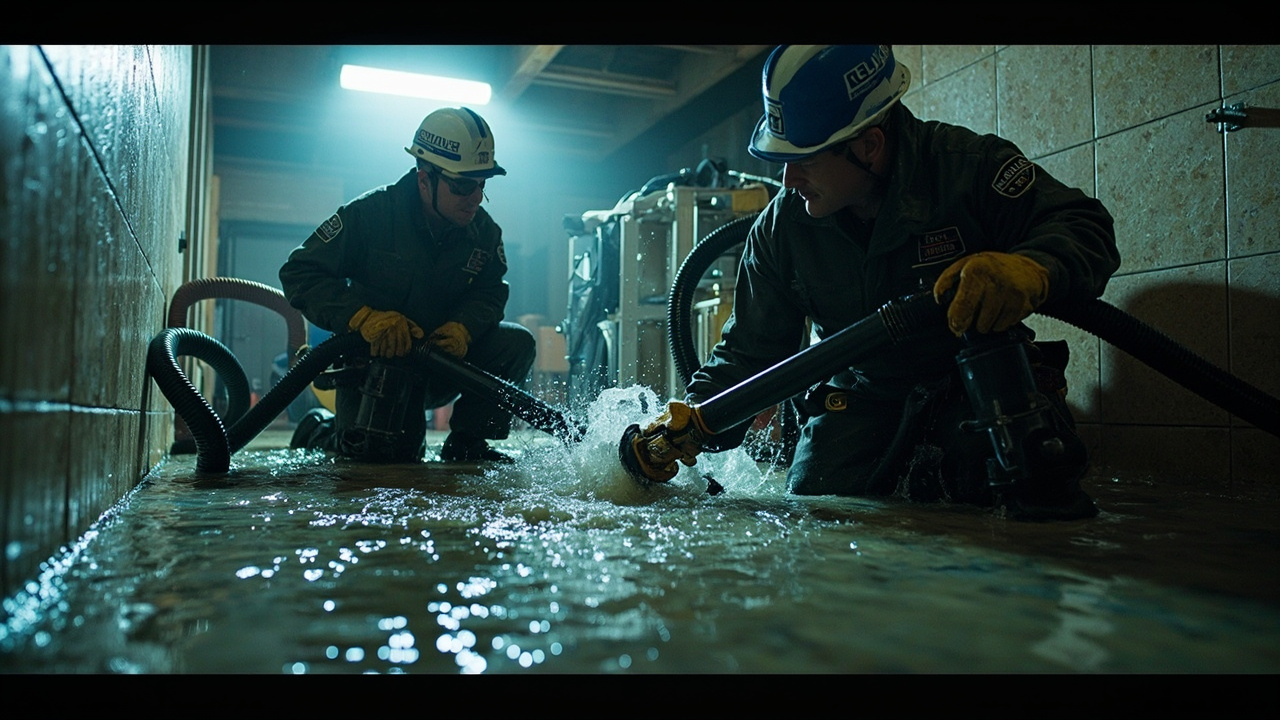
We deploy truck-mounted extraction units capable of pulling water from carpet padding, hardwood tongue-and-groove seams, and concrete slab cracks. These machines generate enough vacuum force to pull moisture from materials a wet-dry vac cannot touch. For severe flooding, we bring submersible pumps that move 5,000 gallons per hour or more, draining basements faster than gravity drains alone.

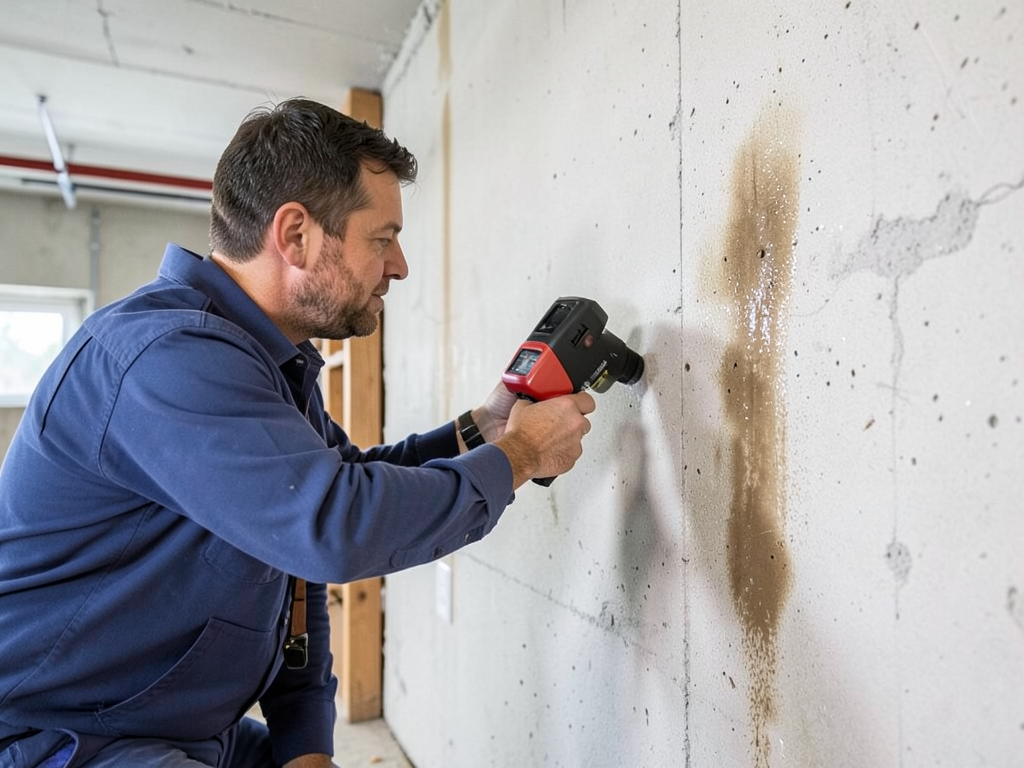
After bulk water removal, we use thermal imaging cameras to map residual moisture invisible to the naked eye. Walls may look dry but still hold enough water to support mold growth. We target those areas with focused air movers and dehumidification, creating controlled airflow that accelerates evaporation without spreading contaminants.

In D.C.'s older housing stock, especially in Dupont Circle and Foggy Bottom, we encounter plaster walls, horsehair insulation, and brick foundations. These materials hold water differently than modern drywall. Plaster wicks moisture horizontally. Brick absorbs it vertically. Our extraction approach adapts to the building, not a one-size-fits-all checklist.

We also document moisture readings at every stage. Insurance carriers in the District require proof of mitigation efforts. We provide detailed logs, photos, and psychrometric data that satisfy adjuster requirements and protect your claim.

You get a dry structure, not just a cosmetic cleanup. That is the difference between professional emergency water damage extraction and a temporary fix.

What Happens When You Call for Emergency Flood Extraction

Rapid Response Flood Extraction in Washington, D.C. – Trucks Dispatched in Under 60 Minutes
01

Immediate Dispatch and Assessment

You call our emergency line and speak with a technician, not an answering service. We ask targeted questions about water source, affected areas, and safety hazards like electrical exposure. A crew is dispatched to your location immediately, often arriving within 60 minutes in most D.C. neighborhoods. Upon arrival, we assess the flood category, measure standing water depth, and identify structural risks before extraction begins.
02

High-Volume Water Removal

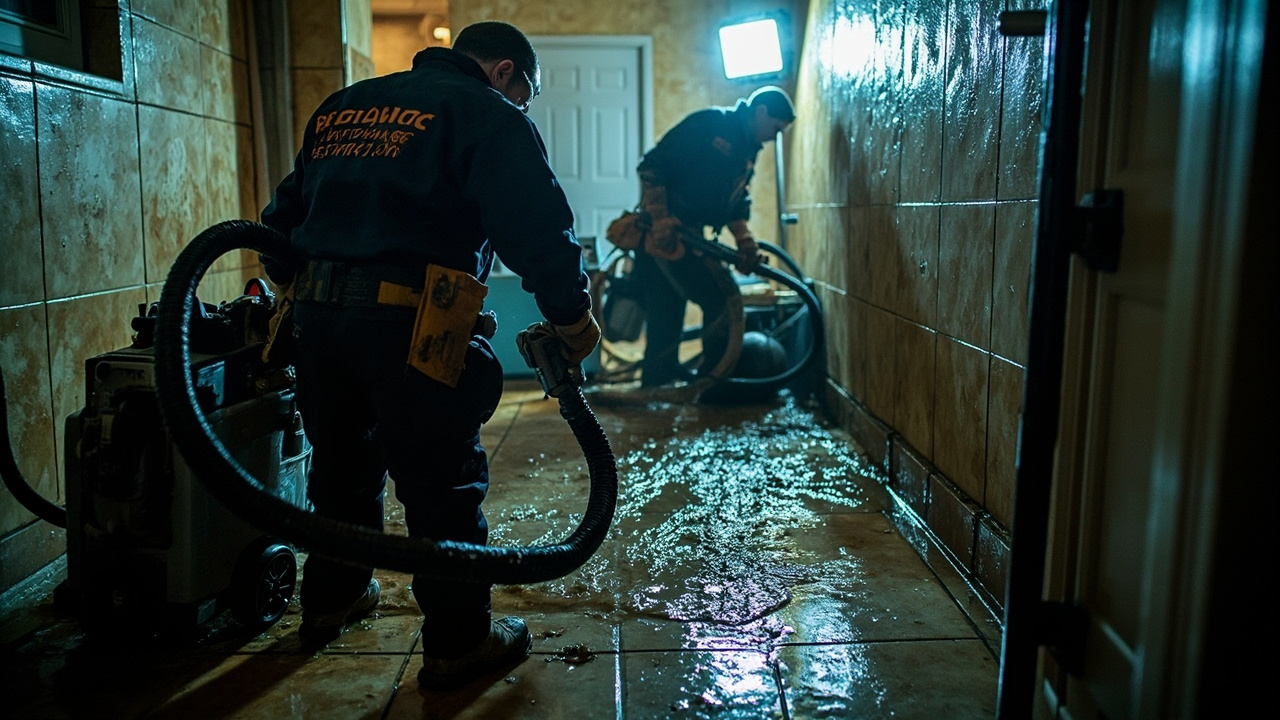
We position truck-mounted extractors and submersible pumps to remove standing water as quickly as possible. For basement floods, we pump water out in stages to prevent hydrostatic pressure imbalances that can crack foundation walls. We extract water from carpets, padding, and porous flooring using weighted extraction tools that compress materials and pull moisture out. Air movers are staged to begin evaporation while extraction is still underway.
03

Verification and Drying Protocol

Once bulk water is removed, we take moisture readings in floors, walls, and subflooring using pin-type and non-invasive meters. We set up a drying plan based on those readings, placing dehumidifiers and air movers strategically to target wet zones. We return daily to monitor progress and adjust equipment until all materials reach dry standard. You receive a completion report with before-and-after moisture data for your records and insurance documentation.

Why D.C. Property Owners Trust Our Flood Extraction Teams

We have worked in every ward of the District. We know the difference between a Federal-style basement in Capitol Hill and a mid-century garden apartment in Cleveland Park. We understand that rowhouse basements often share drainage with adjacent properties, and that flooding in one unit can indicate a larger block-level problem.

D.C. has strict building codes, especially in historic districts. Any structural drying work must respect preservation guidelines. We coordinate with the Historic Preservation Review Board when necessary and follow FEMA flood mitigation standards that apply to properties in the District's designated flood zones along the Potomac and Anacostia.

Our teams are trained in IICRC water damage restoration protocols, which means we follow science-based drying principles, not guesswork. We measure temperature, humidity, and material moisture content to calculate drying time accurately. We do not pull equipment prematurely and leave you with hidden moisture problems.

We also work directly with insurance carriers. Many D.C. homeowners have policies through USAA, State Farm, or Liberty Mutual. We know what documentation these carriers require. We photograph everything, log all equipment run times, and provide itemized estimates that align with Xactimate pricing, which most adjusters use.

You are not handing your property over to strangers. Our crew leaders live in the metro area. They understand that a flood in your Chevy Chase home is not the same as a flood in a Navy Yard condo. Building age, construction type, and flood source all dictate the extraction strategy.

We do not upsell unnecessary services. If your hardwood can be saved, we save it. If your drywall must be removed to prevent mold, we tell you why and show you the moisture readings that support that decision.

What to Expect During Emergency Flood Extraction

Response Time and Availability

We answer emergency calls 24 hours a day, including weekends and federal holidays. A technician will speak with you directly to assess the situation, and a crew will be dispatched immediately. In most D.C. neighborhoods, we arrive within 60 minutes. For floods occurring late at night or during severe weather, we prioritize life safety first, but we will be there as soon as conditions allow. Our trucks are pre-loaded with extraction equipment, so there is no delay waiting for gear to be gathered.

On-Site Evaluation and Scope

When we arrive, we conduct a walkthrough to identify all affected areas, including hidden water migration into wall cavities and adjacent rooms. We use thermal imaging and moisture meters to detect water you cannot see. We explain what we find in plain language, not jargon, and outline the extraction and drying plan. If the flood involves contaminated water from a sewer backup or street flooding, we treat it as a Category 3 event and take additional containment steps to protect your health.

The Drying Outcome You Can Measure

You will not be left guessing whether your property is dry. We provide daily moisture readings and adjust equipment placement as needed. Drying time depends on materials, humidity, and airflow, but most residential floods reach dry standard within three to five days. When we remove equipment, we give you a final moisture report showing that all affected materials have returned to normal levels. This documentation is critical for insurance claims and for preventing mold growth down the line.

Post-Extraction Support and Documentation

After extraction and drying are complete, we provide a full service report with photos, moisture logs, and equipment logs. If you need reconstruction services, we can refer you to licensed contractors familiar with D.C. building codes. We also offer follow-up inspections to verify that no secondary moisture issues have developed. If you experience another flood event in the future, your service history with us allows for faster response because we already know your property layout and construction type.

Frequently Asked Questions

You Have Questions,
We Have Answers

How D.C.'s Flood Zones and Aging Infrastructure Make Rapid Extraction Critical

The District sits in FEMA flood zones that extend beyond the riverfront. Neighborhoods like Navy Yard, Buzzard Point, and portions of Southwest D.C. are in high-risk areas, but even properties outside these zones flood due to overwhelmed storm sewers and combined sewer overflows. When a cloudburst dumps two inches of rain in an hour, the system backs up. Basements fill with a mix of stormwater and untreated sewage. This is a Category 3 contamination event, and it requires immediate flood pumping and disinfection. Waiting even a few hours allows bacteria and pathogens to spread through porous materials.

D.C. also enforces strict building codes through the Department of Consumer and Regulatory Affairs. Any water damage restoration work that involves structural drying or material removal in historic districts must comply with preservation standards. We coordinate with local inspectors and provide documentation that satisfies both insurance requirements and regulatory oversight. Choosing a local team means you work with professionals who understand these rules and will not cut corners that could delay your claim or violate code.
Water Damage Restoration Services in The Washington DC Area

While we primarily offer mobile, on-site water damage restoration services throughout Washington D.C., you can view our main operational hub and service area on the map below. We are strategically located to ensure rapid deployment and efficient response times to all emergencies across the region, bringing our expert services directly to your property wherever you are within our service footprint.

Address:
Reliance Water Damage Restoration Washington DC, 200 Massachusetts Ave NW, Washington, DC, 20001

Additional Services We Offer

Our news updates

Latest Articles & News from The Blogs

Why Your New Condo at The Wharf Might Experience Balcony Drainage Flooding Living in a luxury condo at The Wharf…

Why Your New Condo at The Wharf Might Experience Balcony Drainage Flooding

Why Your New Condo at The Wharf Might Experience Balcony Drainage Flooding Living in a luxury condo at The Wharf…

Dealing with Potomac River Seepage in Your Georgetown Waterfront Retail Space

Dealing with Potomac River Seepage in Your Georgetown Waterfront Retail Space Georgetown's waterfront retail spaces face unique water damage risks…

What Every DC Homeowner Needs in a Flood Emergency Kit Before the Next Storm Hits

What Every DC Homeowner Needs in a Flood Emergency Kit Before the Next Storm Hits Washington DC homeowners face unique…

Contact Us

Floodwater does not wait, and neither should you. Call (771) 223-8077 right now to dispatch an emergency extraction crew to your property. We answer 24/7 and arrive fast.