




Menu

Steps to Take After a Flood in Washington, D.C. – Expert Post-Flood Recovery Guidance to Minimize Damage and Protect Your Property

Get a complete post-flood recovery checklist from water damage restoration experts who understand the Potomac floodplain, basement flooding risks, and historic district restoration requirements specific to the District.

Slider Image 1
Slider Image 2
Slider Image 3
Slider Image 4
Slider Image 5
Slider Image 7
Slider Image 8
Slider Image 9
Slider Image 10
Slider Image 11

Why Washington, D.C. Floods Create Unique Restoration Challenges

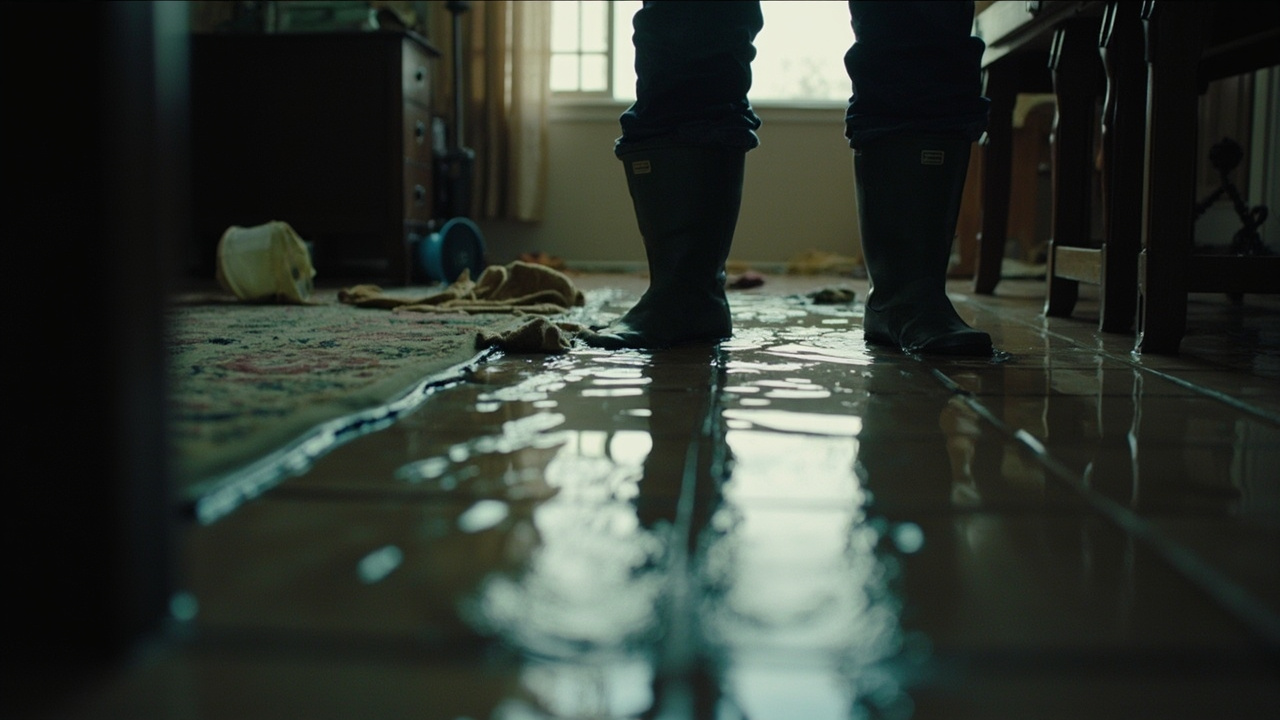
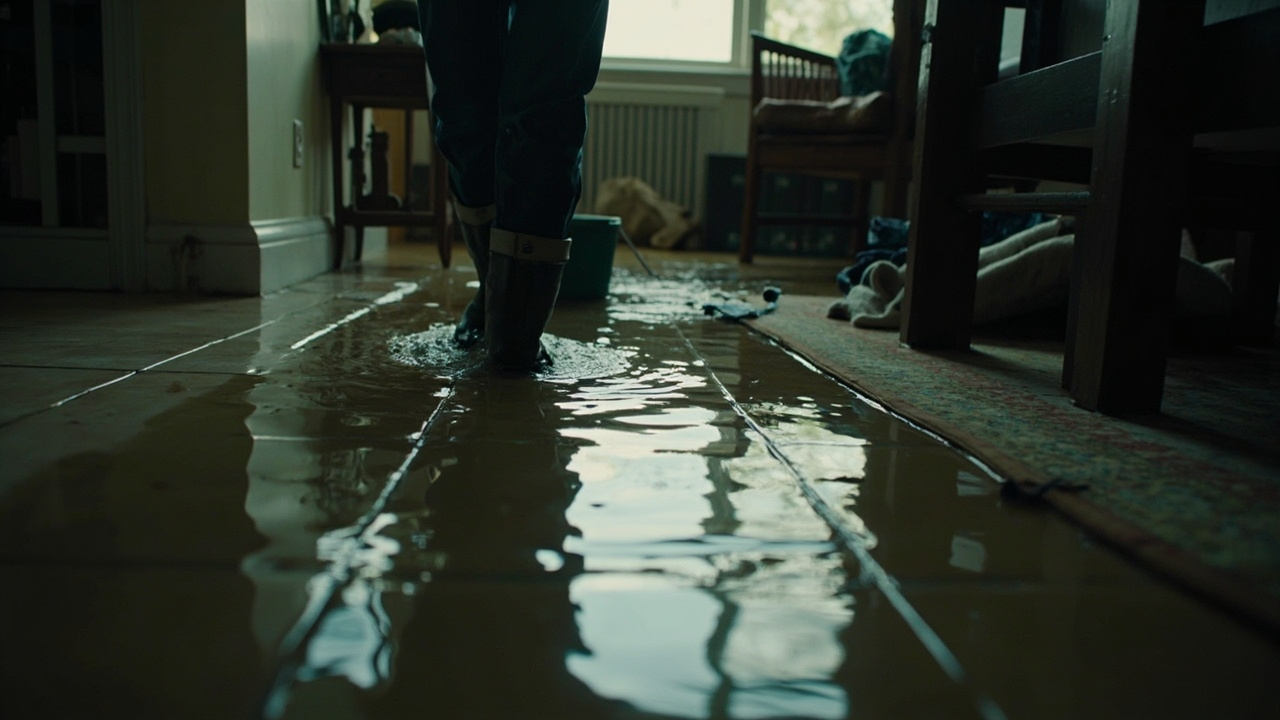
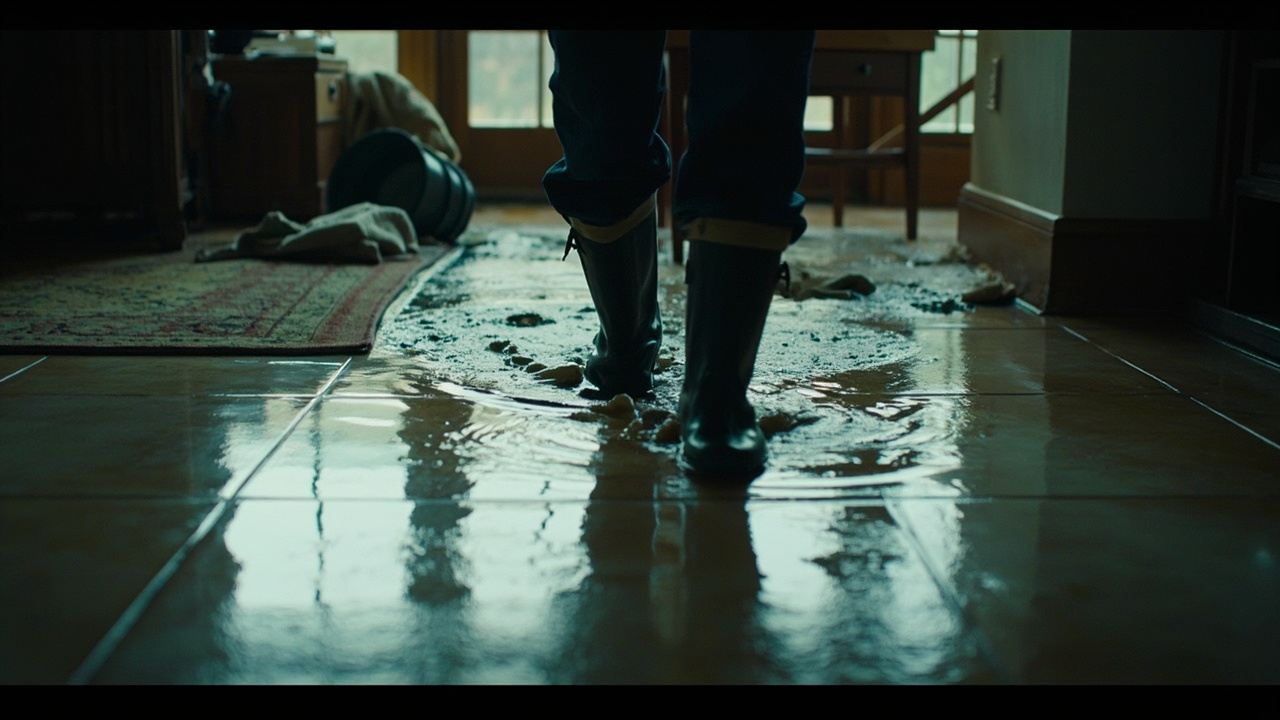
Washington, D.C. sits at the confluence of the Potomac and Anacostia Rivers, making basement flooding a persistent threat in neighborhoods like Georgetown, Navy Yard, and Capitol Hill. When heavy rain overwhelms the city's century-old combined sewer system, backflow floods basements with contaminated water containing raw sewage and stormwater runoff.

The District's clay-heavy soil compounds the problem. Clay expands when saturated, pushing hydrostatic pressure against foundation walls and basement floors. Rowhouses built in the 1800s and early 1900s often have rubble stone foundations with lime mortar, which dissolves on contact with floodwater. What looks like a simple basement flood can trigger structural instability in load-bearing walls.

Many residents delay taking immediate actions after flooding because they assume their sump pump will handle it, or they wait for insurance adjusters. That delay costs you. Floodwater in D.C. carries Potomac River sediment, street oils, and sewage. Within 24 hours, porous materials like drywall and subfloor plywood absorb contaminated water, creating a breeding ground for black mold and bacteria.

Your post-flood recovery checklist must account for what standard guides miss. Historic district properties face additional constraints. If your home is in a designated historic area, restoration work must comply with Historic Preservation Review Board standards. You cannot just rip out original plaster and replace it with drywall without approval.

Understanding what to do after a house flood in Washington, D.C. requires local knowledge of building codes, flood zone classifications, and the specific contaminants present in District floodwater.

Why Washington, D.C. Floods Create Unique Restoration Challenges
The Correct Water Damage Clean Up Steps for D.C. Flood Events

The Correct Water Damage Clean Up Steps for D.C. Flood Events

Most homeowners start water damage clean up steps in the wrong order, which amplifies secondary damage. The correct sequence prioritizes safety, contamination control, and structural drying.

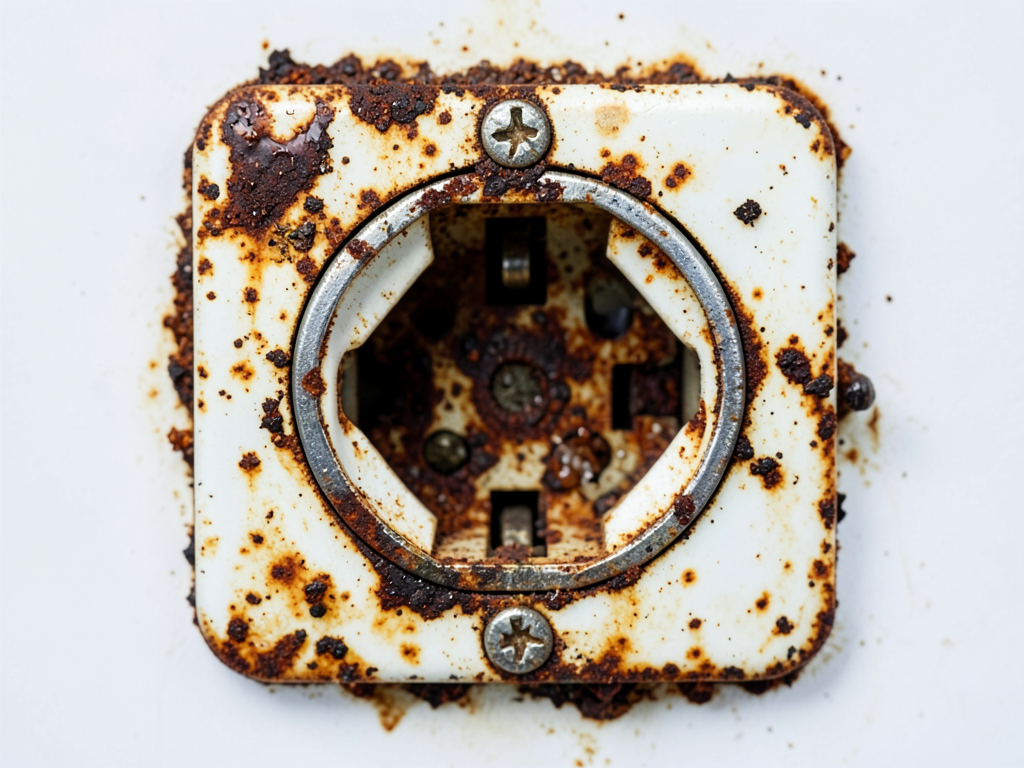
First, confirm electrical safety. D.C. rowhouses often have main electrical panels in basements. If your panel is submerged, do not enter the space until a licensed electrician verifies it is de-energized. Floodwater conducts electricity, and standing water near energized circuits can electrocute you.

Next, classify the water source. Category 1 water comes from clean sources like supply lines. Category 2 is greywater from appliances. Category 3 is blackwater containing sewage, which is common in D.C. floods due to combined sewer overflow. Blackwater requires full PPE, antimicrobial treatment, and disposal of porous materials according to EPA guidelines.

Extraction comes before drying. We use truck-mounted extractors that pull water at 200+ CFM, removing 95% of standing water within hours. Wet-dry vacuums leave too much moisture embedded in subflooring and wall cavities. Incomplete extraction extends drying time from days to weeks, increasing mold risk.

Drying requires monitoring moisture content, not just running fans. We place thermo-hygrometers to track temperature and relative humidity, adjusting dehumidifier output to maintain optimal drying conditions. In D.C.'s humid summers, ambient humidity reaches 70 to 80%, which slows evaporation. Closed-system dehumidifiers are necessary to pull moisture from the air faster than the environment reintroduces it.

Documentation happens in parallel with every step. Photograph water lines on walls, damaged materials, and moisture readings. Your insurance adjuster needs this evidence to process your claim. We create detailed loss inventories and moisture maps that meet IICRC S500 standards.

Your Complete Guide to Handling Flood Damage in Three Phases

Steps to Take After a Flood in Washington, D.C. – Expert Post-Flood Recovery Guidance to Minimize Damage and Protect Your Property
01

Immediate Safety and Containment

The first 24 hours determine whether you face a cleanup or a full gut renovation. Shut off electrical power at the main breaker if panels are dry and accessible. Document everything with photos before moving items. Remove standing water immediately using extraction equipment, not mops. Separate salvageable belongings from contaminated materials. Open windows only if outdoor humidity is below 60%, otherwise you introduce more moisture into the structure.
02

Structural Drying and Assessment

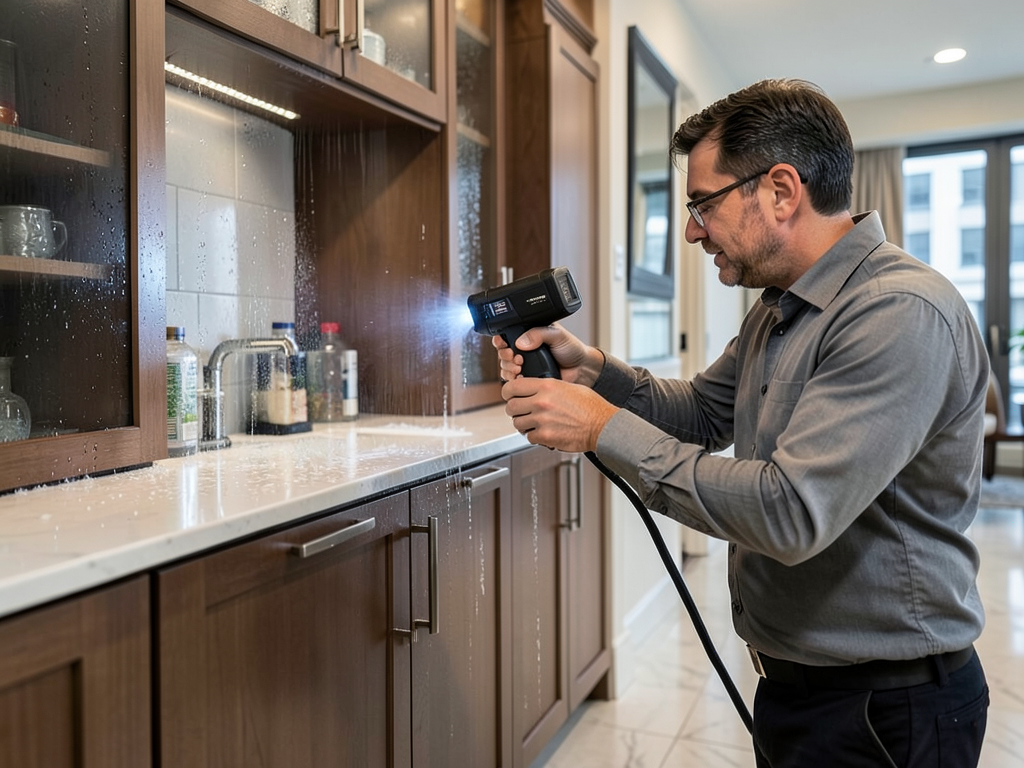
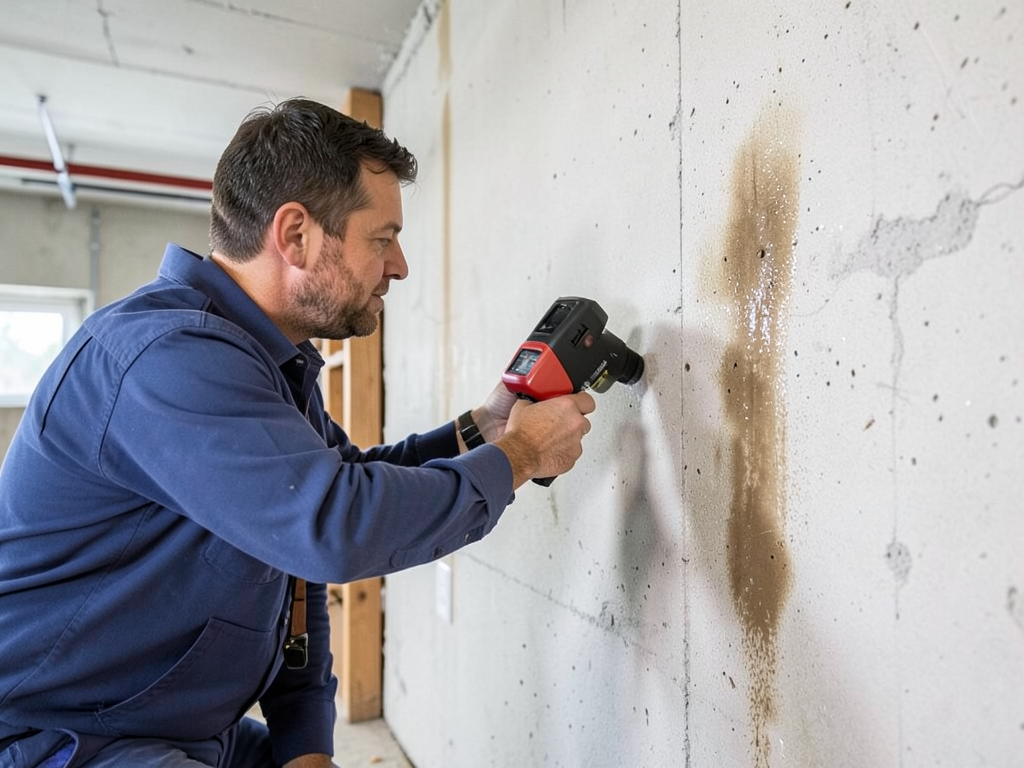
After extraction, we place air movers and dehumidifiers to create controlled airflow across wet surfaces. Moisture meters measure water content in framing lumber, subfloors, and drywall. We drill inspection holes to check wall cavities for hidden saturation. Thermal imaging cameras identify temperature differentials that indicate trapped moisture. This phase takes three to seven days depending on materials affected and humidity levels. Daily moisture readings track progress toward the drying standard.
03

Restoration and Preventive Measures

Once materials reach equilibrium moisture content, reconstruction begins. We remove unsalvageable drywall, insulation, and trim, then treat framing with antimicrobial solutions. If your foundation shows cracks or efflorescence, we recommend hydraulic cement repairs and exterior waterproofing. For homes in the floodplain, we install backwater valves on sewer lines and battery backup sump pumps. The goal is returning your home to pre-loss condition while reducing future flood risk.

Why Local Knowledge Matters for D.C. Flood Recovery

National franchise restorers follow generic protocols that ignore Washington, D.C.'s specific challenges. They do not understand that rowhouses share party walls, meaning water spreads laterally between units. They do not know that D.C. requires permits for structural drying if you are removing more than 50 square feet of drywall. They cannot navigate Historic Preservation Review Board requirements for homes in Capitol Hill or Georgetown historic districts.

Reliance Water Damage Restoration Washington DC knows the District. We have worked with the D.C. Department of Energy and Environment on floodplain compliance. We know which insurance adjusters in the area understand historic home restoration costs. We have relationships with structural engineers who specialize in rubble stone foundations and can provide stamped letters for your insurance claim.

Our crews understand contamination risks specific to the Potomac and Anacostia watersheds. Floodwater here carries agricultural runoff, heavy metals from urban stormwater, and sewage from combined overflow events. We follow EPA and IICRC guidelines for Category 3 water remediation, which many local handymen ignore.

We also understand the economics. D.C. has some of the highest home values in the country, but flood insurance coverage caps at $250,000 for structures. If restoration costs exceed your policy limits, you need a contractor who can work with you on phased repairs and alternative solutions. We prioritize structural integrity and health hazards first, then cosmetic restoration.

Speed matters in this market. Every week your property sits damaged, you lose rental income or face relocation costs. We maintain equipment staging in the District for same-day response. Our project managers live in D.C. and can meet you on site within hours, not days.

What to Expect During Professional Flood Restoration

Response Time and Availability

We dispatch crews 24/7 with extraction equipment typically arriving within two to four hours of your call. Time matters because microbial growth begins within 24 to 48 hours in D.C.'s humid climate. Our trucks carry truck-mounted extractors, industrial dehumidifiers, air movers, and moisture detection equipment, so we begin work immediately rather than scheduling a return visit. Emergency response focuses on stopping ongoing damage, securing the property, and beginning extraction. You receive a detailed scope of work within 24 hours of initial assessment.

Comprehensive Damage Assessment

Our initial assessment includes thermal imaging to detect hidden moisture in wall cavities and under flooring, moisture meter readings of all affected materials, contamination classification according to IICRC standards, and structural inspection for foundation cracks or compromised framing. We document everything with photographs and detailed notes for your insurance claim. You receive a written moisture map showing affected areas and a restoration plan with timelines. For historic properties, we note any original materials that require specialized restoration rather than replacement. This assessment typically takes two to three hours depending on property size.

Restoration Quality and Standards

We follow IICRC S500 standards for water damage restoration, which means drying materials to equilibrium moisture content, not just surface dryness. Hardwood floors are dried in place when possible rather than replaced, preserving original materials in historic homes. All antimicrobial treatments meet EPA registration requirements for the specific contaminants present. Reconstruction uses materials that match your home's age and architectural style. For rowhouses, we coordinate with adjacent property owners when party walls are affected. Final clearance testing confirms moisture levels meet industry standards before we close walls. You receive documentation of all moisture readings and treatment applications.

Post-Restoration Support and Prevention

After completing restoration, we provide a written report detailing all work performed, materials replaced, and final moisture readings. We recommend specific preventive measures based on your property's flood risk, such as sump pump installation, backwater valve installation on sewer lines, or foundation waterproofing. For properties in FEMA flood zones, we can connect you with mitigation specialists who help reduce future insurance premiums. We return 30 days after project completion to verify no secondary moisture issues have developed. Our documentation package includes everything your insurance company requires and meets D.C. building department standards if permits were required.

Frequently Asked Questions

You Have Questions,
We Have Answers

What steps to take after a flood? +

Shut off electricity and gas at the main breaker if safe. Document damage with photos before touching anything for insurance claims. Remove standing water using pumps or wet vacuums. Pull out wet carpets, padding, and ruined materials within 24 hours to prevent mold growth. Open windows and run fans to start air circulation. Contact your insurance carrier immediately. Call a professional restoration company to assess structural damage and hidden moisture in walls and subfloors. In Washington, D.C., older row homes often have crawl spaces and brick foundations that trap moisture, requiring expert extraction and drying equipment.

What should I do after the flood? +

Prioritize safety first. Wait for official clearance from D.C. Water and Sewer Authority or city officials before re-entering your property. Turn off utilities if you can do so safely. Remove contaminated items like food, medicine, and porous materials exposed to floodwater. Start documenting losses with detailed photos and video for your claim. Extract water quickly using professional-grade equipment to limit secondary damage. Disinfect hard surfaces with antimicrobial solutions. Washington, D.C. residents should watch for basement seepage even after surface water recedes, as the clay-heavy soil retains moisture and can cause delayed foundation issues.

What precautions should be taken after a flood? +

Avoid contact with floodwater, which often contains sewage, chemicals, and debris in urban areas like Washington, D.C. Wear protective gear including gloves, boots, and masks when cleaning. Do not use electrical appliances until inspected by a professional. Check for structural damage before occupying rooms. Discard compromised food, cosmetics, and medications. Test drinking water before use, as aging infrastructure in older D.C. neighborhoods can allow contamination during floods. Monitor for mold growth in the weeks following water removal. Keep children and pets away from affected areas until restoration professionals declare spaces safe and dry.

What step should be taken when there is a flood? +

Evacuate immediately if authorities issue warnings. Once safe to return, contact your insurance company and a certified restoration service. Stop the water source if possible, then extract standing water. Remove saturated materials like drywall, insulation, and flooring within 48 hours. The humid climate in Washington, D.C. accelerates mold colonization, making speed critical. Use dehumidifiers and air movers to dry structural components. Document everything for claims. Professionals use moisture meters to detect hidden water in wall cavities and beneath floors, which is common in the District's older construction where balloon framing and plaster walls hide damage.

What to spray on walls after a flood? +

Use EPA-registered antimicrobial solutions designed for flood remediation. A diluted bleach solution (one cup per gallon of water) works on non-porous surfaces, but professionals use hospital-grade disinfectants that penetrate porous materials. Apply after removing standing water and debris. In Washington, D.C., where many homes feature historic plaster walls and brick, spraying alone is insufficient. These materials absorb contaminants deep into their structure. Restoration experts inject antimicrobials and use thermal fogging to treat hidden cavities. Never spray over wet surfaces. Dry first, then disinfect. For sewage-contaminated Category 3 water, professional treatment is mandatory to ensure safe occupancy.

What are the 5 steps of disaster recovery? +

The five disaster recovery steps are assessment, water extraction, drying and dehumidification, cleaning and sanitizing, and restoration. First, professionals evaluate structural integrity and categorize water contamination. Second, they remove standing water using truck-mounted extractors. Third, industrial dehumidifiers and air movers dry affected areas to below 15 percent moisture content. Fourth, antimicrobial treatments disinfect surfaces and contents. Fifth, reconstruction begins, replacing drywall, flooring, and damaged building components. In Washington, D.C., where basements frequently flood due to aging sewer systems and high water tables near the Potomac and Anacostia rivers, each step requires specialized equipment to address persistent moisture in masonry foundations.

Do you have to throw everything away after a flood? +

Not everything requires disposal. Hard, non-porous items like metal, glass, and solid wood furniture can be cleaned and disinfected. Throw away porous materials exposed to contaminated floodwater, including mattresses, upholstered furniture, carpeting, padding, particle board, and paper products. Food, medications, cosmetics, and stuffed toys must go. In Washington, D.C., where many residents own valuable antiques and historic furniture, professional content restoration can sometimes salvage pieces using freeze-drying and specialized cleaning. Restoration experts use moisture meters to test building materials. If lumber or drywall exceeds safe moisture levels or shows contamination, removal is necessary to prevent long-term problems.

How long to dry out a house after a flood? +

Complete structural drying takes 3 to 7 days with professional equipment, but timeline depends on water category, affected materials, and humidity levels. Washington, D.C.'s high summer humidity slows evaporation, extending drying time. Hardwood floors may take 2 weeks. Thick masonry walls in older row homes can hold moisture for 3 to 4 weeks without proper drying equipment. Professionals use thermal imaging cameras and moisture meters to track progress, ensuring readings drop below 15 percent before reconstruction. Rushing this phase causes mold growth, wood rot, and structural failure. Air circulation, dehumidification, and heat are critical to proper drying in the District's climate.

What are 5 ways to prepare for a flood? +

Know your flood zone by checking FEMA maps for areas near the Potomac, Anacostia, and Rock Creek. Purchase flood insurance, as standard homeowner policies exclude flood damage. Create an emergency kit with water, food, medications, and important documents in waterproof containers. Install backflow valves to prevent sewer backup, a common problem in older D.C. neighborhoods during heavy rain. Elevate utilities, HVAC systems, and water heaters above potential flood levels. Grade soil away from foundations and maintain gutters to direct runoff. Store emergency contacts, including a restoration company, in your phone. Practice evacuation routes and review your plan annually with household members.

What should be avoided after floods? +

Do not walk through moving water or enter flooded basements with electricity still on. Avoid driving through standing water, as Washington, D.C. streets often hide deep potholes and open manholes during floods. Do not touch electrical equipment while wet. Avoid using contaminated water for drinking, cooking, or bathing until tested. Do not delay water removal, as mold begins growing within 24 to 48 hours in humid conditions. Never mix cleaning chemicals like bleach and ammonia, which creates toxic gas. Avoid ignoring hidden moisture in walls and subfloors. Do not attempt major restoration without professional help, as improper drying leads to structural damage and health hazards.

How D.C.'s Combined Sewer System Affects Your Post-Flood Recovery Checklist

Washington, D.C. operates a combined sewer system in older neighborhoods, meaning stormwater and sewage share the same pipes. During heavy rain, the system overflows and flood water backing into basements contains raw sewage, not just rainwater. This changes your recovery approach completely. Materials contacted by sewage-contaminated water cannot be cleaned and reused. IICRC standards require removing drywall, insulation, carpeting, and other porous materials up to 24 inches above the water line. The clay soil common throughout the District holds moisture against foundations, extending drying time and requiring exterior drainage improvements to prevent recurring floods. Properties near Rock Creek, the Potomac waterfront, or the Anacostia River face additional risks from river flooding combined with sewer backflow.

D.C. requires building permits for structural repairs and electrical work following flood damage, and the Historic Preservation Review Board must approve restoration plans for properties in designated historic districts. This adds time to your recovery but protects property values by maintaining architectural integrity. Local contractors who understand these requirements prevent costly delays and permit violations. We work with D.C. Department of Buildings inspectors regularly and maintain relationships with preservation architects who can expedite review for emergency repairs. Choosing a restoration company familiar with D.C. Water's backwater valve rebate program, FEMA floodplain requirements, and local insurance adjuster expectations makes the difference between a smooth recovery and months of complications.
Water Damage Restoration Services in The Washington DC Area

While we primarily offer mobile, on-site water damage restoration services throughout Washington D.C., you can view our main operational hub and service area on the map below. We are strategically located to ensure rapid deployment and efficient response times to all emergencies across the region, bringing our expert services directly to your property wherever you are within our service footprint.

Address:
Reliance Water Damage Restoration Washington DC, 200 Massachusetts Ave NW, Washington, DC, 20001

Additional Services We Offer

Our news updates

Latest Articles & News from The Blogs

Why Your New Condo at The Wharf Might Experience Balcony Drainage Flooding Living in a luxury condo at The Wharf…

Why Your New Condo at The Wharf Might Experience Balcony Drainage Flooding

Why Your New Condo at The Wharf Might Experience Balcony Drainage Flooding Living in a luxury condo at The Wharf…

Dealing with Potomac River Seepage in Your Georgetown Waterfront Retail Space

Dealing with Potomac River Seepage in Your Georgetown Waterfront Retail Space Georgetown's waterfront retail spaces face unique water damage risks…

What Every DC Homeowner Needs in a Flood Emergency Kit Before the Next Storm Hits

What Every DC Homeowner Needs in a Flood Emergency Kit Before the Next Storm Hits Washington DC homeowners face unique…

Contact Us

Every hour you wait allows more damage to develop in your property. Call Reliance Water Damage Restoration Washington DC at (771) 223-8077 right now for immediate dispatch. We are available 24/7 and work directly with your insurance company to simplify the claims process.