





McLean sits in a challenging position along the Potomac River corridor where geography creates persistent moisture problems. The area's clay-heavy soil drains slowly, creating hydrostatic pressure against basement foundations in neighborhoods like Langley and Pimmit Hills. When heavy rain hits, water pools around foundations instead of draining away, forcing moisture through basement walls and floor joints.
The region's humid subtropical climate keeps relative humidity above 60 percent for months at a time. Homes near Scotts Run Creek and Pimmit Run see elevated moisture levels year-round, creating perfect conditions for mold growth within 24 to 48 hours after water intrusion. Summer storms dump several inches of rain in hours, overwhelming aging storm drains in older neighborhoods like Old Dominion and Franklin Park.
Many McLean properties feature finished basements and crawl spaces that hide water damage until significant structural problems develop. The combination of below-grade living spaces, poor soil drainage, and persistent humidity means water damage requires immediate professional intervention. Waiting even 24 hours allows moisture to penetrate drywall, insulation, and subflooring, turning a simple extraction job into a major remediation project involving wall removal and structural repairs.
We operate with one principle: stop the damage before it spreads. Our teams carry moisture mapping equipment that shows exactly where water has traveled through your walls, floors, and ceiling cavities. We don't guess about dry-out timelines. We measure moisture content daily with calibrated meters and document progress for your insurance company.
Our trucks carry enough extraction and drying equipment to handle major flooding events without waiting for additional equipment deliveries. This matters in McLean, where humidity slows natural drying and mold colonization starts within 48 hours. We position air movers and dehumidifiers based on airflow science, creating negative pressure chambers that pull moisture from structural cavities instead of just drying surface materials.
Insurance companies know our documentation meets industry standards because we follow IICRC S500 protocols on every job. We photograph moisture readings, map affected areas, and track drying progress with daily logs. This documentation protects you during the claims process and prevents disputes about scope of damage.
We coordinate directly with McLean-area insurance adjusters, plumbers, and contractors to handle the entire restoration process. When a burst pipe damages your kitchen, we extract the water, dry the structure, coordinate subfloor replacement if needed, and work with your insurance company to document covered damages. You get one team managing the entire process instead of coordinating multiple contractors while dealing with water damage stress.

Our dispatch system routes the closest equipped team to your McLean property within one hour of your call. We arrive ready to extract water immediately, not schedule a future appointment. Water damage accelerates every hour, so we treat every call as an emergency requiring immediate action and equipment deployment.

We use thermal imaging cameras and moisture meters to find hidden water in wall cavities, under flooring, and above ceilings. This technology prevents incomplete drying that leads to mold growth weeks after the initial damage. We map moisture daily and adjust equipment placement based on measured readings, not assumptions.
Our teams document damage according to insurance industry standards, photographing affected areas, logging moisture readings, and tracking equipment placement. We communicate directly with adjusters to explain scope of damage and required remediation steps. This documentation protects your claim and prevents coverage disputes that delay repairs.
We understand how McLean's humidity and clay soil create persistent moisture problems. Our drying protocols account for local climate conditions that slow natural evaporation. We adjust dehumidification capacity and airflow based on seasonal humidity levels and property-specific drainage issues common to different McLean neighborhoods.
Water damage restoration requires coordinated response across multiple specialties. Emergency water extraction stops active flooding and removes standing water before it spreads. Structural drying uses industrial equipment to remove moisture from building materials, preventing secondary damage and mold growth. Damage remediation handles repairs to walls, flooring, and other materials that sustained permanent water damage.
We provide all three service categories with the same team, eliminating coordination delays between different contractors. When we extract water from your flooded basement, we immediately position drying equipment and begin moisture monitoring. If drywall or insulation requires removal, we handle that work as part of the same restoration project instead of referring you to another company.
Our service range covers everything from minor supply line leaks to major flood events affecting multiple rooms. We work on residential properties throughout McLean, handling water damage cleanup in single-family homes, townhouses, and condominiums. Each property type presents different drying challenges based on construction methods, HVAC configuration, and accessibility to affected areas.
We remove standing water using truck-mounted extractors and portable pumps rated for thousands of gallons per hour. Our teams arrive with extraction equipment already loaded, ready to start water removal within minutes of arrival. We extract water from carpets, pull saturated padding, and remove standing water from basements, crawl spaces, and living areas. Fast extraction prevents water from spreading to unaffected areas and reduces total drying time by removing bulk moisture before it penetrates deeper into structural materials.
We deploy commercial air movers and dehumidifiers to dry building materials to acceptable moisture levels. Our teams monitor moisture content in framing, subflooring, drywall, and insulation using calibrated meters. We adjust equipment placement daily based on moisture readings and airflow patterns. Drying protocols follow IICRC S500 standards for specific materials, ensuring wood framing reaches safe moisture levels below 15 percent and preventing conditions favorable to mold growth. We maintain drying equipment until all materials meet documented dry standards.
When water damage destroys materials beyond drying capability, we handle reconstruction to restore your property. We remove unsalvageable drywall, insulation, flooring, and baseboards, then coordinate replacement with qualified contractors. Our teams perform controlled demolition to minimize debris and contain affected areas. We manage the entire restoration timeline, ensuring structural repairs meet code requirements and match existing finishes. This complete service approach eliminates gaps between water damage cleanup and final repairs.
McLean's housing stock combines older homes built before modern waterproofing standards with newer construction featuring complex plumbing systems. Basement flooding affects properties near Pimmit Run and Scotts Run Creek when heavy rain overwhelms storm drains and raises the water table. Supply line failures happen frequently in homes with aging copper pipes subject to decades of mineral buildup and pressure cycling.
HVAC condensate drain blockages cause ceiling damage in two-story homes when second-floor air handlers overflow into ceiling cavities. Roof leaks penetrate finished attic spaces common in McLean's colonial and cape-cod style homes. Water heater failures in basement mechanical rooms can release 40 to 50 gallons of water before homeowners notice the problem. Each scenario requires different extraction approaches and drying protocols based on water volume, contamination level, and affected materials.
Heavy rain overwhelms sump pumps and foundation drains in low-lying areas. Water enters through floor cracks, window wells, and foundation joints. Finished basements sustain damage to drywall, carpeting, and stored belongings. We extract standing water, dry structural components, and assess whether foundation waterproofing improvements are needed to prevent recurring problems.
Corroded supply lines and frozen pipes release hundreds of gallons under pressure. Water travels through wall cavities and ceiling spaces, affecting multiple rooms. We shut off water supply, extract pooled water, and use thermal imaging to map moisture spread through hidden structural spaces requiring targeted drying.
Blocked sewer lines cause toilet and drain overflows carrying Category 3 contaminated water. This contamination requires specialized cleaning protocols beyond standard water extraction. We remove contaminated materials, apply antimicrobial treatments, and follow strict safety procedures to protect occupants from biological hazards present in sewage water.
Washing machine hoses, dishwasher supply lines, and water heater tanks fail without warning. These failures often happen overnight or while homeowners are away, allowing water to spread across floors and seep into subfloor materials. We assess damage to surrounding cabinetry and flooring, extract water from structural cavities, and document extent of damage for insurance claims.
Emergency water damage creates stress and uncertainty. You need clear information about what happens next, how long restoration takes, and what the process involves. We provide specific timelines based on moisture readings and affected materials, not vague estimates. Our teams explain each step before starting work and update you daily on drying progress.
You will know exactly what equipment we are using, where it is positioned, and why specific placement matters for effective drying. We explain moisture meter readings in plain language and show you thermal images revealing water spread through wall cavities. This transparency helps you understand the scope of damage and make informed decisions about repairs.
We coordinate with your insurance company from the first call, documenting damage and communicating directly with adjusters. You receive copies of all moisture logs, equipment lists, and photographic documentation. This eliminates confusion about what work is covered and ensures your claim includes all necessary restoration costs.
We dispatch a team to your McLean property within 60 minutes of your call. Upon arrival, we assess water source, stop active flooding if possible, and map affected areas using moisture meters and thermal cameras. You receive a clear explanation of damage extent and required restoration steps. We begin water extraction immediately while documenting conditions for insurance purposes. This fast response limits damage spread and starts the drying process before moisture penetrates deeper into structural materials.
We measure moisture levels daily and adjust equipment based on drying progress. You receive updates explaining current readings, expected dry-down timelines, and any issues requiring additional work. We explain why certain materials dry slower than others and when structural components reach acceptable moisture levels. Our teams answer questions about the restoration process and coordinate with your schedule for property access. You know exactly what is happening at each stage.
We provide detailed documentation meeting insurance industry standards, including photos of damage, moisture content logs, equipment placement records, and scope of work summaries. Our teams communicate directly with adjusters to explain damage severity and required remediation. You receive copies of all documentation for your records. This thorough approach prevents claim disputes and ensures you receive full coverage for restoration costs. We handle the technical communication so you can focus on getting back to normal.
Water damage restoration follows a specific sequence designed to stop damage progression and restore your property efficiently. We focus on rapid response, thorough drying, and complete restoration in that order.
We arrive within 60 minutes, assess damage severity, and begin water extraction immediately. Our teams use truck-mounted extractors for high-volume water removal and portable pumps for confined spaces. We remove standing water from all affected areas, pull saturated carpeting and padding, and extract water from structural cavities. Fast extraction prevents moisture from spreading to unaffected areas and reduces total drying time by removing bulk water before it saturates deeper materials.
We position commercial air movers and dehumidifiers to create targeted airflow across wet materials. Our teams measure moisture content in framing, drywall, subflooring, and insulation using calibrated meters. We monitor drying progress daily, adjust equipment placement based on readings, and document moisture levels for insurance. Drying continues until all materials reach acceptable moisture content levels, preventing mold growth and structural damage from residual moisture.
Once materials are fully dry, we handle necessary repairs and reconstruction. This includes drywall replacement, flooring installation, painting, and trim work. We coordinate with qualified contractors for specialized trades like electrical or plumbing repairs. Our teams manage the entire restoration timeline, ensuring work meets code requirements and matches existing finishes. You receive a fully restored property ready for occupancy, not an unfinished drying job requiring additional contractors.
Professional water damage restoration follows established protocols set by the Institute of Inspection, Cleaning and Restoration Certification. The IICRC S500 Standard for Professional Water Damage Restoration defines specific procedures for water extraction, structural drying, and moisture monitoring. These protocols exist because improper drying creates hidden problems that appear weeks or months after the initial damage event.
Water damage falls into three categories based on contamination level. Category 1 involves clean water from supply lines or rainwater. Category 2 contains significant contamination from washing machines, dishwashers, or toilet overflow with urine but no feces. Category 3 includes grossly contaminated water from sewage backups, flooding from rivers or streams, or any water that has contacted soil. Each category requires different safety protocols and handling procedures.
Drying follows specific time and temperature parameters. Most building materials must be dried within 48 to 72 hours to prevent mold colonization. Wood framing should reach moisture content below 15 percent. Drywall requires different drying approaches based on whether it is paper-faced or mold-resistant products. Concrete and masonry dry much slower than wood products, often requiring weeks of dehumidification.
We use psychrometric calculations to determine required dehumidification capacity based on affected area size, moisture load, and outdoor humidity levels. McLean's humid climate means relying on natural ventilation is insufficient. We calculate specific pint capacity needed from dehumidifiers and position equipment to create negative pressure chambers that pull moisture from structural cavities. Air movers are placed to maximize evaporation rates without creating dead air zones where moisture accumulates.
Moisture mapping uses non-invasive and invasive meters. Non-invasive meters detect moisture through materials without damaging surfaces. Invasive pin meters provide exact moisture content readings by penetrating material surfaces. We use both methods to verify drying progress and identify hidden moisture pockets. Thermal imaging cameras show temperature differentials that indicate wet areas behind walls or above ceilings where visual inspection is impossible.
Documentation protects both property owners and restoration companies. We photograph damage before starting work, log moisture readings at multiple locations daily, track equipment serial numbers and placement, and record dates for all major process steps. This documentation meets insurance adjuster requirements and provides legal protection if mold issues develop from incomplete drying by other contractors.
The S500 standard establishes specific moisture content goals for different building materials. Wood framing requires moisture content below 15 percent. Concrete must reach equilibrium with ambient conditions. We follow these documented standards rather than subjective assessments. Proper protocol prevents mold growth and structural damage from residual moisture that untrained contractors miss.
Category 3 contaminated water requires antimicrobial treatment and affected material removal. Clean Category 1 water can upgrade to Category 2 or 3 if left standing for 48 hours or if it contacts contaminated surfaces. We classify water correctly and follow appropriate safety protocols. Incorrect category classification leads to health hazards from untreated biological contamination.
Thermal imaging cameras detect temperature differences caused by evaporative cooling in wet materials. This technology reveals moisture in wall cavities and ceiling spaces without destructive testing. We map moisture migration patterns and identify areas requiring targeted drying. Surface moisture alone does not indicate structural materials are dry. Technology prevents incomplete drying that causes delayed mold growth.
Dehumidification capacity requirements depend on affected cubic footage, moisture load, and ambient humidity. McLean's high humidity requires more dehumidification capacity than arid climates. We calculate specific pint removal capacity needed and deploy appropriate equipment. Undersized dehumidifiers extend drying time and increase mold risk. Proper calculation ensures adequate moisture removal within critical timeframes.
Professional water damage restoration process for McLean properties. Video demonstrates emergency water extraction, structural drying using industrial dehumidifiers and air movers, moisture mapping with thermal imaging cameras, and insurance documentation procedures. Explains IICRC S500 drying standards, water damage category classification, and McLean-specific challenges from clay soil drainage and humid climate. Shows equipment used for rapid water removal and complete structural drying.
We respond to water damage emergencies throughout McLean and the greater Northern Virginia area along the Potomac River corridor. Our service area covers historic neighborhoods like Langley and Old Dominion where older homes face aging plumbing and drainage challenges. We work extensively in Pimmit Hills and Franklin Park, areas with finished basements vulnerable to flooding from clay soil drainage issues and high water tables near Pimmit Run.
Properties near Scotts Run Creek and along the Georgetown Pike corridor face elevated flood risk during heavy rain events that overwhelm storm water systems. We respond to these areas quickly because water damage from creek flooding carries Category 3 contamination requiring specialized cleanup protocols. East Falls Church and the Tysons Corner border areas see frequent water damage from high-rise construction affecting older residential properties nearby.
The West McLean area near Churchill Road features large homes with complex plumbing systems where supply line failures affect multiple floors. We handle water damage in these properties regularly, using moisture mapping to track water migration through multi-level homes. Chain Bridge and Kirby Road properties often have older sump pump systems that fail during peak storm events, causing basement flooding that requires immediate extraction and structural drying.
Our teams know McLean's street patterns and can navigate quickly to properties during emergency calls. We understand local building construction methods common to different development periods, from 1950s ramblers to modern custom homes. This local knowledge helps us anticipate where water travels through different home styles and which structural areas require priority drying attention.
We also serve surrounding communities including Vienna, Falls Church, Arlington, and Great Falls. Response times remain under 90 minutes for these adjacent areas because we position equipment and teams strategically throughout Northern Virginia. Water damage does not respect municipal boundaries, and neither does our service coverage. Whether you are near Dolley Madison Boulevard or along Old Dominion Drive, we provide the same rapid response and thorough restoration.
Water damage restoration in McLean takes 3 to 7 days for most residential projects. Small leaks affecting one room need 2 to 3 days. Extensive flooding from burst pipes or storm damage needs 5 to 7 days. The timeline depends on water category, affected square footage, and materials involved. Extraction and drying take 1 to 3 days. Cleaning and sanitizing add another day. Repairs and reconstruction extend the process. Humidity levels in McLean affect drying time. Your restoration company provides a detailed timeline after inspection.
Water damage restoration expenses in McLean depend on damage severity and affected area size. Minor leaks affecting small spaces cost less than major flooding. The water source matters. Clean water from supply lines costs less to remediate than contaminated water from sewage backups. Factors affecting expense include extraction needs, drying equipment required, materials needing replacement, and mold remediation. Most McLean restoration companies offer free inspections and provide detailed estimates before starting work. Emergency services at night or weekends add to expenses.
Homeowners insurance in McLean covers water damage restoration when the damage is sudden and accidental. Burst pipes, appliance malfunctions, and storm damage through roof openings get covered. Policies exclude gradual damage from poor maintenance, like slow leaks behind walls. Flood damage from rising water needs separate flood insurance. Sewer backup coverage requires an endorsement to your policy. Review your policy declarations page to understand your coverage limits and deductibles. Document everything with photos before cleanup begins. Contact your insurance company within 24 hours of discovering damage.
Water damage restoration in McLean takes 3 to 7 days for most residential projects. Small leaks affecting one room need 2 to 3 days. Extensive flooding from burst pipes or storm damage needs 5 to 7 days. The timeline depends on water category, affected square footage, and materials involved. Extraction and drying take 1 to 3 days. Cleaning and sanitizing add another day. Repairs and reconstruction extend the process. Humidity levels in McLean affect drying time. Your restoration company provides a detailed timeline after inspection.
Water damage restoration expenses in McLean depend on damage severity and affected area size. Minor leaks affecting small spaces cost less than major flooding. The water source matters. Clean water from supply lines costs less to remediate than contaminated water from sewage backups. Factors affecting expense include extraction needs, drying equipment required, materials needing replacement, and mold remediation. Most McLean restoration companies offer free inspections and provide detailed estimates before starting work. Emergency services at night or weekends add to expenses.
Homeowners insurance in McLean covers water damage restoration when the damage is sudden and accidental. Burst pipes, appliance malfunctions, and storm damage through roof openings get covered. Policies exclude gradual damage from poor maintenance, like slow leaks behind walls. Flood damage from rising water needs separate flood insurance. Sewer backup coverage requires an endorsement to your policy. Review your policy declarations page to understand your coverage limits and deductibles. Document everything with photos before cleanup begins. Contact your insurance company within 24 hours of discovering damage.
You need water damage restoration in your McLean home when you spot visible water pooling, wet carpets, or ceiling stains. Check for musty odors that signal hidden moisture. Look for warped flooring, peeling paint, or bubbling drywall. Feel walls and floors for dampness. Listen for dripping sounds inside walls. Watch for increased pest activity, as insects seek moisture. Monitor your water bill for unexplained increases. Mold growth means moisture problems exist. Address water damage within 24 to 48 hours to prevent mold growth and structural issues.
You can stay in your McLean home during minor water damage restoration affecting one room. When restoration involves multiple rooms or your entire home, temporary relocation may be necessary. Sewage backups require you to leave due to health hazards. Extensive mold growth makes the home unsafe. Restoration work creates noise, equipment operation, and restricted access to affected areas. Your contractor removes furniture and belongings from damaged spaces. Ask your restoration company about safety during the project. They assess your specific situation and recommend staying or leaving.
Mold grows after water damage in McLean homes when moisture stays present for 24 to 48 hours. High humidity levels above 60 percent create ideal conditions. Organic materials like drywall, wood, and carpet provide food sources. Poor ventilation traps moisture inside walls and crawl spaces. Hidden leaks behind walls or under floors go unnoticed. Delayed cleanup allows spores to multiply. McLean's climate with warm, humid summers accelerates mold growth. Incomplete drying leaves moisture in porous materials. Professional restoration includes thorough drying and moisture monitoring to prevent mold.
Water damage restoration companies in McLean respond within 60 to 90 minutes for emergency calls. Most companies operate 24 hours daily, including weekends and holidays. Response time depends on your location in McLean, time of day, and current demand. During major storms affecting multiple homes, wait times increase. Local companies respond faster than national chains. Emergency response includes assessment, water extraction, and equipment setup. Companies prioritize severe situations like active flooding or sewage backups. Call immediately when you discover water damage to minimize losses.
Water damage restoration companies in McLean use industrial extractors to remove standing water. Air movers create airflow to speed drying. Dehumidifiers pull moisture from air and materials. Moisture meters measure water content in walls, floors, and ceilings. Thermal imaging cameras detect hidden moisture behind surfaces. Air scrubbers filter contaminants and odors. Hydroxyl generators sanitize affected areas. Truck-mounted extraction units handle severe flooding. Technicians use these tools together to dry your home completely. Professional equipment works faster and more thoroughly than household fans and dehumidifiers.
Choose a water damage restoration company in McLean by checking their emergency availability and response time. Verify they have trained technicians with IICRC certification. Ask about their equipment and drying methods. Read online reviews from McLean residents. Request references from recent projects. Confirm they work with insurance companies and understand claims processes. Get written estimates before work begins. Check how long they have operated in McLean. Ask about their moisture monitoring process. Choose companies that inspect thoroughly and explain each restoration step. Avoid companies pressuring immediate decisions.
Waiting too long to fix water damage in your McLean home causes mold growth within 24 to 48 hours. Structural damage worsens as wood warps, drywall crumbles, and floors buckle. Standing water seeps deeper into walls and subfloors. Contaminated water spreads bacteria throughout your home. Restoration expenses increase as damage spreads. Personal belongings absorb moisture and become unsalvageable. Electrical systems face corrosion and short circuit risks. Property value decreases from lasting damage. Health problems develop from mold exposure. Address water damage immediately to minimize these risks.
You need water damage restoration in your McLean home when you spot visible water pooling, wet carpets, or ceiling stains. Check for musty odors that signal hidden moisture. Look for warped flooring, peeling paint, or bubbling drywall. Feel walls and floors for dampness. Listen for dripping sounds inside walls. Watch for increased pest activity, as insects seek moisture. Monitor your water bill for unexplained increases. Mold growth means moisture problems exist. Address water damage within 24 to 48 hours to prevent mold growth and structural issues.
You can stay in your McLean home during minor water damage restoration affecting one room. When restoration involves multiple rooms or your entire home, temporary relocation may be necessary. Sewage backups require you to leave due to health hazards. Extensive mold growth makes the home unsafe. Restoration work creates noise, equipment operation, and restricted access to affected areas. Your contractor removes furniture and belongings from damaged spaces. Ask your restoration company about safety during the project. They assess your specific situation and recommend staying or leaving.
Mold grows after water damage in McLean homes when moisture stays present for 24 to 48 hours. High humidity levels above 60 percent create ideal conditions. Organic materials like drywall, wood, and carpet provide food sources. Poor ventilation traps moisture inside walls and crawl spaces. Hidden leaks behind walls or under floors go unnoticed. Delayed cleanup allows spores to multiply. McLean's climate with warm, humid summers accelerates mold growth. Incomplete drying leaves moisture in porous materials. Professional restoration includes thorough drying and moisture monitoring to prevent mold.
Water damage restoration companies in McLean respond within 60 to 90 minutes for emergency calls. Most companies operate 24 hours daily, including weekends and holidays. Response time depends on your location in McLean, time of day, and current demand. During major storms affecting multiple homes, wait times increase. Local companies respond faster than national chains. Emergency response includes assessment, water extraction, and equipment setup. Companies prioritize severe situations like active flooding or sewage backups. Call immediately when you discover water damage to minimize losses.
Water damage restoration companies in McLean use industrial extractors to remove standing water. Air movers create airflow to speed drying. Dehumidifiers pull moisture from air and materials. Moisture meters measure water content in walls, floors, and ceilings. Thermal imaging cameras detect hidden moisture behind surfaces. Air scrubbers filter contaminants and odors. Hydroxyl generators sanitize affected areas. Truck-mounted extraction units handle severe flooding. Technicians use these tools together to dry your home completely. Professional equipment works faster and more thoroughly than household fans and dehumidifiers.
Choose a water damage restoration company in McLean by checking their emergency availability and response time. Verify they have trained technicians with IICRC certification. Ask about their equipment and drying methods. Read online reviews from McLean residents. Request references from recent projects. Confirm they work with insurance companies and understand claims processes. Get written estimates before work begins. Check how long they have operated in McLean. Ask about their moisture monitoring process. Choose companies that inspect thoroughly and explain each restoration step. Avoid companies pressuring immediate decisions.
Waiting too long to fix water damage in your McLean home causes mold growth within 24 to 48 hours. Structural damage worsens as wood warps, drywall crumbles, and floors buckle. Standing water seeps deeper into walls and subfloors. Contaminated water spreads bacteria throughout your home. Restoration expenses increase as damage spreads. Personal belongings absorb moisture and become unsalvageable. Electrical systems face corrosion and short circuit risks. Property value decreases from lasting damage. Health problems develop from mold exposure. Address water damage immediately to minimize these risks.
While we primarily offer mobile, on-site water damage restoration services throughout Washington D.C., you can view our main operational hub and service area on the map below. We are strategically located to ensure rapid deployment and efficient response times to all emergencies across the region, bringing our expert services directly to your property wherever you are within our service footprint.
Address:
McLean, DC, 22101
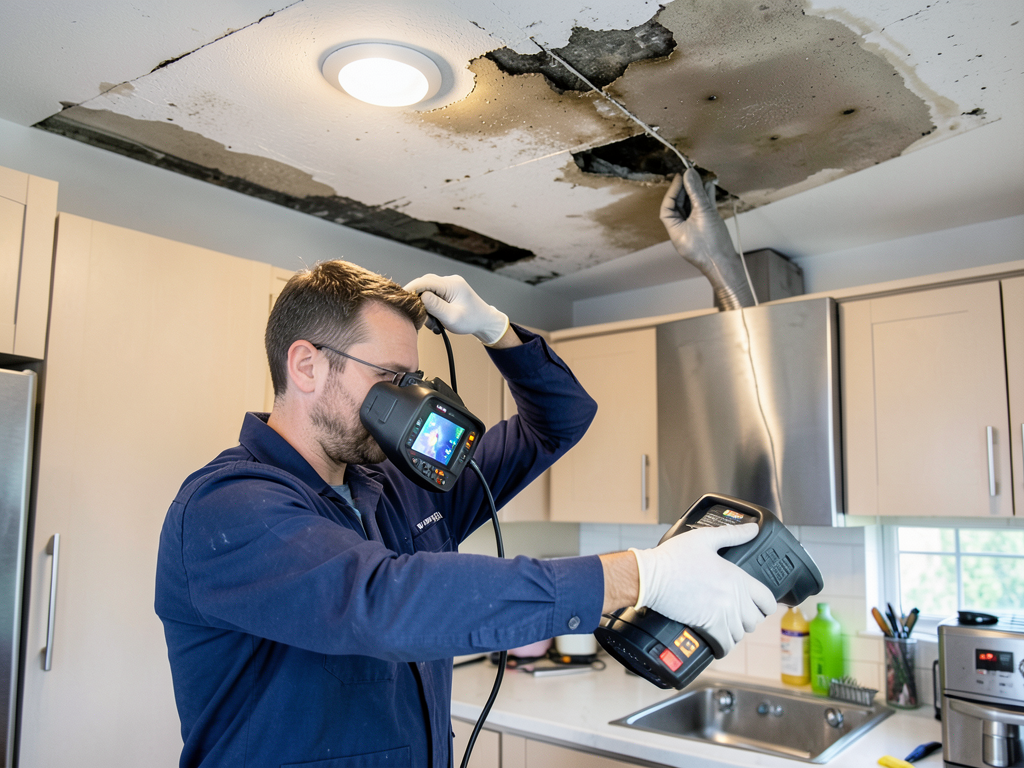
Water Leaking Through Recessed Lights in Burleith Kitchen If you see water dripping from your recessed kitchen lights in Burleith during heavy rain, you are dealing with an active electrical hazard and potential structural damage.…
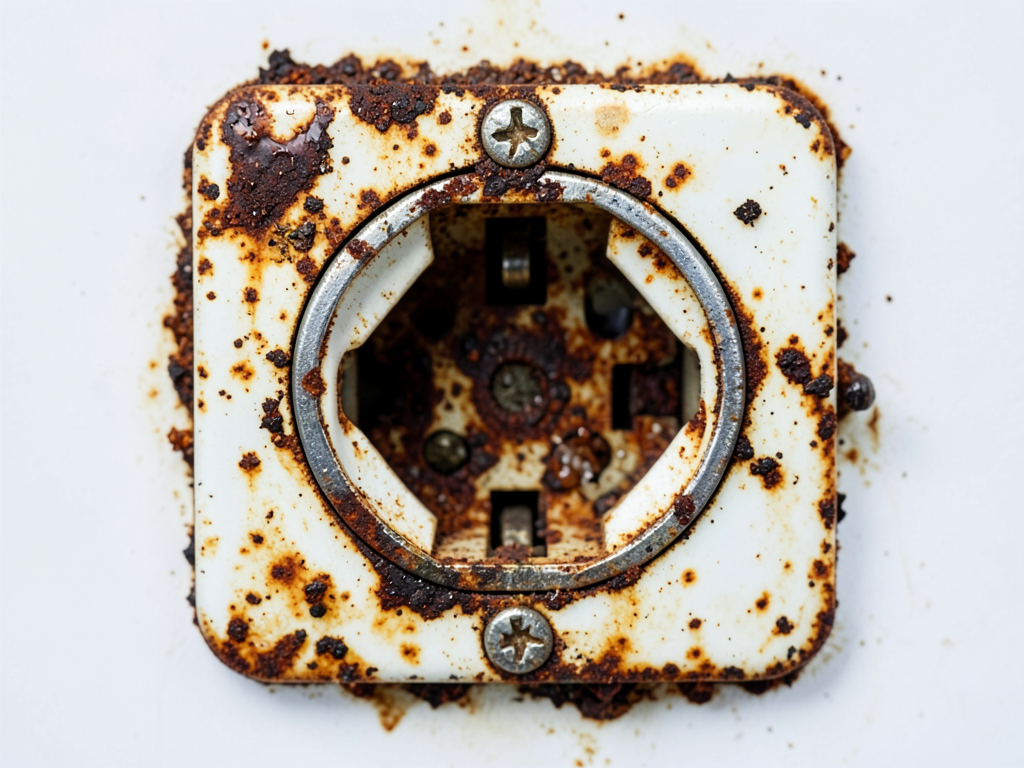
What happens when water gets into the electrical outlets of your Kingman Park rowhome Water…
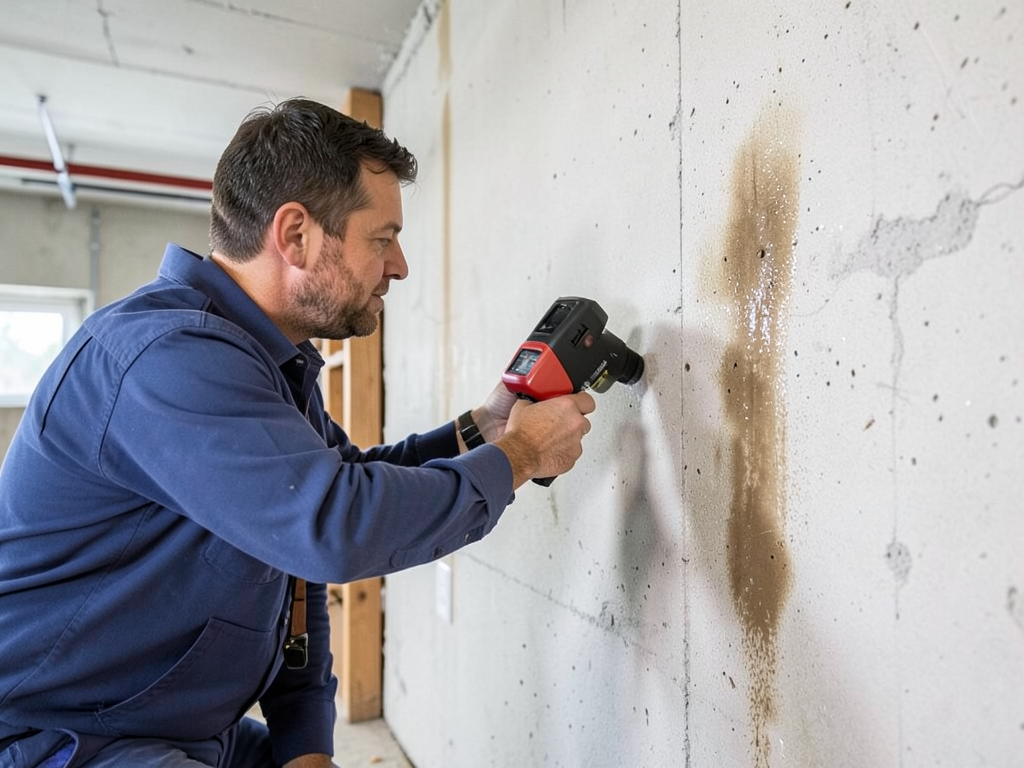
Why your Southwest Waterfront basement is damp even when it hasn’t rained in weeks Your…
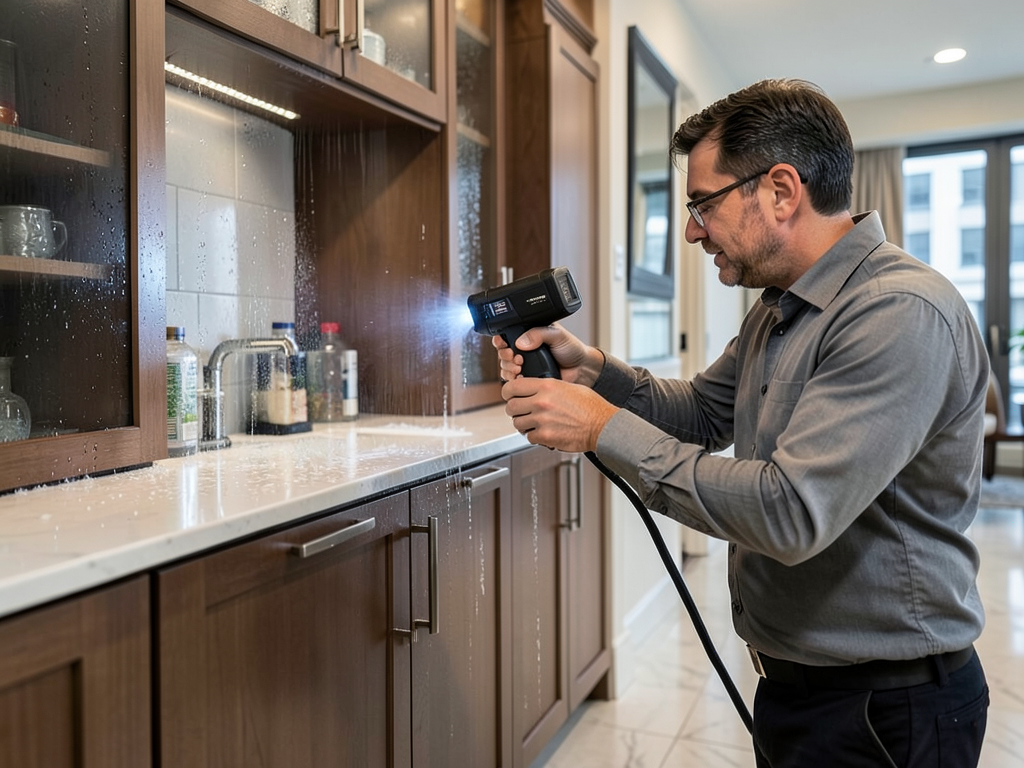
Why the wet bar in your West End condo is the most likely place for…
Water damage worsens every hour. Call (771) 223-8077 now for immediate dispatch to your McLean property. Our teams arrive within 60 minutes with extraction equipment ready to stop the damage and start the drying process.