




Menu

Signs of Hidden Mold in Washington, D.C. – Expert Detection Before Health Risks Escalate

Our certified technicians use thermal imaging and air quality testing to identify symptoms of concealed mold in Capitol Hill row homes, Georgetown basements, and Foggy Bottom buildings before respiratory issues spread.

Slider Image 1
Slider Image 2
Slider Image 3
Slider Image 4
Slider Image 5
Slider Image 7
Slider Image 8
Slider Image 9
Slider Image 10
Slider Image 11

Why Washington, D.C.'s Climate Creates Perfect Conditions for Hidden Mold Growth

You smell something musty in your Dupont Circle apartment, but you see nothing on the walls. Your child's asthma worsened after moving into that Columbia Heights row home. These are classic indicators of invisible mold thriving where you cannot see it.

Washington, D.C.'s humid subtropical climate creates a perfect storm for concealed mold. Summer months regularly push humidity above 70 percent, while the Potomac and Anacostia Rivers add persistent moisture to the air. The District's aging building stock compounds the problem. Historic row homes in Shaw and Capitol Hill feature original plaster walls and poor ventilation. Many Georgetown townhouses still have outdated crawl spaces that trap moisture against foundation walls.

Detecting hidden mold requires understanding where it grows. Mold colonies thrive behind vinyl wallpaper, inside HVAC ducts, under hardwood floors, and within wall cavities where roof leaks slowly drip for months. The symptoms of concealed mold often appear as health complaints before visible growth. Persistent coughing, headaches, and allergic reactions signal active colonies releasing spores into your air.

Evidence of unseen mold includes water stains on ceilings, peeling paint near bathroom walls, and warped baseboards. These physical changes reveal moisture intrusion. In D.C.'s older buildings, cast iron plumbing corrodes and leaks within walls. Window AC units common in pre-war buildings create condensation that seeps into wall cavities. The signs of mold behind walls become obvious only when you know what to look for.

Your nose often detects the problem first. That earthy, rotting smell means active microbial growth somewhere in your living space.

Why Washington, D.C.'s Climate Creates Perfect Conditions for Hidden Mold Growth
How Professional Mold Detection Uncovers What Visual Inspections Miss

How Professional Mold Detection Uncovers What Visual Inspections Miss

Visual inspection catches surface mold, but it misses the hidden colonies doing real damage. Professional mold detection uses diagnostic technology that reveals contamination inside building materials.

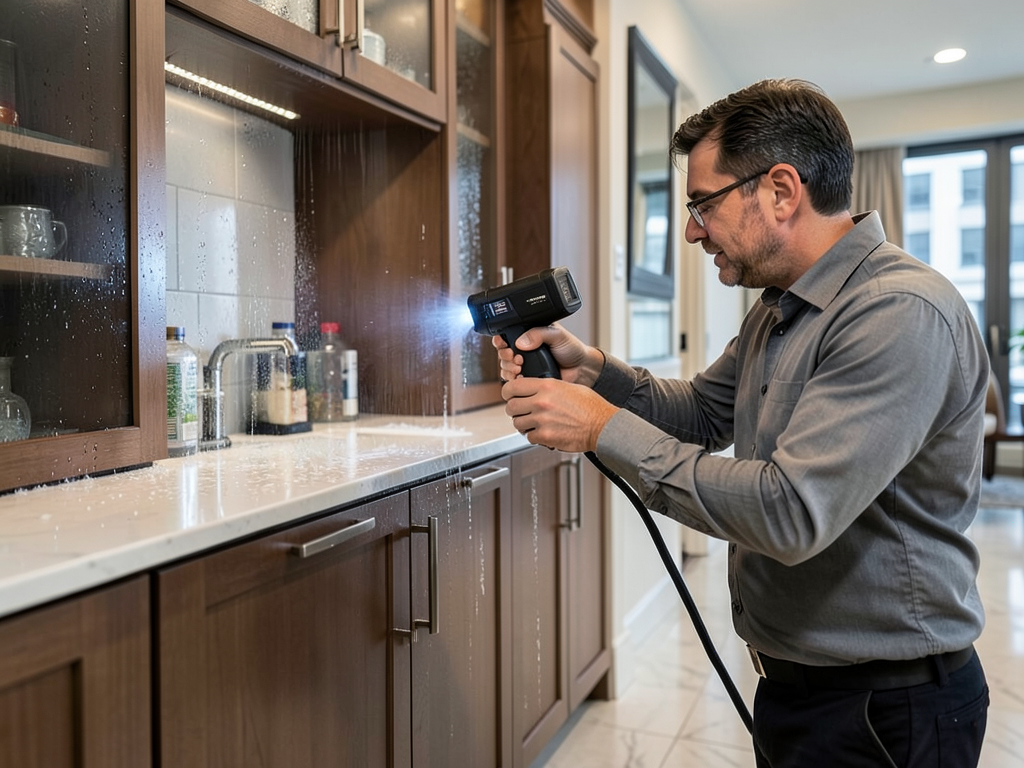
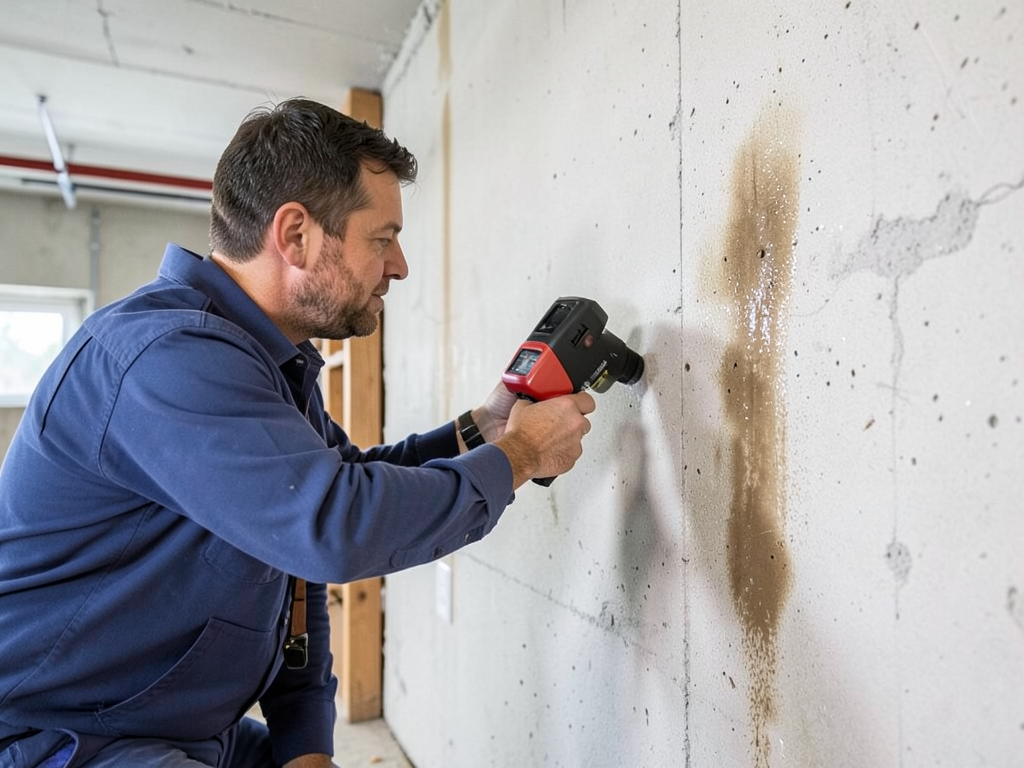
Thermal imaging cameras detect temperature differentials caused by moisture accumulation. When we scan your walls, cooler spots indicate wet areas where mold likely grows. This non-invasive approach maps moisture patterns without tearing into drywall. In Kalorama row homes with three-wythe brick walls, thermal scanning shows exactly where rainwater penetrates mortar joints and saturates the interior.

Moisture meters measure water content in wood framing, drywall, and subflooring. Readings above 16 percent create ideal conditions for mold colonization. We probe around window frames, beneath sinks, and along exterior walls where leaks commonly occur.

Air quality testing captures airborne spore concentrations. We collect samples from multiple rooms and send them to an accredited laboratory for species identification. This reveals whether your indoor air contains elevated levels of Stachybotrys, Aspergillus, or Penicillium compared to outdoor baseline counts. High spore counts confirm active growth even when you see nothing.

Borescope inspection allows visual confirmation inside wall cavities, above ceiling tiles, and within ductwork. We drill a small access hole and insert a fiber optic camera to document actual mold growth. This provides definitive proof before remediation begins.

The detection process follows a systematic protocol. We interview you about health symptoms, inspect suspect areas, run diagnostics, collect samples, and compile a detailed report. This evidence-based approach eliminates guesswork and identifies the full scope of contamination before remediation crews arrive.

What Happens During a Professional Mold Inspection in Your D.C. Property

Signs of Hidden Mold in Washington, D.C. – Expert Detection Before Health Risks Escalate
01

Initial Assessment and Symptom Review

We start with a detailed walk-through of your property while documenting your health concerns and musty odors. You point out water stains, peeling paint, and areas where humidity feels excessive. We note visible indicators like discoloration and examine moisture-prone zones including basements, bathrooms, and crawl spaces. This conversation establishes a baseline for where hidden contamination likely exists based on building characteristics and your reported symptoms.
02

Diagnostic Testing and Sample Collection

Our technicians deploy thermal cameras, moisture meters, and air sampling equipment throughout your home. We scan walls adjacent to plumbing, probe subflooring in bathrooms, and collect air samples from living areas and suspect zones. Borescope cameras inspect hidden cavities where visual assessment cannot reach. Each test location gets documented with photos and readings. Samples ship to a certified mycology lab for species analysis and spore count quantification within 48 hours.
03

Report Delivery and Remediation Planning

You receive a comprehensive report detailing all findings, laboratory results, and contaminated areas requiring remediation. We explain which mold species were identified, where moisture sources originate, and what building materials need removal or treatment. The report includes thermal images, moisture maps, and spore count data. We outline a remediation protocol tailored to your property and provide documentation for insurance claims if water damage caused the growth.

Why D.C. Property Owners Trust Local Expertise for Mold Detection

Mold detection requires intimate knowledge of how buildings in Washington, D.C. fail. A technician from another region will not recognize the specific vulnerabilities of District architecture.

We understand how Capitol Hill row homes built in the 1880s trap moisture in their solid masonry walls. We know that Cleveland Park Colonials often have unvented crawl spaces where humidity condenses on floor joists. We have inspected hundreds of Adams Morgan walk-ups where shared plumbing stacks leak between units, creating mold problems that affect multiple tenants.

The District's building codes and historic preservation regulations add complexity. Properties in historic districts require special consideration before invasive testing. We coordinate with the Historic Preservation Review Board when necessary and use non-destructive testing methods that protect original materials. Our technicians hold certifications from the Indoor Air Quality Association and follow EPA guidelines for mold assessment.

Local expertise means we recognize seasonal patterns. Spring flooding along Rock Creek sends groundwater into Woodley Park basements. Summer thunderstorms overwhelm aging gutters in Petworth, causing water intrusion behind siding. We factor these environmental conditions into our assessment because they directly influence where mold grows in your building.

Insurance claims in D.C. require specific documentation. We provide reports that meet carrier standards and include the evidence adjusters need to approve water damage claims. Our laboratory partners are accredited by the American Industrial Hygiene Association, which ensures your test results hold up under scrutiny.

Reliance Water Damage Restoration Washington DC maintains relationships with remediation contractors, structural engineers, and restoration specialists throughout the metro area. When we find extensive contamination, we connect you with qualified professionals who understand D.C. building systems.

What to Expect When You Schedule a Mold Inspection

Rapid Response and Flexible Scheduling

We dispatch a certified inspector within 24 hours of your call. Most residential inspections take two to three hours depending on property size and the number of suspect areas. Commercial buildings require more time for comprehensive assessment across multiple floors and mechanical systems. You receive same-day preliminary findings based on visual inspection and diagnostic readings. Laboratory analysis of air and surface samples returns within three to five business days. Emergency inspections are available when health symptoms are severe or water damage is ongoing.

Thorough Property Assessment and Documentation

Our inspection covers all accessible areas including attics, crawl spaces, mechanical rooms, and living spaces. We document every moisture reading, thermal anomaly, and visible indicator with photographs and written notes. You walk through the property with our inspector so we can answer questions in real time. We explain what each diagnostic tool reveals and why certain areas warrant closer examination. The process is transparent. You see exactly what we find as we move through your building, and we explain the significance of each discovery.

Detailed Findings and Clear Action Steps

Your written report includes floor plans marked with contaminated zones, laboratory analysis of mold species present, moisture source identification, and photographs of affected areas. We categorize contamination severity using industry-standard classifications so you understand whether you need immediate remediation or can address issues over time. The report serves as a roadmap for remediation contractors and provides documentation for insurance claims or real estate transactions. We translate technical findings into plain language so you know exactly what the mold problem means for your property.

Post-Inspection Consultation and Ongoing Support

After remediation, we offer clearance testing to verify that spore counts have returned to acceptable levels. This post-remediation verification ensures contractors completed the work properly and your indoor air quality meets safety standards. We provide guidance on moisture control strategies to prevent future mold growth, including dehumidification recommendations and ventilation improvements. Our team remains available to answer questions as you work through the remediation process. We coordinate with your contractors, insurance adjusters, and property managers to ensure everyone has the documentation they need.

Frequently Asked Questions

You Have Questions,
We Have Answers

What are signs of mold sickness? +

Mold sickness symptoms include persistent coughing, sneezing, nasal congestion, and throat irritation. You may experience headaches, fatigue, or difficulty concentrating. Skin rashes and watery eyes are common. In Washington, D.C.'s humid climate, these symptoms often worsen during summer months when indoor moisture levels spike. Some people develop wheezing or chest tightness, especially if you have asthma. If symptoms improve when you leave your home or office, mold exposure is likely. Prolonged exposure can cause more severe reactions. A professional mold inspection can identify hidden growth behind walls, under flooring, or in HVAC systems common in older D.C. rowhouses.

Can mold make a baby cough? +

Yes, mold can make a baby cough. Infants have developing respiratory systems that react strongly to mold spores. You may notice your baby coughing more at night or after naps, especially in rooms with poor ventilation. In Washington, D.C. homes, basements and crawl spaces often harbor mold that circulates through ductwork. Watch for persistent coughing paired with wheezing, nasal congestion, or difficulty breathing. Babies exposed to mold may also develop skin rashes or eye irritation. If your baby's cough does not improve or worsens at home, have your property inspected. Mold grows quickly in D.C.'s humidity, particularly after water damage or flooding.

Can mold cause twitching? +

Mold exposure can cause neurological symptoms, including muscle twitching. Mycotoxins produced by certain mold species affect your nervous system, leading to involuntary muscle spasms, tremors, or twitching. These symptoms often appear alongside headaches, brain fog, and difficulty concentrating. In Washington, D.C., where older buildings may have hidden mold in wall cavities or behind historic plaster, prolonged exposure is common. If you experience unexplained twitching that improves when you leave your home, mold may be the culprit. Medical evaluation is essential to rule out other conditions. Professional remediation removes the source and prevents further neurological impact. Act quickly if symptoms persist.

Can black mold cause croup? +

Black mold can trigger respiratory symptoms that mimic croup, particularly in young children. While black mold does not directly cause viral croup, it inflames airways and weakens immune response, making children more susceptible to infections. You may notice a barking cough, hoarse voice, or labored breathing. In Washington, D.C.'s climate, black mold thrives in damp basements, bathrooms, and areas with water damage. Historic homes with poor ventilation are especially vulnerable. If your child experiences recurring croup-like symptoms, inspect for mold growth. Professional testing identifies mold species and contamination levels. Remediation eliminates spores and reduces respiratory triggers, protecting your child's health long-term.

What kills mold permanently? +

Permanent mold removal requires eliminating moisture and physically removing contaminated materials. Surface cleaning with bleach does not kill mold embedded in porous materials like drywall, insulation, or wood framing. Professional remediation involves containment, HEPA air filtration, removal of affected materials, and antimicrobial treatment. In Washington, D.C., you must also fix the moisture source, whether it is a leaking roof, poor drainage around rowhouse foundations, or HVAC condensation. Dehumidification and improved ventilation prevent regrowth. DIY methods fail because they do not address hidden mold in wall cavities or crawl spaces. Certified professionals follow IICRC protocols to ensure complete eradication and prevent cross-contamination.

Can air purifiers remove mold spores? +

Air purifiers with HEPA filters capture airborne mold spores but do not remove mold growth. They reduce spore concentration in the air, which helps minimize respiratory symptoms. However, purifiers cannot eliminate mold colonies on surfaces or inside walls. In Washington, D.C. homes, especially older properties with limited ventilation, air purifiers provide temporary relief while you address the root cause. Use them alongside professional remediation, not as a replacement. Target areas with visible moisture, musty odors, or previous water damage. Fix leaks, improve airflow, and remove contaminated materials. Air purifiers are one tool in a complete mold control strategy, not a standalone solution.

How do I tell if mold is in my lungs? +

Mold in your lungs requires medical diagnosis through imaging and sputum tests. Symptoms include persistent cough, shortness of breath, chest tightness, and coughing up mucus or blood. You may experience fever, fatigue, or worsening asthma symptoms. In Washington, D.C., where high humidity promotes mold growth, prolonged exposure increases risk of lung infections like aspergillosis. If you have these symptoms and suspect mold exposure, see a pulmonologist. They perform chest X-rays, CT scans, or bronchoscopy to detect fungal colonies. Blood tests measure antibodies to mold. Early diagnosis prevents permanent lung damage. Simultaneously, have your home inspected for hidden mold sources.

How to tell if a cough is from mold? +

A mold-related cough persists for weeks, worsens at home, and improves when you leave your property. You may notice the cough is dry or produces clear mucus. It often accompanies nasal congestion, throat irritation, or wheezing. In Washington, D.C., mold coughs spike during humid summer months or after heavy rain when basements flood. Pay attention to timing. If your cough starts after moving into a new home or following water damage, mold is likely. Unlike viral coughs, mold coughs do not resolve with typical medications. Professional mold testing identifies the source. Remediation stops exposure and allows your respiratory system to recover.

What does a mold cough feel like? +

A mold cough feels persistent, dry, and irritating. Your throat may feel scratchy or tight, and you may cough more at night or in specific rooms. Some people describe it as a tickle that triggers uncontrollable coughing fits. Unlike a cold, you will not have body aches or fever. In Washington, D.C. homes, mold coughs often worsen in basements, bathrooms, or rooms with poor air circulation. You may also notice wheezing or chest tightness. The cough lingers for weeks without improvement. If over-the-counter cough medicine does not help and symptoms improve outdoors, mold exposure is the probable cause. Professional inspection identifies hidden growth.

Can an MRI detect mold? +

MRI scans cannot detect mold directly, but they reveal lung damage or sinus inflammation caused by mold exposure. Doctors use MRI to diagnose fungal sinusitis or lung infections like aspergillosis. The imaging shows tissue abnormalities, fluid buildup, or fungal masses. In Washington, D.C., where mold thrives in humid basements and older buildings, chronic exposure leads to detectable respiratory damage. If you have persistent symptoms like headaches, sinus pressure, or breathing difficulty, your doctor may order an MRI alongside blood tests or sputum cultures. MRI provides a detailed view but requires additional testing to confirm mold as the cause. Address the mold source in your home simultaneously.

How D.C.'s Humidity and Aging Building Stock Accelerate Hidden Mold Growth

Washington, D.C. averages 62 percent relative humidity year-round, with summer months regularly exceeding 75 percent. This persistent moisture creates ideal conditions for mold colonization inside building materials. The District's elevation along the Potomac River floodplain traps humid air, particularly in low-lying neighborhoods like Navy Yard and Southwest Waterfront. Many pre-1950 buildings lack vapor barriers in walls and foundations, allowing moisture migration from exterior brick into interior plaster. Row homes with shared party walls cannot dry properly because air does not circulate through enclosed cavities. These architectural characteristics common throughout Capitol Hill, Shaw, and Logan Circle make detecting hidden mold critical for protecting your health and property value.

D.C.'s building regulations require licensed professionals for mold remediation exceeding 32 square feet, but no license requirement exists for mold inspection. This creates a market flooded with unqualified inspectors using consumer-grade equipment. Reliance Water Damage Restoration Washington DC employs technicians certified through the Indoor Air Quality Association and trained in building science specific to the District's housing types. We understand how Federal-style row homes, Victorian-era townhouses, and mid-century garden apartments fail differently. Our local knowledge means we check the right locations based on your building's age and construction method, which prevents the costly mistake of missing contamination that a generic inspection would overlook.
Water Damage Restoration Services in The Washington DC Area

While we primarily offer mobile, on-site water damage restoration services throughout Washington D.C., you can view our main operational hub and service area on the map below. We are strategically located to ensure rapid deployment and efficient response times to all emergencies across the region, bringing our expert services directly to your property wherever you are within our service footprint.

Address:
Reliance Water Damage Restoration Washington DC, 200 Massachusetts Ave NW, Washington, DC, 20001

Additional Services We Offer

Our news updates

Latest Articles & News from The Blogs

Why Your New Condo at The Wharf Might Experience Balcony Drainage Flooding Living in a luxury condo at The Wharf…

Why Your New Condo at The Wharf Might Experience Balcony Drainage Flooding

Why Your New Condo at The Wharf Might Experience Balcony Drainage Flooding Living in a luxury condo at The Wharf…

Dealing with Potomac River Seepage in Your Georgetown Waterfront Retail Space

Dealing with Potomac River Seepage in Your Georgetown Waterfront Retail Space Georgetown's waterfront retail spaces face unique water damage risks…

What Every DC Homeowner Needs in a Flood Emergency Kit Before the Next Storm Hits

What Every DC Homeowner Needs in a Flood Emergency Kit Before the Next Storm Hits Washington DC homeowners face unique…

Contact Us

Stop guessing about what is growing in your walls. Our certified inspectors use diagnostic technology that reveals exactly where mold hides in your D.C. property. Call (771) 223-8077 now to schedule an inspection within 24 hours and get the answers you need to protect your health.