




Menu

Burst Pipe Water Damage in Washington, D.C. – Fast Response Before Flooding Spreads

When a ruptured pipe floods your property, immediate containment and extraction prevent structural damage and mold growth in Washington, D.C.'s humid climate

Slider Image 1
Slider Image 2
Slider Image 3
Slider Image 4
Slider Image 5
Slider Image 7
Slider Image 8
Slider Image 9
Slider Image 10
Slider Image 11

Why Burst Pipes Cause Catastrophic Damage in Washington, D.C. Homes and Buildings

A burst pipe releases hundreds of gallons per hour into your walls, floors, and ceilings. In Washington, D.C., freeze-thaw cycles during winter months stress aging copper and galvanized pipes in Historic Districts like Capitol Hill and Georgetown. When temperatures drop below freezing, water expands inside pipes. The pressure builds until the pipe ruptures. By the time you notice water pooling near baseboards or dripping from light fixtures, the damage has already started.

Water damage from burst pipe incidents moves fast. Drywall absorbs moisture within minutes. Hardwood flooring cups and warps within hours. In properties near Rock Creek Park or along the Anacostia River, higher humidity levels accelerate mold colonization. You have a 24 to 48 hour window before spores take hold.

Broken pipe water damage does not stop at visible flooding. Water migrates through wall cavities and penetrates subfloors. It saturates insulation and weakens structural framing. In older row houses common throughout Shaw and Columbia Heights, burst pipe flooding can compromise load-bearing walls if the water sits too long.

Ruptured pipe water damage requires professional intervention. Homeowners often underestimate the scope. They mop up surface water but ignore what is hidden behind walls. That moisture continues to spread. It creates conditions for rot, electrical hazards, and long-term structural failure. Burst pipe water cleanup is not about towels and fans. It requires extraction equipment, thermal imaging, and controlled drying protocols.

Why Burst Pipes Cause Catastrophic Damage in Washington, D.C. Homes and Buildings
How We Stop Water Damage and Restore Your Property Correctly

How We Stop Water Damage and Restore Your Property Correctly

We arrive with truck-mounted extractors and portable units designed for high-volume water removal. Our first priority is stopping the source. If your plumber has not yet isolated the break, we help you locate the main shut-off valve. Speed matters because every minute adds gallons to the loss.

Once the water supply is controlled, we begin extraction. Truck-mounted systems pull water from carpet, padding, and subflooring at rates up to 200 gallons per minute. For hard surfaces, we use weighted extraction tools that create suction against tile and concrete. Removing bulk water fast reduces the migration into wall cavities and prevents secondary damage.

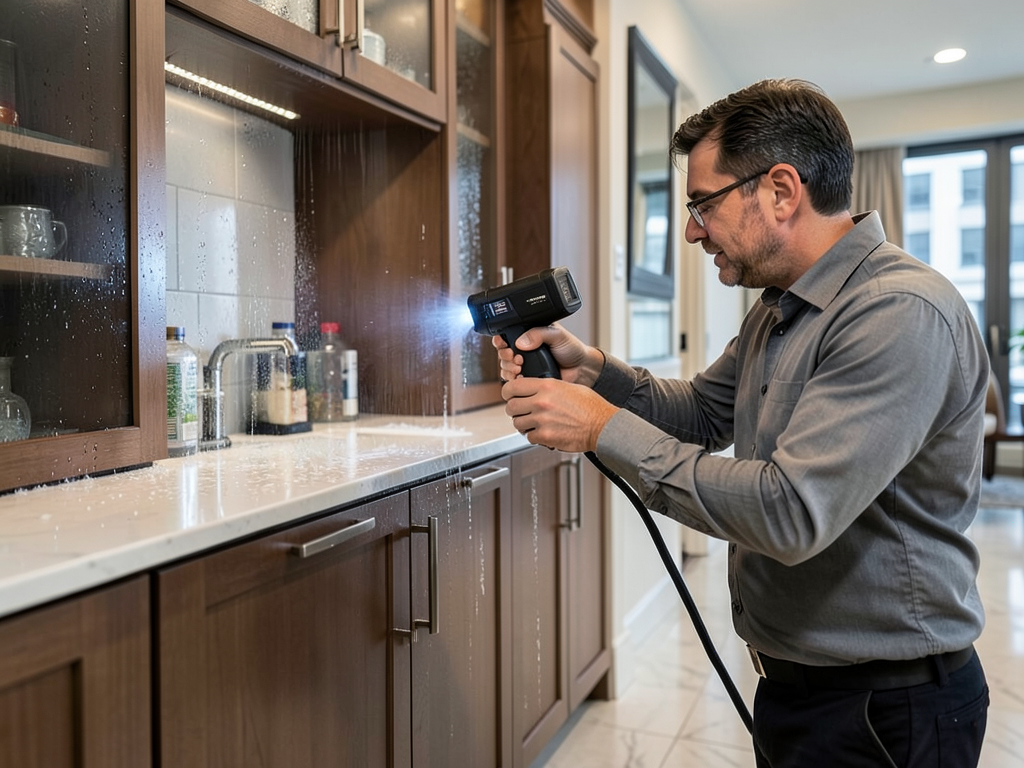
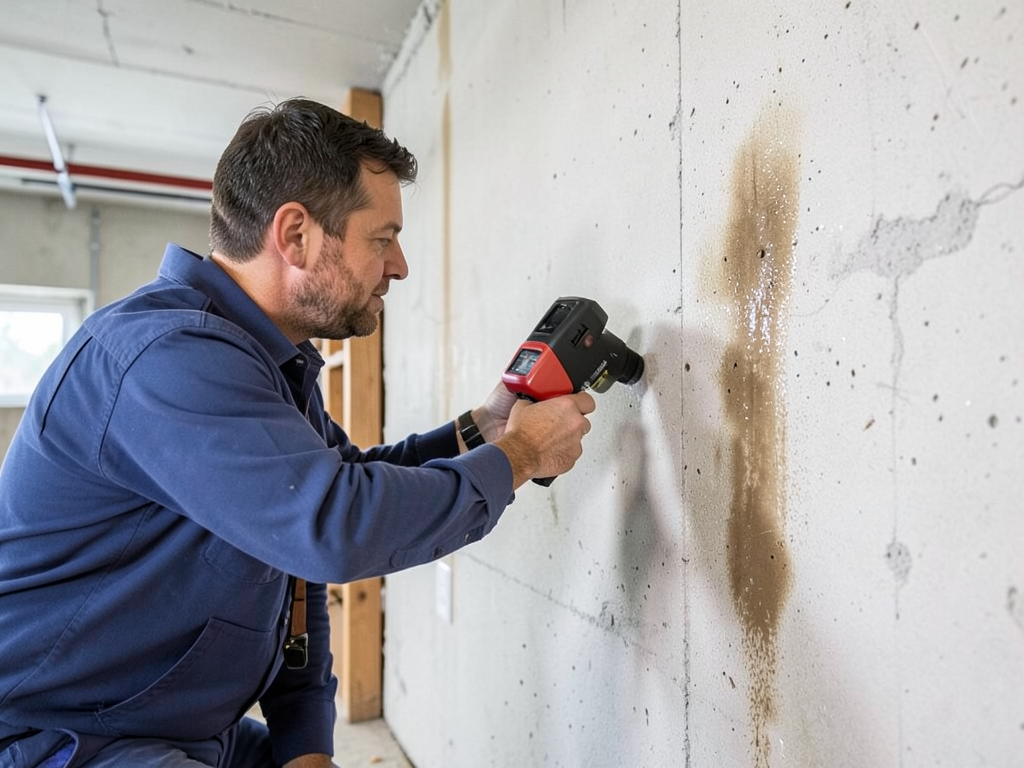
After extraction, we deploy air movers and commercial dehumidifiers. Air movers create airflow across wet surfaces to accelerate evaporation. Dehumidifiers pull moisture from the air and lower ambient humidity levels. We monitor this process with moisture meters and thermal imaging cameras. These tools show us exactly where water has traveled, even inside closed wall cavities.

We document moisture readings at multiple points. This creates a drying map. We track progress daily and adjust equipment placement based on readings. Drying is not guesswork. We follow IICRC S500 standards, which define the acceptable moisture content for each material type. When readings fall within acceptable ranges, we remove equipment.

If walls or ceilings are saturated beyond surface drying capacity, we remove wet drywall and insulation. This prevents trapped moisture and eliminates mold risk. We coordinate with your insurance adjuster and document every step with photos and moisture logs. Transparency matters when claims are involved.

What Happens When You Call Us for Burst Pipe Flooding

Burst Pipe Water Damage in Washington, D.C. – Fast Response Before Flooding Spreads
01

Emergency Dispatch and Assessment

We answer calls 24 hours a day. You speak directly to a technician, not an answering service. We ask targeted questions about the water source, affected areas, and visible damage. This helps us bring the right equipment on the first trip. Our team arrives within 60 to 90 minutes in most Washington, D.C. neighborhoods. We assess the extent of the loss using moisture meters and thermal imaging to identify hidden saturation.
02

Water Extraction and Containment

We extract standing water using truck-mounted and portable units. Containment barriers prevent water from spreading to unaffected rooms. We remove soaked materials like carpet padding, baseboards, and drywall if saturation levels exceed drying capacity. This step eliminates the moisture source and prepares the space for controlled drying. We place air movers and dehumidifiers strategically to maximize airflow and moisture removal across all affected surfaces.
03

Monitored Drying and Verification

Drying equipment runs continuously while we monitor moisture levels daily. We adjust equipment placement based on readings and environmental conditions. When moisture content reaches IICRC-approved dry standards, we document final readings and remove equipment. You receive a complete moisture log and photo documentation for insurance purposes. The space is verified dry and ready for reconstruction, with no hidden moisture left behind to cause future problems.

Why Washington, D.C. Property Owners Choose Local Expertise for Burst Pipe Emergencies

Burst pipe water damage in Washington, D.C. presents unique challenges. Many properties in Historic Districts like Dupont Circle and Logan Circle feature plaster walls and original hardwood floors. These materials require different drying techniques than modern drywall and laminate. Plaster is denser and holds moisture longer. Hardwood expands and contracts based on humidity levels. A restoration team unfamiliar with these materials can cause more harm than the original water loss.

We understand the construction methods common in Washington, D.C. row houses and pre-war buildings. We know where pipe runs are typically located. We recognize when galvanized steel plumbing is nearing the end of its service life. This knowledge allows us to predict where hidden damage is likely to occur and verify it with diagnostic equipment.

Local building codes also matter. Washington, D.C. requires permits for certain demolition and reconstruction activities, even after water damage. We coordinate with D.C. Department of Consumer and Regulatory Affairs when necessary. We document all work to meet code compliance requirements. This prevents delays and ensures your insurance claim is not jeopardized by improper procedures.

We also work directly with insurance adjusters who handle claims in the Washington, D.C. metro area. We know what documentation they require. We provide detailed moisture logs, photo evidence, and equipment logs that satisfy their review process. This speeds up claim approval and reduces the back-and-forth that delays payment.

Choosing a local provider means faster response times. We are already in your area. We do not need to mobilize from distant locations. When a pipe bursts at 2 a.m., proximity matters. We arrive while the damage is still containable.

What You Can Expect During the Burst Pipe Water Cleanup Process

Rapid Response and Availability

We dispatch crews 24 hours a day, seven days a week. Burst pipes do not follow business hours. Most crews arrive within 60 to 90 minutes of your call in Washington, D.C. and surrounding neighborhoods. We bring extraction equipment, air movers, dehumidifiers, and moisture detection tools on every emergency response. Our goal is to begin water removal immediately and prevent further migration into unaffected areas. You do not wait for a second trip or additional equipment delivery.

Comprehensive Damage Assessment

We use thermal imaging cameras and penetrating moisture meters to map water intrusion. This identifies saturation in walls, ceilings, and subfloors that is not visible to the eye. We document moisture levels in multiple locations and create a baseline for tracking drying progress. You receive a written assessment that outlines affected areas, necessary demolition, and estimated drying time. This report is designed to support your insurance claim and provide transparency about the scope of work required.

Certified Drying and Restoration

We follow IICRC S500 water damage restoration standards. Equipment runs continuously until moisture readings fall within acceptable ranges for each material type. We monitor progress daily and adjust airflow and dehumidification based on readings. Once the space is verified dry, we provide final documentation showing before-and-after moisture levels. Demolition and reconstruction are coordinated with your timeline and insurance approval. The result is a fully restored space with no hidden moisture or mold risk.

Post-Restoration Support and Documentation

After drying is complete, we provide a detailed moisture log, photo documentation, and equipment runtime records. This package is formatted for insurance submission and includes all information adjusters require for claim approval. If reconstruction is needed, we coordinate with licensed contractors and ensure all work meets D.C. building code requirements. We remain available after project completion to answer questions or address concerns. Your property is not just dry. It is restored to pre-loss condition with documentation to prove it.

Frequently Asked Questions

You Have Questions,
We Have Answers

Does insurance cover water damage from a burst pipe? +

Most homeowners insurance policies cover sudden and accidental water damage from burst pipes. This includes frozen pipes that rupture. Coverage includes structural repairs, damaged belongings, and professional water extraction. However, policies exclude damage from gradual leaks or lack of maintenance. In Washington, D.C., where freeze-thaw cycles stress aging pipe infrastructure, insurers require proof you maintained heat during winter. Document everything immediately with photos. File your claim within 24 hours. Adjusters scrutinize delays. Keep receipts for emergency repairs and temporary housing. Review your policy exclusions now, not after disaster strikes.

How many hours below freezing to freeze pipes? +

Pipes can freeze after just six consecutive hours below 20 degrees Fahrenheit, especially in unheated spaces. In Washington, D.C., where temperatures swing rapidly during winter, your risk increases in crawl spaces, exterior walls, and uninsulated basements common in older row houses. Copper and PEX pipes freeze faster than iron. Wind chill accelerates freezing in exposed exterior walls facing north. Pipes along the Potomac River corridor face higher humidity, which compounds freeze risk. The real danger occurs during thaw when ice blockages shift and pipes rupture. Do not wait for sustained cold to winterize.

Who is responsible for burst water pipes? +

Responsibility depends on property ownership and pipe location. Homeowners own pipes inside their property line and foundation walls. This includes interior plumbing and the main water line from the street connection to your home. In Washington, D.C., DC Water owns the main line in the street and the connection at your property boundary. For condos and multi-family buildings, the HOA covers shared pipes. Check your condo documents. Landlords must repair burst pipes in rental units, but tenants pay if negligence caused the failure, like leaving heat off during winter freezes.

What to do after a water pipe bursts? +

Shut off your main water supply immediately to stop flooding. The shutoff valve sits near your water meter or where the main line enters your foundation. Open faucets to drain remaining water and relieve pressure. Move furniture and valuables to dry areas. Document damage with photos before touching anything. Call a licensed plumber to repair the pipe. Then contact a water damage restoration company within one hour. In Washington, D.C., where older homes have plaster walls and hardwood floors, delayed response causes mold growth and structural damage within 48 hours. Call your insurance company immediately.

What is the average insurance payout for water damage? +

Water damage payouts range widely based on damage extent, coverage limits, and deductible amounts. The Insurance Information Institute reports average claims between $5,000 and $10,000, but severe burst pipe incidents exceed $50,000 when structural repairs and mold remediation are needed. In Washington, D.C., where historic row houses have irreplaceable hardwood and plaster, costs climb quickly. Your payout depends on your policy limits, replacement cost versus actual cash value coverage, and documentation quality. Insurers deduct depreciation and your policy deductible. Undocumented losses reduce payouts significantly. Always photograph damage immediately.

Do insurance companies pay out for burst pipes? +

Yes, insurers pay for burst pipe damage when the failure is sudden and accidental. Frozen pipes that rupture qualify. However, claims get denied if adjusters find neglect, like failing to maintain heat during freezing weather or ignoring known leaks. In Washington, D.C., where freeze-thaw cycles are common, insurers require proof you took preventive measures. Keep thermostats at 55 degrees minimum when away. Insulate exposed pipes. Document your winterization efforts. File claims immediately. Delays raise red flags. Expect an adjuster inspection within 48 hours to verify the cause and damage extent.

At what temperature should you let your faucets drip? +

Let faucets drip when temperatures drop to 20 degrees Fahrenheit or below, especially during sustained cold snaps. In Washington, D.C., where winter nights dip below freezing but days warm up, focus on pipes in exterior walls, crawl spaces, and unheated basements common in Capitol Hill and Georgetown row houses. A pencil-thin stream prevents pressure buildup that causes bursts. Open both hot and cold taps slightly. Cabinet doors under sinks should stay open to circulate warm air. This small water waste costs less than thousands in pipe repair and water damage restoration.

What are signs of pipe damage after freezing? +

Watch for reduced water pressure, discolored water with rust particles, and strange clanging or banging sounds when you turn on taps. Frost on exposed pipes signals freezing risk. Wet spots on walls, ceilings, or floors indicate hidden leaks from hairline cracks. In Washington, D.C., where old galvanized and copper pipes run through uninsulated crawl spaces, you might smell musty odors from moisture buildup. Bulging or warped sections show where ice expanded the pipe. Test all faucets after a freeze. No water flow means a blockage that will likely rupture during thaw.

What type of pipes burst most easily? +

Copper pipes and older galvanized steel pipes burst most easily during freezing conditions. Copper conducts cold rapidly and has rigid walls that crack under ice expansion pressure. PEX piping flexes slightly and resists bursting better. In Washington, D.C., where homes built before 1970 contain copper and galvanized lines, your risk increases significantly. Pipes in exterior walls, unheated crawl spaces, and attics freeze first. Small-diameter pipes freeze faster than larger mains. Joints, elbows, and connections fail first because ice expansion concentrates stress at these weak points. Insulation and heat tape prevent most failures.

How much does a plumber cost to fix a burst pipe? +

Emergency plumbing repairs for burst pipes range from basic fixes to extensive replacements, depending on pipe location, material, and access difficulty. Factors include time of day, extent of damage, and whether walls need opening. In Washington, D.C., where historic homes have plaster walls and tight crawl spaces, access complications increase labor time. Weekend and after-hours emergency calls add premium charges. Copper pipe repairs differ from PEX or galvanized work. Get multiple quotes when possible. Focus on licensed, insured plumbers. Ask about water damage beyond the pipe itself. That requires separate restoration professionals.

How Washington, D.C.'s Aging Infrastructure and Freeze-Thaw Cycles Increase Burst Pipe Risk

Washington, D.C. has one of the oldest water distribution systems in the nation. Many row houses and brownstones in Capitol Hill, Foggy Bottom, and Mount Pleasant still have original galvanized steel or copper pipes installed decades ago. These materials corrode over time and lose structural integrity. When winter temperatures drop into the teens, water inside these aging pipes freezes and expands. The pressure exceeds the pipe's tensile strength and causes ruptures. Properties near the Potomac River or in low-lying areas near the Tidal Basin face additional risk from higher groundwater levels, which can corrode exterior pipe connections and increase hydrostatic pressure during freeze events.

Restoration work in Washington, D.C. requires familiarity with Historic Preservation Review Board guidelines and D.C. building codes. Many properties in designated historic areas have restrictions on exterior modifications and material replacements. We coordinate with preservation authorities when water damage affects protected structures. Our team understands the documentation and approval processes required for work in these districts. Choosing a provider with local regulatory knowledge prevents costly delays and ensures compliance with both insurance requirements and municipal codes. We work within the framework that governs restoration in the nation's capital.
Water Damage Restoration Services in The Washington DC Area

While we primarily offer mobile, on-site water damage restoration services throughout Washington D.C., you can view our main operational hub and service area on the map below. We are strategically located to ensure rapid deployment and efficient response times to all emergencies across the region, bringing our expert services directly to your property wherever you are within our service footprint.

Address:
Reliance Water Damage Restoration Washington DC, 200 Massachusetts Ave NW, Washington, DC, 20001

Additional Services We Offer

Our news updates

Latest Articles & News from The Blogs

Why Your New Condo at The Wharf Might Experience Balcony Drainage Flooding Living in a luxury condo at The Wharf…

Why Your New Condo at The Wharf Might Experience Balcony Drainage Flooding

Why Your New Condo at The Wharf Might Experience Balcony Drainage Flooding Living in a luxury condo at The Wharf…

Dealing with Potomac River Seepage in Your Georgetown Waterfront Retail Space

Dealing with Potomac River Seepage in Your Georgetown Waterfront Retail Space Georgetown's waterfront retail spaces face unique water damage risks…

What Every DC Homeowner Needs in a Flood Emergency Kit Before the Next Storm Hits

What Every DC Homeowner Needs in a Flood Emergency Kit Before the Next Storm Hits Washington DC homeowners face unique…

Contact Us

Every minute counts when a pipe bursts. Call Reliance Water Damage Restoration Washington DC at (771) 223-8077 for immediate dispatch. We answer 24/7 and arrive ready to extract water and begin drying. Do not wait for damage to worsen.