



Menu

Washing Machine Overflow Cleanup in Washington, D.C. – 24/7 Emergency Response in Under 60 Minutes

When your washing machine floods, every minute counts. Reliance Water Damage Restoration Washington DC dispatches certified water extraction teams to Washington, D.C. homes immediately, preventing structural damage and mold growth before your floors, drywall, and subfloors are compromised.

Slider Image 1
Slider Image 2
Slider Image 3
Slider Image 4
Slider Image 5
Slider Image 7
Slider Image 8
Slider Image 9
Slider Image 10
Slider Image 11

Why Washing Machine Floods in Washington, D.C. Homes Escalate Fast

A washing machine overflow does not give you a warning. One moment you are folding laundry, the next you are standing in two inches of water spreading across your floors. In Washington, D.C., where brownstones and rowhouses share walls and multi-level homes are common, a single washing machine leak can travel vertically and laterally, damaging multiple rooms, seeping into subflooring, and even affecting neighboring units in attached properties.

The District's high humidity compounds the problem. Once water saturates wood floors, baseboards, or drywall, mold spores can colonize in 24 to 48 hours. The city's older housing stock, particularly in Capitol Hill, Shaw, and Georgetown, often features original hardwood and plaster walls that absorb water rapidly. A laundry machine overflow that seems minor at first can warp antique flooring, buckle cabinets, and create hidden moisture pockets inside wall cavities.

Washing machine flood cleanup services require immediate water extraction, not cleanup you schedule for next week. The longer water sits, the deeper it penetrates. Your subfloor swells, your baseboards separate, and your insurance claim gets more complicated. Emergency washer flood remediation starts the moment you call, not when it fits a technician's schedule.

You need washer water damage restoration that understands how water moves through D.C. construction, how to protect historic materials, and how to document damage for insurance. You need a team that treats your home like the investment it is, not just another job.

Why Washing Machine Floods in Washington, D.C. Homes Escalate Fast
How Reliance Water Damage Restoration Washington DC Stops Washer Floods

How Reliance Water Damage Restoration Washington DC Stops Washer Floods

We do not mop up surface water and call it done. Washing machine leak water extraction is a technical process that requires industrial equipment and a methodical approach. Our technicians arrive with truck-mounted extractors, submersible pumps, and moisture meters calibrated to detect water you cannot see.

First, we stop the source. If your supply hose ruptured or your drain backed up, we identify the failure point and prevent additional flow. Then we classify the water. Clean water from a supply line is Category 1. Gray water from a drain backup is Category 2 or 3, which requires different safety protocols and disposal methods.

Next, we extract standing water using high-capacity pumps that pull water from carpets, tile grout lines, and hardwood seams. Surface extraction is not enough. We use weighted extraction tools to compress carpet padding and force trapped water to the surface. For hardwood, we assess whether the floor can be saved or if sections need controlled drying to prevent cupping.

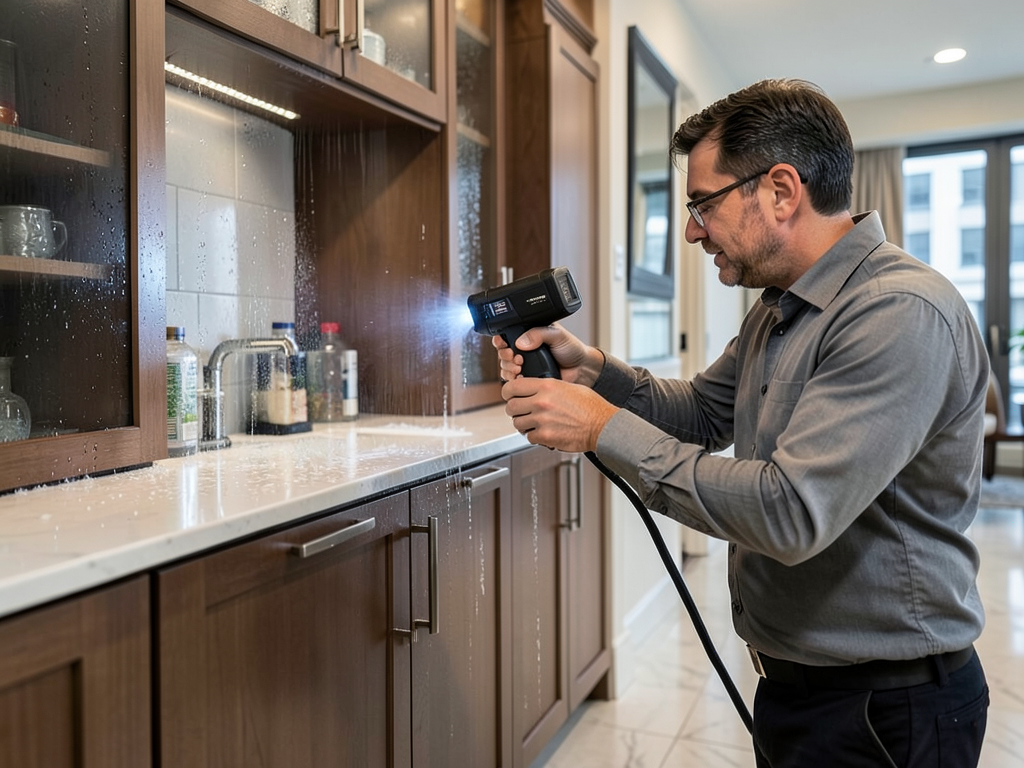
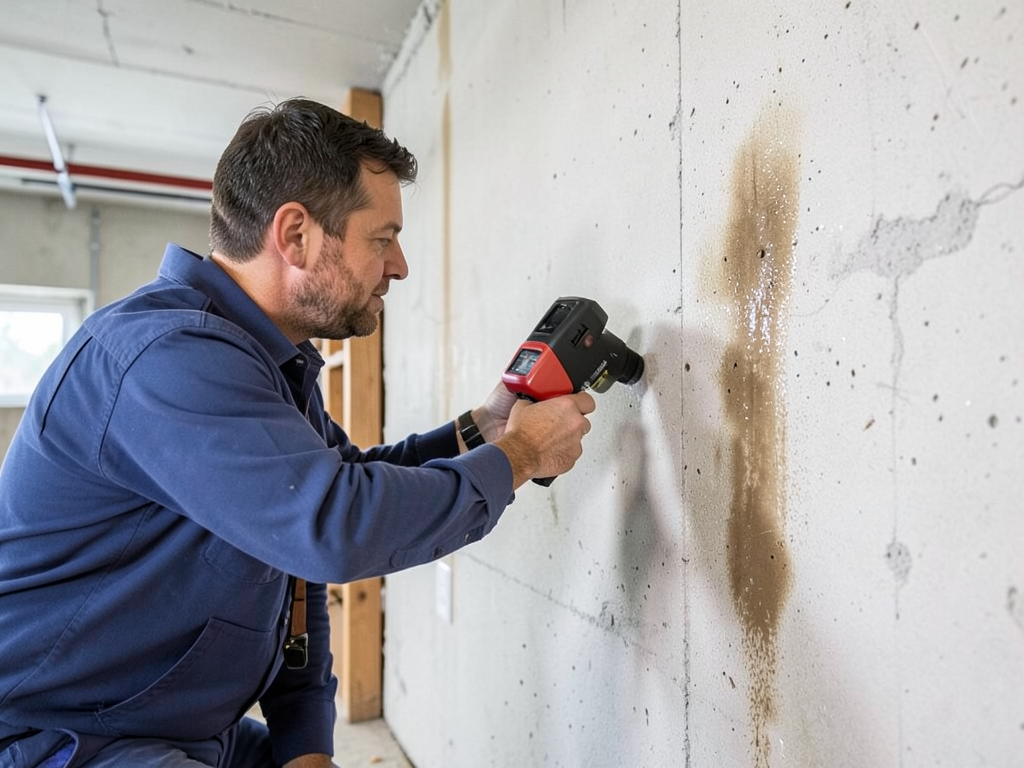
After extraction, we measure moisture content in walls, subfloors, and adjacent rooms. Moisture does not stay where it landed. It migrates through porous materials. We use thermal imaging cameras to trace water pathways inside walls and under cabinets, marking affected areas for targeted drying.

Then we deploy air movers and dehumidifiers in a scientific drying configuration. Air movers create evaporation at the surface. Dehumidifiers remove moisture from the air, lowering ambient humidity so materials continue releasing trapped water. We monitor daily and adjust equipment until all readings return to baseline. This is laundry machine overflow water removal done correctly, with documentation for your insurer and protection for your property value.

What Happens When You Call for Washer Flood Cleanup

Washing Machine Overflow Cleanup in Washington, D.C. – 24/7 Emergency Response in Under 60 Minutes
01

Immediate Dispatch and Arrival

You call our emergency line at (771) 223-8077, and we dispatch a crew immediately. No waiting for morning, no callback delays. Our technicians arrive with truck-mounted extraction systems, moisture detection tools, and containment equipment. We assess the situation, shut off water sources if needed, and begin extraction within minutes of arrival. Speed matters because water spreads fast in D.C. rowhouses and multi-level homes.
02

Water Extraction and Containment

We remove all standing water using industrial extractors and submersible pumps. We pull water from carpets, padding, hardwood seams, and tile grout. We check adjacent rooms, closets, and lower levels for migration. Moisture meters and thermal cameras map hidden saturation inside walls and under cabinets. We remove wet materials that cannot be saved and set containment barriers to prevent cross-contamination if the water is gray or black category.
03

Drying and Monitoring

We place commercial air movers and dehumidifiers in a calculated configuration to create controlled evaporation. We monitor moisture levels daily and adjust equipment as materials dry. We document all readings for your insurance claim. When moisture content returns to normal and no microbial growth is detected, we remove equipment and provide a completion report. Your home is dry, safe, and ready for any necessary repairs or restoration work.

Why Washington, D.C. Homeowners Trust Reliance for Washing Machine Disasters

Washington, D.C. is not a generic city with generic construction. Your home might be a century-old Victorian rowhouse in Capitol Hill with plaster walls and pine subflooring, or a mid-century split-level in Chevy Chase with slab foundation and terrazzo tile. Washing machine overflow cleanup requires local knowledge, not a one-size-fits-all approach.

We understand how water behaves in D.C. housing. We know that shared-wall rowhouses require containment strategies to protect neighboring units. We know that older homes often lack vapor barriers, which accelerates moisture migration. We know that the District's building codes require specific drying standards before you can close up walls or lay new flooring.

We also know how to work with D.C. insurers. We document every step with photos, moisture readings, and scope notes that align with IICRC standards. We communicate directly with adjusters, provide detailed estimates, and ensure your claim has the support it needs. We do not cut corners or inflate damage, we report facts.

Our technicians are trained in structural drying, microbial remediation, and water damage restoration specific to the Mid-Atlantic climate. High humidity here means longer dry times and higher mold risk. We adjust our protocols accordingly, running dehumidifiers longer and monitoring more frequently than teams from drier climates might consider necessary.

You are not getting a national franchise that dispatches whoever is available. You are getting a local Washington, D.C. team that has worked in your neighborhood, understands your home's construction, and takes your property seriously. We treat your hardwood floors, your antique trim, and your family heirlooms with the respect they deserve. That is the Reliance difference.

What to Expect When You Hire Reliance for Washer Overflow Cleanup

Arrival Time and Availability

We operate 24 hours a day, 365 days a year, because washing machines do not wait for business hours to fail. When you call our emergency line, you speak to a real person, not an answering service. We dispatch a crew immediately, and in most cases, we are on-site within 60 minutes anywhere in Washington, D.C., including Capitol Hill, Georgetown, Columbia Heights, and surrounding areas. We arrive ready to work, with all necessary equipment on the truck. No delays, no excuses, no waiting until morning.

Initial Assessment and Scope

Before we extract a drop of water, we assess the damage. We identify the water source, classify the contamination level, and measure moisture content in all affected materials. We use thermal imaging to detect hidden saturation and mark the full scope of the damage. We explain what we find, what needs to be done, and what your insurance will likely cover. You get a written scope before work begins, so there are no surprises. We take photos and notes that will support your claim, and we answer your questions in plain language.

Final Outcome and Restoration

When we finish, your home is dry, clean, and safe. All moisture readings are at baseline levels, all affected materials are documented, and all equipment is removed. If repairs are needed, we coordinate with trusted contractors or handle reconstruction in-house. We provide a completion report with photos, moisture logs, and recommendations for any follow-up work. Your floors are not warped, your walls are not growing mold, and your insurance claim is backed by professional documentation. You get your home back, not a half-finished cleanup job.

Follow-Up and Monitoring

We do not disappear after drying is complete. We offer follow-up moisture checks to confirm your home remains dry. If we detect any residual issues during the drying process, we extend monitoring and equipment deployment at no additional cost. We also provide guidance on preventing future washing machine failures, including hose replacement schedules and drain maintenance. If you need reconstruction or flooring replacement, we stay involved through project completion. You are not passed off to a subcontractor and forgotten. We see the job through.

Frequently Asked Questions

You Have Questions,
We Have Answers

How to clean a washing machine overflow pipe? +

Turn off the water supply first. Disconnect the overflow pipe from the back of the machine and inspect for lint, detergent buildup, or debris. Use a drain snake or plumbing brush to clear blockages. Flush with hot water to verify flow. If the pipe drains into a standpipe, check that connection too. Washington, D.C. homes with older plumbing often see mineral deposits from hard water, which can narrow pipes over time. If water still backs up or you see signs of water damage on floors or walls, call a water damage restoration professional immediately to prevent mold growth and structural issues.

How do you remove black mold from a washing machine rubber seal? +

Mix equal parts white vinegar and warm water in a spray bottle. Spray the rubber seal thoroughly and let sit for 10 minutes. Scrub with a soft brush or microfiber cloth. For stubborn mold, make a paste with baking soda and water, apply, and scrub gently. Wipe clean with a damp cloth and dry completely. Washington, D.C. humidity worsens mold growth. If black mold covers large areas or you smell musty odors in your laundry room, you may have hidden water damage. Stop using the machine and contact a restoration specialist to inspect for leaks and prevent spread.

Why are my clothes sopping wet after spin cycle? +

This signals a spin cycle failure. Common causes include an unbalanced load, clogged drain pump filter, kinked drain hose, or faulty lid switch. Check the drum for overloading or tangled items. Inspect the drain hose for kinks or blockages. Clean the pump filter at the machine's base. If the drum won't spin at all, the motor coupler or belt may be broken. Sopping clothes left sitting can cause mildew and water damage to flooring. If you see standing water or leaks pooling beneath the machine, turn off water and power immediately and call a water damage cleanup team.

How to clean up a washing machine flood? +

Shut off the water supply and power to the machine immediately. Remove standing water with a wet vacuum or towels. Pull the washer away from the wall to check for trapped water underneath or behind. Extract moisture from flooring, baseboards, and drywall. Use fans and dehumidifiers to dry the area within 24 hours to prevent mold. Washington, D.C. homes with finished basements or hardwood floors face higher damage risks. If water spread beyond the laundry area, seeped into walls, or soaked subflooring, contact a water damage restoration company right away to prevent structural issues and microbial growth.

Can I pour bleach down a washing machine drain pipe? +

You can pour diluted bleach down the drain pipe to sanitize and clear minor buildup. Mix one cup of bleach with a gallon of hot water and pour slowly. Let it sit for 10 minutes, then flush with more hot water. Never pour undiluted bleach or mix with other cleaners, which creates toxic fumes. If the drain remains slow or backs up, the blockage may be deeper in your home's plumbing system. Washington, D.C. row homes often share drain lines. Persistent backups can cause overflow and water damage. Call a plumber or restoration professional if the problem continues.

How do you clean the overflow pipe? +

Locate the overflow pipe, usually at the back of the washing machine or near the standpipe connection. Disconnect it and inspect for lint, soap scum, and debris. Use a drain snake, plumbing brush, or high-pressure water flush to remove buildup. Check both ends of the pipe for clogs. Reassemble and test by running a rinse cycle. In Washington, D.C., older homes may have corroded galvanized pipes that trap debris more easily. If water still overflows during cycles or you notice dampness around the laundry area, contact a water damage expert to assess hidden leaks and prevent costly repairs.

What is the black gunk in a rubber seal washing machine? +

That black gunk is mold, mildew, soap residue, and lint combined. Front-load washers trap moisture in the rubber seal after cycles, creating perfect conditions for microbial growth. Washington, D.C. humidity accelerates this buildup. To prevent it, wipe the seal dry after each load and leave the door open between uses. Clean the seal monthly with vinegar or a mold remover. If you see widespread black patches, smell persistent odors, or notice water pooling beneath the machine, you may have a leak causing hidden water damage. Call a restoration specialist for inspection and cleanup.

What kills mold better, bleach or vinegar? +

Bleach kills mold on contact but does not penetrate porous surfaces. Vinegar is less toxic and works on porous materials, though it takes longer. For hard, nonporous surfaces like washing machine seals, bleach works faster. For grout, drywall, or wood, vinegar is safer and more effective. Washington, D.C. homes with persistent mold may have hidden moisture problems from leaks or high humidity. If mold keeps returning despite cleaning, you have a water intrusion issue. Stop cleaning and call a water damage restoration company to locate the source and prevent health risks and structural damage.

Can vinegar damage the washing machine seal? +

Undiluted vinegar can dry out and crack rubber seals over time, but diluted vinegar used occasionally is safe. Mix one part vinegar with one part water for routine cleaning. Avoid soaking the seal or using vinegar daily. After cleaning, rinse thoroughly and dry the seal completely. Washington, D.C. humidity can keep rubber damp longer, speeding deterioration. If you notice cracking, tearing, or persistent leaks around the door seal, replace it immediately. Leaking seals cause water damage to flooring and surrounding structures. If water pooled beneath the machine, contact a restoration professional to assess hidden damage and dry affected areas.

Why is my washing machine not spinning all the water out of clothes? +

Common causes include a clogged drain pump, faulty lid switch, broken drive belt, or failing motor coupling. Check for error codes on the display. Inspect the drain hose for kinks or blockages. Remove and clean the drain pump filter, which traps coins, lint, and debris. Test the lid switch by pressing it manually during a cycle. If the drum does not spin at all, the belt or coupler may need replacement. Wet clothes left sitting breed mold and mildew. If you see water leaking or pooling, shut off the machine and call a water damage cleanup expert to prevent flooring and structural damage.

How Washington, D.C.'s Rowhouse Construction Complicates Washing Machine Flooding

Washington, D.C. has one of the highest concentrations of rowhouse construction in the country. When your washing machine overflows in a shared-wall property, water does not respect property lines. It travels through shared floor joists, seeps along party walls, and can migrate into adjacent units. Many D.C. rowhouses were built before modern waterproofing standards, with shared brick walls and interconnected basements. A washing machine flood in your second-floor laundry closet can drip into your neighbor's ceiling or seep down into shared foundation spaces. Washing machine flood cleanup services in these properties require containment strategies, coordination with adjacent homeowners, and thorough moisture mapping to prevent cross-property damage and liability.

Reliance Water Damage Restoration Washington DC has worked in every D.C. neighborhood, from historic Georgetown rowhouses to modern condos in Navy Yard. We understand the construction methods, the shared infrastructure, and the legal considerations when water crosses property lines. We communicate with neighbors, HOA boards, and property managers when necessary. We also understand D.C. building code requirements for water damage restoration, including vapor barrier installation, mold remediation protocols, and permit requirements for structural repairs. Choosing a local team means choosing people who know your city, your construction, and your challenges. National chains do not have that expertise.
Water Damage Restoration Services in The Washington DC Area

While we primarily offer mobile, on-site water damage restoration services throughout Washington D.C., you can view our main operational hub and service area on the map below. We are strategically located to ensure rapid deployment and efficient response times to all emergencies across the region, bringing our expert services directly to your property wherever you are within our service footprint.

Address:
Reliance Water Damage Restoration Washington DC, 200 Massachusetts Ave NW, Washington, DC, 20001

Additional Services We Offer

Our news updates

Latest Articles & News from The Blogs

Why Your New Condo at The Wharf Might Experience Balcony Drainage Flooding Living in a luxury condo at The Wharf…

Why Your New Condo at The Wharf Might Experience Balcony Drainage Flooding

Why Your New Condo at The Wharf Might Experience Balcony Drainage Flooding Living in a luxury condo at The Wharf…

Dealing with Potomac River Seepage in Your Georgetown Waterfront Retail Space

Dealing with Potomac River Seepage in Your Georgetown Waterfront Retail Space Georgetown's waterfront retail spaces face unique water damage risks…

What Every DC Homeowner Needs in a Flood Emergency Kit Before the Next Storm Hits

What Every DC Homeowner Needs in a Flood Emergency Kit Before the Next Storm Hits Washington DC homeowners face unique…

Contact Us

Your washing machine flood is not going to fix itself. The longer water sits, the worse the damage gets. Call Reliance Water Damage Restoration Washington DC now at (771) 223-8077. We dispatch immediately, extract completely, and dry correctly. Do not wait.