




Menu

Cupping or Buckling Wood Floors in Washington, D.C. – Expert Diagnosis and Permanent Moisture-Driven Repair

When warped hardwood flooring, swollen wood planks, or lifting floorboards disrupt your home or business, you need more than cosmetic fixes. Our water damage specialists identify the moisture source, correct the structural issue, and restore your floors to prevent recurring damage.

Slider Image 1
Slider Image 2
Slider Image 3
Slider Image 4
Slider Image 5
Slider Image 7
Slider Image 8
Slider Image 9
Slider Image 10
Slider Image 11

Why Wood Floors Cup and Buckle in Washington, D.C. Homes and Buildings

You walk into your Georgetown townhouse or Capitol Hill row home and notice your hardwood floors are no longer flat. Swollen wood planks create ridges. Lifting floorboards form valleys. Peaking hardwood joints push up like tent poles. This is not normal wear. This is moisture damage.

Washington, D.C.'s humid summers, combined with aging basements in historic neighborhoods and frequent Potomac River floodplain shifts, create the perfect conditions for water intrusion beneath your floors. Cupping happens when the bottom of the plank absorbs more moisture than the top, causing edges to rise. Buckling occurs when entire planks lift from the subfloor due to expansion pressure. Both conditions signal active water problems.

You might see raised wood floor edges near exterior walls where foundation cracks let groundwater seep in. You might notice warped hardwood flooring near bathrooms or kitchens where supply line leaks go undetected for weeks. In commercial spaces along K Street or in Dupont Circle retail, HVAC condensation drips or roof leaks saturate subfloors before you see surface damage.

The mistake most property owners make is sanding down the high spots or replacing a few boards. That treats the symptom, not the cause. The moisture source remains active. The damage returns. You need diagnostic testing to find where water enters, structural drying to remove trapped moisture, and subfloor inspection to assess hidden damage before any refinishing work begins.

Why Wood Floors Cup and Buckle in Washington, D.C. Homes and Buildings
How We Diagnose and Repair Moisture-Damaged Hardwood Floors

How We Diagnose and Repair Moisture-Damaged Hardwood Floors

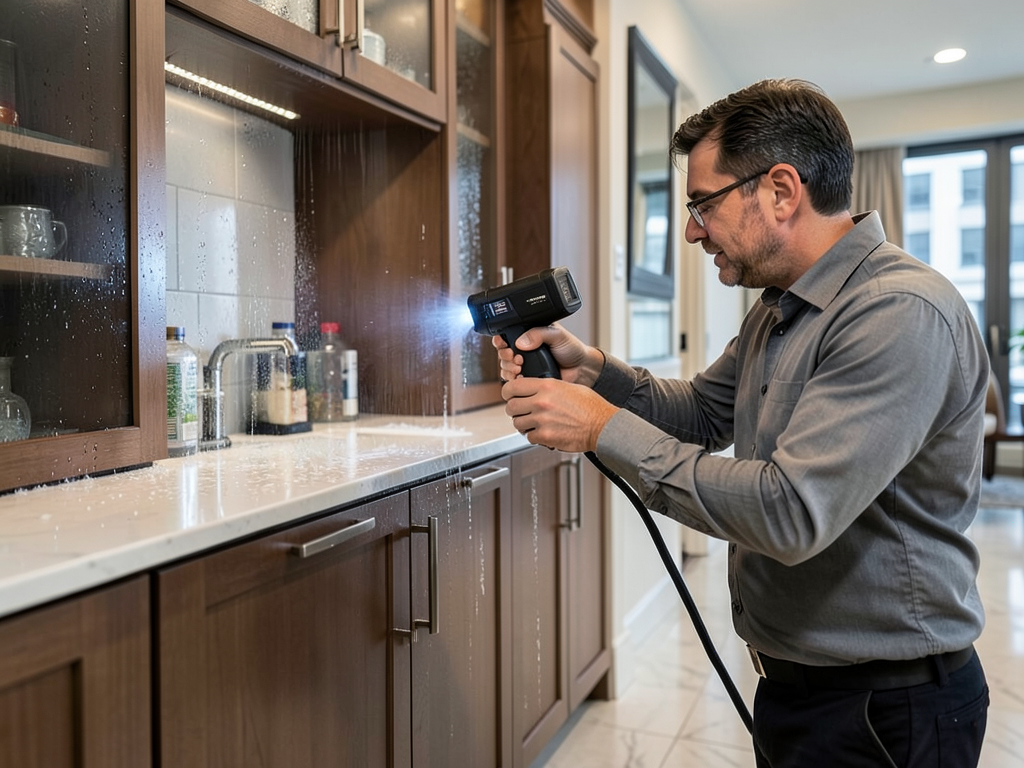
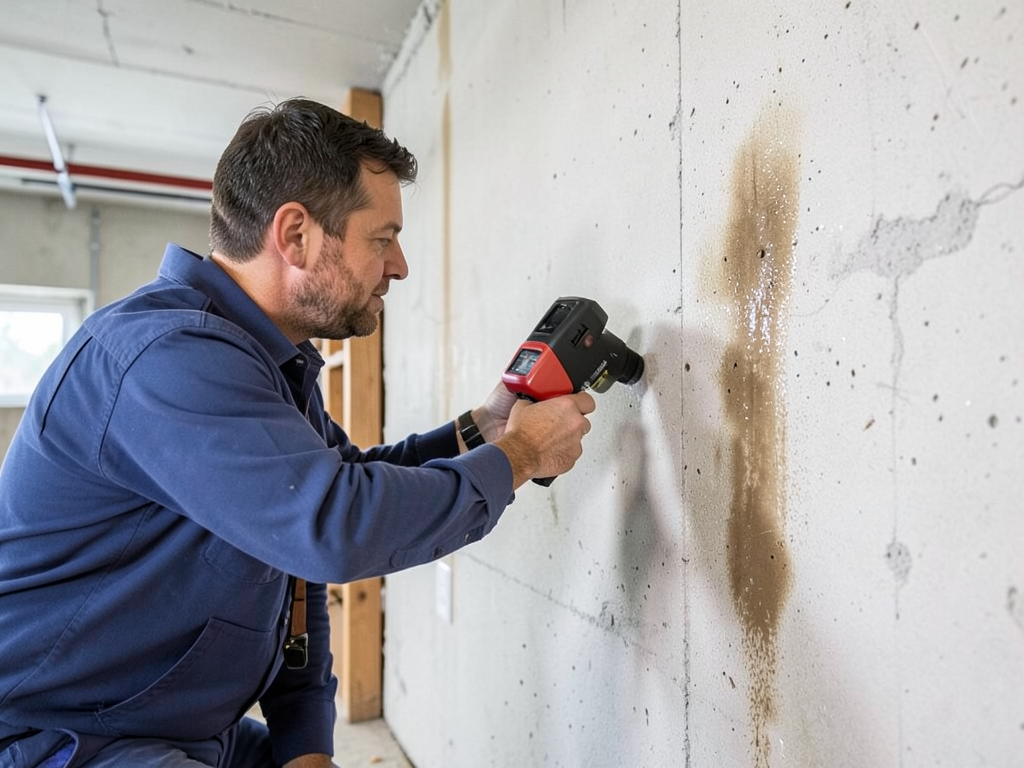
We do not guess. We measure. Our technicians use thermal imaging cameras to map temperature differentials that reveal hidden moisture pockets beneath your floors. We deploy pin-type and pinless moisture meters to quantify water content in wood planks, subfloors, and joists. These readings tell us whether you have surface dampness or saturated structural elements.

Once we map the damage, we trace the moisture source. Basement slab wicking. Crawl space condensation. Supply line pinhole leaks. Roof runoff infiltrating wall cavities. Sewer backups soaking into subflooring. Each source requires a different remediation strategy. We isolate the entry point, stop the water flow, then begin controlled drying.

For cupped floors, we extract standing water if present, then apply commercial air movers and dehumidifiers to draw moisture out from the bottom of planks. This process takes days, not hours. We monitor moisture levels twice daily until wood returns to equilibrium with ambient conditions. Rushing this phase causes secondary damage.

For buckled floors, we assess whether joists or subfloor sheathing has lost structural integrity. If swelling has compressed planks beyond their expansion gaps, we may need to remove sections to relieve pressure before drying. We document subfloor deflection and check for mold growth on the underside of planks. Reliance Water Damage Restoration Washington DC uses HEPA-filtered negative air machines during demolition to contain airborne spores.

After drying, we re-measure. If planks return to flat, we refinish in place. If permanent deformation occurred, we replace affected boards and match the finish. We do not proceed to cosmetic work until moisture readings confirm stability.

What Happens During a Wood Floor Moisture Damage Restoration

Cupping or Buckling Wood Floors in Washington, D.C. – Expert Diagnosis and Permanent Moisture-Driven Repair
01

Moisture Mapping and Source Identification

We arrive with diagnostic equipment, not repair tools. Thermal imaging scans reveal cold spots where evaporative cooling indicates moisture. Pin meters give exact water content percentages in planks and subfloors. We trace the moisture source using these readings, checking foundation walls, plumbing risers, HVAC drip pans, and exterior grading. This step determines whether you need plumbing repair, waterproofing, or drainage correction before floor restoration begins.
02

Controlled Structural Drying

We position commercial air movers to create airflow beneath buckled planks and across cupped surfaces. Industrial dehumidifiers pull moisture from the air, accelerating evaporation from wood fibers. We monitor relative humidity and temperature continuously, adjusting equipment placement as moisture migrates. This phase runs 24/7 until moisture content drops to 6-9 percent, the stable range for hardwood in this climate. We document daily readings for insurance and quality control.
03

Subfloor Assessment and Restoration

Once planks stabilize, we inspect the subfloor for delamination, rot, or mold colonization. If plywood sheathing has swollen or softened, we replace compromised sections before reinstalling hardwood. We verify joist integrity using moisture meters and visual inspection. If cupping reversed during drying, we sand and refinish existing planks. If buckling caused permanent warping, we install new boards and blend the finish. The floor is ready when it is flat, dry, and structurally sound.

Why D.C. Property Owners Choose Local Water Damage Specialists for Floor Repairs

Washington, D.C. has strict building codes and historic preservation requirements that out-of-town contractors miss. Row homes in Shaw, Logan Circle, and Adams Morgan have shared party walls and interconnected basements where water from a neighbor's property can migrate into yours. We understand these structural realities because we work in these neighborhoods daily.

Our technicians know that many D.C. homes sit on clay soils that expand and contract with seasonal moisture changes, creating foundation shifts that crack basement slabs and admit groundwater. We account for these geotechnical conditions when we diagnose chronic floor moisture problems. A contractor from the suburbs might blame your plumbing when the real issue is soil hydrology.

We also navigate D.C. Department of Consumer and Regulatory Affairs permit requirements when structural repairs extend beyond cosmetic refinishing. If we remove load-bearing elements or modify joists, we pull permits and schedule inspections. We document pre-loss conditions with photos and moisture logs that satisfy insurance adjusters familiar with local claim patterns.

Reliance Water Damage Restoration Washington DC maintains relationships with local flooring suppliers who stock reclaimed oak and heart pine that match the original materials in century-old homes. When you need to replace warped planks in a historic property, we source period-appropriate materials, not big-box substitutes.

You also get faster response times. We deploy from a local facility, not a regional hub two states away. When you discover lifting floorboards after a weekend storm, we arrive within hours to start extraction and drying. Delays cost you money. Moisture spreads. Mold begins colonizing within 48 hours. Speed matters.

We provide detailed work authorizations that break down emergency stabilization costs separately from reconstruction costs. This helps you manage insurance deductibles and understand what gets paid under your policy's water damage coverage versus your dwelling coverage.

What to Expect When You Call for Cupping or Buckling Floor Repair

Same-Day Emergency Response

We dispatch technicians within two hours of your call for active water events. If you contact us about floors that have been cupping for weeks, we schedule a diagnostic visit within 24 hours. Emergency extraction and drying equipment deploys immediately to stop damage progression. Our trucks carry thermal cameras, moisture meters, air movers, and dehumidifiers so we can begin mitigation on the first visit. You do not wait days for an estimate while water soaks deeper into your subfloors.

Comprehensive Moisture Diagnosis

We provide a written assessment that includes thermal images, moisture content readings, and a moisture map showing affected areas. You receive a detailed explanation of the water source, the extent of structural damage, and the recommended remediation steps. We test adjacent areas to confirm the damage boundary. This diagnostic report supports insurance claims and gives you a clear understanding of why your floors buckled. We do not provide vague estimates. We provide data-driven repair plans.

Structural Restoration, Not Cosmetic Patches

Your floors will be flat, dry, and stable when we finish. We do not sand down cupped planks while moisture remains trapped beneath them. We do not nail down buckled boards without drying the subfloor. We eliminate the moisture problem, allow wood to acclimate, then restore the surface. If subfloor replacement is needed, we handle it. If joists require sistering, we do that work. You get a complete repair that prevents recurrence, not a temporary fix that fails in six months.

Post-Restoration Monitoring and Documentation

We provide final moisture readings and a certificate of completion that documents your floors meet industry drying standards. You receive photos showing pre-loss conditions, mid-restoration progress, and completed work. We explain how to maintain stable indoor humidity to protect your investment. If you experience new moisture issues within the restoration area, we return to investigate at no diagnostic charge. We stand behind our work because we performed it correctly the first time.

Frequently Asked Questions

You Have Questions,
We Have Answers

What is the difference between cupping and buckling floors? +

Cupping happens when the edges of hardwood planks rise higher than the center, creating a concave, bowl-like shape. This occurs when moisture penetrates the bottom of the boards faster than the top. Buckling is more severe. The entire plank lifts and separates from the subfloor, sometimes causing visible peaks or tenting. Buckling results from extreme moisture saturation or prolonged exposure, often from flooding or major leaks. In Washington, D.C., high humidity and older homes with crawl spaces increase the risk of both conditions. Cupping is surface-level warping. Buckling is structural failure requiring immediate professional attention.

Will cupped hardwood floors flatten out? +

Sometimes. If you catch cupping early and remove the moisture source, floors can flatten as they dry. This takes weeks or even months depending on the saturation level. Washington, D.C.'s humid summers slow the drying process. Do not rush it with high heat or aggressive dehumidification, which can cause cracking or splitting. Monitor moisture levels with a meter. If cupping remains after the wood reaches normal moisture content, the boards may need sanding or replacement. Chronic moisture problems, common in D.C.'s older rowhouses and basements, often prevent full recovery without professional intervention.

What does a buckled hardwood floor look like? +

A buckled floor shows visible lifting or separation from the subfloor. You will see peaks where planks push upward, sometimes creating trip hazards. Boards may crack, splinter, or pull away from adjacent planks. In severe cases, entire sections tent upward in the middle of a room. The damage often forms along seams or near exterior walls where water intrusion occurs. Washington, D.C. homes with poorly graded yards or aging plumbing see buckling after heavy rain or pipe failures. Unlike minor cupping, buckling means structural adhesive failure. The subfloor underneath may also be damaged and require replacement.

Is hardwood floor cupping normal? +

Minor seasonal cupping is common in Washington, D.C. due to humidity swings between summer and winter. Hardwood absorbs moisture when humidity climbs above 60 percent, causing slight edge lifting. This often reverses when drier air returns. However, persistent cupping signals a real problem. Common causes include crawl space moisture, plumbing leaks, or improper installation without vapor barriers. Homes in Georgetown, Capitol Hill, and other historic districts with older foundations see this frequently. If cupping worsens or does not flatten seasonally, you have an active moisture issue that needs professional diagnosis before permanent damage occurs.

Will buckled hardwood floors go back to normal? +

Unlikely without intervention. Buckling means the flooring has lost adhesion to the subfloor due to extreme moisture. Even if the wood dries, the structural bond does not restore itself. You will need to remove and reinstall affected planks after addressing the moisture source and drying the subfloor completely. In Washington, D.C., where basement flooding and sewer backups are common, buckling often damages both the hardwood and the underlayment. Waiting too long invites mold growth beneath the floor. Professional water damage restoration includes moisture mapping, controlled drying, and subfloor inspection before any reinstallation occurs.

Can cupped hardwood floors be fixed? +

Yes, if you address the moisture source first. Surface cupping from minor water exposure can be sanded down after the wood fully dries to its original moisture content. This process removes the raised edges and levels the planks. However, sanding reduces floor thickness, so it only works once or twice over the floor's lifetime. Washington, D.C.'s humidity means drying can take 30 to 60 days. If cupping is severe or the wood has started to crack, replacement is the only option. Professional restoration teams use moisture meters and infrared cameras to confirm the floor is dry before sanding.

Can you reverse hardwood floor cupping? +

You can reverse early-stage cupping by eliminating the moisture source and allowing controlled drying. Use dehumidifiers and fans to stabilize indoor humidity between 30 and 50 percent. In Washington, D.C., this requires monitoring during humid summer months. Do not use high heat, which causes rapid drying and splits the wood. After moisture normalizes, cupping may flatten naturally. If it does not, professional sanding can level the surface. Reversal is impossible if the wood has cracked, split, or developed mold. Chronic moisture problems, common in D.C. basements and crawl spaces, require fixing foundation or plumbing issues first.

How much does it cost to repair cupping wood floors? +

Repair costs vary based on damage extent and moisture source. Minor cupping that requires drying and sanding starts around several hundred dollars for small areas. Extensive cupping needing plank replacement, subfloor repair, and moisture remediation runs into the thousands. Washington, D.C.'s older homes often have hidden moisture issues that increase scope. Costs include water extraction, structural drying, mold testing, and refinishing. Insurance may cover sudden incidents like pipe bursts but not gradual leaks or humidity damage. Professional assessments identify the full scope before quoting. Delaying repairs worsens damage and increases costs due to mold and subfloor rot.

Will a dehumidifier pull water from under the floor? +

Not effectively. A dehumidifier removes airborne moisture but does not pull water from beneath flooring. If water is trapped under hardwood, you need professional extraction equipment like floor mat systems or drying mats that create negative pressure. Washington, D.C.'s humid climate makes surface evaporation slow, and dehumidifiers alone cannot dry subfloors or prevent mold growth. Water under floors requires removing planks in severe cases or using specialty drying equipment that forces air circulation beneath the surface. Relying only on a dehumidifier after flooding or leaks leaves moisture trapped, guaranteeing buckling, cupping, and microbial growth.

How much does it cost to fix a buckled floor? +

Buckled floor repair is more expensive than cupping because it involves removal and reinstallation. Costs depend on the affected area, subfloor condition, and moisture damage extent. Small sections may cost a few thousand dollars. Whole-room buckling with subfloor replacement and mold remediation can reach five figures. Washington, D.C. homes with finished basements or historic hardwoods face higher material costs. Insurance coverage depends on the cause. Sudden water events like burst pipes are usually covered. Gradual leaks or poor maintenance are not. Professional restoration includes moisture testing, controlled drying, subfloor repair, and matching replacement planks to existing floors.

How D.C.'s Humid Climate and Aging Infrastructure Cause Chronic Floor Moisture Problems

Washington, D.C. experiences average summer humidity levels above 70 percent, creating condensation on cool basement concrete that wicks into hardwood subfloors. Many historic homes lack vapor barriers beneath first-floor joists, allowing ground moisture to migrate upward. The Potomac and Anacostia floodplains shift groundwater tables seasonally, saturating basement slabs in neighborhoods near the waterfront. Combine this with century-old cast iron drain lines that corrode and leak beneath floors, and you have chronic moisture exposure that causes warped hardwood flooring, swollen wood planks, and peaking hardwood joints.

We have worked in every D.C. quadrant, from Federal Triangle commercial buildings to residential streets in Brookland and Chevy Chase. We understand how shared-wall construction in row homes spreads water damage laterally. We know which neighborhoods have combined sewer systems that back up during heavy rain. We work with local building inspectors, historical preservation officers, and insurance adjusters daily. This local expertise ensures we address the root cause of your floor damage, not just the visible symptoms.
Water Damage Restoration Services in The Washington DC Area

While we primarily offer mobile, on-site water damage restoration services throughout Washington D.C., you can view our main operational hub and service area on the map below. We are strategically located to ensure rapid deployment and efficient response times to all emergencies across the region, bringing our expert services directly to your property wherever you are within our service footprint.

Address:
Reliance Water Damage Restoration Washington DC, 200 Massachusetts Ave NW, Washington, DC, 20001

Additional Services We Offer

Our news updates

Latest Articles & News from The Blogs

Why Your New Condo at The Wharf Might Experience Balcony Drainage Flooding Living in a luxury condo at The Wharf…

Why Your New Condo at The Wharf Might Experience Balcony Drainage Flooding

Why Your New Condo at The Wharf Might Experience Balcony Drainage Flooding Living in a luxury condo at The Wharf…

Dealing with Potomac River Seepage in Your Georgetown Waterfront Retail Space

Dealing with Potomac River Seepage in Your Georgetown Waterfront Retail Space Georgetown's waterfront retail spaces face unique water damage risks…

What Every DC Homeowner Needs in a Flood Emergency Kit Before the Next Storm Hits

What Every DC Homeowner Needs in a Flood Emergency Kit Before the Next Storm Hits Washington DC homeowners face unique…

Contact Us

Cupping and buckling are active warnings. The moisture source is still present. Call (771) 223-8077 now for same-day diagnosis and emergency drying. We stop damage progression, identify the water entry point, and restore your floors correctly.