




Menu

Risks of DIY Water Cleanup in Washington, D.C. – Protect Your Home from Hidden Structural Damage and Health Hazards

When Water Damage Strikes Your D.C. Home, Amateur Cleanup Attempts Can Lead to Mold Growth, Structural Compromise, and Thousands in Unnecessary Repairs

Slider Image 1
Slider Image 2
Slider Image 3
Slider Image 4
Slider Image 5
Slider Image 7
Slider Image 8
Slider Image 9
Slider Image 10
Slider Image 11

Why DIY Water Cleanup Fails in Washington, D.C. Properties

You walk into your basement after a pipe bursts, see standing water, and think the solution is simple. Grab a wet vac, run some fans, and wait it out. Unfortunately, the dangers of DIY water damage restoration multiply fast in Washington, D.C.'s humid subtropical climate.

D.C. sits at the intersection of the Potomac and Anacostia Rivers, which means high ambient moisture year-round. Summer humidity regularly exceeds 70 percent. Winter freeze-thaw cycles crack foundations in older rowhouses from Capitol Hill to Georgetown. When water enters these structures, it does not just sit on the surface. It migrates through brick, plaster, and wood subflooring, creating hidden moisture pockets that surface-level drying cannot reach.

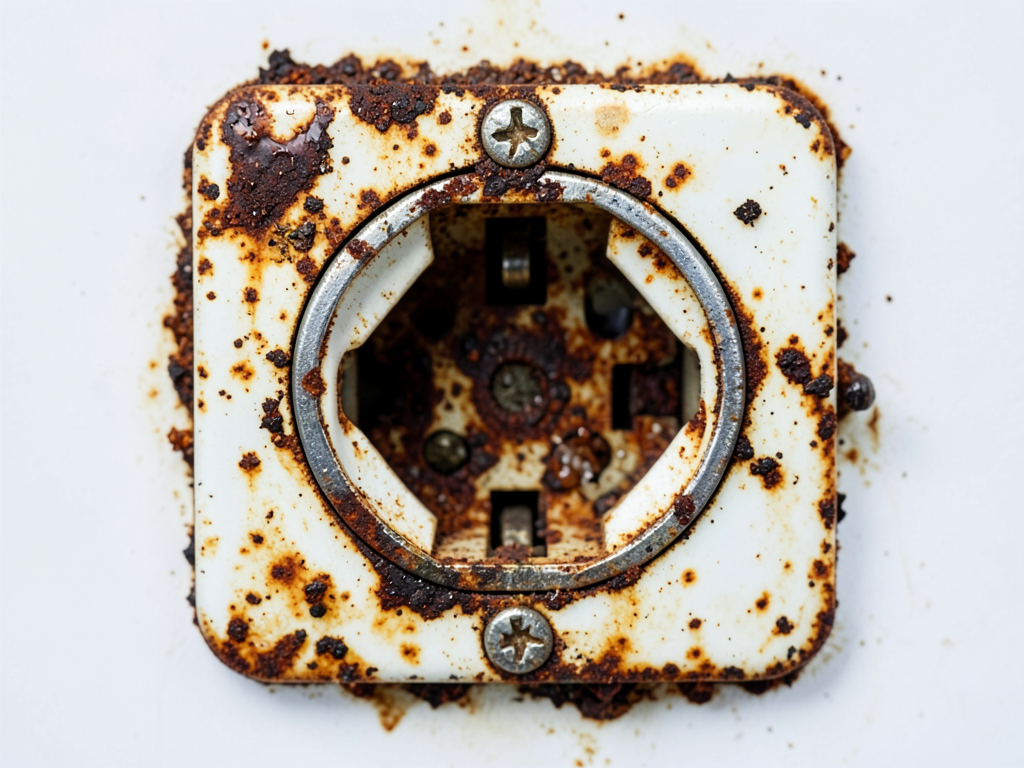
The hazards of do-it-yourself water removal become apparent 48 to 72 hours after the initial event. Mold spores colonize damp drywall. Wood floor joists begin to rot. Electrical systems concealed in walls stay wet, creating shock and fire risks. You might dry what you can see, but moisture meters and thermal imaging cameras reveal what your eyes miss.

The consequences of amateur water cleanup extend beyond property damage. Black mold releases mycotoxins that trigger respiratory distress. Standing water becomes a breeding ground for bacteria. These health threats compound when you lack proper personal protective equipment or containment protocols.

Washington, D.C.'s building code requires specific moisture mitigation standards after water events, especially in historic districts where preservation guidelines apply. The hidden risks of self-managed water mitigation include code violations, insurance claim denials, and structural issues that emerge months later. The pitfalls of DIY water extraction are not theoretical. They are measurable, documentable, and expensive to reverse.

Why DIY Water Cleanup Fails in Washington, D.C. Properties
How Professional Water Damage Restoration Addresses What DIY Methods Miss

How Professional Water Damage Restoration Addresses What DIY Methods Miss

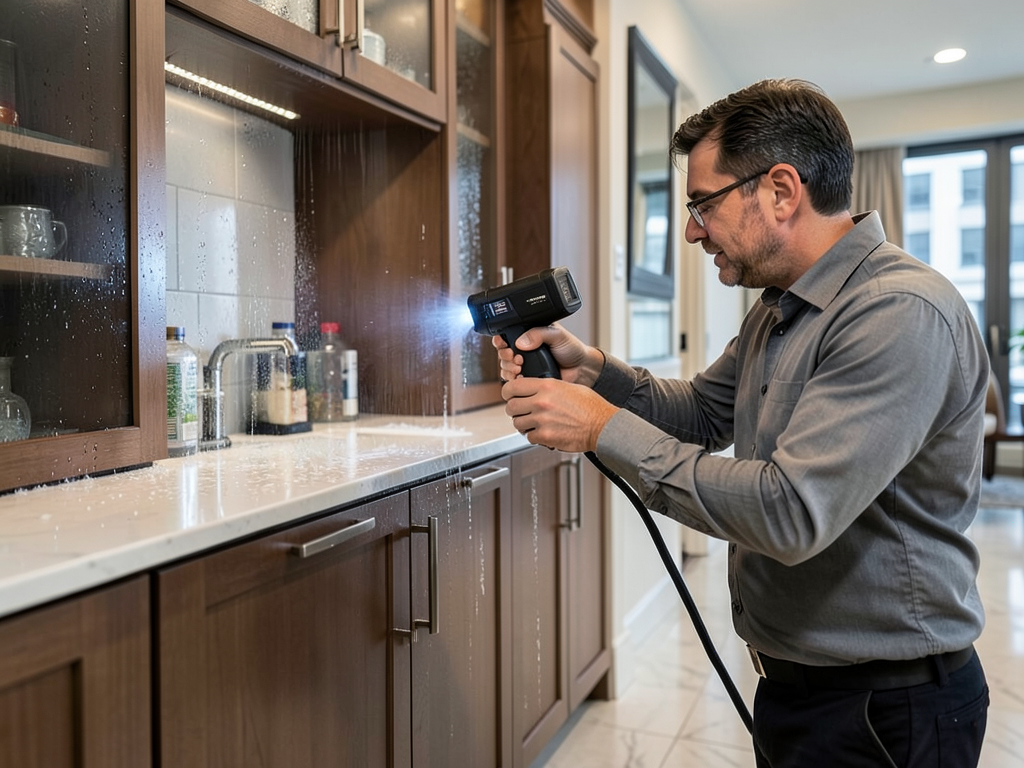
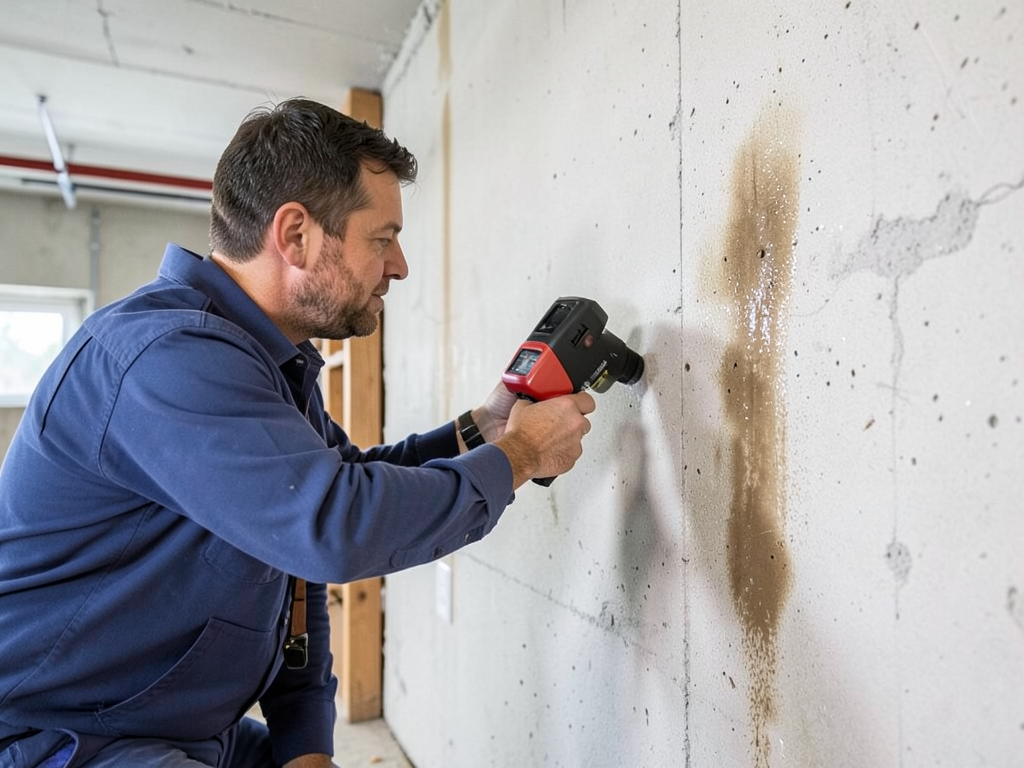
Professional water damage restoration starts with accurate moisture mapping. We use thermal imaging to detect temperature differentials behind walls and ceilings. A wet area reads cooler than surrounding dry materials. Moisture meters measure water content in wood, drywall, and concrete at depths up to two inches. This diagnostic phase identifies affected areas that shop vacs and towels cannot reach.

Extraction requires industrial-grade equipment calibrated for specific materials. Truck-mounted extractors pull water from carpet padding and subflooring at rates exceeding 150 gallons per hour. Submersible pumps handle deep standing water in basements and crawl spaces. For hardwood floors common in D.C. rowhomes, we use specialized wood floor drying systems that create negative pressure beneath the flooring to draw moisture out without causing cupping or buckling.

Dehumidification is where DIY efforts fail most dramatically. A household dehumidifier removes 30 to 50 pints of moisture per day. Commercial desiccant dehumidifiers extract 200 to 600 pints per day while operating in temperatures as low as 33 degrees, critical for winter water events. We monitor dew point, not just relative humidity, because dew point tells us the actual moisture load in the air.

Air movement requires strategic placement of axial fans and centrifugal blowers. We create controlled airflow patterns that prevent cross-contamination between affected and unaffected areas. In multi-story rowhouses, vertical air movers address stack effect where warm, moist air rises and condenses on cooler upper-level surfaces.

Antimicrobial treatment follows drying. We apply EPA-registered biocides to surfaces exposed to category two or three water, which contains contaminants ranging from washing machine overflow to sewage backups. This step prevents microbial amplification that DIY methods ignore entirely.

What Happens During a Professional Water Damage Assessment

Risks of DIY Water Cleanup in Washington, D.C. – Protect Your Home from Hidden Structural Damage and Health Hazards
01

Initial Damage Documentation

We photograph and measure all affected areas within the first hour of arrival. Documentation includes moisture readings logged in a digital psychrometric report that tracks ambient temperature, relative humidity, and specific humidity. This baseline data establishes the scope of work and provides essential evidence for insurance claims. We map water migration patterns to identify the source and extent of damage before any equipment deployment.
02

Moisture Detection and Classification

Thermal cameras scan walls, ceilings, and floors to locate hidden moisture. We classify water damage by category and class. Category refers to contamination level. Class indicates evaporation rate based on affected materials. A class three event in a brick rowhouse with plaster walls dries differently than class two damage in a modern condo with drywall. This classification determines equipment selection and drying goals specific to your property type.
03

Ongoing Monitoring and Adjustment

We check moisture levels daily and adjust equipment placement and settings based on real-time data. Drying goals are met when moisture readings match unaffected reference areas in your home. Final documentation includes before-and-after psychrometric calculations proving the structure has returned to preloss condition. This data becomes part of your permanent property record and validates that restoration work meets industry standards set by the Institute of Inspection, Cleaning and Restoration Certification.

Why Washington, D.C. Homeowners Choose Professional Restoration Over DIY Attempts

Reliance Water Damage Restoration Washington DC understands the unique construction challenges in the District. We work daily in 19th-century rowhomes with horsehair plaster walls, mid-century garden apartments with concrete slab foundations, and modern condos with engineered wood floors. Each building type responds differently to water intrusion.

Historic districts from Dupont Circle to Capitol Hill require preservation-compliant restoration methods. We coordinate with the Historic Preservation Office when structural repairs affect protected elements. Our team knows which drying methods preserve original materials and which cause irreversible damage to historic fabric.

D.C.'s complex building codes mandate specific ventilation rates during restoration work. We maintain required air changes per hour while containing dust and moisture. This prevents secondary damage to HVAC systems and maintains indoor air quality standards required by the Department of Energy and Environment.

Insurance claims require documentation that meets adjuster standards. We provide detailed scope-of-loss reports with line-item pricing that aligns with Xactimate estimating software used by major carriers. Our technicians hold IICRC certifications in water damage restoration, which insurance companies recognize as proof of industry-standard practices. This documentation streamlines claims and prevents underpayment or denials common with DIY cleanup attempts.

Local emergency response matters when water damage occurs. We deploy from our Washington, D.C. location within 90 minutes of your call. We know which streets flood during heavy rain, where aging infrastructure causes frequent pipe failures, and how to navigate restricted parking in dense neighborhoods. This local knowledge translates to faster response and better outcomes than national franchises operating from regional hubs in Maryland or Virginia.

What to Expect When You Choose Professional Water Damage Restoration

Immediate Response Time

Water damage compounds by the hour. Drywall wicks moisture vertically at rates up to one inch per hour. We answer calls 24 hours a day, 365 days a year. Emergency response begins with phone triage to stop additional damage. We guide you through immediate actions like shutting off water supplies and moving valuables to dry areas. Our team arrives with extraction equipment loaded and ready to deploy. Most emergency extractions begin within two hours of initial contact, critical for preventing category one water from escalating to category two as bacteria multiply.

Comprehensive Damage Assessment

The initial walkthrough identifies visible damage and hidden threats. We test wall cavities for moisture using pin-type and non-invasive meters. Thermal imaging reveals wet insulation and saturated framing that surface inspection misses. We document preexisting conditions to prevent disputes about what damage the current event caused versus prior issues. The assessment includes a written drying plan with projected timelines based on psychrometric calculations specific to your property. You receive a detailed estimate before work begins, outlining equipment deployment, antimicrobial treatment, and any necessary demolition with rebuild scope.

Certified Drying Results

Drying is complete when moisture readings meet IICRC S500 standards. We provide daily monitoring logs showing moisture content trends in affected materials. Final documentation includes psychrometric reports comparing initial conditions to final readings. This certification proves your property has returned to dry standard, protecting you from future mold claims and structural issues. We photograph all phases of restoration work, creating a visual record of the process from extraction through final cleaning. This documentation package supports insurance claims and provides peace of mind that work was completed to industry standards.

Post-Restoration Support

Restoration does not end when equipment is removed. We provide guidance on rebuilding contractors familiar with D.C. permit requirements and historic preservation standards. Our team coordinates with your insurance adjuster to ensure repair estimates cover all necessary work. If mold testing is required, we refer qualified indoor air quality assessors who provide unbiased third-party analysis. We offer follow-up moisture checks at 30 and 60 days post-restoration to verify affected areas remain dry. This extended support catches problems early, before minor moisture issues become major mold remediation projects.

Frequently Asked Questions

You Have Questions,
We Have Answers

How Washington, D.C.'s High Water Table and Aging Infrastructure Increase DIY Water Cleanup Risks

Washington, D.C. sits on the fall line where the Piedmont Plateau meets the Atlantic Coastal Plain. This geological transition creates a high water table that fluctuates with seasonal rainfall and tidal influence from the Potomac River. Basements in neighborhoods like Foggy Bottom and Navy Yard experience hydrostatic pressure that forces groundwater through foundation walls and floor slabs. When DIY cleanup attempts focus only on removing standing water, they miss ongoing seepage that continues to saturate building materials. The city's combined sewer system, which handles both stormwater and sewage in older districts, backs up during heavy rain events, introducing category three water that requires professional decontamination protocols.

The District's building stock includes structures dating to the 1700s, with cast iron plumbing and clay tile sewer lines that fail without warning. Reliance Water Damage Restoration Washington DC maintains relationships with D.C. Water and the Department of Consumer and Regulatory Affairs, ensuring our restoration work aligns with utility requirements and permit processes. We understand how water behaves in solid masonry construction versus wood frame buildings, knowledge critical for effective drying in a city with diverse architectural types. Local expertise prevents the costly mistakes that occur when national companies apply generic protocols to D.C.'s unique building conditions.
Water Damage Restoration Services in The Washington DC Area

While we primarily offer mobile, on-site water damage restoration services throughout Washington D.C., you can view our main operational hub and service area on the map below. We are strategically located to ensure rapid deployment and efficient response times to all emergencies across the region, bringing our expert services directly to your property wherever you are within our service footprint.

Address:
Reliance Water Damage Restoration Washington DC, 200 Massachusetts Ave NW, Washington, DC, 20001

Additional Services We Offer

Our news updates

Latest Articles & News from The Blogs

Why Your New Condo at The Wharf Might Experience Balcony Drainage Flooding Living in a luxury condo at The Wharf…

Why Your New Condo at The Wharf Might Experience Balcony Drainage Flooding

Why Your New Condo at The Wharf Might Experience Balcony Drainage Flooding Living in a luxury condo at The Wharf…

Dealing with Potomac River Seepage in Your Georgetown Waterfront Retail Space

Dealing with Potomac River Seepage in Your Georgetown Waterfront Retail Space Georgetown's waterfront retail spaces face unique water damage risks…

What Every DC Homeowner Needs in a Flood Emergency Kit Before the Next Storm Hits

What Every DC Homeowner Needs in a Flood Emergency Kit Before the Next Storm Hits Washington DC homeowners face unique…

Contact Us

Do not wait for mold growth or structural failure. Call Reliance Water Damage Restoration Washington DC at (771) 223-8077 right now. We answer 24 hours a day and deploy emergency response teams across all D.C. neighborhoods.