




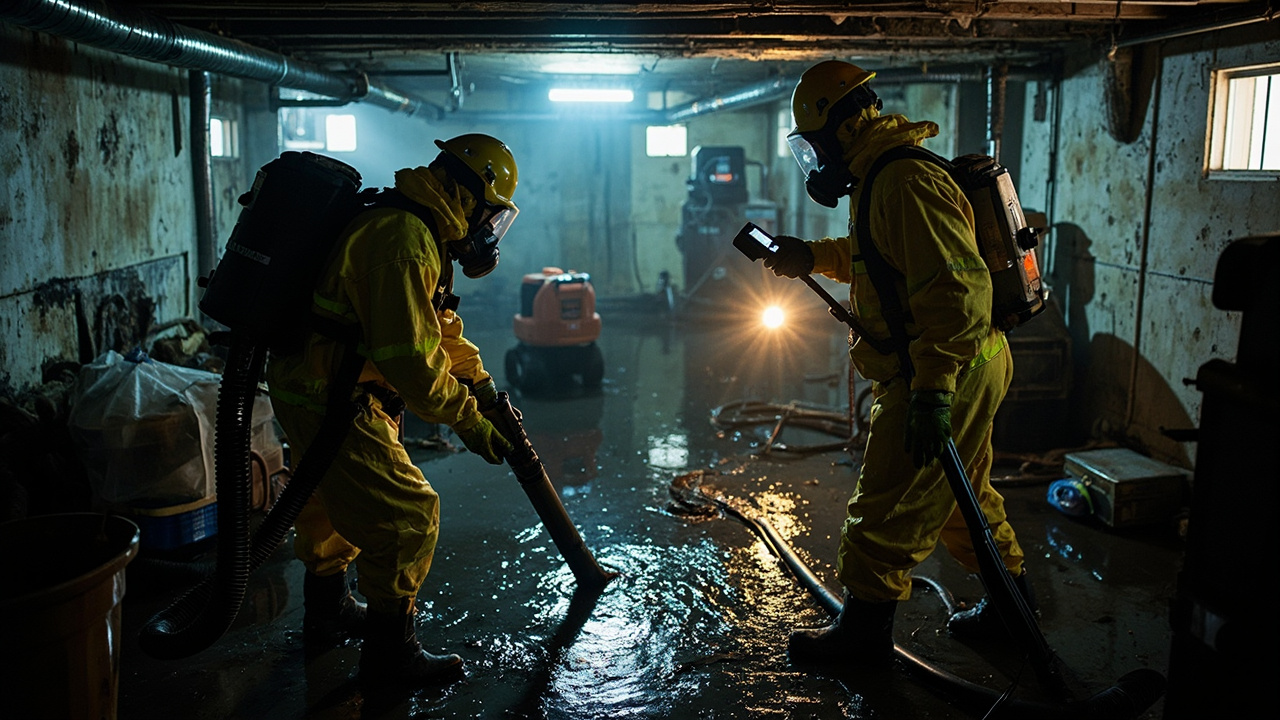
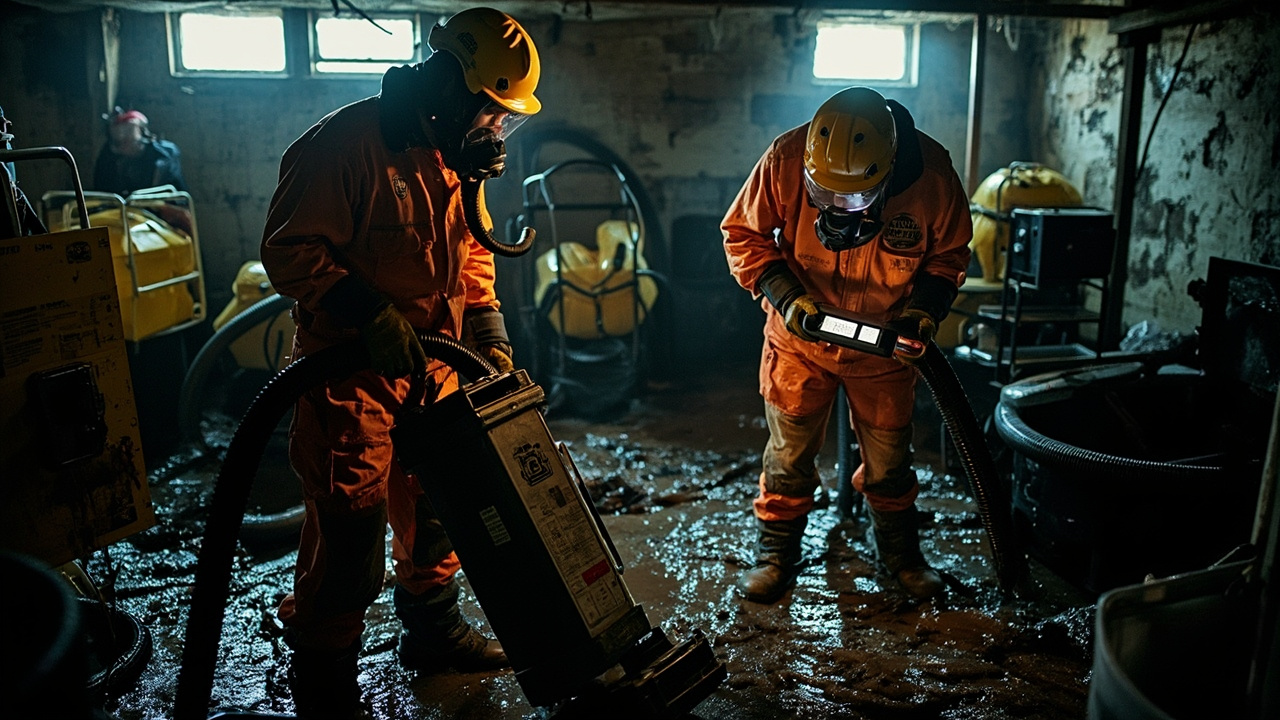

More than one-third of Washington, D.C. relies on combined sewer infrastructure that channels both sanitary sewage and stormwater through the same pipes. When thunderstorms drop two inches of rain in an hour during summer months, these systems cannot handle the volume. The excess overflows into the Potomac and Anacostia rivers through permitted outfalls, but it also backs up into private properties through floor drains and toilets. Neighborhoods built before 1930, including Georgetown, Capitol Hill, and Logan Circle, face the highest risk. DC Water's ongoing Clean Rivers Project aims to reduce overflows, but construction will continue through 2030. Until then, properties in combined sewer areas need rapid sewage removal services when backups occur.
District regulations require that sewage damage restoration follow strict biohazard protocols. The D.C. Department of Energy and Environment mandates proper disposal of materials contaminated with human waste. We maintain the required permits and work with licensed waste haulers who accept Category 3 materials. Our familiarity with local health inspectors and building officials ensures your project stays compliant if you need permits for reconstruction. Choosing a local team means you work with professionals who understand the regulatory environment and have established relationships with the agencies that oversee sewer backup cleaning in the District.