




Menu

Water Mitigation vs Restoration in Washington, D.C. – Know Which Service Saves Your Property and Budget

Understanding the difference between water mitigation and restoration protects District homeowners from paying for unnecessary work while ensuring flood damage, burst pipes, and storm intrusion get the right fix at the right time.

Slider Image 1
Slider Image 2
Slider Image 3
Slider Image 4
Slider Image 5
Slider Image 7
Slider Image 8
Slider Image 9
Slider Image 10
Slider Image 11

Why Washington, D.C. Property Owners Confuse Water Mitigation with Restoration

When a pipe bursts in Georgetown or the Potomac River floods a basement in Navy Yard, panicked property owners search for help without knowing what service they actually need. The confusion between water mitigation and restoration costs District residents thousands in duplicate work or delayed repairs.

Water mitigation stops ongoing damage. Restoration rebuilds what was destroyed. They are two distinct phases, not interchangeable terms.

Washington, D.C.'s position along the Potomac creates unique flood risks. The District sits at the convergence of the Potomac and Anacostia Rivers, making properties in Foggy Bottom, Southwest Waterfront, and Capitol Hill vulnerable to flash flooding during spring thaw and hurricane season. Older rowhouses in Shaw and Columbia Heights contain outdated plumbing that fails without warning. When water invades your property, the clock starts. Mitigation happens first. Restoration comes after.

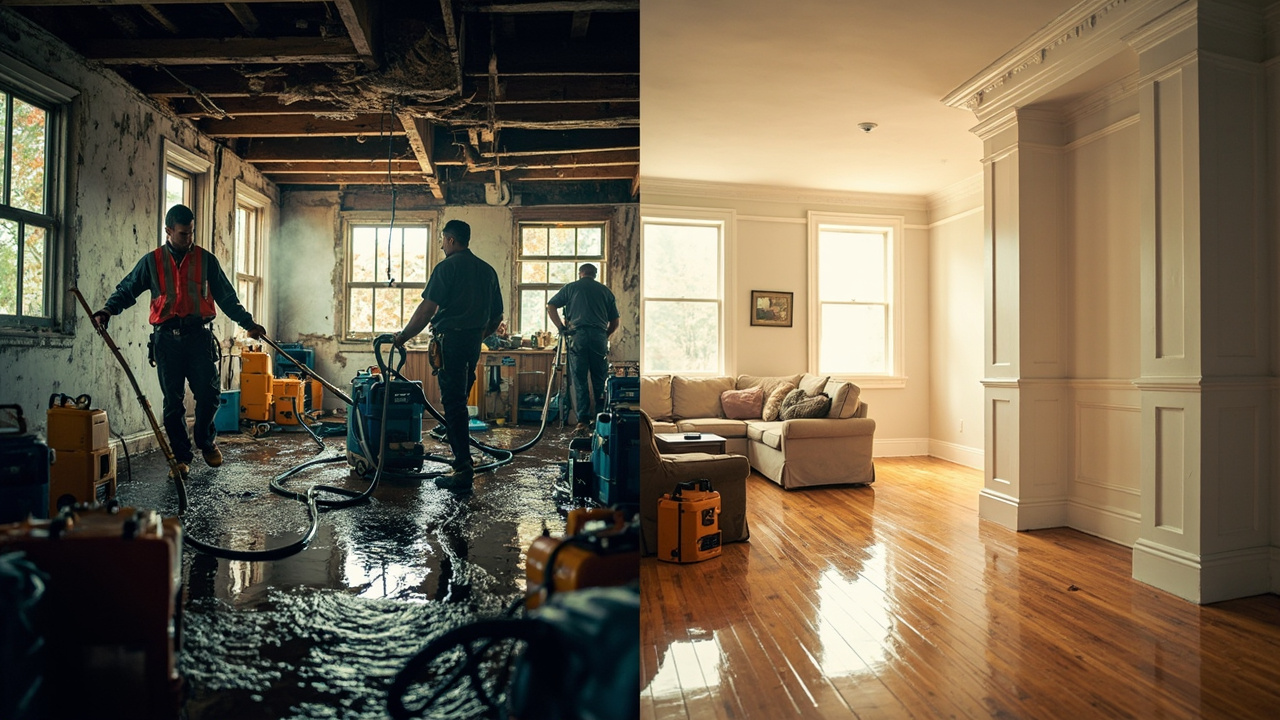
Water damage mitigation vs restoration is not marketing jargon. Mitigation is emergency response. A crew extracts standing water, removes soaked materials, and dries the structure within 24 to 48 hours to prevent mold colonization. Restoration is reconstruction. After mitigation stabilizes the environment, restoration rebuilds drywall, replaces flooring, repaints walls, and returns the space to pre-loss condition.

The difference between water mitigation and restoration determines what your insurance adjuster approves and what you pay out of pocket. Mitigation is nearly always covered under sudden and accidental loss provisions. Restoration depends on your policy limits and deductible. Knowing which phase you are in protects you from contractor upselling and claim denial.

Water remediation vs restoration adds another layer of confusion. Remediation addresses contamination from sewage backups or black water intrusion. Restoration fixes cosmetic and structural damage. If a sewer lateral fails in Adams Morgan, you need remediation before restoration begins.

Why Washington, D.C. Property Owners Confuse Water Mitigation with Restoration
What Happens During Mitigation and What Happens During Restoration

What Happens During Mitigation and What Happens During Restoration

Mitigation is damage control. When water enters a property, it migrates through porous materials like drywall, insulation, and subfloors. Within 24 hours, cellulose-based materials absorb moisture and begin swelling. Within 48 hours, microbial growth begins. Mitigation stops this progression.

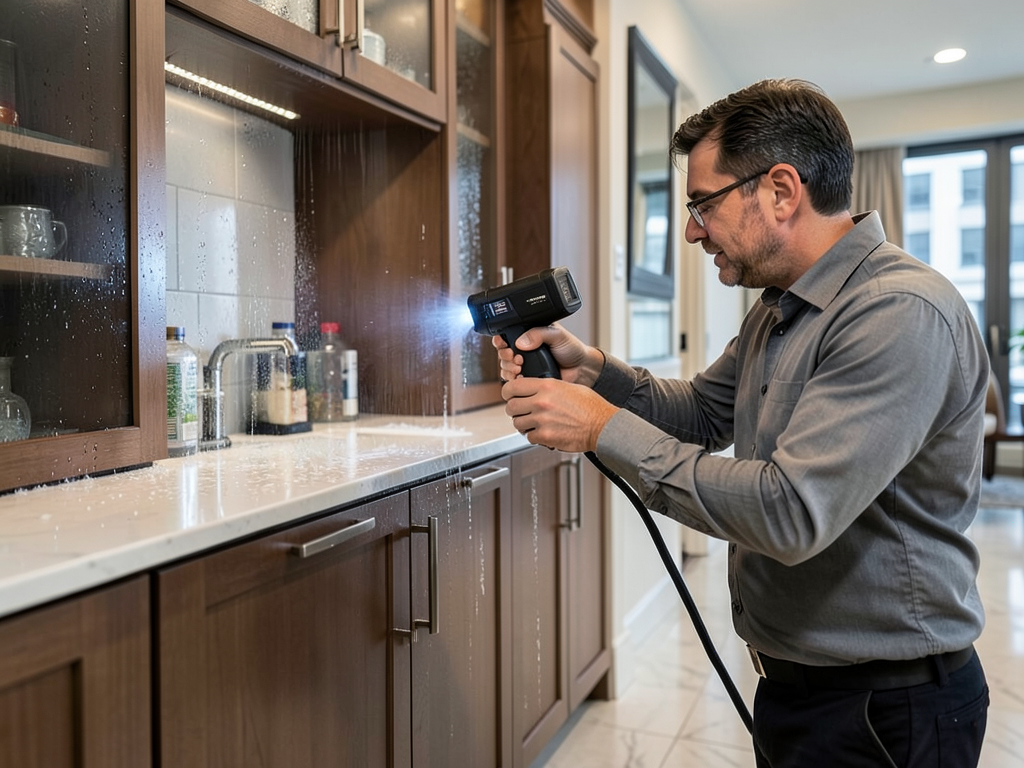
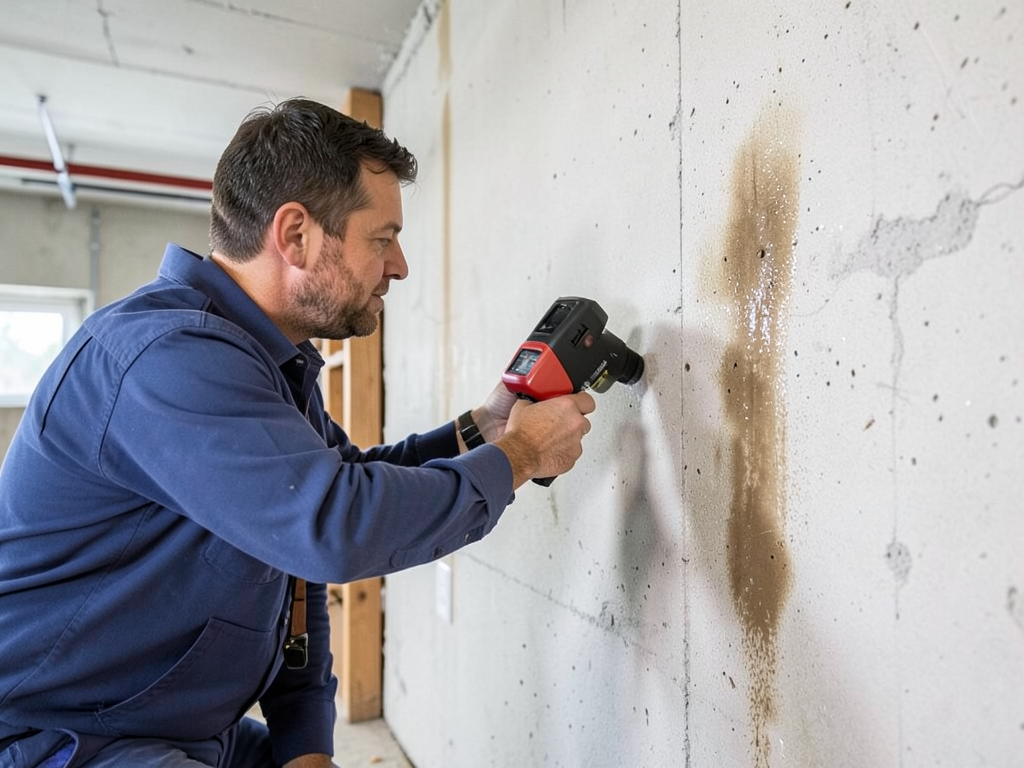
A mitigation crew arrives with extraction pumps, air movers, and dehumidifiers. They remove standing water using truck-mounted extractors that pull thousands of gallons per hour. They tear out wet baseboards, cut drywall two feet above the waterline, and pull soaked carpet padding. They place commercial-grade air movers to create airflow across wet surfaces and position low-grain refrigerant dehumidifiers to drop relative humidity below 40 percent. Moisture meters and thermal imaging cameras track progress. The goal is to dry the structure to stable moisture content levels, usually below 15 percent for wood framing and below 1 percent for concrete slabs.

Restoration begins only after mitigation is complete and moisture readings confirm the structure is dry. This is the reconstruction phase. Contractors install new drywall, tape and mud seams, prime and paint walls, replace baseboards, install new flooring, and reconnect plumbing fixtures. Restoration returns the property to livable or rentable condition.

Mitigation vs reconstruction is a question of timing and scope. Mitigation is measured in days. Reconstruction is measured in weeks. A basement flood in Capitol Hill may require three days of mitigation and 14 days of restoration. A second-floor bathroom leak in Dupont Circle may need two days of drying and seven days of rebuild.

Water cleanup vs water repair highlights the same division. Cleanup is mitigation. Repair is restoration. Cleanup prevents further loss. Repair fixes what was already lost.

What You Experience From Emergency Call to Final Walkthrough

Water Mitigation vs Restoration in Washington, D.C. – Know Which Service Saves Your Property and Budget
01

Emergency Mitigation Response

You call after discovering water damage. A technician arrives within two hours to assess the source, stop active water intrusion, and begin extraction. Infrared cameras map hidden moisture in walls and ceilings. Containment barriers prevent cross-contamination. Equipment runs 24/7 with daily monitoring visits. Your adjuster receives moisture logs and photo documentation to expedite your claim. This phase lasts two to five days depending on saturation levels and materials affected.
02

Dry-Out Verification and Scope

Once moisture readings stabilize, the mitigation team removes drying equipment and documents final conditions. A restoration estimator inspects the damage, measures affected areas, and writes a detailed scope of work. This estimate breaks down demolition, framing, drywall, flooring, and finishes. You review the scope with your adjuster before restoration begins. Any mold discovered during mitigation is addressed through separate remediation protocols before reconstruction starts.
03

Reconstruction and Final Inspection

Restoration crews rebuild according to the approved scope. Framing is sistered or replaced. Drywall is hung, finished, and painted to match existing textures. Flooring is installed with proper acclimation time. Trim and fixtures are reinstalled. You walk the completed work with the project manager to confirm quality and completeness. Any punch-list items are corrected. Final photos document the restored space. Your insurance claim closes once all work is approved and paid.

Why District Property Owners Choose Local Experts for Both Phases

Washington, D.C. enforces strict building codes through the Department of Consumer and Regulatory Affairs. Any structural work requires permits and inspections. Restoration contractors unfamiliar with District regulations delay projects and risk failed inspections. Local teams know which repairs need permits and how to navigate DCRA's online portal.

Historic properties in neighborhoods like Capitol Hill, Dupont Circle, and Georgetown face additional restrictions from the Historic Preservation Review Board. Exterior alterations, window replacements, and even paint colors require approval. A water damage restoration project that affects a historic facade or interior millwork needs a contractor who understands preservation standards. Reliance Water Damage Restoration Washington DC works within these frameworks daily.

The District's housing stock includes federal-style rowhouses, Victorian townhomes, and mid-century apartment buildings. Each construction type responds differently to water damage. Brick rowhouses with limestone foundations absorb groundwater through capillary action. Wood-frame additions built in the 1980s and 1990s lack vapor barriers and dry slower than modern construction. Knowing these differences speeds mitigation and prevents over-drying that can crack plaster or warp historic wood floors.

Insurance carriers active in the District include State Farm, Allstate, USAA, and Liberty Mutual. Each has different protocols for emergency mitigation authorization and restoration approval. Local contractors maintain relationships with regional adjusters and understand how to document claims for faster approval. This reduces your out-of-pocket expense and shortens the timeline from loss to completion.

Choosing a contractor who handles both mitigation and restoration keeps the process under one roof. You avoid the coordination headaches of hiring separate companies. Documentation flows smoothly from emergency response to final invoice. One team means one point of contact and one warranty covering all work.

What to Expect During Mitigation and Restoration in Washington, D.C.

Response Time and Availability

Mitigation teams operate around the clock because water damage does not wait for business hours. Expect a technician on-site within two hours of your call, even on weekends and holidays. Extraction and drying equipment deployment begins immediately. Mitigation runs continuously until moisture levels stabilize, which takes two to five days for most residential losses. Restoration scheduling depends on your adjuster's approval timeline and material lead times. Standard restoration projects take one to three weeks once work begins. Complex jobs involving custom millwork or historic replication take longer.

Inspection and Documentation Process

The initial assessment includes moisture mapping with thermal imaging and penetrating moisture meters. Technicians document pre-mitigation conditions with photos and video. Daily moisture logs track drying progress and prove when the structure reaches equilibrium. After mitigation, a separate inspection identifies all damaged materials requiring replacement. The restoration estimate itemizes labor, materials, and timelines using Xactimate software, the industry standard for insurance claims. You receive copies of all documentation for your records and your adjuster. Transparency in measurement and pricing prevents disputes during the claim process.

Quality of Completed Restoration

Restoration quality depends on material matching and workmanship standards. Drywall texture must match adjacent walls. Paint sheen and color must blend seamlessly. Flooring transitions must align without visible height differences. Skilled restoration contractors keep samples of common District-area finishes and know local suppliers for specialty materials. If your property contains plaster walls, decorative crown molding, or hardwood floors, the restoration team must have experience with these materials. Poorly executed restoration lowers property value and creates visible reminders of the loss. Quality work makes the damage invisible.

Post-Restoration Support and Monitoring

Reputable contractors stand behind their work with written warranties covering both labor and materials. Standard warranties run one year from project completion. This covers callbacks for paint touch-ups, drywall cracks from settling, or flooring issues. Some contractors offer extended moisture monitoring, returning 30 and 60 days after mitigation to verify no secondary moisture intrusion occurred. If mold reappears in treated areas, the warranty should cover re-treatment. Always request warranty terms in writing before signing a contract. Post-restoration support separates professional teams from fly-by-night operators who disappear after final payment.

Frequently Asked Questions

You Have Questions,
We Have Answers

What is the difference between restoration and remediation of water? +

Restoration returns your property to its pre-damage condition after water intrusion. This includes rebuilding drywall, replacing flooring, repainting, and structural repairs. Remediation focuses on removing contaminants and health hazards, like sewage, mold, or Category 3 black water. In Washington, D.C. homes, remediation often targets basement flooding from aging sewer laterals or Potomac River overflow. Restoration follows remediation. You need remediation when contaminated water enters your home. You need restoration when structural elements are damaged. Both processes work together, but remediation addresses immediate health threats while restoration rebuilds what was lost.

What is mitigation and restoration? +

Mitigation stops ongoing damage and prevents further loss. This includes water extraction, drying, dehumidification, and emergency board-up services. Restoration rebuilds and repairs structural damage after mitigation is complete. In Washington, D.C., mitigation might involve extracting water from a burst pipe in a Georgetown rowhouse within hours. Restoration happens days or weeks later, replacing damaged hardwood floors and plaster walls. Mitigation is the emergency response. Restoration is the reconstruction phase. Insurance companies require mitigation to happen immediately to limit claim costs. Restoration requires estimates, approvals, and contractors. You cannot skip mitigation and jump to restoration without risking mold growth and structural failure.

What does water restoration mean? +

Water restoration means returning your property to its pre-loss condition after water damage occurs. This includes structural repairs, replacing damaged materials, repainting, and installing new flooring or cabinetry. Restoration happens after mitigation and drying are complete. In Washington, D.C., restoration might involve rebuilding a finished basement after heavy rain overwhelms your sump pump or repairing water-damaged drywall after a roof leak. The goal is to make your home livable and safe again. Restoration requires skilled contractors who understand local building codes and can match historic architectural details common in D.C. neighborhoods. The process can take weeks or months depending on damage severity.

What is the average cost of water mitigation? +

Water mitigation costs vary widely based on damage severity, water category, and affected square footage. Small jobs like drying a single room may cost a few hundred dollars. Extensive basement flooding requiring industrial dehumidifiers, antimicrobial treatment, and content removal can reach several thousand dollars. In Washington, D.C., costs run higher due to labor rates and older housing stock with plaster walls and hardwood floors that absorb water quickly. Your insurance policy often covers mitigation if the cause is sudden and accidental, like a burst pipe. Sewage backups or neglected maintenance may face coverage limits. Get a written estimate and call your insurer immediately to understand your financial responsibility.

What is the difference between water restoration and mitigation? +

Water mitigation is the emergency response that stops ongoing damage. Technicians extract standing water, set up air movers and dehumidifiers, and monitor moisture levels until materials are dry. Water restoration is the rebuild phase. Contractors replace damaged drywall, flooring, cabinets, and structural elements. In Washington, D.C., mitigation happens within 24 to 48 hours after a flood in your Capitol Hill basement. Restoration begins days or weeks later after insurance adjusters document losses. Mitigation prevents mold growth and secondary damage. Restoration makes your home livable again. You need both. Mitigation buys time. Restoration brings your property back to pre-loss condition. They are sequential steps in the recovery process.

Is restoration the same as remediation? +

Restoration and remediation are not the same. Remediation removes health hazards and contaminants like mold, sewage, or chemical spills. Restoration rebuilds structural damage and returns your property to pre-loss condition. You need remediation when Category 3 black water floods your D.C. basement from a sewer backup. Technicians remove contaminated materials, apply antimicrobial treatments, and sanitize surfaces. Restoration follows, replacing drywall and flooring. In some cases, you need both. Remediation protects your health. Restoration protects your property value. Washington, D.C. homes built before 1950 often require lead-safe work practices during both processes. Always verify your contractor follows EPA guidelines for contaminated materials.

What is water mitigation? +

Water mitigation is the immediate response to stop ongoing water damage and prevent further loss. Technicians extract standing water, remove wet materials, and use industrial fans and dehumidifiers to dry your property. Mitigation happens within hours of discovering damage. In Washington, D.C., where basement flooding from heavy rains and aging infrastructure is common, fast mitigation prevents mold growth and structural deterioration. The goal is to stabilize your property and protect salvageable materials. Mitigation includes moisture monitoring, antimicrobial application, and documentation for insurance claims. Speed matters. Delays allow water to wick into framing, subflooring, and insulation, turning a manageable problem into a costly reconstruction project.

What are 5 examples of mitigation? +

Five mitigation examples include water extraction using truck-mounted pumps or portable extractors, structural drying with air movers and dehumidifiers, removing wet insulation and drywall to prevent mold, applying antimicrobial treatments to affected surfaces, and emergency board-up services to secure broken windows or damaged roofs. In Washington, D.C., mitigation also includes protecting hardwood floors common in historic rowhouses by removing standing water immediately, placing desiccant dehumidifiers in humid basements near the Anacostia River, and monitoring moisture levels in plaster walls that absorb water slowly. Each action prevents secondary damage. Mitigation reduces claim costs and shortens recovery time. Fast action saves materials insurance companies would otherwise replace.

Is water restoration worth it? +

Water restoration is worth it when structural damage compromises your home's safety, value, or livability. Ignoring water damage leads to mold growth, wood rot, and foundation issues that cost more to fix later. In Washington, D.C., where property values are high and historic homes require specialized repair, restoration protects your investment. Insurance often covers restoration costs if the damage is sudden and accidental. Restoration also prevents health problems from mold exposure and maintains your home's resale value. Skipping restoration means living with visible damage, potential code violations, and safety hazards. If water damaged structural elements, restoration is not optional. It is a necessity to protect your family and property.

Does homeowners insurance cover water restoration? +

Homeowners insurance covers water restoration when damage results from sudden and accidental events like burst pipes, appliance malfunctions, or roof leaks from storm damage. Policies exclude gradual damage from neglected maintenance, flooding from external sources, and sewer backups unless you have specific endorsements. In Washington, D.C., where basement flooding from heavy rains is common, standard policies do not cover groundwater intrusion. You need separate flood insurance through NFIP or private carriers. Always file claims immediately after discovering damage. Delays give insurers reason to deny coverage. Read your policy declarations page to understand coverage limits, deductibles, and exclusions. Document everything with photos before mitigation begins.

How District Flooding Patterns and Aging Infrastructure Drive Mitigation Demand

Washington, D.C. experiences two peak flood seasons. Spring brings rapid snowmelt from upstream tributaries, raising the Potomac and Anacostia Rivers and flooding low-lying areas in Navy Yard, Anacostia, and along Rock Creek. Hurricane season runs June through November, bringing storm surge and heavy rainfall that overwhelms the District's combined sewer system. When stormwater exceeds capacity, sewage backs up into basements in older neighborhoods like Shaw, LeDroit Park, and Petworth. These seasonal patterns make water mitigation a recurring need for District property owners. Aging cast iron plumbing in rowhouses built before 1950 corrodes from the inside, leading to pinhole leaks and catastrophic failures that require immediate mitigation response.

District property owners benefit from working with contractors who understand DC Water's backflow preventer requirements and DCRA's permit processes. Water damage that affects structural elements, electrical systems, or plumbing requires permits and inspections before restoration can proceed. Local contractors maintain relationships with District inspectors and know how to schedule inspections without delaying project timelines. This local knowledge prevents costly mistakes and ensures restoration work meets code. Reliance Water Damage Restoration Washington DC has completed hundreds of mitigation and restoration projects across all eight wards, from historic homes in Georgetown to new condos in NoMa. That experience translates to faster approvals, fewer surprises, and smoother claims.
Water Damage Restoration Services in The Washington DC Area

While we primarily offer mobile, on-site water damage restoration services throughout Washington D.C., you can view our main operational hub and service area on the map below. We are strategically located to ensure rapid deployment and efficient response times to all emergencies across the region, bringing our expert services directly to your property wherever you are within our service footprint.

Address:
Reliance Water Damage Restoration Washington DC, 200 Massachusetts Ave NW, Washington, DC, 20001

Additional Services We Offer

Our news updates

Latest Articles & News from The Blogs

Why Your New Condo at The Wharf Might Experience Balcony Drainage Flooding Living in a luxury condo at The Wharf…

Why Your New Condo at The Wharf Might Experience Balcony Drainage Flooding

Why Your New Condo at The Wharf Might Experience Balcony Drainage Flooding Living in a luxury condo at The Wharf…

Dealing with Potomac River Seepage in Your Georgetown Waterfront Retail Space

Dealing with Potomac River Seepage in Your Georgetown Waterfront Retail Space Georgetown's waterfront retail spaces face unique water damage risks…

What Every DC Homeowner Needs in a Flood Emergency Kit Before the Next Storm Hits

What Every DC Homeowner Needs in a Flood Emergency Kit Before the Next Storm Hits Washington DC homeowners face unique…

Contact Us

Do not let confusion about mitigation versus restoration delay your recovery. Call Reliance Water Damage Restoration Washington DC at (771) 223-8077 for immediate assessment and transparent guidance on what your property needs right now.