



Menu

Fire & Smoke Damage Restoration in Washington, D.C. – Advanced Thermal Imaging and Complete Soot Remediation for Federal District Properties

Reliance Water Damage Restoration Washington DC uses infrared diagnostics and EPA-approved smoke mitigation protocols to restore residential and commercial properties across Capitol Hill, Georgetown, and Dupont Circle after fire events.

Slider Image 1
Slider Image 2
Slider Image 3
Slider Image 4
Slider Image 5
Slider Image 7
Slider Image 8
Slider Image 9
Slider Image 10
Slider Image 11

Why Fire Damage in Washington, D.C. Properties Creates Hidden Structural Risks

The Federal District's dense row house architecture and historic masonry construction create specific vulnerabilities after fire events. When fire strikes properties along Florida Avenue or in Shaw's renovated townhomes, the damage extends far beyond what you see.

Smoke infiltrates brick cavities and original wood joists common in pre-1950 construction. Washington's high summer humidity then accelerates corrosion of steel lintels and structural fasteners, weakening load-bearing elements within weeks. The district's strict historic preservation codes mean you cannot simply gut and rebuild properties in neighborhoods like Capitol Hill or Logan Circle without proper fire restoration documentation.

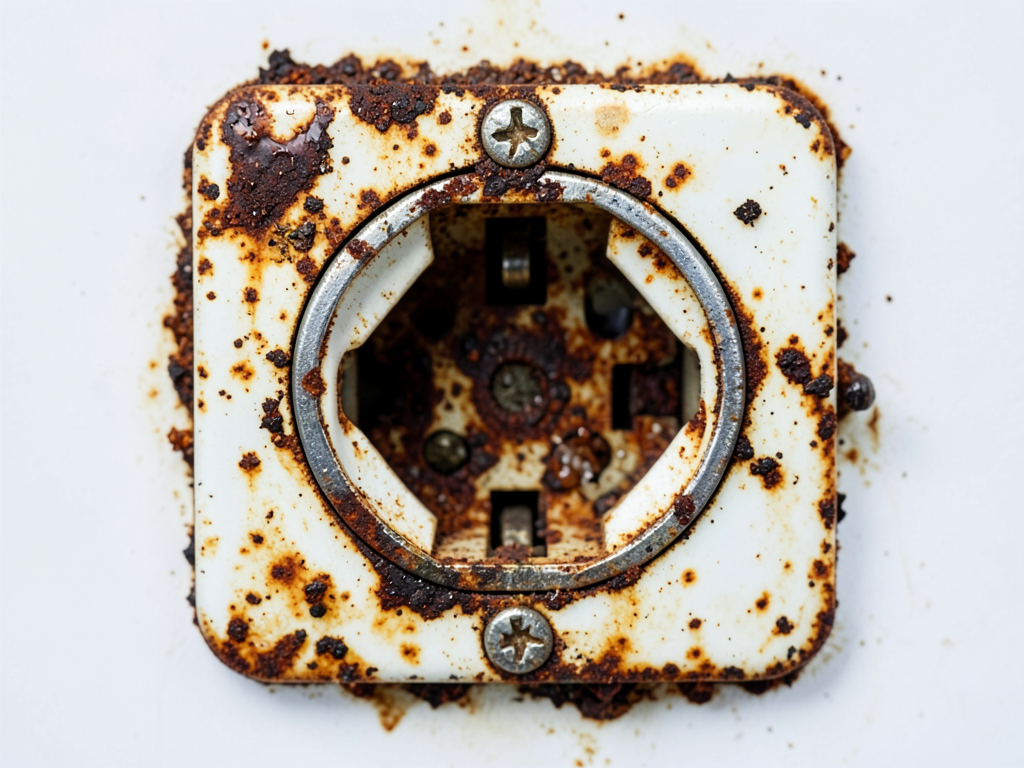
Soot residue becomes acidic when combined with moisture from firefighting efforts. This acid etches glass, corrodes copper wiring, and degrades HVAC ductwork throughout your property. The Potomac River's proximity increases relative humidity year-round, which reactivates smoke particles embedded in drywall and insulation months after the initial fire event.

Fire damage repair requires understanding Washington's unique building stock. Many properties feature shared party walls with adjacent units, meaning smoke migration affects neighboring structures. Fire and smoke mitigation must address both primary fire zones and secondary contamination in connected spaces. Proper smoke damage cleanup involves testing air quality in all rooms, not just fire-affected areas, because soot particles travel through ventilation systems and settle in unexpected locations.

The restoration timeline matters. Insurance adjusters in Washington, D.C. require detailed documentation of fire cleanup services to process claims involving historic properties or multi-unit buildings.

Why Fire Damage in Washington, D.C. Properties Creates Hidden Structural Risks
How Professional Fire Restoration Services Address All Contamination Layers

How Professional Fire Restoration Services Address All Contamination Layers

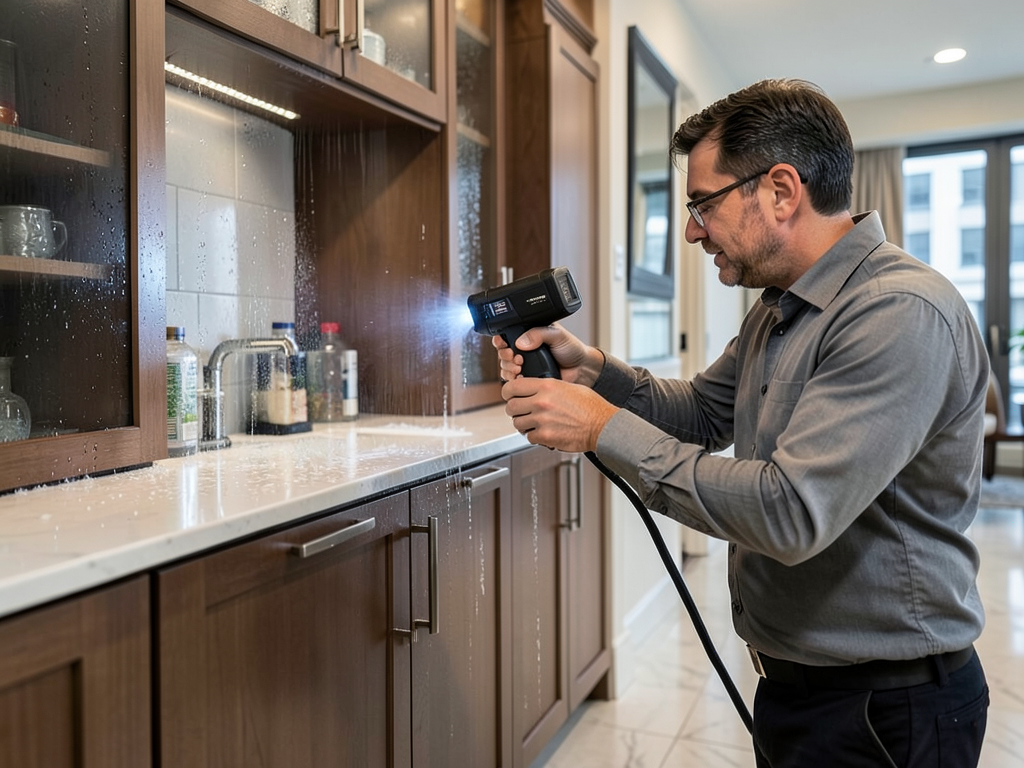
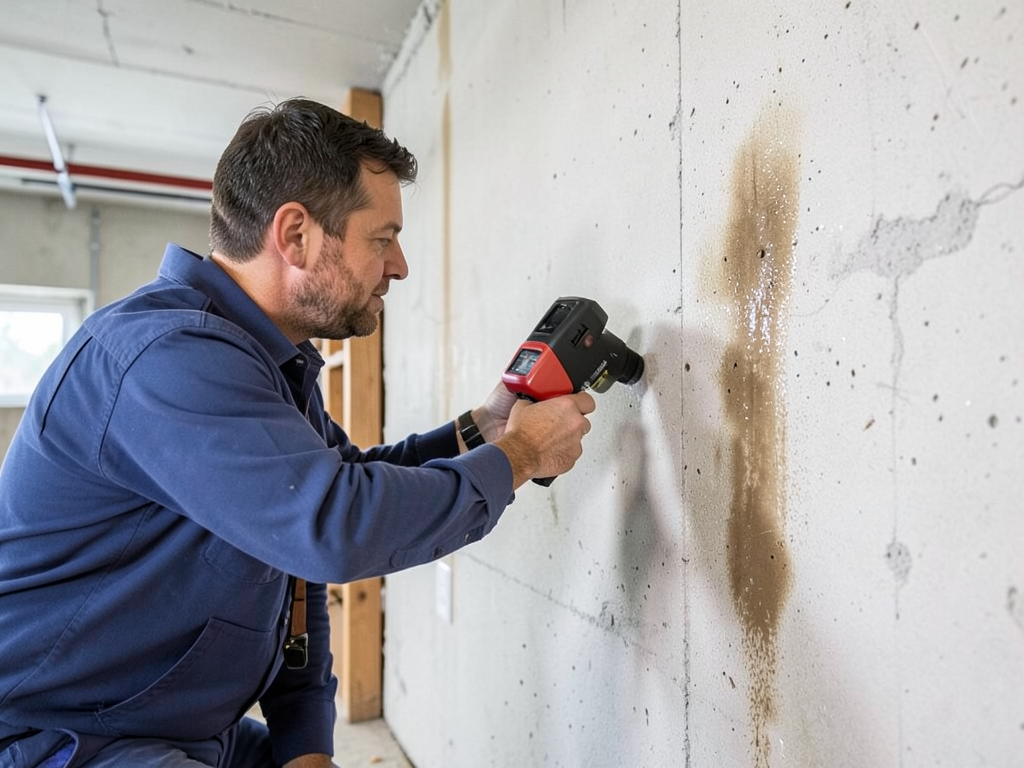
Fire restoration services begin with thermal imaging to map heat penetration through walls and ceilings. This reveals where structural elements absorbed enough heat to compromise integrity, even if visible fire damage appears minimal. We document temperature differentials across floor joists and wall studs to determine replacement needs versus salvageable materials.

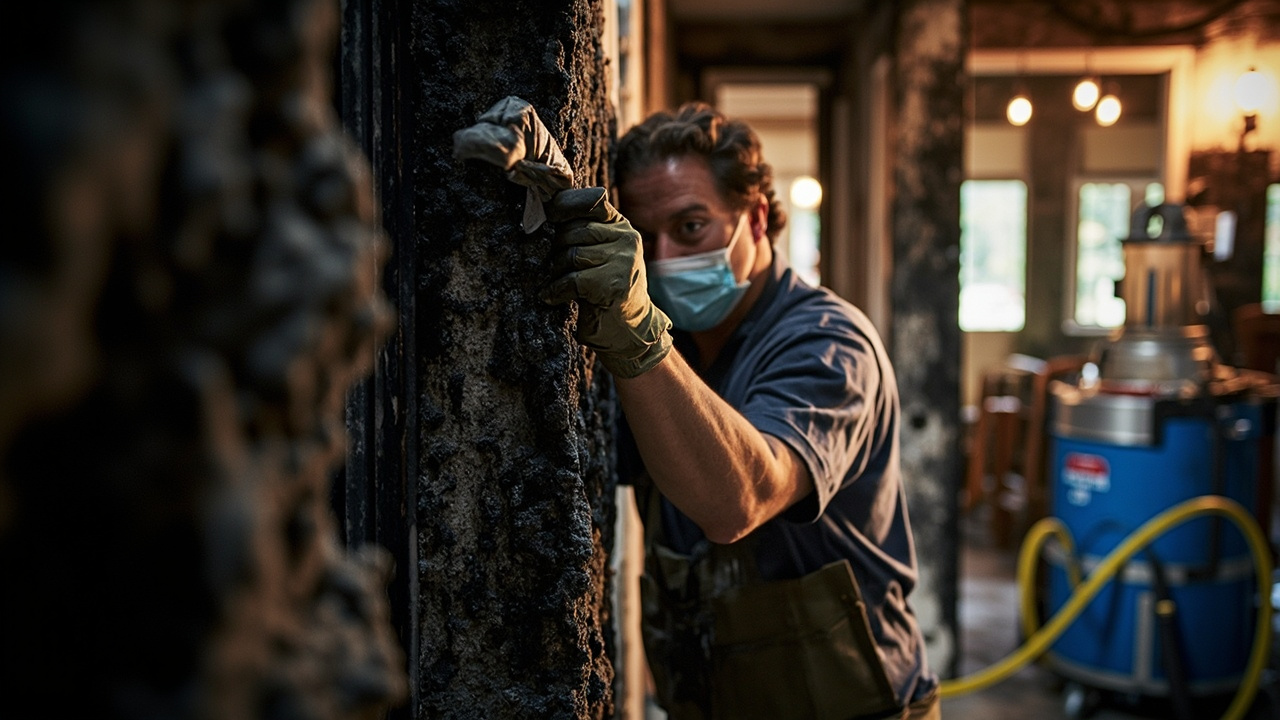
Soot chemistry dictates cleaning methods. Protein-based smoke from kitchen fires requires alkaline cleaners, while synthetic material fires produce acidic residues needing different neutralizers. We test residue pH levels on different surfaces before selecting appropriate cleaning compounds. This prevents secondary damage from incorrect chemical applications that can permanently stain marble countertops or etch hardwood floors.

Air scrubbers with HEPA filtration run continuously during fire and smoke mitigation work. These machines create negative air pressure to prevent soot particles from spreading to unaffected rooms. We seal doorways with polyethylene barriers and establish decontamination zones, similar to mold remediation protocols but calibrated for particulate smoke contamination.

Ductwork cleaning happens before any reconstruction begins. Smoke particles coat the interior surfaces of HVAC systems, and running heating or cooling redistributes contamination throughout your property. We remove registers, clean supply and return lines with rotary brushes, and sanitize air handlers before replacing filters with activated carbon models that capture residual odors.

Reliance Water Damage Restoration Washington DC uses hydroxyl generators rather than ozone machines for final deodorization. Hydroxyls break down smoke molecules without creating the off-gassing concerns associated with ozone treatment, making properties safe for immediate reoccupancy after fire cleanup services complete.

Content restoration includes electronics testing. Circuit boards corrode rapidly after smoke exposure, and we coordinate with specialists to evaluate whether computers, appliances, and electrical panels can be cleaned or require replacement.

What Happens During Your Fire Damage Restoration Project

Fire & Smoke Damage Restoration in Washington, D.C. – Advanced Thermal Imaging and Complete Soot Remediation for Federal District Properties
01

Emergency Stabilization and Assessment

We arrive within two hours to secure your property with board-up services and tarping. Thermal imaging cameras map heat signatures in walls and ceilings to identify compromised structural elements. We photograph all damage, test soot pH levels on multiple surfaces, and create a room-by-room contamination assessment. This documentation becomes the foundation for your insurance claim and determines which materials get cleaned versus replaced during fire restoration services.
02

Contamination Removal and Cleaning

Air scrubbers establish negative pressure while crews remove unsalvageable materials. We clean soot from all affected surfaces using pH-appropriate compounds, rotating between dry chemical sponges for light residue and wet cleaning for heavy deposits. HVAC systems get disassembled and cleaned before reconstruction starts. Hydroxyl generators run continuously to break down smoke molecules at the molecular level. All salvaged contents move to climate-controlled storage during the smoke damage cleanup phase.
03

Reconstruction and Final Verification

We rebuild fire-damaged areas to match existing finishes, coordinating with historic preservation requirements when working in designated districts. Air quality testing confirms particulate levels meet EPA standards before final clearance. We provide detailed completion documentation showing all work performed, materials used, and post-restoration test results. This package satisfies insurance requirements and creates a permanent record of professional fire and smoke mitigation work performed on your Washington, D.C. property.

Why Washington, D.C. Properties Need Local Fire Damage Specialists

Fire restoration in the Federal District involves navigating regulations that don't exist elsewhere. The Historic Preservation Review Board requires approval before altering structures in designated neighborhoods. We maintain relationships with preservation officers and understand which restoration methods satisfy both building codes and historic preservation standards for properties in Georgetown, Capitol Hill, and other protected areas.

Washington's building stock presents unique challenges. Row houses share party walls, meaning fire damage assessment must include adjacent properties even when flames didn't spread. We coordinate with neighboring owners to inspect shared structural elements and ensure smoke hasn't migrated through common wall cavities. This prevents future disputes and liability issues that arise when contamination goes undetected.

The district's construction timeline matters for insurance purposes. Delays triggered by permit issues or preservation board reviews can extend your Additional Living Expenses coverage. We expedite approvals by submitting complete documentation upfront and maintaining direct communication with DC Department of Buildings inspectors who review fire restoration permits.

Reliance Water Damage Restoration Washington DC understands how fire interacts with the district's architectural features. We know that ornamental plaster common in early 1900s buildings absorbs smoke differently than modern drywall. We recognize that original heart pine flooring in Dupont Circle townhomes may be salvageable with specialized cleaning, while particle board subflooring in 1970s renovations requires replacement after any fire exposure.

Insurance restoration networks operating in Washington, D.C. often subcontract work to out-of-state crews unfamiliar with local requirements. We handle all fire cleanup services directly, using technicians who live in the metro area and understand the difference between restoring a Wardman rowhouse versus a modern condo building near Navy Yard.

Our equipment inventory includes specialized tools for urban fire restoration work, including compact air scrubbers that fit through narrow staircases in three-story walkups and low-profile dehumidifiers that work in crawl spaces with limited clearance.

What to Expect During Fire and Smoke Restoration

Immediate Response and Project Duration

We dispatch crews within two hours of your call to (771) 223-8077, arriving with emergency stabilization equipment to prevent additional damage from weather exposure or vandalism. Initial assessment takes three to four hours, including thermal imaging and contamination testing. Smoke damage cleanup typically requires seven to ten days depending on property size and contamination severity. Reconstruction timelines vary based on permit approval and material availability, with most projects completing within four to six weeks. We provide weekly progress updates and maintain daily communication with your insurance adjuster to expedite claim processing and avoid coverage gaps.

Comprehensive Damage Documentation

Our initial assessment includes room-by-room photography, thermal imaging reports, and surface contamination testing. We document all structural damage, content loss, and smoke migration patterns. This creates an evidence package that satisfies insurance requirements and prevents claim disputes. You receive a detailed scope of work explaining which materials get cleaned versus replaced, along with justification for each decision based on contamination levels and material composition. We coordinate directly with your adjuster to resolve any coverage questions before work begins, eliminating surprise denials or payment delays that complicate fire restoration projects.

Verified Air Quality and Complete Decontamination

Fire cleanup services conclude with independent air quality testing that measures particulate levels and volatile organic compounds. We provide laboratory results showing your property meets EPA standards for residential occupancy. All cleaned surfaces undergo post-treatment inspection using specialized lighting that reveals residual soot invisible under normal conditions. HVAC systems receive video inspection documentation proving ductwork is free from contamination. You receive a completion certificate with test results, cleaning protocols used, and warranty information. This documentation protects your property value and provides proof of professional restoration if you sell within several years of the fire event.

Post-Restoration Support and Monitoring

We schedule a follow-up inspection 30 days after project completion to verify no latent odors or contamination issues have emerged. You receive detailed maintenance guidance for any replaced HVAC components or rebuilt structural elements. Our team remains available to address any concerns that arise during your insurance claim settlement process or if additional documentation becomes necessary. We maintain project files for seven years, ensuring you can access restoration records if needed for future property transactions, refinancing, or disclosure requirements. This ongoing support distinguishes professional fire damage repair from quick cleanup jobs that leave you without recourse when problems surface later.

Frequently Asked Questions

You Have Questions,
We Have Answers

How much does smoke damage restoration cost? +

Smoke damage restoration costs vary based on fire size, affected square footage, and soot penetration depth. Minor incidents affecting one room typically cost less than whole-home contamination. Variables include HVAC system cleaning, odor removal treatments, content cleaning, and structural material replacement. Washington, D.C. row homes and historic properties often face higher costs due to shared wall contamination and specialized cleaning requirements for period materials. Your insurance policy usually covers these expenses after deductible. A professional assessment identifies hidden damage in ductwork, insulation, and wall cavities that impact final pricing. Always get a detailed scope of work before repairs begin.

What does fire damage restoration include? +

Fire damage restoration includes water extraction from firefighting efforts, structural drying, soot and ash removal, odor neutralization, and rebuilding damaged areas. The process starts with emergency board-up and tarping to prevent further damage. Technicians remove smoke residue from walls, ceilings, and contents using specialized cleaning agents. HVAC systems get deep-cleaned to eliminate recirculating smoke particles. Washington, D.C. homes often require mold remediation due to high humidity after water damage. Restoration teams strip damaged drywall, insulation, and flooring, then rebuild to match existing structures. Content cleaning, deodorization, and final reconstruction complete the process.

Can a fire-damaged house be repaired? +

Yes, most fire-damaged houses can be repaired if the structural framing remains sound. The decision depends on foundation integrity, load-bearing wall condition, and total damage percentage versus rebuild costs. Washington, D.C. building codes require permits and inspections for fire-damaged properties before occupancy. Homes with compromised joists, charred studs, or foundation cracks need extensive structural work. Cosmetic damage like smoke staining, minor charring, and water damage from firefighting efforts is fully repairable. A licensed structural engineer assesses whether repairs are feasible or if demolition makes more sense financially. Insurance adjusters factor depreciation and local market values into repair decisions.

Can smoke damage be repaired? +

Smoke damage is repairable through professional cleaning, sealing, and odor removal techniques. Soot particles embed into porous materials like drywall, wood, and fabrics, requiring specialized cleaning agents and equipment. Surface cleaning removes visible residue while thermal fogging and ozone treatments neutralize embedded odors. Washington, D.C. row homes face cross-contamination challenges where smoke migrates through shared walls and ventilation systems. HVAC ducts need professional cleaning to stop recirculation. Heavily saturated materials like insulation, carpet padding, and compromised drywall get replaced rather than cleaned. Quick response prevents acid soot from permanently etching surfaces and causing irreversible damage.

Is it worth buying a house with fire damage? +

Buying a fire-damaged house in Washington, D.C. can offer value if you understand the true restoration costs and structural condition. Order a professional inspection focusing on foundation integrity, electrical systems, and hidden smoke damage in wall cavities. Many buyers underestimate costs for HVAC replacement, mold remediation from firefighting water, and permit requirements in historic districts. Consider whether previous repairs met building codes. Fire-damaged properties sell below market value but require significant capital for proper restoration. If you lack construction experience or restoration budget, the investment risk often outweighs potential savings. Cash buyers with renovation expertise find the best opportunities.

Will insurance cover smoke damage? +

Homeowners insurance typically covers smoke damage from covered fire events, including cleaning, repairs, and temporary housing. Policies cover soot removal, odor treatment, HVAC cleaning, and damaged contents replacement. Washington, D.C. residents must document all damage with photos before cleaning begins. Deductibles apply before coverage starts. Insurance may deny claims for neglect, intentional fires, or long-term smoke exposure from cooking or smoking. File claims immediately and keep detailed records of all expenses. Some policies limit coverage for certain contents or require special riders for high-value items. Read your policy carefully and work with your adjuster to maximize your settlement.

At what point is a house not worth fixing? +

A house is not worth fixing when repair costs exceed 50 to 70 percent of the property's post-repair market value. Structural compromise to the foundation, extensive mold colonization throughout framing, or severe fire damage to load-bearing elements often make demolition more economical. Washington, D.C. properties in historic districts face additional complexity where preservation requirements increase costs substantially. If multiple major systems need replacement alongside structural repairs, rebuilding may cost less. Insurance settlements, permit costs, and timeline factors influence this decision. A cost-benefit analysis comparing repair estimates to comparable home values in your neighborhood provides clarity for the financially sound choice.

What is the 30/30/30 rule for fire? +

The 30/30/30 rule is a fire service guideline stating that 30 percent of fire victims die in the first 30 seconds from smoke inhalation, and fires can become deadly within 30 seconds of ignition. This emphasizes why immediate evacuation matters more than salvaging belongings. Smoke travels faster than flames and contains toxic gases like carbon monoxide and hydrogen cyanide. Washington, D.C. row homes face rapid fire spread through shared attic spaces and common walls. Modern furnishings burn hotter and faster than older materials, reducing escape time. Install working smoke detectors, plan escape routes, and practice fire drills to improve survival odds.

Are houses destroyed by fire covered by insurance? +

Houses destroyed by fire are typically covered by homeowners insurance if the policy was active when the fire occurred. Standard policies include dwelling coverage for structural repairs, personal property coverage for contents, and additional living expenses while you relocate. Coverage depends on fire cause. Accidental fires, lightning strikes, and most electrical fires qualify. Arson, neglect, or intentional damage void coverage. Washington, D.C. policyholders should review replacement cost versus actual cash value policies, as depreciation impacts payouts. Document everything with photos and receipts. Insurance may require multiple estimates before approving full reconstruction costs for fire-destroyed homes.

How much does it cost to clean up a burned down house? +

Cleaning up a burned house costs between several thousand to over one hundred thousand dollars depending on damage severity and home size. Debris removal, hazardous material disposal, and site preparation represent the baseline. Washington, D.C. properties require permits, asbestos testing in older homes, and proper disposal at approved facilities. Complete demolition adds excavation, foundation removal, and lot grading expenses. Partial burns need structural stabilization before cleanup begins. Insurance typically covers cleanup costs for covered fire events. Obtain multiple estimates and verify contractors hold proper licenses and waste disposal permits before starting work to avoid liability issues.

How Washington, D.C.'s Historic Masonry Construction Complicates Fire Restoration Work

The Federal District's building inventory includes thousands of pre-1950 brick rowhouses with load-bearing masonry walls and timber floor systems. When fire damages these structures, heat penetrates deep into brick cavities and chars embedded wood structural elements. The Potomac River valley's high humidity causes rapid deterioration of fire-weakened masonry mortar, and Washington's freeze-thaw cycles during winter months accelerate spalling in heat-damaged brick faces. Fire restoration services must address both visible surface damage and hidden structural compromise in wall cavities that thermal imaging reveals but visual inspection misses. This makes professional fire and smoke mitigation critical for preserving structural integrity in Georgetown townhomes, Capitol Hill properties, and Shaw neighborhood conversions.

DC building codes require licensed contractors to obtain permits for any structural work following fire damage, and the Historic Preservation Office reviews all restoration plans in designated districts. Reliance Water Damage Restoration Washington DC maintains established relationships with city inspectors and preservation officials, expediting approval processes that delay out-of-state restoration companies unfamiliar with local requirements. We understand which cleaning methods satisfy preservation standards for original architectural details while meeting modern building codes for structural safety. This local expertise prevents costly rework when inspectors reject improper restoration techniques or when insurance companies dispute charges for non-compliant fire cleanup services.
Water Damage Restoration Services in The Washington DC Area

While we primarily offer mobile, on-site water damage restoration services throughout Washington D.C., you can view our main operational hub and service area on the map below. We are strategically located to ensure rapid deployment and efficient response times to all emergencies across the region, bringing our expert services directly to your property wherever you are within our service footprint.

Address:
Reliance Water Damage Restoration Washington DC, 200 Massachusetts Ave NW, Washington, DC, 20001

Additional Services We Offer

Our news updates

Latest Articles & News from The Blogs

Why Your New Condo at The Wharf Might Experience Balcony Drainage Flooding Living in a luxury condo at The Wharf…

Why Your New Condo at The Wharf Might Experience Balcony Drainage Flooding

Why Your New Condo at The Wharf Might Experience Balcony Drainage Flooding Living in a luxury condo at The Wharf…

Dealing with Potomac River Seepage in Your Georgetown Waterfront Retail Space

Dealing with Potomac River Seepage in Your Georgetown Waterfront Retail Space Georgetown's waterfront retail spaces face unique water damage risks…

What Every DC Homeowner Needs in a Flood Emergency Kit Before the Next Storm Hits

What Every DC Homeowner Needs in a Flood Emergency Kit Before the Next Storm Hits Washington DC homeowners face unique…

Contact Us

Fire damage worsens every day contamination remains untreated. Call Reliance Water Damage Restoration Washington DC at (771) 223-8077 now for emergency response and complete fire restoration services. We dispatch crews immediately to stabilize your property and begin professional smoke damage cleanup.