




Menu

Condensation on Windows & Walls in Washington, D.C. – Expert Diagnosis Stops Hidden Mold Before It Spreads

Reliance Water Damage Restoration Washington DC identifies the root cause of window sweating and moisture buildup, preventing structural damage and mold growth in D.C.'s humid climate.

Slider Image 1
Slider Image 2
Slider Image 3
Slider Image 4
Slider Image 5
Slider Image 7
Slider Image 8
Slider Image 9
Slider Image 10
Slider Image 11

Why Your Windows and Walls Are Sweating in Washington, D.C.

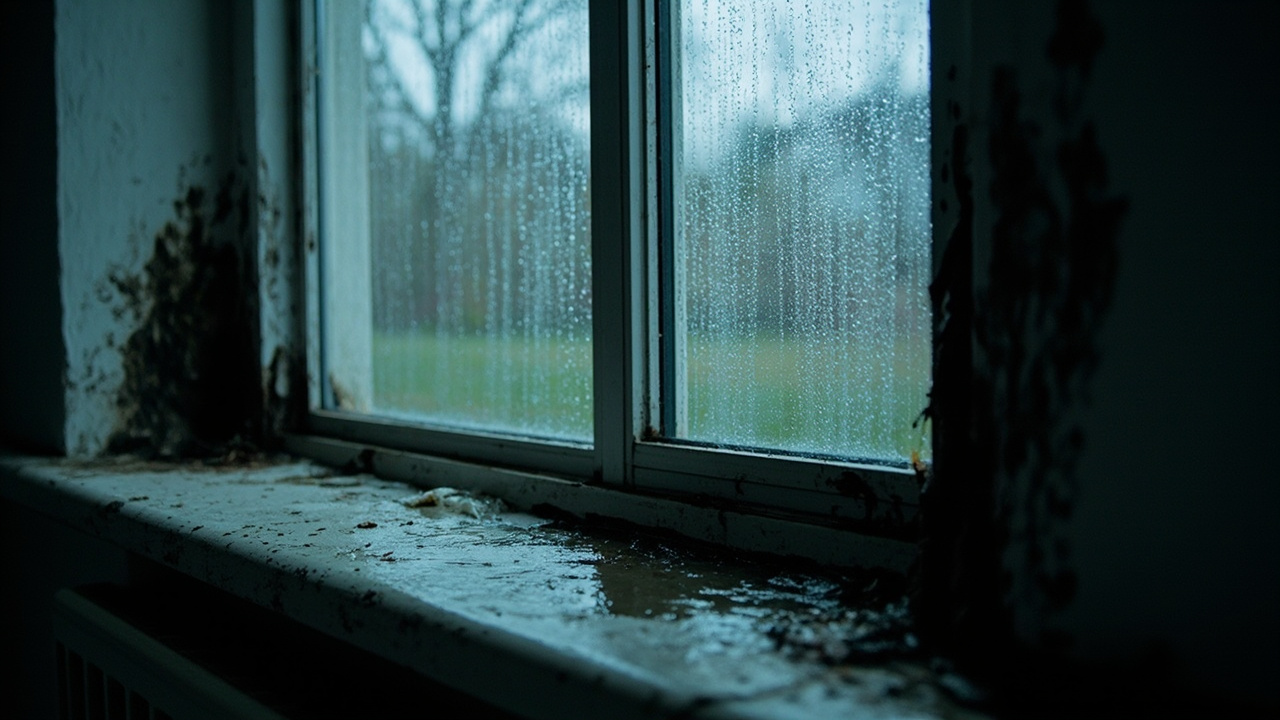
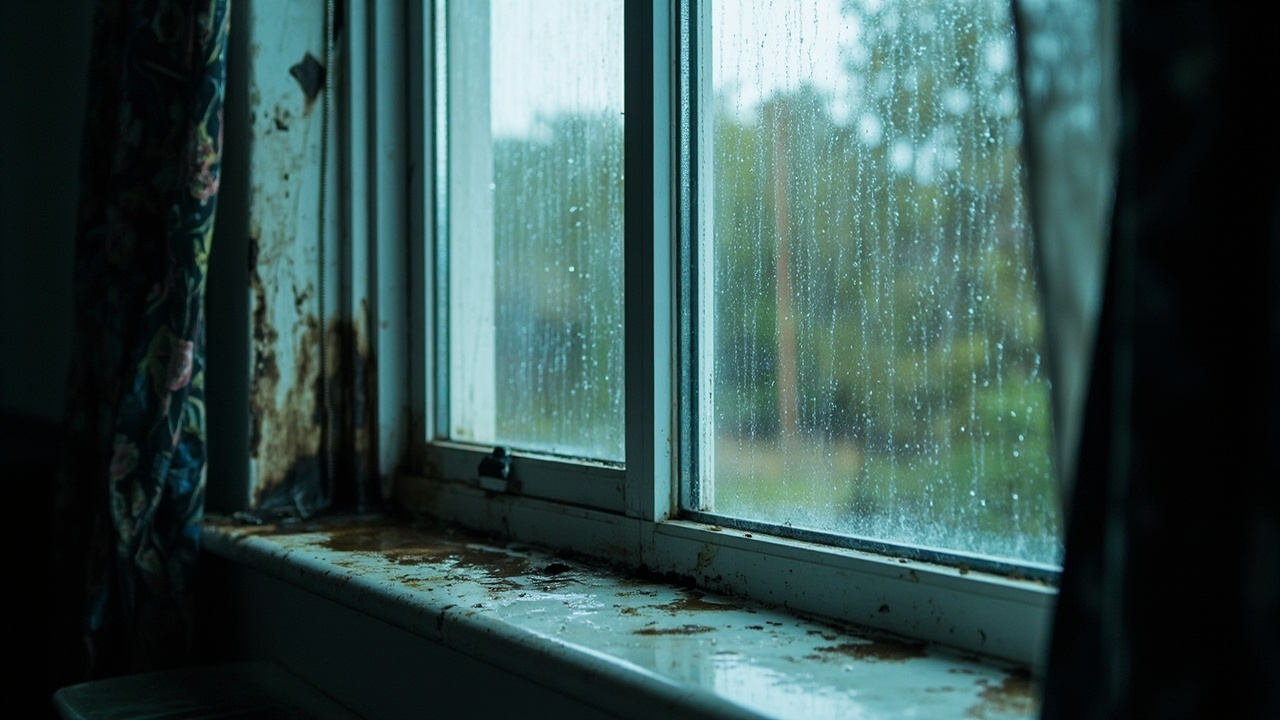
You notice it first on cold mornings. Water droplets streak down your window panes. Dark, damp patches appear on your drywall near exterior walls. The glass feels wet to the touch, and you wonder if it is normal.

It is not.

Washington, D.C.'s climate creates the perfect storm for interior glass condensation. The city sits at the intersection of humid Mid-Atlantic air and seasonal temperature swings. Summer humidity hovers near 70 percent. Winter cold fronts drop temperatures fast. Your home becomes a battleground between warm indoor air and cold exterior surfaces.

When warm, moisture-laden air inside your home hits a cold window or poorly insulated wall, condensation forms. Think of a cold glass of water on a summer day. The same physics apply to your weeping window panes and moisture buildup on walls.

Historic rowhouses in Capitol Hill and older bungalows in Petworth face additional risks. Many were built before modern vapor barriers and insulation standards. Single-pane windows, uninsulated brick walls, and outdated HVAC systems compound the problem. The Potomac River and Anacostia River add moisture to the air, increasing humidity levels across neighborhoods like Navy Yard and Southwest Waterfront.

Window sweating is not just annoying. It signals a deeper issue. Persistent moisture creates conditions for mold growth, wood rot, and drywall deterioration. Left unchecked, those damp drywall patches become breeding grounds for toxic spores. You need to understand what is happening and why it matters for your health and your home's structural integrity.

Why Your Windows and Walls Are Sweating in Washington, D.C.
How We Diagnose and Fix Condensation Problems Correctly

How We Diagnose and Fix Condensation Problems Correctly

Most homeowners try to fix condensation with a dehumidifier or by opening windows. That might reduce symptoms temporarily, but it does not address the root cause.

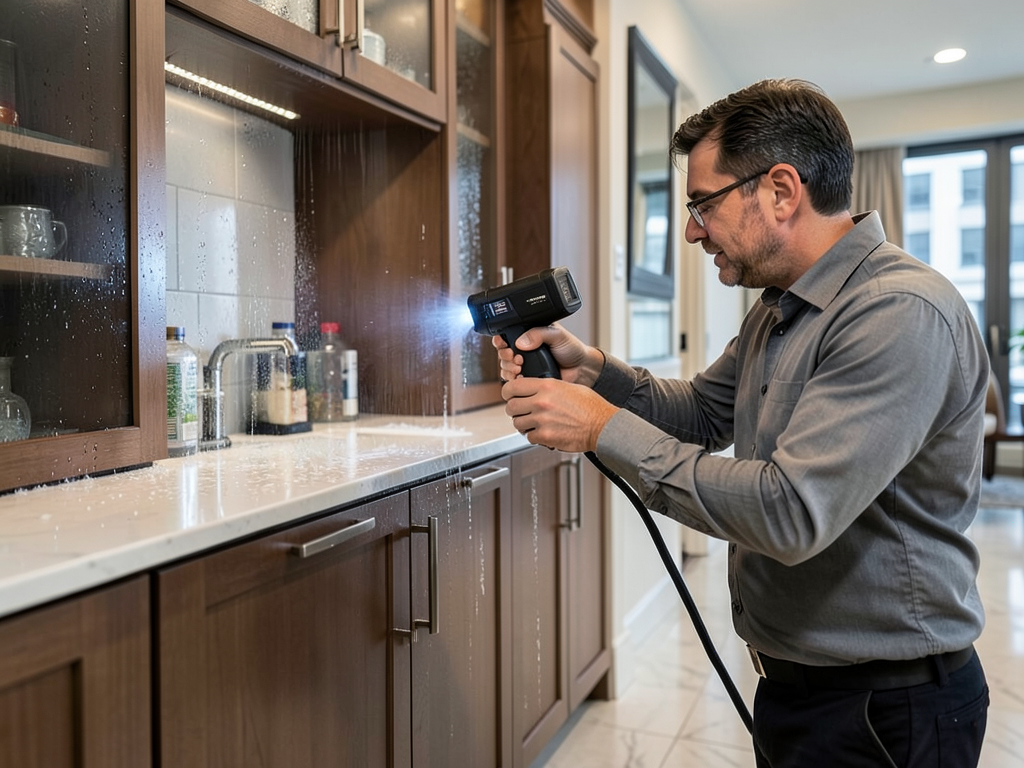
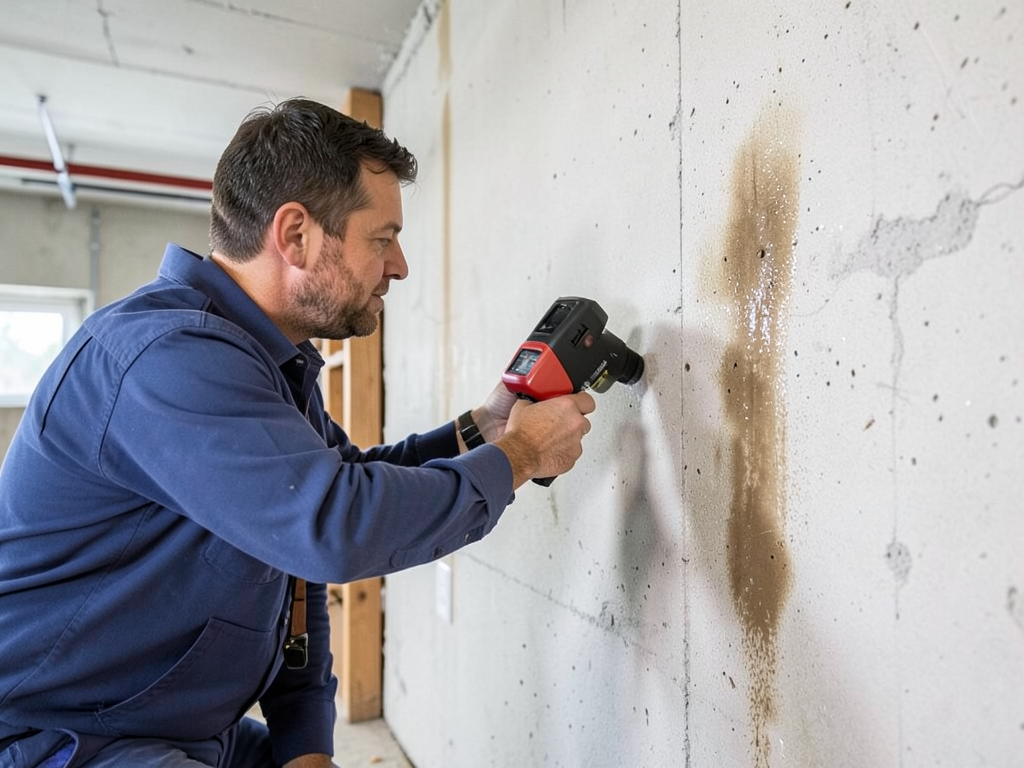
Reliance Water Damage Restoration Washington DC uses a diagnostic approach. We measure indoor humidity levels with calibrated hygrometers. We use thermal imaging cameras to identify cold spots on walls and around window frames. These cold zones reveal where insulation is failing or where air leaks allow moisture infiltration.

We test for vapor barrier integrity in crawl spaces and attics. Many D.C. homes have compromised vapor barriers due to age or poor installation. We check HVAC performance to ensure your system is not oversaturated with moisture or cycling improperly. We inspect window seals, flashing, and sill pans for exterior water intrusion that masquerades as condensation.

Once we identify the source, we fix it at the material level. If your single-pane windows are the culprit, we recommend thermal upgrades or storm window installation. If wall insulation is inadequate, we address thermal bridging and install vapor-permeable barriers. If your HVAC system is undersized or poorly balanced, we coordinate with mechanical contractors to restore proper airflow and dehumidification.

We also remediate existing damage. Damp drywall patches are cut out, treated for mold spores, and replaced with moisture-resistant materials. We apply antimicrobial treatments to framing members and substrate surfaces. We do not just dry the surface. We eliminate the conditions that allowed moisture to accumulate in the first place.

This is not a one-size-fits-all process. Every home in D.C. has unique construction details, and we adapt our approach accordingly.

What Happens When You Call Us About Condensation

Condensation on Windows & Walls in Washington, D.C. – Expert Diagnosis Stops Hidden Mold Before It Spreads
01

On-Site Moisture Assessment

We arrive with thermal imaging equipment and moisture meters to map where condensation is forming and why. You walk us through the affected areas, and we document every wet surface, cold zone, and ventilation issue. We test indoor humidity, check window seals, and inspect wall cavities for hidden moisture. This gives us a complete picture of what is happening inside your home.
02

Root Cause Analysis

We analyze the data and identify whether the problem stems from poor insulation, HVAC imbalance, vapor barrier failure, or exterior water intrusion. We explain the findings in plain language and show you the thermal images. You see exactly where cold surfaces meet warm air, creating condensation. We outline the repair options and prioritize based on severity and cost-effectiveness for your specific home.
03

Remediation and Prevention

We remove damaged materials, treat mold growth, and restore affected areas with moisture-resistant products. We seal air leaks, improve insulation, and coordinate HVAC adjustments to balance humidity levels. After repairs, we retest with moisture meters to confirm the problem is solved. You receive documentation of the work and recommendations for long-term humidity control to prevent future condensation issues.

Why D.C. Homeowners Trust Us With Condensation Issues

Condensation problems require local knowledge. A contractor from the suburbs might miss the nuances of D.C.'s building stock. We work in these neighborhoods every day.

We understand the construction methods used in different eras. Rowhouses built in the 1920s have solid masonry walls with minimal insulation. Mid-century ramblers in Chevy Chase have crawl spaces prone to moisture wicking. Modern condos in NoMa have sealed envelopes that trap humidity without proper ventilation. Each requires a different diagnostic and repair strategy.

We are familiar with D.C.'s building codes and historic preservation requirements. If you live in a historic district like Georgetown or Dupont Circle, you cannot just replace windows or alter facades without permits. We navigate these regulations and recommend solutions that comply with both moisture control standards and historic guidelines.

We also coordinate with insurance adjusters when condensation has caused significant damage. Many homeowners do not realize their policy may cover mold remediation or structural repairs if the damage stems from a covered peril. We document the damage, provide detailed estimates, and communicate directly with your carrier to streamline the claims process.

Our team is trained in building science, not just water extraction. We understand psychrometrics, dew point calculation, and vapor diffusion. We use that knowledge to prevent recurrence, not just treat symptoms. You are not hiring a cleanup crew. You are hiring specialists who understand how buildings interact with D.C.'s climate.

We also respond quickly. Condensation issues escalate fast. What starts as window sweating can turn into black mold colonies in weeks. We prioritize diagnostic calls and schedule remediation within days, not weeks.

What to Expect When We Solve Your Condensation Problem

Response Time and Scheduling

We schedule diagnostic visits within 24 to 48 hours of your call. If you are dealing with active water damage or mold growth, we expedite the timeline. Our technicians arrive on time with the necessary testing equipment. The initial assessment takes one to two hours, depending on the size of your home and the extent of the moisture issue. We provide a written report within 24 hours, outlining findings and recommended repairs. You are never left waiting for answers.

Diagnostic Process and Findings

We use FLIR thermal cameras to identify temperature differentials across walls, ceilings, and windows. Moisture meters measure water content in drywall, framing, and insulation. We check HVAC airflow, test humidity levels in each room, and inspect exterior drainage around the foundation. You receive thermal images, moisture readings, and a detailed explanation of what is causing the condensation. We do not guess. We measure, and we show you the data that drives our recommendations.

The Final Result

After remediation, your windows stay clear. Your walls stay dry. You breathe cleaner air because we have eliminated the moisture conditions that fuel mold growth. We restore damaged drywall with moisture-resistant materials and repaint to match your existing finishes. We seal thermal leaks, improve insulation, and optimize ventilation so condensation does not return. You receive a moisture-free home that resists future humidity problems. The work is documented with before-and-after photos and final moisture readings.

Follow-Up and Prevention Guidance

We provide a maintenance plan tailored to your home. This includes recommended humidity levels for each season, HVAC filter change schedules, and tips for managing indoor moisture from cooking, showering, and laundry. We offer follow-up inspections at no charge within 30 days to verify the repairs are holding. If you experience any recurring issues, we return and reassess at no additional diagnostic fee. Our goal is not just to fix the problem once, but to ensure it stays fixed.

Frequently Asked Questions

You Have Questions,
We Have Answers

How to stop condensation on windows and walls? +

Control indoor humidity first. Run exhaust fans during cooking and showering. Use a dehumidifier in damp basements, which are common in Washington, D.C. row homes and older properties. Improve ventilation by opening windows briefly during dry weather. Check that dryer vents exhaust outside, not into crawl spaces. Seal air leaks around window frames with caulk to prevent warm, moist indoor air from hitting cold glass. Upgrade single-pane windows to double-pane units with low-E coatings. Keep curtains open during the day to allow airflow across glass surfaces. These steps reduce the temperature difference that causes condensation.

Does condensation always indicate a problem? +

Not always, but it signals a humidity imbalance. Light morning condensation that evaporates quickly is normal during Washington, D.C.'s humid summers or cold winter mornings. Persistent condensation that pools on sills or soaks walls indicates excessive indoor moisture or poor ventilation. This creates conditions for mold growth, wood rot, and drywall damage. If you see condensation daily, especially in multiple rooms, you need to identify the moisture source. Common culprits include basement seepage, plumbing leaks, or inadequate exhaust ventilation. Ignoring ongoing condensation leads to structural damage and health risks.

Should you wipe condensation off windows? +

Yes, wipe it immediately to prevent water damage. Use a dry towel or squeegee to remove moisture from glass and sills. Standing water promotes mold growth on window frames, peeling paint, and wood rot. In Washington, D.C.'s humid climate, condensation can reappear quickly if you do not address the root cause. Wiping is damage control, not a fix. You must reduce indoor humidity levels and improve ventilation. Check sills and trim for soft spots or discoloration, which indicate long-term water exposure. If wiping becomes a daily routine, you need professional assessment to prevent hidden wall cavity damage.

Does condensation on windows mean the house is too cold? +

Not necessarily. Condensation forms when warm, humid air contacts a cold surface. Your windows may be cold due to poor insulation or single-pane glass, even if your home feels warm. Washington, D.C.'s winter temperatures often drop below freezing, making older windows extremely cold. High indoor humidity is usually the bigger issue. Activities like cooking, showering, and drying clothes release moisture into the air. If your thermostat reads 68 degrees but windows still fog up, your humidity level is too high, not your temperature too low. Install a hygrometer to measure humidity and aim for 30 to 50 percent.

What to put on walls to stop condensation? +

Apply vapor barrier paint or anti-condensation coatings designed for high-moisture areas. These products contain insulating properties that warm the wall surface slightly, reducing the temperature differential. In Washington, D.C. basements and older brick row homes, consider adding rigid foam insulation behind drywall during renovations. This raises the interior wall temperature above the dew point. Fix the moisture source first. Wall treatments fail if you have active leaks, poor ventilation, or basement water intrusion. Improving air circulation with fans and reducing indoor humidity with dehumidifiers addresses the problem more directly than coatings alone.

What are signs of excessive condensation? +

Water pooling on window sills, dark spots or staining on walls near windows, musty odors in bedrooms or closets, peeling paint or wallpaper, visible mold growth on window frames or wall corners, and foggy windows that stay wet for hours. In Washington, D.C. properties, check basements and crawl spaces for damp concrete or efflorescence, which indicates chronic moisture issues. Warped wood trim, soft drywall, or bubbling plaster are advanced signs. If you smell mildew or see discoloration spreading, you likely have hidden mold behind walls. These conditions require immediate professional water damage assessment and remediation.

How D.C.'s Tidal Basin Humidity and Historic Construction Amplify Condensation Risks

Washington, D.C. sits at sea level along the Potomac River, with the Tidal Basin and multiple tributaries adding moisture to the air year-round. Summer humidity regularly exceeds 65 percent, and the city's urban heat island effect traps warm, wet air. When cold fronts sweep through in winter, the temperature differential between outdoor and indoor air creates perfect conditions for interior glass condensation and weeping window panes. Older homes in neighborhoods like Shaw, Logan Circle, and Columbia Heights often lack modern vapor barriers and rely on outdated insulation methods. Brick veneer walls with no thermal break, uninsulated crawl spaces, and single-pane windows accelerate moisture buildup on walls.

Reliance Water Damage Restoration Washington DC specializes in the unique construction challenges of D.C.'s building stock. We work with rowhouses, brownstones, and historic properties that require careful moisture management without compromising architectural integrity. We understand the permits required for work in historic districts and collaborate with preservation officers when needed. Our technicians are trained in both modern building science and the restoration techniques necessary for older structures. When you hire us, you are hiring a team that respects the history of your home while applying cutting-edge moisture control methods.
Water Damage Restoration Services in The Washington DC Area

While we primarily offer mobile, on-site water damage restoration services throughout Washington D.C., you can view our main operational hub and service area on the map below. We are strategically located to ensure rapid deployment and efficient response times to all emergencies across the region, bringing our expert services directly to your property wherever you are within our service footprint.

Address:
Reliance Water Damage Restoration Washington DC, 200 Massachusetts Ave NW, Washington, DC, 20001

Additional Services We Offer

Our news updates

Latest Articles & News from The Blogs

Why Your New Condo at The Wharf Might Experience Balcony Drainage Flooding Living in a luxury condo at The Wharf…

Why Your New Condo at The Wharf Might Experience Balcony Drainage Flooding

Why Your New Condo at The Wharf Might Experience Balcony Drainage Flooding Living in a luxury condo at The Wharf…

Dealing with Potomac River Seepage in Your Georgetown Waterfront Retail Space

Dealing with Potomac River Seepage in Your Georgetown Waterfront Retail Space Georgetown's waterfront retail spaces face unique water damage risks…

What Every DC Homeowner Needs in a Flood Emergency Kit Before the Next Storm Hits

What Every DC Homeowner Needs in a Flood Emergency Kit Before the Next Storm Hits Washington DC homeowners face unique…

Contact Us

Call Reliance Water Damage Restoration Washington DC at (771) 223-8077 right now. We schedule diagnostic visits within 24 hours and provide clear answers about what is causing your condensation problem and how to fix it permanently.