




Menu

Content Cleaning & Pack-Out in Washington, D.C. – Secure Your Belongings While We Restore Your Property

Complete contents restoration services protect your valuables from secondary damage during water extraction and structural repairs. We inventory, clean, and store your possessions in climate-controlled facilities while your Washington, D.C. property returns to pre-loss condition.

Slider Image 1
Slider Image 2
Slider Image 3
Slider Image 4
Slider Image 5
Slider Image 7
Slider Image 8
Slider Image 9
Slider Image 10
Slider Image 11

Why Washington, D.C. Water Damage Requires Immediate Contents Protection

Water damage in Washington, D.C. does not stop at your floors and walls. The District's humid subtropical climate accelerates secondary damage to your belongings. When water infiltrates your Georgetown rowhouse or Capitol Hill apartment, you have 24 to 48 hours before humidity causes mold growth on textiles, warping in wood furniture, and corrosion on metal items.

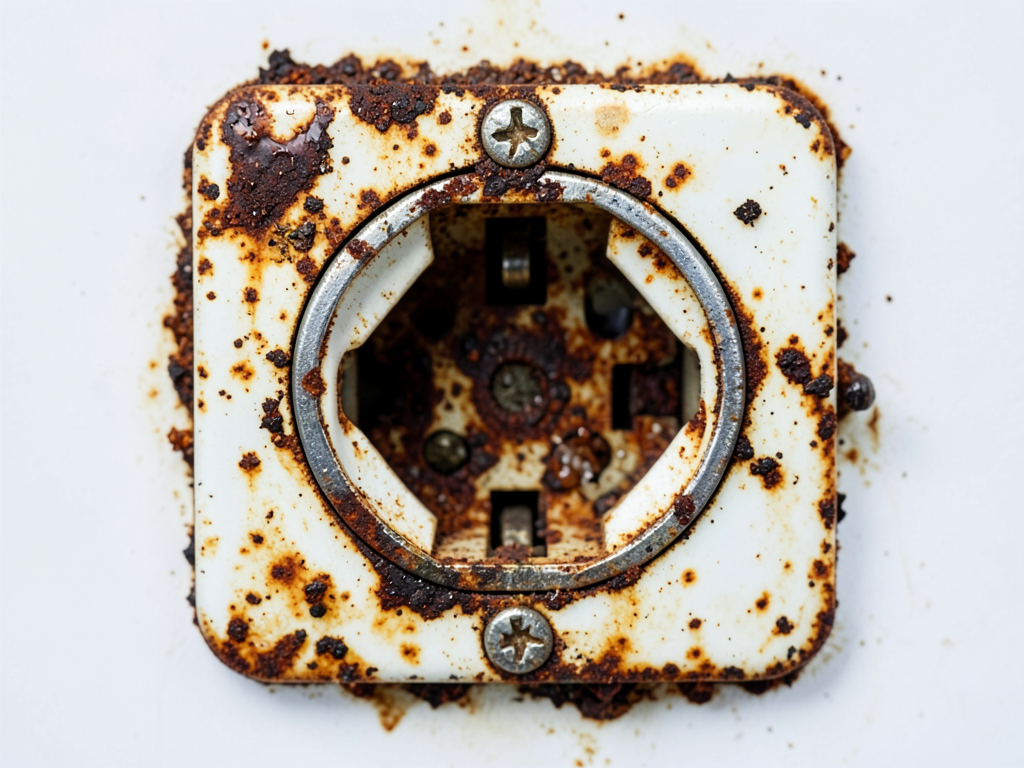
The Potomac River's proximity raises ambient moisture levels across the city. This compounds damage from burst pipes, sewer backups, and roof leaks common in the District's aging infrastructure. Your contents face threats from standing water, airborne moisture, and contamination. Books swell and split. Electronics corrode. Upholstered furniture develops microbial growth.

Emergency packout services remove your belongings from the wet environment before this cascade begins. Professional contents cleaning services use specialized techniques for different material types. Textiles require ozone treatment. Documents need freeze-drying. Wood furniture demands controlled drying chambers to prevent cracking.

Pack out and storage services move your possessions to secure, climate-controlled facilities while structural drying proceeds. This separation prevents your belongings from absorbing moisture released during wall cavity drying and floor demolition. Your insurance policy covers contents restoration services, but you must act before secondary damage makes items unrestorable.

The District's building density creates another challenge. Row houses and apartment buildings require strategic planning for moving large furniture through narrow hallways and shared entryways. Speed matters. Every hour your contents remain in a wet environment reduces the likelihood of successful restoration.

Why Washington, D.C. Water Damage Requires Immediate Contents Protection
How Professional Contents Restoration Works

How Professional Contents Restoration Works

Personal property restoration begins with a detailed inventory process. We photograph and document every item removed from your property. This creates a verifiable chain of custody for your insurance claim and gives you peace of mind. Each item receives a unique tracking number linked to its origin room and specific location.

Our team categorizes contents by material type and damage severity. Category 1 water damage (clean water from supply lines) requires different cleaning protocols than Category 3 water (sewage backups or river flooding). We separate salvageable items from total losses immediately. This prevents cross-contamination and focuses restoration efforts where they matter.

Contents cleaning services employ targeted methods. Soft contents like clothing, drapes, and linens go through specialized washing with antimicrobial agents. Hard contents like furniture and appliances receive surface cleaning, disinfection, and deodorization. Electronics undergo compressed air cleaning and corrosion treatment in controlled environments.

Document recovery uses freeze-drying technology. We stabilize wet paper by freezing it, then use vacuum pressure to sublimate ice directly to vapor. This prevents the fiber damage that occurs with traditional air drying. Photos, legal documents, and books often return to near-original condition.

Pack out and storage services maintain your belongings in temperature and humidity-controlled vaults. We monitor conditions daily. Items remain secured until your property completes structural restoration. When ready, we coordinate return delivery and help you verify that everything matches the original inventory.

This systematic approach prevents the chaos that occurs when homeowners try to manage contents themselves during crisis. You focus on bigger decisions while we protect your belongings.

What Happens During Your Contents Pack-Out

Content Cleaning & Pack-Out in Washington, D.C. – Secure Your Belongings While We Restore Your Property
01

Emergency Response and Assessment

Our team arrives within two hours of your call. We assess which rooms require immediate packout based on water category, moisture readings, and item value. High-priority items like electronics, documents, and textiles get packed first. We create a room-by-room inventory using mobile documentation software that timestamps and geotags each item. You receive real-time updates as we work through your property.
02

Cleaning and Restoration

Contents move to our processing facility where specialists treat each material type appropriately. Textiles go through hydroxyl generator chambers to eliminate odors. Wood furniture enters drying rooms with controlled humidity ramps to prevent cracking. Metal items receive rust inhibitor treatment. We use ultrasonic cleaning for delicate items and thermal fogging for smoke odor removal. Progress photos document the transformation.
03

Storage and Return Delivery

Cleaned contents remain in our climate-controlled vault until your property passes final inspection. We coordinate return delivery with your restoration timeline. Our team unpacks items to their original rooms and helps arrange furniture. You verify inventory against our digital records. Any discrepancies get resolved immediately. The process concludes when you sign off confirming all items returned in expected condition.

Why Washington, D.C. Residents Choose Reliance for Contents Protection

Washington, D.C. properties demand specialized knowledge. The District's Historic Preservation Review Board imposes strict requirements on buildings in designated zones. Contents restoration must proceed without causing additional structural impact. We understand which packout methods work in protected properties throughout Dupont Circle, Georgetown, and Capitol Hill.

Our team knows the District's building types. Federal-style rowhouses have narrow staircases and tight doorways. Moving large furniture requires furniture disassembly and protective wrapping to prevent wall damage. Victorian townhouses have ornate moldings and original hardwood floors that need protection during packout. We use floor runners, door jamb guards, and stair climbers designed for historic properties.

Local insurance adjusters recognize our documentation standards. We photograph items from multiple angles, note pre-existing damage, and provide detailed condition reports. This transparency speeds claim approval. Your adjuster receives organized evidence showing what we packed, how we cleaned it, and where we stored it.

We maintain relationships with specialized restorers across the District. If you have items requiring expert conservation, like oil paintings or antique furniture, we coordinate with trusted partners. This network ensures every possession receives appropriate care regardless of complexity.

Our climate-controlled facility sits outside the flood zone but remains accessible to District residents. Temperature stays between 65 and 72 degrees. Humidity holds at 45 to 55 percent. These conditions prevent mold growth, material degradation, and pest activity.

You need a team that understands both water damage science and the unique challenges of Washington, D.C. properties. We have worked in the District long enough to know what works and what causes problems during contents restoration.

What to Expect From Our Contents Restoration Service

Rapid Response Timeline

We dispatch teams 24 hours a day, seven days a week. When you call, we ask targeted questions about water source, affected areas, and high-value items. Most crews arrive within two hours for District locations. We bring boxes, wrapping materials, and moisture meters. Initial packout of critical items often completes within four to six hours for average-sized homes. Full-property packout for larger residences may extend to 12 hours depending on content volume. Speed matters because every hour in a wet environment increases restoration difficulty and cost.

Comprehensive Inventory Process

Our documentation exceeds insurance company requirements. Each item gets photographed in its original location before packing. We note visible damage, brand names, and estimated age. The mobile app timestamps entries and creates a searchable database. You receive login credentials to view your inventory remotely. This transparency eliminates the anxiety of not knowing where your belongings are. Updates appear in real time as items move through cleaning, restoration, and storage phases. When needed, we provide certified inventory lists for estate purposes or insurance claims.

Restoration Quality Standards

Contents return in better condition than when packed. Cleaning removes not just water damage but accumulated dust and grime. Textiles receive professional laundering or dry cleaning as appropriate. Wood furniture gets conditioning treatment after drying. Metals receive polish and protective coating. Deodorization eliminates musty smells rather than masking them. We reject the idea that water-damaged contents simply need to be "dried out." Proper restoration addresses contamination, odor, and material-specific damage. You receive items ready to use, not items requiring additional cleaning before placement in your restored home.

Post-Restoration Support

Our responsibility extends beyond delivery. If you notice issues with returned items within 30 days, we re-evaluate them at no charge. Sometimes damage becomes apparent only after items return to normal use. We maintain detailed records of cleaning methods used on each item, which helps identify solutions if problems emerge. For high-value contents, we provide care instructions to prevent future damage. This might include humidity control recommendations for musical instruments or UV protection advice for artwork. Your satisfaction determines when the job completes, not when we finish unpacking boxes.

Frequently Asked Questions

You Have Questions,
We Have Answers

What does "pack out" mean in insurance? +

In insurance terms, a pack out refers to the process of removing your belongings from a damaged property so restoration work can begin. Your insurer covers this service to protect contents from further harm during water extraction, demolition, or mold remediation. A restoration company inventories, photographs, packs, and transports items to a secure facility for cleaning and storage. In Washington, D.C., where row homes and historic properties require careful handling during restoration, pack outs protect furniture, documents, and valuables while crews address structural damage. Your adjuster documents the process to ensure proper claim handling and return logistics.

What is pack out service? +

Pack out service involves removing, inventorying, and storing your belongings during property restoration. After water damage or fire, technicians catalog each item, photograph conditions, and transport contents to a climate-controlled facility. Items get cleaned using specialized methods for smoke, soot, or water contamination. In Washington, D.C., this service is vital for residents in Capitol Hill or Georgetown row homes where space is tight and restoration requires full access. The company stores your belongings securely until repairs finish, then delivers everything back. Insurance typically covers pack out costs when damage makes your home unlivable or inaccessible.

What is a pack out in construction? +

In construction and restoration, a pack out means temporarily relocating contents from a work zone. Contractors remove furniture, equipment, and fixtures so they can access walls, floors, and ceilings without obstruction. This differs from insurance pack outs because it focuses on work access rather than content protection. In Washington, D.C., where renovations in narrow Federal-style homes require careful coordination, pack outs let crews install HVAC systems, replace plumbing, or address structural issues efficiently. Items may move to another room, a storage pod, or off-site facility. The goal is creating a clean workspace while protecting your belongings from construction dust and debris.

What is the meaning of pack out? +

Pack out means removing contents from a space for protection or access during restoration work. The term applies when water damage, fire, or construction makes it unsafe or impractical to leave belongings in place. Restoration companies physically remove items, document their condition, and store them elsewhere until the property is habitable again. In Washington, D.C., where basement flooding from heavy Potomac Basin rains is common, pack outs protect furniture and documents from mold growth during drying operations. The process includes detailed inventory, professional packing materials, transportation, and secure warehousing until your home or business is ready for move-back.

How does a pack out work? +

A pack out starts with an on-site assessment where technicians identify salvageable items and document pre-existing conditions with photos and written inventory. Crews use specialized packing materials to protect fragile or valuable belongings during transport. They label boxes by room and item type, then move everything to a secure facility with climate control. Items receive appropriate cleaning based on damage type, whether smoke residue, water contamination, or mold exposure. In Washington, D.C., where humidity complicates drying, facilities use dehumidifiers and air scrubbers. Once restoration finishes, the company schedules delivery and unpacks items back into their original locations based on the initial inventory.

What is packed out meaning? +

Packed out means your belongings have been removed from a property and relocated for protection during restoration. The term describes the completed action of boxing, inventorying, and transporting contents to a storage facility. In water damage scenarios across Washington, D.C., items get packed out to prevent secondary damage like mold or warping while crews extract water and dry structures. The restoration company maintains custody of your belongings in a secure warehouse until repairs finish. Insurance adjusters use packed out inventory lists to verify claim details and ensure nothing gets lost. The status remains until move-back, when crews return and unpack everything.

What does a packing service include? +

Packing services include detailed inventory creation, protective wrapping, boxing, labeling, transportation, and storage. Technicians photograph items before packing to document condition for insurance purposes. They use acid-free tissue for delicate fabrics, bubble wrap for fragile items, and specialized cartons for electronics or artwork. In Washington, D.C., where many residents own antiques or historical documents, restoration companies employ trained packers who understand handling requirements. Services also cover content cleaning using ultrasonic baths, ozone treatment, or dry cleaning methods depending on damage type. After restoration, packing services include scheduled delivery, unpacking, and debris removal to return your home to normal.

What is the meaning of packing out? +

Packing out refers to the act of removing and boxing contents from a damaged property. The phrase describes the logistical process restoration companies use to clear a space for repair work. In Washington, D.C., where storm surges and aging infrastructure cause frequent basement flooding, packing out happens quickly to minimize mold risk. Technicians systematically work through each room, wrapping items in protective materials and loading them onto trucks. The process requires coordination with insurance adjusters who need inventory documentation. Packing out differs from simple moving because it includes damage assessment, specialized cleaning protocols, and climate-controlled storage until restoration completes.

What is a packout job description? +

A packout job involves physically removing, inventorying, transporting, and storing contents from damaged properties. Technicians assess which items are salvageable, document their condition with photos and written descriptions, then use proper packing methods to prevent further damage during handling. The role requires knowledge of cleaning techniques for different materials, safe lifting practices, and inventory software. In Washington, D.C., packout specialists often work in tight row home layouts or high-rise apartments where elevator access and parking require planning. Responsibilities include coordinating with property owners, insurance adjusters, and restoration crews to ensure smooth workflow. The job ends with delivering cleaned items back and unpacking them properly.

What does "pack in pack out" mean? +

Pack in pack out means you remove everything you bring into a space, leaving no trace behind. The phrase originates from outdoor recreation, where hikers carry out all trash and gear. In restoration, it describes a complete cycle where contents get packed out for work, then packed back in after completion. Washington, D.C. restoration projects in historic districts require this approach to maintain property integrity. Crews document original placement, perform necessary repairs, then return items to exact locations. The principle ensures accountability and thoroughness. For insurance purposes, pack in pack out provides clear start and end points for content handling claims.

How Washington, D.C.'s Infrastructure Age Affects Contents Restoration Needs

The District's aging water infrastructure creates unique risks for contents damage. Many neighborhoods retain cast iron pipes installed in the early 1900s. These pipes corrode from the inside, releasing rust-contaminated water during failures. When a supply line ruptures in a Shaw or Adams Morgan building, the water carries iron oxide particles that stain textiles and damage electronics. Standard cleaning cannot remove these stains. Professional contents restoration services use chelating agents and specialized treatments to extract iron deposits from fabric fibers. The risk extends beyond single-family homes. The District's apartment buildings and condominiums share plumbing systems, meaning a pipe failure several floors away can flood your unit with contaminated water.

Washington, D.C. residents expect accountability from service providers working in their homes. We answer that expectation with transparent processes and verifiable results. Our team carries proper identification and vehicles display company markings. We provide itemized estimates before beginning work and explain insurance coverage implications. This matters in a city where many residents work in law, policy, or government and understand the importance of documentation. Local expertise means knowing which insurance adjusters serve the District, how to photograph damage for claims, and which restoration methods D.C. adjusters accept. We speak the same language as your insurance company, which accelerates approval and reduces your out-of-pocket expense.
Water Damage Restoration Services in The Washington DC Area

While we primarily offer mobile, on-site water damage restoration services throughout Washington D.C., you can view our main operational hub and service area on the map below. We are strategically located to ensure rapid deployment and efficient response times to all emergencies across the region, bringing our expert services directly to your property wherever you are within our service footprint.

Address:
Reliance Water Damage Restoration Washington DC, 200 Massachusetts Ave NW, Washington, DC, 20001

Additional Services We Offer

Our news updates

Latest Articles & News from The Blogs

Why Your New Condo at The Wharf Might Experience Balcony Drainage Flooding Living in a luxury condo at The Wharf…

Why Your New Condo at The Wharf Might Experience Balcony Drainage Flooding

Why Your New Condo at The Wharf Might Experience Balcony Drainage Flooding Living in a luxury condo at The Wharf…

Dealing with Potomac River Seepage in Your Georgetown Waterfront Retail Space

Dealing with Potomac River Seepage in Your Georgetown Waterfront Retail Space Georgetown's waterfront retail spaces face unique water damage risks…

What Every DC Homeowner Needs in a Flood Emergency Kit Before the Next Storm Hits

What Every DC Homeowner Needs in a Flood Emergency Kit Before the Next Storm Hits Washington DC homeowners face unique…

Contact Us

Water damage compounds every hour. Call (771) 223-8077 now for emergency packout services. Our team responds to Washington, D.C. locations within two hours. We inventory, clean, and protect your contents while structural restoration proceeds. Do not let delays turn salvageable items into total losses.