




Menu

Mold Remediation & Removal in Washington, D.C. – IICRC-Certified Technicians Target the Source, Not Just the Symptoms

Our mold remediation specialists use EPA-registered antimicrobials and negative air pressure containment to eliminate mold colonies at the source, protecting your property and health across Capitol Hill, Georgetown, and all Washington, D.C. neighborhoods.

Slider Image 1
Slider Image 2
Slider Image 3
Slider Image 4
Slider Image 5
Slider Image 7
Slider Image 8
Slider Image 9
Slider Image 10
Slider Image 11

Why Washington, D.C.'s Climate Makes Mold a Year-Round Threat

Washington, D.C. sits in a humid subtropical climate zone where summer humidity regularly pushes past 70 percent. The Potomac and Anacostia Rivers create microclimates that trap moisture against older brick rowhouses and federally protected historic buildings. When you combine this persistent dampness with poor attic ventilation in century-old construction, you create ideal conditions for mold growth.

Mold spores need three things to colonize: moisture, organic material, and warmth. Washington delivers all three for eight months of the year. Basements in neighborhoods like Dupont Circle and Adams Morgan flood during summer thunderstorms. Roof leaks go unnoticed in attic spaces. HVAC condensation drips into wall cavities. Each moisture intrusion becomes a breeding ground.

You might see black spots along bathroom grout lines or smell that earthy, musty odor in your basement. These are surface symptoms. The real problem hides behind drywall, under flooring, and inside HVAC ductwork. Professional mold removal goes beyond wiping visible growth with bleach. It requires mold abatement protocols that address hidden colonies, contaminated building materials, and the moisture source feeding the problem.

Mold decontamination protects more than property value. Certain species like Stachybotrys chartarum release mycotoxins that trigger respiratory distress, chronic headaches, and immune responses. If you spot mold or smell it, you need mold mitigation that eliminates the colony and prevents recurrence. Surface cleaning just spreads spores to new areas.

Why Washington, D.C.'s Climate Makes Mold a Year-Round Threat
How We Eliminate Mold Using Containment and Source Control

How We Eliminate Mold Using Containment and Source Control

Most property owners make the same mistake when they discover mold. They spray it with bleach or scrub it with vinegar. This disturbs the colony and releases millions of airborne spores that settle in new locations. You just moved the problem.

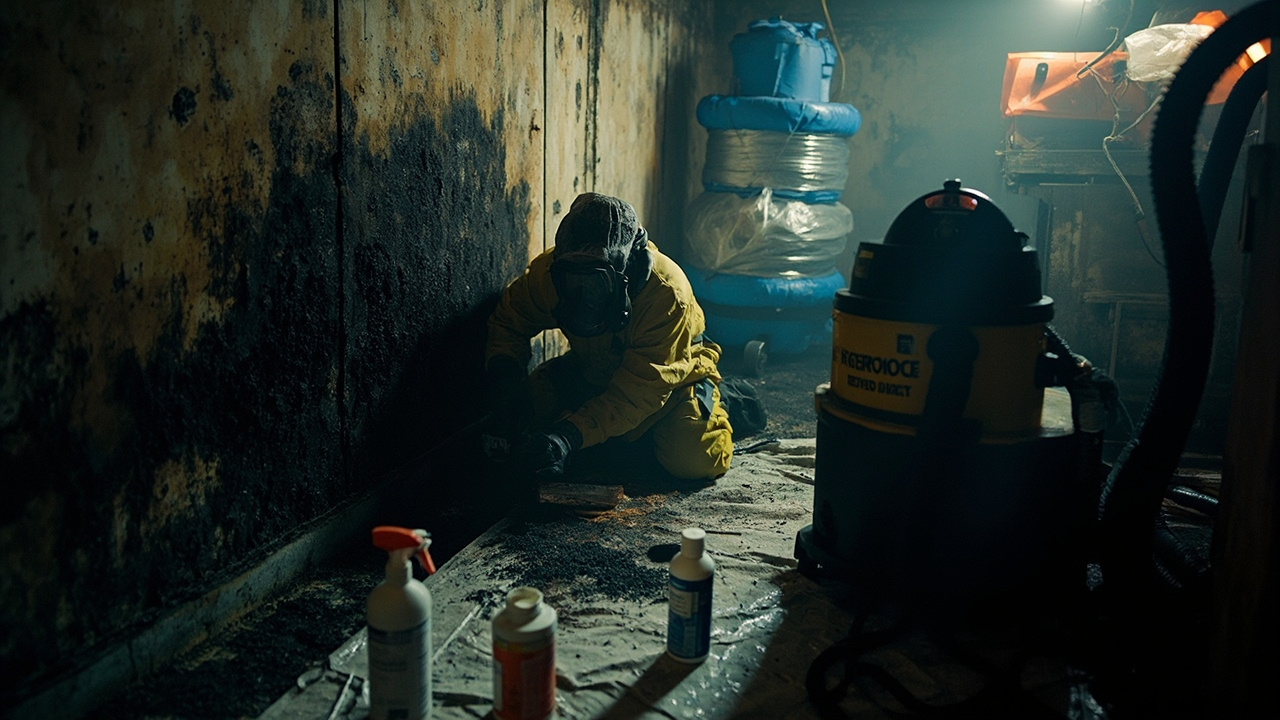
Our mold remediation process starts with containment. We seal off the affected area using 6-mil polyethylene sheeting and create negative air pressure with HEPA-filtered air scrubbers. This prevents cross-contamination to clean areas of your property. We measure airborne spore counts before and after remediation to confirm clearance levels meet EPA and IICRC S520 standards.

Next, we identify the moisture source. Mold is a symptom, not a disease. If a leaking supply line feeds the colony, we document it for your insurance claim and coordinate repairs. If groundwater seepage saturates your basement slab, we address drainage and waterproofing after mold abatement is complete. Treating mold without fixing the moisture intrusion guarantees it returns in 60 to 90 days.

We remove contaminated materials using controlled demolition techniques. Porous materials like drywall, insulation, and carpeting cannot be salvaged once mold penetrates beyond the surface. We bag and dispose of these materials following District of Columbia waste management protocols. Non-porous surfaces like metal ductwork and concrete get treated with antimicrobial solutions.

Final clearance testing involves third-party air sampling. We do not declare a job complete until lab results confirm spore counts match baseline levels for Washington, D.C. indoor air quality. This protects you and creates documentation if you need to disclose remediation work during a property sale.

What Happens During Professional Mold Cleanup Services

Mold Remediation & Removal in Washington, D.C. – IICRC-Certified Technicians Target the Source, Not Just the Symptoms
01

Inspection and Air Sampling

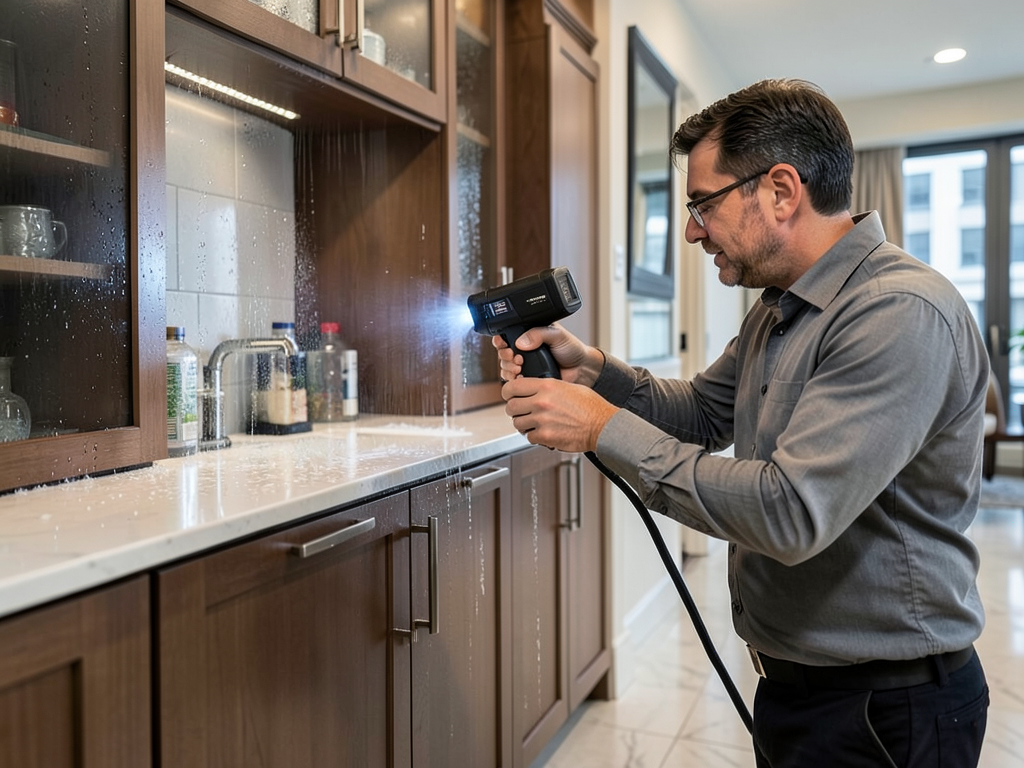
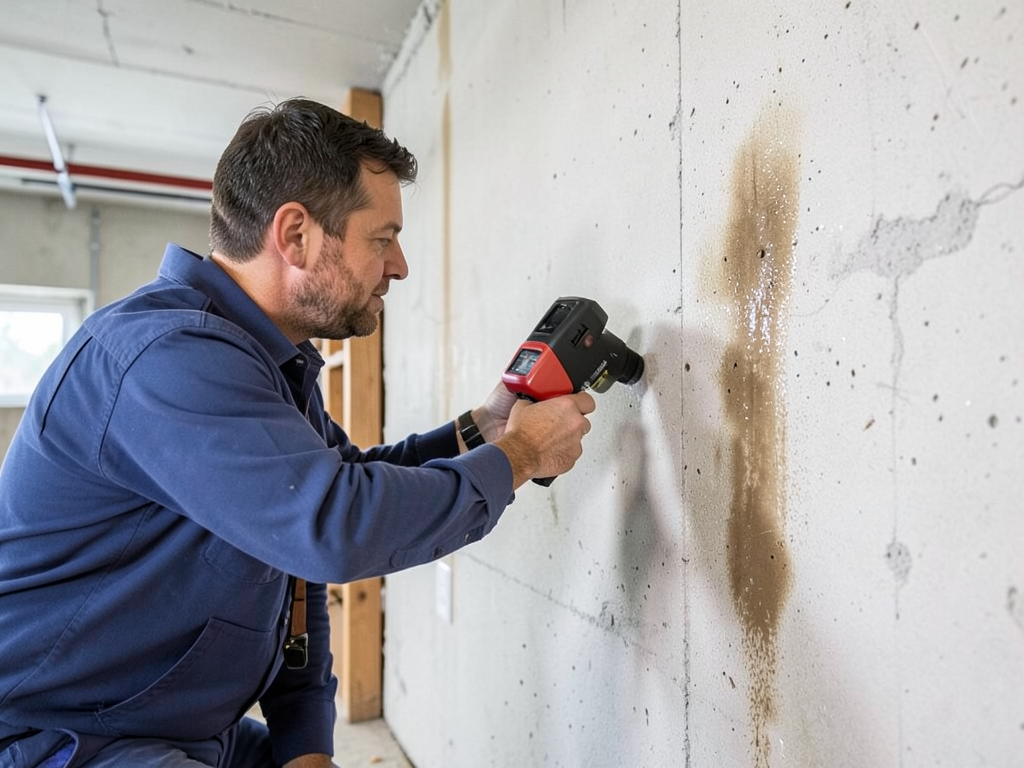
We start with a visual inspection using thermal imaging cameras to detect hidden moisture behind walls and ceilings. Our technicians collect air samples and surface swabs to identify mold species and concentration levels. This data determines the scope of containment and whether building materials can be saved or require removal. You receive a detailed remediation plan before we begin physical work.
02

Containment and Removal

We establish containment barriers using sealed plastic sheeting and negative air machines equipped with HEPA filters. This prevents spore migration during demolition. Contaminated materials get removed in sealed bags and disposed of per District regulations. Non-porous surfaces receive antimicrobial treatment using EPA-registered solutions. Air scrubbers run continuously to capture airborne particulates throughout the mold decontamination process.
03

Verification and Restoration

After physical removal, we conduct post-remediation air sampling through an independent laboratory. Spore counts must fall within normal ranges for Washington, D.C. indoor environments before we release containment. Once cleared, we begin reconstruction using mold-resistant drywall and antimicrobial paint. You receive lab reports, photo documentation, and a scope of work summary for insurance or future property disclosures.

Why Washington, D.C. Property Owners Trust Our Mold Mitigation Expertise

Washington, D.C. has strict building codes for historic properties and federal buildings. If your property sits in a designated historic district like Capitol Hill or Georgetown, you face additional compliance requirements during restoration. Our technicians understand these constraints and work within District preservation guidelines while executing thorough mold abatement.

We also navigate the insurance claims process that frustrates most property owners. Mold coverage depends on the cause of moisture intrusion. If a sudden pipe burst caused the growth, most policies cover it. If chronic humidity or deferred maintenance caused it, they often deny the claim. We document everything using moisture meters, thermal imaging, and detailed photo logs. This evidence helps your adjuster understand the timeline and classify the loss correctly.

Our team holds IICRC certifications in Applied Structural Drying and Mold Remediation. These credentials matter because mold mitigation intersects with water damage restoration. If we dry a flooded basement incorrectly, we create the conditions for mold growth in 48 to 72 hours. Our technicians monitor humidity levels, airflow patterns, and material moisture content throughout the drying process to prevent secondary mold contamination.

We serve residential and commercial properties across all eight wards of Washington, D.C. From Foggy Bottom condominiums to Anacostia rowhouses, we have remediated mold in every construction type the city offers. This experience matters when you encounter unusual building assemblies like terra cotta block walls or outdated HVAC systems with asbestos-wrapped ducts. We adapt our mold cleanup services to the reality of your structure without compromising safety or effectiveness.

What to Expect When You Call Reliance Water Damage Restoration Washington DC

Response Time and Availability

We dispatch technicians to Washington, D.C. properties within two hours of your call. Mold remediation is not always an emergency, but moisture intrusion is. If you discover mold after a flood or leak, we prioritize water extraction and structural drying first. This stops additional growth while we develop a mold abatement plan. Our teams work seven days a week because mold does not respect your schedule. Evening and weekend appointments are standard, not special requests.

Initial Assessment and Testing

Your assessment includes visual inspection, moisture mapping, and optional air sampling. We use non-invasive tools like infrared cameras to locate hidden moisture without demolishing walls. If you need lab confirmation of mold species for health concerns or legal reasons, we collect samples and send them to an accredited mycology lab. Results return in 48 to 72 hours. You receive a written scope of work with material removal plans, containment strategies, and estimated timelines before we begin physical mold decontamination.

Final Results and Documentation

We do not consider the job complete until post-remediation air sampling confirms clearance. You receive lab reports showing before and after spore counts, photo documentation of all work performed, and disposal receipts for contaminated materials. This documentation protects you during property sales and provides proof of professional mold mitigation if future buyers request disclosure. We also provide recommendations to prevent recurrence, including dehumidification strategies and moisture control upgrades.

Prevention and Maintenance Plans

Mold returns if moisture problems persist. We offer post-remediation consultations to identify long-term solutions like improved ventilation, basement waterproofing, or HVAC upgrades. For commercial properties, we develop maintenance protocols that include regular humidity monitoring and seasonal inspections of high-risk areas like mechanical rooms and below-grade storage. These proactive measures cost less than repeated mold cleanup services and protect indoor air quality for tenants and employees.

Frequently Asked Questions

You Have Questions,
We Have Answers

What is the difference between mold removal and mold remediation? +

Mold removal means physically cleaning visible mold from surfaces. Mold remediation is a complete process that identifies the moisture source, contains the affected area, removes contaminated materials, treats surfaces with antimicrobial agents, and prevents future growth. In Washington, D.C., where high humidity and aging infrastructure create chronic moisture problems, removal alone fails because it ignores the root cause. Remediation addresses the entire problem. Professional remediation includes air filtration, HEPA vacuuming, and moisture control strategies tailored to your property. You need remediation, not just removal, to protect your home long-term.

How much should mold remediation cost? +

Mold remediation costs vary based on the affected square footage, contamination level, and accessibility. Small bathroom projects may run lower, while extensive basement or crawlspace work costs more. In Washington, D.C., older row homes with hidden water intrusion behind brick facades often require invasive work that increases costs. Structural drying, HEPA air scrubbing, containment barriers, and disposal fees all factor in. Insurance may cover remediation if the mold resulted from a covered water loss. Request a detailed estimate that breaks down labor, equipment, materials, and testing to understand what you are paying for.

Is professional mold removal worth it? +

Professional mold removal is worth it when contamination exceeds 10 square feet or impacts HVAC systems, structural materials, or hidden cavities. DIY attempts in Washington, D.C. homes often fail because you cannot see mold behind plaster walls or under hardwood floors without proper moisture meters and thermal imaging. Professionals use containment barriers to prevent cross-contamination, HEPA filtration to capture airborne spores, and antimicrobial treatments that penetrate porous materials. If you have health symptoms, visible growth, or recurrent moisture problems, professional remediation protects your investment and your family's respiratory health.

Can mold be fully removed from a house? +

Mold can be fully removed from non-porous surfaces like glass, metal, and tile through proper cleaning and disinfection. Porous materials like drywall, insulation, and carpet padding often require removal and replacement because mold penetrates deep into fibers. In Washington, D.C., where many homes have plaster walls and wood framing, remediation focuses on eliminating active growth and controlling moisture to prevent recurrence. Mold spores exist everywhere in the environment. The goal is reducing indoor spore counts to normal outdoor levels and eliminating the moisture conditions that allow colonization.

Why is mold remediation so expensive? +

Mold remediation costs reflect specialized labor, equipment, containment protocols, and disposal requirements. Technicians need respiratory protection, negative air machines with HEPA filters, moisture meters, antimicrobial agents, and containment barriers to prevent spore spread. In Washington, D.C., work often involves navigating tight row home layouts, removing historic materials carefully, and coordinating with insurance adjusters. Contaminated materials become hazardous waste requiring proper disposal. Testing before and after remediation adds cost. The expense protects your health and prevents structural damage that costs far more to repair if mold spreads unchecked through building cavities.

How long should you stay out of house after mold remediation? +

You can typically re-enter your home immediately after professional mold remediation if clearance testing confirms spore counts returned to normal levels. Most projects take one to three days depending on scope. In Washington, D.C., where humidity rebounds quickly, technicians should verify moisture levels dropped below 60 percent and all surfaces dried completely. If you have respiratory conditions or immune compromise, wait for written clearance from an independent tester. Your contractor should provide documentation showing post-remediation air quality meets industry standards before you move back in.

Can I remediate mold myself? +

You can remediate small areas under 10 square feet yourself if the mold is surface-level on non-porous materials and you have no health conditions. Wear an N95 respirator, gloves, and eye protection. Use detergent and water, not bleach, which does not penetrate porous surfaces. In Washington, D.C., where mold often hides behind walls due to brick moisture intrusion or plumbing leaks, DIY work risks spreading spores and missing the source. If you see recurrent growth, smell musty odors, or find water damage, hire a professional with moisture meters and containment equipment.

What are signs of mold exposure? +

Mold exposure causes respiratory symptoms including coughing, wheezing, throat irritation, and nasal congestion. You may experience headaches, fatigue, skin rashes, or eye irritation. People with asthma or allergies face worse reactions. In Washington, D.C., where high indoor humidity amplifies mold growth, symptoms often worsen during humid months or after rain events. If multiple family members develop unexplained respiratory issues or symptoms improve when you leave the house, investigate for hidden mold. Chronic exposure can lead to serious respiratory infections. Address moisture problems immediately if you notice these warning signs.

Is mold remediation tax deductible? +

Mold remediation is tax deductible if you use the property for business or rental purposes. Residential homeowners cannot deduct remediation costs unless the work qualifies as a medical expense exceeding 7.5 percent of adjusted gross income with physician documentation linking mold to a diagnosed condition. In Washington, D.C., landlords can deduct remediation as a repair expense or capitalize it as an improvement depending on scope. Insurance reimbursements reduce your deductible amount. Consult a tax professional familiar with D.C. regulations to determine eligibility and proper documentation requirements for your specific situation.

What kills mold permanently? +

Nothing kills mold permanently because spores exist everywhere in the environment. Professional remediation removes active growth, treats surfaces with antimicrobial agents like quaternary ammonium compounds or botanical disinfectants, and eliminates moisture sources to prevent regrowth. In Washington, D.C., where humidity and aging infrastructure create constant moisture challenges, permanent prevention requires controlling indoor humidity below 60 percent, fixing leaks promptly, improving ventilation, and using dehumidifiers in basements. HEPA filtration during remediation captures airborne spores. Success depends on moisture control, not just chemical treatment. Fix the water problem or mold returns.

How Washington, D.C.'s Aging Infrastructure and Historic Buildings Complicate Mold Remediation

Washington, D.C. has more than 30,000 properties listed in the National Register of Historic Places. Many were built between 1880 and 1920 using construction methods that trap moisture. Solid masonry walls lack vapor barriers. Basements have dirt floors or lime mortar foundations that wick groundwater. Attics have minimal ventilation because they were designed before modern building science understood moisture dynamics. When you combine these structural vulnerabilities with the District's 40 inches of annual rainfall and summer humidity, you create persistent mold problems that require specialized mold abatement techniques.

Local expertise matters when remediating mold in Washington, D.C. properties. Our technicians understand the difference between treating a 1920s Capitol Hill rowhouse and a modern Columbia Heights condominium. We know which materials can be salvaged and which require removal based on construction type. We coordinate with the Historic Preservation Office when work affects protected properties. This local knowledge prevents compliance issues and ensures your professional mold removal meets both health standards and preservation requirements.
Water Damage Restoration Services in The Washington DC Area

While we primarily offer mobile, on-site water damage restoration services throughout Washington D.C., you can view our main operational hub and service area on the map below. We are strategically located to ensure rapid deployment and efficient response times to all emergencies across the region, bringing our expert services directly to your property wherever you are within our service footprint.

Address:
Reliance Water Damage Restoration Washington DC, 200 Massachusetts Ave NW, Washington, DC, 20001

Additional Services We Offer

Our news updates

Latest Articles & News from The Blogs

Why Your New Condo at The Wharf Might Experience Balcony Drainage Flooding Living in a luxury condo at The Wharf…

Why Your New Condo at The Wharf Might Experience Balcony Drainage Flooding

Why Your New Condo at The Wharf Might Experience Balcony Drainage Flooding Living in a luxury condo at The Wharf…

Dealing with Potomac River Seepage in Your Georgetown Waterfront Retail Space

Dealing with Potomac River Seepage in Your Georgetown Waterfront Retail Space Georgetown's waterfront retail spaces face unique water damage risks…

What Every DC Homeowner Needs in a Flood Emergency Kit Before the Next Storm Hits

What Every DC Homeowner Needs in a Flood Emergency Kit Before the Next Storm Hits Washington DC homeowners face unique…

Contact Us

Mold colonies double in size every 48 to 72 hours under ideal conditions. Call Reliance Water Damage Restoration Washington DC at (771) 223-8077 right now for same-day assessment and containment. We serve all Washington, D.C. neighborhoods with IICRC-certified mold remediation that eliminates the problem permanently.