




Washington, D.C. sits at the confluence of the Potomac and Anacostia rivers in a humid subtropical zone. Summer dew points regularly exceed 65 degrees, which means the air holds enough moisture to condense on cool surfaces like basement walls and HVAC ducts. Homes built before 1950, especially in neighborhoods like Capitol Hill and LeDroit Park, were constructed with solid masonry and no vapor barriers. Groundwater wicks through limestone foundations and saturates interior walls. When humidity climbs above 60 percent indoors, mold colonizes damp drywall, wood framing, and carpet backing. That microbial growth releases the musty smell you cannot eliminate with cleaning alone.
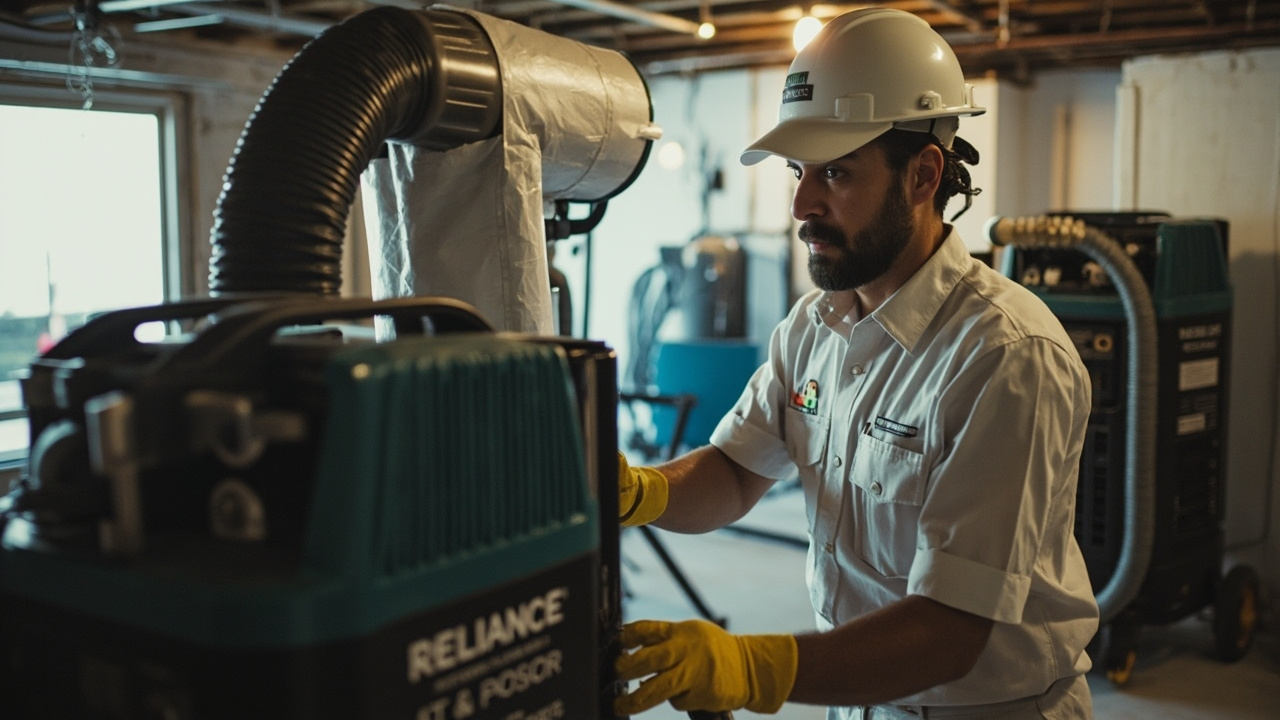
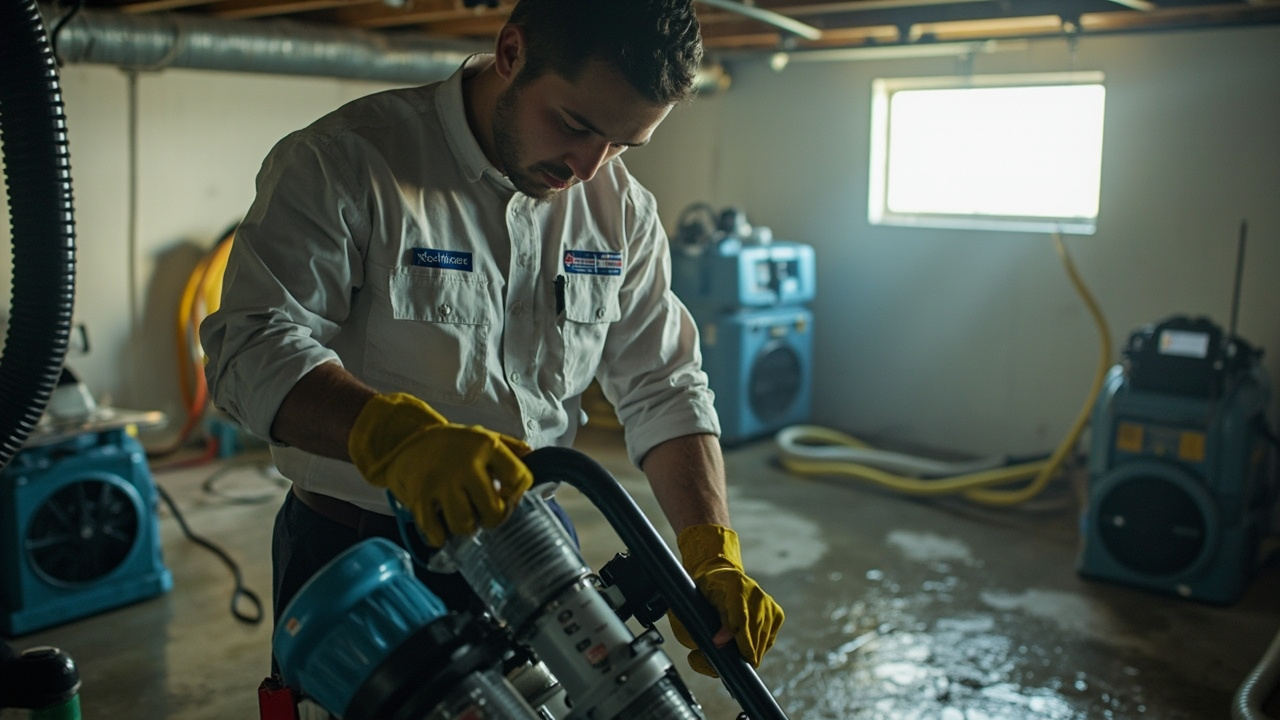
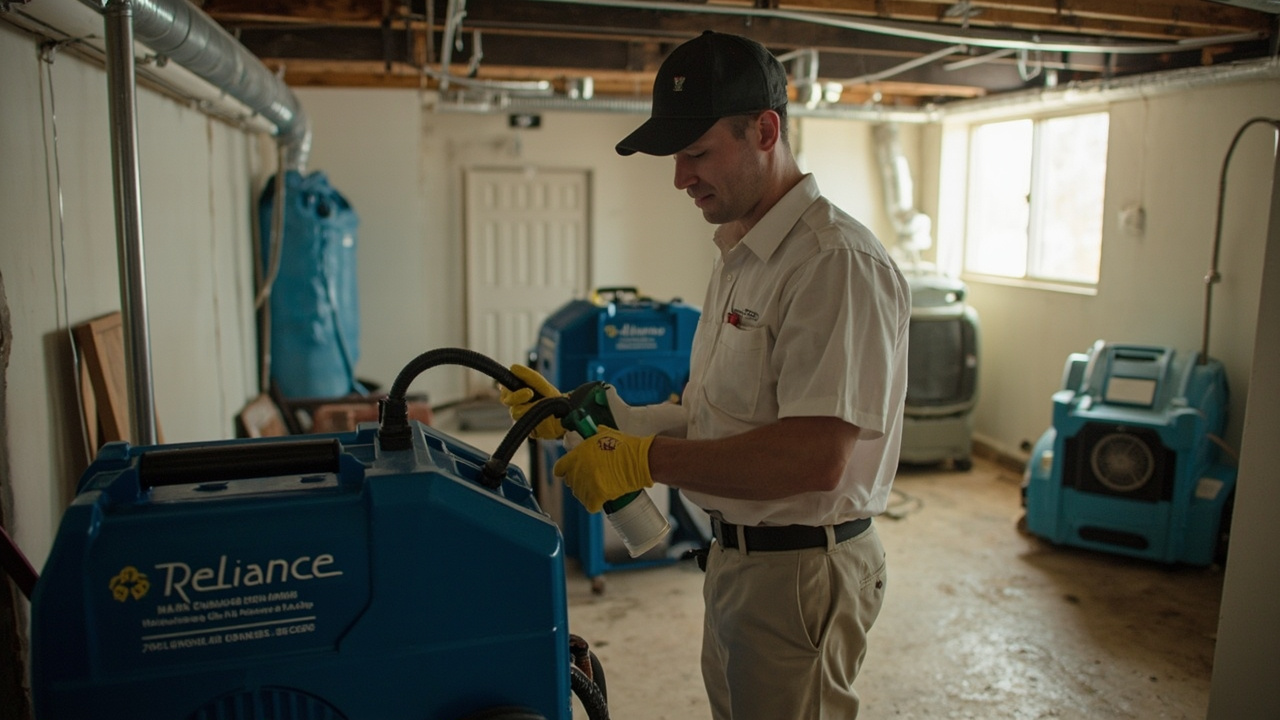
Reliance Water Damage Restoration Washington DC understands the unique moisture challenges of the District's older housing stock. We have remediated odor problems in row houses from Shaw to Brookland, in English basements in Georgetown, and in garden-level apartments near Union Station. We know that party walls between attached homes often lack through-wall flashing, allowing water to migrate laterally. We know that alley homes flood during heavy rains because they sit below street grade. Local expertise matters when diagnosing moisture intrusion. A national franchise may follow a checklist, but they miss the nuances of D.C.'s building typologies and microclimates.