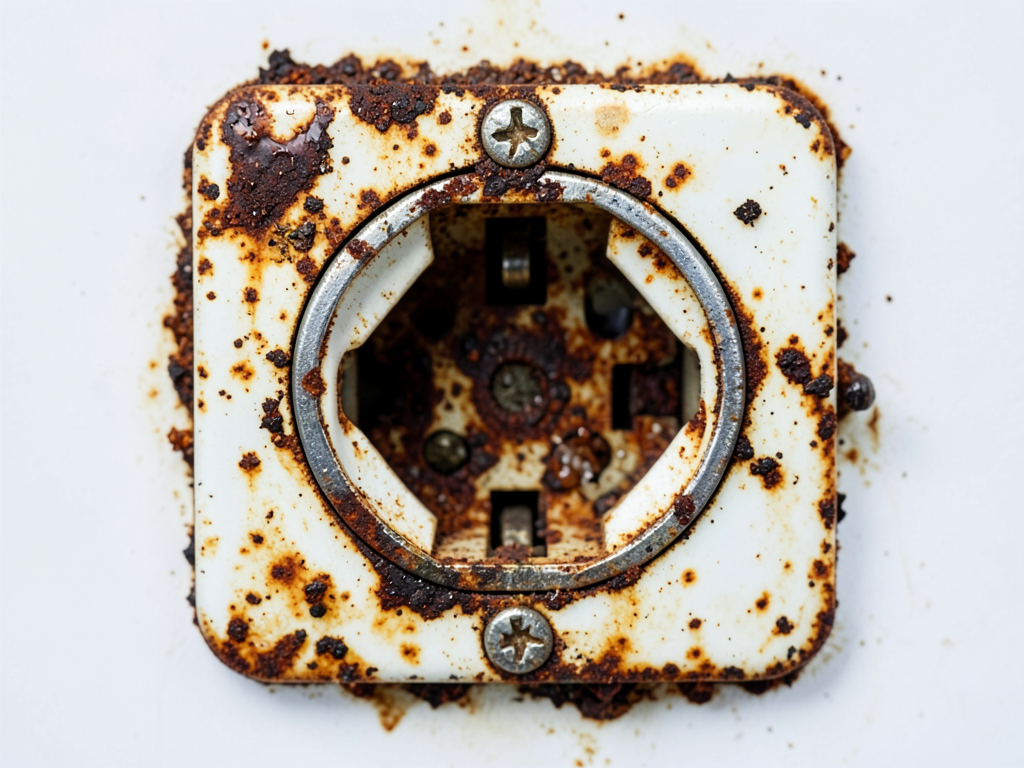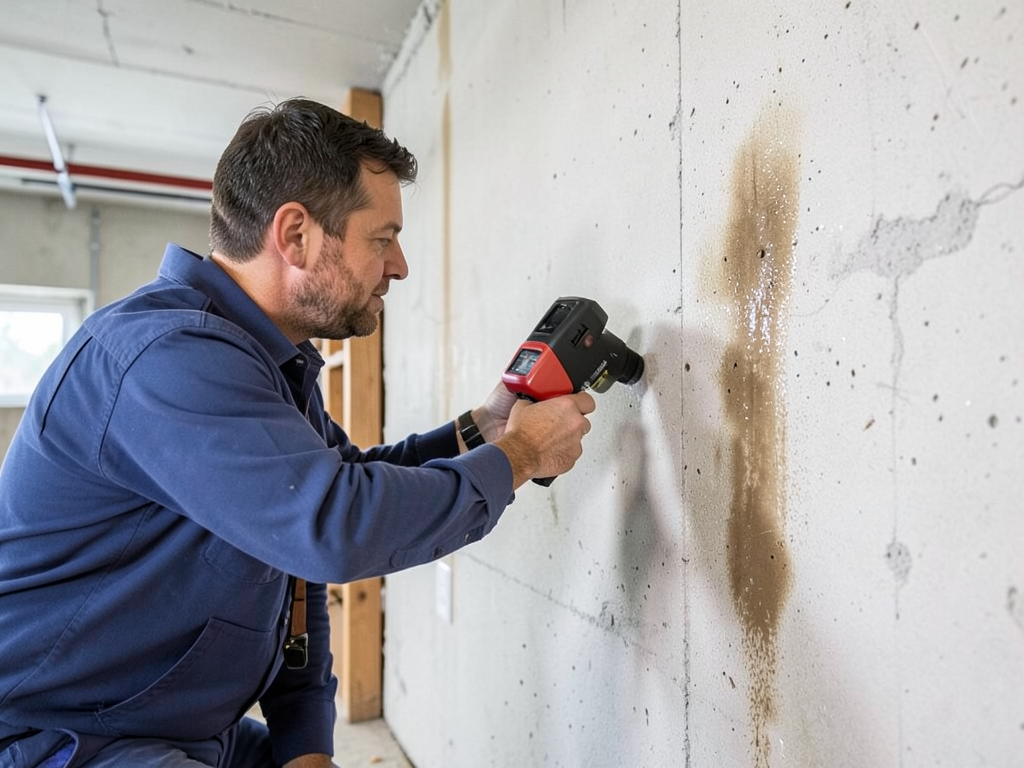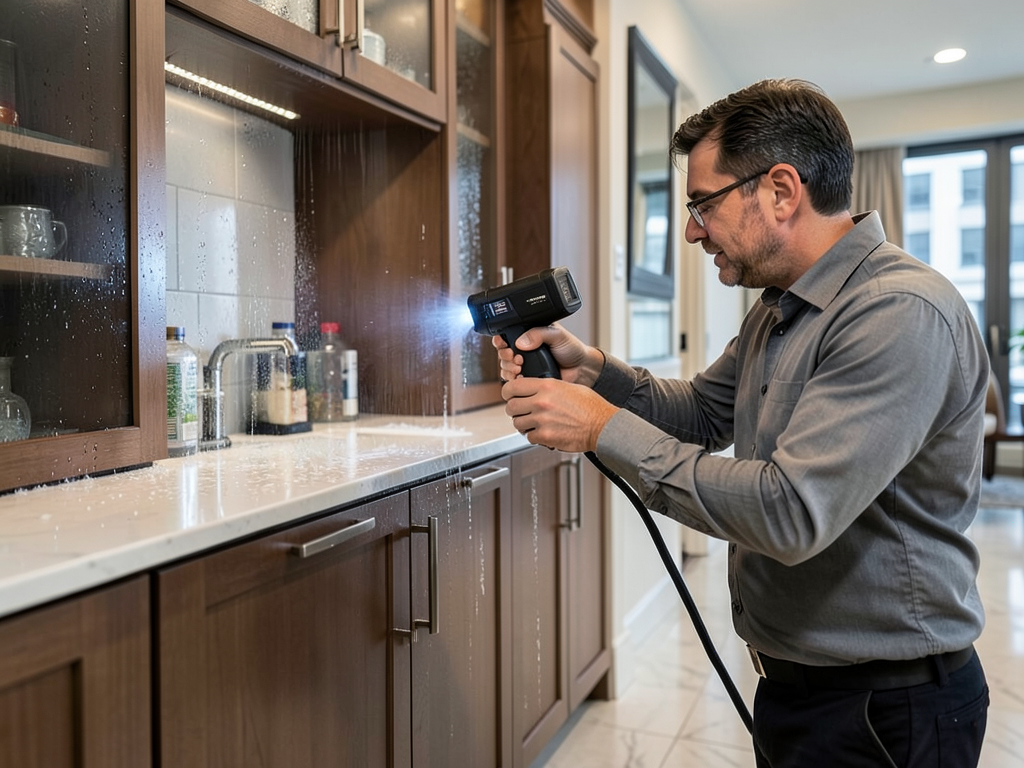







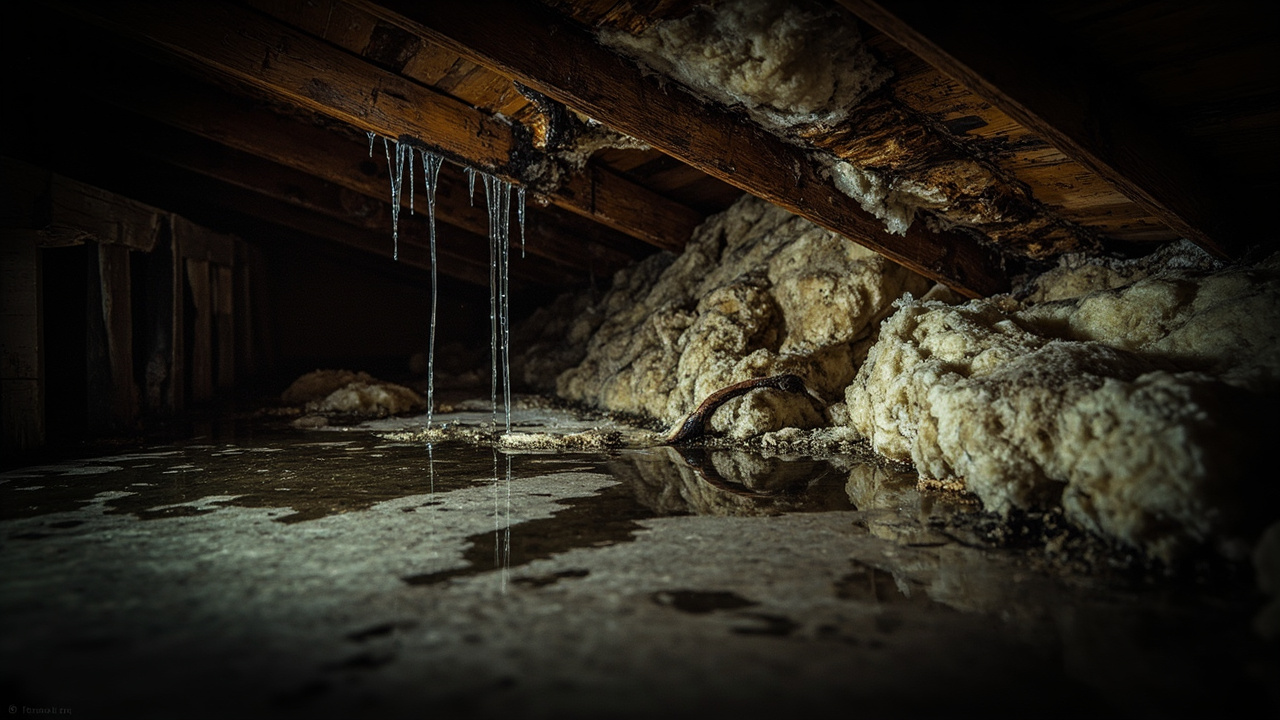
The District sits at the intersection of humid subtropical and temperate climates, with average relative humidity above 70 percent during summer months. This moisture-saturated air infiltrates attics and crawl spaces through soffit vents, ridge vents, and foundation cracks. When that humid air contacts cooler surfaces like insulation during temperature swings, condensation forms. A single summer thunderstorm can deposit two inches of rain in an hour, overwhelming gutters and sending water cascading into attic spaces through compromised flashing. The clay-heavy soil throughout Washington, D.C. expands when wet and contracts when dry, creating foundation movement that cracks slabs and allows groundwater to wick into crawl spaces. That rising moisture saturates floor insulation from below, creating the soggy, mold-friendly conditions that destroy thermal performance and indoor air quality.
Water damage restoration in the District requires familiarity with both modern building codes and historic construction methods. Homes built before 1950 often lack vapor barriers, use horsehair plaster that absorbs moisture, and feature balloon framing that creates vertical moisture migration paths. We work daily with these construction types in neighborhoods from Shaw to Kalorama. Our technicians understand the District's permit requirements for structural work and coordinate with DCRA inspectors when projects require compliance verification. You are not hiring someone who learned the trade in a different climate zone. You are working with professionals who understand how the Anacostia floodplain, Rock Creek watershed, and Potomac River dynamics affect local moisture patterns and building performance.