




Menu

Hardwood Floor Water Damage in Washington, D.C. | Rapid Extraction and Structural Drying to Save Your Floors

We deploy professional-grade moisture meters and air movers within hours to halt wood floor cupping, warping, and subfloor rot before permanent hardwood floor water damage sets in across D.C. homes and businesses.

Slider Image 1
Slider Image 2
Slider Image 3
Slider Image 4
Slider Image 5
Slider Image 7
Slider Image 8
Slider Image 9
Slider Image 10
Slider Image 11

Why Water Damaged Wood Floors Are a Crisis in D.C.'s Climate

Washington, D.C. sits in a humid subtropical zone where relative humidity regularly spikes above 70 percent from May through September. When a supply line bursts or a sump pump fails in Capitol Hill or Dupont Circle, that moisture does not just sit on your wet hardwood flooring. It migrates downward through tongue-and-groove joints and saturates the subfloor beneath.

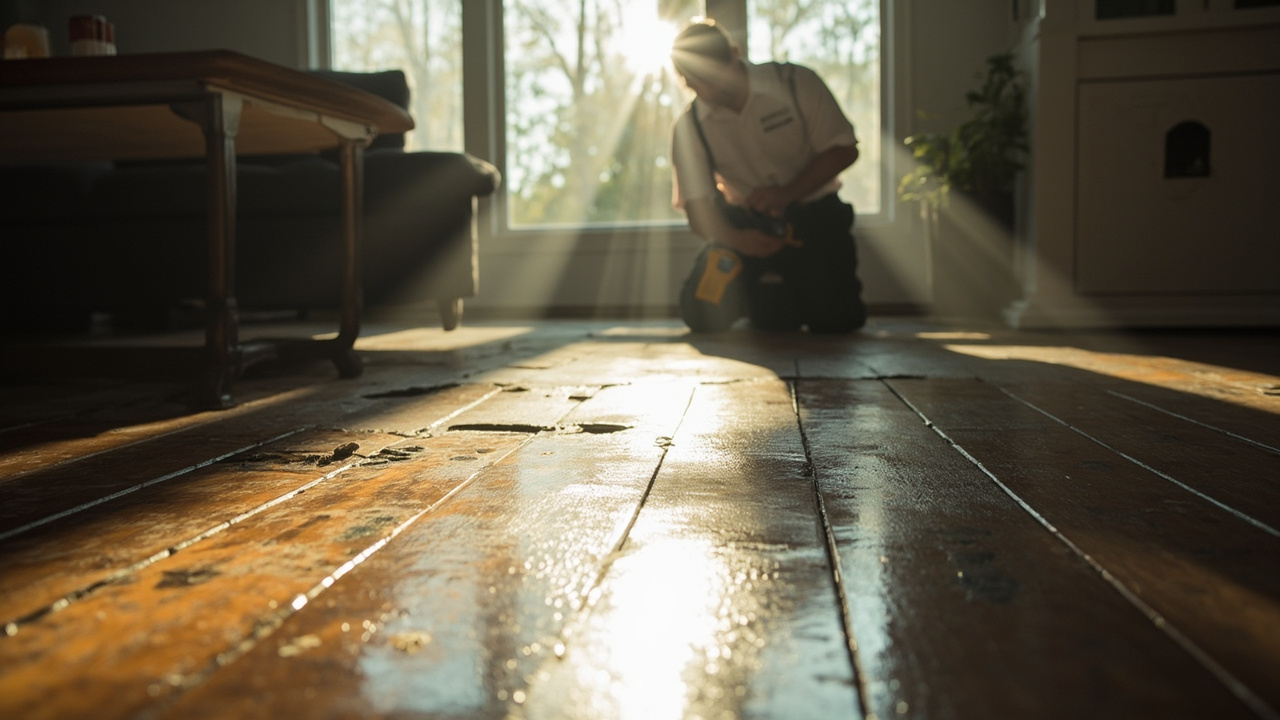
The District's old housing stock compounds the problem. Rowhouses in Shaw and Mount Pleasant were often built with oak or pine flooring nailed directly to joists with minimal vapor barriers. When water pools on these floors, capillary action pulls moisture deep into the wood grain. Within 48 hours, you see hardwood floor cupping, where plank edges lift higher than the center. If the water sits longer, the boards crown, buckle, or delaminate completely.

Drying hardwood floors is not as simple as running a box fan. You need controlled dehumidification that pulls moisture from the air while ensuring the wood dries at a uniform rate. Dry the surface too fast and the core stays wet, leading to mold colonization between the subfloor and finish floor. The Potomac River's proximity adds ambient humidity that slows natural evaporation, which is why professional wood floor water damage repair in D.C. requires environmental controls most homeowners do not own.

If you ignore early cupping or dismiss a damp smell as temporary, you risk structural failure of floor joists and microbial growth that compromises indoor air quality. Water damaged wood floors degrade quickly in this region, and the window for salvage is narrow.

Why Water Damaged Wood Floors Are a Crisis in D.C.'s Climate
Our Water Extraction and Controlled Drying Protocol

Our Water Extraction and Controlled Drying Protocol

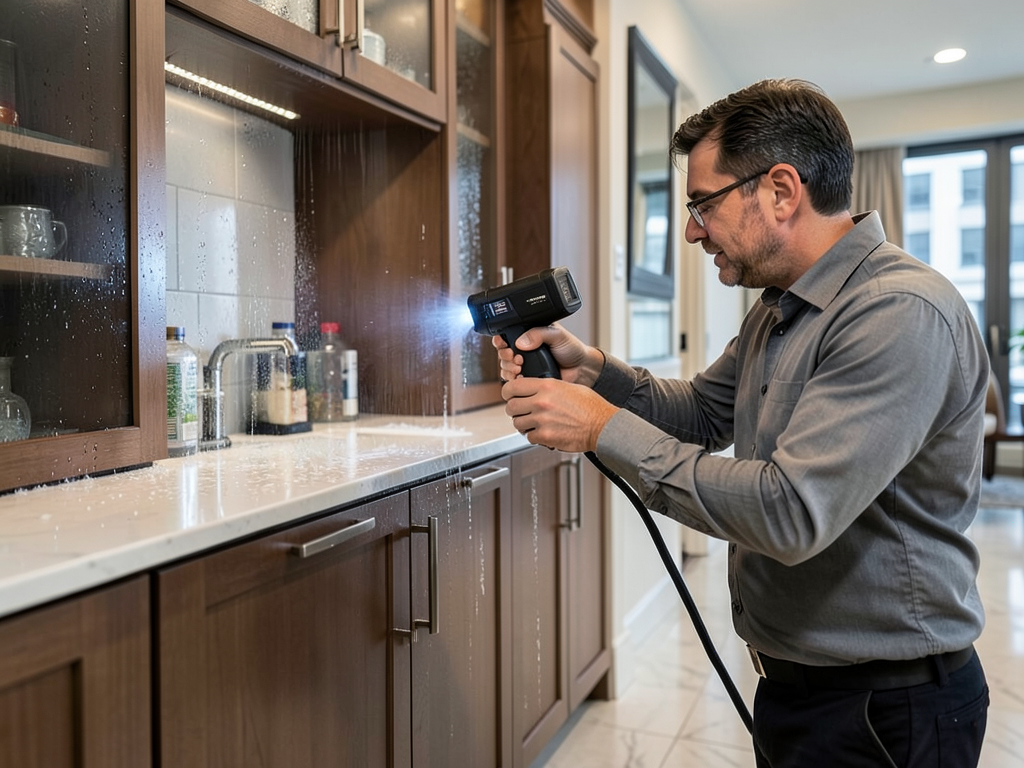
We start every hardwood floor water damage job with infrared thermography to map subsurface moisture gradients. A floor may look dry on top while the subfloor holds two gallons of water per square foot. We document moisture content using pin-type and non-invasive meters calibrated to oak, maple, and exotic species common in Georgetown and Kalorama homes.

Extraction comes first. We use truck-mounted or portable extraction units to pull standing water, then deploy low-grain refrigerant dehumidifiers that drop ambient humidity below 40 percent. This creates a vapor pressure differential that pulls moisture from the wood into the air, where our equipment captures it. We position axial air movers at 45-degree angles to the floor surface to accelerate evaporation without over-drying the top veneer.

For engineered hardwood, which has a thin wear layer bonded to plywood, we adjust airflow and dehumidification rates. Over-drying engineered products causes delamination. For solid 3/4-inch red oak, we can be more aggressive. We monitor moisture levels every 12 hours and adjust equipment placement as readings change.

If the subfloor is plywood or OSB, we often remove base molding and drill small weep holes to ventilate the cavity between the subfloor and hardwood. This prevents trapped moisture from feeding mold. We also inject antimicrobial agents if the water source was contaminated, such as a washing machine overflow or toilet supply line.

Our drying protocol follows IICRC S500 standards, which specify target moisture content levels for different wood species and subfloor materials. We do not call a job complete until readings stabilize at or below 12 percent moisture content for the finish floor and subfloor.

How We Restore Your Wet Hardwood Floors

Hardwood Floor Water Damage in Washington, D.C. | Rapid Extraction and Structural Drying to Save Your Floors
01

Emergency Water Removal

Within two hours of your call, our team arrives with extraction wands and submersible pumps to remove standing water from the floor surface. We pull baseboards if needed to access water trapped along wall edges. Speed here prevents the wood from absorbing more moisture than it can release, which is the difference between cupping and total replacement.
02

Subfloor Moisture Mapping

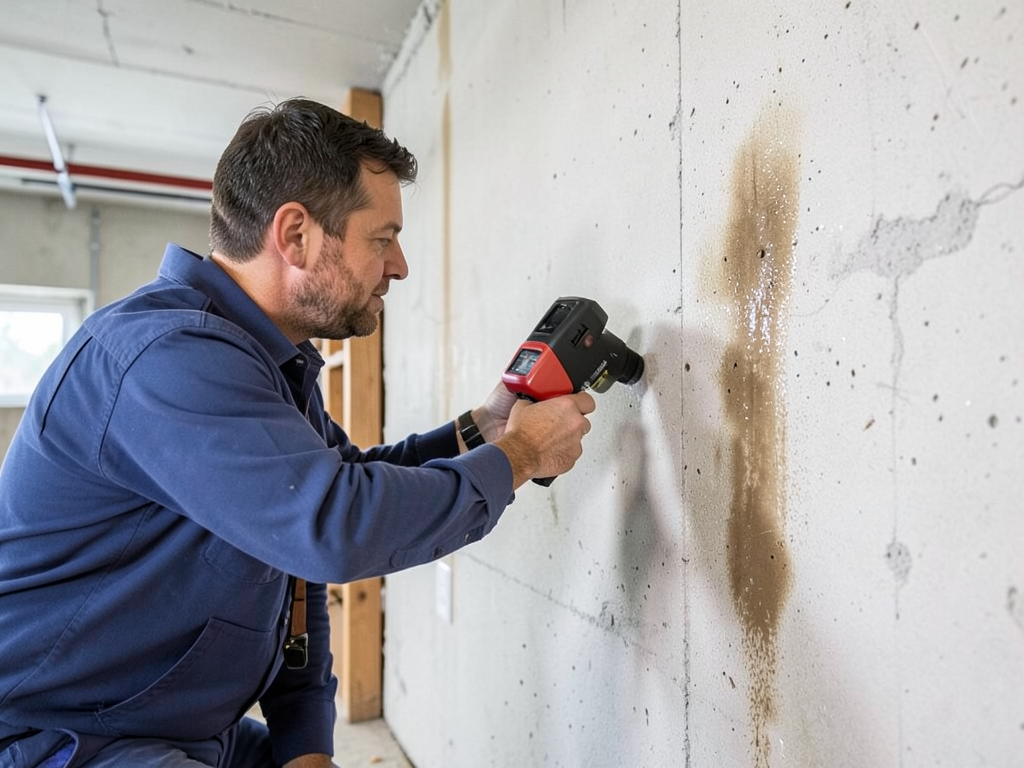
We use thermal imaging cameras and penetrating moisture meters to identify hidden water pockets beneath the hardwood. Many D.C. homes have plank subfloors or diagonal sheathing that traps water in dead air spaces. We document these moisture signatures with photos and create a drying map that guides equipment placement and tells us where to monitor daily.
03

Controlled Structural Drying

We run commercial dehumidifiers and air movers 24/7, adjusting settings based on moisture meter readings and psychrometric calculations. The goal is gradual, uniform drying that prevents cracking, checking, or permanent cupping. We continue drying until the floor and subfloor reach equilibrium moisture content, which typically takes three to seven days depending on wood species and saturation depth.

Why D.C. Homeowners Trust Us for Wood Floor Water Damage Repair

Reliance Water Damage Restoration Washington DC has restored hardwood floors in hundreds of District rowhouses, condos, and historic properties from Logan Circle to Cleveland Park. We understand the construction nuances of pre-war homes where floors were installed without moisture barriers and where basement slab leaks can wick moisture up through brick foundation walls.

We also know D.C.'s insurance landscape. Many homeowners carry policies through USAA, State Farm, or Allstate, and we work directly with adjusters to document the full scope of water damage. We provide detailed moisture logs, thermal images, and psychrometric charts that satisfy claims requirements and prevent disputes over covered losses.

Our technicians are trained in the IICRC Water Damage Restoration and Applied Structural Drying certifications, which means we follow science-based drying protocols rather than guesswork. We do not just set up fans and hope for the best. We calculate grains per pound, monitor dew points, and adjust equipment to match real-time environmental conditions.

For historic homes in Capitol Hill or Foggy Bottom, we take extra care with original hardwood. Quarter-sawn white oak and heart pine flooring from the 1920s cannot be replaced if ruined. We use mat drying systems and injectidry panels that pull moisture without disturbing the finish or patina. If cupping has already occurred, we often recommend waiting 30 days post-drying before sanding or refinishing, as some boards will self-correct once equilibrium moisture content is restored.

You will not get this level of care from a general contractor or a franchise restoration company. We live and work in the District, and we treat your floors the way we would treat our own.

What Happens When You Call Us for Wet Hardwood Flooring

Same-Day Emergency Response

We dispatch a crew to your property within two hours of contact, even on weekends and holidays. Water does not wait, and neither do we. Our trucks carry extraction units, moisture meters, and drying equipment so we can start mitigation immediately. The faster we remove water and begin controlled drying, the better your chance of saving the hardwood without sanding or replacement. Call (771) 223-8077 and you will speak to a technician, not an answering service.

Detailed Moisture Assessment

Before we place a single piece of equipment, we map your floor's moisture profile using infrared cameras and calibrated meters. We test the finish floor, subfloor, and underlying joists to understand where water has traveled. This diagnostic phase takes 30 to 45 minutes and produces a written report with moisture readings, photos, and a drying plan. We share this documentation with you and your insurance adjuster so everyone understands the scope and expected timeline.

Salvage-Focused Restoration

Our goal is to save your existing hardwood whenever possible. We adjust drying speeds based on wood species, plank thickness, and finish type to prevent warping or surface damage. Most jobs reach target moisture levels within five to seven days. After drying, we inspect for residual cupping or crowning. Minor imperfections often flatten on their own after a few weeks. If sanding is necessary, we coordinate with trusted floor refinishers who specialize in historic and high-end installations.

Post-Drying Monitoring and Guidance

We do not just pull our equipment and disappear. We return 48 hours after drying completion to take final moisture readings and confirm the floor has stabilized. We provide written recommendations on when to refinish, what humidity levels to maintain, and how to prevent future water intrusion. If your floor develops secondary issues like mold or persistent odor, we address those under the original scope. You also receive a moisture log and thermal images for your records.

Frequently Asked Questions

You Have Questions,
We Have Answers

Will a swollen wood floor go back to normal? +

Sometimes. Swollen hardwood floors may return to normal if you catch the problem fast and dry them correctly. In Washington, D.C., high humidity complicates drying, especially in older row houses with poor ventilation. Minor swelling from quick clean-up events often resolves within a few weeks as wood releases moisture. Severe swelling from prolonged exposure causes permanent cupping, warping, or buckling. You need professional extraction equipment and dehumidifiers to pull moisture uniformly. Do not wait. The longer water sits, the less likely your floors recover. Assess damage within 24 hours and start drying immediately to improve your chances.

What happens if hardwood floors get wet? +

Water causes wood floors to absorb moisture, swell, and distort. You will see cupping where edges rise higher than centers, or buckling where planks lift entirely. Prolonged exposure allows mold growth underneath and rot in the subfloor. Washington, D.C. homes with original hardwoods in Capitol Hill or Georgetown face higher risk because older floors often lack vapor barriers. Finish coatings blister and peel. Staining appears as dark patches. The damage escalates fast in humid conditions. Remove standing water immediately, dry the area with air movers and dehumidifiers, and inspect the subfloor for structural compromise before deciding on repair or replacement.

How to flatten a wood floor after water damage? +

Flattening water-damaged hardwood requires controlled drying and sometimes sanding or replacement. First, extract all moisture using commercial dehumidifiers and air movers. Do not rush this step. Monitor moisture levels with a wood moisture meter until readings drop to 6-9 percent, matching Washington, D.C. climate norms. If boards remain cupped after drying, wait several weeks for natural acclimation. Minor cupping often self-corrects. Persistent distortion requires sanding the surface flat once moisture stabilizes. Severe buckling or warping means you must replace affected planks. Never sand wet or damp floors. You will cause more damage and void any insurance claims.

How long does it take for water to damage wood floors after? +

Water damages wood floors within hours. Surface moisture begins absorption in 30-60 minutes. Visible swelling and cupping appear within 2-6 hours. In Washington, D.C., basement-level hardwoods or first-floor installations near the Potomac floodplain absorb moisture faster due to ambient humidity. After 24 hours, mold spores colonize damp wood and subflooring. After 48-72 hours, structural damage sets in, including rot and permanent warping. Speed matters. Extract standing water immediately and begin drying within the first hour. The faster you act, the more likely you save your floors without replacement. Delayed response almost guarantees costly repairs.

How much does it cost to repair a water damaged hardwood floor? +

Costs vary widely based on damage extent and floor type. Minor repairs like spot sanding and refinishing run a few hundred dollars per room. Moderate damage requiring plank replacement and subfloor drying costs more. Severe cases involving subfloor replacement, mold remediation, and full floor reinstallation reach higher totals. Washington, D.C. labor rates and historic home complications increase costs. Factors include square footage, wood species, finish type, and insurance coverage. Get a moisture assessment first. Many homeowners waste money on surface fixes while hidden subfloor damage spreads. Request detailed estimates from certified restoration contractors before committing to repairs.

Can you repair water damaged wood floors? +

Yes, you can repair water-damaged wood floors if you act fast. Minor surface damage responds well to drying, sanding, and refinishing. Moderate cupping or warping requires plank replacement and subfloor inspection. Severe structural damage demands full removal and reinstallation. In Washington, D.C., older homes with tongue-and-groove oak floors repair easier than engineered products, which delaminate when wet. Success depends on moisture exposure time and thoroughness of drying. Always inspect the subfloor for rot and mold. Skipping this step leads to recurring problems. Professional restoration crews use moisture meters and infrared cameras to assess hidden damage you cannot see.

What do water damaged hardwood floors look like? +

Water-damaged hardwood floors show cupping where plank edges curl upward, creating a concave surface. Buckling makes entire boards lift and separate from the subfloor. You will see dark staining or discoloration in streaks or patches. Finish coatings blister, peel, or turn cloudy white. Warped boards twist or bow. Gaps appear between planks as wood swells unevenly. In Washington, D.C. row houses, you might notice musty odors from mold growth beneath floors. Feel for soft spots indicating rot. Check baseboards for water lines or mold. Early signs include subtle surface dulling and minor edge lifting. Ignore these, and damage accelerates.

What pulls moisture out of wood floors? +

Industrial dehumidifiers and air movers pull moisture from wood floors most effectively. Dehumidifiers extract water vapor from the air, lowering ambient humidity so wood releases trapped moisture. Air movers increase airflow across the surface, speeding evaporation. In Washington, D.C., where summer humidity exceeds 70 percent, you need commercial-grade equipment, not household fans. Desiccant dehumidifiers work best in cooler basements. Refrigerant models handle warmer spaces. Moisture meters track progress. Do not rely on opening windows. You will introduce more humidity. Professional restoration teams position equipment strategically and monitor moisture levels daily until floors stabilize at 6-9 percent moisture content.

Can mold grow under hardwood floors? +

Yes. Mold thrives under hardwood floors when moisture accumulates on subflooring or in crawlspaces. Water seeps through gaps, creating dark, damp conditions perfect for mold growth. Washington, D.C. homes near the Anacostia or Potomac rivers face higher risk due to groundwater and seasonal flooding. Mold appears as black, green, or white patches on joists and subfloor plywood. It spreads fast in 24-48 hours. You will smell musty odors before seeing visible growth. Ignoring mold causes health issues and structural rot. Inspect subflooring during any water damage event. Remove affected materials and treat with antimicrobial solutions before reinstalling hardwood.

How to unswell a wooden floor? +

Unswelling a wooden floor requires moisture extraction and patience. Remove standing water immediately. Place commercial dehumidifiers and air movers around the affected area. Run equipment continuously for 3-7 days, monitoring moisture levels with a wood moisture meter. In Washington, D.C., high ambient humidity slows drying, especially in older homes without HVAC. Target 6-9 percent moisture content. After drying, wait 2-4 weeks for wood to acclimate naturally. Minor swelling often reverses. Persistent cupping requires sanding once moisture stabilizes. Severe buckling means replacement. Never apply heat directly. You will crack boards and worsen damage. Professional drying prevents secondary issues like mold.

How D.C.'s Aging Infrastructure and Humidity Make Hardwood Floor Water Damage More Common

Many rowhouses in Adams Morgan, Columbia Heights, and H Street were built between 1900 and 1940, when plumbing codes were minimal and galvanized steel pipe was standard. These supply lines corrode from the inside out, and pinhole leaks often go unnoticed until water stains appear on hardwood floors. The District's humid summers also stress HVAC condensate lines, which clog and overflow onto wood flooring in closets or utility rooms. Because basements here are often damp due to the high water table near the Anacostia and Potomac rivers, moisture wicks upward through masonry foundations and saturates first-floor hardwood from below. These combined factors make wet hardwood flooring a chronic risk in older D.C. homes.

Restoration work in the District requires familiarity with D.C. Department of Consumer and Regulatory Affairs codes, especially when structural drying involves removing trim or accessing subfloors in historic districts. We operate under local permits when required and coordinate with Historic Preservation Review Board guidelines if your property is landmarked. Our technicians also understand the quirks of D.C.'s housing types, from English basements with poor drainage to Victorian-era homes with plaster walls that trap moisture. That local knowledge prevents mistakes that out-of-area contractors make, such as over-drying antique flooring or using invasive methods that violate preservation standards.
Water Damage Restoration Services in The Washington DC Area

While we primarily offer mobile, on-site water damage restoration services throughout Washington D.C., you can view our main operational hub and service area on the map below. We are strategically located to ensure rapid deployment and efficient response times to all emergencies across the region, bringing our expert services directly to your property wherever you are within our service footprint.

Address:
Reliance Water Damage Restoration Washington DC, 200 Massachusetts Ave NW, Washington, DC, 20001

Additional Services We Offer

Our news updates

Latest Articles & News from The Blogs

Why Your New Condo at The Wharf Might Experience Balcony Drainage Flooding Living in a luxury condo at The Wharf…

Why Your New Condo at The Wharf Might Experience Balcony Drainage Flooding

Why Your New Condo at The Wharf Might Experience Balcony Drainage Flooding Living in a luxury condo at The Wharf…

Dealing with Potomac River Seepage in Your Georgetown Waterfront Retail Space

Dealing with Potomac River Seepage in Your Georgetown Waterfront Retail Space Georgetown's waterfront retail spaces face unique water damage risks…

What Every DC Homeowner Needs in a Flood Emergency Kit Before the Next Storm Hits

What Every DC Homeowner Needs in a Flood Emergency Kit Before the Next Storm Hits Washington DC homeowners face unique…

Contact Us

Every hour counts when water soaks into your hardwood. Call Reliance Water Damage Restoration Washington DC at (771) 223-8077 now for same-day extraction and controlled drying. We serve all D.C. neighborhoods, and we answer 24/7. Do not let cupping turn into replacement.