



Menu

Server Room Water Damage in Washington, D.C. – Industrial-Grade Mitigation That Protects Your Uptime

When server room water damage threatens federal contractors, data centers, or corporate IT infrastructure in Washington, D.C., every second offline costs revenue and reputation. We deploy certified computer room water extraction protocols to minimize downtime and safeguard your mission-critical systems.

Slider Image 1
Slider Image 2
Slider Image 3
Slider Image 4
Slider Image 5
Slider Image 7
Slider Image 8
Slider Image 9
Slider Image 10
Slider Image 11

Water Intrusion in Server Environments Is a Code Red Event

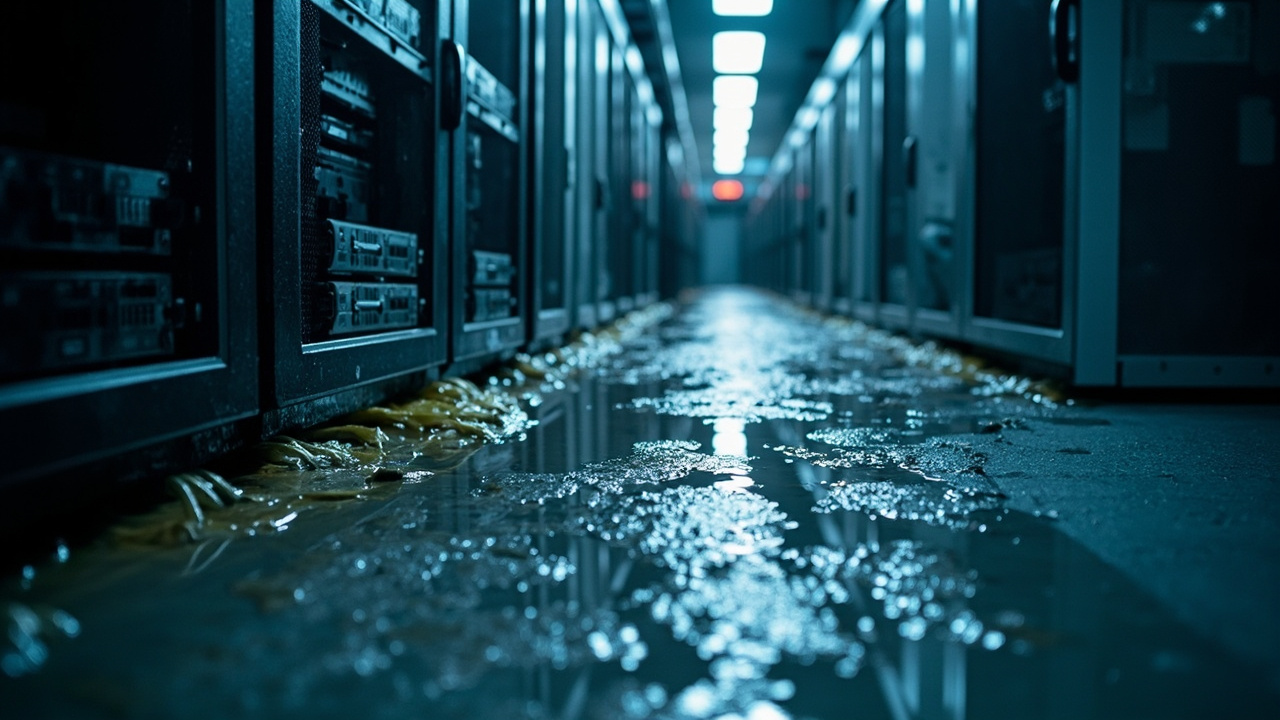
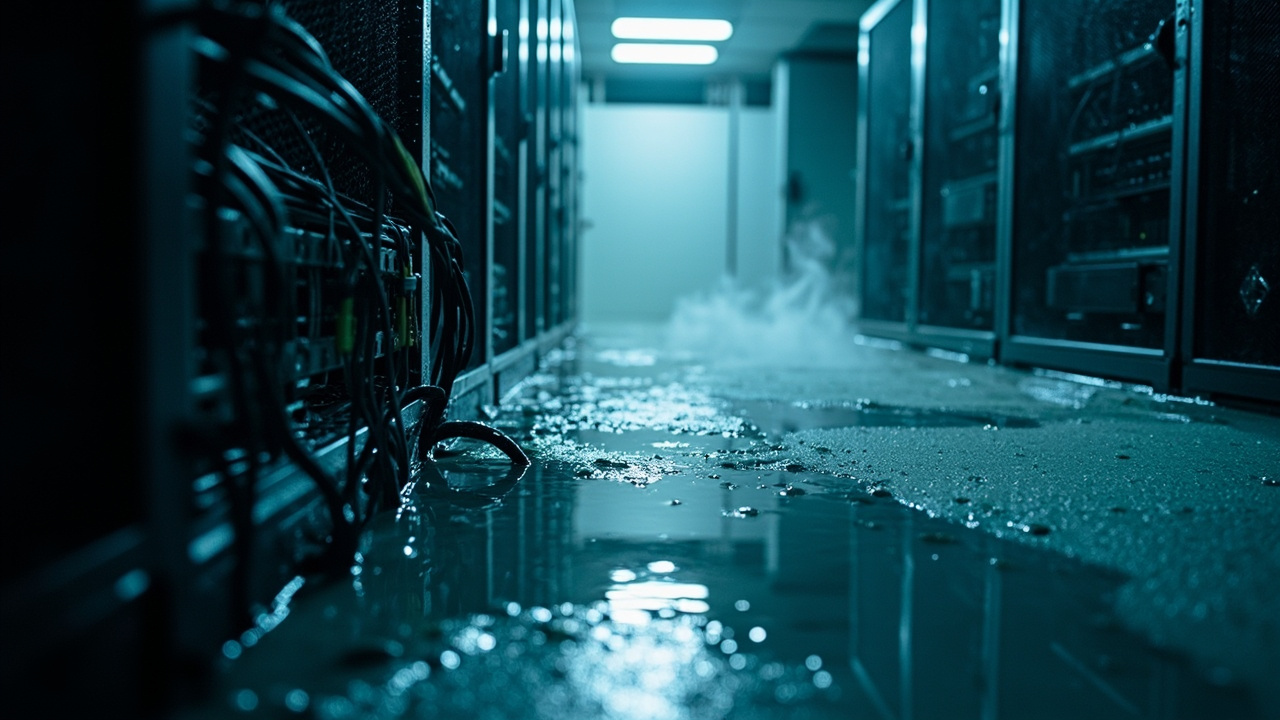
A single pipe burst, HVAC condensate leak, or roof failure above your server room creates an immediate operational crisis. In Washington, D.C., where federal agencies, defense contractors, and lobbying firms depend on continuous data availability, server room water damage can trigger compliance violations, contract penalties, and irreversible data loss within minutes.

The district's aging infrastructure compounds the risk. Buildings constructed during the mid-century federal expansion often house modern IT rooms in spaces never designed for high-density computing. Original cast iron plumbing degrades. Roof membranes fail during the Potomac Basin's freeze-thaw cycles. HVAC systems installed decades ago develop condensate leaks that drip directly onto power distribution units and network switches.

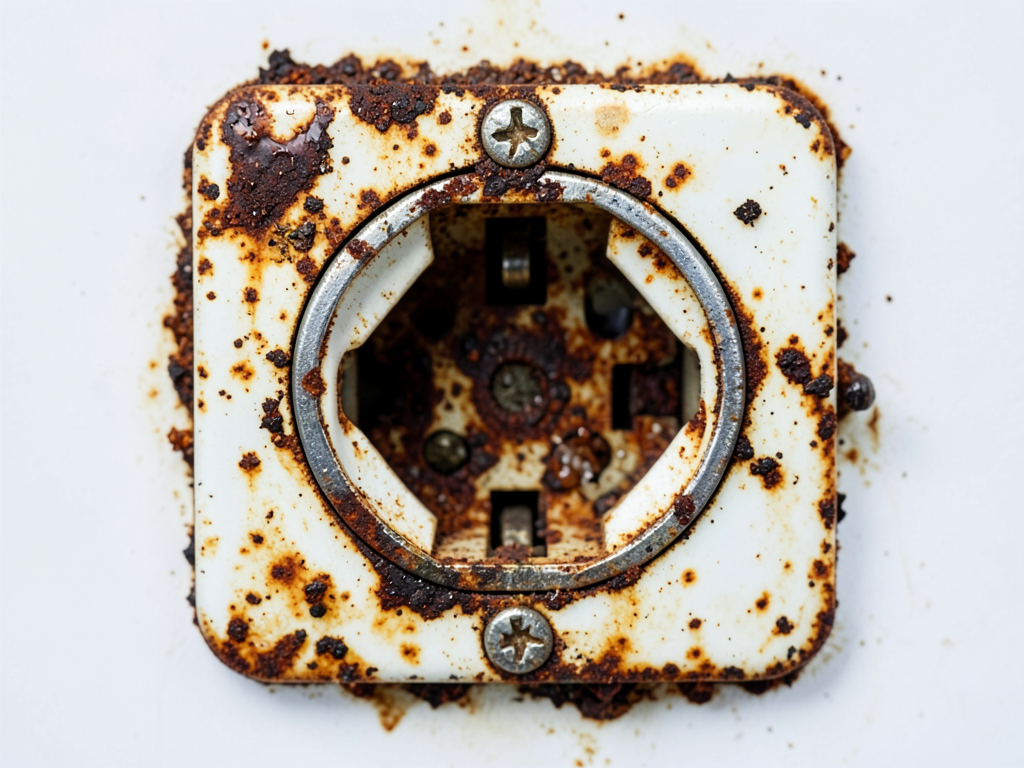
Water and electricity create immediate short-circuit hazards. Moisture accelerates corrosion on circuit boards, backplanes, and connectors. Even after visible water disappears, humidity persists in raised floors, cable trays, and plenum spaces, creating conditions for mold growth and ongoing equipment failure.

You need data center water damage restoration protocols that address both the immediate water threat and the hidden moisture that persists in building cavities. Standard commercial water extraction does not account for the voltage sensitivities, airflow requirements, and contamination controls that IT room water mitigation demands.

Reliance Water Damage Restoration Washington DC deploys IICRC-certified technicians trained in server room flood cleanup. We understand that your priority is not drying carpet. Your priority is restoring operational capacity before the next business cycle begins.

Water Intrusion in Server Environments Is a Code Red Event
Controlled Environment Recovery Using Hot Aisle Containment Principles

Controlled Environment Recovery Using Hot Aisle Containment Principles

Server room water removal services require precision that residential extraction equipment cannot provide. We use low-grain refrigerant dehumidifiers positioned to create negative pressure zones that pull moisture away from energized equipment. Airflow is directed to avoid thermal shock on operating servers and to prevent particulate contamination of open equipment bays.

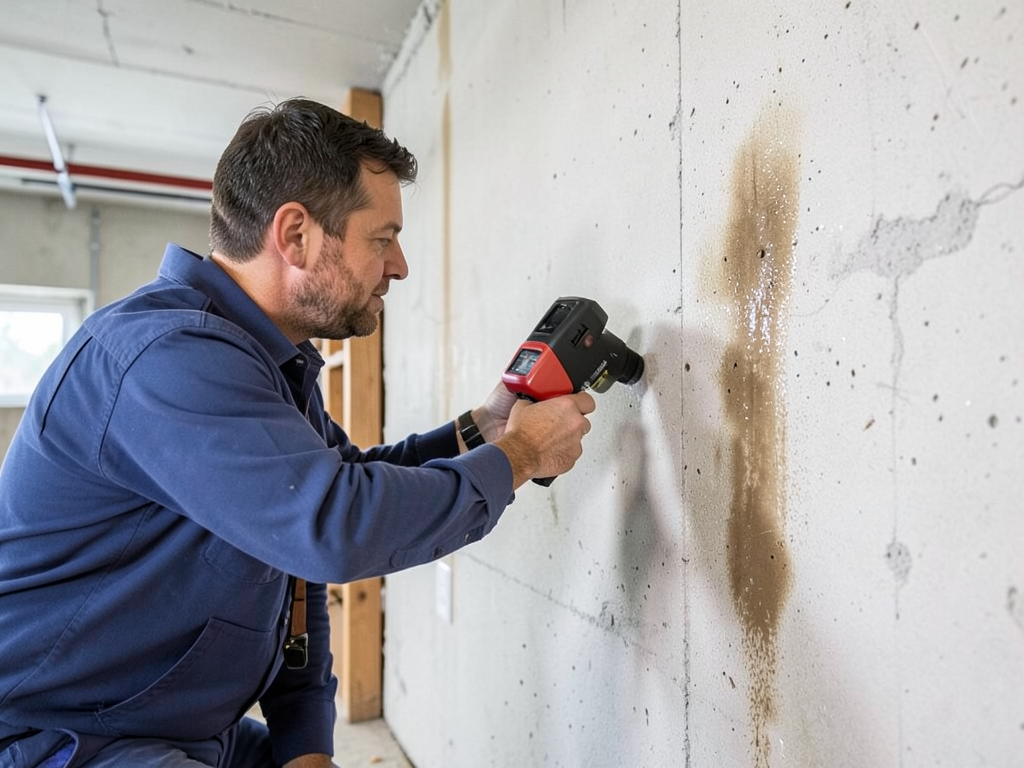
Before extraction begins, we conduct moisture mapping using thermal imaging and penetrating moisture meters. This identifies water migration pathways through raised floor systems, above drop ceilings, and inside wall chases where cabling runs. Water follows gravity and pressure differentials, often pooling in subfloor voids or traveling along conduit into adjacent spaces.

We isolate affected zones using containment barriers that maintain your required temperature and humidity parameters in unaffected areas. If partial shutdown is required, we coordinate with your IT staff to prioritize critical systems and establish safe power-down sequences that prevent data corruption.

Computer room water extraction involves removing standing water without introducing additional humidity into the controlled environment. We use weighted extraction wands and low-profile pumps that work beneath raised floors without disrupting cable management or grounding infrastructure.

Drying is staged to match your recovery timeline. High-velocity air movers are positioned to avoid direct airflow on sensitive components. Desiccant dehumidifiers provide the low dew points required to pull moisture from dense materials like drywall and insulation without over-drying the space, which can create static electricity hazards.

Post-mitigation verification includes moisture content testing, relative humidity logging, and thermal stability confirmation before we sign off on the space.

How We Execute IT Room Water Mitigation Without Extending Your Outage

Server Room Water Damage in Washington, D.C. – Industrial-Grade Mitigation That Protects Your Uptime
01

Immediate Threat Assessment

Within 60 minutes of your call to (771) 223-8077, our crew arrives with moisture detection equipment and containment materials. We locate the water source, assess the extent of intrusion into IT spaces, and identify which systems face immediate risk. You receive a verbal briefing on threat level, recommended actions, and estimated recovery timeline before any equipment is moved or powered down.
02

Controlled Water Extraction

We deploy extraction equipment calibrated for environments with active electrical infrastructure. Subfloor water is removed using non-conductive hoses and grounded pumps. Affected areas are isolated using plastic sheeting and magnetic barriers that attach to server racks without adhesive residue. Air filtration units with HEPA filters prevent airborne particulate from contaminating open equipment during the drying process.
03

Environmental Stabilization and Documentation

Drying continues until moisture readings match your baseline environmental parameters. We provide detailed moisture logs, thermal imaging reports, and photographic documentation required for insurance claims and compliance audits. Final walkthrough includes verification that HVAC systems are functioning correctly, that no secondary moisture sources exist, and that the space meets ASHRAE thermal guidelines for IT equipment operation.

Why Federal Contractors and Data Centers Trust Local Expertise

Washington, D.C. operates under a unique regulatory framework. Federal contractors must comply with NIST cybersecurity standards, FISMA requirements, and agency-specific security protocols. When water damage occurs in a controlled space, your incident response must account for chain of custody, access logging, and clearance verification for all personnel entering the environment.

Reliance Water Damage Restoration Washington DC maintains cleared technicians who understand the documentation and communication protocols required in sensitive environments. We coordinate with your security team, sign nondisclosure agreements, and follow your facility's access control procedures without delay or confusion.

Our familiarity with the district's building stock gives us an advantage. We know which federal buildings have original 1960s infrastructure. We understand how the L'Enfant Plan's radial street layout affects utility routing. We recognize the construction methods used in buildings near the Anacostia River, where groundwater intrusion is a persistent risk.

Local knowledge translates to faster response. We stage equipment in Northern Virginia and the Maryland suburbs, ensuring arrival times under one hour for most district addresses. We maintain relationships with local building engineers, HVAC contractors, and electricians who can provide emergency support when water damage exposes underlying infrastructure failures.

You do not need a national franchise that subcontracts to unknown local crews. You need a team that understands the operational tempo of the nation's capital, where agencies operate around the clock and downtime is measured in lost mission capability, not just lost revenue.

What Server Room Recovery Entails for Your Facility

Response Time and Arrival Protocol

We answer (771) 223-8077 24 hours a day. A project manager responds to your call within 15 minutes to assess urgency and dispatch the appropriate crew. For server room incidents, we deploy technicians with IT environment training and non-conductive extraction equipment. Arrival time averages 45 to 75 minutes depending on your location within the district. Upon arrival, we check in with your facility security, present credentials, and receive your site-specific safety briefing before beginning work.

Initial Assessment and Scope Definition

The assessment phase includes moisture mapping with thermal cameras, airflow analysis, and documentation of affected equipment. We identify the water source, determine the category of water contamination, and measure moisture levels in floors, walls, and ceilings. You receive a written scope of work that includes estimated drying time, equipment placement plan, and safety protocols. We do not begin extraction until you approve the approach and understand how the work will affect your operations.

Outcome and Space Certification

The goal is a certified dry environment that meets manufacturer specifications for IT equipment operation. We provide moisture content readings for all affected materials, relative humidity logs, and thermal imaging comparison showing pre- and post-mitigation conditions. Final documentation includes a certificate of completion, equipment removal checklist, and recommendation for any necessary repairs to building systems that contributed to the water intrusion. Your IT team receives a space ready for equipment reactivation.

Post-Mitigation Monitoring and Follow-Up

We offer optional moisture monitoring services for facilities concerned about latent humidity or secondary damage. Remote sensors log temperature and humidity in real time, alerting you to deviations from your environmental parameters. For facilities that experienced significant water intrusion, we recommend follow-up inspections at 30 and 90 days to verify that no hidden moisture has migrated into concealed spaces. Follow-up services are billed separately and tailored to your risk tolerance and compliance requirements.

Frequently Asked Questions

You Have Questions,
We Have Answers

What are the risks of server rooms? +

Server rooms face multiple failure points that threaten business continuity. Water intrusion from HVAC condensate lines, sprinkler failures, or roof leaks can short-circuit equipment within minutes. Washington, D.C.'s aging commercial building stock increases pipe burst risk during winter freeze-thaw cycles. Electrical hazards compound when moisture contacts live circuits. Temperature and humidity swings degrade hardware performance and reduce lifespan. Dust accumulation in densely packed racks creates fire risk. Inadequate access control allows unauthorized personnel near critical infrastructure. Poor ventilation causes thermal hotspots that trigger equipment shutdowns. These risks multiply in multi-tenant buildings common throughout downtown D.C., where shared infrastructure creates cascading failure potential.

Can you dry out water damage? +

Professional water extraction and drying reverses most water damage if addressed within 24-48 hours. Commercial-grade dehumidifiers, air movers, and moisture meters target affected materials systematically. Server rooms require specialized protocols because standard drying damages sensitive electronics. You cannot simply run fans and hope for the best. Technicians must verify internal equipment moisture levels using non-invasive methods before re-energizing circuits. Washington, D.C.'s high humidity slows natural evaporation, making professional intervention essential. Drywall, ceiling tiles, and subfloors often require removal if saturation exceeds 48 hours. Complete drying prevents corrosion and electrical shorts that manifest weeks after the initial incident.

What is too dry for a server room? +

Server rooms require 40-60% relative humidity to prevent electrostatic discharge and component degradation. Levels below 40% create static electricity that damages circuitry during normal operation or maintenance. Low humidity also dries out cable insulation, increasing fire risk. Washington, D.C.'s winter heating systems often push indoor humidity below 30%, requiring active humidification in critical infrastructure spaces. You must balance dryness against condensation risk. Too dry causes physical component damage. Too humid promotes corrosion. Commercial HVAC systems serving Georgetown and K Street office buildings often lack precision controls, requiring dedicated environmental monitoring systems in server rooms to maintain optimal conditions year-round.

How can flooding hazards be mitigated in a computer room? +

Install water detection sensors beneath raised floors and near HVAC equipment to trigger early warnings. Seal all penetrations in walls and floors where pipes or conduits enter the space. Relocate critical equipment above flood-prone areas, recognizing that Washington, D.C. basement server rooms face groundwater intrusion risk during heavy rain events. Create watertight barriers around the room perimeter if located below grade. Maintain sump pumps with battery backup. Route condensate drain lines away from equipment racks. Inspect overhead sprinkler systems for corrosion and replace dry-pipe systems in unheated spaces. Emergency shutoff valves must be accessible and clearly marked. Regular inspections prevent catastrophic failures.

How to protect a server room? +

Layer physical, environmental, and procedural controls to secure server rooms. Install fire-rated doors with card access systems. Deploy temperature and humidity monitoring with remote alerts. Position equipment racks away from exterior walls to buffer against temperature swings common in older D.C. buildings. Maintain negative air pressure to prevent dust infiltration from surrounding spaces. Schedule quarterly inspections of overhead pipes, HVAC connections, and roof conditions. Document baseline moisture readings in walls and floors to detect slow leaks. Restrict food and beverages to prevent spills. Create response protocols for water emergencies specific to your facility layout. Environmental controls matter as much as cybersecurity in protecting infrastructure.

What are 5 common workplace hazards? +

Workplace hazards include slips and falls from wet surfaces, electrical shock from damaged wiring, struck-by injuries from falling objects, ergonomic strain from repetitive tasks, and respiratory exposure to mold or chemicals. In Washington, D.C. server rooms, water damage creates compounded risks. Wet raised floors become slip hazards while concealing electrical dangers beneath. Humidity spikes promote mold growth in HVAC systems serving occupied spaces. Fire suppression system failures expose staff to smoke inhalation risk. Inadequate lighting in emergency situations increases injury probability. Regular safety audits identify these vulnerabilities before incidents occur. Commercial properties must document hazard assessments to maintain liability coverage and OSHA compliance.

How likely is mold after water damage? +

Mold colonization begins within 24-48 hours after water exposure in optimal conditions. Washington, D.C.'s humid climate accelerates growth, especially during summer months when relative humidity exceeds 70%. Likelihood depends on material type, temperature, and response speed. Porous materials like drywall, ceiling tiles, and carpet padding provide ideal substrates. Server rooms with inadequate ventilation trap moisture, creating microclimates that support rapid colonization. Professional extraction and dehumidification within the first 24 hours reduces mold probability to near zero. Delayed response guarantees contamination, requiring remediation protocols that extend downtime and increase costs. You cannot visually confirm absence of mold without air quality testing and material sampling.

How much does it cost to dry out water damage? +

Commercial water damage restoration costs vary based on water volume, affected materials, equipment density, and response time. Server room projects typically range higher than standard office space due to specialized protocols and business interruption factors. Washington, D.C. emergency response carries premium pricing during after-hours incidents. Structural drying costs differ significantly from electronics restoration, which requires cleanroom environments and component-level assessment. Insurance coverage depends on cause, deductible structure, and policy limits. Delayed response increases costs exponentially as secondary damage compounds. Request itemized estimates covering extraction, drying, debris removal, and post-restoration verification testing. Prioritize business continuity over cost minimization in critical infrastructure spaces.

What kills mold after a water leak? +

Professional mold remediation combines physical removal with antimicrobial treatment and environmental controls. HEPA filtration captures airborne spores during demolition. EPA-registered biocides applied to non-porous surfaces prevent regrowth. Porous materials like drywall require removal and disposal because surface treatment cannot penetrate deep colonization. You cannot spray bleach and call it resolved. Server rooms demand protocols that protect sensitive equipment from chemical exposure. Negative air pressure containment prevents cross-contamination to adjacent spaces. Washington, D.C. commercial properties must follow industry standards to maintain insurance coverage. Post-remediation air quality testing verifies clearance before reoccupation. Source moisture elimination remains the only permanent solution.

Can mold grow in 40% humidity? +

Mold cannot grow at 40% relative humidity on most building materials. Growth requires sustained humidity above 60% and available nutrients. However, 40% represents an average reading. Localized conditions matter more than room-level measurements. Condensation on cold surfaces, wet insulation inside walls, or standing water beneath raised floors creates microenvironments where mold thrives regardless of ambient readings. Washington, D.C. server rooms often show acceptable humidity levels while concealing moisture problems in concealed spaces. HVAC systems cycling on and off create humidity spikes that average meters miss. You need continuous monitoring and material-level moisture assessment to verify conditions. Relative humidity alone does not predict mold risk in complex environments.

Why the District's Infrastructure Age Makes Server Room Flood Cleanup a Specialized Discipline

Washington, D.C.'s building inventory includes structures constructed during every decade since the 1790s. Many federal office buildings, historic hotels converted to coworking spaces, and adaptive reuse properties house modern data centers in spaces built before digital infrastructure existed. Original plumbing systems installed in the 1950s and 1960s now serve buildings with ten times the original occupancy and vastly higher water demand. Cast iron drain lines corrode from the inside. Galvanized supply pipes develop pinhole leaks. Roof drains sized for the original building footprint cannot handle the added load from HVAC condensate and modern stormwater runoff.

Reliance Water Damage Restoration Washington DC has worked with property managers throughout the District of Columbia, from Capitol Hill to the NoMa corridor. We understand the permitting requirements for work in historic districts. We know which buildings fall under the jurisdiction of the National Capital Planning Commission and which are governed by standard D.C. building codes. Our technicians recognize the construction methods used in different eras, from the terra cotta tile floors in early 20th-century buildings to the precast concrete systems in 1970s federal offices. Local knowledge is not a marketing claim. It is operational necessity when server room water damage restoration must be executed without damaging irreplaceable architectural features or violating preservation standards.
Water Damage Restoration Services in The Washington DC Area

While we primarily offer mobile, on-site water damage restoration services throughout Washington D.C., you can view our main operational hub and service area on the map below. We are strategically located to ensure rapid deployment and efficient response times to all emergencies across the region, bringing our expert services directly to your property wherever you are within our service footprint.

Address:
Reliance Water Damage Restoration Washington DC, 200 Massachusetts Ave NW, Washington, DC, 20001

Additional Services We Offer

Our news updates

Latest Articles & News from The Blogs

Why Your New Condo at The Wharf Might Experience Balcony Drainage Flooding Living in a luxury condo at The Wharf…

Why Your New Condo at The Wharf Might Experience Balcony Drainage Flooding

Why Your New Condo at The Wharf Might Experience Balcony Drainage Flooding Living in a luxury condo at The Wharf…

Dealing with Potomac River Seepage in Your Georgetown Waterfront Retail Space

Dealing with Potomac River Seepage in Your Georgetown Waterfront Retail Space Georgetown's waterfront retail spaces face unique water damage risks…

What Every DC Homeowner Needs in a Flood Emergency Kit Before the Next Storm Hits

What Every DC Homeowner Needs in a Flood Emergency Kit Before the Next Storm Hits Washington DC homeowners face unique…

Contact Us

Server downtime is not an option. Call (771) 223-8077 now for immediate dispatch of certified IT room water mitigation specialists. We arrive prepared to protect your systems, restore your environment, and document every step for compliance and insurance purposes.