



Menu

Toilet Overflow Cleanup in Washington, D.C. – Emergency Response in Under 60 Minutes

24/7 Emergency Toilet Water Extraction and Sewage Removal Across Georgetown, Capitol Hill, and the Greater D.C. Metro – We Stop Contamination Fast

Slider Image 1
Slider Image 2
Slider Image 3
Slider Image 4
Slider Image 5
Slider Image 7
Slider Image 8
Slider Image 9
Slider Image 10
Slider Image 11

Why Toilet Overflows in D.C. Homes Escalate Fast

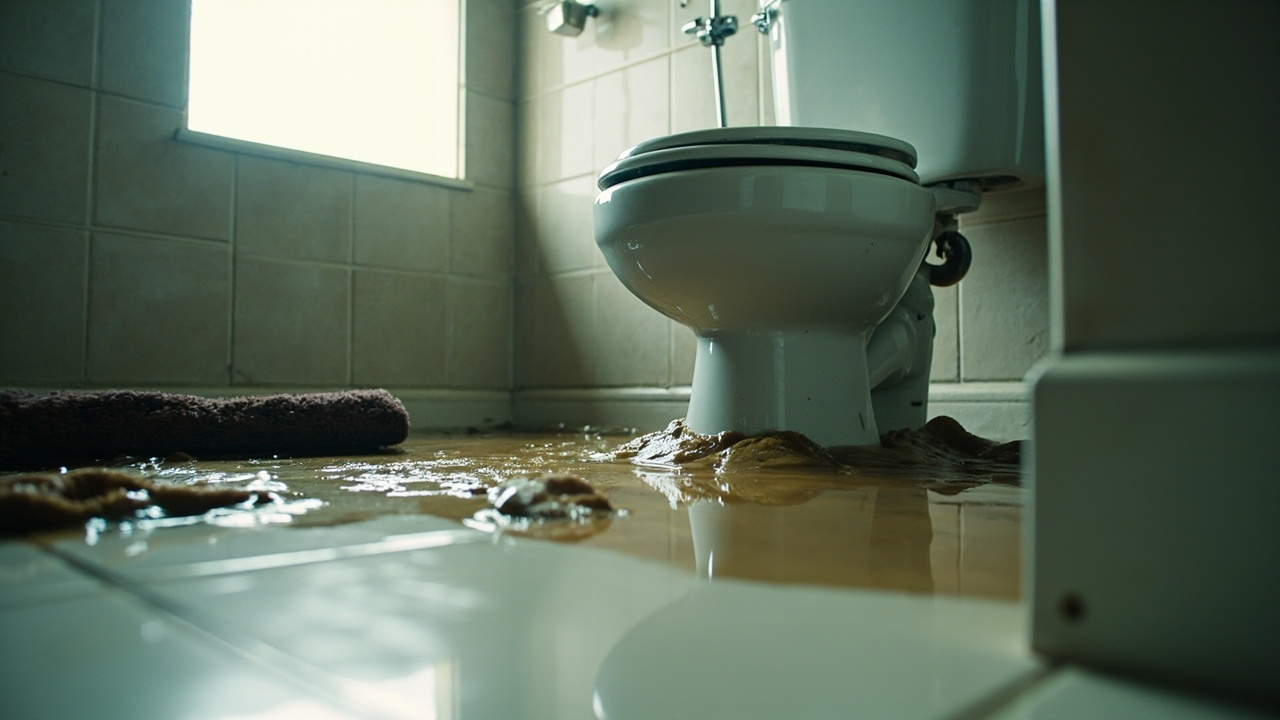
A toilet overflow is not just inconvenient. It is a contamination event. The water spilling across your bathroom floor contains bacteria, viruses, and pathogens that threaten your family's health. Every minute the water sits, it migrates deeper into grout lines, subfloors, and wall cavities.

Washington, D.C. has unique structural risks that amplify toilet overflow damage. Many homes in Capitol Hill, Georgetown, and Shaw feature original hardwood flooring, plaster walls, and century-old joists. These materials absorb water rapidly. The District's high water table and humid summers create perfect conditions for mold colonization within 24 to 48 hours after a toilet flood.

Overflowing toilet cleanup is time-sensitive. Category 2 or Category 3 water (sewage-contaminated) requires immediate extraction, not a mop and bucket. DIY efforts spread contamination and push bacteria into porous surfaces. You need professional emergency toilet water extraction to remove the water, disinfect the affected area, and prevent secondary damage.

If your toilet overflowed due to a main line clog, tree root intrusion, or sewer backflow, you are dealing with black water. This is a biohazard. Reliance Water Damage Restoration Washington DC responds to toilet sewage removal calls across the District with the equipment and training to handle contaminated water safely. We extract, sanitize, and restore your space before structural damage takes hold.

Why Toilet Overflows in D.C. Homes Escalate Fast
How We Handle Toilet Flood Restoration the Right Way

How We Handle Toilet Flood Restoration the Right Way

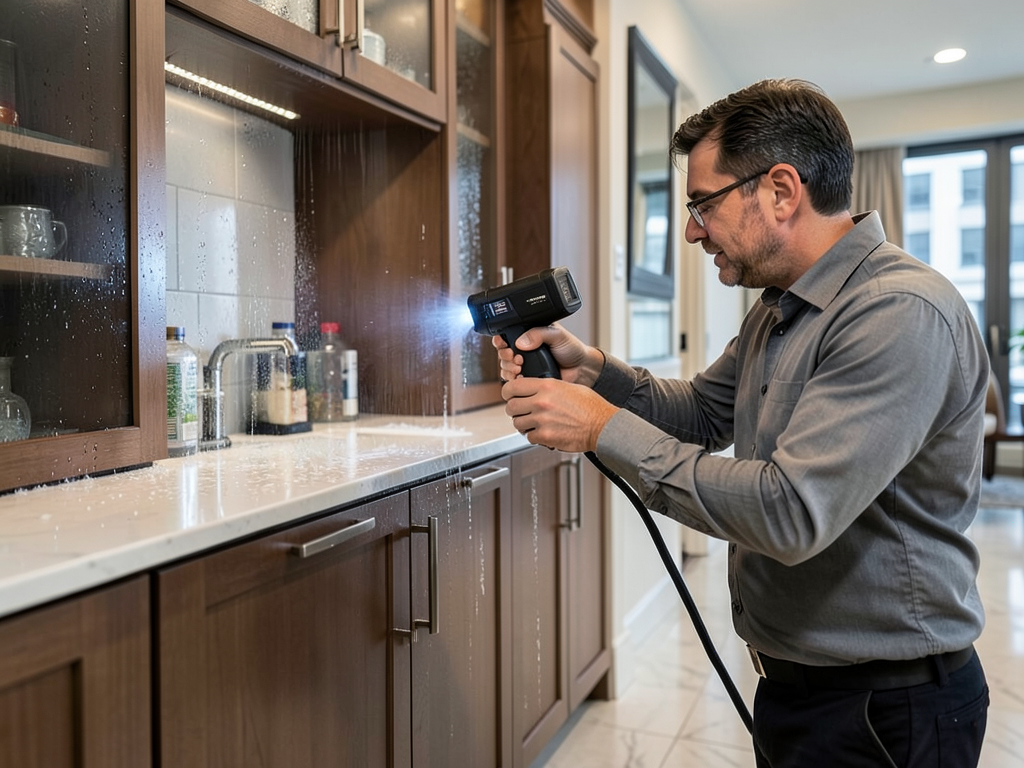
Toilet overflow remediation is not about speed alone. It is about containment, extraction, and microbial control. Our process begins the moment you call. We deploy a truck equipped with truck-mount extractors, antimicrobial agents, air movers, and moisture meters. We do not guess. We measure.

First, we isolate the affected area to prevent cross-contamination. If the overflow originated from a blocked drain or sewer backup, we assess whether the water is Category 2 (gray water) or Category 3 (black water). This determines our PPE, disposal protocols, and the depth of material removal required.

Next, we extract standing water using high-powered vacuums that pull moisture from carpet padding, subfloors, and baseboards. Surface mopping leaves 40 to 60 percent of the water behind. Our extractors remove it at the source. After extraction, we apply EPA-registered disinfectants to all hard surfaces and treat porous materials with antimicrobial solutions.

Then we measure moisture levels in walls, floors, and adjacent rooms using thermal imaging and pin-type meters. If moisture has wicked into drywall or insulation, we document it and remove compromised materials. We do not leave hidden moisture to become a mold problem in two weeks.

Finally, we deploy commercial air movers and dehumidifiers to dry the structure to baseline levels. We monitor daily and adjust equipment placement based on real-time readings. Reliance Water Damage Restoration Washington DC follows IICRC S500 standards for water damage restoration. That means controlled drying, documented results, and no surprises.

What Happens When You Call for Emergency Toilet Cleanup

Toilet Overflow Cleanup in Washington, D.C. – Emergency Response in Under 60 Minutes
01

Immediate Dispatch and Containment

We answer your emergency call 24/7 and dispatch a technician to your D.C. location within 60 minutes. Upon arrival, we shut off the water source, contain the affected area with plastic sheeting, and begin extraction immediately. We wear protective gear and treat all toilet overflow water as contaminated until proven otherwise. Speed matters because bacteria multiply and materials absorb water fast.
02

Water Extraction and Disinfection

We use truck-mount extractors and portable vacuums to remove all standing water from floors, carpets, and padding. After extraction, we apply hospital-grade disinfectants to kill bacteria, viruses, and pathogens on all hard surfaces. Porous materials like drywall and insulation are treated with antimicrobial agents or removed if contamination is severe. We document moisture levels in all structural components using thermal imaging and pin-type meters.
03

Controlled Drying and Verification

We place air movers and dehumidifiers strategically to dry walls, subfloors, and hidden cavities. We monitor moisture levels daily and adjust equipment until readings return to baseline. Drying typically takes three to five days depending on materials and saturation depth. Once verified dry, we provide a moisture report and work with your insurance adjuster to document the scope of work and complete the restoration process.

Why D.C. Homeowners Trust Us for Toilet Sewage Removal

Washington, D.C. is not like other cities. The housing stock is older. The plumbing systems are aging. Many homes in Dupont Circle, Logan Circle, and Columbia Heights have cast iron drain lines installed in the 1920s and 1930s. These pipes corrode, collapse, and back up without warning. When a toilet overflows due to a sewer line failure, you need a crew that understands D.C. building construction and knows how to work around historic materials.

Reliance Water Damage Restoration Washington DC has worked in every quadrant of the District. We have restored townhomes in Capitol Hill with original pine floors, rowhouses in Shaw with plaster ceilings, and condos in Navy Yard with modern finishes. We know which materials can be saved and which must be removed. We know how to navigate D.C. building codes and work with historic preservation requirements when needed.

Our technicians are IICRC-certified in water damage restoration and applied microbial remediation. We carry commercial liability insurance and maintain relationships with local plumbers, electricians, and contractors when a toilet overflow exposes larger issues like broken wax rings, cracked flanges, or corroded drain lines.

We also work directly with insurance companies. Most homeowner policies cover sudden and accidental water damage, including toilet overflows. We document everything with photos, moisture readings, and detailed scope sheets. We can bill your insurance directly or work with you on a cash basis. Either way, you get the same quality of work and the same urgency.

What to Expect When You Call for Toilet Overflow Cleanup

Immediate Response and Arrival Time

We answer emergency calls 24 hours a day, 7 days a week. When you call, you speak to a live person, not an answering service. We dispatch a technician to your location in Washington, D.C. within 60 minutes. Our trucks are stocked with extraction equipment, disinfectants, air movers, and moisture meters. We begin work the moment we arrive. No waiting for equipment rentals or second trips. Time is critical in toilet overflow situations, and we treat every call with the urgency it deserves.

Thorough Assessment and Moisture Mapping

Before we start extraction, we assess the water category, identify the source, and map moisture migration using thermal imaging cameras and moisture meters. We check walls, subfloors, and adjacent rooms to determine the full extent of saturation. This prevents hidden damage from becoming a mold problem later. We document everything with photos and written notes. If your insurance requires documentation, we provide detailed reports that meet adjuster requirements. You know exactly what is wet, what needs to be removed, and what can be saved.

Complete Drying and Final Verification

We do not leave until your home is dry. After extraction and disinfection, we place commercial air movers and dehumidifiers to create controlled airflow and remove moisture from structural materials. We return daily to check moisture levels and adjust equipment placement. Drying typically takes three to five days depending on material type and saturation depth. Once moisture readings return to baseline, we provide a final moisture report and remove all equipment. You get a clean, dry, sanitized space with no lingering odors or contamination risks.

Insurance Coordination and Documentation

Most homeowner policies cover sudden and accidental toilet overflows. We work directly with your insurance company to document the loss, provide scope sheets, and submit invoices. We take detailed photos, log moisture readings, and provide timelines that satisfy adjuster requirements. If your policy includes direct billing, we handle that process. If you prefer to pay out of pocket, we provide itemized invoices. Either way, you get transparent pricing and clear communication throughout the restoration process. We can also refer you to licensed plumbers if the overflow was caused by a broken flange or main line blockage.

Frequently Asked Questions

You Have Questions,
We Have Answers

Can you pour vinegar in a toilet overflow tube? +

Yes, you can pour white vinegar into the overflow tube, but it is not an emergency fix for a toilet overflow in Washington, D.C.. Vinegar helps dissolve mineral buildup in the bowl rim jets and siphon jets, improving flush power over time. Pour one to two cups directly into the tube, let it sit for 30 minutes, then flush. This preventive maintenance works well in D.C.'s hard water areas like Capitol Hill and Dupont Circle. If your toilet is actively overflowing, shut off the water valve immediately and call a professional to prevent sewage damage and contamination.

Will toilet overflow cause mold? +

Yes, toilet overflow absolutely causes mold if not cleaned within 24 to 48 hours. Sewage water contains organic matter that feeds mold spores, especially in D.C.'s humid spring and summer months. Category 3 black water from toilet backups is highly contaminated and requires professional remediation. Porous materials like drywall, baseboards, and subflooring absorb sewage quickly. Mold colonies can develop behind walls and under flooring in Georgetown row homes and older Petworth properties. Do not attempt DIY cleanup. Contact a certified water damage restoration company immediately to extract water, disinfect surfaces, and prevent dangerous mold growth.

What are two things you should never flush down a toilet? +

Never flush wipes or feminine hygiene products. Even products labeled flushable do not break down in D.C.'s aging sewer lines, especially in neighborhoods like Shaw and Columbia Heights with older cast iron plumbing. Wipes clump together, creating blockages that cause backups and overflows. Feminine products expand when wet, lodging in pipes and trapping other debris. These items are the leading cause of residential toilet overflows in the District. Stick to toilet paper only. If you flush these items and experience an overflow, shut off the water supply and call a plumber immediately to prevent sewage damage.

What is the best cleaner for toilet rim jets? +

A mixture of white vinegar and baking soda works best for cleaning toilet rim jets without harsh chemicals. Pour two cups of vinegar into the overflow tube, let it sit for 30 minutes, then scrub jets with a small brush or Allen wrench. This removes mineral deposits common in D.C.'s hard water supply. For stubborn buildup in Capitol Hill and Adams Morgan homes with older plumbing, use a calcium-lime remover specifically designed for porcelain. Avoid bleach-based cleaners in the tank, as they corrode rubber flappers and gaskets. Clean rim jets quarterly to maintain flush strength and prevent weak flushes that lead to clogs.

Can I leave vinegar in the toilet tank overnight? +

Yes, leaving white vinegar in the toilet tank overnight is safe and effective for dissolving mineral buildup. Pour two to three cups into the tank, let it sit eight to twelve hours, then flush. This method works well for D.C. homes with hard water issues, particularly in older neighborhoods like Cleveland Park and Anacostia where mineral deposits accumulate faster. Vinegar will not damage porcelain, rubber flappers, or fill valves. Do this maintenance every three months to keep flush mechanisms working properly. If you notice persistent weak flushes or overflows despite cleaning, call a plumber to inspect for deeper blockages or faulty components.

What do plumbers recommend for cleaning toilet tanks? +

Plumbers recommend white vinegar for routine maintenance and commercial toilet tank cleaners for heavy buildup. Vinegar dissolves minerals without corroding rubber parts. For severe scaling in D.C.'s hard water areas, plumbers use descaling solutions specifically formulated for toilets. Avoid drop-in tablets containing bleach, as they degrade flappers and gaskets, causing leaks and overflows. Plumbers also recommend annual inspections of fill valves, flappers, and flush valves. In older D.C. homes, especially in Brightwood and Takoma, outdated components fail more frequently. Regular tank cleaning prevents emergency overflows. If your toilet overflows despite maintenance, shut off water and call a professional immediately.

How do Japanese bathrooms not get mold? +

Japanese bathrooms resist mold through superior ventilation, waterproof surfaces, and daily maintenance habits. Exhaust fans run continuously or on timers, removing moisture before mold spores colonize. Walls and floors use non-porous panels instead of drywall and grout. Daily squeegee use removes standing water. In D.C.'s humid climate, especially during summer months, adopting these practices helps. Install a high-CFM exhaust fan, run it during and 30 minutes after showers, and wipe down surfaces. If you experience a toilet overflow in your Washington, D.C. home, moisture penetrates walls quickly. Professional extraction and dehumidification are critical to prevent mold in hidden cavities.

What kills black mold in a toilet? +

Bleach kills surface black mold in toilets, but it does not remove the root cause. Mix one cup of bleach with one gallon of water, scrub affected areas, and let sit for ten minutes. Black mold in toilet bowls typically indicates high moisture, poor ventilation, or infrequent use. In D.C. rental properties and vacant homes, stagnant water feeds mold growth. For mold behind walls or under flooring from a previous toilet overflow, bleach will not work. Category 3 sewage contamination requires professional remediation. If mold returns repeatedly, you likely have a hidden leak or drainage issue that needs professional diagnosis and repair.

Why is the black stuff in my toilet coming back? +

Black residue returning in your toilet indicates biofilm, mineral buildup, or mold from a persistent moisture source. In D.C.'s hard water areas, manganese and iron deposits appear black. Biofilm is bacteria colonies feeding on organic matter in the bowl or tank. If you recently had a toilet overflow, contaminated water may have infiltrated the wax ring or subflooring, creating a continuous moisture source. Surface cleaning will not fix this. You need to identify the source. Check for leaks at the base, failing wax rings, or condensation. If the problem persists after cleaning and inspection, call a plumber to diagnose hidden issues.

Should you flush the toilet after every pee? +

You do not need to flush after every urination from a water conservation standpoint, but doing so reduces odor and bacteria buildup. The common phrase is if it is yellow let it mellow, if it is brown flush it down. In D.C., where water rates are moderate, skipping flushes saves roughly one gallon per skip. However, urine left sitting encourages biofilm and mineral ring formation, particularly in hard water neighborhoods like Georgetown and Foggy Bottom. For households with children or guests, flush every time for hygiene. If you experience frequent clogs or overflows, never delay flushing, as buildup increases blockage risk.

Why Toilet Overflows in Historic D.C. Rowhouses Cause Hidden Damage

Washington, D.C. has one of the oldest housing stocks on the East Coast. Many rowhouses in Capitol Hill, Georgetown, and Dupont Circle feature original hardwood floors laid over pine or fir joists from the 1800s. These materials are highly porous and absorb toilet overflow water quickly. The District's high water table and humid summers create ideal conditions for mold growth within 24 hours. If toilet flood restoration is delayed, moisture wicks into wall cavities and subfloor assemblies, causing rot and structural instability that may not be visible for weeks.

Local building codes in D.C. require proper moisture mitigation for water damage events in residential properties, especially in historic districts. Reliance Water Damage Restoration Washington DC follows IICRC standards and works with historic preservation guidelines when necessary. We understand the importance of preserving original materials while ensuring safe, thorough remediation. Our technicians have restored hundreds of D.C. homes and know how to balance structural integrity with speed. When you choose a local provider, you get expertise in the unique challenges D.C. homes present during emergency toilet water extraction.
Water Damage Restoration Services in The Washington DC Area

While we primarily offer mobile, on-site water damage restoration services throughout Washington D.C., you can view our main operational hub and service area on the map below. We are strategically located to ensure rapid deployment and efficient response times to all emergencies across the region, bringing our expert services directly to your property wherever you are within our service footprint.

Address:
Reliance Water Damage Restoration Washington DC, 200 Massachusetts Ave NW, Washington, DC, 20001

Additional Services We Offer

Our news updates

Latest Articles & News from The Blogs

Why Your New Condo at The Wharf Might Experience Balcony Drainage Flooding Living in a luxury condo at The Wharf…

Why Your New Condo at The Wharf Might Experience Balcony Drainage Flooding

Why Your New Condo at The Wharf Might Experience Balcony Drainage Flooding Living in a luxury condo at The Wharf…

Dealing with Potomac River Seepage in Your Georgetown Waterfront Retail Space

Dealing with Potomac River Seepage in Your Georgetown Waterfront Retail Space Georgetown's waterfront retail spaces face unique water damage risks…

What Every DC Homeowner Needs in a Flood Emergency Kit Before the Next Storm Hits

What Every DC Homeowner Needs in a Flood Emergency Kit Before the Next Storm Hits Washington DC homeowners face unique…

Contact Us

Do not wait for contamination to spread or mold to develop. Call Reliance Water Damage Restoration Washington DC at (771) 223-8077 for immediate toilet overflow remediation. We are available 24/7 and dispatch to your location within 60 minutes. Stop the damage now.