



Rockville sits in a flood-prone zone where Rock Creek and Cabin John Creek converge. Heavy rain overwhelms storm drains in neighborhoods like West End and Woodley Gardens. Properties near Wootton Parkway flood when retention systems fail during severe weather. Older homes in Lincoln Park and Twinbrook have cast iron pipes that corrode and burst without warning.
Montgomery County clay soil does not drain well. Water pools around foundations in Fallsgrove and King Farm, seeping through basement walls during spring thaw. Split-level homes common to East Rockville trap water between floors where it spreads unseen through ceiling cavities.
Summer humidity above 70 percent creates perfect conditions for mold after any water event. HVAC systems in Rockville Town Center condos condensate heavily, dripping into walls. Sump pumps fail during power outages when you need them most. Water heaters in Potomac Woods townhomes are aging past their 10-year lifespan.
Your property needs fast water removal before damage compounds. Drywall wicks moisture vertically. Hardwood floors cup and buckle within hours. Insulation holds water like a sponge. Without immediate extraction and drying, a small leak becomes a total gut job.
We built our reputation responding to Rockville emergencies when other companies would not answer the phone. Our crews arrive within 90 minutes of your call, not tomorrow or next week. We keep commercial truck mounts, industrial dehumidifiers, and air movers ready 24 hours a day because water damage does not schedule itself.
Our technicians hold IICRC certifications in water damage restoration and applied structural drying. They understand how water moves through Rockville's common construction types. Split-levels require different drying strategies than garden apartments. We use thermal cameras to find hidden moisture in walls and ceilings before it causes mold or rot.
We document everything for your insurance claim. Our estimators use Xactimate software that adjusters recognize and accept. We photograph damage, map moisture readings, and write detailed scope reports. Most claims we handle get approved without dispute because we speak the language insurance companies understand.
You get a project manager who stays with your job from start to finish. One person coordinates extraction, demolition, drying, and restoration. No confusion about who handles what. We update you daily on drying progress with moisture meter readings. When we say a room is dry, we prove it with documentation.
We work in Rockville homes and businesses every week. Property managers call us first because we show up, do the work right, and bill fairly. Homeowners choose us because we explain the process clearly and finish on schedule.

Our dispatch system routes the closest crew to your Rockville property within 90 minutes of your emergency call. We arrive with extraction equipment loaded and ready to start water removal immediately. Night, weekend, or holiday makes no difference. Fast response stops water from spreading through your property and causing additional structural damage.

Every technician on our crews holds current IICRC certification in water damage restoration and applied structural drying. They know how to read moisture meters, place drying equipment correctly, and calculate necessary air exchanges. Certification means your Rockville property gets restored using industry-standard protocols that insurance companies accept without question.
We write estimates in Xactimate format that insurance adjusters approve. Our project managers document damage with photos, moisture maps, and detailed scope reports. We communicate directly with your insurance company to answer questions and provide documentation. Most claims we handle settle smoothly because we speak the language adjusters understand and trust.
We respond to water emergencies across Rockville every week. Our crews know which neighborhoods flood during heavy rain, which buildings have problematic plumbing, and how local construction types react to water intrusion. This experience helps us dry your property faster and prevent secondary damage that inexperienced companies miss.
Water damage restoration requires multiple specialized services working together. You cannot just extract water and call it done. Successful restoration means removing all moisture from structures, preventing mold growth, and rebuilding damaged areas to pre-loss condition.
We handle every phase of water damage recovery in Rockville properties. Our crews extract standing water with truck-mounted pumps that remove thousands of gallons per hour. We set up industrial drying systems that pull moisture from walls, floors, and ceilings. Thermal cameras find hidden water that moisture meters miss. We remove damaged materials that cannot be saved and rebuild what we take out.
Our mitigation services stop damage from getting worse. Emergency water removal prevents structural failure. Rapid drying stops mold before it starts growing. Board-up services secure properties with broken windows or compromised doors. We protect undamaged areas with plastic barriers while we work.
Some projects need specialized remediation services. Sewage backups require different protocols than clean water floods. Contaminated water contains bacteria that needs professional disinfection. We follow IICRC S500 standards for category 2 and category 3 water to protect your health.
Full restoration brings your property back to normal. We replace drywall, install new flooring, repaint walls, and reinstall trim. You get one contractor handling demolition through final cleanup instead of coordinating multiple companies.
Standing water damages your property every minute it sits there. Our truck-mounted extractors remove thousands of gallons per hour from flooded basements, crawl spaces, and living areas. We pull up wet carpet, extract water from pad, and remove soaked materials that cannot be saved. Submersible pumps handle deep water. Portable extractors reach tight spaces. We bring the right equipment for your specific water emergency and start extraction immediately upon arrival.
Removing standing water is just the start. Moisture hides in wall cavities, under flooring, and inside ceilings. Our technicians use thermal cameras and moisture meters to map hidden water. We set up industrial dehumidifiers that pull moisture from the air and materials. High-velocity air movers create airflow that speeds evaporation. We monitor drying progress daily with moisture readings and adjust equipment placement until structures reach dry standard. This prevents mold growth and wood rot.
Water damage restoration means putting your property back together after drying finishes. We handle all reconstruction phases. Our crews remove damaged drywall and install new sheets. We replace ruined flooring with materials that match your existing finishes. Cabinets get rebuilt if water destroyed them. We repaint walls, reinstall trim, and clean up completely. You deal with one contractor from emergency response through final walkthrough instead of coordinating multiple companies for different repair phases.
Rockville properties face specific water damage risks that stem from local construction practices, aging infrastructure, and regional weather patterns. Understanding these common problems helps property owners recognize warning signs before minor issues become major disasters.
Basement flooding tops the list. Rock Creek and Cabin John Creek overflow during heavy rain. Storm drains in older neighborhoods cannot handle modern rainfall volumes. Properties in low-lying areas near these waterways flood when retention systems get overwhelmed. Sump pumps fail during power outages exactly when you need them most.
Plumbing failures strike without warning. Cast iron drain pipes in homes built before 1980 corrode from the inside. You do not see the problem until the pipe bursts and floods your finished basement. Supply line leaks happen behind walls where they go unnoticed for weeks. Water heaters past their 10-year lifespan can fail catastrophically and dump 50 gallons across your floor.
HVAC condensation causes hidden damage. Air handlers in attics drip when drain lines clog. The water runs down wall cavities into living spaces below. By the time you see ceiling stains, significant damage already exists. Humidity from poor ventilation creates condensation inside walls during Rockville's humid summers.
Every water event needs immediate attention. Delay allows mold growth, wood rot, and structural damage that multiplies repair costs.
Heavy rain overwhelms storm drains and causes basement flooding in neighborhoods near Rock Creek and Cabin John Creek. Water backs up through floor drains or seeps through foundation walls. Sump pumps fail during power outages. Clay soil around foundations does not drain properly. Properties in low-lying areas flood repeatedly during severe weather events.
Corroded cast iron drain pipes burst inside walls and flood living spaces. Supply lines fail behind washing machines and under sinks. Water heaters past 10 years old rupture and dump 40-50 gallons. Frozen pipes split during winter cold snaps. These plumbing failures happen suddenly and cause extensive water damage before you can shut off water.
Air conditioning systems create gallons of condensation during Rockville's humid summers. Clogged drain lines cause water to overflow from drip pans. The water runs down wall cavities and damages drywall, insulation, and framing. Attic air handlers leak onto ceilings. You do not discover the problem until ceiling stains appear weeks later.
Supply line leaks inside walls go unnoticed for weeks or months. Water runs down wall cavities and soaks insulation, drywall, and framing. You only notice when floors feel soft, walls show stains, or your water bill spikes. By then, significant damage exists behind finished surfaces that requires opening walls to access and dry.
Water emergencies create stress and confusion. You need clear information about what happens next and realistic expectations for the restoration process. Our approach removes uncertainty by explaining each phase of work before we start.
When you call our emergency line, a real person answers immediately, not an answering service. We ask questions about your water damage to send the right equipment and crew. You get an estimated arrival time within 90 minutes for Rockville properties. Our dispatcher stays in contact with you until the crew arrives.
Your project manager evaluates damage on arrival and explains the restoration process. You learn what materials can be saved, what needs removal, and how long drying takes. We walk you through insurance notification and claims documentation. No surprises about scope or process.
We communicate throughout the project. You receive daily updates on drying progress with actual moisture readings. Equipment stays in place until structures reach dry standard, not an arbitrary timeline. We do not pull equipment early to save costs. When we say your property is dry, we prove it with documentation that satisfies insurance requirements and prevents future mold problems.
You know exactly what to expect at each phase because we explain the process clearly and follow through on commitments.
Our crew arrives within 90 minutes and starts emergency water extraction immediately. Your project manager inspects all affected areas with moisture meters and thermal cameras. You get a clear explanation of damage extent, which materials can be saved, and what requires removal. We take photos and document everything for insurance. You receive a detailed scope of work before we start drying operations so you know exactly what happens next.
Your project manager contacts you daily with drying progress reports. We share actual moisture meter readings that show water content dropping in floors, walls, and ceilings. You know when we adjust equipment placement and why. We explain what normal drying timelines look like for your type of water damage. Questions get answered the same day, not when we feel like responding.
We do not remove drying equipment until moisture meters confirm structures reached dry standard. You receive final documentation showing moisture readings that prove complete drying. This protects you from mold problems weeks later and satisfies insurance requirements. Restoration work begins only after drying completes. We follow through on rebuild commitments with the same crew instead of handing you off to subcontractors.
Water damage restoration follows a proven sequence that stops damage progression and returns your property to pre-loss condition. We break the process into clear phases so you understand what happens at each step.
We arrive within 90 minutes of your call with extraction equipment ready to work. Our crew assesses damage extent with moisture meters and thermal cameras. We remove standing water with truck-mounted extractors and portable pumps. Wet materials that cannot be saved get removed immediately to prevent contamination spread. We set up containment barriers to protect undamaged areas. You receive emergency board-up if needed to secure your property.
Industrial dehumidifiers and air movers run continuously to pull moisture from structures. We monitor drying progress daily with moisture meter readings in floors, walls, and ceilings. Thermal cameras verify complete drying behind finished surfaces. Equipment placement gets adjusted based on readings to optimize airflow. Your project manager updates you daily on progress. Drying continues until all materials reach dry standard confirmed by documentation.
Once structures are completely dry, reconstruction begins. We replace damaged drywall, install new flooring, and rebuild affected areas. Painting, trim work, and final finishes match your existing materials. We clean the entire work area and remove all equipment and debris. You receive final documentation including photos and moisture readings. Your property returns to pre-loss condition ready for normal use.
Professional water damage restoration follows strict industry standards that protect property owners and ensure complete drying. The Institute of Inspection Cleaning and Restoration Certification publishes the IICRC S500 Standard for water damage restoration. This document defines proper protocols for assessment, water removal, drying, and restoration.
Water gets classified by contamination level. Category 1 means clean water from supply lines or rain. Category 2 contains some contamination from sources like washing machine discharge or toilet overflow without feces. Category 3 is grossly contaminated sewage or flood water containing bacteria and pathogens. Each category requires different handling protocols and safety equipment. Restoration companies must treat water according to its category to protect occupant health.
Materials fall into classes based on porosity and water absorption. Class 1 affects materials with low porosity like concrete. Class 2 involves carpet and cushion with water wicking up walls. Class 3 means water came from above and saturated walls, ceilings, insulation, and subfloors. Class 4 describes specialty drying situations like hardwood floors and plaster that require low specific humidity. Proper classification determines drying equipment needs and expected timeframes.
Psychrometry science governs structural drying. Technicians calculate grains per pound of moisture in air and materials. Dehumidifiers must have capacity to process the air volume in affected spaces. Air movers create circulation across wet surfaces to speed evaporation. Temperature affects drying rates. Monitoring equipment tracks moisture content until materials reach dry standard below 15 percent for wood and 1 percent for concrete.
Montgomery County does not require permits for water damage restoration unless structural repairs involve load-bearing walls or systems. Insurance companies expect Xactimate estimates that follow standard pricing databases. Documentation must include moisture mapping, drying logs, and completion certificates. This paper trail protects you if mold appears later or insurance disputes arise.
The IICRC S500 Standard defines proper water damage restoration protocols including assessment, classification, and drying procedures. Our technicians follow these standards to ensure complete moisture removal and prevent mold growth. Insurance companies recognize IICRC certification and accept estimates from certified firms without dispute. Compliance protects your property and validates insurance claims.
Restoration costs depend on water category, affected square footage, and material damage extent. Category 3 sewage costs more than clean water because it requires disinfection protocols. Large losses need more equipment and longer drying time. Hardwood floor drying costs more than carpet extraction. Insurance typically covers sudden failures like burst pipes but may exclude flood damage without separate flood policies.
Structural drying typically takes three to five days for standard residential water damage. Large losses or dense materials like plaster take longer. Hardwood floors need seven to ten days. Concrete requires extended drying time based on thickness and moisture content. We monitor daily with moisture meters and do not remove equipment until readings confirm dry standard. Rushing drying causes mold problems.
Insurance adjusters require specific documentation including photos of damage, moisture mapping diagrams, daily drying logs, and completion certificates. Estimates must use Xactimate software that adjusters recognize. We provide all required paperwork in formats insurance companies accept. Proper documentation speeds claims approval and prevents disputes about scope or necessity of work performed.
Professional water damage restoration process demonstration for Rockville DC properties. Shows emergency water extraction procedures, structural drying equipment setup, moisture detection methods, and complete restoration protocols. Explains IICRC standards for water removal, drying timeframes, and insurance documentation requirements. Covers response procedures for basement flooding, burst pipes, and storm damage affecting Rockville homes and commercial buildings.
Reliance Water Damage Restoration Washington DC responds to water emergencies throughout Rockville and surrounding Montgomery County areas. Our crews know these neighborhoods because we work in them every week. Each area faces unique water damage challenges based on property age, construction type, and local geography.
West End and Woodley Gardens sit in low-lying areas near Rock Creek. These neighborhoods flood during severe storms when creek levels rise. Properties near the creek have higher flood risk and need faster response when basements fill with water. We respond quickly to West End calls because delay allows contaminated creek water to damage foundations and mechanical systems.
Lincoln Park and Twinbrook contain older homes built between 1940 and 1960. These properties have cast iron drain pipes that corrode and burst. Galvanized supply lines fail after 50 years. Basements flood when aging sump pumps quit during power outages. We handle frequent plumbing failure calls in these established neighborhoods where infrastructure reaches end of life.
Town Center condos and apartments present different challenges. High-density buildings mean water from upper units damages multiple floors below. HVAC systems in common areas leak onto finished ceilings. We coordinate with property managers to access affected units and set up drying equipment without disrupting residents more than necessary.
King Farm and Fallsgrove are newer developments with modern construction. These neighborhoods have fewer plumbing failures but face problems from construction defects and warranty issues. We document water intrusion carefully because builders may be liable for defects within warranty periods. Clay soil around these properties holds water against foundations.
East Rockville along Route 355 includes commercial properties and older residential buildings. Split-level homes trap water between floors where it spreads unseen. We use thermal cameras extensively in East Rockville to find hidden moisture in walls and ceiling cavities common to split-level construction.
Potomac Woods near the Montgomery County line includes townhomes and single-family properties. These areas have good drainage but face typical suburban water damage issues like water heater failures, washing machine supply line bursts, and roof leaks. We respond throughout Potomac Woods and adjacent Gaithersburg areas.
Our coverage extends to North Potomac, Derwood, and areas near Shady Grove Medical Center. We serve residential and commercial properties within 20 minutes of Rockville city center. Local knowledge helps us respond faster and dry properties more effectively than companies based outside Montgomery County.
Water damage restoration in Rockville homes takes 3 to 7 days on average. Small jobs like a single room with clean water take 2 to 3 days. Larger projects involving multiple rooms or contaminated water take 5 to 7 days or longer. Drying time depends on the water source, affected materials, and humidity levels. Structural repairs add time to the process. Your restoration company provides a specific timeline after inspecting your property. Prompt action speeds up the entire process and prevents mold growth.
Water damage restoration pricing in Rockville varies based on several factors. The water source affects pricing. Clean water from supply lines differs from contaminated water. The size of the affected area plays a role. Structural damage increases the scope of work. Most companies offer free inspections to assess your situation. They provide written estimates before starting work. Your insurance coverage often reduces your out-of-pocket expenses. Get quotes from multiple restoration companies to compare services and pricing options.
Homeowners insurance typically covers sudden and accidental water damage in Rockville. Burst pipes, appliance failures, and storm damage qualify for coverage. Gradual damage from neglect or maintenance issues gets denied. Flood damage requires separate flood insurance through the National Flood Insurance Program. Review your policy limits and deductibles before filing a claim. Document all damage with photos and videos. Your restoration company helps with insurance paperwork and communicates directly with adjusters to support your claim.
Water damage restoration in Rockville homes takes 3 to 7 days on average. Small jobs like a single room with clean water take 2 to 3 days. Larger projects involving multiple rooms or contaminated water take 5 to 7 days or longer. Drying time depends on the water source, affected materials, and humidity levels. Structural repairs add time to the process. Your restoration company provides a specific timeline after inspecting your property. Prompt action speeds up the entire process and prevents mold growth.
Water damage restoration pricing in Rockville varies based on several factors. The water source affects pricing. Clean water from supply lines differs from contaminated water. The size of the affected area plays a role. Structural damage increases the scope of work. Most companies offer free inspections to assess your situation. They provide written estimates before starting work. Your insurance coverage often reduces your out-of-pocket expenses. Get quotes from multiple restoration companies to compare services and pricing options.
Homeowners insurance typically covers sudden and accidental water damage in Rockville. Burst pipes, appliance failures, and storm damage qualify for coverage. Gradual damage from neglect or maintenance issues gets denied. Flood damage requires separate flood insurance through the National Flood Insurance Program. Review your policy limits and deductibles before filing a claim. Document all damage with photos and videos. Your restoration company helps with insurance paperwork and communicates directly with adjusters to support your claim.
You need emergency water damage restoration in Rockville when water threatens your home's structure or safety. Call immediately if you have burst pipes, sewage backups, or flooding from storms. Water from ceiling leaks or failed appliances requires urgent attention. Standing water poses electrical hazards and health risks. Water spreads quickly through floors, walls, and insulation. Mold grows within 24 to 48 hours of water exposure. Fast action prevents secondary damage and reduces restoration costs significantly.
Water damage mitigation stops ongoing damage and prevents further loss. Technicians extract standing water, remove wet materials, and set up drying equipment. This emergency response happens within hours of your call. Water damage restoration rebuilds and repairs your home to pre-loss condition. Restoration includes replacing drywall, repairing flooring, and repainting. Mitigation comes first and takes days. Restoration follows and takes weeks. Most Rockville companies handle both phases to streamline your recovery process.
You might stay in your Rockville home during minor water damage restoration. Single-room projects with limited equipment allow normal living. Extensive damage affecting multiple rooms makes staying difficult. Loud dehumidifiers and air movers run 24 hours daily. Sewage contamination requires evacuation for health safety. Structural instability poses danger. Your restoration company assesses habitability during inspection. They recommend temporary relocation when needed. Most homeowners insurance policies cover additional living expenses when your home becomes uninhabitable during restoration.
Call a Rockville water damage restoration company within the first hour after discovering flooding. Water spreads rapidly through porous materials. Immediate response prevents mold growth and structural damage. Most restoration companies offer 24-hour emergency services for urgent situations. Technicians arrive within 60 to 90 minutes of your call. They begin water extraction and mitigation immediately. Every minute counts when protecting your home and belongings. Quick action reduces restoration time and lowers total expenses for your project.
Rockville water damage restoration companies use professional-grade extraction equipment. Truck-mounted pumps remove standing water quickly. Industrial wet vacuums handle smaller volumes. Commercial dehumidifiers pull moisture from the air. High-velocity air movers circulate air and speed drying. Moisture meters measure water content in walls and floors. Thermal imaging cameras detect hidden moisture pockets. Air scrubbers filter airborne contaminants and odors. Antimicrobial treatments prevent mold growth. These tools work together to dry your home completely and safely.
Rockville restoration companies use moisture meters to measure water content in building materials. Pin-type meters penetrate surfaces for accurate readings. Pinless meters scan large areas without damage. Thermal imaging cameras show temperature differences that indicate moisture. Wet areas appear as cool spots on the camera display. Technicians check behind walls, under floors, and in ceilings. Hygrometers measure relative humidity in the air. These tools find moisture you miss with visual inspection. Complete moisture detection prevents future mold and structural problems.
Delaying water damage restoration in Rockville creates serious health risks. Mold grows within 24 to 48 hours in damp conditions. Mold spores trigger allergies, asthma, and respiratory problems. Contaminated water contains bacteria, viruses, and parasites. Sewage backups expose your family to harmful pathogens. Standing water breeds mosquitoes and pests. Wet materials weaken and collapse. Structural instability threatens safety. Electrical hazards increase with water exposure. Quick restoration protects your family's health and prevents dangerous living conditions in your home.
You need emergency water damage restoration in Rockville when water threatens your home's structure or safety. Call immediately if you have burst pipes, sewage backups, or flooding from storms. Water from ceiling leaks or failed appliances requires urgent attention. Standing water poses electrical hazards and health risks. Water spreads quickly through floors, walls, and insulation. Mold grows within 24 to 48 hours of water exposure. Fast action prevents secondary damage and reduces restoration costs significantly.
Water damage mitigation stops ongoing damage and prevents further loss. Technicians extract standing water, remove wet materials, and set up drying equipment. This emergency response happens within hours of your call. Water damage restoration rebuilds and repairs your home to pre-loss condition. Restoration includes replacing drywall, repairing flooring, and repainting. Mitigation comes first and takes days. Restoration follows and takes weeks. Most Rockville companies handle both phases to streamline your recovery process.
You might stay in your Rockville home during minor water damage restoration. Single-room projects with limited equipment allow normal living. Extensive damage affecting multiple rooms makes staying difficult. Loud dehumidifiers and air movers run 24 hours daily. Sewage contamination requires evacuation for health safety. Structural instability poses danger. Your restoration company assesses habitability during inspection. They recommend temporary relocation when needed. Most homeowners insurance policies cover additional living expenses when your home becomes uninhabitable during restoration.
Call a Rockville water damage restoration company within the first hour after discovering flooding. Water spreads rapidly through porous materials. Immediate response prevents mold growth and structural damage. Most restoration companies offer 24-hour emergency services for urgent situations. Technicians arrive within 60 to 90 minutes of your call. They begin water extraction and mitigation immediately. Every minute counts when protecting your home and belongings. Quick action reduces restoration time and lowers total expenses for your project.
Rockville water damage restoration companies use professional-grade extraction equipment. Truck-mounted pumps remove standing water quickly. Industrial wet vacuums handle smaller volumes. Commercial dehumidifiers pull moisture from the air. High-velocity air movers circulate air and speed drying. Moisture meters measure water content in walls and floors. Thermal imaging cameras detect hidden moisture pockets. Air scrubbers filter airborne contaminants and odors. Antimicrobial treatments prevent mold growth. These tools work together to dry your home completely and safely.
Rockville restoration companies use moisture meters to measure water content in building materials. Pin-type meters penetrate surfaces for accurate readings. Pinless meters scan large areas without damage. Thermal imaging cameras show temperature differences that indicate moisture. Wet areas appear as cool spots on the camera display. Technicians check behind walls, under floors, and in ceilings. Hygrometers measure relative humidity in the air. These tools find moisture you miss with visual inspection. Complete moisture detection prevents future mold and structural problems.
Delaying water damage restoration in Rockville creates serious health risks. Mold grows within 24 to 48 hours in damp conditions. Mold spores trigger allergies, asthma, and respiratory problems. Contaminated water contains bacteria, viruses, and parasites. Sewage backups expose your family to harmful pathogens. Standing water breeds mosquitoes and pests. Wet materials weaken and collapse. Structural instability threatens safety. Electrical hazards increase with water exposure. Quick restoration protects your family's health and prevents dangerous living conditions in your home.
While we primarily offer mobile, on-site water damage restoration services throughout Washington D.C., you can view our main operational hub and service area on the map below. We are strategically located to ensure rapid deployment and efficient response times to all emergencies across the region, bringing our expert services directly to your property wherever you are within our service footprint.
Address:
Rockville, DC, 20850
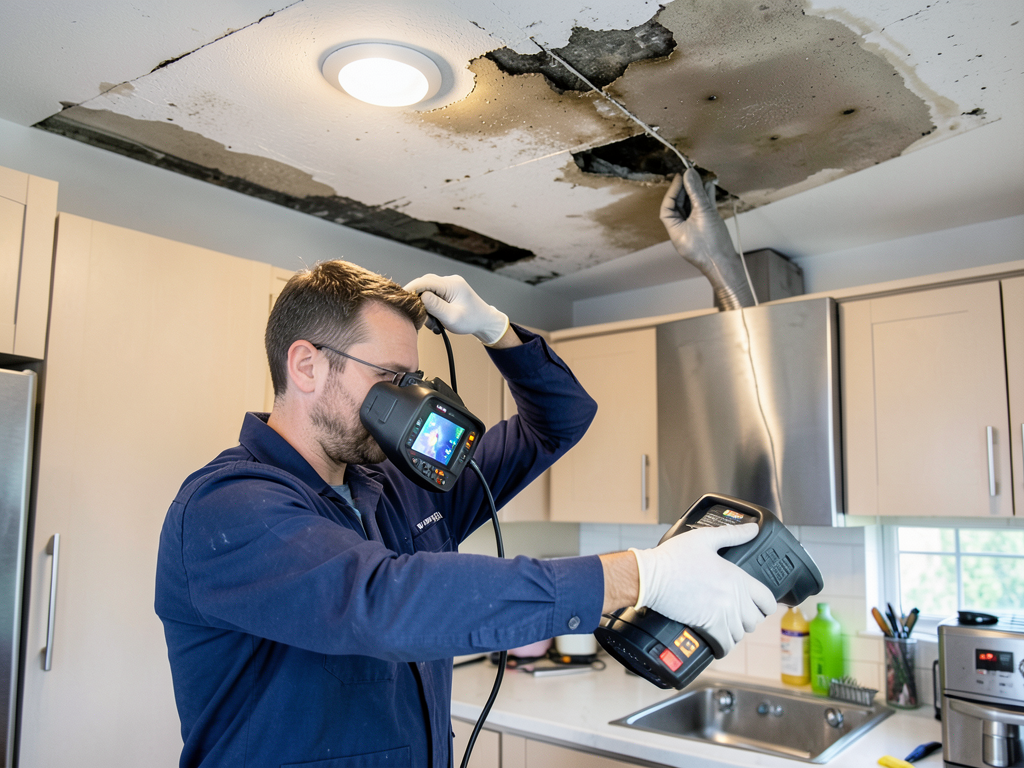
Water Leaking Through Recessed Lights in Burleith Kitchen If you see water dripping from your recessed kitchen lights in Burleith during heavy rain, you are dealing with an active electrical hazard and potential structural damage.…
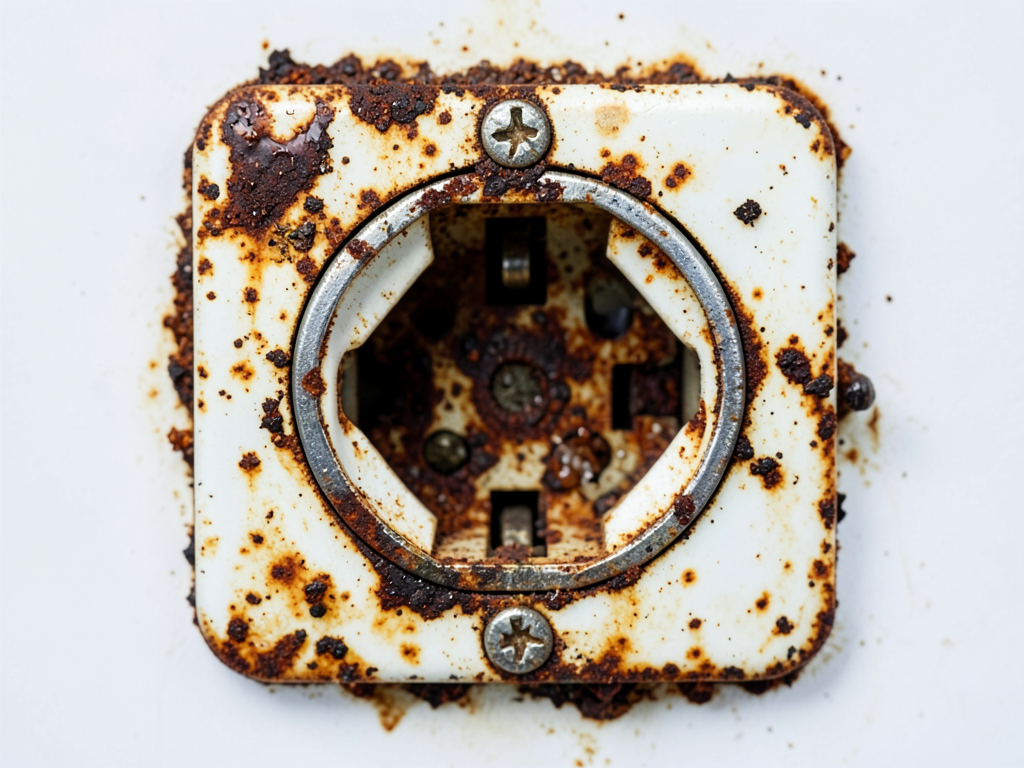
What happens when water gets into the electrical outlets of your Kingman Park rowhome Water…
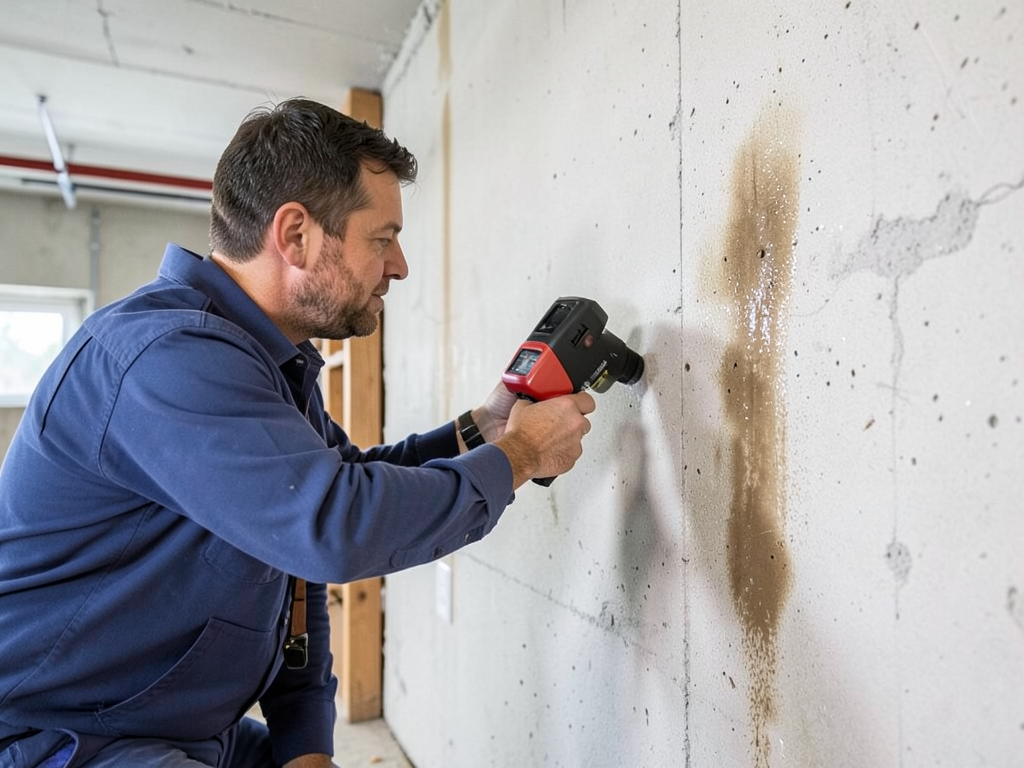
Why your Southwest Waterfront basement is damp even when it hasn’t rained in weeks Your…
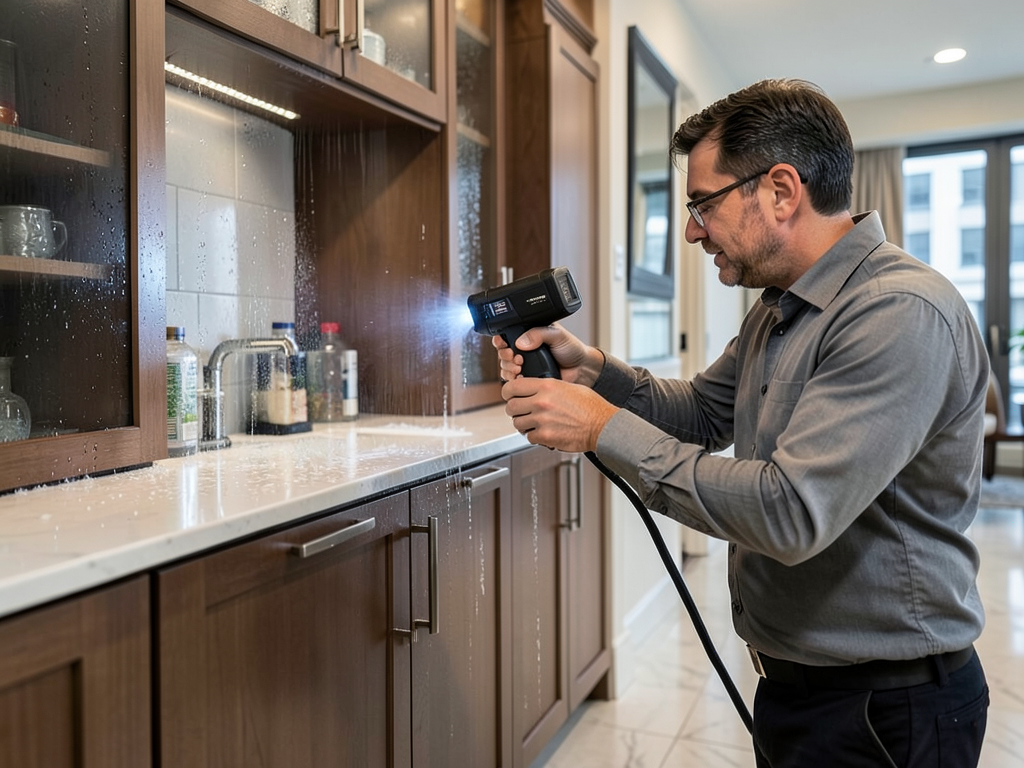
Why the wet bar in your West End condo is the most likely place for…
Water damages your Rockville property every minute you wait. Our crews respond within 90 minutes with extraction equipment and drying systems ready to work. Call (771) 223-8077 now for immediate dispatch. We answer 24 hours a day, every day of the year.