



Alexandria sits at the confluence of the Potomac River and Hunting Creek, placing properties at constant risk from flooding, storm surge, and rising groundwater. The city's dense mix of historic row homes and modern condos creates unique challenges when water invades living spaces. Older Alexandria properties near King Street and Old Town feature brick foundations and crawl spaces that trap moisture, accelerating structural damage and mold colonization.
The region's humidity stays high year-round, creating perfect conditions for microbial growth within 24 to 48 hours after water intrusion. Alexandria's clay-heavy soil drains poorly, causing basement seepage during heavy rain events that have become more frequent and severe. Properties near Four Mile Run and Holmes Run face flash flood risk during summer thunderstorms.
Winter freeze-thaw cycles burst pipes in unheated spaces, while aging infrastructure throughout Del Ray and Rosemont neighborhoods means supply line failures happen without warning. Alexandria's proximity to the Potomac means coastal storm systems bring both wind-driven rain and tidal flooding to waterfront properties. The combination of old building stock, dense urban layout, and geographic water exposure makes fast professional response critical when water damage occurs.
Reliance Water Damage Restoration Washington DC maintains a dedicated dispatch center that serves Alexandria neighborhoods around the clock. Our technicians live and work in the greater Alexandria metro area, which means we reach flooded properties in Del Ray, Rosemont, and Parker-Gray within an hour of your call. We know which basements flood during heavy rain, which buildings have outdated plumbing, and how Alexandria's building inspectors expect documentation.
We carry truck-mounted extraction units, commercial dehumidifiers, and thermal imaging cameras to every job. Our crews understand the difference between treating a brick townhouse foundation and a modern condo with drywall partitions. We document everything with photos, moisture readings, and detailed notes because we work directly with insurance adjusters who handle Alexandria claims daily. This relationship speeds your claim processing and reduces out-of-pocket costs.
Our technicians hold IICRC certifications in water damage restoration and applied structural drying. We follow EPA protocols for antimicrobial treatment and understand Virginia building codes for reconstruction work. When we extract water from your property, we monitor moisture levels in framing, insulation, and subflooring until readings confirm complete drying. We return for follow-up inspections to verify no hidden moisture remains that could cause mold growth or rot.
You need a restoration company that responds immediately, works efficiently, and completes the job correctly the first time. Reliance operates with that standard because we built our reputation serving Alexandria property owners who face water emergencies in the middle of the night, during holidays, and throughout severe weather events.

Our crews reach Alexandria properties within one hour of your emergency call. We dispatch the closest available team with extraction equipment, drying tools, and documentation systems already loaded. Fast response stops water spread, reduces damage severity, and lowers restoration costs. We arrive ready to work, not to estimate.

We communicate directly with insurance adjusters who handle Alexandria water damage claims. Our documentation meets carrier standards for photo evidence, moisture readings, and scope of work. We help you navigate the claims process, explain coverage questions, and provide detailed estimates that adjusters approve without extensive back-and-forth negotiation.
Every technician on our Alexandria crews holds current IICRC certification in water damage restoration and applied structural drying. We follow industry protocols for moisture detection, extraction methods, and drying science. Our training means we know when to remove materials, when to dry in place, and how to prevent secondary damage during restoration.
We know Alexandria's building stock, flood patterns, and infrastructure challenges. Our experience with Old Town brick foundations, Del Ray basement configurations, and waterfront condo construction informs every restoration decision we make. Local knowledge means faster assessment, better solutions, and restoration work that matches your property's specific needs.
Water damage restoration requires coordinated emergency response, structural drying, contamination control, and reconstruction. Reliance provides complete water removal services from initial extraction through final repairs. We handle clean water events like burst supply lines, gray water situations from appliance failures, and category three contamination from sewage backups or flood water intrusion.
Our service range covers emergency water extraction, structural drying and dehumidification, mold remediation, content pack-out and storage, odor control, antimicrobial treatment, and full reconstruction. We operate as a single-source provider, which eliminates coordination problems between multiple contractors. You work with one company, one project manager, and one warranty that covers all restoration work.
We treat residential properties, commercial buildings, and multi-unit complexes throughout Alexandria. Our equipment inventory includes truck-mounted extractors that remove thousands of gallons per hour, low-grain refrigerant dehumidifiers for structural drying, HEPA air scrubbers for particulate control, and thermal imaging cameras that locate hidden moisture. We scale our response to match damage severity, deploying the right equipment mix for efficient water damage mitigation and complete property restoration.
We deploy truck-mounted extraction units and submersible pumps to remove standing water from flooded spaces within minutes of arrival. Our technicians move furniture to dry areas, pull saturated carpeting, and extract water from padding and subflooring. We identify the water source, stop active intrusion when possible, and establish containment barriers to prevent spread. Emergency extraction services include water removal, initial moisture mapping, temporary power setup, and damage documentation for insurance claims. Fast extraction reduces damage severity and shortens drying time.
We deploy commercial dehumidifiers and air movers to dry framing, insulation, drywall, and subflooring to acceptable moisture levels. Our technicians monitor drying progress with moisture meters and thermal imaging, adjusting equipment placement based on readings. We understand how different materials dry and when removal becomes necessary instead of drying in place. Structural drying prevents mold growth, stops rot, and prepares surfaces for reconstruction. We maintain drying equipment until moisture readings confirm complete dryness throughout affected building materials and document final readings for insurance records.
When water damage goes untreated or humidity remains elevated, mold colonies establish in as little as 48 hours. We contain affected areas with plastic barriers and negative air pressure, remove contaminated materials following EPA guidelines, and treat surfaces with antimicrobial solutions. Our remediation process includes HEPA vacuuming, surface cleaning, odor control, and post-remediation verification testing. We address the moisture source that allowed mold growth and implement prevention measures during reconstruction. Mold remediation protects indoor air quality and prevents health problems associated with fungal contamination in living spaces.
Alexandria's combination of aging infrastructure, variable weather, and diverse building stock creates multiple water intrusion pathways. Properties throughout the city face burst pipes during winter cold snaps, basement flooding from overwhelmed storm drains, and roof leaks during severe weather. Understanding these common scenarios helps property owners recognize water damage risks and respond appropriately when intrusion occurs.
The most frequent water damage calls we receive involve supply line failures, appliance malfunctions, storm-driven rain intrusion, and sewage backups. Each scenario requires different treatment protocols based on contamination level, affected materials, and extent of saturation. Basement flooding from groundwater seepage differs completely from a burst washing machine hose or wind-driven rain through failed flashing. Our technicians assess the water source, contamination category, and damage scope before beginning extraction and drying work. Proper assessment ensures we follow correct protocols for water damage cleanup and protect occupant safety throughout the restoration process.
Heavy rain overwhelms Alexandria's combined sewer system, causing basement backups through floor drains and foundation seepage through brick walls. Groundwater rises quickly during storms, pushing through foundation cracks and overwhelming sump pumps. Basement flooding often contains sewage contamination, requiring category three water damage protocols. We extract contaminated water, remove porous materials, and disinfect all surfaces before drying and reconstruction.
Aging copper pipes, frozen supply lines, and deteriorating fittings fail without warning throughout Alexandria's older housing stock. A single burst pipe releases hundreds of gallons before shutoff, saturating floors, walls, and ceilings. Supply line water is clean, but damage spreads rapidly through multi-level buildings. We locate the failure point, extract standing water, and dry affected structures before moisture reaches adjoining spaces or causes ceiling collapse.
Washing machine hoses split, water heaters rupture, and dishwashers leak at connection points. These failures flood kitchens, laundry rooms, and mechanical spaces with clean or gray water depending on the source. Appliance-related water damage often goes unnoticed for hours, allowing saturation to spread through subflooring and into lower levels. We respond quickly to contain damage, extract water from flooring systems, and dry hidden spaces where moisture accumulates.
Wind-driven rain penetrates failed flashing, damaged shingles, and compromised roof valleys. Water enters attic spaces and travels along rafters before appearing as ceiling stains or active drips. Roof leaks affect insulation, drywall, and framing, creating hidden moisture pockets that support mold growth. We identify entry points, extract water from affected materials, and coordinate roof repairs while drying interior spaces to prevent further damage.
Water emergencies create stress, confusion, and fear about property damage and displacement. When you call Reliance, you reach a live person who asks targeted questions about your situation, dispatches the appropriate crew, and provides clear guidance while help travels to your location. We explain what to expect during our arrival, what equipment we'll deploy, and what decisions need to happen immediately versus later in the restoration process.
Our process focuses on stopping damage progression, communicating clearly about scope and timeline, and working efficiently to restore your property. We know you want your home or business back to normal as quickly as possible. Our teams work with that urgency while following proven protocols that produce complete, lasting restoration. You stay informed throughout the project with regular updates, access to your project manager, and clear explanations when conditions change or additional work becomes necessary.
Our dispatch center sends the closest available crew to your Alexandria property within 60 minutes. Technicians arrive with extraction equipment, moisture detection tools, and documentation systems ready for immediate deployment. We perform a rapid damage assessment, identify the water source, and begin emergency services while explaining what we're doing and why. You receive an initial scope of damage, preliminary timeline, and clear next steps before we leave your property.
You work with a dedicated project manager who remains your single point of contact from emergency response through final walkthrough. We provide daily updates on drying progress, timeline adjustments, and insurance coordination. When additional damage appears during demolition or drying, we document findings, explain implications, and discuss options before proceeding. You always know what's happening, what comes next, and how decisions affect cost and timeline.
We don't consider the job complete until moisture readings confirm all affected materials have reached acceptable dry standards and reconstruction work passes final inspection. Our teams photograph conditions at every phase, maintain detailed moisture logs, and document all work performed. You receive complete project documentation for insurance records, warranty information for restoration work, and guidance on preventing future water damage. We follow up after project completion to verify your satisfaction and address any concerns.
Water damage restoration follows a proven sequence that stops damage progression, removes moisture completely, and rebuilds affected spaces to pre-loss condition. Our process adapts to damage severity while maintaining focus on speed, thoroughness, and quality results.
We dispatch crews immediately to stop active water intrusion and remove standing water. Technicians extract water from all affected surfaces using truck-mounted units and portable extractors. We move contents to dry areas, photograph damage conditions, and map moisture extent with thermal imaging. This phase includes identifying the water source, documenting conditions for insurance, and establishing initial drying equipment. Emergency response happens within hours of your call to minimize damage severity and prevent contamination spread.
We deploy commercial dehumidifiers and air movers to remove moisture from building materials over several days. Technicians monitor drying progress twice daily with moisture meters, adjusting equipment based on readings. We remove materials that won't dry properly and treat surfaces to prevent microbial growth. This phase continues until all affected materials reach acceptable moisture levels verified by meter readings. We document drying progress and maintain detailed logs that insurance adjusters require for claim processing.
Once structures are completely dry, we rebuild damaged areas to match existing conditions. This includes replacing drywall, installing new flooring, repainting surfaces, and reinstalling fixtures. We coordinate all trades needed to complete restoration, maintain project timeline communication, and ensure work meets code requirements. Final walkthrough confirms all work is complete, moisture readings remain normal, and your property has returned to pre-loss condition. You receive warranty documentation and complete project records for your insurance file.
Professional water damage restoration follows IICRC S500 standards that classify water by contamination level and guide treatment protocols. Category one water from supply lines requires different handling than category three sewage contamination. Understanding these classifications helps property owners recognize when DIY cleanup is appropriate versus when professional remediation is necessary for safety and insurance compliance.
Water moves through building materials based on vapor pressure, temperature gradients, and material porosity. Drying requires controlling these variables with dehumidification, air movement, and sometimes heat to drive moisture from saturated materials into the air where dehumidifiers can remove it. Simply running fans doesn't constitute proper structural drying. Professional restoration technicians calculate grain depression, monitor psychrometric conditions, and adjust equipment to achieve optimal drying efficiency.
Alexandria's high ambient humidity makes structural drying more challenging than in arid climates. Our dehumidifiers must process large air volumes to achieve the low grain levels necessary for effective moisture removal from building materials. We use low-grain refrigerant dehumidifiers rated for humid coastal conditions, not consumer units designed for basement moisture control. Equipment selection, placement strategy, and monitoring protocols all affect drying speed and completeness.
Insurance carriers expect restoration contractors to follow IICRC protocols, document moisture readings throughout the drying process, and remove materials that cannot be dried within acceptable timeframes. These standards exist to prevent claims of inadequate drying that lead to mold growth, structural damage, and occupant health complaints months after restoration appears complete. Professional documentation protects both property owners and contractors when restoration quality comes into question during claim disputes or post-restoration problems.
Category one water originates from sanitary sources like supply lines and contains no sewage or chemical contamination. Category two gray water contains some contamination from appliances or clean toilet overflow. Category three black water includes sewage, rising floodwater, or any water that contacted contaminated surfaces. Treatment protocols, material removal decisions, and safety precautions change based on contamination level. Insurance coverage and claim processing also vary by category.
Water damage restoration costs depend on water volume, affected square footage, contamination category, materials requiring replacement, and drying duration. Hardwood floors cost more to dry than carpet. Category three contamination requires complete material removal instead of drying in place. Multi-story damage, difficult access, and contents requiring pack-out all increase project cost. Insurance coverage varies by policy, deductible, and whether damage resulted from covered perils or maintenance neglect.
Complete structural drying typically requires three to five days for minor water intrusion and seven to ten days for extensive saturation affecting multiple rooms or building levels. Drying time depends on initial moisture content, material types, ambient humidity, and equipment capacity. Hardwood floors, plaster walls, and thick insulation take longer to dry than drywall and carpet. We cannot rush the drying process without risking incomplete moisture removal that causes problems later.
The Institute of Inspection, Cleaning and Restoration Certification establishes industry standards for water damage restoration through the S500 standard document. IICRC certification requires technicians to complete training in water damage science, drying principles, and proper restoration procedures. Insurance carriers reference IICRC standards when evaluating restoration work quality and claim documentation. Certified technicians understand moisture detection, psychrometrics, antimicrobial treatment, and proper equipment operation for effective water damage mitigation.
Professional explanation of water damage restoration services in Alexandria, DC. Covers emergency response procedures, structural drying methods, and complete water removal protocols for residential and commercial properties. Learn about IICRC standards, contamination categories, and insurance coordination for flood cleanup, burst pipe repair, and storm damage restoration throughout Alexandria neighborhoods including Old Town, Del Ray, and Rosemont. Presented by Reliance Water Damage Restoration Washington DC.
Reliance Water Damage Restoration Washington DC maintains rapid response capability throughout Alexandria's diverse neighborhoods, from the historic brick townhouses of Old Town to the modern waterfront condos along the Potomac River shoreline. We serve residents and businesses in Del Ray, where aging bungalows face basement flooding during heavy rain events that overwhelm the area's combined sewer system. Our crews know the neighborhood streets, typical building construction, and common water intrusion points that affect properties throughout this walkable community near the Braddock Road Metro station.
The Rosemont neighborhood's mid-century homes experience frequent supply line failures and water heater malfunctions. We respond quickly to properties near Commonwealth Avenue and Russell Road, where families need immediate water extraction to prevent damage spread through finished basements and main living areas. Parker-Gray residents call us for emergency response when storm water backs up through floor drains or when aging plumbing systems fail in the area's historic structures near the King Street corridor.
Our teams regularly serve properties in Seminary Hill and the West End, where the terrain's elevation changes create unique drainage challenges during severe weather. We work throughout the Eisenhower Valley business district, responding to commercial water damage in office buildings and retail spaces that require after-hours emergency service to minimize business interruption. Properties near Four Mile Run experience flash flooding during summer thunderstorms, and we maintain equipment specifically for rapid response to these weather-driven emergencies.
Old Town's waterfront location means properties near the Potomac face flooding risk from coastal storms and tidal surge. We understand the construction methods used in Alexandria's historic district, where brick foundations and traditional framing require specialized drying approaches. From the high-rise condos near National Harbor to the single-family homes in Cameron Station, our coverage extends throughout Alexandria and into adjacent Arlington County and Fairfax County communities. We serve the entire greater Alexandria metro area with the same rapid response time and professional restoration standards that built our reputation.
Water damage restoration in Alexandria involves removing water, drying affected areas, and repairing damage to your property. The process typically includes inspection, water extraction, dehumidification, cleaning, and restoration work. Alexandria's proximity to the Potomac River and aging infrastructure makes homes vulnerable to flooding, burst pipes, and sewage backups. Professional restoration teams respond 24/7 to minimize damage. Time is critical—mold grows within 24-48 hours of water exposure. Most restoration projects take 3-7 days depending on severity. Your homeowner's insurance often covers water damage from sudden incidents like pipe bursts, but not gradual damage or flooding.
Alexandria experiences water damage from multiple sources. Burst pipes occur frequently during winter months when temperatures drop below freezing. Aging homes in Old Town and Del Ray have outdated plumbing systems prone to failure. Heavy rainfall overwhelms storm drains, causing basement flooding. The Potomac River threatens low-lying neighborhoods during severe weather. Appliance failures like washing machine hoses and water heater leaks damage floors and walls. Roof leaks from missing shingles allow rainwater inside. Sewage backups happen when tree roots infiltrate sewer lines. HVAC condensation issues create hidden moisture problems. Each source requires different restoration approaches.
Start by stopping the water source if possible. Turn off your main water valve for pipe bursts. Move furniture and valuables to dry areas. Document everything with photos and videos for insurance claims. Contact your insurance company immediately. Call a professional restoration company within the first hour. Remove standing water with towels or a wet vacuum if safe. Open windows for ventilation if weather permits. Remove wet rugs and fabrics. Do not enter rooms with electrical hazards. Avoid using household vacuums on water. Professional assessment prevents hidden damage from causing expensive problems later. Speed reduces mold risk and repair expenses.
Water damage restoration in Alexandria involves removing water, drying affected areas, and repairing damage to your property. The process typically includes inspection, water extraction, dehumidification, cleaning, and restoration work. Alexandria's proximity to the Potomac River and aging infrastructure makes homes vulnerable to flooding, burst pipes, and sewage backups. Professional restoration teams respond 24/7 to minimize damage. Time is critical—mold grows within 24-48 hours of water exposure. Most restoration projects take 3-7 days depending on severity. Your homeowner's insurance often covers water damage from sudden incidents like pipe bursts, but not gradual damage or flooding.
Alexandria experiences water damage from multiple sources. Burst pipes occur frequently during winter months when temperatures drop below freezing. Aging homes in Old Town and Del Ray have outdated plumbing systems prone to failure. Heavy rainfall overwhelms storm drains, causing basement flooding. The Potomac River threatens low-lying neighborhoods during severe weather. Appliance failures like washing machine hoses and water heater leaks damage floors and walls. Roof leaks from missing shingles allow rainwater inside. Sewage backups happen when tree roots infiltrate sewer lines. HVAC condensation issues create hidden moisture problems. Each source requires different restoration approaches.
Start by stopping the water source if possible. Turn off your main water valve for pipe bursts. Move furniture and valuables to dry areas. Document everything with photos and videos for insurance claims. Contact your insurance company immediately. Call a professional restoration company within the first hour. Remove standing water with towels or a wet vacuum if safe. Open windows for ventilation if weather permits. Remove wet rugs and fabrics. Do not enter rooms with electrical hazards. Avoid using household vacuums on water. Professional assessment prevents hidden damage from causing expensive problems later. Speed reduces mold risk and repair expenses.
Professional restoration costs less than DIY attempts gone wrong. Technicians have industrial equipment like truck-mounted extractors, commercial dehumidifiers, and air movers. Moisture meters detect hidden water behind walls and under floors. Thermal imaging cameras identify wet areas invisible to the eye. Professionals understand building science and proper drying techniques. They prevent mold growth through controlled dehumidification. Licensed teams handle sewage contamination safely. They work directly with insurance companies and understand claim documentation. Restoration experts complete work faster than homeowners. They also identify structural damage requiring immediate attention. Poor DIY drying leads to mold, rot, and collapsed ceilings.
Restoration timelines depend on damage severity and affected area size. Minor incidents like small pipe leaks take 2-3 days to dry and repair. Moderate damage affecting multiple rooms requires 4-5 days. Extensive flooding from storms or major pipe failures needs 7-14 days or longer. Drying time depends on materials affected. Hardwood floors take longer than carpet. Wall cavities need extended drying periods. High humidity slows the process. Professional monitoring ensures complete drying before reconstruction begins. Rushing creates mold problems months later. Insurance coordination and contractor availability also affect total project time. Winter conditions extend drying periods.
Homeowner's policies typically cover sudden and accidental water damage. Burst pipes, appliance failures, and roof leaks from storms usually qualify. Insurance covers water removal, drying, repairs, and temporary housing when needed. Flood damage requires separate flood insurance through NFIP or private carriers. Gradual damage from slow leaks or poor maintenance gets denied. Sewage backup coverage needs a separate endorsement. Document damage immediately with photos and videos. Keep receipts for emergency expenses. File claims within your policy timeframe. Restoration companies help navigate the claims process. Review your policy annually to understand coverage limits and exclusions.
Mold grows on wet materials within 24-48 hours. Visible mold appears as black, green, or white patches on walls, ceilings, and floors. Musty odors indicate hidden mold growth. Health symptoms include respiratory issues, headaches, and allergic reactions. Professional remediation removes contaminated materials and treats affected areas. Technicians use containment barriers to prevent spore spread. HEPA filtration systems clean the air during removal. Antimicrobial treatments kill remaining spores. Fixing moisture sources prevents recurrence. Alexandria's humid climate accelerates mold growth. Proper drying during restoration prevents mold problems. Small mold patches under 10 square feet allow DIY cleaning with appropriate safety gear.
Alexandria's historic homes face unique restoration challenges. Plaster walls absorb more water than modern drywall. Original hardwood floors warp and cup when wet. Basement foundations lack modern waterproofing. Knob and tube wiring creates electrical hazards when wet. Horsehair plaster requires specialized drying techniques. Historic preservation rules limit renovation options in certain districts. Cast iron pipes corrode over time and fail unexpectedly. Many older homes lack proper grading around foundations. Restoration professionals familiar with historic properties understand these complexities. They balance modern techniques with preservation requirements. Documenting original materials helps insurance claims. Experienced contractors protect architectural details during restoration.
Choose restoration companies with IICRC certification for water damage and mold remediation. Verify they operate 24/7 for emergency response. Ask about response times—immediate arrival matters for water damage. Confirm they work directly with insurance companies. Request references from recent Alexandria projects. Check online reviews across multiple platforms. Ensure they use commercial-grade equipment and moisture detection tools. Ask about their drying protocols and monitoring procedures. Verify they handle both extraction and reconstruction. Local companies understand Alexandria building codes and permit requirements. Get written estimates detailing scope and timeline. Avoid companies requiring full payment upfront.
Install water detection sensors near appliances, sump pumps, and water heaters. Replace washing machine hoses every five years. Inspect roof shingles annually for damage. Clean gutters twice yearly to prevent overflow. Insulate pipes in unheated areas before winter. Know your main water shutoff location. Grade soil away from your foundation. Service HVAC systems annually to prevent condensation issues. Replace old supply lines under sinks. Install a sump pump with battery backup in basements. Monitor water bills for unexpected increases indicating leaks. Trim trees away from sewer lines. These steps reduce water damage risk in Alexandria homes.
Professional restoration costs less than DIY attempts gone wrong. Technicians have industrial equipment like truck-mounted extractors, commercial dehumidifiers, and air movers. Moisture meters detect hidden water behind walls and under floors. Thermal imaging cameras identify wet areas invisible to the eye. Professionals understand building science and proper drying techniques. They prevent mold growth through controlled dehumidification. Licensed teams handle sewage contamination safely. They work directly with insurance companies and understand claim documentation. Restoration experts complete work faster than homeowners. They also identify structural damage requiring immediate attention. Poor DIY drying leads to mold, rot, and collapsed ceilings.
Restoration timelines depend on damage severity and affected area size. Minor incidents like small pipe leaks take 2-3 days to dry and repair. Moderate damage affecting multiple rooms requires 4-5 days. Extensive flooding from storms or major pipe failures needs 7-14 days or longer. Drying time depends on materials affected. Hardwood floors take longer than carpet. Wall cavities need extended drying periods. High humidity slows the process. Professional monitoring ensures complete drying before reconstruction begins. Rushing creates mold problems months later. Insurance coordination and contractor availability also affect total project time. Winter conditions extend drying periods.
Homeowner's policies typically cover sudden and accidental water damage. Burst pipes, appliance failures, and roof leaks from storms usually qualify. Insurance covers water removal, drying, repairs, and temporary housing when needed. Flood damage requires separate flood insurance through NFIP or private carriers. Gradual damage from slow leaks or poor maintenance gets denied. Sewage backup coverage needs a separate endorsement. Document damage immediately with photos and videos. Keep receipts for emergency expenses. File claims within your policy timeframe. Restoration companies help navigate the claims process. Review your policy annually to understand coverage limits and exclusions.
Mold grows on wet materials within 24-48 hours. Visible mold appears as black, green, or white patches on walls, ceilings, and floors. Musty odors indicate hidden mold growth. Health symptoms include respiratory issues, headaches, and allergic reactions. Professional remediation removes contaminated materials and treats affected areas. Technicians use containment barriers to prevent spore spread. HEPA filtration systems clean the air during removal. Antimicrobial treatments kill remaining spores. Fixing moisture sources prevents recurrence. Alexandria's humid climate accelerates mold growth. Proper drying during restoration prevents mold problems. Small mold patches under 10 square feet allow DIY cleaning with appropriate safety gear.
Alexandria's historic homes face unique restoration challenges. Plaster walls absorb more water than modern drywall. Original hardwood floors warp and cup when wet. Basement foundations lack modern waterproofing. Knob and tube wiring creates electrical hazards when wet. Horsehair plaster requires specialized drying techniques. Historic preservation rules limit renovation options in certain districts. Cast iron pipes corrode over time and fail unexpectedly. Many older homes lack proper grading around foundations. Restoration professionals familiar with historic properties understand these complexities. They balance modern techniques with preservation requirements. Documenting original materials helps insurance claims. Experienced contractors protect architectural details during restoration.
Choose restoration companies with IICRC certification for water damage and mold remediation. Verify they operate 24/7 for emergency response. Ask about response times—immediate arrival matters for water damage. Confirm they work directly with insurance companies. Request references from recent Alexandria projects. Check online reviews across multiple platforms. Ensure they use commercial-grade equipment and moisture detection tools. Ask about their drying protocols and monitoring procedures. Verify they handle both extraction and reconstruction. Local companies understand Alexandria building codes and permit requirements. Get written estimates detailing scope and timeline. Avoid companies requiring full payment upfront.
Install water detection sensors near appliances, sump pumps, and water heaters. Replace washing machine hoses every five years. Inspect roof shingles annually for damage. Clean gutters twice yearly to prevent overflow. Insulate pipes in unheated areas before winter. Know your main water shutoff location. Grade soil away from your foundation. Service HVAC systems annually to prevent condensation issues. Replace old supply lines under sinks. Install a sump pump with battery backup in basements. Monitor water bills for unexpected increases indicating leaks. Trim trees away from sewer lines. These steps reduce water damage risk in Alexandria homes.
While we primarily offer mobile, on-site water damage restoration services throughout Washington D.C., you can view our main operational hub and service area on the map below. We are strategically located to ensure rapid deployment and efficient response times to all emergencies across the region, bringing our expert services directly to your property wherever you are within our service footprint.
Address:
Alexandria, DC, 22314
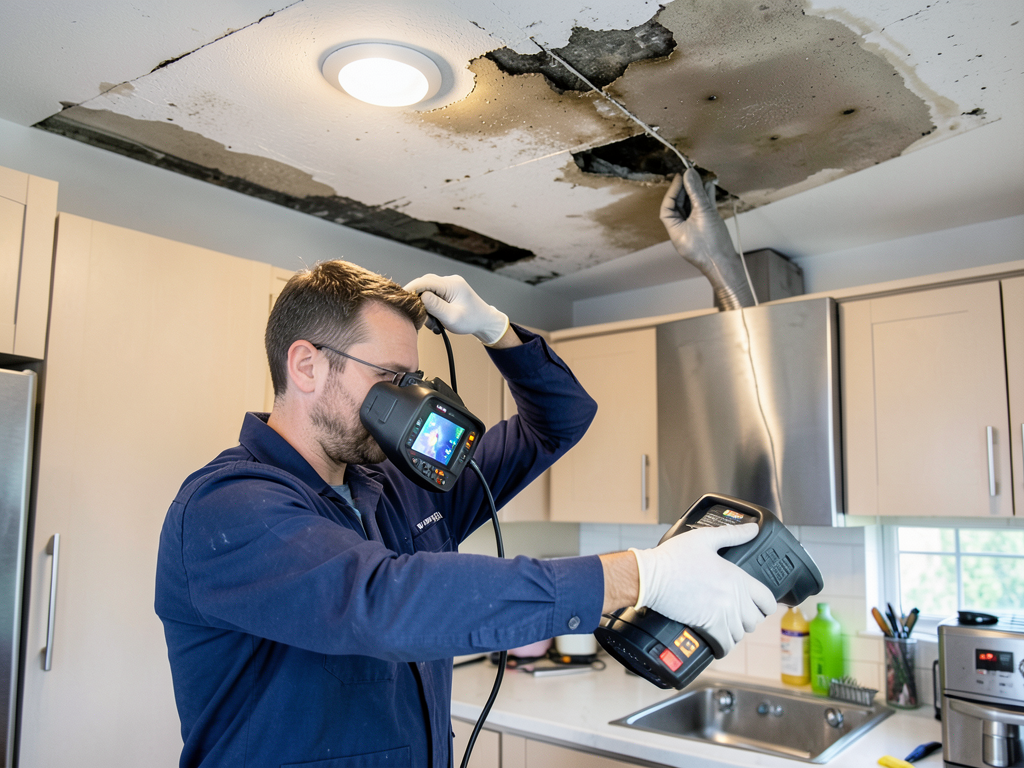
Water Leaking Through Recessed Lights in Burleith Kitchen If you see water dripping from your recessed kitchen lights in Burleith during heavy rain, you are dealing with an active electrical hazard and potential structural damage.…
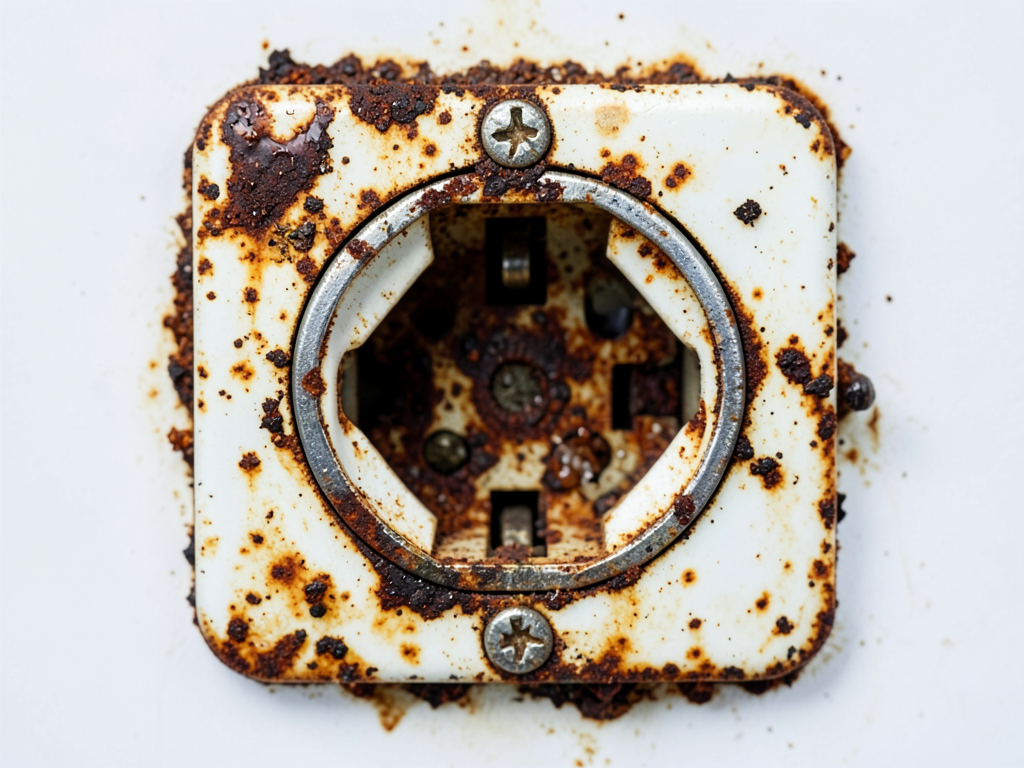
What happens when water gets into the electrical outlets of your Kingman Park rowhome Water…
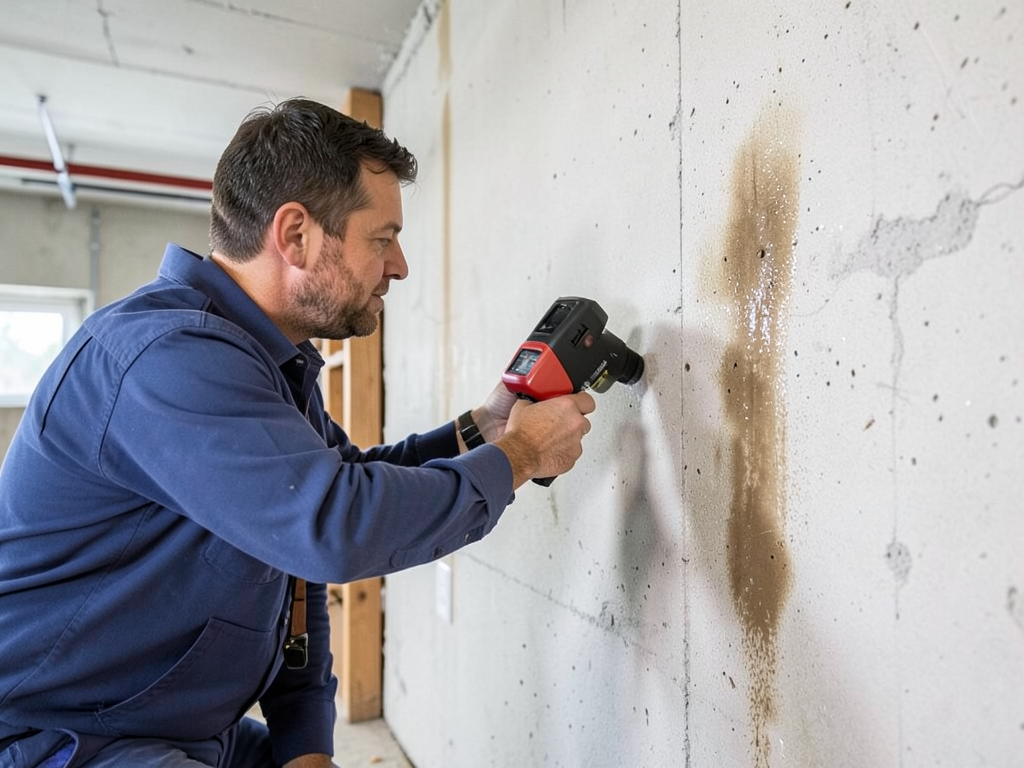
Why your Southwest Waterfront basement is damp even when it hasn’t rained in weeks Your…
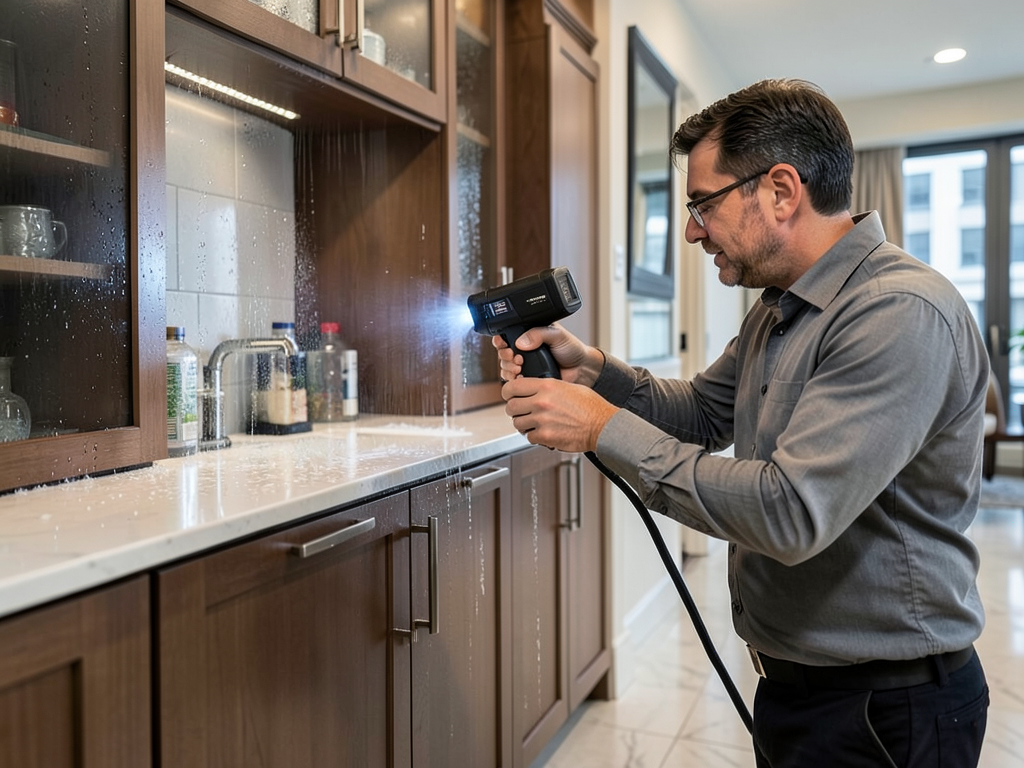
Why the wet bar in your West End condo is the most likely place for…
Water damage gets worse every minute you wait. Call Reliance Water Damage Restoration Washington DC now at (771) 223-8077 for emergency response. Our crews dispatch immediately to stop damage, extract water, and start your property restoration. We're available 24 hours a day, seven days a week.