




Menu

Does Insurance Cover Mold in Washington, D.C.? | Expert Navigation Through Your Policy's Fine Print

Understanding homeowners insurance mold coverage is complex. We decode your policy, help file claims correctly, and explain exactly when property insurance mold coverage applies in the District.

Slider Image 1
Slider Image 2
Slider Image 3
Slider Image 4
Slider Image 5
Slider Image 7
Slider Image 8
Slider Image 9
Slider Image 10
Slider Image 11

Why Mold Coverage Confuses Washington, D.C. Property Owners

Most homeowners assume their policy covers all water damage and the resulting mold. That assumption costs District residents thousands in denied claims every year.

Is mold damage covered by insurance? The answer depends on what caused the moisture problem in the first place. Washington, D.C.'s unique position along the Potomac River creates persistent humidity levels that can push 70 percent during summer months. Historic row houses in Capitol Hill and Dupont Circle were built before modern vapor barriers existed. When you combine pre-1950s construction with our subtropical humid climate, you get conditions where mold thrives.

Your policy likely covers mold if it resulted from a sudden, accidental event. A burst pipe that floods your basement and spawns mold within 72 hours typically qualifies. The slow leak behind your toilet that went unnoticed for six months? That falls under maintenance neglect, and most carriers will deny your claim.

Homeowners insurance mold coverage usually caps at $10,000 to $15,000, even when the cause is covered. Some policies exclude mold entirely unless you purchase a rider. The language in these policies is deliberately vague. Terms like "sudden and accidental" versus "gradual deterioration" become battlegrounds during the claims process.

Property insurance mold coverage also varies wildly between carriers. Some treat mold as a consequential damage. Others classify it as a pollutant. The difference determines whether you get full remediation costs or nothing at all.

Understanding what does home insurance pay for mold removal requires reading your declarations page, your exclusions section, and any endorsements you added at renewal. Most people never do this until they file a claim and get the denial letter.

Why Mold Coverage Confuses Washington, D.C. Property Owners
How We Help You Navigate Mold Remediation Insurance Claims

How We Help You Navigate Mold Remediation Insurance Claims

Filing mold remediation insurance claims requires specific documentation and language. Adjusters deny claims because homeowners use the wrong terms or fail to establish causation between the water event and the microbial growth.

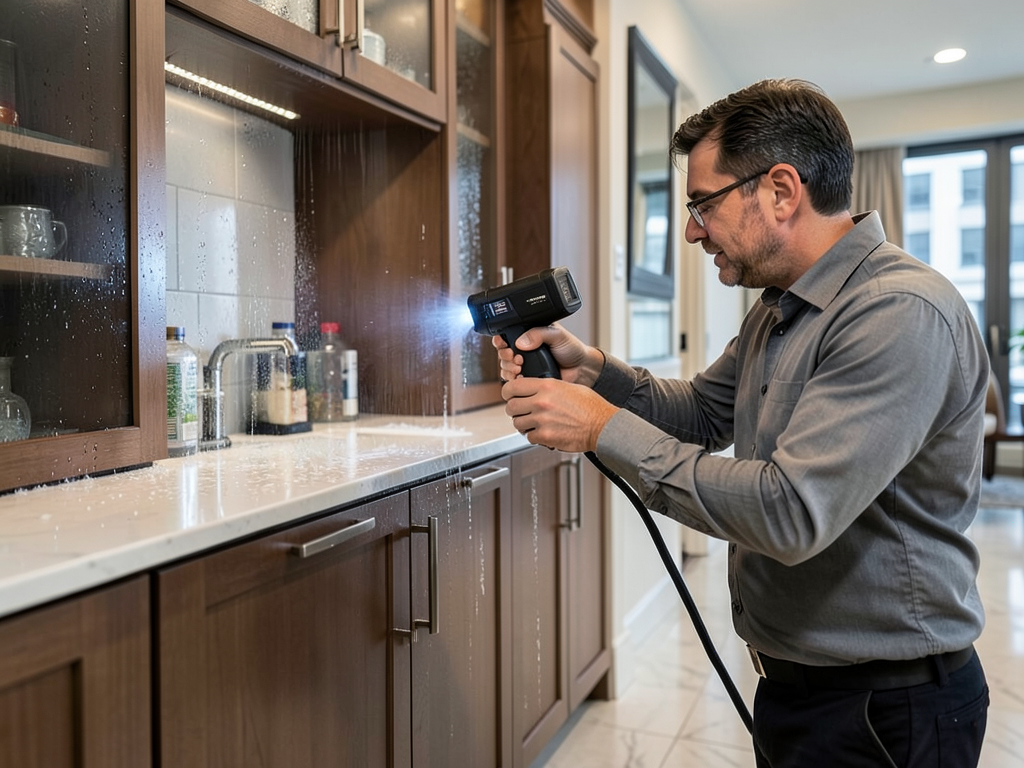
We start by determining the moisture source. Our FLIR thermal imaging cameras detect hidden water migration behind walls and under floors. We map the extent of contamination using spore sampling and ATP surface testing. This creates an evidence chain that connects the covered peril to the mold colonization.

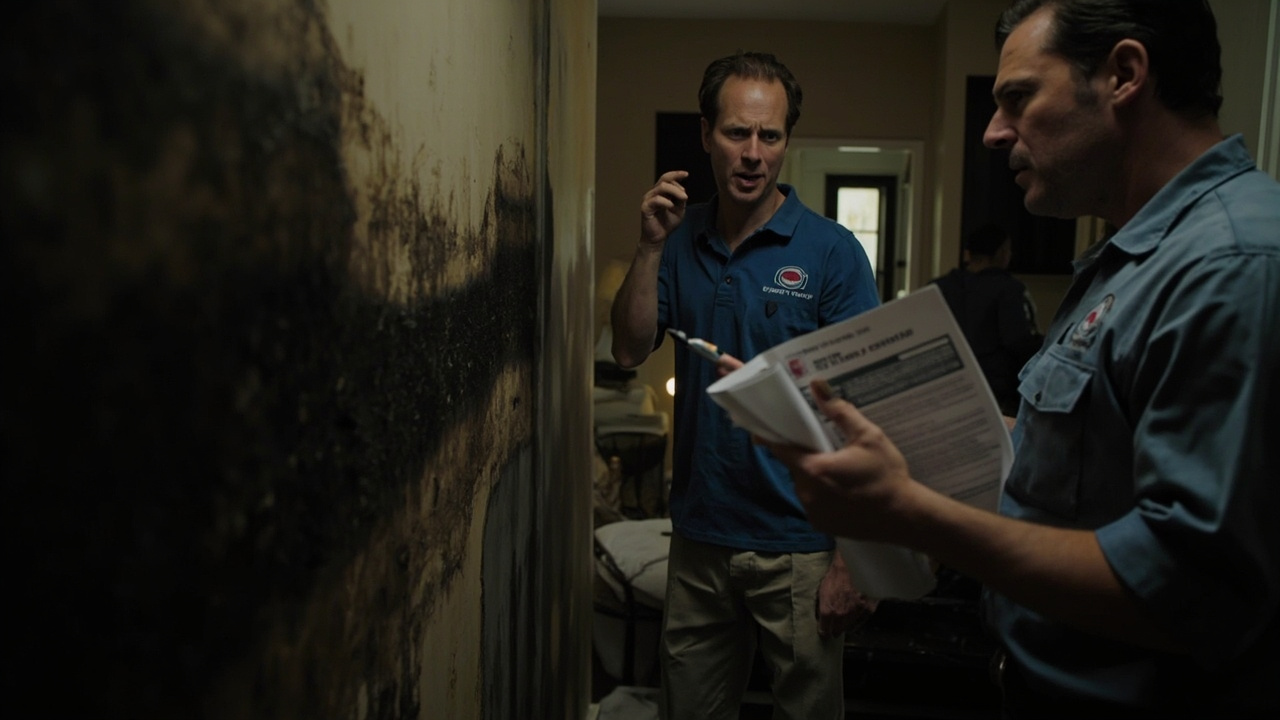
Insurance companies want proof the damage happened suddenly. We document timeline markers using moisture meter readings that show saturation levels, photo evidence with EXIF timestamps, and chain-of-custody protocols for laboratory samples. When we find Stachybotrys or Chaetomium species growing on drywall, we can often backdate the moisture intrusion based on colony density and growth patterns.

The claims process requires separating covered work from non-covered maintenance. We itemize emergency water extraction and structural drying as immediate mitigation under your policy's requirement to prevent further loss. We list mold remediation as consequential damage stemming from the covered water loss. We break out any repairs related to deferred maintenance as separate line items.

Our documentation includes psychrometric calculations showing how Washington, D.C.'s dew point and your HVAC system's performance contributed to condensation problems. We reference EPA guidelines and IICRC S520 standards to justify our containment protocols and antimicrobial applications.

We prepare estimates using Xactimate software, the same platform your adjuster uses. This eliminates disputes over pricing and scope. We include before and after moisture readings, containment photos, and disposal manifests for contaminated materials. Every step creates an audit trail that supports your claim.

What Happens When You Question Your Mold Coverage

Does Insurance Cover Mold in Washington, D.C.? | Expert Navigation Through Your Policy's Fine Print
01

Policy Analysis and Documentation

We review your declarations page, exclusions, and endorsements to identify what triggers coverage. You send us photos of the damage and we determine if the loss qualifies as sudden and accidental or gradual deterioration. We explain the difference between covered perils and maintenance exclusions in plain language. This analysis tells you whether to file a claim or pay out of pocket before you waste time on a denial.
02

Evidence Collection and Quantification

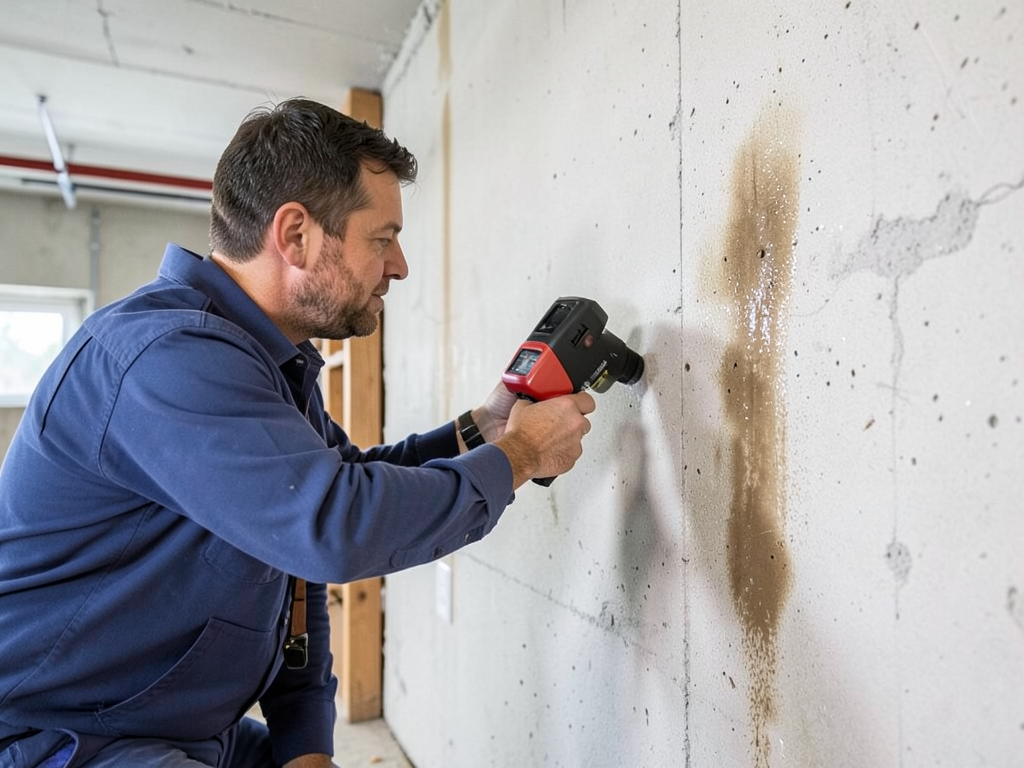
We perform moisture mapping using penetrating and non-penetrating meters to establish the water source and migration path. Our technicians photograph every affected area with timestamp metadata. We collect air and surface samples if the contamination exceeds 10 square feet or involves HVAC systems. This creates the proof your carrier needs to connect the mold growth directly to a covered water loss event.
03

Claims Coordination and Settlement

We communicate directly with your adjuster using industry terminology they understand. Our estimates separate emergency mitigation from remediation from repairs so the carrier can evaluate each category against your policy limits. We attend site inspections, explain our methodology, and justify our scope. If they lowball the estimate, we provide third-party lab data and moisture documentation that supports the full claim amount until you get fair compensation.

Why Washington, D.C. Homeowners Trust Our Insurance Expertise

Most restoration companies remove mold. We remove mold and get you paid for it. That distinction matters when your carrier denies the claim or offers 40 cents on the dollar.

We have worked with every major insurance carrier operating in the District. We know which adjusters accept thermal imaging as proof of hidden moisture and which ones demand invasive inspection. We understand how D.C.'s historic preservation regulations affect coverage when you own a property in the Old Georgetown Act boundary or the Capitol Hill Historic District. Your policy may exclude certain repairs if they require Historic Preservation Review Board approval, but we can often reclassify that work to maintain coverage.

The row house construction common in Shaw, Logan Circle, and Eastern Market creates shared walls and interconnected plumbing. When your neighbor's pipe bursts and the water migrates through your shared wall, liability and coverage become complicated. We document cross-property damage in a way that protects your claim while preserving neighbor relationships.

Our project managers understand the difference between HO-3 special form policies and HO-5 comprehensive coverage. We know that dwelling coverage limits differ from personal property limits and that additional living expenses have separate caps. When we estimate your loss, we allocate costs across the right coverage categories to maximize your payout.

We also recognize when your carrier is acting in bad faith. Unreasonable delays, lowball settlements, and denials based on policy language that contradicts D.C. insurance regulations are red flags. We document these issues and connect you with public adjusters or attorneys when necessary. Our goal is full compensation for covered losses, not quick settlements that leave you undercompensated.

Reliance Water Damage Restoration Washington DC has helped property owners recover hundreds of thousands in mold claims that other companies would have written off as uninsurable.

What to Expect During the Claims and Remediation Process

Immediate Response and Mitigation

We arrive within two hours for emergency water losses to begin extraction and drying before mold colonizes. This rapid response satisfies your policy's requirement to mitigate further damage. We photograph conditions before we start work, document all equipment placement, and log daily moisture readings. These mitigation costs are almost always covered because you are preventing additional loss. We send daily updates to your adjuster showing drying progress and equipment usage to preempt disputes over necessity or duration of services.

Comprehensive Damage Assessment

We inspect beyond the obvious damage to find hidden moisture that will cause problems later. Thermal cameras reveal wet insulation inside walls. Hygrometers measure humidity levels in crawl spaces and attics. We test behind baseboards, under flooring, and inside ceiling cavities. This thorough assessment prevents your claim from being reopened later when hidden mold appears months after the initial loss. We provide a written scope that separates covered emergency services, covered consequential damage, and non-covered deferred maintenance so you understand exactly what the insurance will pay.

Professional Remediation and Restoration

Our technicians establish negative air containment using HEPA air scrubbers before removing contaminated materials. We bag and dispose of moldy drywall, insulation, and carpeting according to EPA guidelines. After removal, we apply antimicrobial treatments to structural components and verify clearance using post-remediation testing. The final product is a home restored to pre-loss condition with lab documentation proving the mold is gone. We provide all invoices, certificates of completion, and clearance testing results in a format your mortgage company or future buyers will accept.

Ongoing Claim Support and Documentation

Insurance claims can drag on for months. We stay engaged throughout the process, responding to adjuster questions and providing supplemental documentation as needed. If the carrier requests additional testing or a second inspection, we coordinate the logistics and attend the appointment. When you receive the settlement check, we review it against our estimate to verify all covered items were included. If line items were shorted or excluded, we prepare a supplement with justification for the missing costs. We do not consider the job complete until your claim is settled fairly and your property is restored.

Frequently Asked Questions

You Have Questions,
We Have Answers

Can you claim for mold on house insurance? +

You can claim mold damage if it resulted from a covered peril like burst pipes or storm damage. Homeowners insurance in Washington, D.C. typically excludes mold from long-term neglect or maintenance issues. If a sudden water event causes mold within days, your policy may cover remediation. Review your declarations page for mold coverage limits, which often cap at $10,000 or less. Document the water source immediately and notify your insurer within 24 hours. High humidity from Potomac River proximity does not qualify as a covered event, so prevention is critical.

Is mold exposure covered by insurance? +

Mold exposure is rarely covered by standard homeowners insurance in Washington, D.C. Policies cover property damage, not health claims. If mold from a covered water loss causes bodily injury to a visitor, liability coverage might apply. Personal health issues from mold exposure fall under health insurance, not property insurance. You need proof linking sudden water damage to mold growth within a short timeframe. Chronic exposure from slow leaks or poor ventilation gets denied. Always separate property claims from personal injury claims when filing.

What is an example of a mold claim? +

A homeowner in Georgetown experienced a burst washing machine hose while on vacation. Water flooded the basement for three days before discovery. Black mold appeared on drywall and subflooring within a week. The insurer covered water extraction and mold remediation because the burst hose was a sudden event. The claim totaled $8,500 for removal and reconstruction. The policy had a $10,000 mold cap. If the homeowner had ignored a slow drip for months, coverage would have been denied. Timing and documentation proved the sudden occurrence.

How expensive is mold removal? +

Mold removal costs vary by severity and square footage. Small bathroom mold patches may run $500 to $1,500 for surface cleaning. Extensive basement contamination from flooding can exceed several thousand dollars for containment, air scrubbing, and material removal. Washington, D.C. homes with brick exteriors and poor grading often face higher costs due to persistent moisture intrusion. Professional assessment identifies hidden growth behind walls or under flooring. Insurance may cover some costs if linked to a covered water event. DIY attempts often spread spores and worsen contamination.

Will my rates go up if I file a mold claim? +

Filing a mold claim can increase premiums, especially if your property has a claims history. Insurers in Washington, D.C. view mold claims as high-risk due to the city's humid climate and aging housing stock. A single claim may not spike rates immediately, but multiple water or mold claims within three years can trigger non-renewal. Your claims history follows you through the Comprehensive Loss Underwriting Exchange database. Weigh the claim payout against potential rate hikes. Small mold issues under your deductible are often better handled out-of-pocket.

How much does it cost to fix damp issues in a house? +

Fixing damp issues depends on the source. Basement waterproofing in Washington, D.C. homes ranges from simple gutter repairs to full perimeter drain installation. Surface-level fixes like dehumidifiers and sealants cost less but may not address foundation cracks or hydrostatic pressure from clay soil. Comprehensive solutions involve exterior excavation and membrane systems. Insurance does not cover maintenance-related dampness or gradual seepage. You must address grading issues and downspout extensions before mold takes hold. Prevention costs less than remediation after damage occurs.

Should I tell my insurance company about mold? +

You must report mold to your insurer if it stems from a covered water event like a burst pipe or roof leak. Delaying notification can void coverage. Washington, D.C. policies require prompt reporting, usually within 48 to 72 hours of discovery. Do not admit fault or speculate on the cause when filing. Stick to facts about the water source and timeline. If mold results from neglect or gradual leaks, your claim will likely be denied regardless of when you report it. Transparency protects your claim validity.

What to do if you can't afford mold removal? +

If you cannot afford mold removal, prioritize containment to prevent spread. Seal off affected areas with plastic sheeting and run a HEAP air purifier. Contact local housing assistance programs in Washington, D.C. for low-income support or emergency grants. Some restoration companies offer payment plans or work with insurance adjusters to advocate for coverage. Document everything with photos and moisture readings. Small areas under 10 square feet can sometimes be cleaned with proper PPE and EPA-registered biocides. Never ignore mold, it worsens structural damage and health risks over time.

What are signs of mold in a home? +

Mold signs include musty odors, visible black or green patches on walls, and discoloration around windows or baseboards. You may notice peeling paint, warped flooring, or water stains on ceilings. Respiratory issues, headaches, or allergy flare-ups can signal hidden growth. Washington, D.C. row homes often trap moisture in shared walls and crawl spaces. Check under sinks, around HVAC units, and in attics after heavy rain. Use a moisture meter to detect hidden dampness above 60 percent relative humidity. Early detection prevents costly remediation.

How hard is it to win a mold lawsuit? +

Winning a mold lawsuit is difficult without clear evidence of negligence and damages. You must prove the defendant knew about water intrusion and failed to act. In Washington, D.C., landlords face liability if they ignore tenant reports of leaks. Homeowners suing insurers must show the policy covered the water event and mold resulted quickly. Expert testimony linking mold to health issues strengthens cases but requires medical documentation. District of Columbia Superior Court handles most mold disputes. Success depends on thorough documentation, expert witnesses, and demonstrating causation between negligence and harm.

How Washington, D.C.'s Humidity and Historic Housing Stock Complicate Mold Claims

The District sits at the confluence of the Potomac and Anacostia Rivers in a humid subtropical zone where summer dew points regularly exceed 70 degrees. Row houses built before 1940 in neighborhoods like Georgetown, Capitol Hill, and Foggy Bottom lack vapor barriers and rely on lime plaster walls that absorb moisture. When modern HVAC systems cool these old homes, condensation forms inside wall cavities. Insurance adjusters often classify this as a maintenance issue rather than a sudden occurrence, even though the homeowner had no way to detect the problem before mold appeared. Understanding how to document the difference between chronic condensation and acute water intrusion determines whether your claim gets paid.

D.C. has specific regulations around historic properties that affect both coverage and remediation methods. If your home is in a historic district, your insurance may limit coverage for repairs that require HPRB approval because of the time delays and cost premiums involved. We work with these restrictions regularly and know how to document emergency stabilization work that is exempt from review. Our familiarity with local adjusters who handle District claims means we understand their interpretation of policy language and can frame our estimates to align with their approval criteria. Choosing a local restoration company that understands both the insurance landscape and D.C.'s regulatory environment protects your financial interest.
Water Damage Restoration Services in The Washington DC Area

While we primarily offer mobile, on-site water damage restoration services throughout Washington D.C., you can view our main operational hub and service area on the map below. We are strategically located to ensure rapid deployment and efficient response times to all emergencies across the region, bringing our expert services directly to your property wherever you are within our service footprint.

Address:
Reliance Water Damage Restoration Washington DC, 200 Massachusetts Ave NW, Washington, DC, 20001

Additional Services We Offer

Our news updates

Latest Articles & News from The Blogs

Why Your New Condo at The Wharf Might Experience Balcony Drainage Flooding Living in a luxury condo at The Wharf…

Why Your New Condo at The Wharf Might Experience Balcony Drainage Flooding

Why Your New Condo at The Wharf Might Experience Balcony Drainage Flooding Living in a luxury condo at The Wharf…

Dealing with Potomac River Seepage in Your Georgetown Waterfront Retail Space

Dealing with Potomac River Seepage in Your Georgetown Waterfront Retail Space Georgetown's waterfront retail spaces face unique water damage risks…

What Every DC Homeowner Needs in a Flood Emergency Kit Before the Next Storm Hits

What Every DC Homeowner Needs in a Flood Emergency Kit Before the Next Storm Hits Washington DC homeowners face unique…

Contact Us

Stop guessing about your coverage. Call (771) 223-8077 now for a free policy review and damage assessment. We will tell you if your claim has merit before you file. Our team is available around the clock to respond to active water damage and mold discoveries.