


Menu

Commercial Water Damage Restoration in Washington, D.C. – Minimize Downtime and Protect Business Continuity

Rapid commercial water mitigation and business water damage restoration designed to get your D.C. operation back online with minimal revenue loss and full regulatory compliance.

Slider Image 1
Slider Image 2
Slider Image 3
Slider Image 4
Slider Image 5
Slider Image 7
Slider Image 8
Slider Image 9
Slider Image 10
Slider Image 11

Why Washington, D.C. Commercial Properties Face Unique Water Damage Risks

Washington, D.C. presents distinct challenges for commercial property managers. The district's aging infrastructure, combined with high water table levels near the Potomac and Anacostia rivers, creates elevated risk for catastrophic flooding in below-grade spaces. Federal buildings, corporate offices in the Golden Triangle, and retail operations along U Street Corridor all face the same threat.

The city's stringent Historic Preservation Review Board regulations add complexity. If your property sits within a Historic District, commercial water damage repair must comply with preservation standards while addressing modern building code requirements. This dual mandate delays timelines for operators unfamiliar with D.C. Department of Consumer and Regulatory Affairs protocols.

Summer humidity routinely exceeds 70 percent, accelerating mold colonization in water-damaged commercial spaces. A pipe burst in a Georgetown office building or sewage backup in a Capitol Hill mixed-use property becomes a biohazard event within 48 hours if commercial water damage cleanup does not begin immediately.

Your liability exposure multiplies with every hour of delayed response. Tenant displacement, ADA compliance issues in evacuation scenarios, and potential OSHA violations for unsafe working conditions create legal and financial consequences that extend far beyond the initial water intrusion. Business water damage restoration is not a maintenance issue. It is a risk management imperative that directly impacts your bottom line and operational capacity.

Why Washington, D.C. Commercial Properties Face Unique Water Damage Risks
How We Execute Commercial Water Remediation Differently

How We Execute Commercial Water Remediation Differently

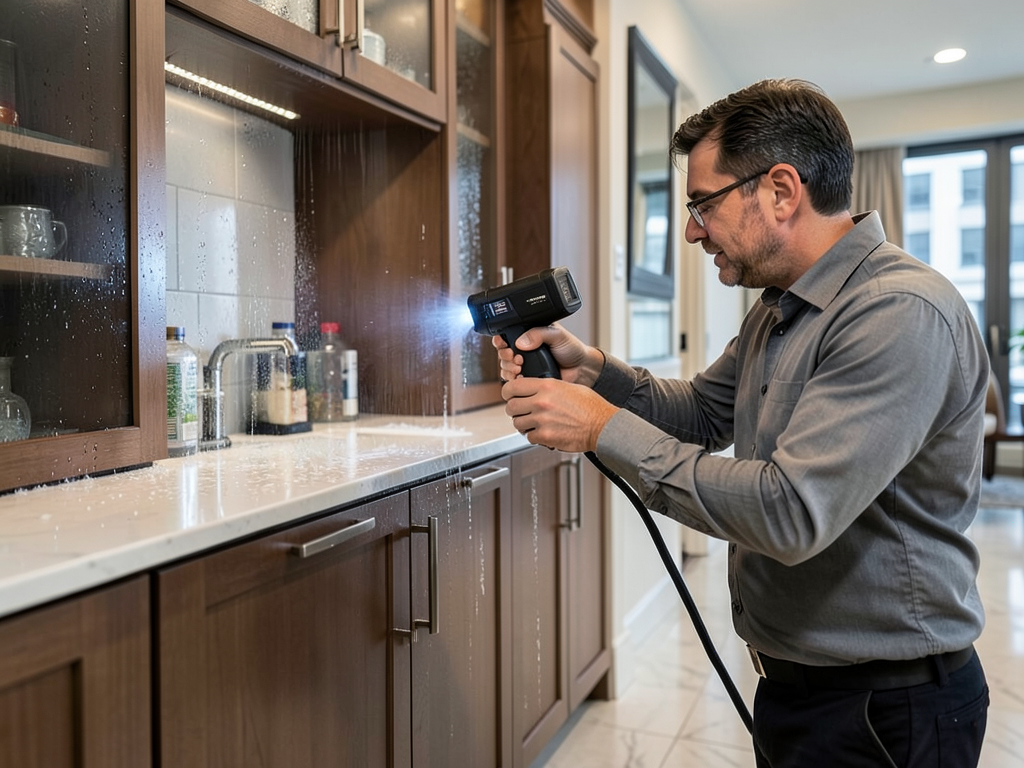
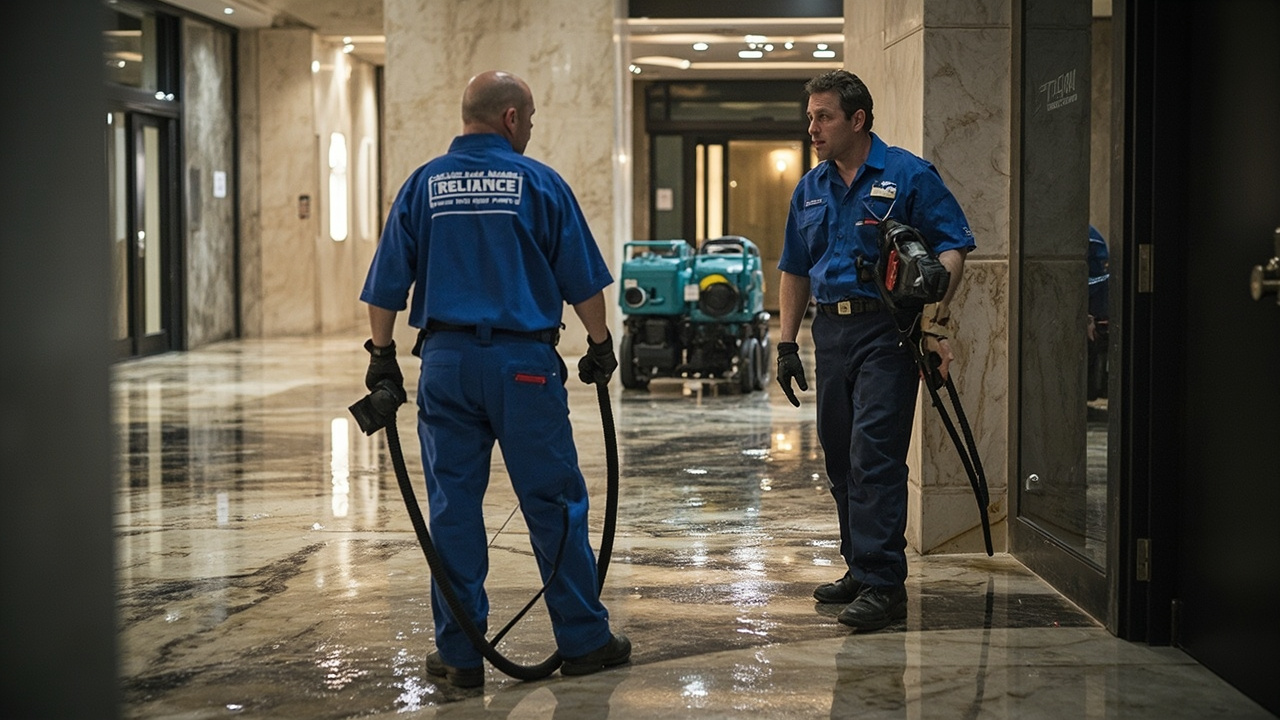
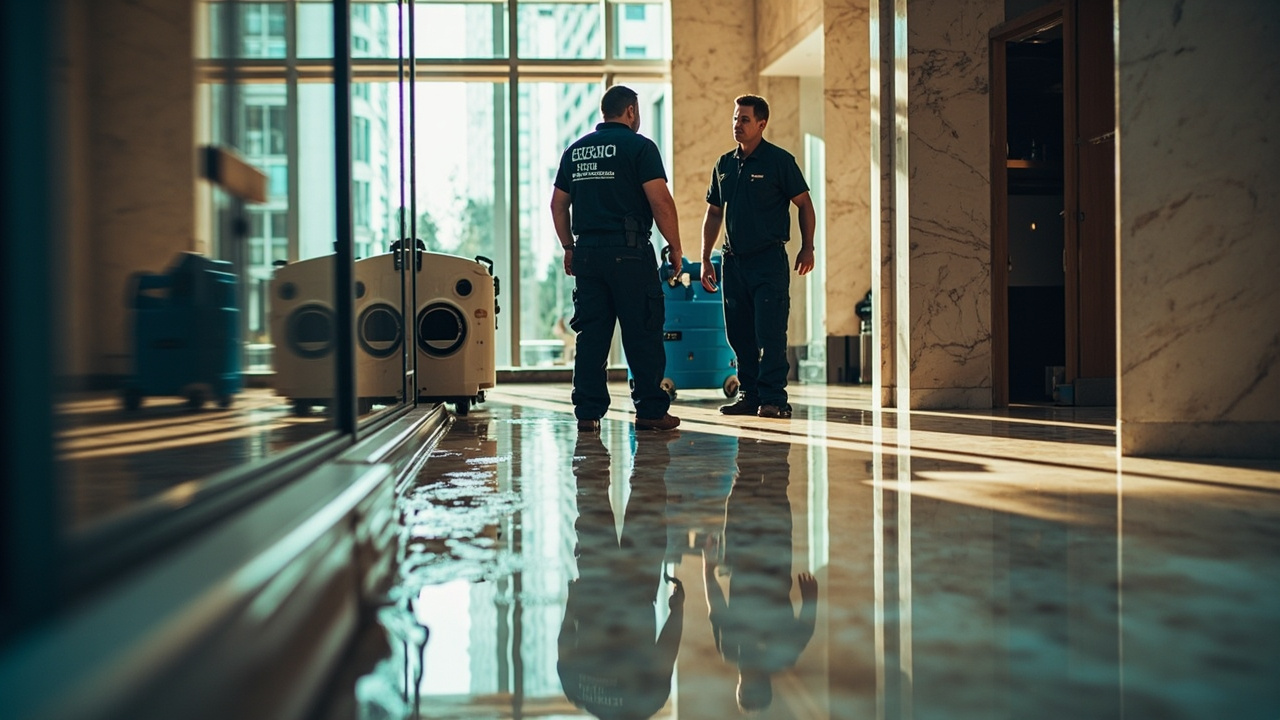
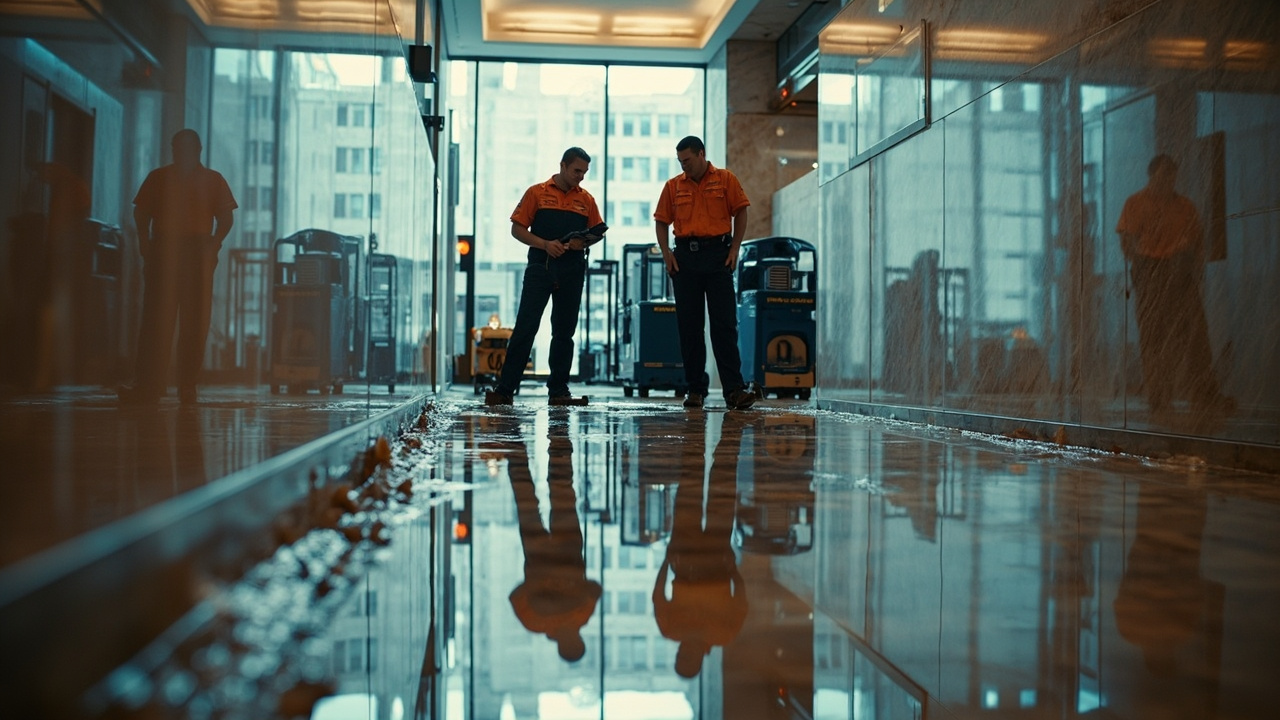
Our approach prioritizes speed without sacrificing documentation. The moment you contact us, we deploy a project manager and technical crew capable of handling multi-floor extraction operations. We do not send a single technician with a wet vac. You get trailer-mounted extraction units, industrial desiccant dehumidifiers, and thermal imaging to identify trapped moisture in wall cavities and above ceiling tiles.

We compartmentalize your facility using negative air pressure containment barriers. This allows unaffected areas to remain operational while we execute commercial water mitigation in damaged zones. Your revenue stream does not stop completely. We have restored law firms in Dupont Circle, medical offices near Howard University Hospital, and restaurants in Navy Yard without forcing total shutdowns.

Our documentation process runs parallel to physical restoration. We photograph every stage, log moisture readings with hygrometers at multiple daily intervals, and generate detailed reports that satisfy commercial insurance carriers and legal counsel. If your claim enters subrogation, you have a defensible paper trail that withstands third-party review.

We coordinate directly with your MEP contractors, IT teams, and security personnel. Water damage in commercial environments intersects with access control systems, data centers, and life safety equipment. We do not work in isolation. Our crews understand how to navigate occupied buildings, maintain chain of custody for sensitive materials, and communicate through your established incident command structure. You get business water damage restoration that integrates with your operational reality, not a residential cleanup crew improvising in a commercial environment.

What Happens During a Commercial Water Emergency Response

Commercial Water Damage Restoration in Washington, D.C. – Minimize Downtime and Protect Business Continuity
01

Immediate Loss Assessment

Within one hour of your call, our project manager arrives on-site to evaluate affected square footage, water category classification, and structural compromise. We identify safety hazards including electrical risks, ceiling collapse potential, and slip hazards. You receive a preliminary scope and resource deployment plan before physical work begins. This assessment determines equipment staging, personnel allocation, and estimated timeline to substantial completion.
02

Containment and Extraction

We establish physical barriers using poly sheeting and zippered access points to isolate the work area. Truck-mounted extraction units remove standing water while air scrubbers with HEPA filtration prevent cross-contamination to clean zones. Our crews document pre-loss conditions, remove non-salvageable materials, and begin drying protocols using commercial-grade dehumidifiers and air movers positioned based on psychrometric calculations. You get controlled demolition, not wholesale destruction.
03

Verification and Clearance

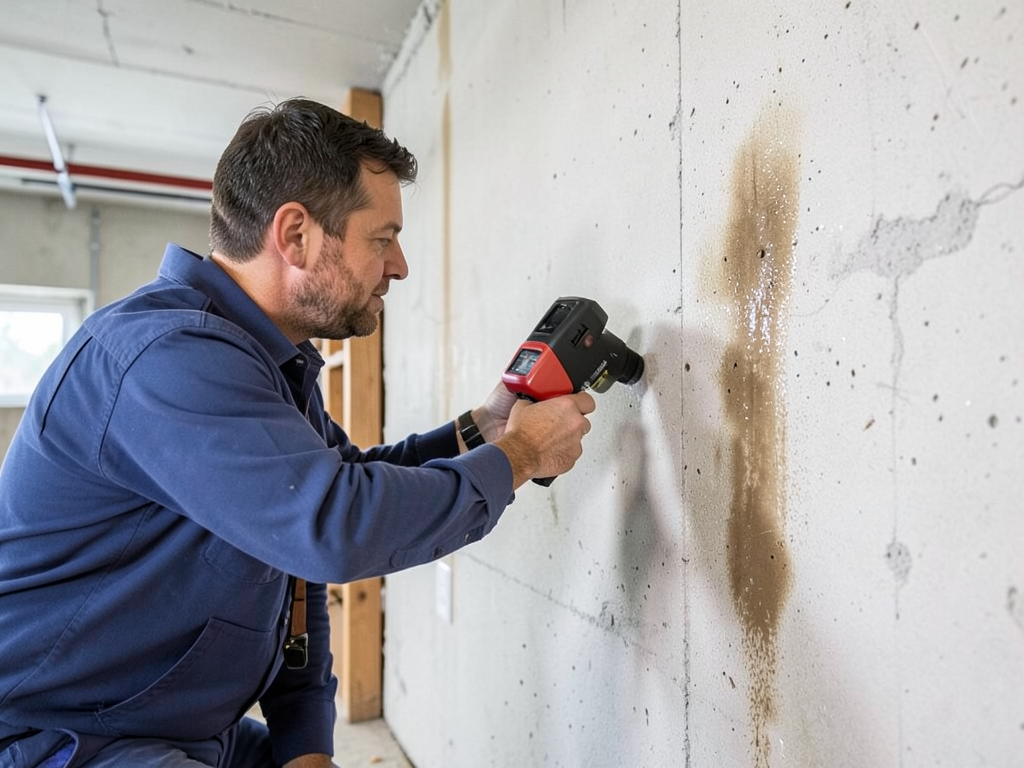
We do not declare a space dry based on visual inspection. Our technicians use moisture meters to verify that structural materials have returned to baseline readings. You receive a final walkthrough with photographic documentation, air quality test results if mold remediation occurred, and a certificate of completion. This package satisfies your insurance carrier, your tenants, and any regulatory authority with jurisdiction. Your space is ready for reconstruction or immediate reoccupancy.

Why D.C. Property Managers Choose Cornerstone Water Damage Restoration Charlotte

We operate in Washington, D.C. with full knowledge of the district's regulatory landscape. Our crews understand DCRA permitting requirements, Historic Preservation Office consultation triggers, and the Department of Energy and Environment stormwater management regulations that affect your property's compliance status. If your building requires a demolition permit for water-damaged drywall removal, we handle that coordination. You do not navigate the bureaucracy alone.

Our fleet includes equipment scaled for commercial applications. We maintain truck-mounted extraction units capable of removing thousands of gallons per hour, diesel-powered generators for sites with compromised electrical systems, and thermal imaging cameras that identify moisture intrusion invisible to standard inspection. When a retail complex in Columbia Heights or an office building near Farragut Square floods, you need industrial capacity, not residential tools.

We staff projects with IICRC-certified technicians trained in commercial water damage cleanup protocols. Our people understand the difference between Category 1 clean water, Category 2 gray water from HVAC condensate, and Category 3 black water from sanitary sewer backups. This matters because remediation procedures, disposal requirements, and liability exposures differ dramatically based on contamination level. Incorrect classification creates regulatory violations and insurance claim denials.

Cornerstone Water Damage Restoration Charlotte maintains relationships with commercial general contractors, environmental consultants, and industrial hygienists throughout the D.C. metro area. If your loss requires mold assessment, asbestos testing in older buildings, or structural engineering review, we connect you with qualified professionals. You get a coordinated response, not a fragmented series of subcontractors pointing fingers at each other when problems arise.

What to Expect When You Engage Our Commercial Services

Response Time and Availability

We maintain 24-hour dispatch capability for commercial emergencies. You speak directly with a project manager, not an answering service that takes a message. Our average on-site arrival time for D.C. properties is under 90 minutes from initial contact. For multi-location portfolio clients, we pre-position equipment and establish priority response protocols. You do not compete with residential callers for crew availability. Commercial accounts receive dedicated resources and direct communication channels with senior leadership. If your water emergency occurs at 2 a.m. on a federal holiday, we respond with the same urgency as a Tuesday afternoon call.

Initial Assessment Process

Our assessment includes moisture mapping using infrared thermography, psychrometric data collection, and water source identification. We determine if the event resulted from building system failure, weather intrusion, or tenant negligence. This matters for insurance claim allocation and potential subrogation. You receive a written scope of work, equipment deployment schedule, and preliminary timeline before we begin physical remediation. We identify contents that require pack-out, structural components needing removal, and systems requiring isolation. Our assessment feeds directly into your business continuity planning and insurance notification obligations. You have the information needed to make informed decisions about partial operations, temporary relocation, or full shutdown.

Quality of Final Outcome

We dry your facility to ANSI/IICRC S500 standards. This means structural materials return to their pre-loss moisture content, not simply dry to the touch. You receive documentation showing moisture readings over time, proving that drying occurred systematically and completely. If mold growth occurred, we follow IICRC S520 remediation standards with containment, HEPA filtration, and post-remediation verification. Your space does not just look clean. It meets the environmental conditions required for safe occupancy and passes third-party testing. This level of rigor protects you from future liability claims and satisfies the most demanding insurance adjusters and risk managers.

Post-Restoration Support

After substantial completion, we provide a comprehensive closeout package including all moisture logs, photographic documentation, disposal manifests for contaminated materials, and certificates of completion. If your insurance carrier disputes any aspect of the claim, we provide technical consultation and expert testimony support. For clients managing multiple properties, we offer annual maintenance inspections to identify vulnerabilities before they become emergencies. We check roof drainage systems, HVAC condensate lines, and plumbing risers in high-risk locations. This proactive approach reduces your long-term loss frequency and positions you favorably with underwriters during policy renewal negotiations.

Frequently Asked Questions

You Have Questions,
We Have Answers

How much does restoration cost for water damage? +

Commercial water damage restoration in Washington, D.C. costs vary based on affected square footage, contamination level, and structural materials impacted. A small office leak might run $3,000 to $8,000, while a multi-floor flooding event can exceed $50,000. Category 3 water (sewage) increases costs due to required biohazard protocols. Historic buildings in Georgetown or Capitol Hill often face higher restoration expenses because of older infrastructure and preservation requirements. Costs include extraction, structural drying, antimicrobial treatment, and reconstruction. Document everything for insurance claims and business interruption calculations.

Is water damage restoration worth it? +

For commercial properties in Washington, D.C., professional restoration protects your balance sheet. Unmitigated water damage escalates into mold growth within 48 hours, structural decay, and code violations that halt operations. The high humidity along the Potomac River accelerates deterioration. DIY approaches miss hidden moisture in wall cavities and subfloors, creating liability exposure and tenant complaints. Professional restoration minimizes downtime, preserves property value, and provides documentation insurers require. For businesses in competitive markets like Dupont Circle or K Street, operational continuity justifies the investment. Delayed response costs more than immediate professional intervention.

What does water damage restoration include? +

Commercial water damage restoration encompasses emergency water extraction, structural drying using industrial dehumidifiers and air movers, moisture mapping with thermal imaging, antimicrobial application, content pack-out and storage, and reconstruction. Projects include roof leak repairs, burst pipe cleanup, HVAC condensation issues, and storm flooding. Technicians remove damaged materials like drywall, insulation, and flooring, then dry structural elements to prevent mold. The process includes documentation for insurance claims, air quality testing, and final clearance verification. In Washington, D.C., restoration teams coordinate with building inspectors to meet commercial code requirements before reopening.

How much does it cost to start a water restoration business? +

This question applies to entrepreneurs, not commercial property owners seeking restoration services. Starting a water restoration business requires significant capital for equipment, licensing, insurance, and certifications. Initial investments include truck-mounted extractors, dehumidifiers, moisture meters, and containment supplies. IICRC certification training, liability insurance, and marketing add costs. However, commercial property managers in Washington, D.C. should focus on hiring established restoration contractors with proven track records, not startups. Verify contractors carry proper licensing, commercial insurance, and experience with D.C. building codes before engaging services.

Does insurance pay for water restoration? +

Commercial property insurance typically covers sudden and accidental water damage like burst pipes, roof leaks, or sprinkler malfunctions. Policies exclude gradual damage from deferred maintenance or flooding (requires separate flood insurance). In Washington, D.C., properties near the Anacostia River or Rock Creek need flood coverage. Insurance pays for emergency mitigation, structural drying, and repairs minus your deductible. Document damage immediately with photos and moisture readings. Business interruption coverage reimburses lost revenue during restoration. Review your policy exclusions and file claims promptly. Restoration contractors coordinate directly with adjusters to streamline approval.

How to estimate water damage repair? +

Estimating commercial water damage requires assessing affected square footage, water category (clean, gray, or black), materials impacted, and extraction complexity. Measure moisture levels in walls, ceilings, and subfloors using moisture meters and thermal imaging. Calculate drying time based on humidity levels and airflow. Factor in content removal, antimicrobial treatment, demolition, and reconstruction costs. In Washington, D.C., older buildings in neighborhoods like Shaw or Logan Circle may reveal hidden damage behind historic facades. Professional estimators use standardized software that insurance adjusters recognize. Detailed estimates prevent disputes and ensure adequate claim settlements.

What is the average water damage claim? +

Commercial water damage claims in Washington, D.C. average between $10,000 and $75,000, depending on property size and damage severity. Small retail spaces may claim $8,000 for isolated pipe bursts, while multi-tenant buildings facing basement flooding can exceed $200,000. Claims include emergency mitigation, structural repairs, content replacement, and business interruption losses. Properties with older plumbing systems or inadequate drainage near Capitol Hill face higher frequency claims. Insurance adjusters scrutinize maintenance records to determine coverage eligibility. Accurate documentation and immediate professional response maximize claim approval rates and settlement amounts.

How long does Servpro take for water damage? +

Restoration timelines depend on damage severity, not specific companies. A straightforward commercial water extraction might take three to five days for drying, while extensive flooding with demolition requires two to four weeks. In Washington, D.C., high humidity along the Potomac extends drying times compared to drier climates. Structural materials, airflow access, and dehumidification capacity affect duration. Black water contamination adds days for antimicrobial protocols. Business owners should prioritize contractors with adequate equipment and staffing to minimize downtime, not just brand recognition. Request project timelines in writing before authorizing work.

Why is water damage so expensive? +

Water damage restoration costs reflect labor intensity, specialized equipment, and liability risks. Commercial projects require industrial dehumidifiers, thermal imaging, moisture tracking, and antimicrobial treatments that residential jobs skip. Technicians work 24/7 to minimize business interruption, increasing labor costs. Hidden moisture in wall cavities, HVAC systems, and structural elements requires invasive investigation. In Washington, D.C., historic preservation requirements and strict building codes add compliance expenses. Category 3 water involves biohazard protocols and disposal fees. Equipment rental, insurance documentation, and reconstruction push costs higher than simple water extraction alone.

How likely is mold after water damage? +

Mold growth begins within 24 to 48 hours after water intrusion in Washington, D.C.'s humid climate. Commercial buildings with poor ventilation, like basement storage areas or interior offices, face higher mold risk. The probability reaches 80 percent if water remains untreated beyond 72 hours. Porous materials like drywall, ceiling tiles, and insulation become mold reservoirs. Professional restoration includes antimicrobial application and air scrubbing to prevent spore spread. Delay creates health liability for tenants and employees. Immediate extraction and structural drying reduce mold probability to under 10 percent. Document mitigation efforts to protect against future liability claims.

How D.C.'s Federal Workplace Density Amplifies Commercial Water Damage Urgency

Washington, D.C. maintains the highest concentration of federal office space in the country. Buildings housing government contractors, lobbying firms, and nonprofit organizations operate under strict security protocols and data protection requirements. A water event in these environments creates complications beyond physical damage. Access restrictions delay response, classified materials require special handling during pack-out, and background checks for restoration personnel add days to project timelines. Business water damage restoration in D.C. requires crews with the clearance levels and operational discipline to work within these constraints without triggering security incidents or data breaches.

The district's building stock includes structures dating to the early 20th century with outdated plumbing systems, cast iron waste lines prone to failure, and inadequate sump pump capacity for modern water table conditions. Property managers in Adams Morgan, Logan Circle, and Shaw deal with infrastructure that predates current building codes. Effective commercial water mitigation requires understanding how these older systems fail and how to remediate damage without triggering full building code compliance upgrades. Local expertise matters because restoration work that inadvertently creates a code violation can halt your operations for months while you navigate DCRA enforcement actions.
Water Damage Restoration Services in The Washington DC Area

While we primarily offer mobile, on-site water damage restoration services throughout Washington D.C., you can view our main operational hub and service area on the map below. We are strategically located to ensure rapid deployment and efficient response times to all emergencies across the region, bringing our expert services directly to your property wherever you are within our service footprint.

Address:
Reliance Water Damage Restoration Washington DC, 200 Massachusetts Ave NW, Washington, DC, 20001

Additional Services We Offer

Our news updates

Latest Articles & News from The Blogs

Why Your New Condo at The Wharf Might Experience Balcony Drainage Flooding Living in a luxury condo at The Wharf…

Why Your New Condo at The Wharf Might Experience Balcony Drainage Flooding

Why Your New Condo at The Wharf Might Experience Balcony Drainage Flooding Living in a luxury condo at The Wharf…

Dealing with Potomac River Seepage in Your Georgetown Waterfront Retail Space

Dealing with Potomac River Seepage in Your Georgetown Waterfront Retail Space Georgetown's waterfront retail spaces face unique water damage risks…

What Every DC Homeowner Needs in a Flood Emergency Kit Before the Next Storm Hits

What Every DC Homeowner Needs in a Flood Emergency Kit Before the Next Storm Hits Washington DC homeowners face unique…

Contact Us

Contact Cornerstone Water Damage Restoration Charlotte at (771) 223-8077 for immediate commercial water damage response in Washington, D.C. Our project managers are available now to deploy industrial-grade extraction and drying resources to your property.